
 ISO 9001:2015 & QCI Approved
STP and ETP Plant Manufacturer in Meerut
Trity Environ Solutions is a trusted STP and ETP plant manufacturer in Meerut, building wastewater systems for the region's sugar mills, distilleries, paper and food units, textile processors, hospitals, and housing projects. With Meerut's drains feeding the Kali river and a large public sewage plant still under construction, the company designs on-site plants that treat and reuse water at source, with pan India installation support behind every project. Whether you need a sewage treatment plant manufacturer in Meerut or an effluent treatment plant manufacturer in Meerut, Trity Environ Solutions builds both in-house, from design to commissioning.
CPCB & SPCB Ready
Turnkey Design & Installation
An Industrial Belt on the Kali River
An Industrial Belt on the Kali River
Meerut sits in the sugarcane belt of western Uttar Pradesh, and its industry, drains, and river have long been linked. A Down To Earth investigation published in 2012, now more than a decade old, reported that Meerut city contributed over 60 percent of the pollution load in the Kali river stretch studied by the CPCB. It put the city's sewage at roughly 350 MLD against about 91 MLD of treatment capacity, and recorded three major drains, Abu Nallah 1, Abu Nallah 2, and the slaughterhouse drain, carrying about 378 MLD of mixed domestic and industrial wastewater, of which around 26 MLD was industrial. The same report counted sugar mills, paper mills, textile units, and distilleries among the district's industries.
The public response is now under way. The foundation stone for a 220 MLD sewage treatment plant and interception and diversion works at Meerut, costing about Rs 370 crore under NMCG, was laid in January 2024, with completion expected around December 2026, after which untreated city sewage is not meant to enter the Kali. Until that capacity is working and drains are connected, industries and large buildings remain responsible for their own discharge. Trity Environ Solutions builds effluent treatment plants for sugar, food, textile, and allied units, and sewage treatment plants for the hospitals, institutions, and housing projects of Meerut.
Operating a unit or campus in Meerut? Request a free site assessment and the engineering team will confirm the right configuration for your site.
For the wider picture across the state, see our STP and ETP plant manufacturer in Uttar Pradesh page.
KEY BENEFITS
Key Benefits of STP and ETP Plant Manufacturer in Meerut
Engineered for reliable UPPCB compliance, high organic load treatment, and water reuse across sugarcane belt industries.
Built for UPPCB Consent Conditions
Systems engineered to consistently meet the BOD, COD, and TSS limits attached to consent to establish and consent to operate, with records ready for inspection.
High BOD Effluent Expertise
Anaerobic and aerobic stages designed for the strong organic effluent of sugar, distillery, dairy, and food processing, where BOD is many times that of ordinary sewage.
Textile and Dyeing Effluent Handling
Colour, COD, and dissolved solids removal for textile processors, since mixed industrial effluent was already a documented part of Meerut's drain load.
Treated Water You Can Reuse
Polished effluent suitable for cooling, washdown, horticulture, and flushing, reducing fresh water draw and discharge volumes together.
Local Support Across Western UP
Installation, operator training, and AMC response for Meerut and neighbouring districts, reached quickly from Trity's Ghaziabad base.
Public Capacity Has Lagged Behind Meerut's Sewage
The 2012 figures of about 350 MLD of sewage against 91 MLD of treatment capacity are old, and the 220 MLD plant under construction shows the gap is being closed. But it is not closed yet, and the project is scheduled for completion only around the end of 2026. Until public capacity is proven in operation, a unit that relies on shared drains depends on something it cannot control.
Plants Fail Slowly Without Operation and Maintenance
High load industrial effluent punishes poorly maintained plants quickly, through foaming, sludge carry-over, and missed consent limits. Trity Environ Solutions supports every Meerut installation with operator training, performance monitoring, and an Annual Maintenance Contract, so blowers, diffusers, and dosing systems keep the plant within consent limits. Talk to our team about AMC coverage for your facility.
The Hindon and Kali Basin Has Faced Tribunal Attention
The National Green Tribunal took notice of industrial discharge into the Hindon and its tributaries in 2015, after a UPPCB response listed 172 industries discharging into the river across six western UP districts, Meerut among them. Fabric dyeing, sugar, dairy, distillery, and paper units were all named. Industry in this part of the state works under that history, which makes documented, in-house treatment the practical way to stay inside consent.
SYSTEM CONFIGURATIONS
Types of STP and ETP Plant Manufacturer in Meerut Configurations
Technologies selected to match your industry, effluent strength, and UPPCB consent requirements.
Sugar, Dairy and Food Processing ETP
Our food and beverage effluent treatment plant treats high BOD and COD process effluent through equalisation, biological treatment, and clarification.
Distillery and High Strength Effluent
Our anaerobic digester reduces the organic load of strong effluent before polishing, and can recover biogas where the process allows.
Textile and Dyeing ETP
Our textile dyeing effluent treatment plant removes colour, COD, and suspended solids from fabric processing units.
General Industrial ETP
Our biological effluent treatment plant suits paper, packaging, and allied units whose effluent is largely organic and biodegradable.
Hospitals, Institutions and Housing STP
Our MBBR sewage treatment plant is a compact, low maintenance option for hospitals, colleges, and residential projects across Meerut.
TURNKEY WORKFLOW
How the STP and ETP Plant Manufacturer in Meerut Process Works
A turnkey process engineered for consistent UPPCB compliant performance on high load industrial and urban sites.
01
Site Assessment & Influent Characterisation
Flow measurement and sampling establish your actual load, whether sugar and food effluent, textile discharge, or domestic sewage, before design begins.
02
Design & Engineering
Technology and tank layout are fixed against your UPPCB consent category, available footprint, and reuse targets.
03
Manufacturing & Installation
Components are manufactured under ISO 9001:2015 quality controls, then installed and commissioned by Trity's site team.
04
Commissioning & AMC Support
The plant is tested against consent limits, operators are trained, and ongoing AMC support keeps performance consistent afterward.
COMMON INQUIRIES
Frequently Asked Questions
Clear answers regarding regulatory consent, installation timelines, and plant capabilities in Meerut.
Q1. Which pollution control board governs STP and ETP discharge in Meerut?
The Uttar Pradesh Pollution Control Board (UPPCB) issues consent to establish and consent to operate, alongside CPCB guidelines and any directions from the National Green Tribunal.
Q2. Do sugar mills and distilleries in Meerut need an ETP?
Yes. These units generate high BOD and COD effluent and are expected to treat it on site to consent limits, usually with an anaerobic stage followed by aerobic polishing.
Q3. Can you build an ETP for textile and dyeing units?
Yes. Dyeing effluent needs colour removal and COD reduction beyond a standard biological plant, and each treatment train is designed around your dye types, volumes, and reuse targets.
Q4. Is an STP mandatory for residential societies and institutions in Meerut?
Large residential and institutional projects generally need an STP under environmental clearance and UPPCB consent conditions, and treated water is expected to be reused where possible.
Q5. How long does installation take in Meerut?
Prefabricated modular plants typically commission within 45 to 90 days, while civil-based plants for larger capacities take 3 to 6 months from design approval to handover.
Q6. Can an existing Meerut plant be upgraded or maintained?
Yes. Trity Environ Solutions audits existing plants, retrofits capacity or technology, and takes them under an annual maintenance contract so they stay within consent limits.
Q7. How do I choose a reliable STP and ETP plant manufacturer in Meerut?
Look for in-house manufacturing, experience with UPPCB consent requirements, a design based on your own effluent analysis, and a clear maintenance offering after commissioning. Trity Environ Solutions builds its plants under ISO 9001:2015 quality controls and supports every installation with operator training and an annual maintenance contract.
CATALOGUE
Related Engineering Products
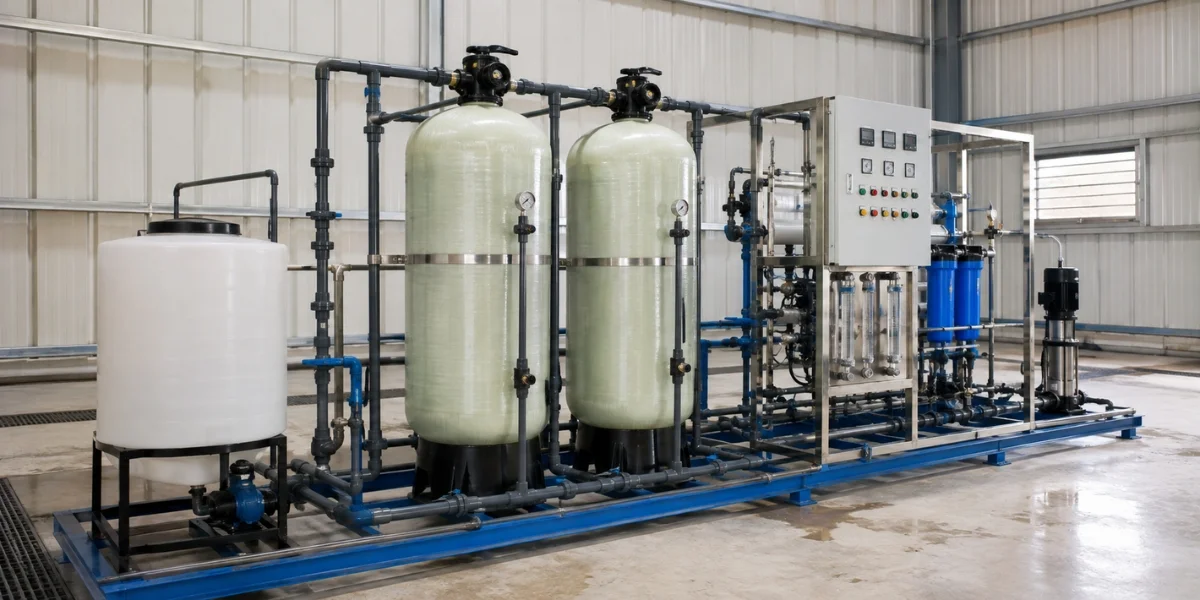
RO & Water Recycling Plant Manufacturer in India
Trity Environ Solutions manufactures RO and water recycling systems for industries and commercial facilities, engineered for reliable purity and reuse.
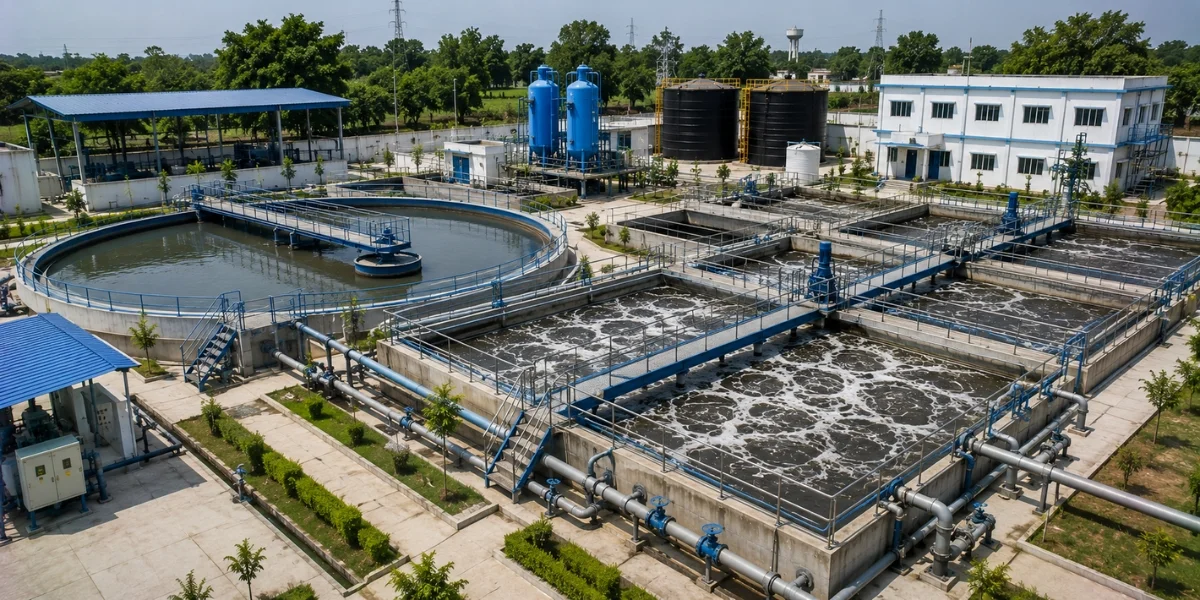
Tertiary Treatment Plant Manufacturer in India
Trity Environ Solutions manufactures tertiary treatment plants that polish treated water beyond secondary treatment, enabling genuine reuse and stricter discharge compliance.
Wastewater Recycling System Manufacturer in India
Trity Environ Solutions manufactures wastewater recycling systems using UF and RO technology, turning treated wastewater into reuse-grade water for cooling, flushing, and gardening.
PAN-INDIA CAPABILITIES
Regional Solutions & State Coverage
TECHNICAL KNOWLEDGE
Related Insights & Engineering Guides
PROVEN EXCELLENCE
Featured Turnkey Installations











Need a Custom Water or Wastewater Treatment Solution?
Our engineering team can help design the right system for your capacity, industry, and compliance requirements.

