
 ISO 9001:2015 & QCI Approved
STP and ETP Plant Manufacturer in Faridabad
Trity Environ Solutions is a trusted STP and ETP plant manufacturer in Faridabad, engineering wastewater systems for a city where roughly 640 industrial units operate, many without their own effluent treatment, and shared common facilities meet only a fraction of actual demand. We build standalone systems for dyeing, electroplating, and textile units, and biological systems for residential and commercial projects, with pan India installation support. Whether you need a sewage treatment plant manufacturer in Faridabad or an effluent treatment plant manufacturer in Faridabad, Trity Environ Solutions builds both in-house, from design to commissioning.
CPCB & SPCB Ready
Turnkey Design & Installation
Shared Infrastructure Here Meets a Fraction of What the City Actually Needs
Shared Infrastructure Here Meets a Fraction of What the City Actually Needs
Faridabad's two existing CETPs have a combined functional capacity of 17.25 MLD, which district administration figures put at roughly 10 percent of the city's actual industrial treatment demand. With around 640 industrial units in the city, many lacking their own ETP or STP, untreated discharge from dyeing, electroplating, and textile operations has repeatedly reached local drains, generating over 50 formal complaints to the NGT and National Mission for Clean Ganga. Municipal sewage treatment has faced a parallel gap, with one plant reported operating at half its rated capacity and documented penalties issued over poor upkeep.
Trity Environ Solutions builds effluent treatment plants and sewage treatment plants designed to function as standalone, unit-level systems in this environment, not ones that assume shared infrastructure will pick up the shortfall. Whether you're operating in IMT, the Sector 58 electroplating zone, or elsewhere in the city, we size for your actual discharge, not a hopeful assumption about capacity that isn't there.
Operating an industrial unit or managing a project in Faridabad? Request a free technical assessment and our engineering team will assess what your site genuinely needs.
KEY BENEFITS
Key Benefits of STP and ETP Plant Manufacturer in Faridabad
Engineered for standalone reliability, electroplating and dyeing discharge handling, and reduced NGT complaint exposure.
Standalone, Not Dependent on Shared CETP Capacity
Built as a standalone system rather than relying on shared CETP capacity, since existing common facilities here meet only around 10 percent of actual industrial treatment demand.
Built for Dyeing & Electroplating Discharge
Engineered for dyeing, electroplating, and textile discharge specifically, the sectors most frequently named in complaints about untreated waste reaching local drains.
Reduces NGT & NMCG Complaint Exposure
Reduces exposure to NGT and NMCG complaint risk, given over 50 formal complaints have already been filed regarding untreated industrial discharge in this city.
Sized Against Realistic Demand
Sized against realistic flow rather than a bare consent minimum, informed by documented cases here where municipal capacity fell dramatically short of actual demand.
Faster Response Across Faridabad's Industrial Zones
Faster response across Faridabad, including IMT and the Sector 58 electroplating zone, since our team understands this city specific infrastructure gap.
The Capacity Shortfall Here Is Publicly Documented, Not a Sales Argument
District administration data puts Faridabad's existing CETP capacity at meeting roughly 10 percent of actual industrial demand, and a Detailed Project Report has been submitted seeking central funding for three new common facilities to close the gap. Until that infrastructure materialises, a unit relying entirely on shared treatment is operating with a documented, publicly acknowledged shortfall working against it, which is exactly the exposure a properly sized on-site ETP removes.
Electroplating Effluent Needs Chemistry Standard Treatment Doesn't Cover
Electroplating discharge concentrated in Sector 58 carries heavy metals that pass through standard biological treatment largely untouched, requiring dedicated chemical precipitation designed for this specific process chemistry. Trity Environ Solutions sizes this stage around your actual plating process and metal load, backed by an Annual Maintenance Contract for ongoing compliance support. Talk to our team about AMC coverage for your unit.
Residential and Commercial Projects Face a Related, Separate Problem
Municipal sewage capacity here has faced its own documented shortfall, with reports of a treatment plant operating at roughly half its rated capacity against demand many times higher, and past penalties issued over inadequate upkeep. Residential societies and commercial developments increasingly need their own dependable on-site STP rather than assuming municipal infrastructure will handle discharge reliably.
SYSTEM CONFIGURATIONS
Types of STP and ETP Plant Manufacturer in Faridabad Configurations
Technologies selected to match your industry sector, discharge chemistry, and HSPCB consent category.
Electroplating ETP for Sector 58
Chemical treatment stage engineered for electroplating discharge concentrated in Sector 58, addressing heavy metals standard biological treatment cannot capture.
Dyeing & Textile ETP
Colour and chemical oxidation system for dyeing and textile units, a sector repeatedly named in complaints about untreated discharge reaching local drains.
Residential & Commercial STP
Standard biological treatment for residential societies, offices, and commercial establishments across Faridabad outside its industrial zones.
Standalone Industrial System for IMT
Standalone on-site system for industrial units in IMT and surrounding zones not adequately served by existing shared CETP capacity.
TURNKEY WORKFLOW
How the STP and ETP Plant Manufacturer in Faridabad Process Works
A turnkey process engineered for consistent HSPCB compliant performance given Faridabad's documented infrastructure gap.
01
Site Assessment & Influent Characterisation
Sampling and analysis establish your actual effluent profile, whether electroplating, dyeing, textile, or standard commercial sewage.
02
Design & Engineering
Technology selection accounts for HSPCB norms and the reality that shared treatment infrastructure here cannot be assumed as a fallback.
03
Manufacturing & Installation
Components are manufactured under ISO 9001:2015 quality controls, then installed by our team experienced across Faridabad's industrial zones.
04
Commissioning & AMC Support
The plant is tested against consent conditions, operators are trained, and ongoing AMC support keeps performance consistent as production scales.
COMMON INQUIRIES
Frequently Asked Questions
Clear answers regarding regulatory consent, installation timelines, and plant capacities for Faridabad.
Q1. Why can't Faridabad industries rely on shared CETP infrastructure?
District administration data indicates existing CETPs in Faridabad meet only around 10 percent of actual industrial treatment demand, meaning units depending entirely on shared infrastructure operate with a documented capacity shortfall against them.
Q2. What ETP technology suits Faridabad's electroplating units?
Chemical precipitation for heavy metal removal is essential for electroplating discharge, since standard biological treatment does not effectively capture metals typical of this process.
Q3. Has untreated discharge been a documented problem in Faridabad?
Yes, over 50 formal complaints have been filed with the NGT and National Mission for Clean Ganga regarding untreated industrial waste, particularly from dyeing, electroplating, and textile operations reaching local drains.
Q4. Is municipal sewage treatment also facing capacity issues in Faridabad?
Reports indicate at least one municipal STP has operated at roughly half its rated capacity against significantly higher actual demand, making dependable on-site STP capacity increasingly important for residential and commercial projects.
Q5. How long does installation take for a Faridabad project?
Prefabricated modular plants typically commission within 45 to 90 days, while larger systems for electroplating or dyeing units take 3 to 6 months from design approval.
Q6. Can an existing Faridabad unit upgrade its ETP for better HSPCB compliance?
Yes, we undertake capacity expansions and chemical treatment retrofits on existing plants, starting with a technical audit against current consent conditions.
Q7. How do I choose a reliable STP and ETP plant manufacturer in Faridabad?
Look for in-house manufacturing, experience with HSPCB consent requirements, a design based on your own effluent analysis, and a clear maintenance offering after commissioning. Trity Environ Solutions builds its plants under ISO 9001:2015 quality controls and supports every installation with operator training and an annual maintenance contract.
CATALOGUE
Related Engineering Products
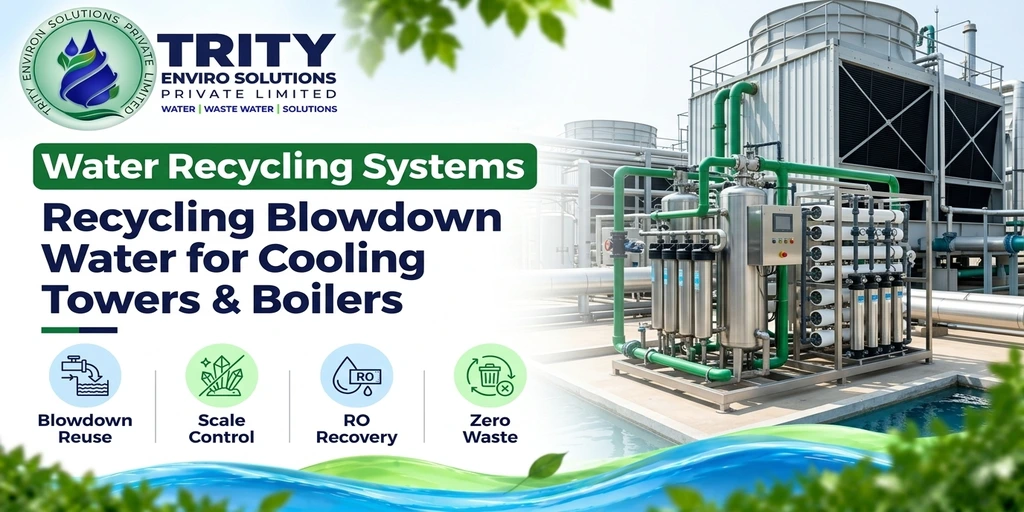
RO & Water Recycling Plant Manufacturer in India
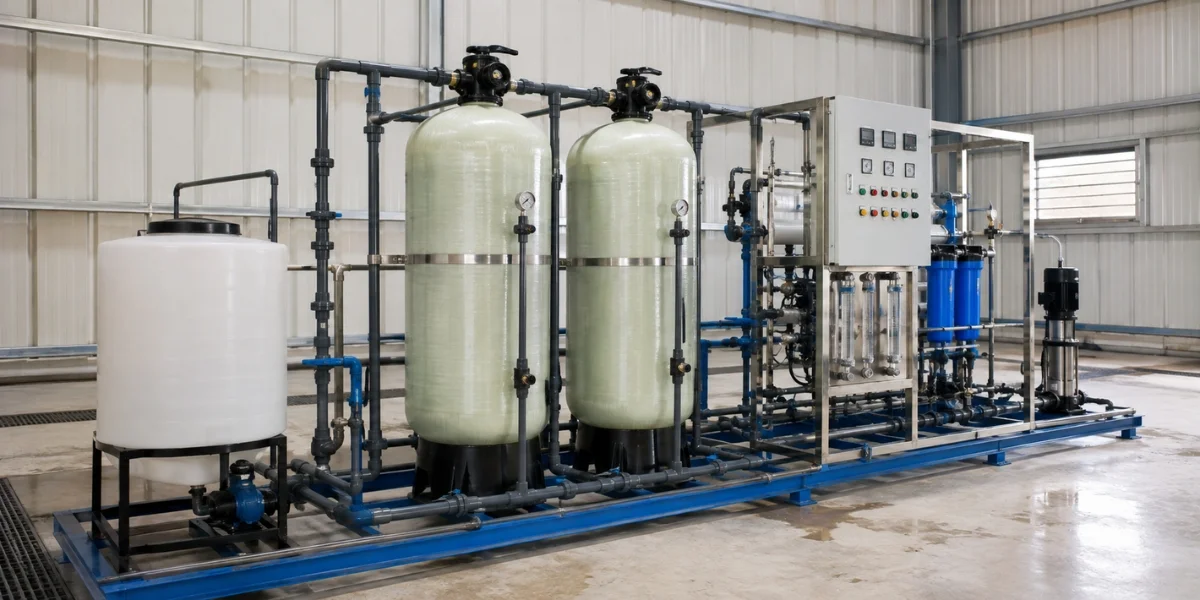
Trity Environ Solutions manufactures RO and water recycling systems for industries and commercial facilities, engineered for reliable purity and reuse.
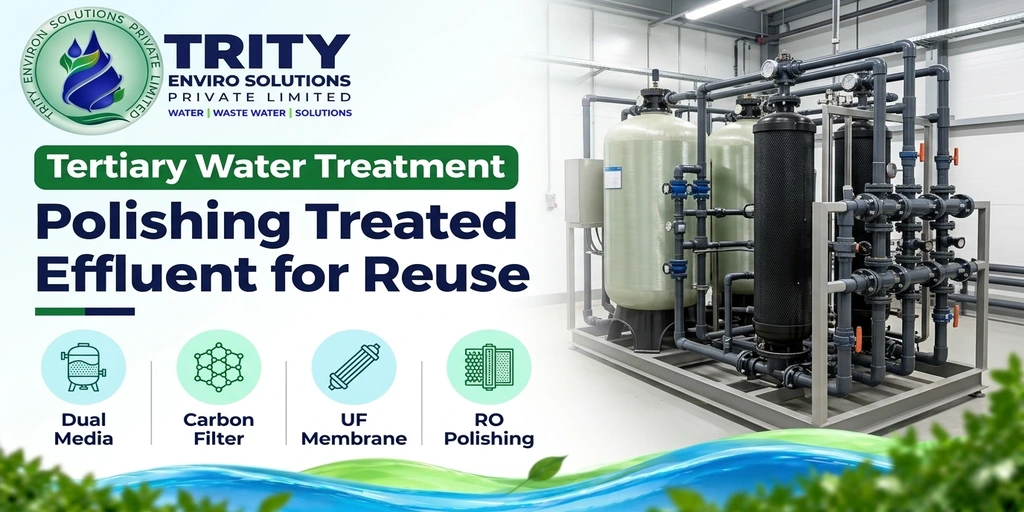
Tertiary Treatment Plant Manufacturer in India
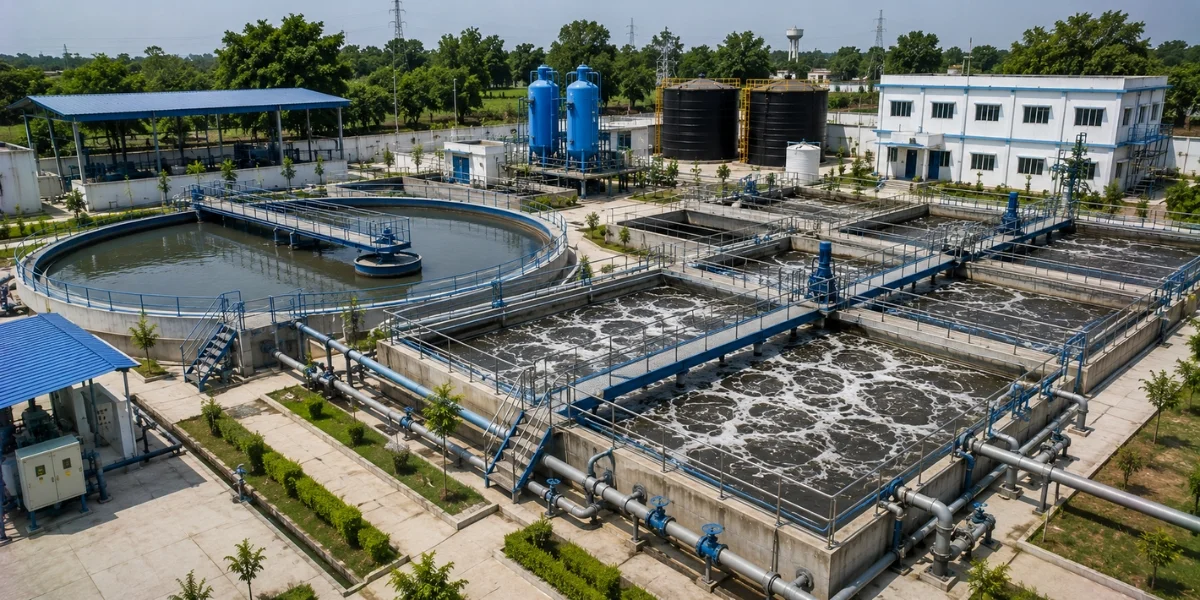
Trity Environ Solutions manufactures tertiary treatment plants that polish treated water beyond secondary treatment, enabling genuine reuse and stricter discharge compliance.
Wastewater Recycling System Manufacturer in India
Trity Environ Solutions manufactures wastewater recycling systems using UF and RO technology, turning treated wastewater into reuse-grade water for cooling, flushing, and gardening.
PAN-INDIA CAPABILITIES
Regional Solutions & State Coverage
TECHNICAL KNOWLEDGE
Related Insights & Engineering Guides
PROVEN EXCELLENCE
Featured Turnkey Installations











Need a Custom Water or Wastewater Treatment Solution?
Our engineering team can help design the right system for your capacity, industry, and compliance requirements.

