
 ISO 9001:2015 & QCI Approved
STP and ETP Plant Manufacturer in Hapur
Trity Environ Solutions is a leading STP and ETP plant manufacturer in Hapur, engineering turnkey wastewater systems for stainless steel utensils, chemicals, and textile clusters across Pilkhuwa and Anand Vihar. We build heavy-duty effluent treatment plants and sewage treatment plants engineered for strict UPPCB compliance, backed by pan India installation support.
Stainless Steel Pickling Solutions
Pilkhuwa Textile Printing ETP
Engineered Wastewater Treatment for Western Uttar Pradesh's Stainless Steel and Textile Center
Hapur stands as a prominent industrial and commercial hub strategically located within the National Capital Region (NCR). The city is renowned for stainless steel utensil manufacturing, chemical packaging, agro-processing, and traditional hand-block printing and textile dyeing centered in neighboring Pilkhuwa.
Industrial developments across the Anand Vihar Industrial Area, Pilkhuwa Textile Cluster, and Delhi-Garhmukteshwar Highway generate challenging wastewater streams. Metal drawing and pickling produce highly acidic rinse laden with dissolved iron, chromium, and nickel, while textile dyeing generates intense color, alkaline pH, and elevated chemical oxygen demand (COD).
As an established STP and ETP plant manufacturer in Hapur, Trity Enviro delivers heavy-duty wastewater treatment systems engineered to solve diverse chemical and textile effluent challenges. Operating under strict UPPCB compliance and NGT directives for the Kali Nadi catchment, facilities cannot afford regulatory non-compliance.
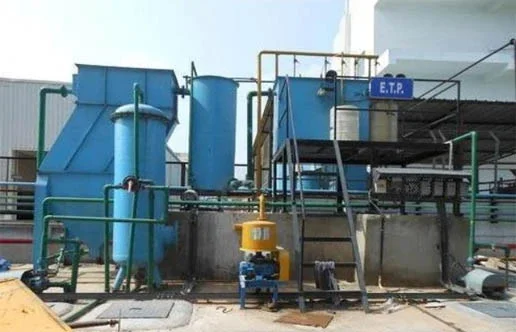
For stainless steel and metal utensil manufacturers, our specialized chemical effluent treatment plants incorporate automated acid neutralization, flash flocculation, and lamella clarifiers to isolate heavy metals. For textile dyeing operations, our multi-stage color removal and extended aeration systems neutralize synthetic dye pigments efficiently.
Furthermore, rapid commercial growth along NH-9 demands reliable domestic wastewater management for residential townships, logistics parks, and hospitals. Our compact sewage treatment plants utilize MBBR and MBR technology to convert sewage into crystal-clear recycled water for toilet flushing, landscaping, and cooling towers.
Key Advantages
Why Hapur Manufacturing and Commercial Facilities Rely on Trity Enviro
Built for harsh acid rinse, high-color textile wastewater, and strict UPPCB regulatory compliance across NCR growth zones.
Acid Neutralization and Metal Precipitation
Automated pH neutralization channels and dosing skids designed to neutralize spent pickling acids and precipitate heavy metal hydroxides.
Textile Dye Decolorization Systems
Specialized chemical coagulation and catalytic oxidation skids engineered to remove persistent reactive dyes and synthetic pigments.
High Recovery Process Water Recycling
Integrated reverse osmosis systems recovering up to 85 percent of treated effluent for direct reuse in washing and rinsing operations.
Strict UPPCB and NCR Environmental Compliance
Guarantees treated discharge parameters well within UPPCB limits, preventing statutory closure notices and regulatory penalties.
Modular Skid Architecture for Fast Erection
Pre-engineered packaged skids designed for quick installation with minimal civil construction across Hapur industrial plots.
Treating Spent Acid and Heavy Metals from Stainless Steel Utensil Manufacturing
Hapur is one of India's largest manufacturers of stainless steel utensils, cookware, and kitchen appliances. The manufacturing process involves deep drawing with heavy lubricants, followed by chemical pickling in nitric and hydrofluoric acid baths to remove scale, and final electro-polishing.
These operations generate spent acid rinse containing dissolved iron, chromium, nickel, and fluoride ions. Discharging these acidic streams without neutralization corrodes municipal sewers and severely contaminates shallow groundwater aquifers across Anand Vihar and surrounding rural tracts.
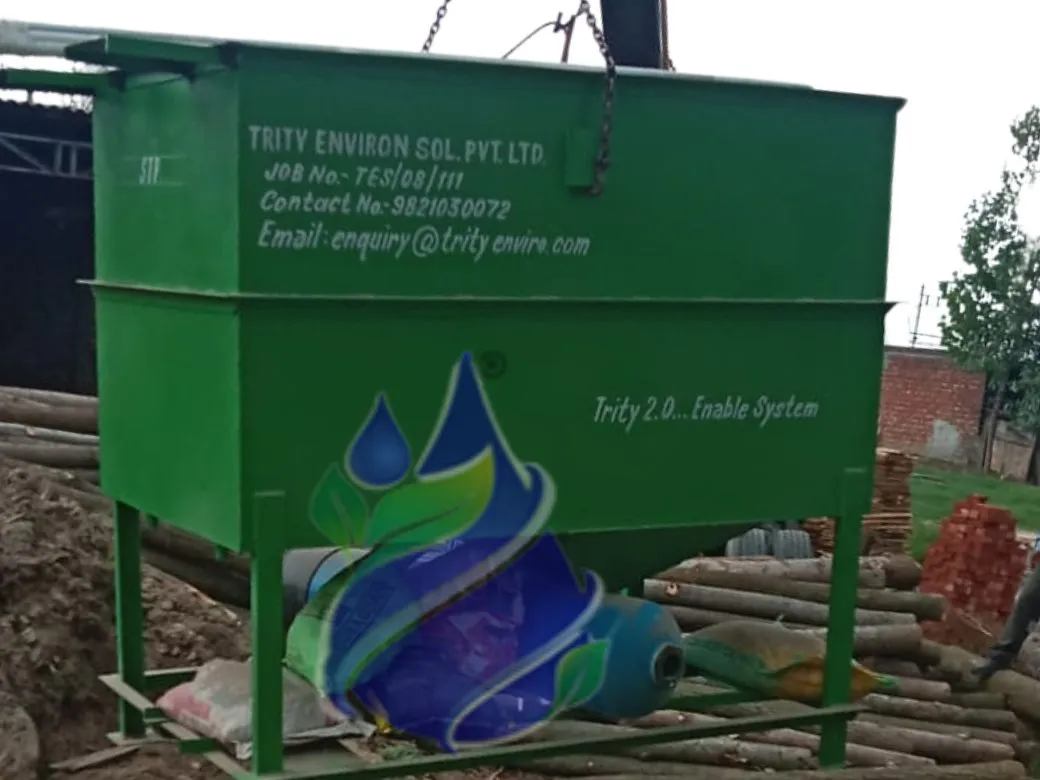
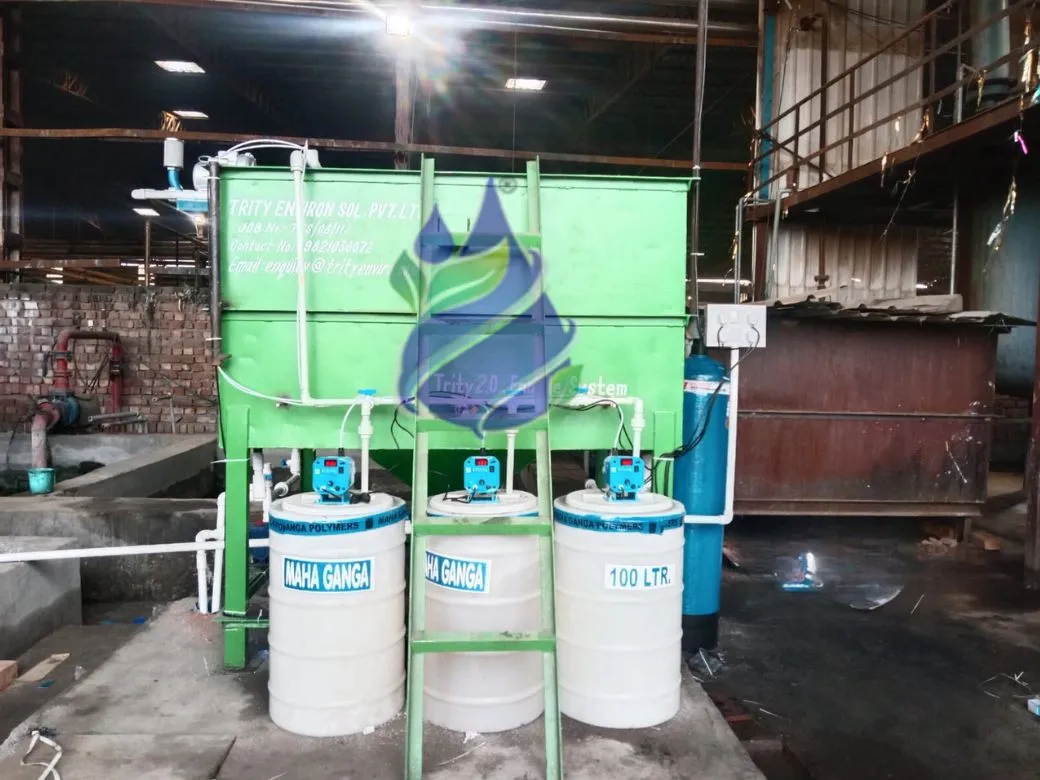
Trity Enviro builds specialized chemical effluent treatment plants featuring automated lime and caustic dosing, flash mixing chambers, and lamella plate clarifiers. Soluble metals are precipitated as stable metal hydroxides and dewatered through plate filter presses into dry cake.
To eliminate tramp lubricants and drawing compounds from deep drawing wash water, we install high-efficiency oil skimmers before chemical reaction tanks. This prevents oil film interference during chemical flocculation and ensures continuous compliance.
Textile Dyeing Effluent Treatment and Water Recycling in Pilkhuwa
The neighboring town of Pilkhuwa is celebrated across northern India for handcrafted textile printing, bedsheet dyeing, and garment washing. Textile processing units use diverse synthetic dyes, fixatives, bleaching agents, and caustic solutions, generating wastewater with dark color, elevated pH, and high chemical oxygen demand (COD).
Discharging untreated dyeing effluent into local drains entering the Kali Nadi catchment causes severe water discoloration and ecological harm. The UPPCB enforces zero-discharge or rigorous primary-secondary treatment standards across textile processing units.
Our engineered textile effluent treatment plants integrate chemical decolorizing polymers, poly-aluminum chloride (PAC) dosing, primary settling, and extended diffused aeration. Aerobic microorganisms break down dissolved organic dyes, reducing BOD and COD to safe discharge levels.
For printing and washing facilities seeking process water reuse, we install high-pressure commercial RO plants and RO water recycling plants. Treated effluent is desalinated and returned to fabric washing tanks, reducing freshwater procurement expenses significantly.
Decentralized Sewage Treatment, ZLD Engineering, and Local AMC Services
With rapid urban development along NH-9 and the Delhi-Lucknow economic corridor, Hapur is expanding rapidly with modern logistics parks, educational campuses, housing townships, and healthcare facilities. These developments require reliable, odorless sewage treatment to recycle domestic greywater in-situ.
Our prefabricated sewage treatment plants utilize compact MBBR and MBR biological technology. Submerged ultrafiltration membranes provide a complete barrier against coliform bacteria and suspended solids, delivering clear, odorless permeate reusable for toilet flushing, green belt irrigation, and cooling towers.
For chemical and textile facilities requiring complete zero discharge, Trity Enviro delivers turnkey zero liquid discharge plants. Our regional service network coordinates closely with nearby hubs in Ghaziabad, Meerut, and Noida to deliver responsive annual maintenance contract support. Contact our engineering team today through our contact us page for a customized site assessment.
Tailored Systems
Wastewater Treatment Systems Engineered for Hapur
Selecting the most dependable configuration based on acid pickling chemistry, textile dye load, and desired water reclamation standards.
Acid Neutralization and Lamella Clarifier ETPs
Heavy-duty reaction and clarification assemblies designed specifically to isolate heavy metals and neutralize acids from stainless steel utensil manufacturing.
Explore Configuration
Textile Dye Decolorization and Biological ETPs
Specialized chemical coagulation and extended aeration plants designed to decolorize and treat high-COD wastewater from Pilkhuwa textile units.
Explore Configuration
Membrane Bioreactor (MBR) Packaged STPs
Ultrafiltration submerged membrane plants delivering pathogen-free, odorless treated water for hospitals, universities, and housing colonies.
Explore Configuration
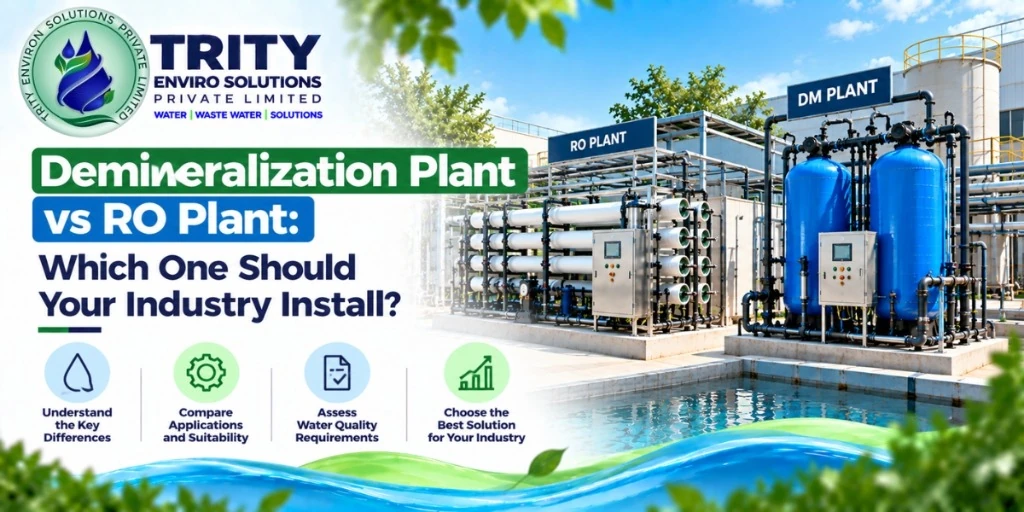
High Recovery RO and ZLD Systems
Multi-stage reverse osmosis and thermal evaporation plants engineered for chemical and textile units requiring complete zero liquid discharge.
Explore Configuration
Execution Discipline
Our Project Delivery Methodology in Hapur
Structured engineering discipline from initial wastewater analysis to skid assembly, commissioning, and UPPCB compliance verification.
01
Effluent Sampling and Chemical Profiling
Detailed laboratory testing of raw wastewater for dissolved metals, acid strength, color units, COD, and oil contamination at your Hapur facility.
02
Process Engineering and Neutralization Design
Stoichiometric sizing of neutralization chambers, chemical dosing skids, lamella clarifiers, and sludge handling systems.
03
Factory Skid Fabrication and Assembly
Precision manufacturing of modular skids using chemical-resistant alloys, FRP, and rubber-lined vessels with full hydrostatic inspection.
04
Turnkey On-Site Installation
Mechanical erection, piping hookups, electrical panel integration, and blower installation supervised by experienced environmental engineers.
05
Chemical Optimization and UPPCB Handover
Chemical dosing stabilization, sludge cake dryness validation, treated water parameter verification, and operator training.
Helpful FAQs
Frequently Asked Questions About Hapur Wastewater Plants
Clear answers regarding UPPCB regulations, stainless steel pickling wastewater, and maintenance in Hapur.
Q1. How do you treat acidic pickling wastewater from stainless steel utensil units?
We implement multi-stage chemical neutralization using lime slurry or caustic soda to raise pH, followed by poly-aluminum chloride (PAC) coagulation and lamella clarification to precipitate dissolved iron, chromium, and nickel as stable hydroxides.
Q2. What are the UPPCB discharge limits for metal and textile units in Hapur?
UPPCB mandates that treated industrial effluent must achieve pH between 6.5 and 8.5, TSS below 100 mg/L, BOD below 30 mg/L, COD below 250 mg/L, and heavy metals below 0.1 to 3.0 mg/L depending on specific parameters.
Q3. How does Trity Enviro decolorize textile dyeing wastewater in Pilkhuwa?
We utilize specialized decolorizing cationic polymers combined with PAC coagulant to bind and precipitate reactive dye molecules, followed by extended aeration to degrade residual organic carriers.
Q4. Can treated sewage water from an industrial estate be reused for landscaping?
Yes. Following tertiary treatment through sand filters, activated carbon beds, and chlorination, the water is crystal clear, pathogen-free, and ideal for lawn watering and factory green belts.
Q5. Does Trity Enviro provide regular AMC support in Hapur and Pilkhuwa?
Yes. We offer complete annual maintenance contracts across Hapur and Pilkhuwa, providing regular site inspections, chemical dosing recalibration, filter press servicing, and water quality testing.
Q6. How long does it take to manufacture and install a packaged ETP in Hapur?
Standard packaged units of 5 KLD to 50 KLD are fabricated within 3 to 4 weeks and installed on site within 5 to 7 days once civil foundations are completed.
CATALOGUE
Related Engineering Products
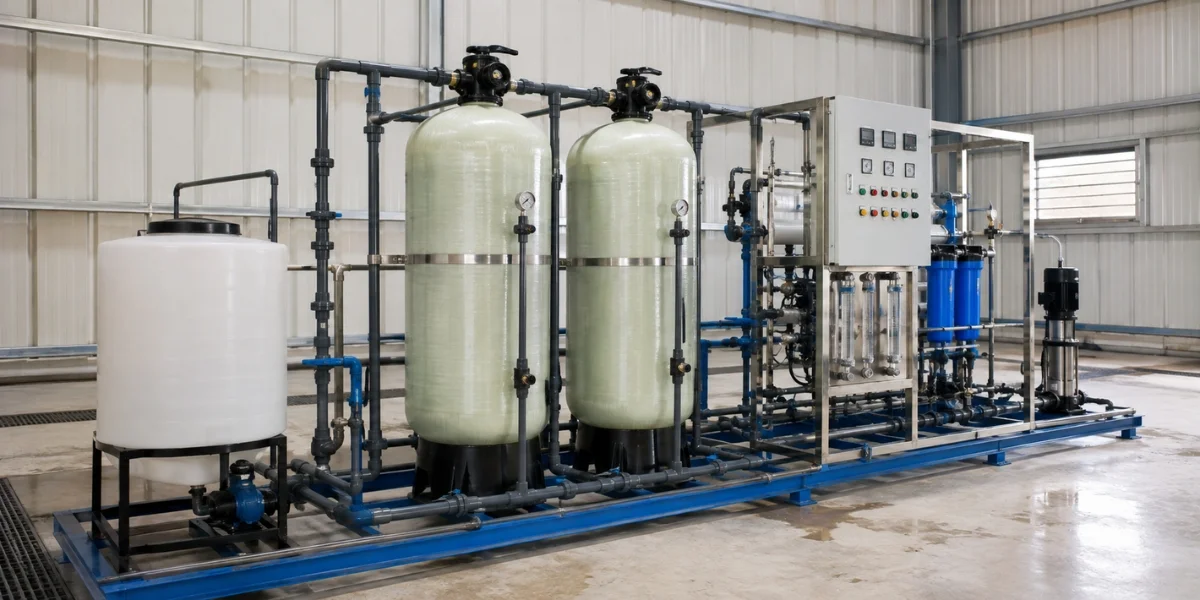
RO & Water Recycling Plant Manufacturer in India
Trity Environ Solutions manufactures RO and water recycling systems for industries and commercial facilities, engineered for reliable purity and reuse.
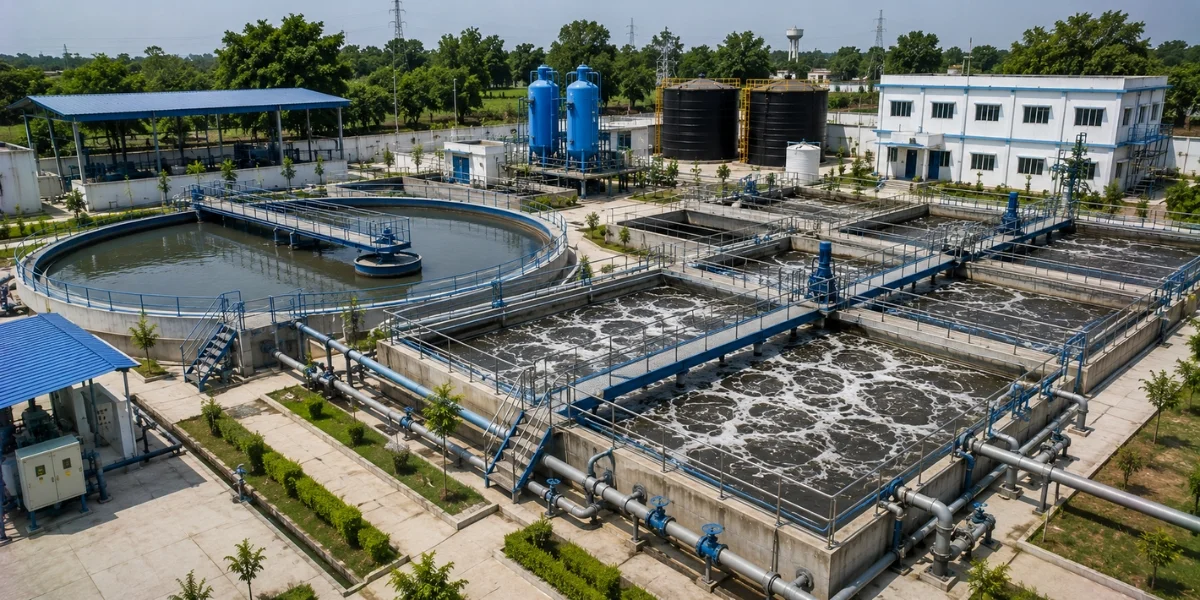
Tertiary Treatment Plant Manufacturer in India
Trity Environ Solutions manufactures tertiary treatment plants that polish treated water beyond secondary treatment, enabling genuine reuse and stricter discharge compliance.
Wastewater Recycling System Manufacturer in India
Trity Environ Solutions manufactures wastewater recycling systems using UF and RO technology, turning treated wastewater into reuse-grade water for cooling, flushing, and gardening.
PAN-INDIA CAPABILITIES
Regional Solutions & State Coverage
TECHNICAL KNOWLEDGE
Related Insights & Engineering Guides
PROVEN EXCELLENCE
Featured Turnkey Installations




Need a Custom Water or Wastewater Treatment Solution?
Our engineering team can help design the right system for your capacity, industry, and compliance requirements.