
 ISO 9001:2015 & QCI Approved
STP and ETP Plant Manufacturer in Aligarh
Trity Environ Solutions is a leading STP and ETP plant manufacturer in Aligarh, engineering turnkey wastewater systems for lock hardware, zinc die-casting, and electroplating units across Tala Nagri. We build heavy-duty effluent treatment plants and sewage treatment plants engineered for strict UPPCB compliance, backed by pan India installation support.
Tala Nagri Industrial Solutions
Heavy Metal & Acid Treatment
Engineered Wastewater Treatment for India's Lock and Hardware Heartland
Aligarh is globally renowned as India's lock capital and hardware manufacturing center. Centered around Tala Nagri Sector 1 and Sector 2, the city hosts thousands of specialized units producing brass, zinc, aluminum, and steel architectural hardware, locks, and security equipment.
Production processes involve metal casting, chemical degreasing, acid pickling, polishing, and electroplating using zinc, copper, nickel, and decorative chromium solutions. These metal finishing operations generate toxic wastewater with severe acidity, heavy metal ions, and cyanide residues.
As a seasoned STP and ETP plant manufacturer in Aligarh, Trity Enviro provides specialized wastewater solutions designed to handle corrosive plating rinse and heavy metal sludge. Unregulated discharge into local stormwater nullahs damages regional groundwater tables and triggers strict enforcement under UPPCB compliance.
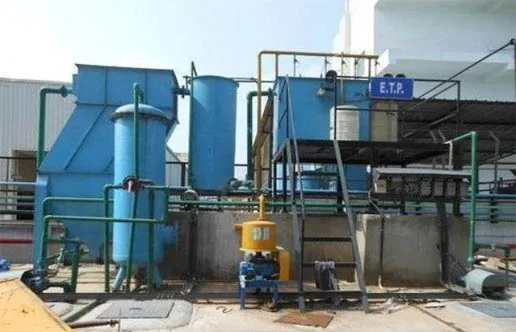
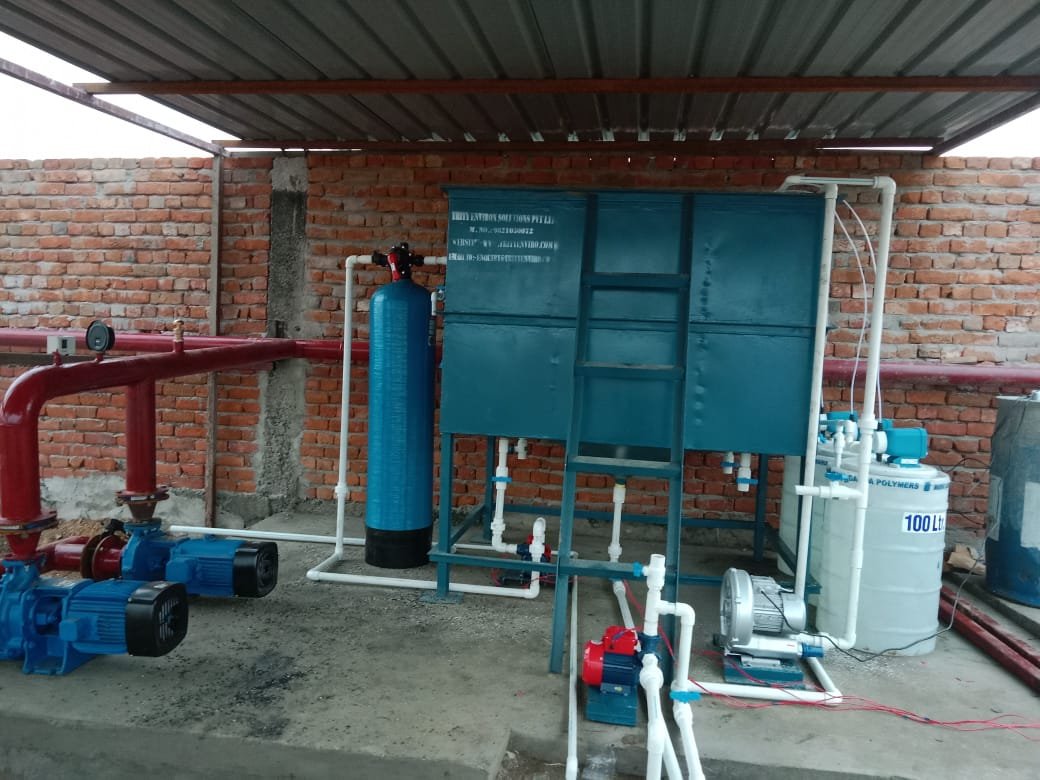
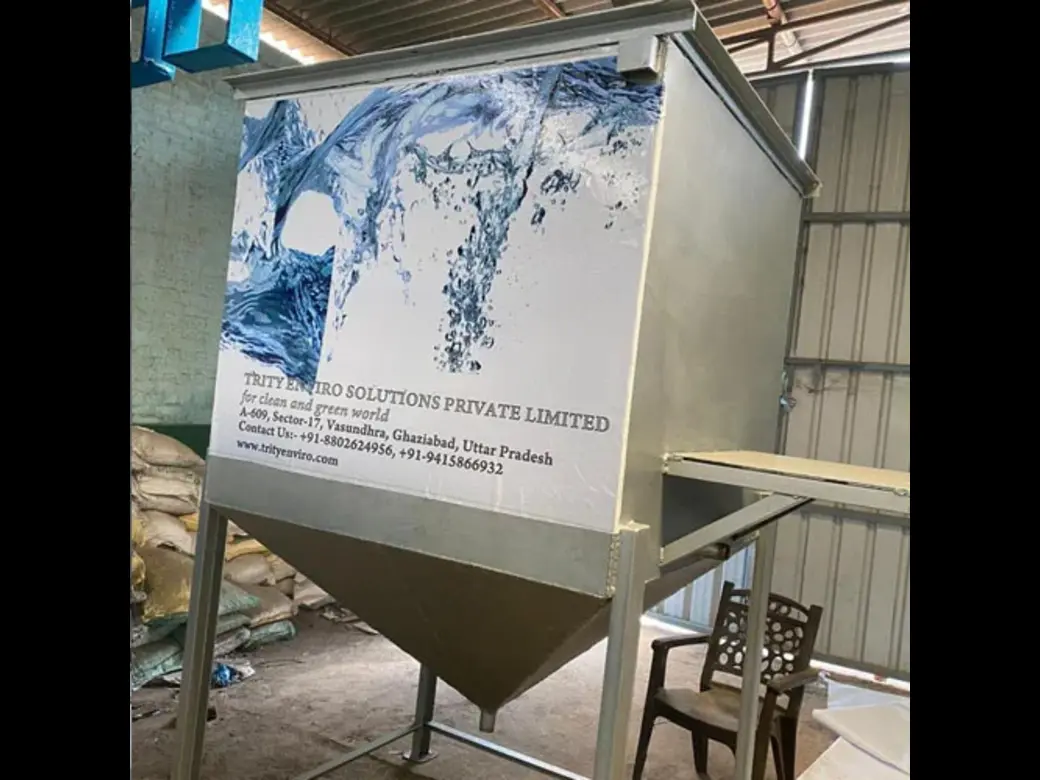
Our engineered chemical effluent treatment plants feature automated acid neutralization, two-stage chemical precipitation, and lamella plate clarification. High-efficiency plate filter presses dewater metal hydroxide precipitates into dry cake for authorized hazardous waste disposal.
Alongside hardware manufacturing, Aligarh supports massive institutional and healthcare developments, including Aligarh Muslim University (AMU) and major private medical centers. We install modular sewage treatment plants that convert domestic sewage into sparkling recycled water for dual plumbing, green belts, and HVAC cooling towers.
Key Advantages
Why Aligarh Hardware and Institutional Units Rely on Trity Enviro
Built to withstand harsh metal plating chemicals, severe acid rinse, and strict UPPCB environmental standards.
Complete Heavy Metal Precipitation
Automated chemical dosing and lamella clarifiers reducing zinc, nickel, copper, and chromium concentrations to below 0.1 mg/L.
Acid Neutralization and Cyanide Destruction
Automated reaction chambers that neutralize spent hydrochloric and sulfuric acids while safely oxidizing toxic cyanide complexes.
Plating Rinse Water Recycling
Integrated reverse osmosis systems recovering up to 85 percent of treated rinse water for direct reuse in component washing tanks.
Tala Nagri Regulatory Compliance
Guarantees treated discharge parameters well within UPPCB limits, preventing statutory closure notices and environmental penalties.
Compact Packaged Skid Architecture
Pre-engineered modular skids designed to fit within space-constrained plots and workshops across Aligarh industrial zones.
Treating Electroplating and Lock Finishing Wastewater in Tala Nagri
The lock and hardware manufacturing industry in Aligarh relies heavily on zinc die-casting, mechanical buffing, and electroplating to achieve durable decorative finishes. These operations generate wastewater streams containing high concentrations of zinc, nickel, copper, hexavalent chromium, and free cyanides, along with acidic pickling rinse.
Discharging these toxic effluents into municipal drains or unlined open pits has contaminated shallow aquifers across Tala Nagri and surrounding localities. The Uttar Pradesh Pollution Control Board (UPPCB) and Central Pollution Control Board (CPCB) enforce strict zero-bypass standards with regular environmental audits.
Trity Enviro builds specialized chemical effluent treatment plants equipped with automated two-stage cyanide destruction tanks, chromium reduction reactors, and flash mixers. Reagents such as lime, poly-aluminum chloride (PAC), and polyelectrolytes convert soluble heavy metals into dense, settleable flocs inside lamella clarifiers.
To eliminate tramp oils and buffing lubricants from casting and polishing wash water, we incorporate automated oil skimmers before chemical treatment. This protects downstream piping, prevents foaming, and ensures reliable compliance.
Institutional Sewage Treatment and Commercial Water Conservation
In addition to its industrial heritage, Aligarh is a prominent educational and healthcare center, housing sprawling university campuses like AMU, research institutions, and large private hospitals. These institutions generate high volumes of domestic greywater and clinical sewage that strain city infrastructure.
With groundwater extraction heavily restricted across Aligarh district, institutions face pressing incentives to treat and recycle domestic sewage in-situ. Reusing treated water for toilet flushing and campus green belts reduces raw water drawdowns significantly.
Our prefabricated sewage treatment plants utilize modern MBBR and MBR biological technology. Fine bubble aeration grids sustain dense biomass cultures that rapidly degrade organic matter without foul septic odors, while ultrafiltration membranes ensure pathogen-free permeate.
For educational facilities, student hostels, and commercial complexes requiring dependable drinking water, we install high-efficiency commercial RO plants. Treated effluent is recirculated for campus landscaping, toilet flushing, and cooling towers, delivering long-term utility savings.
Turnkey Installation, ZLD Engineering, and Local AMC Services
Under tightening groundwater extraction norms in western Uttar Pradesh, many export-oriented lock manufacturers and metal finishing units in Aligarh are adopting zero liquid discharge. Trity Enviro delivers turnkey zero liquid discharge plants integrating ultrafiltration, brackish water RO water recycling plants, and thermal evaporators.
This closed-loop design recovers over 95 percent of industrial wastewater as high-purity demineralized water for plating baths while converting separated salts into dry solids for TSDF disposal. Our engineering network coordinates with regional service centers in neighboring Agra, Mathura, and Noida to provide fast technical response.
We provide full-scope annual maintenance contract programs across Aligarh. Our technicians handle chemical dosing recalibration, filter press servicing, and membrane clean-in-place (CIP) protocols. Reach out through our contact us page to schedule an on-site technical consultation.
Tailored Systems
Wastewater Treatment Systems Engineered for Aligarh
Selecting the most dependable configuration based on electroplating chemistry, organic load, and desired water reclamation standards.
Chemical Reaction and Lamella Clarifier ETPs
Heavy-duty reaction and clarification assemblies designed specifically to isolate zinc, nickel, copper, and chrome from lock hardware plating rinse.
Explore Configuration
Moving Bed Biofilm Reactor (MBBR) STPs
Continuous biological sewage plants using Virgin HDPE biomedia, delivering robust resistance to organic shock loads and a compact footprint.
Explore Configuration
High Recovery Reverse Osmosis (RO) Skids
Multi-stage RO systems engineered to recover high-purity demineralized water from treated plating rinse for closed-loop production reuse.
Explore Configuration
Complete Zero Liquid Discharge (ZLD) Systems
Integrated membrane filtration and thermal evaporation assemblies achieving 100 percent water recycling and dry salt separation.
Explore Configuration
Execution Discipline
Our Project Delivery Methodology in Aligarh
Structured engineering discipline from initial chemical profiling to skid fabrication, commissioning, and UPPCB sign-off.
01
Effluent Profiling and Heavy Metal Analysis
Detailed laboratory testing of raw wastewater for dissolved metals, cyanide, pH extremes, and organic contamination at your Aligarh unit.
02
Custom Chemical Process Engineering
Stoichiometric sizing of neutralization chambers, chemical dosing skids, lamella clarifiers, and sludge handling systems.
03
Off-Site Skid Fabrication and Hydro-Testing
Precision fabrication of modular skids using chemical-resistant alloys, FRP, and rubber-lined vessels with full hydrostatic inspection.
04
On-Site Installation and Commissioning
Turnkey civil integration, mechanical erection, internal piping, and automated control panel wiring executed by experienced engineers.
05
Dosing Optimization and Staff Training
Chemical dosing stabilization, sludge cake dryness validation, treated water parameter verification, and operator training.
Helpful FAQs
Frequently Asked Questions About Aligarh Wastewater Plants
Clear answers regarding UPPCB regulations, heavy metal treatment, and maintenance in Aligarh.
Q1. How do you treat acidic zinc and nickel electroplating rinse in Tala Nagri?
We implement multi-stage chemical neutralization with lime or caustic soda, followed by poly-aluminum chloride (PAC) coagulation and lamella clarification to precipitate zinc and nickel as insoluble hydroxides.
Q2. What are the UPPCB discharge standards for hardware units in Aligarh?
UPPCB mandates that treated industrial effluent must maintain pH between 6.5 and 8.5, TSS below 100 mg/L, zinc below 5.0 mg/L, nickel below 3.0 mg/L, and copper below 3.0 mg/L for inland disposal.
Q3. Can treated rinse water be recycled back into plating rinse tanks?
Yes. Following primary chemical clarification and sand-carbon filtration, routing water through our high-recovery RO skids yields demineralized water suitable for component washing tanks.
Q4. What type of STP is ideal for large educational campuses like AMU?
A Sequential Batch Reactor (SBR) or Moving Bed Biofilm Reactor (MBBR) plant is ideal for large institutional campuses, providing automated operation and treated water suitable for green belts.
Q5. Does Trity Enviro provide regular AMC support in Tala Nagri?
Yes. We offer complete annual maintenance contracts across Aligarh, providing regular site visits, chemical dosing checks, filter press servicing, and compliance documentation.
Q6. How long does it take to deploy a packaged ETP in Aligarh?
Standard packaged units of 5 KLD to 50 KLD are fabricated within 3 to 4 weeks and installed on site within 5 to 7 days once civil foundations are completed.
CATALOGUE
Related Engineering Products
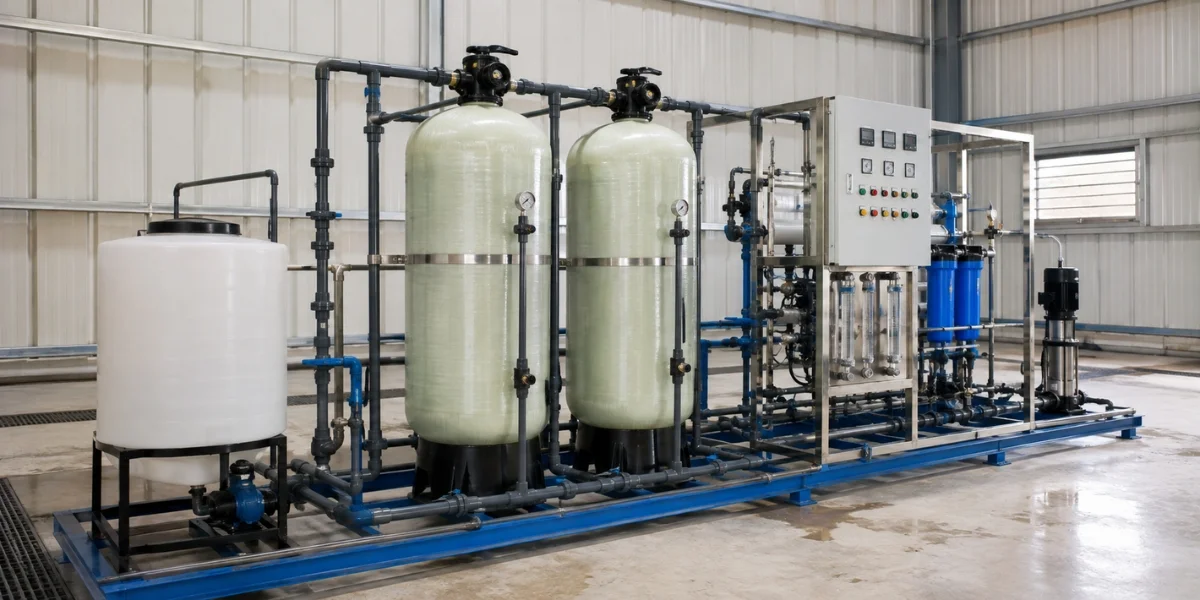
RO & Water Recycling Plant Manufacturer in India
Trity Environ Solutions manufactures RO and water recycling systems for industries and commercial facilities, engineered for reliable purity and reuse.
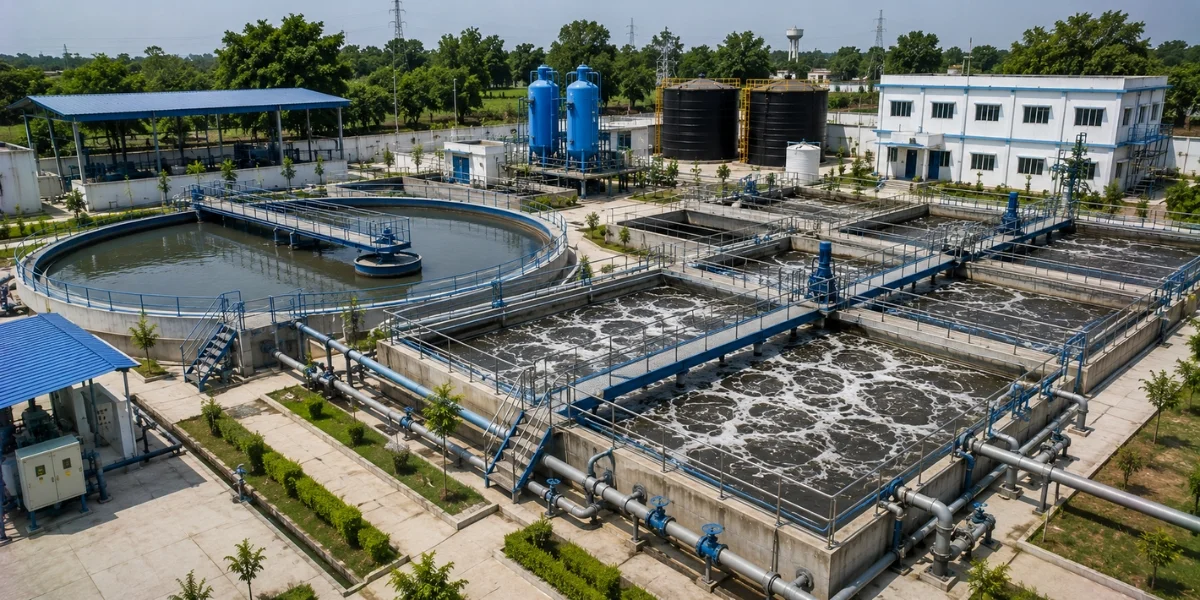
Tertiary Treatment Plant Manufacturer in India
Trity Environ Solutions manufactures tertiary treatment plants that polish treated water beyond secondary treatment, enabling genuine reuse and stricter discharge compliance.
Wastewater Recycling System Manufacturer in India
Trity Environ Solutions manufactures wastewater recycling systems using UF and RO technology, turning treated wastewater into reuse-grade water for cooling, flushing, and gardening.
PAN-INDIA CAPABILITIES
Regional Solutions & State Coverage
TECHNICAL KNOWLEDGE
Related Insights & Engineering Guides
PROVEN EXCELLENCE
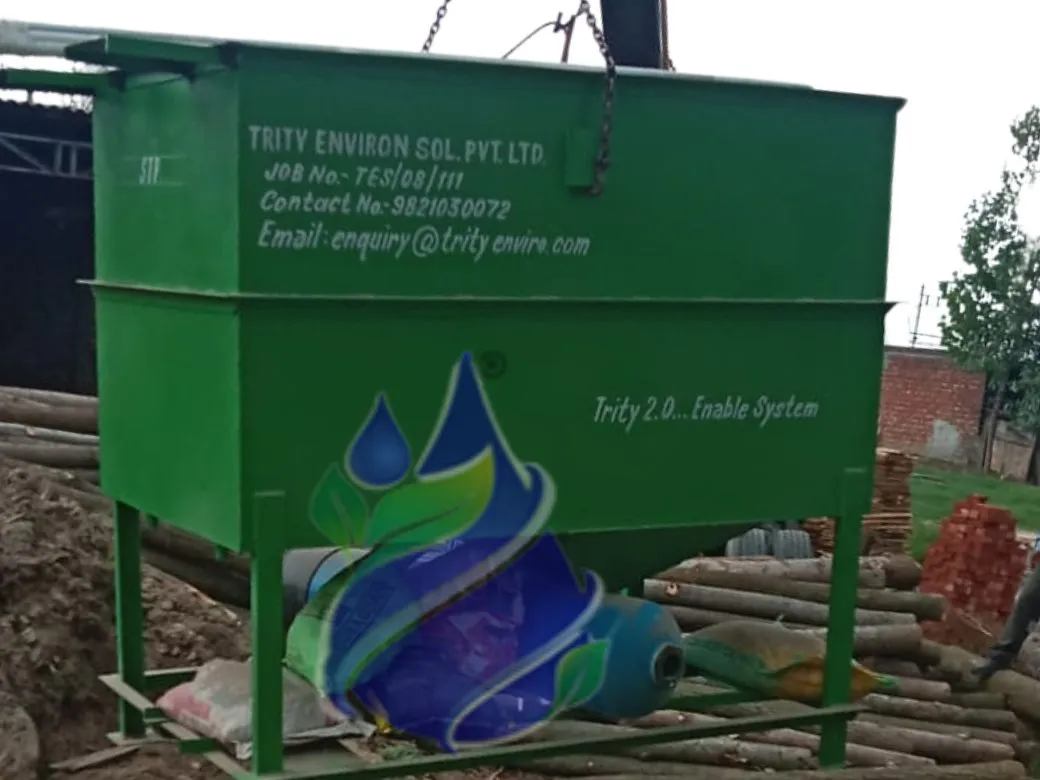
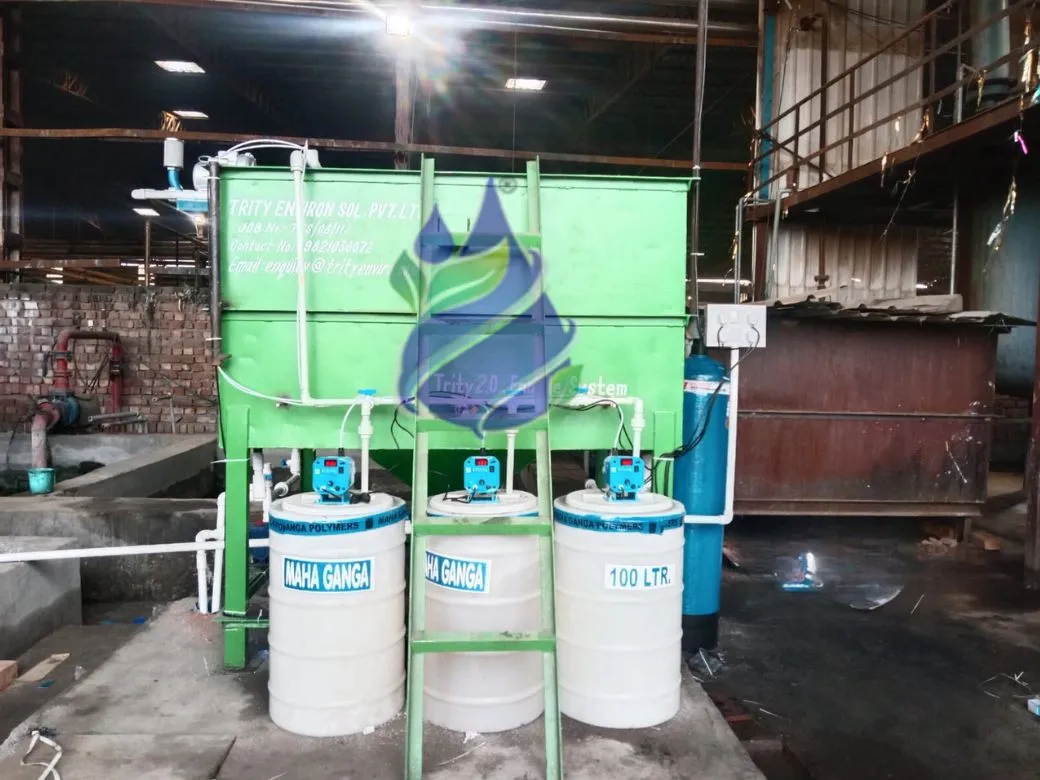
Featured Turnkey Installations




Need a Custom Water or Wastewater Treatment Solution?
Our engineering team can help design the right system for your capacity, industry, and compliance requirements.