STP and ETP Plant Manufacturer in Champawat
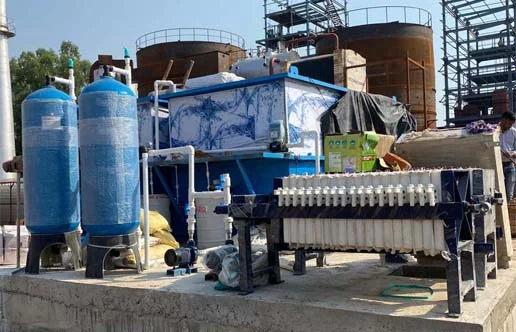
Trity Environ Solutions manufactures STP and ETP plants for Champawat, the historic Kumaon hill town near the Nepal border, built for the district's tourism, administrative, and institutional needs. Turnkey design, manufacturing, installation, and AMC support.

Get a Free Quote

STP and ETP Plant Manufacturer for Champawat's Hill Terrain

Champawat is a small but historically significant town in Uttarakhand's Kumaon region, once the capital of the Chand dynasty and home to the centuries-old Baleshwar Temple. The town sits at roughly 1,615 metres elevation near the Nepal border, close to Tanakpur, and its Nagar Palika Parishad has been running active sanitation drives under the Swachh Bharat Mission (Urban) to eliminate open defecation and improve waste handling. With population density already placing real pressure on the town's limited flat land, and seasonal tourism adding further strain during peak travel months, proper sewage and effluent treatment infrastructure matters more here than the town's small size might suggest.

Trity Environ Solutions manufactures Sewage Treatment Plant (STP) and Effluent Treatment Plant (ETP) systems for Champawat and the wider Kumaon hill belt, engineered around Uttarakhand Environment Protection and Pollution Control Board (UKPCB) compliance and the practical constraints of building in a small, historic hill town.

STP Plant Manufacturing for Champawat's Hotels and Institutions

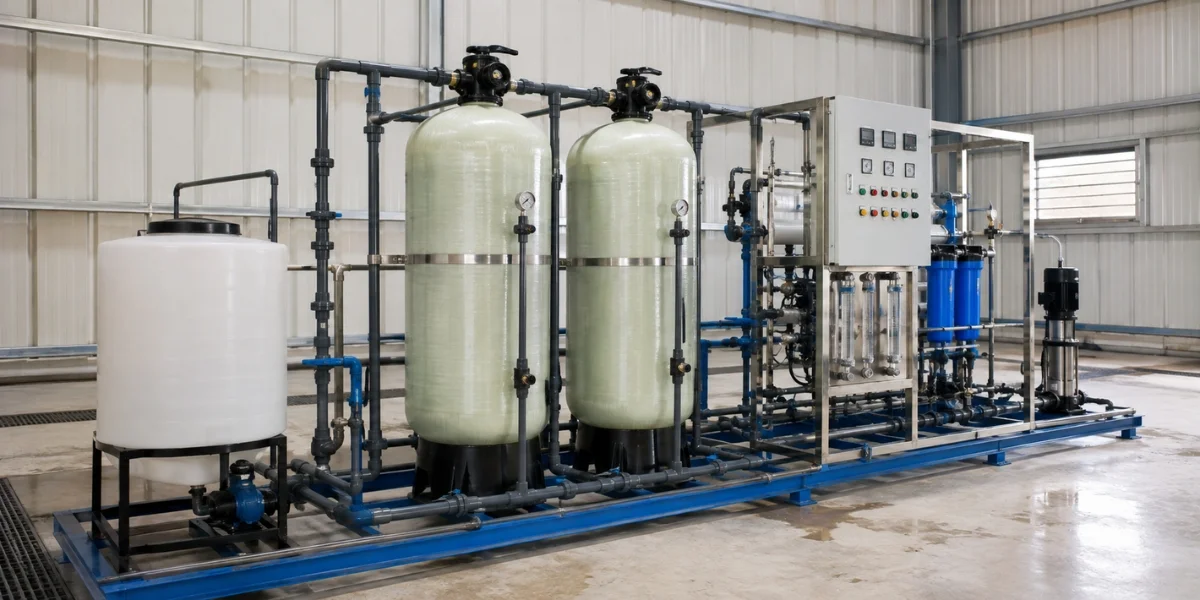
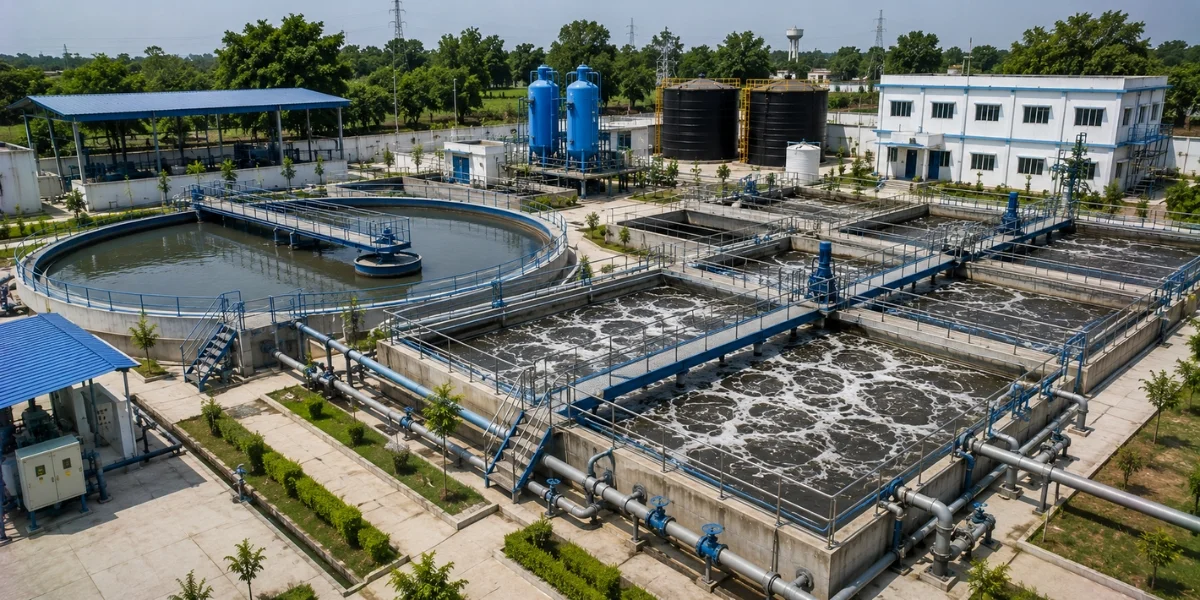
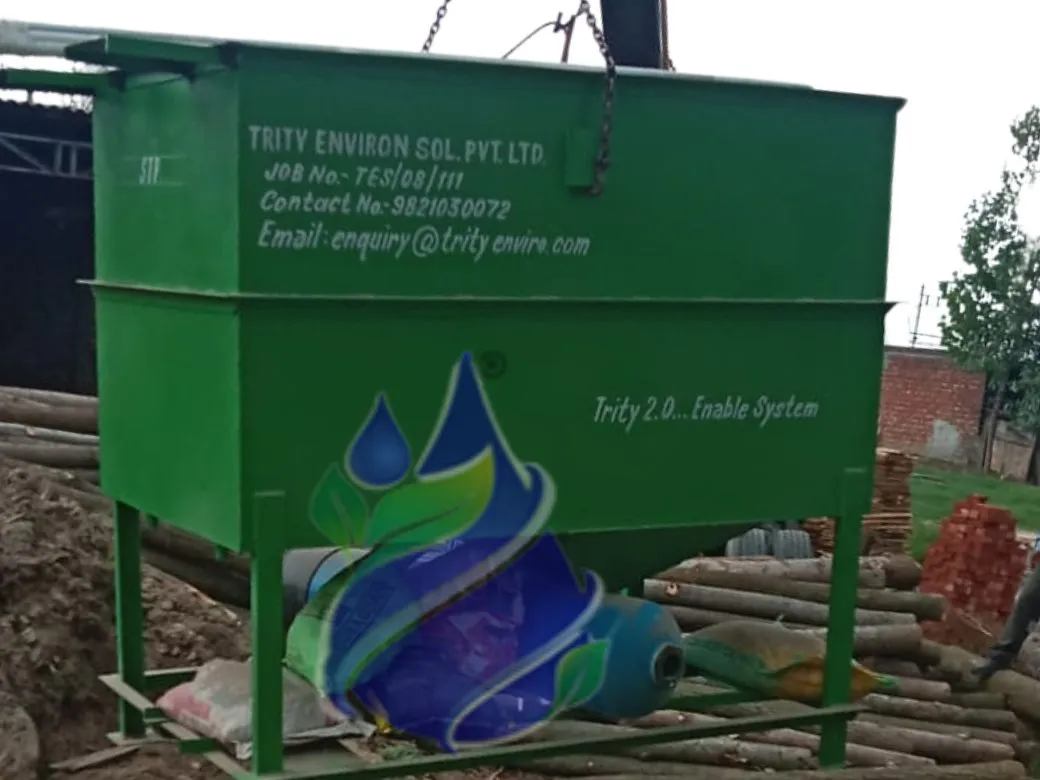
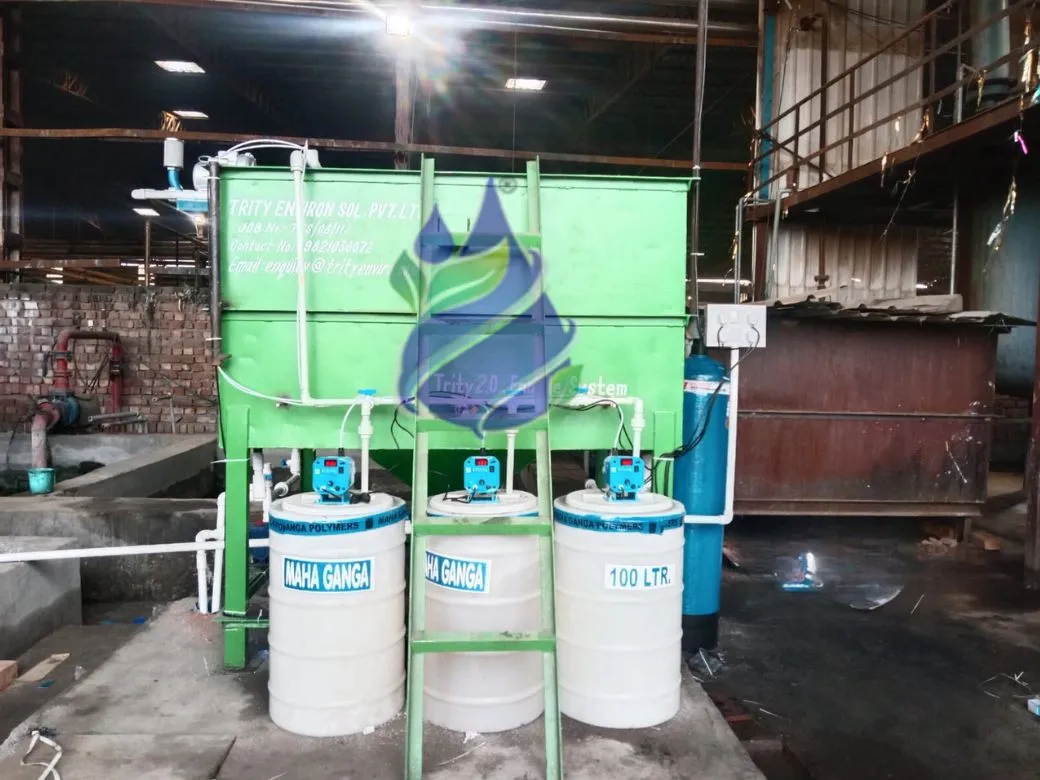
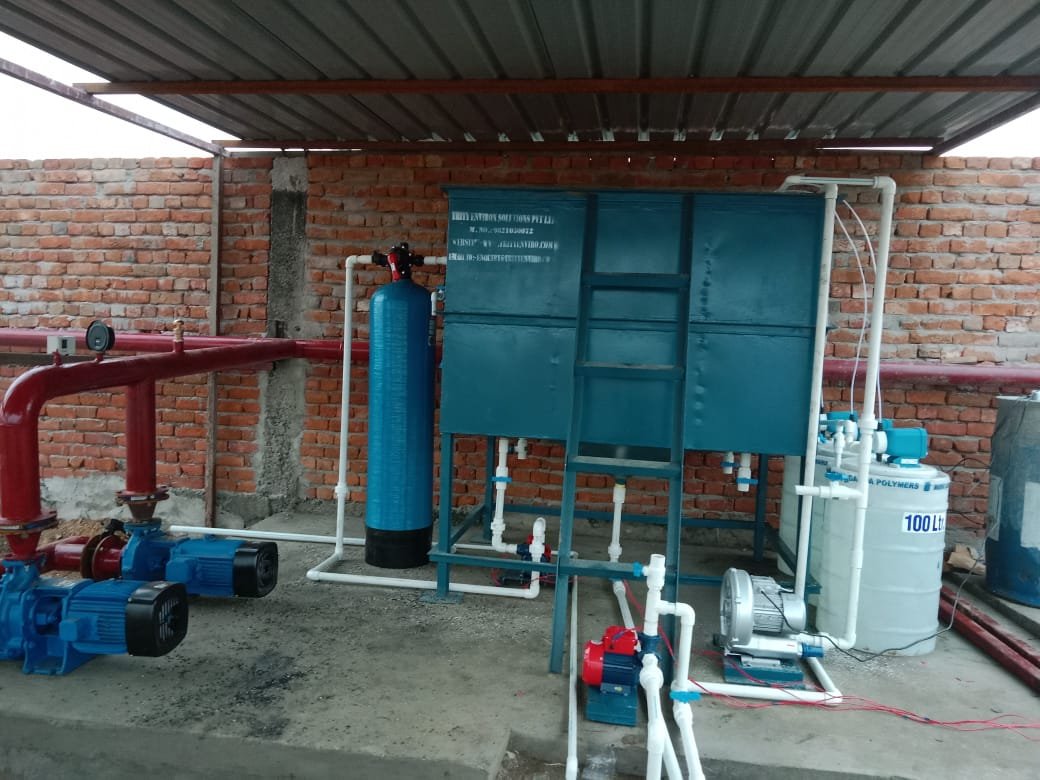
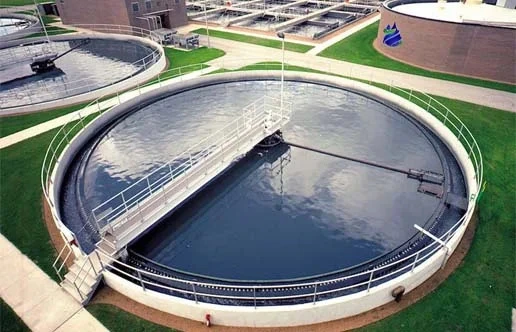
As a leading STP Plant Manufacturer in Champawat, our Sewage Treatment Plant (STP) systems are sized for the town's genuine demand base, government offices, guesthouses and hotels serving heritage and wildlife tourism, schools, and residential buildings clustered on a compact hillside footprint. A properly designed STP runs through three stages: preliminary treatment to remove physical solids and debris, secondary treatment using biological processes such as MBBR to break down organic load, and tertiary treatment for disinfection before the water is reused or discharged.

Because Champawat's tourism season concentrates around specific months rather than spreading evenly across the year, we size systems against realistic peak footfall for guesthouses and hotels rather than an averaged annual figure.

ETP Plant Solutions for Champawat's Small-Scale Commercial Activity

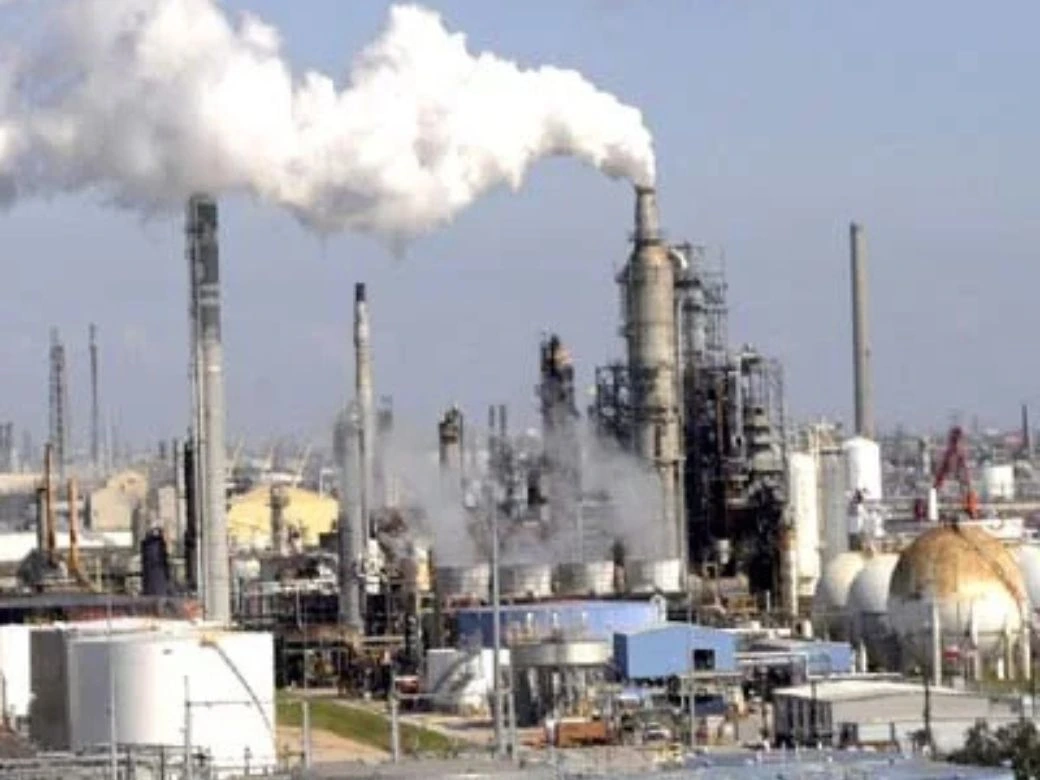
Champawat town itself carries limited heavy industry, and as a trusted ETP Plant Manufacturer in Champawat, our Effluent Treatment Plant (ETP) systems here are typically built for smaller-scale commercial operations, tea processing linked to the district's plantations, food service establishments, and any light manufacturing that emerges as the town grows. Our ETPs run through physical treatment to remove suspended solids, chemical treatment for dissolved contaminants where needed, and biological treatment to reduce organic load before discharge.

For larger industrial requirements in the wider Champawat district or neighbouring Kumaon towns, we also design and supply systems suited to bigger commercial or institutional operations as they develop.

Turnkey Execution: Design to Commissioning

Our scope on Champawat projects typically covers:

  • Site assessment adapted to steep, limited hillside plots
  • Process design suited to hospitality, institutional, or small commercial load
  • Civil and structural coordination with your contractor
  • Equipment manufacturing at our own facility
  • Installation, piping, and electrical integration, with backup power sizing built in
  • Trial runs, commissioning, and UKPCB documentation support
  • Annual Maintenance Contracts (AMC) after commissioning

Given Champawat's remote location relative to major supply routes, we plan equipment sizing and delivery logistics carefully during the design stage, since larger conventional equipment isn't always practical to transport up the final stretch of hill road.

Capacity Options We Manufacture

STP and ETP Plant Manufacturer for Champawat's Hill Terrain

Champawat is a small but historically significant town in Uttarakhand's Kumaon region, once the capital of the Chand dynasty and home to the centuries-old Baleshwar Temple. The town sits at roughly 1,615 metres elevation near the Nepal border, close to Tanakpur, and its Nagar Palika Parishad has been running active sanitation drives under the Swachh Bharat Mission (Urban) to eliminate open defecation and improve waste handling. With population density already placing real pressure on the town's limited flat land, and seasonal tourism adding further strain during peak travel months, proper sewage and effluent treatment infrastructure matters more here than the town's small size might suggest.

Trity Environ Solutions manufactures Sewage Treatment Plant (STP) and Effluent Treatment Plant (ETP) systems for Champawat and the wider Kumaon hill belt, engineered around Uttarakhand Environment Protection and Pollution Control Board (UKPCB) compliance and the practical constraints of building in a small, historic hill town. As a trusted Sewage Treatment Plant Manufacturer in Champawat and Effluent Treatment Plant Manufacturer in Champawat, we're also recognised as a reliable Wastewater Treatment Plant Manufacturer in Champawat for the town's institutions, hospitality sector, and small commercial operations.

STP Plant Manufacturing for Champawat's Hotels and Institutions

As a leading STP Plant Manufacturer in Champawat, our Sewage Treatment Plant (STP) systems are sized for the town's genuine demand base, government offices, guesthouses and hotels serving heritage and wildlife tourism, schools, and residential buildings clustered on a compact hillside footprint. A properly designed STP runs through three stages: preliminary treatment to remove physical solids and debris, secondary treatment using biological processes such as MBBR to break down organic load, and tertiary treatment for disinfection before the water is reused or discharged.

Because Champawat's tourism season concentrates around specific months rather than spreading evenly across the year, we size systems against realistic peak footfall for guesthouses and hotels rather than an averaged annual figure.

ETP Plant Solutions for Champawat's Small-Scale Commercial Activity

Champawat town itself carries limited heavy industry, and as a trusted ETP Plant Manufacturer in Champawat, our Effluent Treatment Plant (ETP) systems here are typically built for smaller-scale commercial operations, tea processing linked to the district's plantations, food service establishments, and any light manufacturing that emerges as the town grows. Our ETPs run through physical treatment to remove suspended solids, chemical treatment for dissolved contaminants where needed, and biological treatment to reduce organic load before discharge.

For larger industrial requirements in the wider Champawat district or neighbouring Kumaon towns, we also design and supply systems suited to bigger commercial or institutional operations as they develop.

Turnkey Execution: Design to Commissioning

Our scope on Champawat projects typically covers:

  • Site assessment adapted to steep, limited hillside plots
  • Process design suited to hospitality, institutional, or small commercial load
  • Civil and structural coordination with your contractor
  • Equipment manufacturing at our own facility
  • Installation, piping, and electrical integration, with backup power sizing built in
  • Trial runs, commissioning, and UKPCB documentation support
  • Annual Maintenance Contracts (AMC) after commissioning

Given Champawat's remote location relative to major supply routes, we plan equipment sizing and delivery logistics carefully during the design stage, since larger conventional equipment isn't always practical to transport up the final stretch of hill road.

Capacity Options We Manufacture

Plant Type Capacity Range Typical Application in Champawat
STP 1 KLD to 50 KLD, modular where larger capacity is needed Guesthouses, hotels, government buildings, schools
ETP 5 KLD to 100 KLD Small commercial operations, tea processing, food service
Compact hybrid systems Custom-engineered Mixed-use sites combining residential and small commercial activity

Treatment Technologies We Deploy

UKPCB and CPCB recognise several treatment technologies, and for a town Champawat's size, we typically recommend the most compact, low-maintenance options:

  • MBBR (Moving Bed Biofilm Reactor): compact footprint, well suited to guesthouses and small institutional buildings on limited hillside plots
  • Extended Aeration: cost-effective and simple to operate, a good fit for smaller sewage volumes without dedicated technical staff on-site
  • Package treatment units: pre-fabricated systems that reduce on-site construction time, useful given the logistics of building on remote hill terrain

For a town this size, ease of operation and reliable maintenance access usually matter more than raw treatment capacity, since most sites here won't have a dedicated technical team managing the plant day to day.

Institutions and Establishments We Serve in Champawat

  • Guesthouses and hotels: serving Champawat's heritage, temple, and wildlife tourism circuit
  • Government and administrative buildings: given the town's role as district headquarters
  • Schools and educational institutions: centralised STP systems for campus sewage
  • Tea processing and small agro-based units: linked to the district's plantation activity
  • Residential buildings: compact STP systems suited to the town's limited flat land

UKPCB Compliance and Discharge Norms

Every plant we design for Champawat is built to clear these baseline requirements:

  • BOD: kept at or below 30 mg/L for standard discharge
  • pH: maintained within the standard 6.5 to 8.5 range
  • Compliance with the Water (Prevention and Control of Pollution) Act, 1974
  • Consent to Establish (CTE) and Consent to Operate (CTO) documentation support through UKPCB
  • Alignment with the Nagar Palika Parishad's ongoing sanitation and Swachh Bharat Mission (Urban) objectives for the town

Given the town's proximity to the Kali River, which also forms part of the India-Nepal border, and the several seasonal streams draining the surrounding hills, discharge quality here has downstream significance beyond the town's own limits.

Engineering Considerations Specific to Champawat's Terrain

A few conditions specific to this town and the wider Kumaon hill belt shape how we design differently here.

Extremely limited flat land. With the town covering only about 5 square kilometres of genuinely hilly ground, plot space for any treatment plant is often the single biggest design constraint, more than capacity or technology choice.

Monsoon landslide risk affects access and siting. Uttarakhand's monsoon months bring real landslide risk on hill roads connecting Champawat to Tanakpur and beyond, which affects both where we recommend siting a plant and how we plan ongoing maintenance access.

Remote logistics favour compact, pre-fabricated equipment. Given the distance from major manufacturing and supply hubs, package-style units that arrive largely pre-built reduce the on-site construction time and complexity involved in a full custom build.

Limited local technical workforce. Unlike a large industrial town, Champawat doesn't have a deep pool of specialised wastewater treatment technicians readily available, which is part of why we favour simpler, lower-maintenance technology choices here and back them with remote support.

Areas We Cover Around Champawat

We supply, install, and service STP and ETP systems across Champawat town and the wider district, including areas toward Tanakpur, Lohaghat, and the broader Kumaon hill belt.

Why Champawat Projects Choose Trity Environ Solutions

Champawat is small enough that most national wastewater manufacturers don't cover it with any real specificity, if they mention it at all. That gap works against property owners and institutions here who need a manufacturer that understands hill terrain, limited plot space, and remote logistics rather than a generic plains-city design dropped into a mountain town.

We design for those constraints specifically, compact equipment, realistic peak-season sizing for tourism properties, and maintenance support that accounts for the town's remote location, rather than assuming standard access and staffing that simply isn't available here.

Quality, Certification, and After-Sales Support

Trity Environ Solutions is ISO 9001:2015 certified, and every plant we manufacture goes through in-house quality inspection before dispatch. After installation, we provide AMC support, spare parts availability, and remote troubleshooting, accounting for the access difficulty that hill terrain and monsoon conditions can create. You can review our project history on our Achievement page, or read more about our full Services.

Frequently Asked Questions

1. What is the cost of an STP or ETP plant in Champawat?

Cost depends on capacity, technology, and site access. A small guesthouse STP and a larger institutional system will differ significantly, and remote hill logistics can also affect delivery and installation costs. We provide a site-specific quote after reviewing your site and access conditions.

2. Does a small guesthouse in Champawat really need a dedicated STP?

Yes, if it discharges sewage in meaningful volume, UKPCB norms apply regardless of property size, and given the town's limited land and proximity to seasonal streams, proper treatment matters even for smaller establishments.

3. How long does the UKPCB Consent to Establish and Consent to Operate process take?

Timelines vary by project scale, but generally run 60 to 90 days once your site plan and treatment design are submitted. We assist with documentation to avoid delays.

4. Can you deliver and install equipment given how remote Champawat is?

Yes. We plan equipment sizing and delivery logistics specifically around hill-road access during the design stage, and favour compact, pre-fabricated units where a large conventional system isn't practical to transport or install.

5. What happens to plant maintenance if there's no local technical team available?

We provide AMC support with remote troubleshooting, and we specifically favour simpler, lower-maintenance technologies for sites like this, so day-to-day operation doesn't require specialised on-site staff.

6. Do you serve areas around Champawat like Tanakpur and Lohaghat as well?

Yes. Our coverage extends across Champawat district and the wider Kumaon hill belt, not just Champawat town itself.


Ready to discuss your Champawat project? Get a free quote or explore our full product range for STP, ETP, and related water treatment systems.


Treatment Technologies We Deploy

UKPCB and CPCB recognise several treatment technologies, and for a town Champawat's size, we typically recommend the most compact, low-maintenance options:

  • MBBR (Moving Bed Biofilm Reactor): compact footprint, well suited to guesthouses and small institutional buildings on limited hillside plots
  • Extended Aeration: cost-effective and simple to operate, a good fit for smaller sewage volumes without dedicated technical staff on-site
  • Package treatment units: pre-fabricated systems that reduce on-site construction time, useful given the logistics of building on remote hill terrain

For a town this size, ease of operation and reliable maintenance access usually matter more than raw treatment capacity, since most sites here won't have a dedicated technical team managing the plant day to day.

Institutions and Establishments We Serve in Champawat

  • Guesthouses and hotels: serving Champawat's heritage, temple, and wildlife tourism circuit
  • Government and administrative buildings: given the town's role as district headquarters
  • Schools and educational institutions: centralised STP systems for campus sewage
  • Tea processing and small agro-based units: linked to the district's plantation activity
  • Residential buildings: compact STP systems suited to the town's limited flat land

UKPCB Compliance and Discharge Norms

Every plant we design for Champawat is built to clear these baseline requirements:

  • BOD: kept at or below 30 mg/L for standard discharge
  • pH: maintained within the standard 6.5 to 8.5 range
  • Compliance with the Water (Prevention and Control of Pollution) Act, 1974
  • Consent to Establish (CTE) and Consent to Operate (CTO) documentation support through UKPCB
  • Alignment with the Nagar Palika Parishad's ongoing sanitation and Swachh Bharat Mission (Urban) objectives for the town

Given the town's proximity to the Kali River, which also forms part of the India-Nepal border, and the several seasonal streams draining the surrounding hills, discharge quality here has downstream significance beyond the town's own limits.

Engineering Considerations Specific to Champawat's Terrain

A few conditions specific to this town and the wider Kumaon hill belt shape how we design differently here.

Extremely limited flat land. With the town covering only about 5 square kilometres of genuinely hilly ground, plot space for any treatment plant is often the single biggest design constraint, more than capacity or technology choice.

Monsoon landslide risk affects access and siting. Uttarakhand's monsoon months bring real landslide risk on hill roads connecting Champawat to Tanakpur and beyond, which affects both where we recommend siting a plant and how we plan ongoing maintenance access.

Remote logistics favour compact, pre-fabricated equipment. Given the distance from major manufacturing and supply hubs, package-style units that arrive largely pre-built reduce the on-site construction time and complexity involved in a full custom build.

Limited local technical workforce. Unlike a large industrial town, Champawat doesn't have a deep pool of specialised wastewater treatment technicians readily available, which is part of why we favour simpler, lower-maintenance technology choices here and back them with remote support.

Areas We Cover Around Champawat

We supply, install, and service STP and ETP systems across Champawat town and the wider district, including areas toward Tanakpur, Lohaghat, and the broader Kumaon hill belt.

Why Champawat Projects Choose Trity Environ Solutions

Champawat is small enough that most national wastewater manufacturers don't cover it with any real specificity, if they mention it at all. That gap works against property owners and institutions here who need a manufacturer that understands hill terrain, limited plot space, and remote logistics rather than a generic plains-city design dropped into a mountain town.

We design for those constraints specifically, compact equipment, realistic peak-season sizing for tourism properties, and maintenance support that accounts for the town's remote location, rather than assuming standard access and staffing that simply isn't available here.

Quality, Certification, and After-Sales Support

Trity Environ Solutions is ISO 9001:2015 certified, and every plant we manufacture goes through in-house quality inspection before dispatch. After installation, we provide AMC support, spare parts availability, and remote troubleshooting, accounting for the access difficulty that hill terrain and monsoon conditions can create. You can review our project history on our Achievement page, or read more about our full Services.

Frequently Asked Questions

1. What is the cost of an STP or ETP plant in Champawat?

Cost depends on capacity, technology, and site access. A small guesthouse STP and a larger institutional system will differ significantly, and remote hill logistics can also affect delivery and installation costs. We provide a site-specific quote after reviewing your site and access conditions.

2. Does a small guesthouse in Champawat really need a dedicated STP?

Yes, if it discharges sewage in meaningful volume, UKPCB norms apply regardless of property size, and given the town's limited land and proximity to seasonal streams, proper treatment matters even for smaller establishments.

3. How long does the UKPCB Consent to Establish and Consent to Operate process take?

Timelines vary by project scale, but generally run 60 to 90 days once your site plan and treatment design are submitted. We assist with documentation to avoid delays.

4. Can you deliver and install equipment given how remote Champawat is?

Yes. We plan equipment sizing and delivery logistics specifically around hill-road access during the design stage, and favour compact, pre-fabricated units where a large conventional system isn't practical to transport or install.

5. What happens to plant maintenance if there's no local technical team available?

We provide AMC support with remote troubleshooting, and we specifically favour simpler, lower-maintenance technologies for sites like this, so day-to-day operation doesn't require specialised on-site staff.

6. Do you serve areas around Champawat like Tanakpur and Lohaghat as well?

Yes. Our coverage extends across Champawat district and the wider Kumaon hill belt, not just Champawat town itself.


Ready to discuss your Champawat project? Get a free quote or explore our full product range for STP, ETP, and related water treatment systems.

Related Products

whatsapp-image