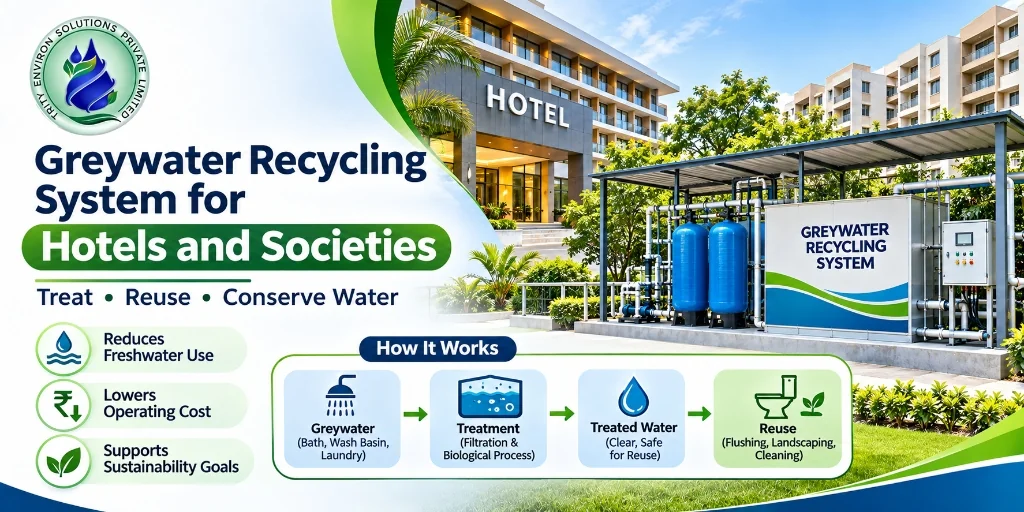

 ISO 9001:2015 & QCI Approved
STP and ETP Plant Manufacturer in Alwar
Trity Environ Solutions is a trusted STP and ETP plant manufacturer in Alwar, engineering wastewater systems for one of Rajasthan's most industrially diverse estates. Matsya Industrial Area alone hosts over 500 units ranging from mineral grinding to large national and multinational manufacturing plants, and each carries a genuinely different effluent profile, with pan India installation support behind every system we build here. Whether you need a sewage treatment plant manufacturer in Alwar or an effluent treatment plant manufacturer in Alwar, Trity Environ Solutions builds both in-house, from design to commissioning.
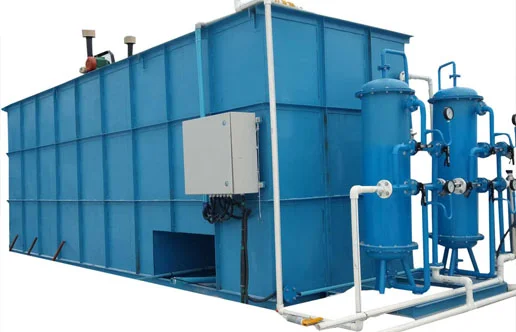
CPCB & SPCB Ready
Turnkey Design & Installation
An Industrial Estate With More Variety Than Its Size Suggests
An Industrial Estate With More Variety Than Its Size Suggests
Matsya Industrial Area (MIA) in Alwar is home to more than 500 industries, spanning mineral grinding and stone crushing units through to manufacturing plants for major brands including Ashok Leyland, Pepsi, Havells, and Kajaria Ceramics. That's a genuinely wide effluent spectrum for one estate, and published research has documented the consequence: groundwater sampling across Alwar's industrial areas has recorded average TDS levels above 1,000 mg/L, with studies specifically flagging untreated and partially treated discharge reaching drains that feed Agyara Dam and Hans Sarovar.
Trity Environ Solutions builds effluent treatment plants and sewage treatment plants sized around this actual industry mix, not a single template applied uniformly across the estate. A mineral processing unit and a food and beverage manufacturing plant sitting on neighbouring plots in MIA can require completely different treatment sequences, and getting that distinction right the first time avoids the compliance and capacity problems documented across this region.
Operating in Matsya Industrial Area or elsewhere in Alwar and need a properly matched system? Request a free technical assessment and our engineering team will confirm the right configuration for your actual effluent.
For the wider picture across the state, see our STP and ETP plant manufacturer in Rajasthan page.
KEY BENEFITS
Key Benefits of STP and ETP Plant Manufacturer in Alwar
Engineered for genuine RSPCB compliance, mineral and manufacturing sector matching, and measurable groundwater protection.
Built for MIA's Mineral & Stone Processing Load
Engineered for the mineral grinding and stone crushing load typical of MIA, where fine particulate wash-off behaves differently from standard urban sewage or clean-room industrial effluent.
Meets Major Brand Supply Chain Standards
Sized to meet the discharge standards major manufacturing brands operating in Matsya Industrial Area expect from their supply chain, not a bare-minimum RSPCB threshold.
Addresses Documented Groundwater TDS Contamination
Addresses the documented groundwater TDS contamination across Alwar industrial areas directly, since studies have recorded average TDS above 1000 mg/L near several industrial clusters.
Reduces Discharge Into Local Water Bodies
Reduces untreated or partially treated discharge into local water bodies, a gap researchers have specifically flagged around drains feeding Agyara Dam and Hans Sarovar.
Faster Response Across MIA & Alwar City
Faster response across Alwar city and MIA, since our engineering team already understands the mixed industrial profile this specific estate carries.
One Estate, Radically Different Effluent Streams Side by Side
MIA's industry mix means a food and beverage plant, a mineral processing unit, and an automotive component manufacturer can all sit within the same estate while generating completely different wastewater, in organic load, particulate content, and chemical profile. A generic template applied across this range of industries is exactly how compliance gaps develop, which is why we start every MIA project with an honest assessment of what's actually in the effluent, not what the plot's zoning category suggests it should be.
Groundwater Contamination Here Is Documented, Not Speculative
Published research on Alwar's industrial areas has recorded groundwater TDS averaging over 1,000 mg/L, with specific studies noting deteriorating water quality in Agyara Dam and Hans Sarovar linked to industrial drain discharge. This is public, peer-reviewed data, not a sales argument, and it shapes how conservatively we size treatment capacity for units operating in this district. Trity Environ Solutions backs every installation with an Annual Maintenance Contract. Talk to our team about AMC coverage for your unit.
Mineral Processing Wastewater Needs Different Engineering Than People Assume
Stone crushing and mineral grinding units often assume their wastewater is "just dirty water," when in reality fine particulate loading and hardness levels can foul standard biological treatment stages if the physico-chemical pretreatment isn't sized correctly. We design specifically around this profile for MIA's mineral processing sector, rather than applying the same biological-first approach that works for organic-load industries nearby.
SYSTEM CONFIGURATIONS
Types of STP and ETP Plant Manufacturer in Alwar Configurations
Technologies selected to match your industry sector, effluent chemistry, and RSPCB consent category.
Mineral & Stone Processing ETP
Physico-chemical treatment stage for mineral grinding and stone crushing units, addressing fine particulate and hardness typical of MIA process water.
Large Manufacturing Plant ETP
Full-scale wastewater treatment for large manufacturing plants, engineered to the consistency multinational and national brands expect from suppliers.
Residential & Commercial STP
Standard biological treatment for residential colonies, offices, and smaller commercial establishments across Alwar city outside the industrial estate.
Water Body Protection System
Groundwater protection focused design for units near Agyara Dam and Hans Sarovar, where discharge quality has faced direct research scrutiny.
TURNKEY WORKFLOW
How the STP and ETP Plant Manufacturer in Alwar Process Works
A turnkey process engineered for consistent RSPCB compliant performance across Alwar's varied industry mix.
01
Site Assessment & Influent Characterisation
Sampling and analysis establish your actual effluent profile, whether mineral processing, manufacturing, or standard commercial sewage.
02
Design & Engineering
Technology selection accounts for both current RSPCB norms and the documented groundwater sensitivity of this specific district.
03
Manufacturing & Installation
Components are manufactured under ISO 9001:2015 quality controls, then installed by our team with experience across MIA's diverse industry base.
04
Commissioning & AMC Support
The plant is tested against consent conditions, operators are trained, and ongoing AMC support keeps performance consistent through changing production volumes.
COMMON INQUIRIES
Frequently Asked Questions
Clear answers regarding regulatory consent, installation timelines, and plant capacities for Alwar.
Q1. Why does Matsya Industrial Area need a different approach than a typical industrial estate?
MIA hosts over 500 industries spanning mineral grinding, stone crushing, and large manufacturing plants for major brands, each generating a genuinely different effluent profile that a single generic treatment template cannot address effectively.
Q2. Is groundwater contamination a real documented issue in Alwar's industrial areas?
Yes, published research has recorded groundwater TDS averaging above 1,000 mg/L across Alwar's industrial zones, with specific studies noting water quality deterioration in Agyara Dam and Hans Sarovar linked to industrial discharge.
Q3. What ETP technology suits mineral grinding and stone crushing units?
These units typically need robust physico-chemical pretreatment for fine particulate and hardness removal before any biological stage, since standard biological treatment alone struggles with this specific effluent profile.
Q4. What capacity STP or ETP does a typical Alwar project need?
Capacity depends on your specific industry and flow, ranging from smaller systems for offices and residential colonies to larger plants for manufacturing units, confirmed through site assessment.
Q5. How long does installation take for an Alwar project?
Prefabricated modular plants typically commission within 45 to 90 days, while larger civil-based systems for manufacturing plants take 3 to 6 months from design approval.
Q6. Can an existing MIA plant be upgraded for stricter RSPCB compliance?
Yes, we undertake capacity expansions, physico-chemical retrofits, and monitoring upgrades on existing plants, starting with a technical audit against current consent conditions.
Q7. How do I choose a reliable STP and ETP plant manufacturer in Alwar?
Look for in-house manufacturing, experience with RSPCB consent requirements, a design based on your own effluent analysis, and a clear maintenance offering after commissioning. Trity Environ Solutions builds its plants under ISO 9001:2015 quality controls and supports every installation with operator training and an annual maintenance contract.
CATALOGUE
Related Engineering Products
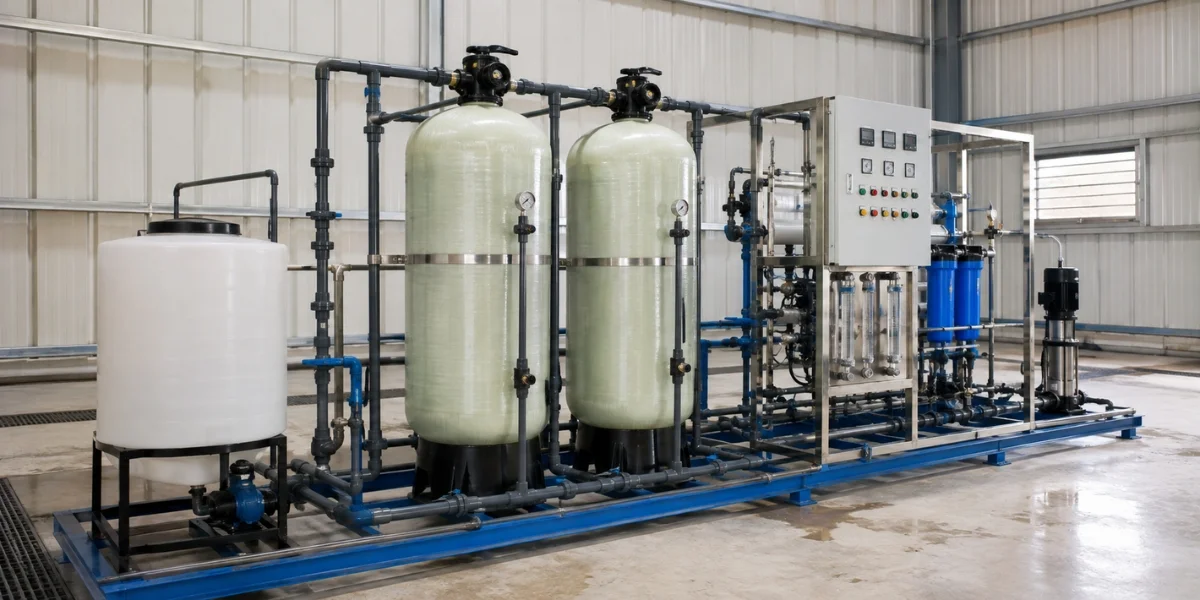
RO & Water Recycling Plant Manufacturer in India
Trity Environ Solutions manufactures RO and water recycling systems for industries and commercial facilities, engineered for reliable purity and reuse.
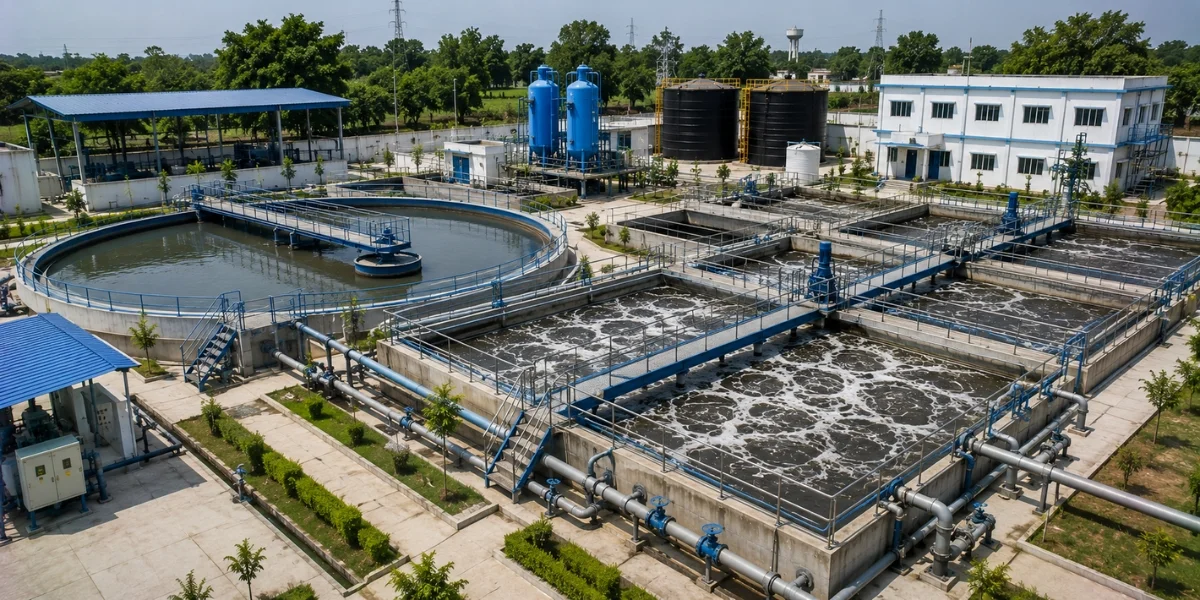
Tertiary Treatment Plant Manufacturer in India
Trity Environ Solutions manufactures tertiary treatment plants that polish treated water beyond secondary treatment, enabling genuine reuse and stricter discharge compliance.
Wastewater Recycling System Manufacturer in India
Trity Environ Solutions manufactures wastewater recycling systems using UF and RO technology, turning treated wastewater into reuse-grade water for cooling, flushing, and gardening.
PAN-INDIA CAPABILITIES
Regional Solutions & State Coverage
TECHNICAL KNOWLEDGE
Related Insights & Engineering Guides
PROVEN EXCELLENCE
Featured Turnkey Installations











Need a Custom Water or Wastewater Treatment Solution?
Our engineering team can help design the right system for your capacity, industry, and compliance requirements.

