
 ISO 9001:2015 & QCI Approved
STP and ETP Plant Manufacturer in Sambalpur
Trity Environ Solutions is a leading STP and ETP plant manufacturer in Sambalpur, engineering turnkey wastewater treatment systems for Hirakud industrial belt, modern rice mills, and textile clusters. We build heavy-duty effluent treatment plants and sewage treatment plants engineered for strict OSPCB compliance across the Mahanadi River and Hirakud catchment, backed by pan India installation support.
Hirakud Reservoir Protection
High-Efficiency Water Recycling
Dependable Wastewater Treatment Protecting the Mahanadi and Hirakud Catchment
Sambalpur serves as the cultural, commercial, and educational heart of western Odisha, situated on the banks of the mighty Mahanadi River immediately downstream of the world-famous Hirakud Dam. The region hosts dynamic industrial clusters including the Hirakud industrial belt (housing aluminium rolling, fabrication, and power generation), one of eastern India's densest concentrations of modern rice mills, textile and handloom processing facilities, and prominent educational and healthcare hubs such as VIMSAR in nearby Burla. These diverse activities generate significant hydraulic volumes of agro-industrial effluents, chemical washings, and domestic sewage.
The Mahanadi River at Sambalpur is the principal freshwater supply for urban populations and downstream agricultural ecosystems across coastal Odisha. As a result, the Odisha State Pollution Control Board (OSPCB) closely inspects municipal and industrial outfalls, strictly forbidding the discharge of untreated wastewater with high biochemical oxygen demand (BOD), chemical oxygen demand (COD), parboiling organics, or suspended solids.
As a premier STP and ETP plant manufacturer in Sambalpur, Trity Enviro builds robust wastewater treatment systems designed specifically to protect local river hydrology while providing commercial facilities with recycled water independence.
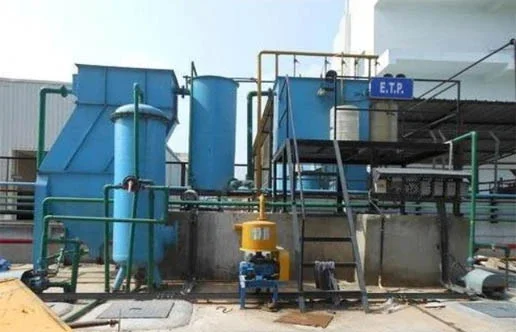
Our engineered effluent treatment plant systems offer specialized anaerobic and aerobic biological processes, automated chemical coagulation, and high-rate clarification to manage high-strength rice parboiling and food processing wastewater. For commercial complexes, hotels, residential townships, and hospitals across Sambalpur and Burla, our automated sewage treatment plant units convert domestic wastewater into sparkling recycled water for landscaping, toilet flushing, and cooling towers, ensuring full OSPCB compliance.
Key Advantages
Why Sambalpur Enterprises Rely on Trity Enviro Systems
Engineered for high organic loads, strict river basin discharge norms, and dependable water recycling across agro-industrial and urban sectors.
Mahanadi River Basin Environmental Protection
Engineered to deliver treated effluent consistently meeting OSPCB surface discharge standards, eliminating risks of river contamination downstream of Hirakud Dam.
Specialized Rice Mill Effluent Treatment
High-efficiency anaerobic digesters and aeration skids designed to treat high-BOD and foul-smelling paddy soaking effluent without operational choking.
Complete Water Reclamation for Secondary Reuse
Tertiary filtration including dual media filters, activated carbon absorbers, and chlorination skids yielding clear water reusable for boiler make-up and gardening.
Hospital and Healthcare Bio-Safety
Specialized multi-stage clinical wastewater treatment neutralizing infectious pathogens, detergents, and laboratory reagents across healthcare facilities in Burla.
Energy-Efficient and Low Operating Cost
Equipped with variable frequency drive (VFD) blowers and energy-efficient transfer pumps that significantly reduce electrical power consumption.
Overcoming Agro-Industrial and Rice Mill Effluent Challenges in Sambalpur
Sambalpur is known as the rice bowl of western Odisha, hosting dozens of modern rice mills across Attabira, Bargarh border, and Sambalpur peripheral belts. The paddy parboiling process generates immense quantities of wastewater characterized by intense sour odors, dark coloration, high biochemical oxygen demand (BOD exceeding 1,500 mg/L), and elevated chemical oxygen demand (COD exceeding 3,500 mg/L).
Discharging untreated parboiling effluent into local canals severely depletes dissolved oxygen, leading to foul septic conditions and agricultural crop damage.
Trity Enviro builds specialized agro-industrial chemical effluent treatment plant setups combining anaerobic hybrid reactors (UASB), extended aeration basins, and high-rate lamella clarifiers. This multi-barrier process breaks down recalcitrant organic starches and proteins, eliminating septic odors and lowering BOD and COD to within OSPCB surface disposal limits.
For food and edible oil packaging plants, our automated oil skimmer skids remove free and floating fats prior to biological aeration.
Sewage Treatment for Townships, Hotels, and Healthcare Facilities
With growing urbanization around Sambalpur, Burla, and Hirakud, substantial volumes of domestic wastewater are generated by educational campuses, hotels, residential townships, and hospitals such as VIMSAR. Direct discharge of unpolished sewage into the Mahanadi River compromises regional water safety.
Regulatory directives from OSPCB require all major commercial and institutional complexes to operate captive sewage treatment facilities with zero bypass.
Our automated Moving Bed Biofilm Reactor (MBBR) and Sequential Batch Reactor (SBR) sewage treatment plant units operate with automated aeration control and fine-bubble diffusers, producing treated effluent with BOD under 10 mg/L and TSS under 10 mg/L. Integrating tertiary filtration with sand media, activated carbon, and ultraviolet disinfection delivers crystal-clear water reusable for toilet flushing, cooling towers, and green belt irrigation, saving valuable municipal water.
Turnkey Installation, ZLD Engineering, and Local AMC Services
Wastewater management systems require consistent operational precision to maintain biological equilibrium and mechanical reliability. Trity Enviro delivers end-to-end engineering from site inspection and process sizing to equipment fabrication, civil coordination, and on-site commissioning.
For industrial facilities seeking complete water recovery, our advanced RO water recycling plant and thermal zero liquid discharge plant systems achieve up to 98 percent water reclamation.
We provide full-scope annual maintenance contract programs across Sambalpur, Burla, and Hirakud. Our technicians handle periodic bio-culture replenishment, pump servicing, diffuser cleaning, and laboratory testing of treated water parameters to ensure ongoing OSPCB compliance. Reach out to our engineering team today through our contact us page to arrange a site visit.
Tailored Systems
Wastewater Treatment Systems Engineered for Sambalpur
Selecting the most dependable treatment architecture according to effluent strength, site constraints, and recycling standards.
Anaerobic and Aerobic ETPs for Rice Mills
High-capacity biological systems combining anaerobic digestors and extended aeration to treat high-BOD paddy parboiling wastewater effectively.
Explore Configuration
Moving Bed Biofilm Reactor (MBBR) STPs
Continuous biological sewage plants using Virgin HDPE biomedia, delivering robust resistance to organic shock loads and a compact footprint.
Explore Configuration
Hospital and Healthcare Biomedical ETPs
Specialized multi-stage clinical wastewater systems combining chemical neutralization, extended aeration, and intensive chlorine/ozone disinfection.
Explore Configuration
Tertiary RO and Water Recycling Systems
Multi-stage reverse osmosis skids designed to recover high-purity water from treated effluent for industrial boiler feed and utility uses.
Explore Configuration
Execution Discipline
Our Project Delivery Methodology in Sambalpur
Structured engineering workflow from initial influent sampling to fabrication, on-site erection, and regulatory sign-off.
01
Raw Influent Sampling and Site Survey
Comprehensive testing of organic COD, BOD, TSS, pH, and flow variations at your Sambalpur or Hirakud industrial facility.
02
Process Engineering and Tank Layouts
Customized development of P&ID drawings, hydraulic retention time sizing, and structural layout designs optimized for your site.
03
Factory Skid Fabrication and Testing
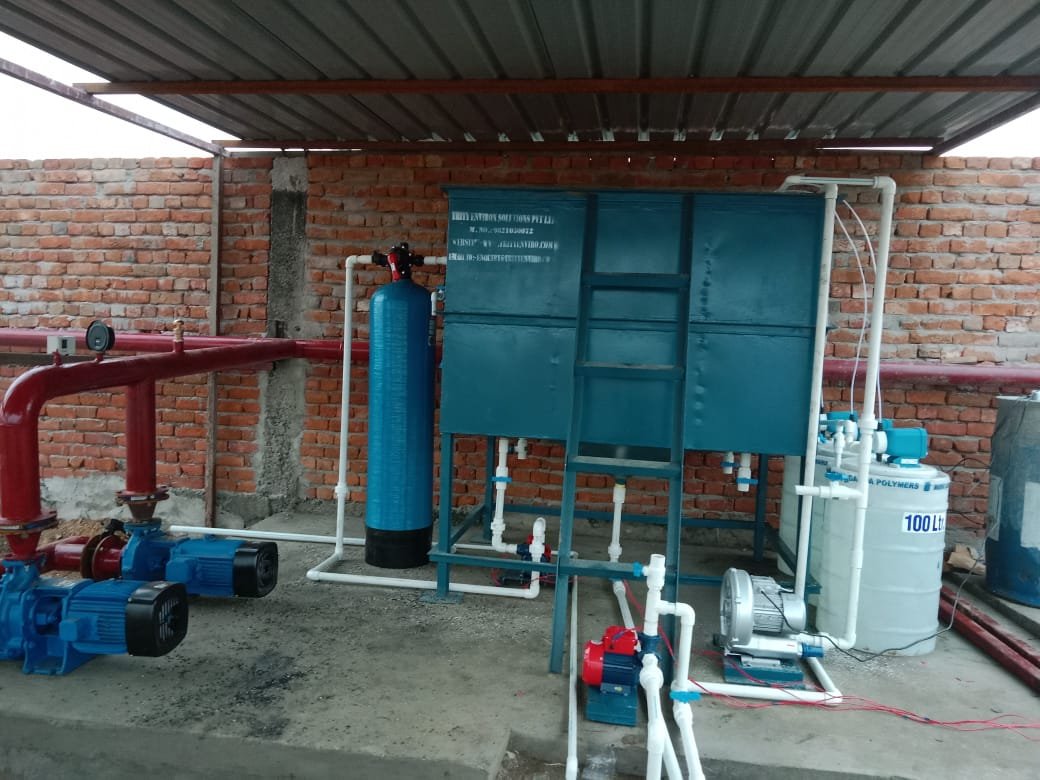
Precision fabrication of modular skids, dosing systems, blower panels, and clarification vessels with strict quality inspections before dispatch.
04
On-Site Installation and Piping Hookup
Turnkey civil integration, mechanical erection, internal piping hookups, and instrumentation cabling carried out by seasoned installation engineers.
05
Bio-Seeding, Commissioning, and Handover
Bacterial culture seeding, aeration cycle stabilization, laboratory parameter verification, and comprehensive hands-on operational training for your team.
Frequently Asked
Common Questions About Sambalpur Wastewater Plants
Clear answers regarding regulatory requirements, technology choices, and maintenance in Sambalpur.
Q1. How does Trity Enviro eliminate sour odors in rice mill wastewater?
We implement a combination of anaerobic digestion followed by high-rate aerobic diffused aeration, preventing anaerobic stagnation and decomposing volatile fatty acids that cause foul septic odors.
Q2. What are the OSPCB discharge standards for agro-industrial units in Sambalpur?
OSPCB mandates that treated agro-industrial effluent must maintain pH between 6.5 and 8.5, BOD below 30 mg/L, COD below 250 mg/L, and TSS below 100 mg/L for inland surface water disposal.
Q3. Can treated sewage water from an STP be safely used for garden irrigation?
Yes. Following tertiary treatment through sand filters, activated carbon beds, and chlorination, the water is crystal clear, free of pathogens, and completely safe for lawn watering and agricultural green belts.
Q4. What space is needed for an MBBR sewage treatment plant in Sambalpur?
A standard 50 KLD packaged MBBR plant requires roughly 350 to 450 sq. ft. of floor area and can be installed either above ground on a concrete plinth or semi-underground to conserve surface space.
Q5. Does Trity Enviro provide regular AMC support in Sambalpur and Burla?
Yes. We offer complete annual maintenance contracts across Sambalpur, Burla, and Hirakud, providing regular site visits, bacterial culture replenishment, filter backwashing, and emergency repair services.
Q6. How long does it take to manufacture and commission a packaged STP in Sambalpur?
Standard packaged units take approximately 3 to 4 weeks for factory fabrication and delivery, followed by 5 to 7 days for on-site piping, electrical hookup, and commissioning.
CATALOGUE
Related Engineering Products
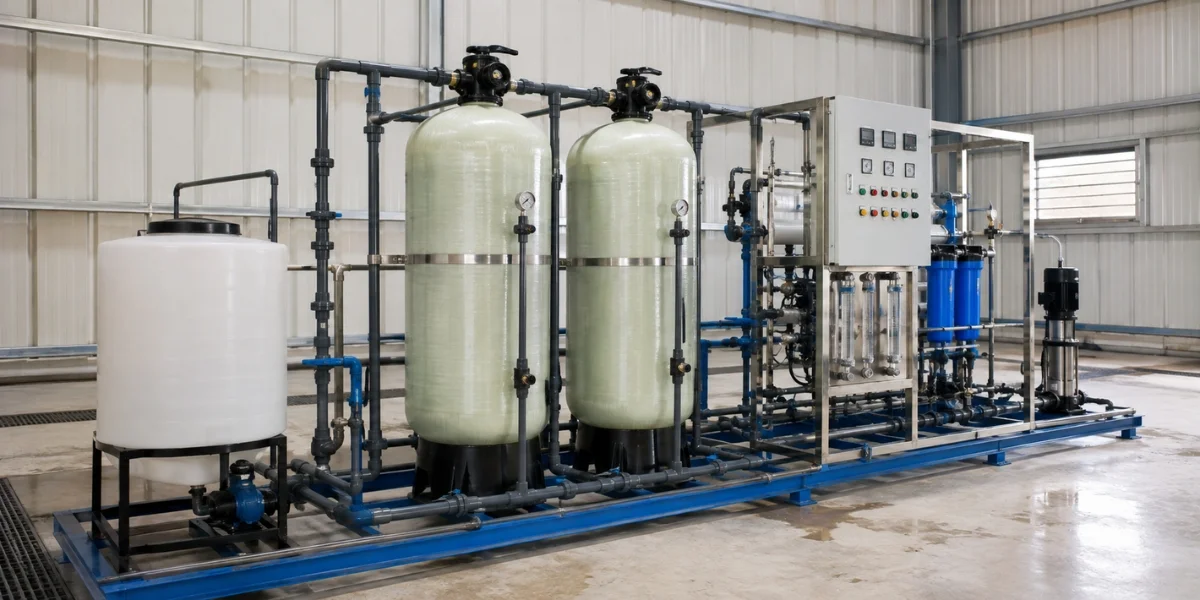
RO & Water Recycling Plant Manufacturer in India
Trity Environ Solutions manufactures RO and water recycling systems for industries and commercial facilities, engineered for reliable purity and reuse.
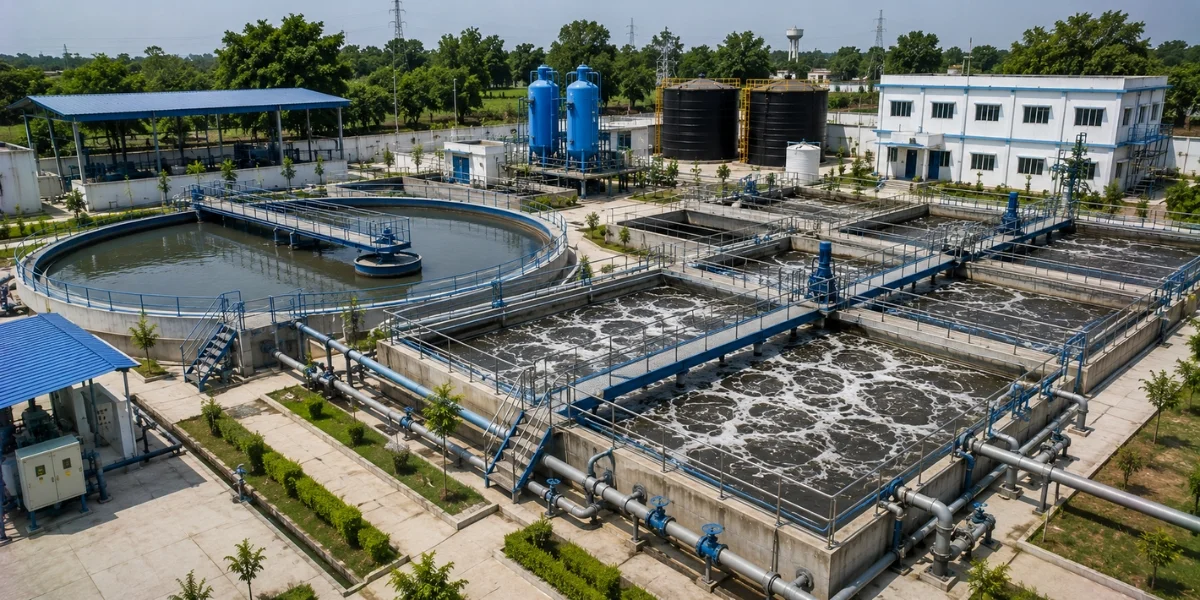
Tertiary Treatment Plant Manufacturer in India
Trity Environ Solutions manufactures tertiary treatment plants that polish treated water beyond secondary treatment, enabling genuine reuse and stricter discharge compliance.
Wastewater Recycling System Manufacturer in India
Trity Environ Solutions manufactures wastewater recycling systems using UF and RO technology, turning treated wastewater into reuse-grade water for cooling, flushing, and gardening.
PAN-INDIA CAPABILITIES
Regional Solutions & State Coverage
TECHNICAL KNOWLEDGE
Related Insights & Engineering Guides
PROVEN EXCELLENCE
Featured Turnkey Installations




Need a Custom Water or Wastewater Treatment Solution?
Our engineering team can help design the right system for your capacity, industry, and compliance requirements.