
 ISO 9001:2015 & QCI Approved
STP and ETP Plant Manufacturer in Kolkata
Trity Environ Solutions is a trusted STP and ETP plant manufacturer in Kolkata, building wastewater systems for the city's housing, hospitals, hotels, and campuses, and for tannery, chemical, and engineering units in and around it. With a large treatment gap on record, it designs plants that hold treated water inside limits, with pan India installation support behind every project. Whether you need a sewage treatment plant manufacturer in Kolkata or an effluent treatment plant manufacturer in Kolkata, Trity Environ Solutions builds both in-house, from design to commissioning.
WBPCB / CPCB Norm Compliant
Heavy Fabrication
Engineering Environmental Compliance and Water Recovery in Kolkata's Industrial Corridor
In Kolkata, Treatment on Site Still Matters Beyond the Public Gap
Kolkata is where West Bengal's sewage and industrial effluent meet. A December 2013 CPCB assessment reported by Down To Earth found that Kolkata alone contributed 47 per cent of the state's 1,311 MLD of wastewater. The Tribunal's September 2022 assessment put the state's urban sewage at 2,758 MLD against 1,268 MLD actually treated, a gap of 1,490 MLD that the city cannot be separated from. These are the latest figures we could verify, so confirm the current position with WBPCB and the local authority.
On the industrial side, the city's tanneries moved in 2002 from Tangra, Tiljala, Topsia, and Pagladanga to the Calcutta Leather Complex at Bantala under a Supreme Court order, and a common effluent plant of about 30 million litres was planned for them. That history is more than two decades old, but a tannery, chemical unit, or workshop in the city still has to show treated quality at its own outlet. For housing, hospitals, hotels, and commercial buildings, the same logic applies to sewage. Trity Environ Solutions builds sewage treatment plants for apartments, hospitals, and hotels, and effluent treatment plants for tannery, chemical, food, and engineering units in and around Kolkata.
Request a free site assessment for your Kolkata site and the engineering team will confirm the right configuration.
For the wider picture across the state, see our STP and ETP plant manufacturer in West Bengal page.
WHY THIS SYSTEM?
Key Benefits of STP and ETP Plant Manufacturer in Kolkata
Engineered for heavy industrial resilience, groundwater preservation, and reliable WBPCB compliance across Kolkata.
Compact Basement Layouts
Modular MBBR and MBR designs that fit cellar and podium space in dense Kolkata projects.
Tannery and Chemical Expertise
Treatment trains for chrome bearing and high COD wastewater from leather and chemical units.
Treated Water Stays On Site
Polished water for flushing, gardens, and cooling, which cuts fresh water demand.
Hospital and Hotel Ready
Low odour, stable treatment for hospitals, hotels, and malls with uneven daily loads.
Support Across Kolkata
Installation, operator training, and AMC response across the city and its industrial belt.
Treated Quality Must Be Provable at Your Outlet
Whether a unit connects to a common plant or discharges on its own, the record that counts is yours. Sampling points, a flow meter, and a dated log of treated water quality are ready evidence for the inspector. A wastewater recycling system can be added where more reuse is wanted.
Dense Sites Need Compact, Quiet Plants
Basements and podiums in a dense city leave little room, and a smelly plant becomes a resident complaint within weeks. Trity Environ Solutions designs compact, low odour plants, trains operators, and supports each plant with an Annual Maintenance Contract. Talk to our team about AMC coverage for your facility.
Related Wastewater Services in West Bengal
Trity Environ Solutions also has state level pages for a sewage treatment plant manufacturer in West Bengal covering housing, hospitals, and hotels, and an effluent treatment plant manufacturer in West Bengal covering industrial effluent from tannery, chemical, and food units.
SYSTEM CONFIGURATIONS
Types of STP and ETP Plant Manufacturer in Kolkata Configurations
Tailored wastewater treatment technology selected for your effluent chemistry, water reuse needs, and WBPCB consent.
Housing and Towers
Our MBBR sewage treatment plant fits basement and podium layouts and holds treated quality across peak swings.
Hospitals, Hotels and Malls
Our MBR sewage treatment plant delivers high quality, low odour treated water in very little space, suited to reuse for cooling and flushing.
Tannery and Chemical Units
Our chemical industry effluent treatment plant handles high COD, acidic, alkaline, and difficult process water.
Metal and Engineering Units
Our physico-chemical effluent treatment plant removes metals and suspended solids through pH correction, coagulation, and clarification.
Water Recycling
Our wastewater recycling system polishes treated effluent through ultrafiltration and RO so it can return to the process.
STEP-BY-STEP WORKFLOW
How the STP and ETP Plant Manufacturer in Kolkata Process Works
Turnkey engineering from influent lab analysis to fabrication, site erection, and WBPCB consent validation in Kolkata.
01
Site Assessment & Influent Characterisation
Flow measurement and sampling establish your actual load, including flow pattern, occupancy, and peak load, or chrome, COD, and TDS.
02
Design & Engineering
Technology and layout are fixed against WBPCB consent conditions, available footprint, and reuse targets.
03
Manufacturing & Installation
Components are manufactured under ISO 9001:2015 quality controls, then installed and commissioned by Trity's site team.
04
Commissioning & AMC Support
The plant is tested against consent limits, operators are trained, and ongoing AMC support keeps performance consistent afterward.
COMMON INQUIRIES
Frequently Asked Questions in Kolkata
Common questions regarding STP and ETP manufacturing, industrial compliance, water recovery, and WBPCB norms in Kolkata.
Q1. Which pollution control board governs STP and ETP discharge in Kolkata?
The West Bengal Pollution Control Board (WBPCB) issues consent to establish and consent to operate, alongside CPCB guidelines and National Green Tribunal directions.
Q2. Is an STP mandatory for housing projects in Kolkata?
Large residential, commercial, and healthcare projects generally need an STP as part of building approval and WBPCB consent conditions. Thresholds vary by project size, so confirm yours with WBPCB and the local authority.
Q3. Can you build an ETP for a tannery or chemical unit near Kolkata?
Yes. Leather and chemical effluent need treatment trains designed from your own effluent analysis, with chrome handling and a sludge plan where relevant.
Q4. Can treated water from an STP be reused in Kolkata?
Yes. Treated water can be reused for flushing, gardens, and cooling when it meets the required quality, with only the surplus discharged.
Q5. How long does installation take in Kolkata?
Prefabricated modular plants typically commission within 45 to 90 days, while civil-based plants for larger capacities take 3 to 6 months from design approval to handover.
Q6. Can an existing Kolkata plant be upgraded or maintained?
Yes. We audit existing plants, retrofit capacity or technology, and take them under an annual maintenance contract.
Q7. How do I choose a reliable STP and ETP plant manufacturer in Kolkata?
Look for in-house manufacturing, experience with WBPCB consent requirements, a design based on your own wastewater analysis, and a clear maintenance offering after commissioning. Trity Environ Solutions builds its plants under ISO 9001:2015 quality controls and supports every installation with operator training and an annual maintenance contract.
CATALOGUE
Related Engineering Products
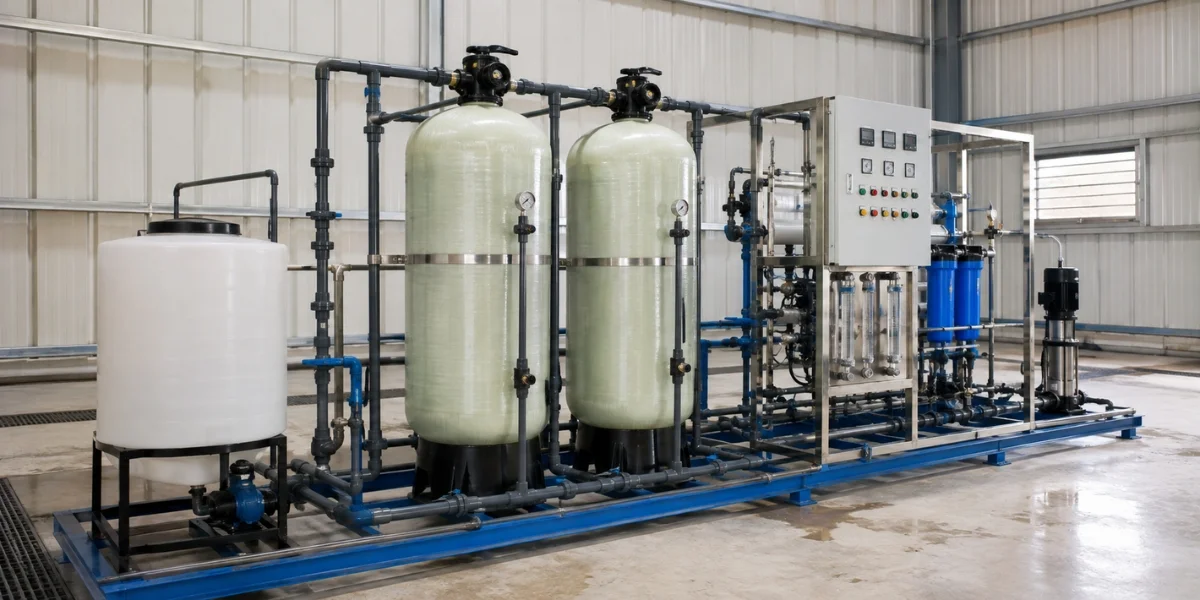
RO & Water Recycling Plant Manufacturer in India
Trity Environ Solutions manufactures RO and water recycling systems for industries and commercial facilities, engineered for reliable purity and reuse.
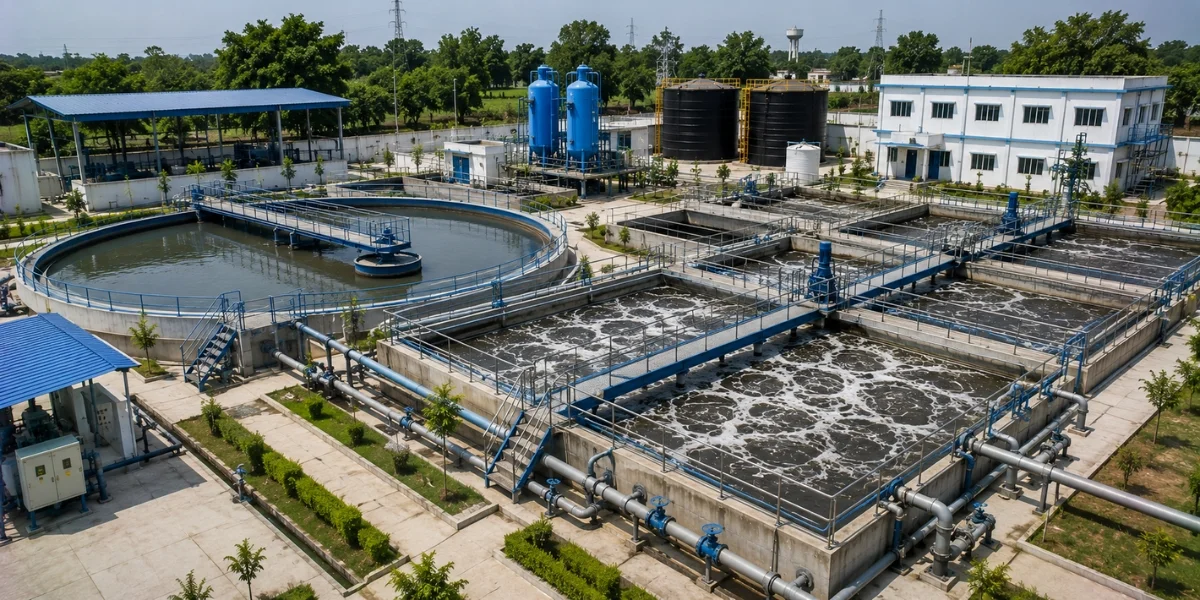
Tertiary Treatment Plant Manufacturer in India
Trity Environ Solutions manufactures tertiary treatment plants that polish treated water beyond secondary treatment, enabling genuine reuse and stricter discharge compliance.
Wastewater Recycling System Manufacturer in India
Trity Environ Solutions manufactures wastewater recycling systems using UF and RO technology, turning treated wastewater into reuse-grade water for cooling, flushing, and gardening.
PAN-INDIA CAPABILITIES
Regional Solutions & State Coverage
TECHNICAL KNOWLEDGE
Related Insights & Engineering Guides
PROVEN EXCELLENCE
Featured Turnkey Installations











Need a Custom Water or Wastewater Treatment Solution?
Our engineering team can help design the right system for your capacity, industry, and compliance requirements.

