
 ISO 9001:2015 & QCI Approved
STP and ETP Plant Manufacturer in Nepal
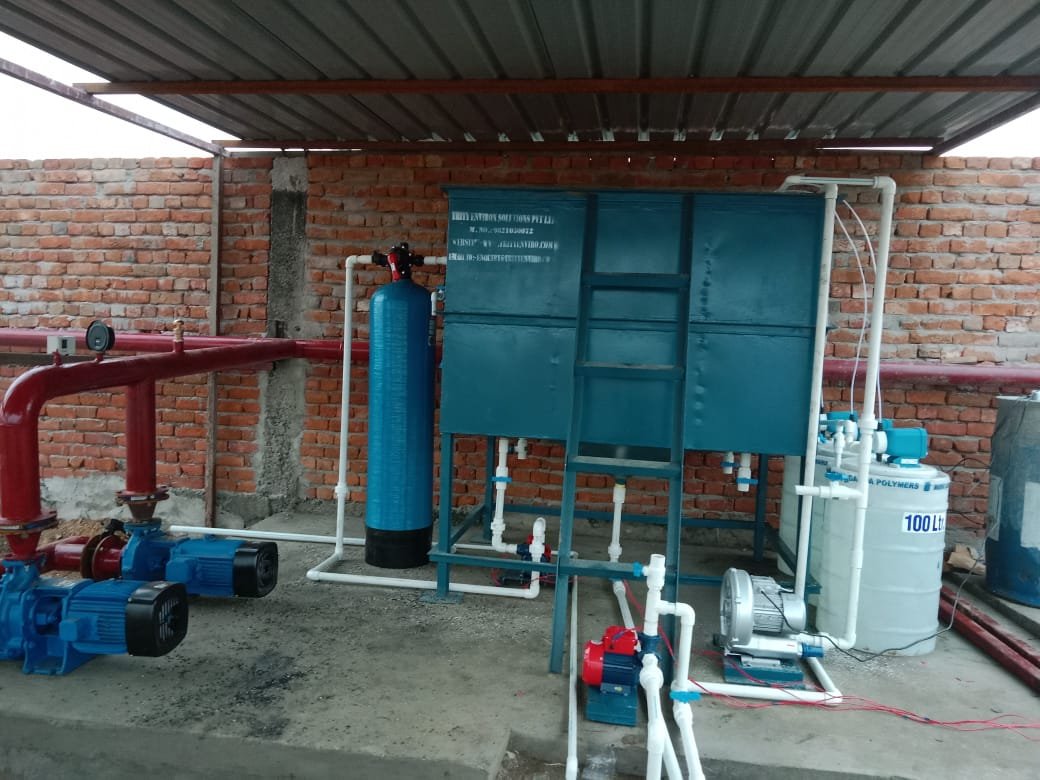
Trity Environ Solutions manufacturers and suppliers of STP and ETP Plant in Nepal. Sewage Treatment Plant and Effluent Treatment Plant machines for Nepal
SPCB / CPCB Norm Compliant
Heavy Fabrication
Wastewater Treatment Systems Supplied Across Nepal's Industrial and Hospitality Sectors
Nepal's economy runs on a mix that shapes its wastewater treatment needs in distinct ways: cement plants and hydropower projects generating heavy industrial process water, carpet and textile units producing dye and wool-processing effluent, a tea and food processing base drawing on the country's agricultural regions, and a tourism and hospitality sector centred on Kathmandu and Pokhara that depends on consistent water supply and reuse. Trity Environ Solutions designs, manufactures and supplies sewage treatment plants and effluent treatment plants engineered around each client's actual influent characteristics rather than a fixed catalogue model, with plants exported and installed across Nepal from our Ghaziabad manufacturing base. As an established STP and ETP Plant Manufacturer in Nepal, we manage the complete project from design through cross-border logistics and on-site commissioning, so clients deal with one accountable team instead of coordinating imports, local contractors and after-sales service separately.
STP & ETP Solutions in Nepal
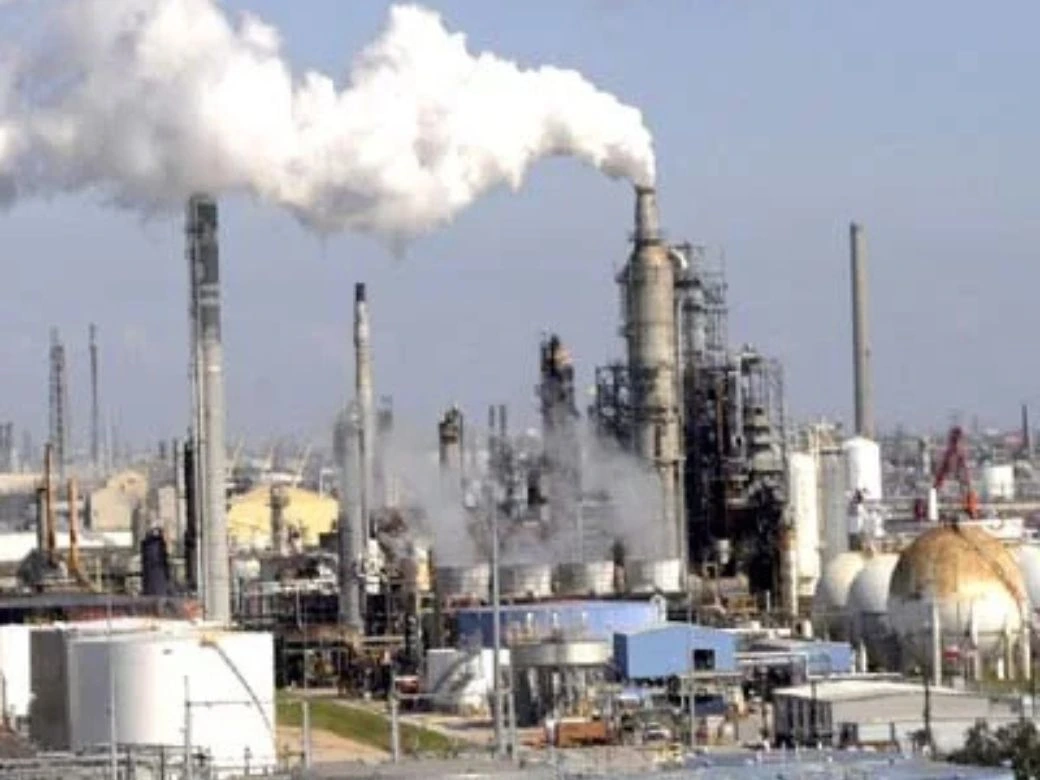
Nepal's wastewater sources span heavy industry and hospitality in almost equal measure: cement manufacturing units generating high-solids process water, hydropower project camps needing reliable sewage treatment for large construction workforces, carpet and textile units producing dye-laden effluent, and hotels and resorts across Kathmandu, Pokhara and trekking regions needing dependable water reuse given seasonal tourist inflow. We size STP plants for hotels, resorts, hydropower project camps and residential developments to handle occupancy-driven flow reliably, and we build ETP plants for cement, carpet and food processing units where suspended solids, colour and organic load reduction are the primary treatment challenges. Where reuse is part of the requirement, we pair the treatment system with our commercial RO plant or water softener range for a complete water management loop.
Our STP Plant Manufacturing Services
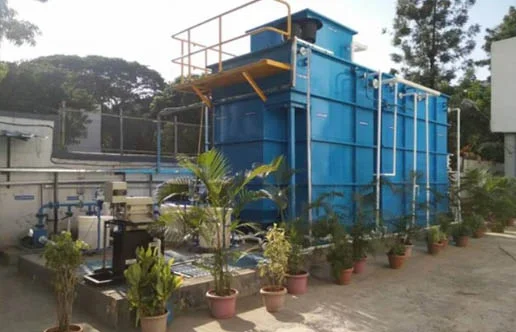
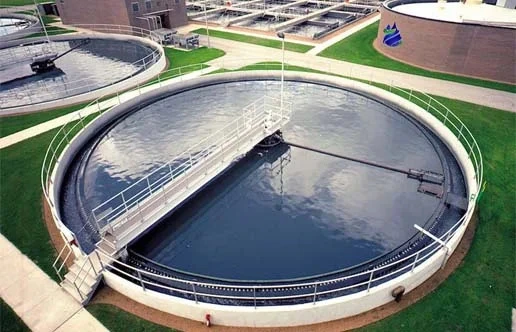
Our sewage treatment plant systems use MBBR, SBR and MBR configurations, sized for hotels, resorts, hydropower project camps, residential developments and institutional campuses across Nepal. Each system is engineered to consistently meet CPCB Schedule-VI equivalent parameters for BOD, TSS, pH and coliform, with documentation ready for local environmental clearance requirements at commissioning.
Our ETP Plant Manufacturing Services
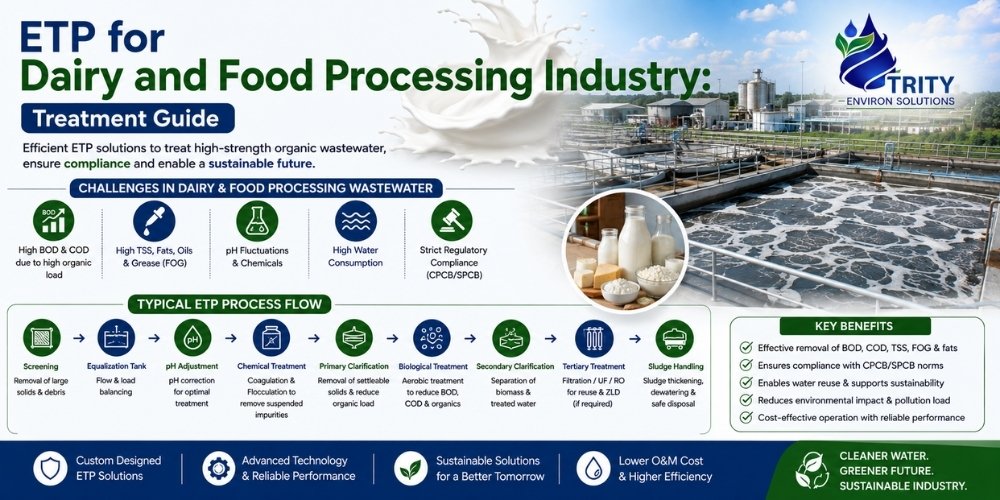
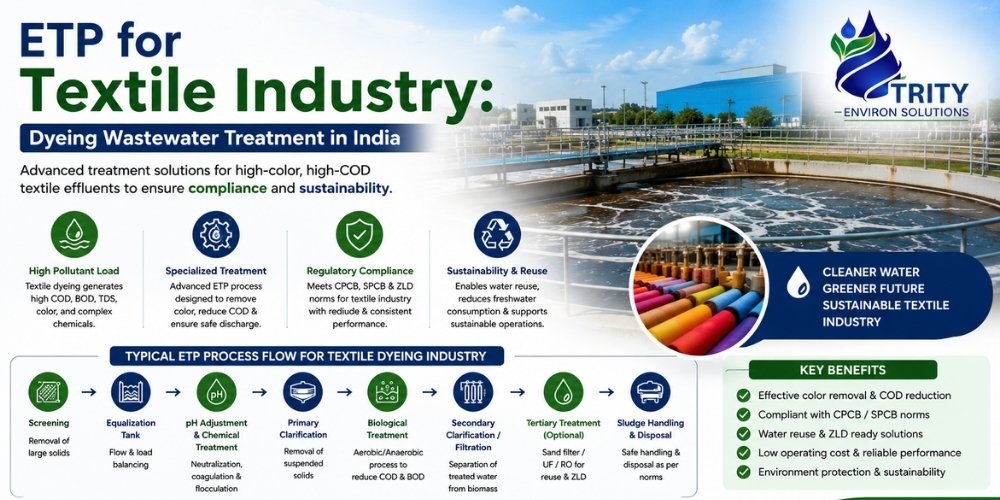
Our effluent treatment plant designs address the specific demands of cement, carpet, textile and food processing effluent, which typically carry high suspended solids, dye residue and variable organic content. We combine physical, chemical and biological stages, with tertiary polishing through ultra filtration where reuse or stricter discharge limits apply.
Complete Design, Engineering & Installation
We handle STP and ETP projects for Nepal as a single accountable scope: site assessment and influent testing, hydraulic and mass balance calculations, civil layout, in-house fabrication in Ghaziabad, cross-border logistics, on-site erection and commissioning. Managing every stage under one team avoids the delays and communication gaps that come from splitting design, manufacturing and installation across multiple vendors on a cross-border project. Our project execution engineers stay accountable from the first proposal through final handover, including coordination with local contractors on-site.
Plant Capacity Options
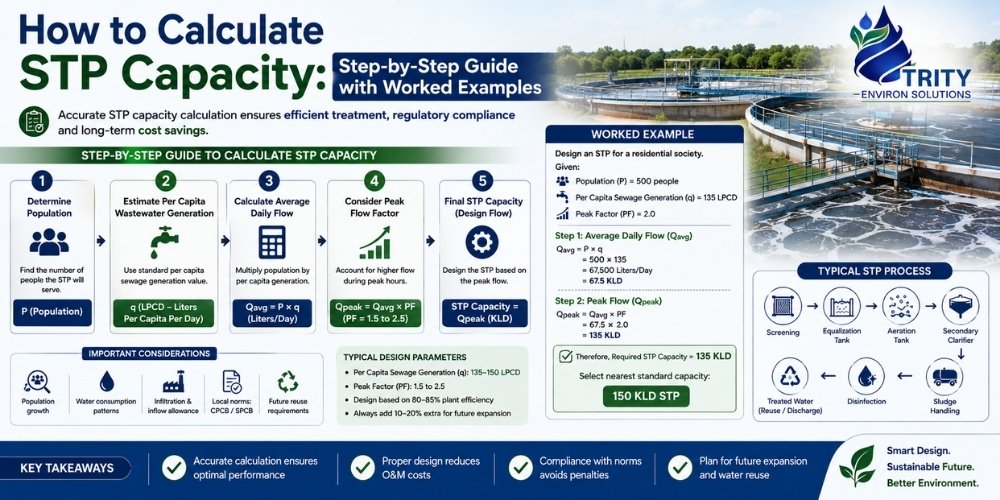
Systems range from compact 5 KLD units for smaller hotels and residential developments to large multi-train plants above 300 KLD for cement plants, hydropower project camps and industrial estates. Mid-range capacities between 20 and 150 KLD are common for mid-sized hotels, resorts and institutional campuses across Kathmandu and Pokhara.
Treatment Technologies
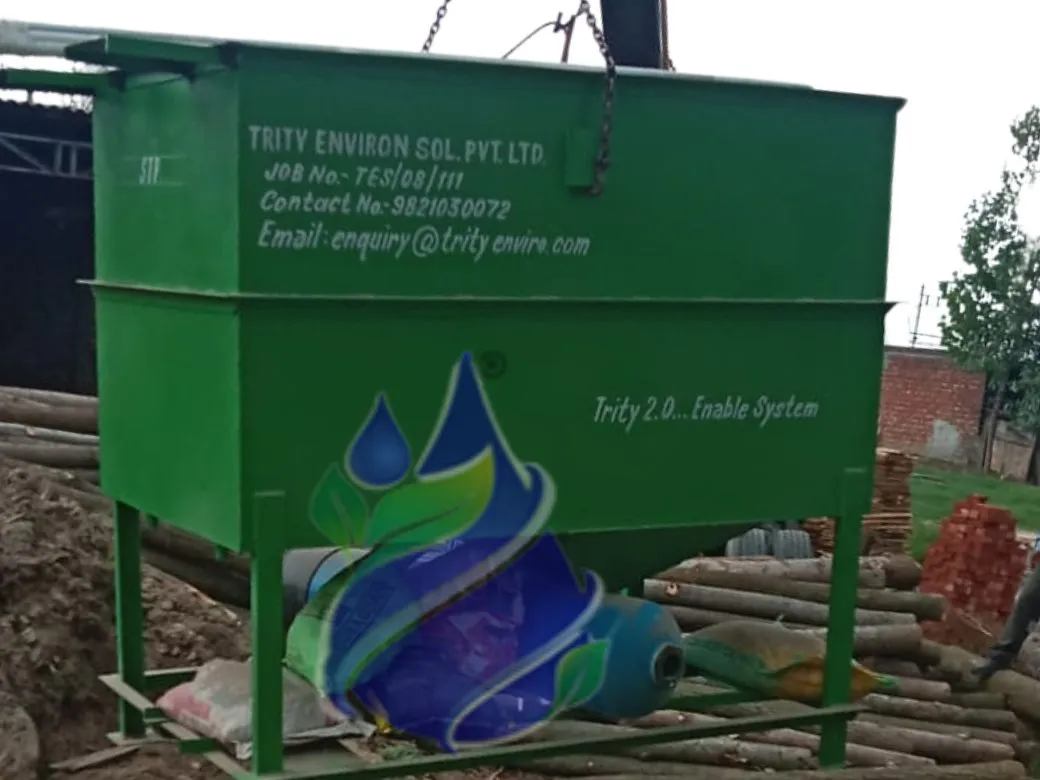
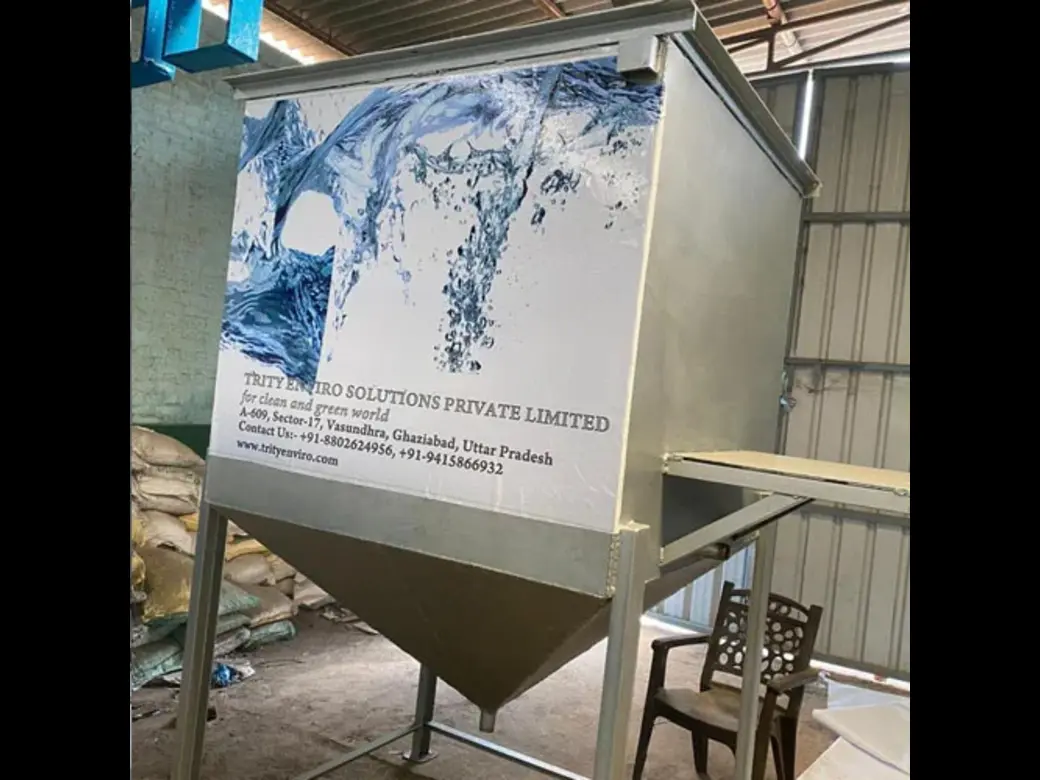
Biological treatment is built around MBBR media for compact, resilient performance with low sludge output, while SBR suits hospitality and institutional plants needing batch-wise quality control. Physical stages use tube settler media for faster settling of cement and construction-linked effluent, and dissolved air flotation for oil and grease removal from hospitality kitchens and food processing units. Aeration relies on fine bubble diffusers for efficient oxygen transfer, high-solids sludge from cement and carpet processing is dewatered using our decanter centrifuge systems, and where discharge norms demand it, we integrate Zero Liquid Discharge systems for chemical-intensive industrial streams.
Customized Plant Design
A cement plant near Hetauda and a resort in Pokhara have almost nothing in common in terms of effluent chemistry or flow pattern, so a single design cannot serve both. Our engineers review the client's water analysis report before proposing the treatment train, sizing the equalization tank, biological reactor and clarifier stages against actual load data rather than a generic capacity chart.
Industries We Serve
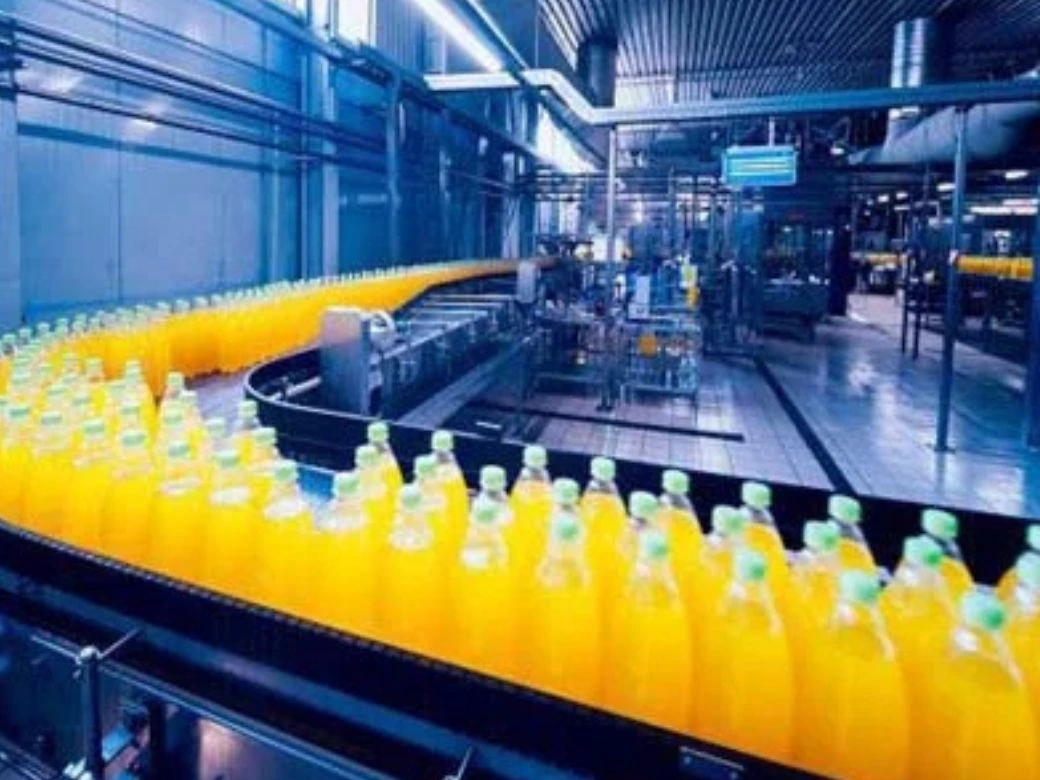
We supply plants to cement manufacturers, hydropower project developers, carpet and textile units, tea and food processing plants, hotels and resorts, educational institutions, hospitals and residential developers across Nepal. Cement and hydropower projects typically need strong suspended solids handling, carpet and textile units need dye and chemical residue removal, hospitality projects need systems built for sharp seasonal occupancy swings tied to Nepal's tourist seasons, and educational and healthcare campuses need compact, low-maintenance systems that local staff can operate confidently.
Engineering Process
Every project begins with a technical review, not a price quote. Our engineers study the client's daily wastewater volume, available land, discharge point and applicable local environmental norms before drafting the process design and equipment specification for export.
Manufacturing Process
Plants are fabricated at our ISO 9001:2015-certified facility in Ghaziabad using components sourced from qualified vendors. Tankage, piping, reactor internals and control panels go through dimensional and material checks at every stage before being prepared for cross-border shipment.
Quality Inspection
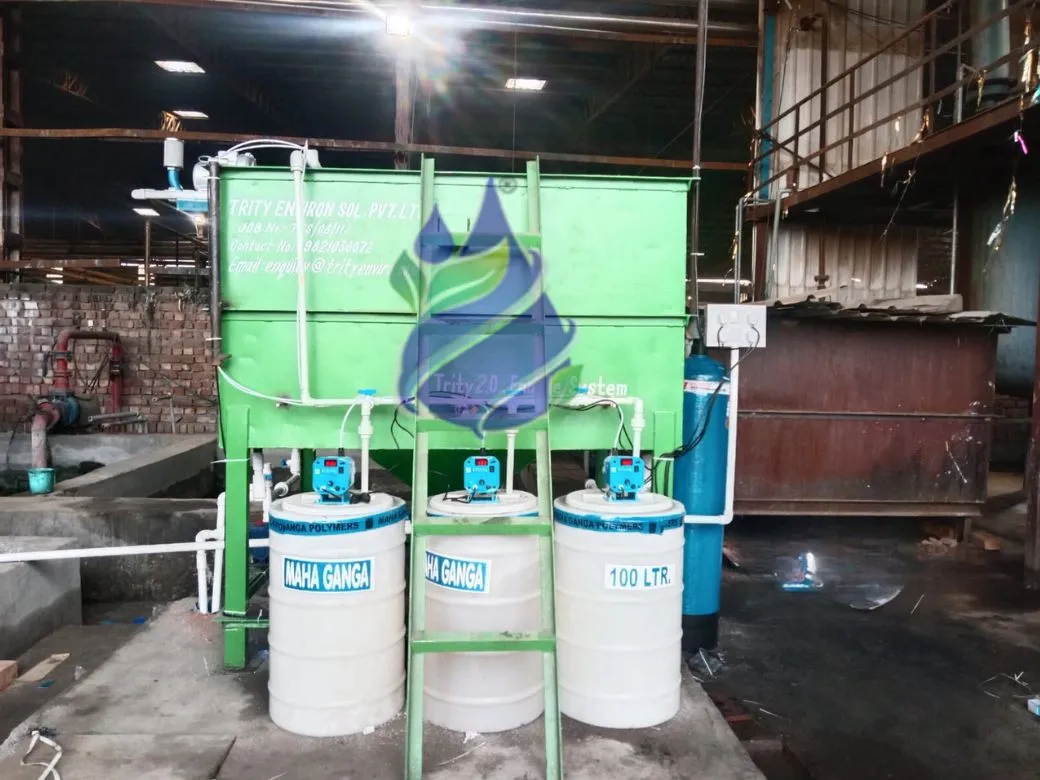
Each pump, blower, dosing unit and control panel is tested individually before the complete plant is assembled and run as one system, reducing the chance of transit or installation faults once equipment reaches site in Nepal.
Installation & Commissioning
Our installation team coordinates with local contractors for civil work, equipment placement, piping and electrical integration at the client's location in Nepal. Commissioning runs the plant on actual or simulated wastewater until output consistently meets target parameters, and we hand over a performance test report suitable for local environmental clearance filing.
Operator Training
Client staff receive hands-on training covering daily operation, chemical dosing, sludge handling and basic troubleshooting, supported by written SOPs so hotel, resort or facility staff can run the plant confidently without depending on our team for routine tasks.
Operation & Maintenance
After commissioning, we provide structured Operation and Maintenance support that covers scheduled checks, dosing optimisation and treated water quality tracking, keeping the plant within consent limits over its working life, coordinated remotely with periodic site visits.
AMC Services
Our Annual Maintenance Contracts include preventive servicing, priority breakdown response, spare parts and consumable supply, and periodic effluent testing, with logistics planned around Nepal's terrain and seasonal accessibility. Clients benefit from scheduled visits that catch performance drift before it turns into a compliance or operational issue.
Plant Upgradation & Retrofit
A number of STP and ETP plants operating in Nepal were installed before current environmental norms tightened, or before facility expansion increased actual load beyond original design capacity. We assess these systems, identify where the biological or filtration stage is falling short, and retrofit components such as additional MBBR carriers, upgraded clarifiers or a sludge dewatering system to restore compliant performance without a complete rebuild.
Automation & Monitoring
We offer manual-mode panels for smaller hospitality or institutional plants and PLC/SCADA-based automation for cement, hydropower and larger hospitality clients who need remote visibility into flow, dissolved oxygen, pH and dosing. Automated monitoring matters particularly for remote hydropower project camps and hillside resorts where frequent on-site sampling is impractical.
Energy Efficient Solutions
Aeration and pumping typically account for most of a plant's electricity cost, so equipment is selected against actual load rather than oversized as a safety margin. Careful blower and pump sizing, combined with optimised dosing, keeps running costs predictable, which matters given the power supply variability some project sites in Nepal experience.
Why Choose Trity Environ Solutions
Trity Environ Solutions brings more than fourteen years of design, manufacturing and field experience to STP and ETP projects across India and neighbouring markets. Our in-house engineering, fabrication and export teams remove the coordination gaps that occur when separate vendors handle design, supply and site work across a cross-border project, and our ISO 9001:2015-certified Ghaziabad facility maintains consistent build quality across every plant we dispatch. For clients in Nepal, this means a single point of contact through site assessment, manufacturing, cross-border logistics and years of AMC support, with designs that account for the varied effluent profiles of cement, hydropower, carpet and hospitality operations.
Benefits of Our Plants
Clients get systems engineered around their actual influent data, energy-efficient equipment selection that keeps operating costs predictable, automation choices ranging from manual to full SCADA control, and continued support through AMC and retrofit services well after commissioning, even across an international border.
Factors Affecting Plant Selection
The right configuration depends on effluent strength, available land, whether treated water will be reused on-site, power reliability, and site accessibility for future maintenance visits. Hospitality projects in Nepal in particular need a design that performs consistently through sharp seasonal occupancy swings tied to peak trekking and tourist seasons. Technology recommendations are always based on wastewater analysis, not assumed by default.
Environmental Compliance
Every plant we supply is engineered to meet CPCB General Standards equivalent parameters as a baseline, along with the discharge norms enforced by Nepal's environmental authorities for the relevant industry category. We assist clients with technical documentation needed for local environmental clearance processes through our services team and provide the performance records needed for ongoing compliance reporting.
Areas We Serve in Nepal
We supply and install plants across Kathmandu Valley, Pokhara, Biratnagar, Birgunj, Chitwan and Hetauda, supporting cement plants, hydropower projects, hotels and resorts, and residential developments across these regions.
FAQs
Q1. How long does it take to install an STP or ETP plant in Nepal?
Timelines depend on capacity, site location and cross-border logistics, but a prefabricated plant is typically installed within 60 to 120 days once site preparation is complete. Larger civil-built systems for cement or hydropower projects take longer.
Q2. What does an STP plant cost for a project in Nepal?
Cost depends on capacity, treatment technology, civil requirements and shipping logistics, ranging from a compact hotel-scale plant to significantly more for large industrial systems. We provide a detailed quotation after reviewing your wastewater data and site location.
Q3. Can treated water from our plant be reused?
Yes, depending on the treatment level. Treated water is commonly reused for gardening, flushing, cooling and select process applications, and we build this into the design wherever reuse is part of the requirement.
Q4. Do you offer AMC services for plants installed in Nepal?
Yes. Our Annual Maintenance Contracts cover preventive servicing, breakdown response, consumables and periodic effluent testing, with visit schedules planned around site accessibility across Nepal.
Q5. Which technology suits cement and hydropower project effluent?
Cement and hydropower construction sites generally generate high suspended solids effluent that needs strong physical settling and filtration, often supported by tube settlers and dewatering equipment to manage solid waste volume. Our engineers confirm the right combination after reviewing your site's effluent profile.
Q6. Do older plants in Nepal need compliance upgrades?
Many existing plants were designed for lower flow or older discharge norms than current operations generate. We evaluate these systems remotely where possible and recommend targeted upgrades where a full rebuild is not necessary.
Q7. Do you handle both hospitality and industrial projects in Nepal?
Yes, we design and supply STP systems for hotels, resorts and residential developments alongside ETP systems for cement, carpet and food processing units across Nepal.
Get in Touch
If your project in Nepal needs a new STP or ETP plant, or an existing system needs upgrading to meet current standards, Trity Environ Solutions can assess your requirement from design through cross-border installation. Contact us for a free technical review, or visit our about page to learn more about our manufacturing capability.
WHY THIS SYSTEM?
Key Benefits of STP and ETP Plant Manufacturer in Nepal
Engineered for high biological efficiency, full environmental compliance, and low lifecycle operational costs.
100% CPCB / SPCB Compliance
Strict adherence to national and state pollution control board parameters for BOD, COD, TSS, and heavy metals discharge.
Low Power & Operational Cost
Optimized hydraulic design and energy-efficient aeration reduce kilowatt consumption per cubic meter of treated water.
Compact & Modular Footprint
Skid-mounted and modular civil layouts save valuable industrial floor space and allow seamless capacity expansion.
Automated PLC / SCADA Control
Real-time water quality monitoring, automated dosing systems, and remote telemetry for hassle-free plant operation.
Zero Liquid Discharge (ZLD) Ready
Seamless integration with downstream RO and evaporator systems for maximum water recycling and recovery.
Robust Engineering & Longevity
Heavy-gauge anti-corrosive construction ensures 15+ years of reliable, uninterrupted service life.
SYSTEM CONFIGURATIONS
Types of STP and ETP Plant Manufacturer in Nepal Configurations
Tailored industrial configurations matched to specific effluent composition, flow rates, and space constraints.
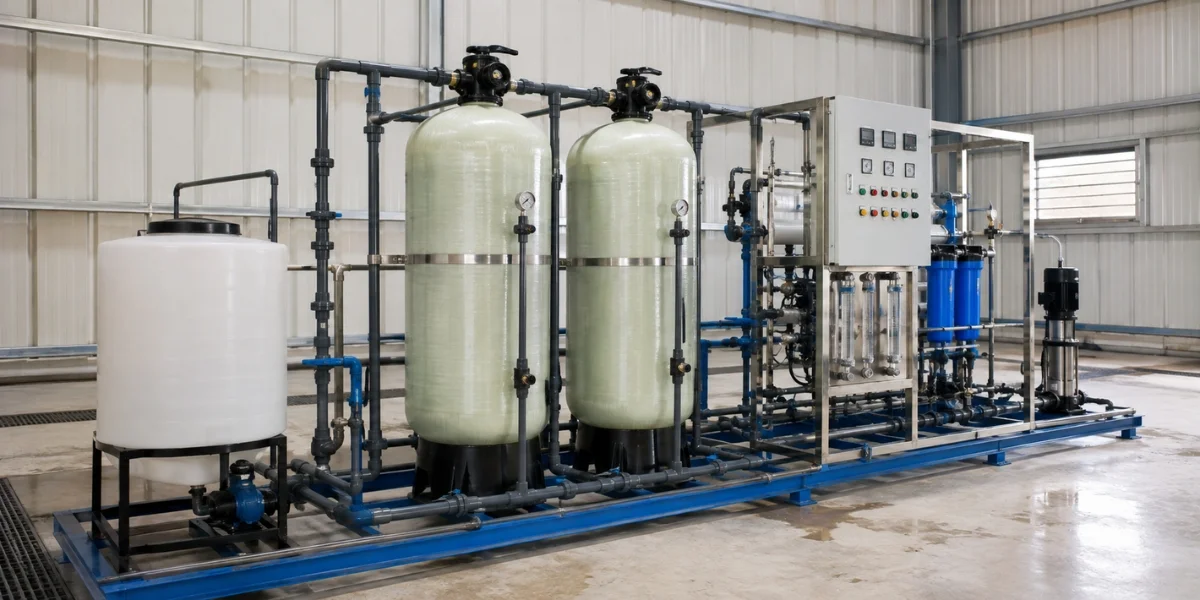
RO & Water Recycling Plant Manufacturer in India
Trity Environ Solutions manufactures RO and water recycling systems for industries and commercial facilities, engineered for reliable purity and reuse.
Explore Configuration
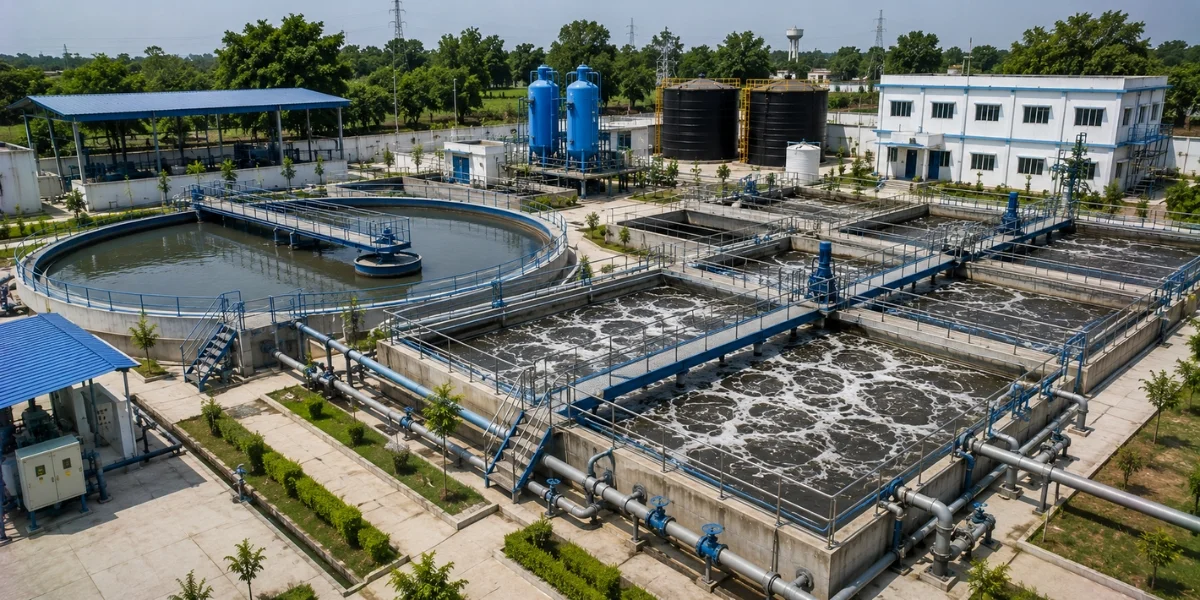
Tertiary Treatment Plant Manufacturer in India
Trity Environ Solutions manufactures tertiary treatment plants that polish treated water beyond secondary treatment, enabling genuine reuse and stricter discharge compliance.
Explore Configuration
Wastewater Recycling System Manufacturer in India
Trity Environ Solutions manufactures wastewater recycling systems using UF and RO technology, turning treated wastewater into reuse-grade water for cooling, flushing, and gardening.
Explore Configuration
STEP-BY-STEP WORKFLOW
How the STP and ETP Plant Manufacturer in Nepal Process Works
A sequential, multi-stage treatment methodology engineered for maximum contaminant removal and water recovery.
01
Primary Collection & Screening
Raw effluent equalization, coarse bar screening, and pH neutralization to stabilize influent parameters.
02
Physico-Chemical Coagulation
Flash mixing of coagulants and flocculants followed by primary clarifier separation for heavy suspended solids.
03
Advanced Biological Digestion
Aerobic/anaerobic microbial digestion (MBBR / SBR / ASP) for drastic reduction of dissolved BOD & COD.
04
Tertiary Polishing & Disinfection
Dual media sand and activated carbon filtration with UV/ozonation for clean, reusable output water.
CATALOGUE
Related Engineering Products
RO & Water Recycling Plant Manufacturer in India
Trity Environ Solutions manufactures RO and water recycling systems for industries and commercial facilities, engineered for reliable purity and reuse.
Tertiary Treatment Plant Manufacturer in India
Trity Environ Solutions manufactures tertiary treatment plants that polish treated water beyond secondary treatment, enabling genuine reuse and stricter discharge compliance.
Wastewater Recycling System Manufacturer in India
Trity Environ Solutions manufactures wastewater recycling systems using UF and RO technology, turning treated wastewater into reuse-grade water for cooling, flushing, and gardening.
PAN-INDIA CAPABILITIES
Regional Solutions & State Coverage
TECHNICAL KNOWLEDGE
Related Insights & Engineering Guides
PROVEN EXCELLENCE
Featured Turnkey Installations




Need a Custom Water or Wastewater Treatment Solution?
Our engineering team can help design the right system for your capacity, industry, and compliance requirements.