
 ISO 9001:2015 & QCI Approved
STP and ETP Plant Manufacturer in Angul
Trity Environ Solutions is a leading STP and ETP plant manufacturer in Angul, engineering turnkey wastewater treatment systems for NALCO aluminium smelter, JSPL mega complex, and Talcher coalfields. We build heavy-duty effluent treatment plants and sewage treatment plants engineered for strict OSPCB compliance across the Brahmani River and Nandira catchment, backed by pan India installation support.
CEPI Critically Polluted Zone
High Fluoride Removal
Advanced Industrial Wastewater Engineering for Odisha's Energy and Smelting Capital
Angul, situated in central Odisha, represents one of India's most intensive energy, metallurgical, and mining corridors. Anchored by the National Aluminium Company (NALCO) smelter and captive power plant, Jindal Steel & Power Limited (JSPL) mega complexes, Mahanadi Coalfields Limited (MCL) mining hubs, and NTPC thermal stations in neighboring Talcher, the region experiences unprecedented industrial development.
However, this heavy concentration has historically designated the Angul-Talcher industrial complex as a Critically Polluted Area under the Comprehensive Environmental Pollution Index (CEPI). Wastewater from these sectors carries severe environmental loads including toxic fluorides, coal ash decants, phenols, cyanide, heavy suspended solids, ammoniacal nitrogen, and dissolved heavy metals.
Effluents from these industrial clusters discharge into vital local streams such as the Nandira rivulet, which subsequently joins the Brahmani River, the drinking and irrigation lifeline for millions downstream. The Odisha State Pollution Control Board (OSPCB) and Central Pollution Control Board (CPCB) enforce stringent regulatory oversight, strictly requiring zero liquid discharge (ZLD) implementation, heavy metal precipitation, and continuous online telemetry for all major industrial facilities.
As an experienced STP and ETP plant manufacturer in Angul, Trity Enviro engineers robust, high-performance wastewater treatment plants capable of operating reliably in high-toxicity, high-solids environments.
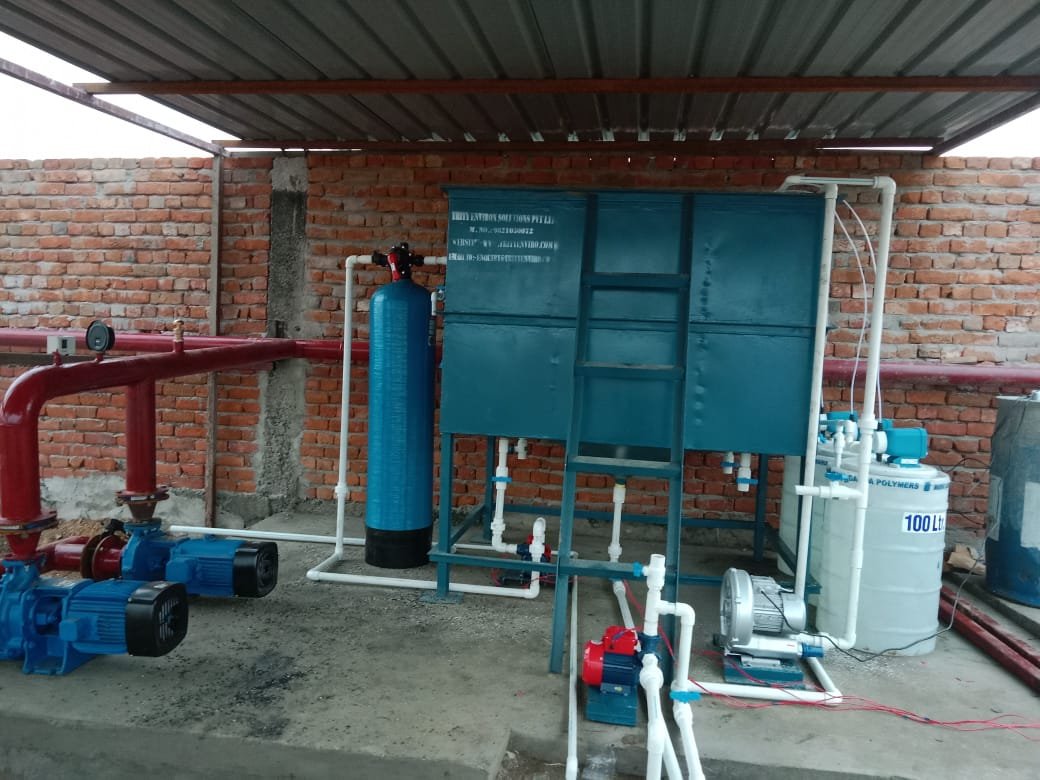
Our engineered effluent treatment plant systems feature specialized chemical precipitation to remove high fluorides down to below 1.5 mg/L, high-efficiency oil separation, lamella clarification, and biological treatment. For large industrial housing colonies, hospitals, and administrative campuses across Angul, our modern sewage treatment plant units convert domestic sewage into sparkling recycled water for green belt irrigation and coal dust suppression. With Trity Enviro, industrial operators in Angul achieve bulletproof environmental compliance and reliable water security.
Engineered Reliability
Why Heavy Industries in Angul Choose Trity Enviro
Engineered specifically to solve severe industrial pollution challenges in the CEPI-notified Angul-Talcher industrial zone.
Specialized Fluoride Removal Systems
Multi-stage calcium chloride and alum precipitation systems designed to reduce elevated fluorides from aluminium smelting and phosphate processes to below OSPCB limits.
Robust Coal Dust and Ash Slurry Handling
Heavy-duty clariflocculators and mechanical plate filter presses designed to dewater abrasive coal fines and fly ash decants without equipment abrasion.
Guaranteed Zero Liquid Discharge (ZLD)
High-efficiency RO recovery systems coupled with thermal evaporators to achieve complete effluent recycling, helping units operate safely in CEPI areas.
Brahmani and Nandira River Basin Protection
Engineered to eliminate toxic phenol, cyanide, and heavy metal discharge, protecting surrounding agricultural lands and meeting all NGT directives.
Automated 24/7 OCEMS Data Integration
Complete instrumentation skids including electromagnetic flowmeters, optical turbidity meters, and TOC analyzers configured for seamless OSPCB portal transmission.
Solving Complex Effluent Challenges in Aluminium Smelting and Power Hubs
The smelting of aluminium and the generation of thermal power in Angul produce highly specialized wastewater streams. Aluminium potline scrubbing effluents and anode plant washings contain high concentrations of fluorides, polycyclic aromatic hydrocarbons (PAHs), and suspended solids.
Meanwhile, thermal power stations generate vast quantities of cooling tower blowdown, boiler blowdown, and ash pond decants containing elevated sulfates, silica, and heavy metals. When discharged untreated, these chemicals infiltrate local aquifers, causing severe dental and skeletal fluorosis among surrounding communities.
Trity Enviro designs proprietary chemical effluent treatment plant systems that incorporate two-stage chemical precipitation using lime, calcium chloride, and poly-aluminium chloride. This process precipitates soluble fluorides as insoluble calcium fluoride, which is settled out in high-rate lamella clarifiers.
For coal-handling plants and vehicle maintenance facilities, our mechanical oil skimmer systems remove tramp hydrocarbons to protect downstream biological and membrane units.
Township Sewage Treatment and Coal Dust Suppression Water Recycling
The vast industrial footprint of Angul is supported by extensive residential townships, executive housing colonies, and commercial infrastructure housing tens of thousands of personnel. Managing domestic wastewater from these townships requires robust treatment systems capable of delivering high-quality treated water for practical reuse. Fresh water allocation for industrial dust suppression and coal yard spraying is becoming increasingly restricted by water resources authorities.
Our automated Sequential Batch Reactor (SBR) and Moving Bed Biofilm Reactor (MBBR) sewage treatment plant systems offer an ideal circular solution. With advanced tertiary polishing through sand media and activated carbon filtration, treated water achieves BOD below 10 mg/L and TSS below 10 mg/L.
This water is directly recirculated for extensive coal dust suppression at conveyor transfer points, ash disposal spraying, and perimeter green belt cultivation, saving millions of liters of freshwater daily.
Turnkey ZLD Engineering and Proactive AMC Services in Angul
Operating within a CEPI critically polluted zone requires unmatched environmental diligence. OSPCB frequently issues closure directions or hefty environmental compensation penalties to non-compliant plants. To guarantee perpetual compliance, Trity Enviro designs complete zero liquid discharge plant systems integrating ultrafiltration, brackish water RO water recycling plant stages, and mechanical vapor recompression (MVR) evaporators.
We back our engineering installations with comprehensive on-ground annual maintenance contract services across the Angul and Talcher industrial belt. Our engineers supervise sludge press operations, membrane antiscalant dosing, sensor calibrations, and regulatory documentation. Contact our specialized environmental engineering team through our contact us portal for a tailored site assessment and engineering proposal.
Specialized Configurations
Heavy-Duty Treatment Systems for Angul Complexes
Engineered treatment architectures capable of handling severe chemical toxicity, heavy suspended solids, and high TDS.
Two-Stage Fluoride Precipitation ETPs
Specialized chemical precipitation systems using calcium salt dosing and lamella clarifiers to reduce fluorides from aluminium smelting to below 1.5 mg/L.
Explore Configuration
Clariflocculator Systems for Ash and Coal Decant
Heavy-duty solids settling and sludge dewatering assemblies engineered for coal washeries, thermal ash pond decants, and mineral handling yards.
Explore Configuration
Sequential Batch Reactor (SBR) Township STPs
Automated biological sewage treatment plants designed for large industrial housing colonies, delivering water for coal dust spraying and green belts.
Explore Configuration
Thermal and Membrane Zero Liquid Discharge Plants
High-pressure reverse osmosis combined with forced circulation crystallizers and multi-effect evaporators for complete ZLD compliance in CEPI zones.
Explore Configuration
Engineering Workflow
Turnkey Plant Execution Methodology for Angul Units
From toxic effluent profiling to complete turnkey erection, OSPCB telemetry integration, and operator training.
01
Effluent Toxicity and Heavy Chemical Profiling
Detailed laboratory assays of fluorides, phenols, cyanide, heavy metals, suspended solids, and COD at your Angul industrial complex.
02
Hydraulic Sizing and Chemical Process Design
Rigorous calculation of chemical reaction kinetics, precipitation stoichiometry, clarifier settling rates, and structural engineering layouts.
03
Industrial Fabrication and Anti-Corrosive Coating
Precision fabrication of reaction tanks, clarifiers, and filter presses using chemical-resistant alloys, rubber linings, and epoxy-coal tar coatings.
04
On-Site Erection and OCEMS Instrumentation
Complete mechanical installation, piping hookups, PLC panel wiring, and online monitoring transmitter configuration connected to OSPCB servers.
05
Chemical Dosing Optimization and Handover
Fine-tuning of coagulant, polymer, and precipitation chemical feed rates, sludge cake moisture testing, and plant handover with full staff training.
Common Queries
Frequently Asked Questions About Angul Wastewater Plants
Clear answers to regulatory, technical, and operational questions for industrial facilities in Angul.
Q1. How does Trity Enviro achieve fluoride reduction below 1.5 mg/L in aluminium effluent?
We implement a two-stage chemical precipitation process. Primary treatment uses calcium chloride/lime to precipitate bulk calcium fluoride, followed by secondary coagulant dosing with poly-aluminium chloride and polishing filtration to achieve below 1.5 mg/L.
Q2. What are the regulatory implications of operating in the Angul-Talcher CEPI zone?
CEPI-notified zones face stringent restrictions on expanding pollution loads. Units must demonstrate zero untreated discharge, install real-time OCEMS telemetry with OSPCB/CPCB, and prioritize Zero Liquid Discharge (ZLD) systems.
Q3. Can treated township sewage water be recycled for coal dust suppression?
Yes. Our SBR treated sewage water undergoes multi-grade sand filtration and chlorination, making it completely safe and ideal for mist spraying at coal conveyor belts, transfer towers, and slag handling yards.
Q4. How do you handle abrasive coal fines and slurry without wearing out equipment?
We utilize rubber-lined slurry pumps, heavy-duty abrasion-resistant carbon steel clarifiers, and automatic plate-and-frame filter presses to dewater slurry into dry cake while recycling clarified supernatant.
Q5. Does Trity Enviro provide continuous operation and maintenance (O&M) in Angul?
Yes. We offer complete round-the-clock on-site operation and maintenance contracts staffed with qualified environmental chemists and mechanical technicians across the Angul and Talcher industrial belt.
Q6. How long does it take to design and install an industrial ETP in Angul?
Custom industrial ETPs typically require 4 to 6 weeks for engineering fabrication and 2 to 3 weeks for on-site mechanical erection, piping, electrical integration, and commissioning.
CATALOGUE
Related Engineering Products
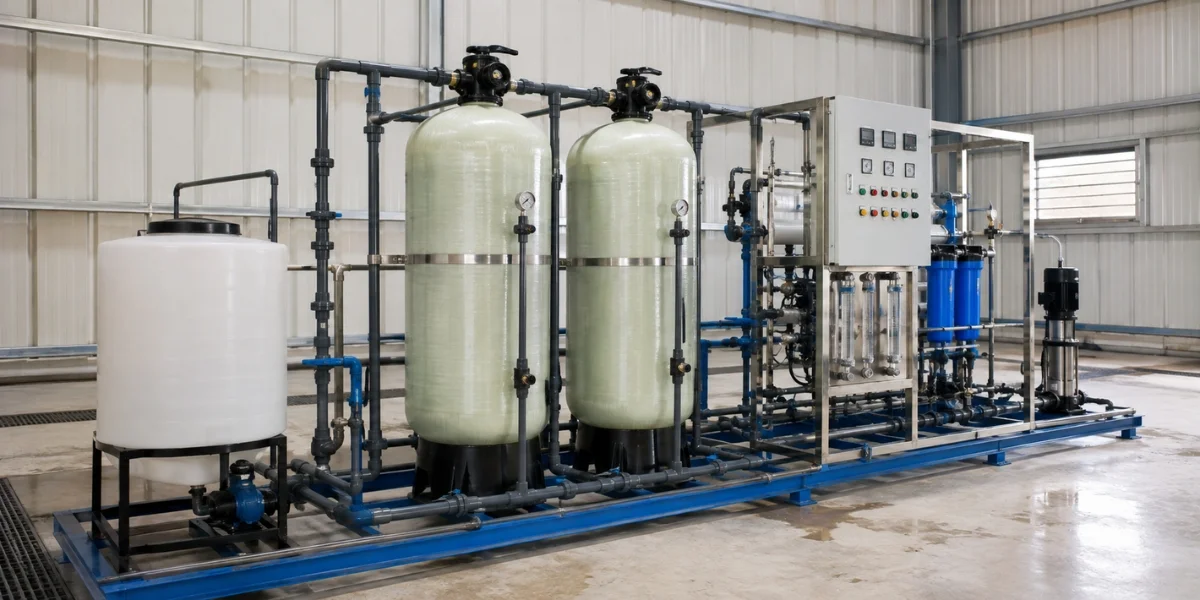
RO & Water Recycling Plant Manufacturer in India
Trity Environ Solutions manufactures RO and water recycling systems for industries and commercial facilities, engineered for reliable purity and reuse.
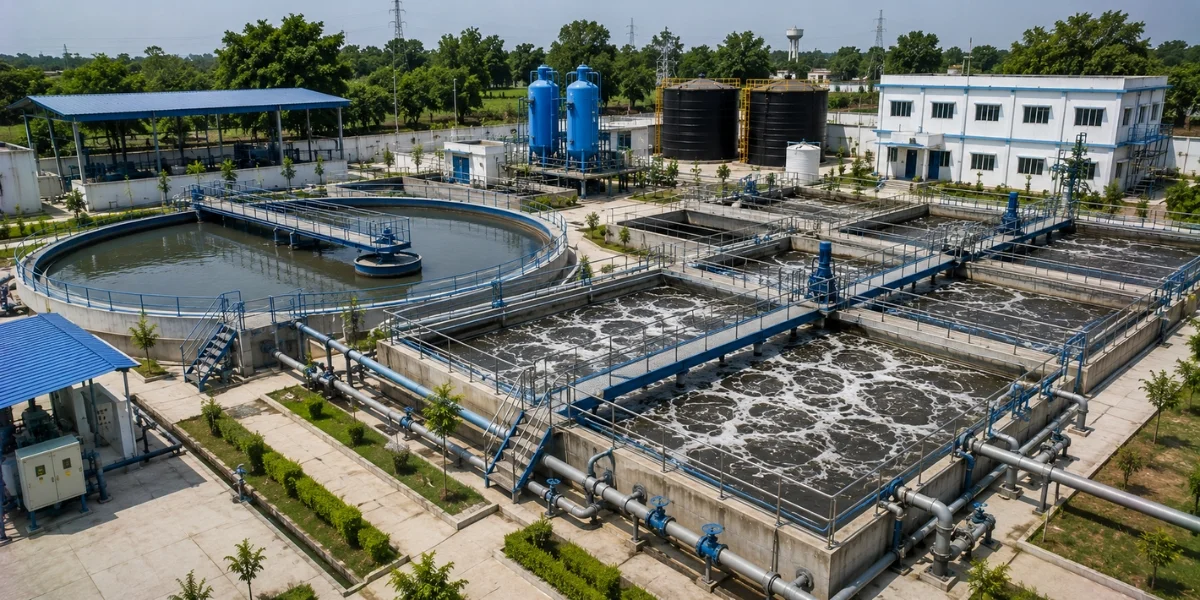
Tertiary Treatment Plant Manufacturer in India
Trity Environ Solutions manufactures tertiary treatment plants that polish treated water beyond secondary treatment, enabling genuine reuse and stricter discharge compliance.
Wastewater Recycling System Manufacturer in India
Trity Environ Solutions manufactures wastewater recycling systems using UF and RO technology, turning treated wastewater into reuse-grade water for cooling, flushing, and gardening.
PAN-INDIA CAPABILITIES
Regional Solutions & State Coverage
TECHNICAL KNOWLEDGE
Related Insights & Engineering Guides
PROVEN EXCELLENCE
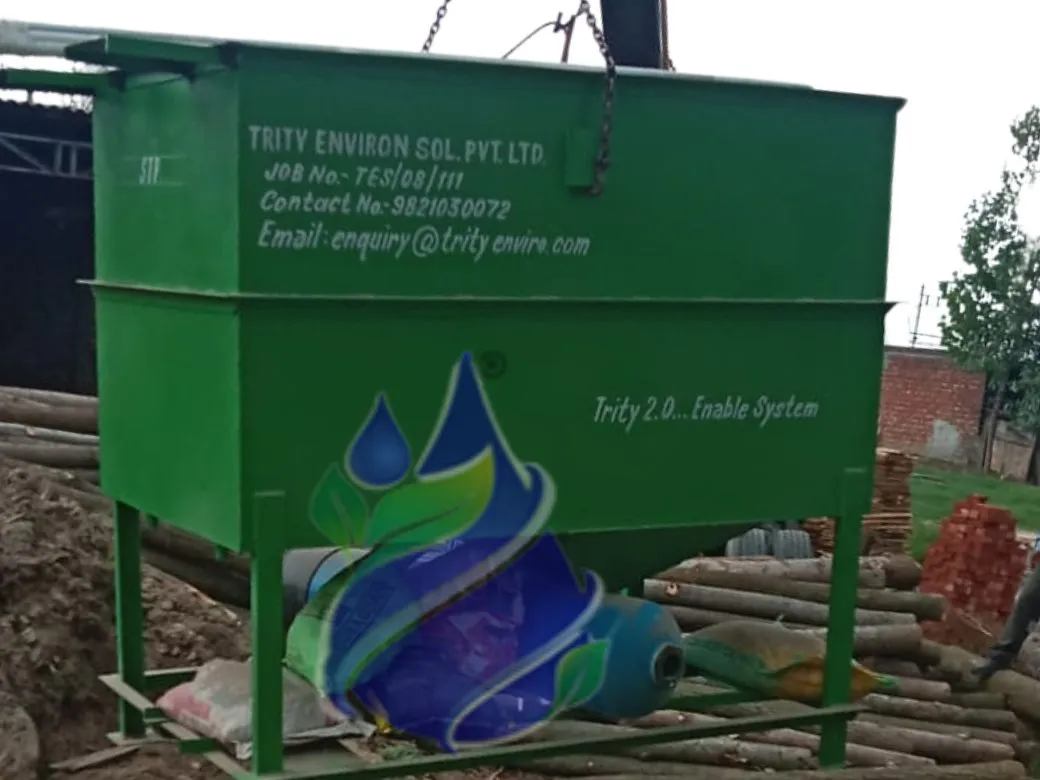
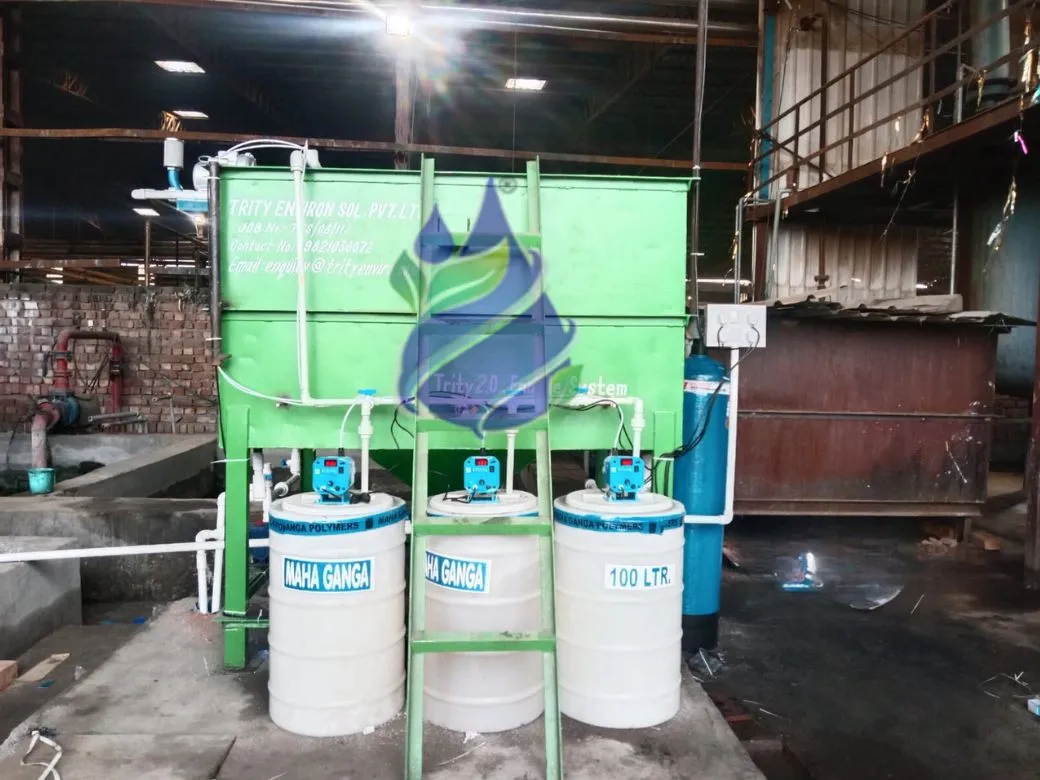
Featured Turnkey Installations




Need a Custom Water or Wastewater Treatment Solution?
Our engineering team can help design the right system for your capacity, industry, and compliance requirements.