
 ISO 9001:2015 & QCI Approved
STP and ETP Plant Manufacturer in Punjab
Trity Environ Solutions is a trusted STP and ETP plant manufacturer in Punjab, building wastewater systems for the dyeing and hosiery units of Ludhiana, food and dairy plants, metal finishing and engineering factories, and the hotels, hospitals, and housing projects of Mohali, Jalandhar, Amritsar, and Patiala. In a state where rivers and drains are under tribunal watch, it designs plants that keep discharge measurably inside limits, with pan India installation support behind every project. Whether you need a sewage treatment plant manufacturer in Punjab or an effluent treatment plant manufacturer in Punjab, Trity Environ Solutions builds both in-house, from design to commissioning.
SPCB / CPCB Norm Compliant
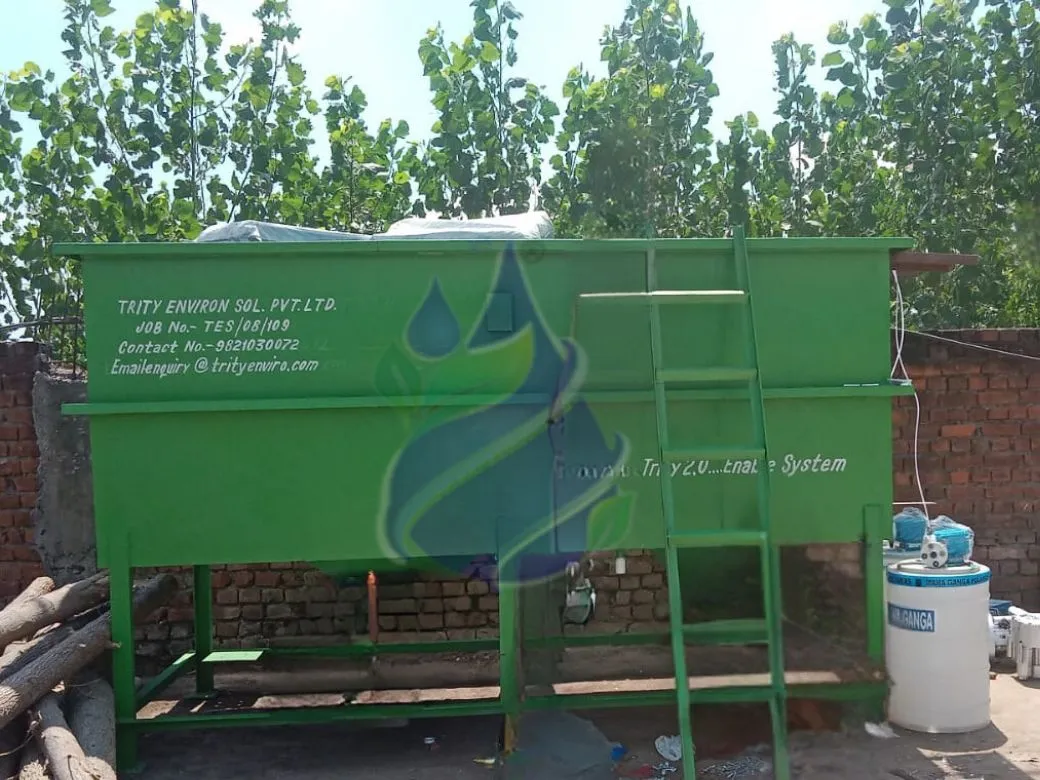
Heavy Fabrication
Punjab's Sewage Gap and Industrial Effluent Are Both Under the Tribunal's Eye
In July 2024 the National Green Tribunal ordered the Punjab government to pay Rs 1,026 crore as environmental compensation for failing to manage legacy waste and untreated sewage, recording 2,212 MLD generated against a treatment capacity shortfall of 326.56 MLD, with the Beas, Sutlej, and Ghaggar named as polluted. The Supreme Court stayed those directions on 20 September 2024 while the state's appeal was heard, so the compensation is paused, but the Tribunal's reading of the gap is on the record. The same pressure shows up on the industrial side. A Punjab Pollution Control Board (PPCB) status report of April 2024 counted about 300 dyeing units in Ludhiana district, about 265 of them in the Buddha Nullah catchment, with about 54 outside the common plants, and reported that water in the nullah exceeded sewage treatment standards for coliform, COD, and BOD and was unfit for irrigation.
The city side is being rebuilt at scale. Reporting in January 2023 described a 225 MLD plant at Jamalpur in Ludhiana as the state's biggest, part of an Rs 840 crore Buddha Nullah project that also included a 60 MLD plant at Balloke and an upgrade of four existing plants, and that project had missed at least seven deadlines by August 2024. Those are the latest figures we could verify, so confirm current status with PPCB for your own site. For a factory, hospital, hotel, or housing project, the practical point is simple: consent is checked against what your plant actually discharges. Trity Environ Solutions builds effluent treatment plants for dyeing, hosiery, food, dairy, and metal finishing units, and sewage treatment plants for Punjab's cities, designed against your real load and PPCB consent conditions.
Planning a project anywhere in Punjab? Request a free site assessment and our engineering team will confirm the right configuration for your site.
Looking for only one side of the problem? Trity Environ Solutions has dedicated pages for a sewage treatment plant manufacturer in Punjab covering city sewage, hospitals, and housing, and an effluent treatment plant manufacturer in Punjab covering industrial effluent.
WHY THIS SYSTEM?
Key Benefits of STP and ETP Plant Manufacturer in Punjab
Engineered for high biological efficiency, full environmental compliance, and low lifecycle operational costs.
Dyeing and Hosiery Effluent Expertise
Colour, COD, and TDS handling designed for the dyeing and processing units of Ludhiana, where effluent chemistry changes with every lot.
Built for Tight Outlet Norms
Stages and sampling points aimed at the parameters Punjab's inspections have flagged, including BOD, COD, coliform, and suspended solids.
Treated Water for Reuse
Polished water for cooling, flushing, gardens, and process use, which cuts fresh water demand and supports the reuse direction regulators are pushing.
Compact for Urban Projects
Modular MBBR and MBR layouts for towers, hospitals, and hotels in Mohali, Jalandhar, and Amritsar where land is limited.
Support Across the State
Installation, operator training, and AMC response across Punjab's industrial and urban belts, backed by Trity's engineering team.
A Stay Is Not an Exemption
The Supreme Court stay paused the compensation, not the discharge standards, and PPCB consent conditions still apply to every unit. A plant with proper sampling points and a dated log of treated water quality is the strongest position at inspection. Where a unit wants to cut fresh water use, a wastewater recycling system can be added after the main treatment train.
Plants Fail Through Operation, Not Drawings
In August 2025 a Rajya Sabha MP inspecting Ludhiana's Haibowal Dairy Complex ETP and the Balloke STP said that cow dung dumped into the Buddha Dariya was affecting the working of effluent and sewage plants. Inputs the design never expected are how a working plant starts failing. Trity Environ Solutions supports every Punjab installation with operator training, performance checks, and an Annual Maintenance Contract, so dosing, aeration, and sludge handling stay within limits. Talk to our team about AMC coverage for your facility.
City Page and Neighbouring States
Ludhiana, the state's largest industrial city, has its own page: the STP and ETP plant manufacturer in Ludhiana page covers dyeing, hosiery, dairy, and city projects. For projects across the border, Trity Environ Solutions also serves clients as an STP and ETP plant manufacturer in Haryana, an STP and ETP plant manufacturer in Himachal Pradesh, and an STP and ETP plant manufacturer in Rajasthan, so north India projects can be handled by one team.
SYSTEM CONFIGURATIONS
Types of STP and ETP Plant Manufacturer in Punjab Configurations
Tailored industrial configurations matched to specific effluent composition, flow rates, and space constraints.
Textile Dyeing and Hosiery ETP
Our textile dyeing effluent treatment plant removes colour, COD, and dissolved solids from dyeing and processing units.
Food and Dairy ETP
Our food and beverage effluent treatment plant handles the high organic load from dairy, bakery, and packaged food units.
Metal Finishing and Engineering ETP
Our physico-chemical effluent treatment plant removes metals and suspended solids through pH correction, coagulation, and clarification.
High-Rise and Commercial STP
Our MBBR sewage treatment plant fits basement and podium layouts and holds treated quality across peak swings.
Hospitals, Hotels and Malls
Our MBR sewage treatment plant delivers high quality, low odour treated water in very little space, suited to reuse for cooling and flushing.
STEP-BY-STEP WORKFLOW
How the STP and ETP Plant Manufacturer in Punjab Process Works
A sequential, multi-stage treatment methodology engineered for maximum contaminant removal and water recovery.
01
Site Assessment & Influent Characterisation
Flow measurement and sampling establish your actual load, whether dyeing, dairy, metal finishing, or domestic sewage.
02
Design & Engineering
Technology and layout are fixed against PPCB consent conditions, available footprint, and reuse targets.
03
Manufacturing & Installation
Components are manufactured under ISO 9001:2015 quality controls, then installed and commissioned by Trity's site team.
04
Commissioning & AMC Support
The plant is tested against consent limits, operators are trained, and ongoing AMC support keeps performance consistent afterward.
FREQUENTLY ASKED QUESTIONS
Got Questions? We Have Answers
Q1. Which pollution control board governs STP and ETP discharge in Punjab?
The Punjab Pollution Control Board (PPCB) issues consent to establish and consent to operate, alongside CPCB guidelines and National Green Tribunal directions.
Q2. Can you build an ETP for a dyeing unit in Ludhiana?
Yes. Dyeing effluent needs colour removal, equalisation, and COD and TDS handling beyond a standard biological plant, so each plant is designed from your own effluent analysis.
Q3. Does a unit connected to a common effluent plant still need its own treatment?
Often yes. Units usually need pre-treatment to meet the common plant's inlet norms, and where treated water still fails to meet limits, a plant of your own is the safer position.
Q4. Is an STP mandatory for hospitals and housing projects in Punjab?
Large residential, commercial, and healthcare projects generally need an STP as part of environmental clearance and PPCB consent conditions. Requirements vary by built-up area and project category.
Q5. How long does installation take in Punjab?
Prefabricated modular plants typically commission within 45 to 90 days, while civil-based plants for larger capacities take 3 to 6 months from design approval to handover.
Q6. Can an existing Punjab plant be upgraded or maintained?
Yes. We audit existing plants, retrofit capacity or technology, and take them under an annual maintenance contract.
Q7. How do I choose a reliable STP and ETP plant manufacturer in Punjab?
Look for in-house manufacturing, experience with PPCB consent requirements, a design based on your own wastewater analysis, and a clear maintenance offering after commissioning. Trity Environ Solutions builds its plants under ISO 9001:2015 quality controls and supports every installation with operator training and an annual maintenance contract.
CATALOGUE
Related Engineering Products
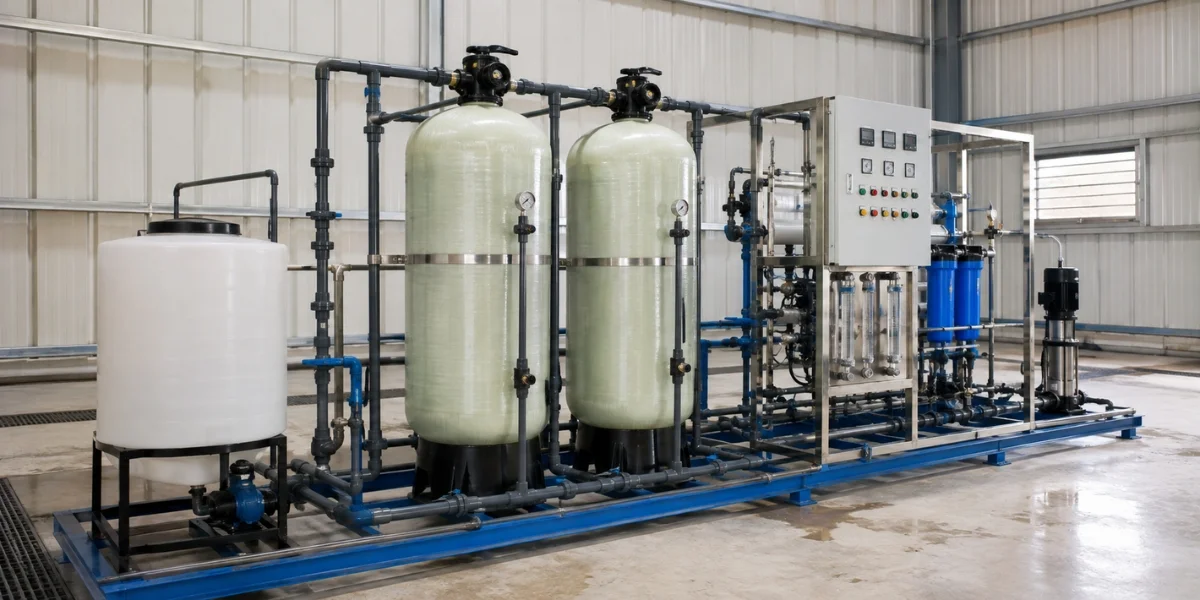
RO & Water Recycling Plant Manufacturer in India
Trity Environ Solutions manufactures RO and water recycling systems for industries and commercial facilities, engineered for reliable purity and reuse.
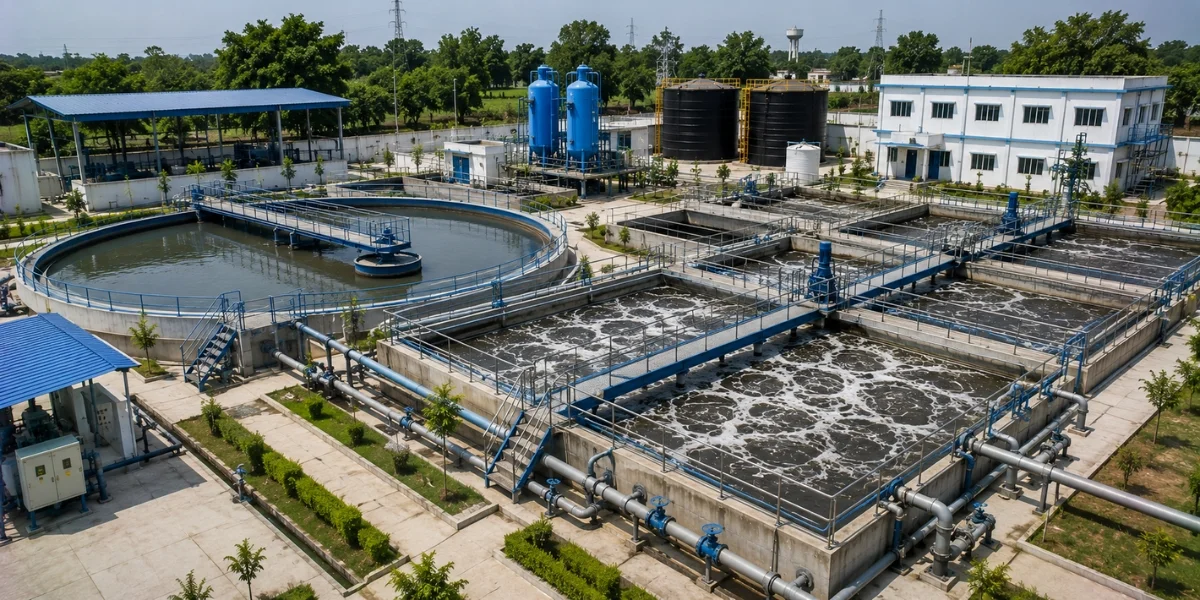
Tertiary Treatment Plant Manufacturer in India
Trity Environ Solutions manufactures tertiary treatment plants that polish treated water beyond secondary treatment, enabling genuine reuse and stricter discharge compliance.
Wastewater Recycling System Manufacturer in India
Trity Environ Solutions manufactures wastewater recycling systems using UF and RO technology, turning treated wastewater into reuse-grade water for cooling, flushing, and gardening.
PAN-INDIA CAPABILITIES
Regional Solutions & State Coverage
TECHNICAL KNOWLEDGE
Related Insights & Engineering Guides
PROVEN EXCELLENCE
Featured Turnkey Installations











Need a Custom Water or Wastewater Treatment Solution?
Our engineering team can help design the right system for your capacity, industry, and compliance requirements.

