
 ISO 9001:2015 & QCI Approved
STP and ETP Plant Manufacturer in Gorakhpur
Trity Environ Solutions is a trusted STP and ETP plant manufacturer in Gorakhpur, building wastewater systems for industrial units in GIDA, hospitals, hotels, and housing projects across eastern Uttar Pradesh. Gorakhpur's Aami and Rapti rivers and Ramgarh Tal have been under tribunal scrutiny for years, so we design plants that keep a unit's discharge verifiably clean, with pan India installation support behind every project. Whether you need a sewage treatment plant manufacturer in Gorakhpur or an effluent treatment plant manufacturer in Gorakhpur, Trity Environ Solutions builds both in-house, from design to commissioning.
CPCB & SPCB Ready
Turnkey Design & Installation
A City Where the Tribunal Is Watching the Rivers and the Lake
A City Where the Tribunal Is Watching the Rivers and the Lake
Gorakhpur's water bodies have been in front of the National Green Tribunal for more than a decade. An oversight committee reporting in the Meera Shukla case, which covers Ramgarh Tal and the Aami, Rapti, and Rohani rivers along with 103 other water bodies, recorded that effort to check untreated sewage entering them was slow, and that the common effluent treatment plant planned for the Gorakhpur Industrial Development Authority (GIDA) had not yet been started at that point. In October 2025 the Tribunal again took up complaints about untreated industrial effluent from GIDA moving through the Saraya drain into the Aami river near Piprauli, and ordered a joint inspection by CPCB, UPPCB, and the district administration.
For a factory, hospital, or hotel here, that history means one thing: your own treatment plant has to carry the compliance load. Trity Environ Solutions builds effluent treatment plants for GIDA's industrial units and sewage treatment plants for the hospitals, hotels, and residential campuses spreading across Gorakhpur, designed against your actual effluent and UPPCB consent conditions.
Running a unit in GIDA or planning a project elsewhere in Gorakhpur? Request a free site assessment and our engineering team will confirm the right configuration for your site.
KEY BENEFITS
Key Benefits of STP and ETP Plant Manufacturer in Gorakhpur
Engineered for reliable UPPCB compliance, river catchment protection, and dependable performance for GIDA industrial units.
Standalone Treatment for GIDA Units
Unit-level ETPs that do not wait for a shared facility, which matters because GIDA's common effluent treatment plant was still pending when the oversight committee last reported on it.
Designed Around Your Actual Effluent
Textile, paper, food, and general manufacturing effluents behave very differently, so every plant is sized from sampling and laboratory analysis rather than a standard chart.
Protects the Aami and Rapti Catchment
Treated water quality aimed at keeping discharge inside UPPCB limits in a catchment that has drawn repeated complaints and tribunal orders.
Hospital and Hotel Ready
Biological treatment with disinfection for hospitals, hotels, and institutions, built for steady daily load and low odour near occupied buildings.
Faster Support Across Eastern UP
Trity's Uttar Pradesh base supports installation, operator training, and AMC response across Gorakhpur and nearby districts.
Complaints Against Industrial Discharge Here Are Recent, Not Historical
A Down To Earth report from 2011 described GIDA's units, including paper and textile manufacturers, sending effluent through a drain into the Aami river, and a fresh Tribunal order in October 2025 shows complaints about industrial discharge in the same corridor are still being heard. A unit with a properly engineered plant, documented treated water quality, and a maintained operating log is far better placed if an inspection arrives.
A Plant Is Only as Good as Its Daily Operation
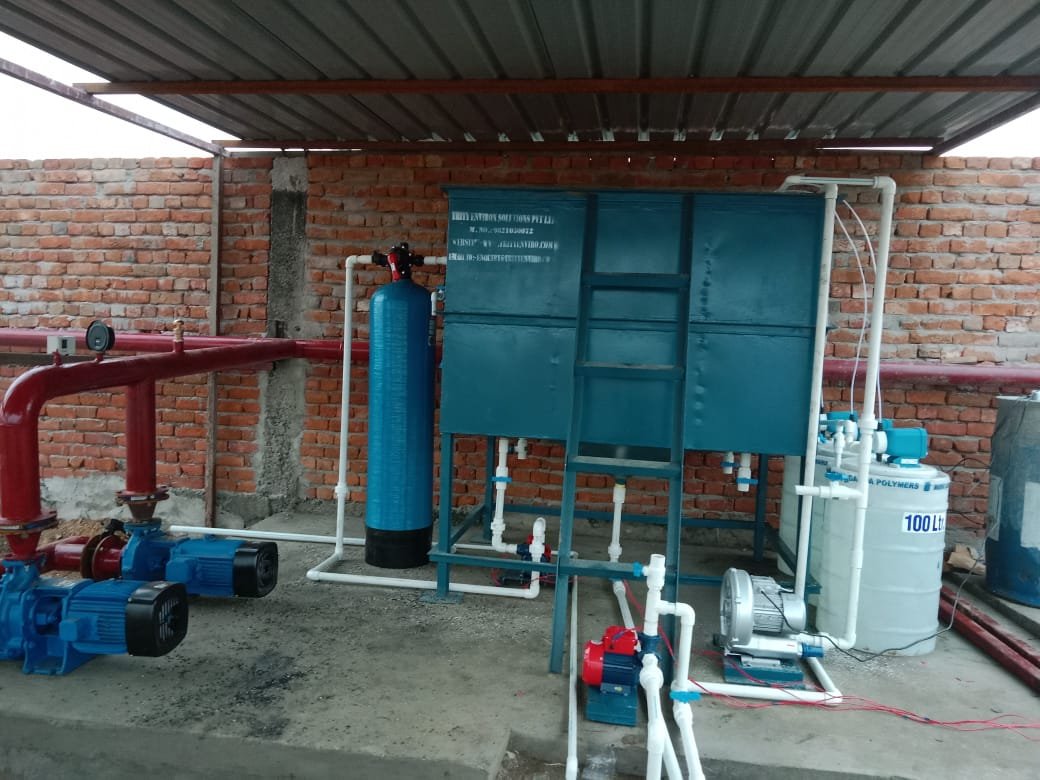
Industrial plants fail quietly when dosing, aeration, or sludge handling slips. Trity Environ Solutions backs every Gorakhpur installation with operator training, performance checks, and an Annual Maintenance Contract, so blowers, diffusers, and chemical dosing stay consistent across seasons. Talk to our team about AMC coverage for your facility.
Hospitals and Institutions Need Reliable Sewage Treatment Too
Gorakhpur is a regional centre for healthcare and education for eastern Uttar Pradesh and nearby Nepal border districts, which means large hospitals, medical colleges, and hostels generating steady, high-volume wastewater. These sites need dependable biological treatment with disinfection, and a plant that stays within consent limits during monsoon flows and peak occupancy.
SYSTEM CONFIGURATIONS
Types of STP and ETP Plant Manufacturer in Gorakhpur Configurations
Technologies selected to match your industry, effluent load, and UPPCB consent category.
Textile and Dyeing ETP
Our textile dyeing effluent treatment plant reduces colour, COD, and suspended solids for the textile and processing units operating in and around GIDA.
Explore Configuration
General Industrial ETP
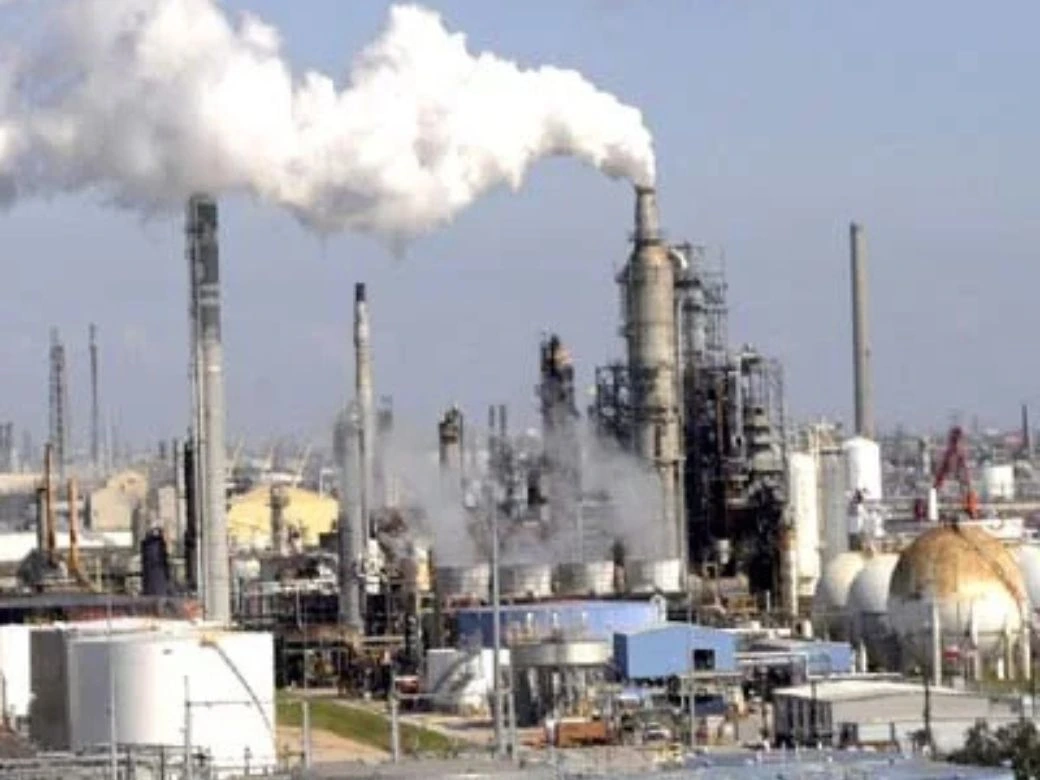
Our physico-chemical effluent treatment plant treats paper, metal, and general manufacturing effluent through coagulation, flocculation, and clarification before biological polishing.
Explore Configuration
Food and Beverage ETP
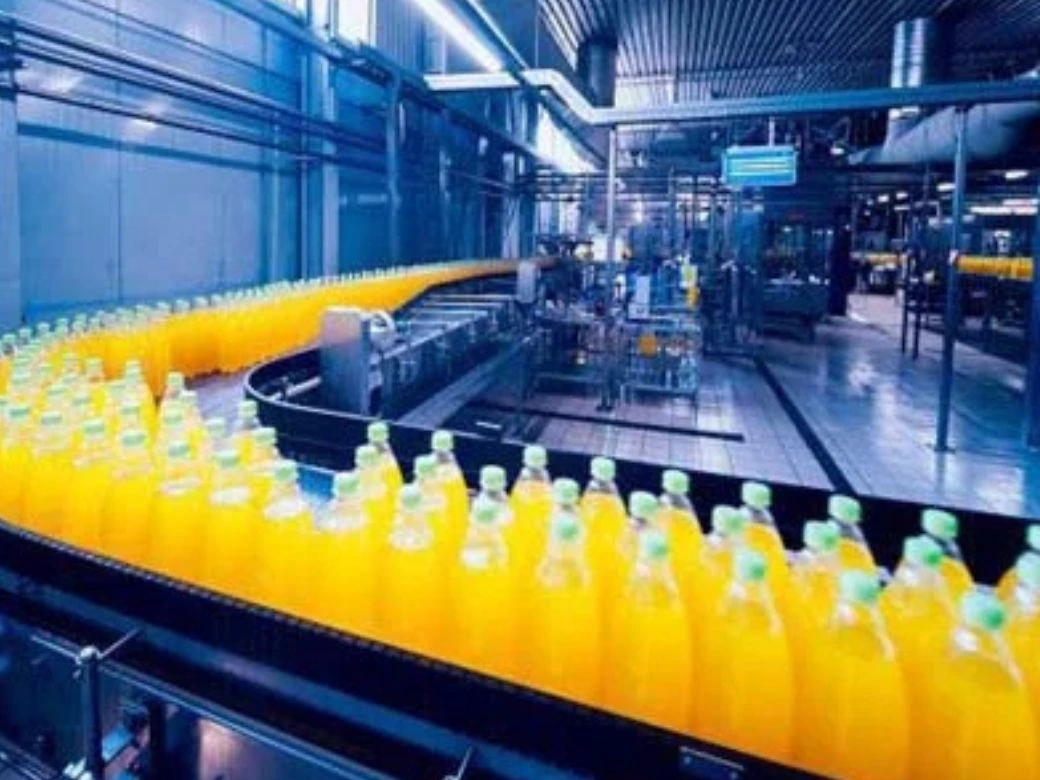
Our food and beverage effluent treatment plant handles the high organic load from dairy, bakery, and processing units serving the Gorakhpur region.
Explore Configuration
Hospital and Institutional STP
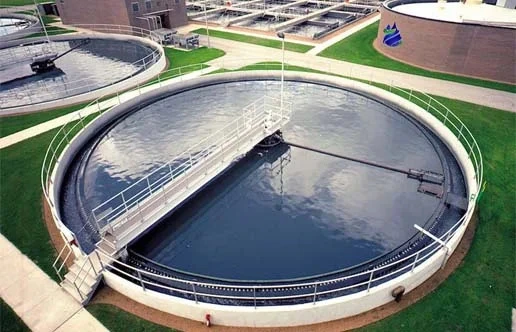
Our sewage treatment plant for hospital combines biological treatment with disinfection for hospitals, medical colleges, and hostels.
Explore Configuration
Hotels and Residential STP
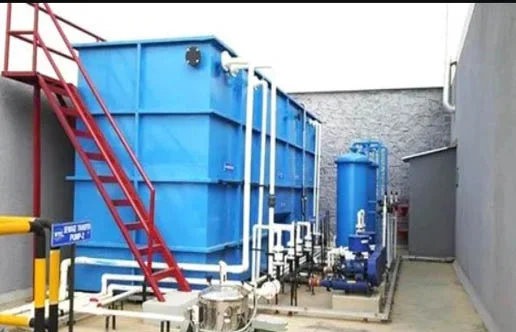
Our MBBR sewage treatment plant is a compact, low maintenance option for hotels, apartment projects, and commercial buildings across Gorakhpur.
Explore Configuration
TURNKEY WORKFLOW
How the STP and ETP Plant Manufacturer in Gorakhpur Process Works
A turnkey process engineered for consistent UPPCB compliant performance across industrial and institutional sites.
01
Site Assessment & Influent Characterisation
Flow measurement and sampling establish your actual load, whether industrial effluent, hospital wastewater, or domestic sewage.
02
Design & Engineering
Technology selection and tank sizing are fixed against your UPPCB consent category, site space, and reuse goals.
03
Manufacturing & Installation
Components are manufactured under ISO 9001:2015 quality controls, then installed and commissioned by Trity's site team.
04
Commissioning & AMC Support
The plant is tested against consent limits, operators are trained, and ongoing AMC support keeps performance consistent afterward.
COMMON INQUIRIES
Frequently Asked Questions
Clear answers regarding regulatory consent, installation timelines, and plant capacities for Gorakhpur.
Q1. Which pollution control board governs STP and ETP discharge in Gorakhpur?
The Uttar Pradesh Pollution Control Board (UPPCB) issues consent to establish and consent to operate, alongside CPCB guidelines and any National Green Tribunal directions.
Q2. Does a GIDA unit still need its own ETP if a common plant is planned?
Yes. A planned common facility does not remove your obligation to meet consent conditions today, and most units need their own pre-treatment even where a CETP is available.
Q3. Can you build an ETP for textile and paper units?
Yes. Textile effluent needs colour and COD removal, and paper effluent needs fibre and organic load handling, so each plant is designed from your own effluent analysis.
Q4. What capacity STP does a hospital or hotel need?
Capacity depends on beds or rooms, occupancy, and water use, and ranges from small packaged units to several hundred KLD, confirmed after a site assessment.
Q5. How long does installation take in Gorakhpur?
Prefabricated modular plants typically commission within 45 to 90 days, while civil-based plants for larger capacities take 3 to 6 months from design approval to handover.
Q6. Can an existing Gorakhpur plant be upgraded or maintained?
Yes. We audit existing plants, retrofit capacity or technology, and take them under an annual maintenance contract.
Q7. How do I choose a reliable STP and ETP plant manufacturer in Gorakhpur?
Look for in-house manufacturing, experience with UPPCB consent requirements, a design based on your own effluent analysis, and a clear maintenance offering after commissioning. Trity Environ Solutions builds its plants under ISO 9001:2015 quality controls and supports every installation with operator training and an annual maintenance contract.
CATALOGUE
Related Engineering Products
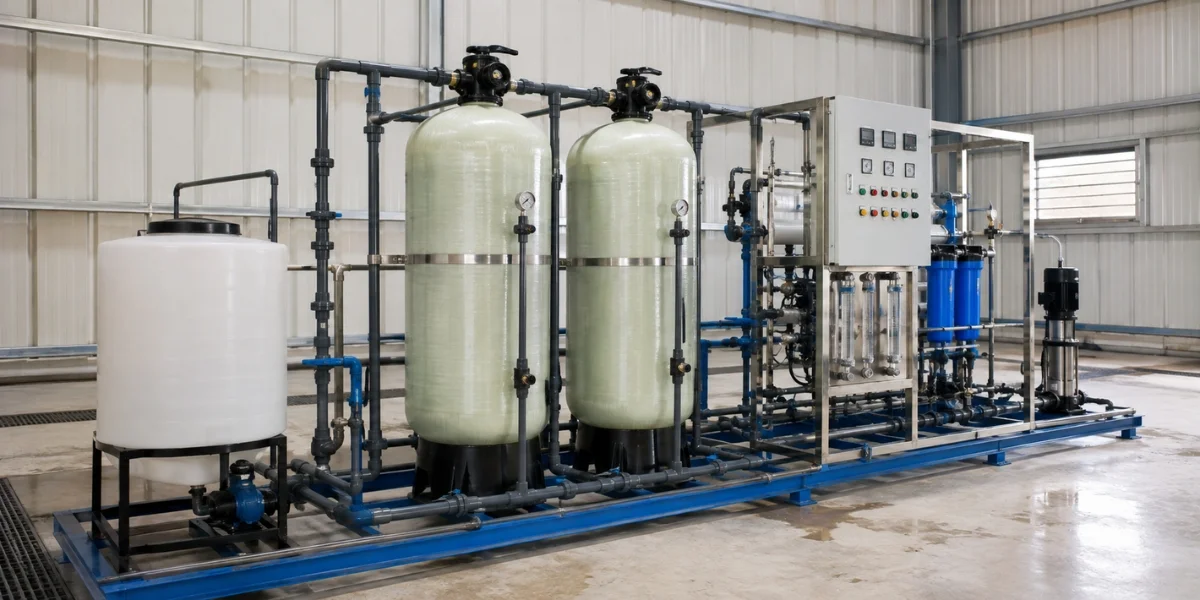
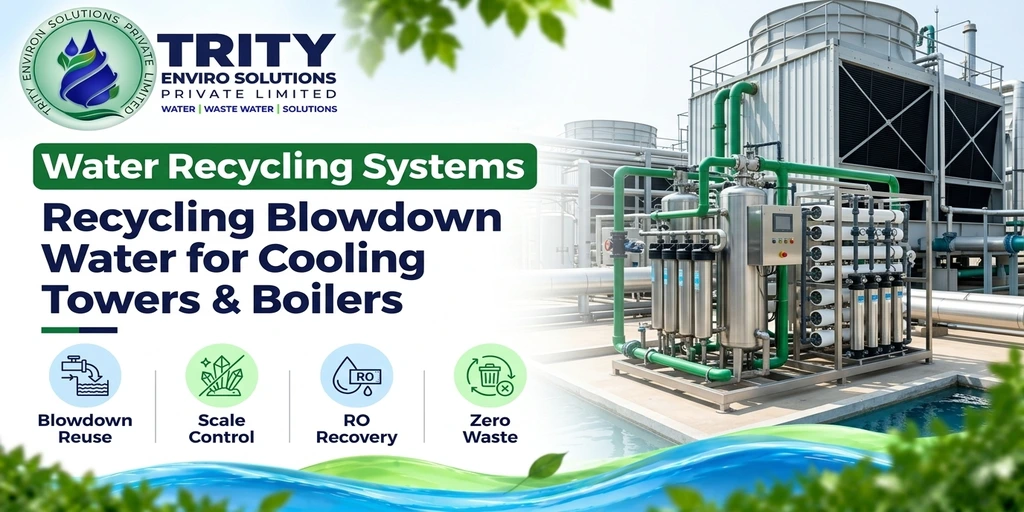
RO & Water Recycling Plant Manufacturer in India
Trity Environ Solutions manufactures RO and water recycling systems for industries and commercial facilities, engineered for reliable purity and reuse.
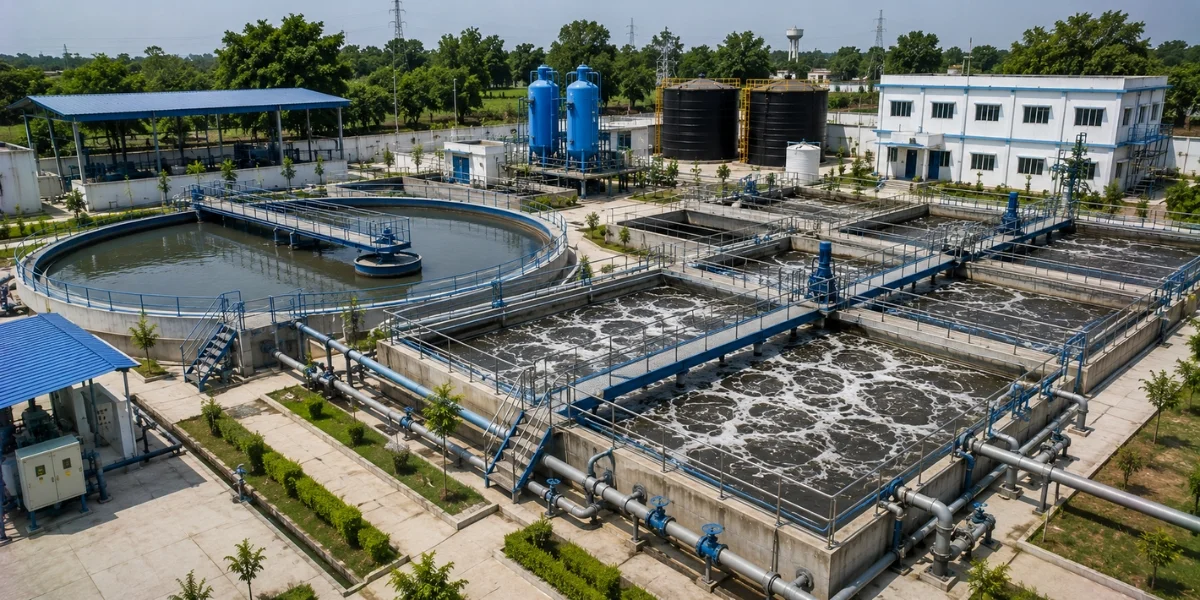
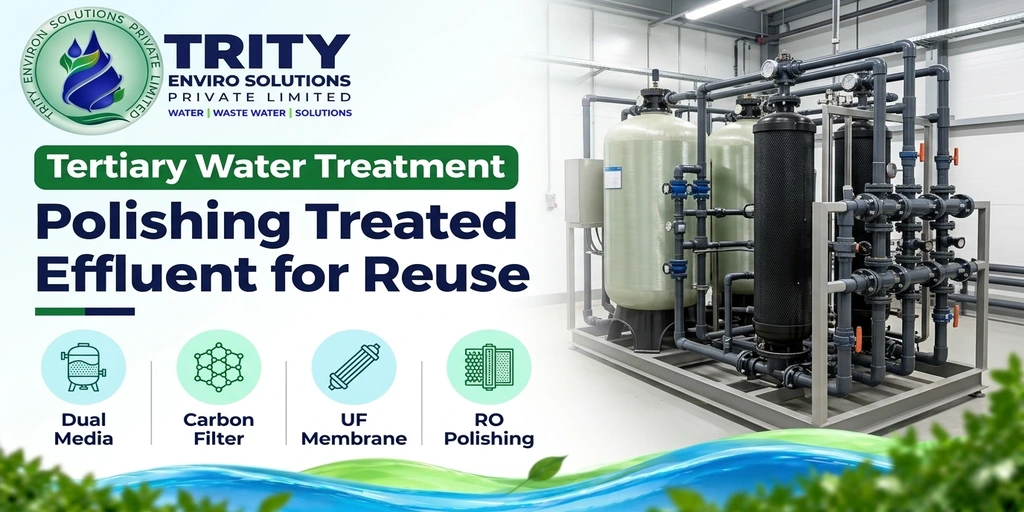
Tertiary Treatment Plant Manufacturer in India
Trity Environ Solutions manufactures tertiary treatment plants that polish treated water beyond secondary treatment, enabling genuine reuse and stricter discharge compliance.
Wastewater Recycling System Manufacturer in India
Trity Environ Solutions manufactures wastewater recycling systems using UF and RO technology, turning treated wastewater into reuse-grade water for cooling, flushing, and gardening.
PAN-INDIA CAPABILITIES
Regional Solutions & State Coverage
TECHNICAL KNOWLEDGE
Related Insights & Engineering Guides
PROVEN EXCELLENCE
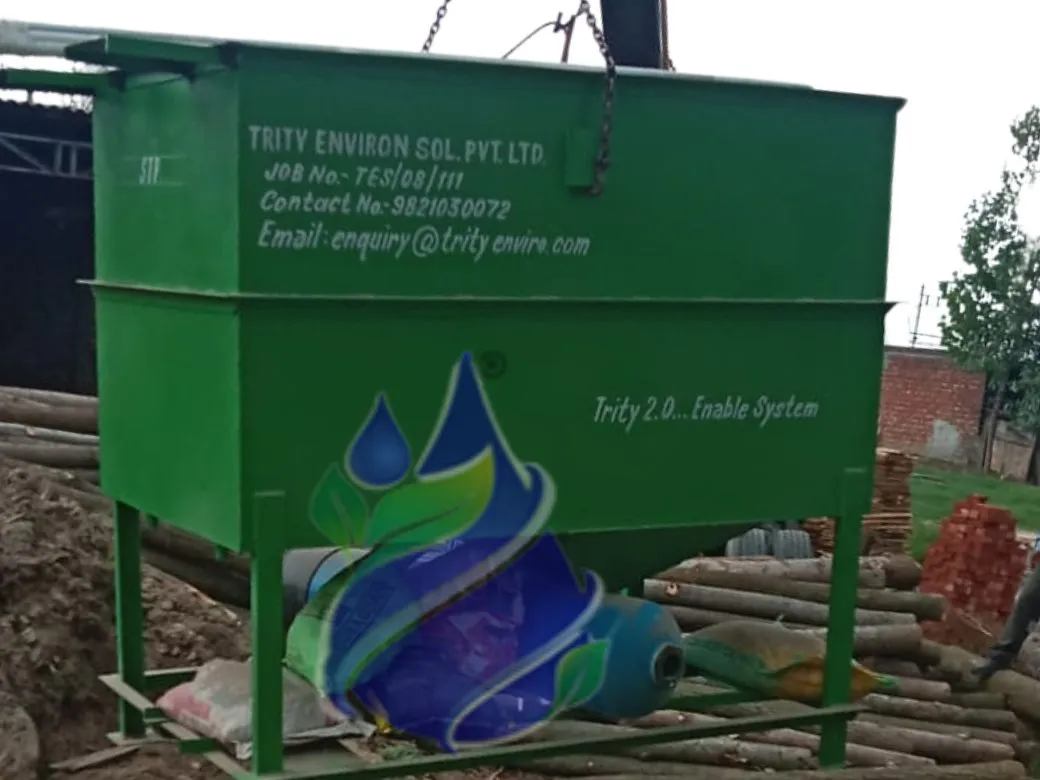
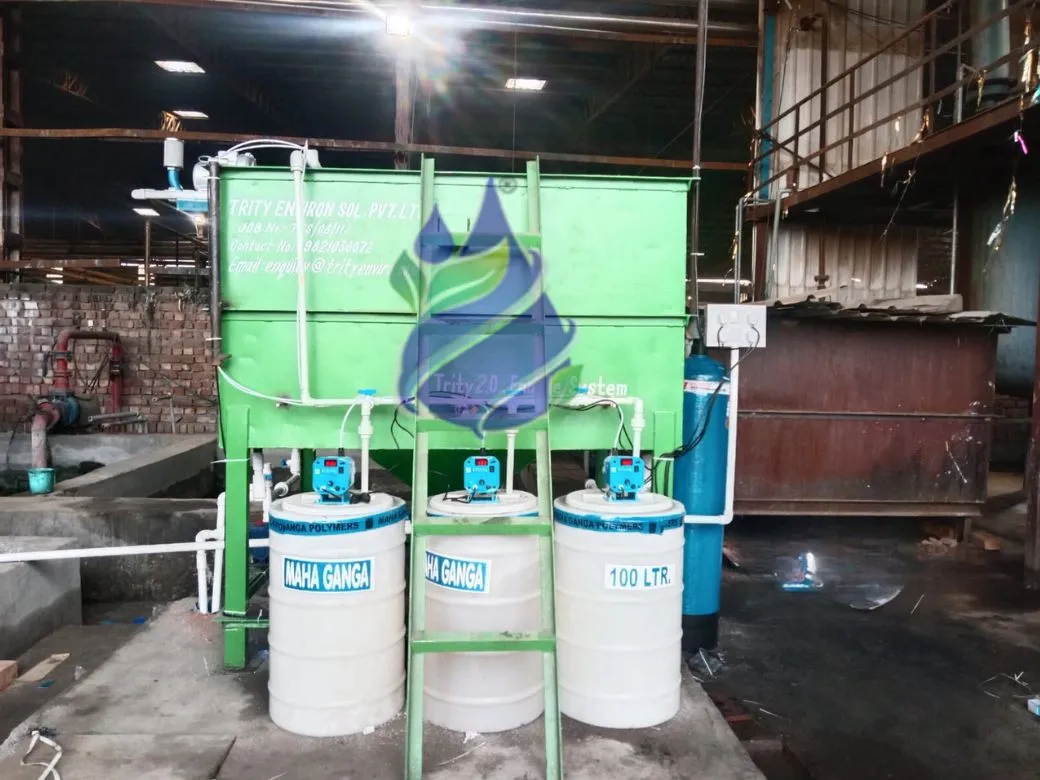
Featured Turnkey Installations




Need a Custom Water or Wastewater Treatment Solution?
Our engineering team can help design the right system for your capacity, industry, and compliance requirements.