Effluent Treatment Plant (ETP) Manufacturer in India

Top Leading ETP Plant Manufacturer in India. Trity Enviro Solutions manufactures ace machines...
| Automation Grade | : Semi-Automatic |
| Water Source | : Industrial Effluent |
| Treatment Technology | : Mixed Bed Bio Reactor |
| Application Industry | : All |
| Capacity (KLD/MLD) | : 100 KLD |
Built for Real Industrial Conditions — Not Standard Templates
At Trity Environ Solutions, we design and manufacture effluent treatment plants that are engineered for the actual complexity of industrial wastewater treatment, not generic designs adapted across industries. As a reliable ETP plant manufacturer in India, our approach is based on real influent conditions rather than standard templates that fail in operation.
With more than 14 years of experience and over 2,300 installations across India, we are recognized as a trusted industrial ETP plant manufacturer in India, delivering systems that perform consistently under real plant conditions. For industries searching for an effluent treatment plant manufacturer near me, our team provides end-to-end support from design to commissioning.
What an Effluent Treatment Plant Must Deliver
An effluent treatment plant is more than a compliance requirement. It is a process system that must consistently reduce pollutants to acceptable discharge levels under varying operating conditions. This includes managing chemical contaminants, suspended solids, organic load, and pH imbalance in a controlled and predictable manner.
Industrial effluent often contains a complex combination of oils, grease, dissolved organics, heavy metals, and toxic compounds. Treating this mixture requires a structured, multi-stage approach where each parameter is addressed using the appropriate process. A correctly engineered industrial wastewater treatment plant ensures stability in output quality rather than occasional peak performance.
Designed Around Your Industry — Not Adapted Later
Different industries generate wastewater with completely different characteristics, and this variation cannot be addressed with a standard design. As an experienced ETP plant supplier, we engineer each system based on wastewater composition, flow rate, and discharge requirements.
This ensures that the ETP plant in India operates efficiently from day one without requiring constant adjustments or redesign.
Textile and Dyeing Units
Textile effluent is characterized by high color, chemical residues, and elevated COD levels. These parameters require a combination of physicochemical treatment and advanced filtration. Our systems are designed to ensure consistent color removal and compliance with discharge standards while supporting water reuse through ETP systems where required.
Pharmaceutical Manufacturing
Pharmaceutical wastewater contains complex organic compounds that are often resistant to standard biological treatment. Our systems incorporate advanced oxidation processes along with controlled biological treatment to effectively break down these compounds and ensure regulatory compliance in industrial effluent treatment plants.
Food and Processing Industries
Effluent from food processing industries is typically high in organic load and grease content. Our wastewater treatment plants are designed to manage these parameters through separation and biological stabilization, ensuring efficient treatment without odor or sludge-related issues.
Electroplating and Metal Finishing
Electroplating wastewater contains heavy metals and toxic chemicals that require precise treatment. Our systems include chemical reduction, neutralization, and precipitation stages to safely remove these contaminants and meet environmental standards through a properly designed effluent treatment plant.
How Our Treatment Systems Work in Practice
An effluent treatment plant functions as a continuous and interdependent process where each stage is designed to prepare the wastewater for the next level of treatment. The overall efficiency of the system depends on how well these stages are integrated and balanced with the incoming load.
Preliminary Treatment and Flow Equalization
The treatment process begins with the removal of large solids and debris through screening and grit separation. This step protects downstream equipment from damage and ensures uninterrupted operation. Flow equalization is then introduced to stabilize variations in wastewater volume and pollutant concentration, allowing the industrial wastewater treatment system to operate under controlled conditions.
Physicochemical Treatment (Coagulation and Flocculation)
In this stage, the wastewater is chemically conditioned by adjusting pH and adding coagulants and flocculants. These chemicals destabilize suspended particles, allowing them to form larger aggregates that can be removed through sedimentation. This significantly reduces suspended solids and prepares the effluent for biological treatment in the ETP plant.
Biological Treatment for Organic Load Reduction
The biological stage is responsible for breaking down dissolved organic matter using microorganisms. Depending on the nature of the effluent, aerobic or anaerobic processes are applied. This stage is carefully controlled to maintain optimal conditions for microbial activity, ensuring effective reduction of BOD and COD levels in the industrial effluent treatment plant.
Tertiary Treatment and Polishing
After biological treatment, the effluent passes through filtration systems designed to remove fine particles, residual color, and trace contaminants. This stage ensures that the treated water meets discharge or reuse standards consistently, strengthening the efficiency of the effluent treatment system.
Disinfection and Final Discharge or Reuse
The final stage involves disinfection to eliminate any remaining microorganisms. Depending on the requirement, this may involve chlorination, ultraviolet treatment, or ozonation. For facilities focusing on sustainability, additional processes such as reverse osmosis can be integrated to enable reuse within the ETP plant in India.
Engineering Features That Ensure Long-Term Performance
The long-term success of an effluent treatment plant depends on its ability to operate reliably under real conditions. Systems designed only for ideal scenarios often fail when exposed to fluctuating loads and varying effluent characteristics.
Our plants are engineered with a focus on durability, operational simplicity, and process stability. Material selection is based on resistance to corrosion and chemical exposure, while equipment layout is designed for easy maintenance and accessibility. This ensures that the industrial wastewater treatment plant continues to perform efficiently over time.
Why Industries Choose Trity Environ Solutions
Trity Environ Solutions combines design expertise, manufacturing capability, and field experience to deliver reliable ETP plants in India. With over 2,300 installations, we are known as a dependable ETP plant manufacturer in India across multiple industries.
For businesses looking for an effluent treatment plant manufacturer near me, we offer quick response, local support, and complete turnkey solutions. Our in-house team ensures quality control, faster execution, and long-term reliability of every industrial wastewater treatment plant.
Project Execution and Lifecycle Support
The successful implementation of an effluent treatment plant manufacturer in India project requires a structured approach that goes beyond equipment supply. Our project execution services begin with a detailed assessment of wastewater characteristics and operational requirements, followed by system design and engineering.
Installation is carried out with coordination across civil, mechanical, and electrical aspects, ensuring seamless integration. After commissioning, we provide operator training and ongoing support to maintain stable plant performance of the ETP plant.
Request a Technical Assessment
If you are planning to install a new effluent treatment plant or upgrade an existing system, choosing the right ETP plant manufacturer in India is critical. Our team evaluates your wastewater profile and operational needs before recommending a solution.
If you are searching for an ETP plant supplier near me or a reliable effluent treatment plant manufacturer near me, Trity Environ Solutions provides expert consultation and customized system design to ensure compliance and performance.
Contact Information
Phone: +91-9821030072
Email: enquiry@trityenviro.com
Website: https://trityenviro.com/
Address: A-6/26, South Side, GT Road Industrial Area, Ghaziabad
Hours: Monday to Saturday: 10:00 AM - 6:00 PM
Related Products
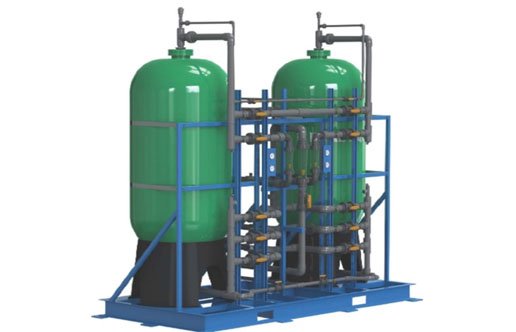
Industrial Demineralized Water Plant Manufacturers
High-performance DM water plants engineered for industries that require mineral-free water. Designed for efficient ion removal, operational reliability, and long-term process performance.

STP and ETP Plant Manufacturer in Allahabad
Best STP and ETP manufacturers and suppliers in Allahabad. Trity Enviro manufactures Sewage Treatment...

Sewage Treatment Plant in Dubai
Trity Environ Solutions expanded the sewage treatment plant in Dubai. We are one of the best manufacturers...
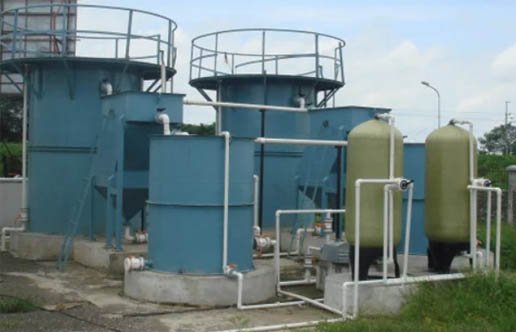
STP and ETP Plant Manufacturer in Bhadohi
Trity Environ Solutions manufacturers and suppliers of STP and ETP Plants in Bhadohi. Sewage Treatment...

Zero Liquid Discharge Systems for Industrial Wastewater Management in India
Trity Enviro offers Zero Liquid Discharge Plant Systems in India, Zero Liquid Discharge Plant...
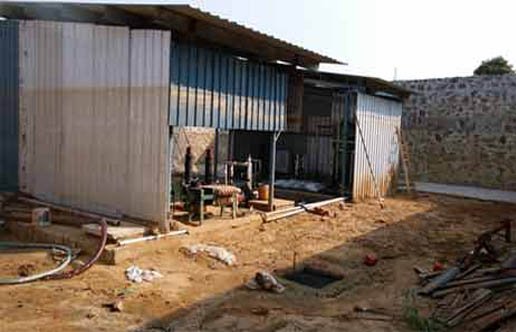
Wastewater Treatment Plant Manufacturer
Trity Environ Solutions is Best Wastewater Treatment Plant Manufacturer and supplier in India. For M...

STP and ETP Plant Manufacturer in Jodhpur
Trity Environ Solutions manufacturers and suppliers of STP and ETP Plant in Jodhpur. Sewage Treatment...

STP and ETP Plant Manufacturer in Lucknow
Trity Environ Solutions manufacturers and suppliers of STP and ETP Plant in Lucknow. Sewage Treatment...

STP and ETP Plant Manufacturer in Noida
Trity Environ Solutions manufacturers and suppliers of STP and ETP Plant in Noida. Sewage Treatment...

Bubble Air Diffuser Manufacturer in India
We are a leading manufacturer of Fine Bubble Diffusers and Membrane Diffusers in India, offering high-quality air diffuser solutions designed for efficient aeration in wastewater treatment systems.