
 ISO 9001:2015 & QCI Approved
STP and ETP Plant Manufacturer in Bhubaneswar
Trity Environ Solutions is a leading STP and ETP plant manufacturer in Bhubaneswar, engineering turnkey wastewater treatment systems for Infocity, Chandaka, Mancheswar, Rasulgarh, and AIIMS healthcare hubs. We build heavy-duty effluent treatment plants and sewage treatment plants engineered for strict OSPCB compliance across the Kuakhai and Daya river basins, backed by pan India installation support.
OSPCB Approved Engineering
98% Secondary Water Recovery
Engineered Wastewater Recycling for Odisha's Capital and Commercial Hub
Bhubaneswar has transformed from a historic temple capital into eastern India's fastest expanding information technology, educational, and healthcare powerhouse. Spanning key growth corridors such as Infocity, Chandaka Industrial Estate, Mancheswar, Rasulgarh, and the AIIMS-Patrapada zone, the urban sprawl exerts massive pressure on local municipal drainage infrastructure and freshwater aquifers.
The city lies within the fragile drainage network of the Kuakhai and Daya rivers, which ultimately empty into the ecologically sensitive Chilika Lake basin. Consequently, the Odisha State Pollution Control Board (OSPCB) enforces stringent environmental discharge limits on commercial complexes, townships, multi-specialty hospitals, and industrial fabrication clusters.
As a seasoned STP and ETP plant manufacturer in Bhubaneswar, Trity Enviro manufactures custom wastewater systems that guarantee absolute compliance with OSPCB standards while maximizing water reuse. Rapid drop in groundwater levels around Khandagiri, Nayapalli, and Patia demands continuous in-situ water conservation.
Our automated sewage treatment plant designs utilize Sequential Batch Reactor (SBR) and Membrane Bioreactor (MBR) processes that yield clear, odorless, pathogen-free permeate ideal for dual plumbing, central HVAC cooling towers, and green belt irrigation.
For research laboratories, electronics manufacturing units, automotive workshops, and pharmaceutical packaging facilities across IDCO estates, our robust effluent treatment plant assemblies provide specialized physicochemical separation, chemical coagulation, and heavy metal removal. Operating with automated dosing and continuous monitoring systems, our plants prevent regulatory disruption, lower raw water procurement expenses, and safeguard Odisha's delicate hydrological systems.
Operational Advantages
Why Bhubaneswar Facilities Choose Trity Enviro Wastewater Systems
Engineered for high hydraulic fluctuation, low footprint requirements, and zero-compromise OSPCB compliance across commercial and institutional sectors.
Strict OSPCB and NGT Compliance
Consistently achieves treated wastewater parameters well below OSPCB norms, maintaining BOD below 10 mg/L, COD below 50 mg/L, and TSS below 10 mg/L for hassle-free environmental audits.
Compact Footprint for Urban Plots
High-efficiency MBR and compact packaged MBBR configurations engineered specifically for space-constrained basements and podiums in Bhubaneswar IT parks and commercial towers.
Advanced Water Recovery for HVAC and Flushing
Equipped with automated multi-grade sand filters, activated carbon scrubbers, and ultrafiltration skids that deliver crystal-clear water reusable for cooling towers and flushing.
Specialized Hospital and Bio-Effluent Decontamination
Integrated sodium hypochlorite and ozonation disinfection stages engineered to neutralize multi-drug resistant pathogens, chemical reagents, and lab detergents in hospital effluents.
IoT Automation and Remote Telemetry
Fitted with automated PLC controllers, DO sensors, pH transmitters, and real-time data loggers compatible with OSPCB server data transfer requirements.
Addressing Urban Hydrology and River Catchment Protection in Bhubaneswar
The city of Bhubaneswar sits between the Kuakhai River on its eastern fringe and the Daya River to its south, forming an essential branch of the Mahanadi deltaic system. Over the past two decades, high-density residential developments in Patia, Sundarpada, and Jatni have vastly outpaced municipal sewerage pipeline coverage.
As a consequence, thousands of residential townships, corporate hubs, and institutions rely on self-managed wastewater treatment infrastructure. Direct or indirect discharge of unpolished sewage into the Gangua Nallah and Daya River has drawn severe scrutiny from the National Green Tribunal (NGT) and OSPCB, mandating continuous online monitoring and strict fecal coliform abatement.
Trity Enviro designs decentralized sewage treatment installations capable of handling variable peak domestic loads without biological shock. Our systems feature high-efficiency aeration grids, automated dissolved oxygen control, and non-clog diffusers that maintain robust bacterial culture even during sudden changes in organic loading.
For comprehensive water independence, our plants integrate with RO water recycling plant stages, converting treated sewage into high-grade utility water that cuts municipal tanker dependence by up to 80 percent.
Turnkey Effluent Treatment for IDCO Estates and Biomedical Hubs
Industrial developments in Mancheswar, Rasulgarh, and the Chandaka Industrial Corridor host an array of light engineering, food processing, packaging, biomedical, and diagnostic institutions. Hospital effluents from premier medical clusters in Patrapada, Dumduma, and Chandrasekharpur contain severe organic and chemical contaminants, including active pharmaceutical ingredients, radio-opaque dyes, heavy cleaning disinfectants, and infectious microbes. Discharging these streams without verified physicochemical and microbiological decontamination poses severe environmental risks to surrounding groundwater aquifers.
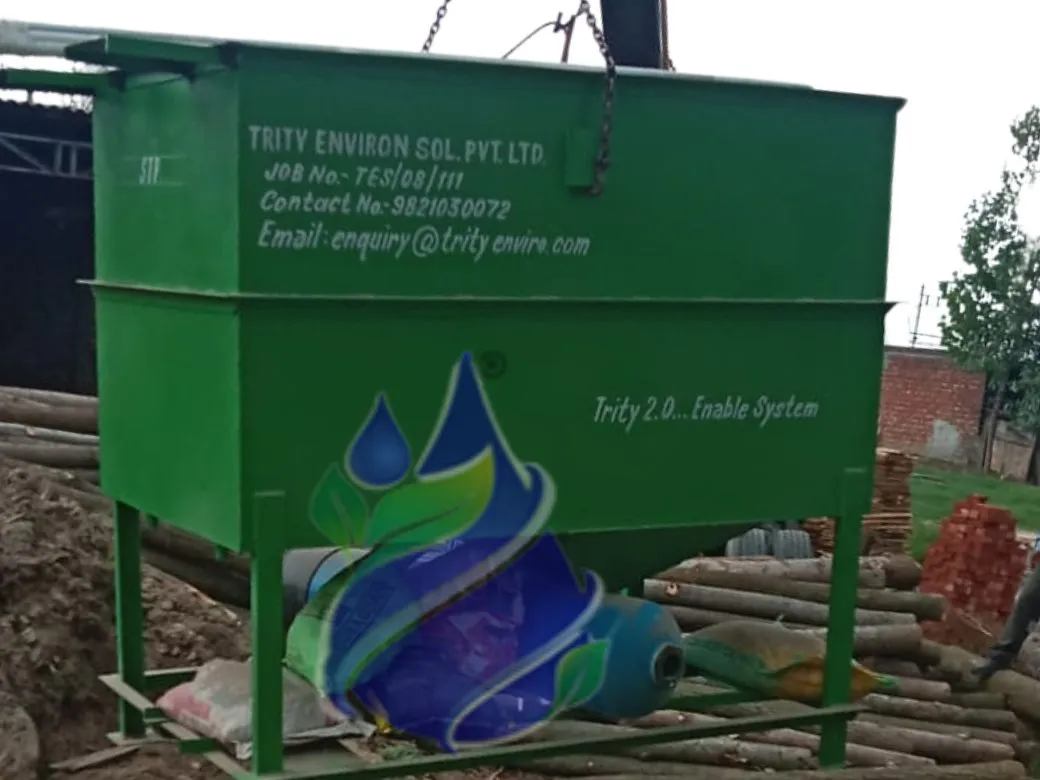
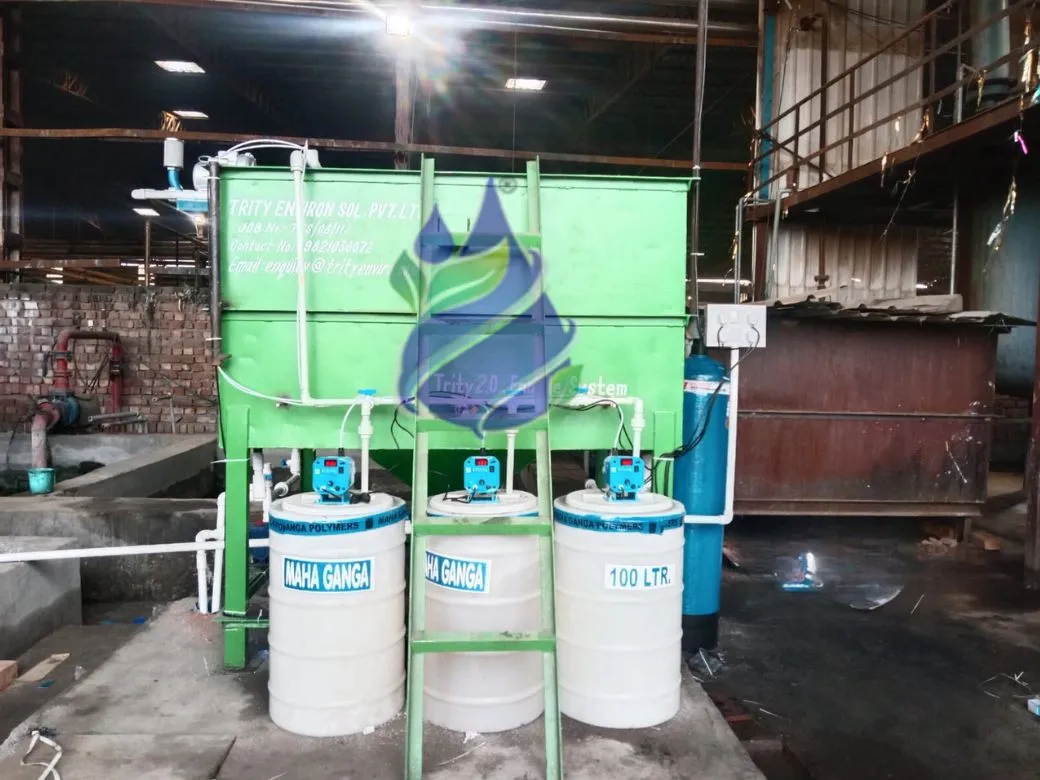
Our engineered chemical effluent treatment plant setups incorporate precision flash mixing, poly-aluminum chloride (PAC) and polymer dosing, lamella plate clarifiers, and multi-stage chemical oxidation systems. To capture oily washings from fleet maintenance yards and transformer stations across IDCO sectors, we install high-efficiency oil skimmer devices prior to biological digestions, ensuring long life for downstream biological media and filtration membranes.
Comprehensive Engineering, AMC, and Lifecycle Operations
Wastewater management is not merely an equipment delivery exercise; it requires continuous operational precision to maintain biological equilibrium and mechanical reliability. Many commercial setups in Bhubaneswar struggle with equipment choking, blower failure, unpleasant odor emissions, and fluctuating sludge health due to erratic manual maintenance.
Trity Enviro eliminates operational vulnerabilities by providing turnkey design, fabrication, civil engineering guidance, on-site commissioning, and proactive annual maintenance contract services.
Our dedicated regional maintenance engineers conduct regular sludge volume index (SVI) assessments, MLSS balancing, filter media backwashing, and membrane chemical clean-in-place (CIP) protocols. By combining robust mechanical fabrication using epoxy-coated carbon steel and UV-stabilized FRP with continuous local technical support, we help Bhubaneswar developers and industrial managers operate compliant, hassle-free facilities. Connect with our engineering experts through our contact us portal for a detailed site inspection and customized techno-commercial proposal.
Proven Technologies
Engineered Treatment Systems for Bhubaneswar Projects
Selecting the optimum wastewater treatment configuration based on site land availability, raw influent characteristics, and desired recycling goals.
Membrane Bioreactor (MBR) Sewage Plants
Ultrafiltration submerged membranes providing ultra-low TSS and turbidity. Operates with zero chemical addition during primary biological digestion, perfectly suited for basements and premium commercial towers.
Explore Configuration
Sequential Batch Reactor (SBR) Plants
Cyclic batch activated sludge process incorporating anoxic filling, aerobic oxidation, settling, and decanting inside a single automated basin. Guarantees simultaneous biological nitrogen and phosphorus removal.
Explore Configuration
Physicochemical and Biological ETPs
Multi-stage industrial effluent treatment featuring equalization, neutralization, flash flocculation, tube settling, and extended aeration. Ideal for IDCO manufacturing, labs, and automotive units.
Explore Configuration
High Recovery RO and ZLD Systems
Advanced tertiary water reclamation systems utilizing high-pressure reverse osmosis and forced circulation thermal evaporators to achieve zero liquid discharge for specialized facilities.
Explore Configuration
Our Execution Methodology
Step-by-Step Delivery of Your Wastewater Treatment Plant
A disciplined, engineering-first approach from initial influent testing to commissioning and regulatory compliance validation.
01
Site Survey and Influent Characterization
Comprehensive site inspection in Bhubaneswar to analyze peak hydraulic flow, BOD, COD, TDS, TSS, oil and grease, and available installation footprint.
02
Custom Process Design and Sizing
Detailed engineering design detailing hydraulic retention time, blower sizing, piping and instrumentation diagrams (P&ID), and structural tank layouts.
03
Factory Fabrication and Quality Testing
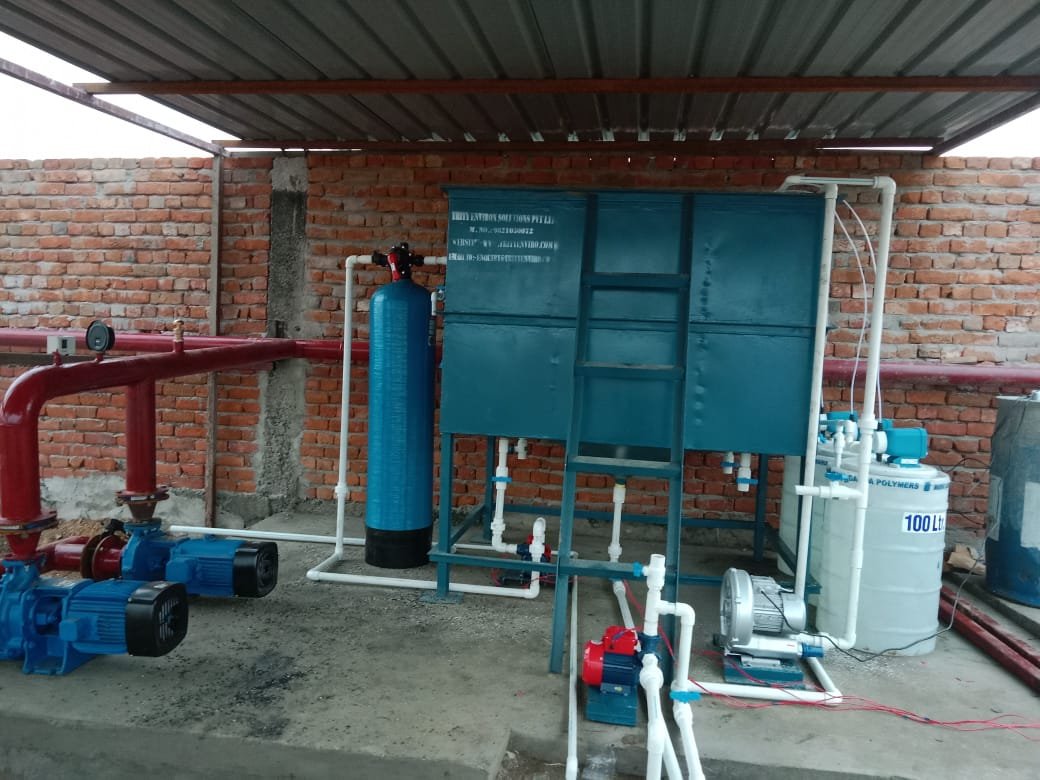
Precision manufacturing of tanks, clarifiers, dosing systems, and control panels using SS304, SS316, or heavy-duty epoxy coated mild steel with strict hydrostatic quality testing.
04
Civil Integration and On-Site Installation
Seamless erection of mechanical equipment, cabling, diffusers, and filtration skids, supervised by experienced environmental engineers on your site.
05
Microbial Inoculation and OSPCB Handover
Specialized bio-culture seeding, aeration parameter tuning, laboratory testing of treated water parameters, and complete training for on-site facility staff.
Common Questions
Frequently Asked Questions About STP and ETP in Bhubaneswar
Clear answers to technical, commercial, and regulatory queries regarding wastewater systems in Bhubaneswar.
Q1. What are the key OSPCB discharge standards for sewage treatment plants in Bhubaneswar?
OSPCB mandates that treated sewage must achieve pH between 6.5 and 9.0, BOD under 10 mg/L, COD under 50 mg/L, TSS under 10 mg/L, and fecal coliform below 100 MPN/100 mL, especially when water is reused or discharged near sensitive drainage basins like the Daya or Kuakhai rivers.
Q2. Can treated sewage water be reused for HVAC cooling towers in commercial complexes?
Yes. When equipped with tertiary treatment including ultrafiltration and polishing activated carbon filters, treated sewage meets stringent cooling tower water chemistry, minimizing blowdown scale and biological fouling.
Q3. Which wastewater technology is best suited for hospital installations in Bhubaneswar?
Hospitals require a combined physicochemical and biological treatment process followed by heavy disinfection. An MBR or specialized SBR plant with ozone or sodium hypochlorite dosing effectively eliminates blood pathogens, chemicals, and pharmaceutical residues.
Q4. What space is needed for a 50 KLD STP in an IT park or residential apartment?
A conventional MBBR plant requires roughly 350 to 450 sq. ft. of floor space, while an ultra-compact MBR system can fit within 200 to 280 sq. ft., making MBR ideal for basement or podium locations in urban developments.
Q5. How does Trity Enviro support existing plants struggling with foul odors and high sludge?
We offer complete plant audit, retrofitting, aeration diffuser replacement, bio-culture replenishment, and AMC contracts to restore microbial stability, eliminate septic odors, and optimize power consumption.
Q6. How quickly can Trity Enviro install and commission a packaged STP or ETP in Bhubaneswar?
Standard packaged units of 10 KLD to 100 KLD are typically fabricated within 3 to 4 weeks and installed on-site within 7 to 10 days once civil foundations and electrical hookups are completed.
CATALOGUE
Related Engineering Products
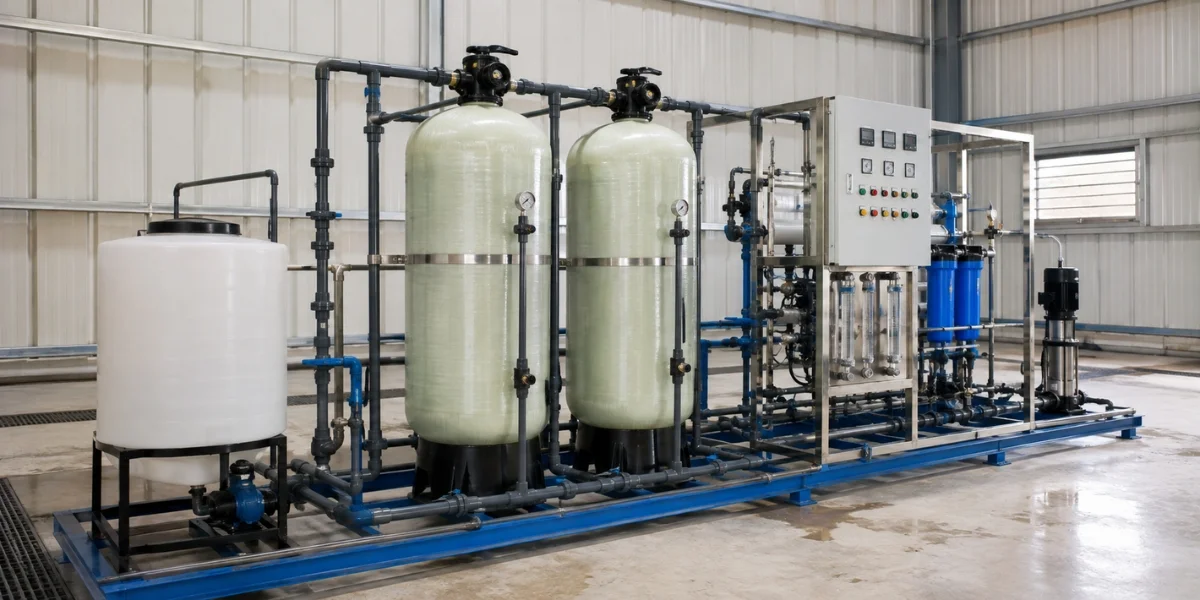
RO & Water Recycling Plant Manufacturer in India
Trity Environ Solutions manufactures RO and water recycling systems for industries and commercial facilities, engineered for reliable purity and reuse.
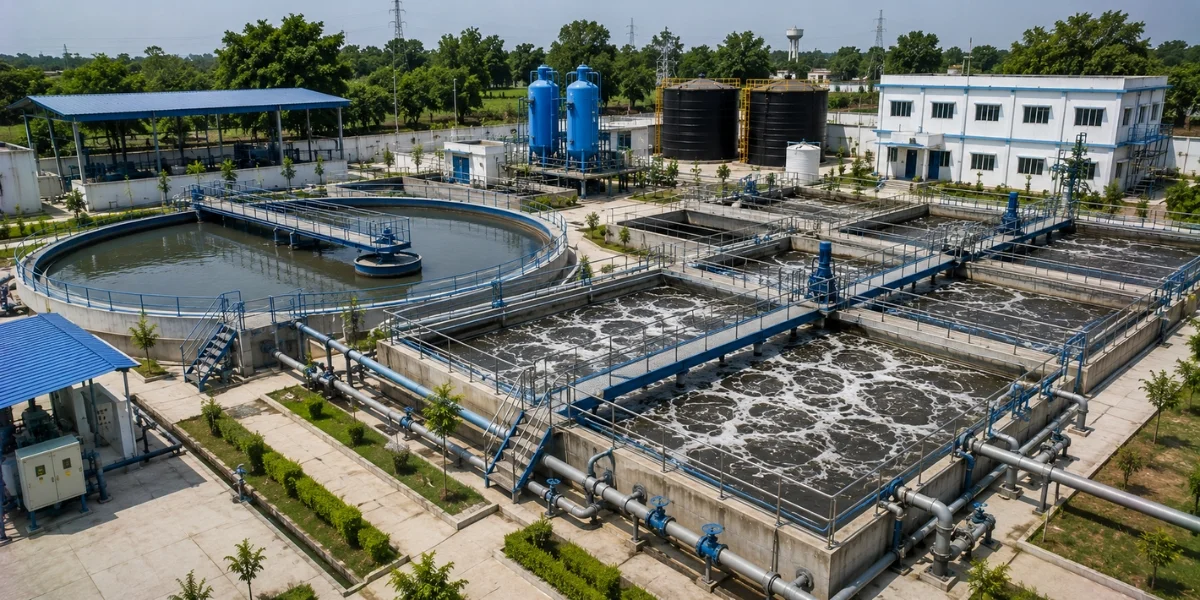
Tertiary Treatment Plant Manufacturer in India
Trity Environ Solutions manufactures tertiary treatment plants that polish treated water beyond secondary treatment, enabling genuine reuse and stricter discharge compliance.
Wastewater Recycling System Manufacturer in India
Trity Environ Solutions manufactures wastewater recycling systems using UF and RO technology, turning treated wastewater into reuse-grade water for cooling, flushing, and gardening.
PAN-INDIA CAPABILITIES
Regional Solutions & State Coverage
TECHNICAL KNOWLEDGE
Related Insights & Engineering Guides
PROVEN EXCELLENCE
Featured Turnkey Installations




Need a Custom Water or Wastewater Treatment Solution?
Our engineering team can help design the right system for your capacity, industry, and compliance requirements.