
 ISO 9001:2015 & QCI Approved
Effluent Treatment Plant Manufacturer in Andhra Pradesh
Trity Environ Solutions is a trusted effluent treatment plant manufacturer in Andhra Pradesh, building industrial wastewater systems for pharma, bulk drug, chemical, seafood, aquaculture, paper, and food processing units in the Visakhapatnam bowl, Parawada, Atchutapuram, Nellore, and the Godavari districts. With APPCB reviews, fortnightly sampling of aqua units, and tribunal scrutiny of the pharma belt all in the news, it designs unit-level plants that hold consent limits, with pan India installation support behind every project. Trity Environ Solutions designs, manufactures, and commissions each plant in-house, from effluent analysis to handover.
SPCB / CPCB Norm Compliant
Heavy Fabrication
Pharma Belts, Seafood Units and Rivers Under Closer Watch
Andhra Pradesh industry is being measured more often than before. The Andhra Pradesh Pollution Control Board (APPCB) held a review meeting in Vijayawada on 25 August 2026 with industries of the Visakhapatnam bowl, where its chairman expressed dissatisfaction with water and air pollution from JN Pharmacity at Parawada and the APIIC Atchutapuram area, and warned of stringent action against non-compliant industries. JN Pharma City, established in 2005, had 104 industries established and 94 operating, with a 50 MLD common effluent treatment plant (CETP), according to APPCB's July 2024 report to the National Green Tribunal. In the same report, 24 of 358 marine outfall samples taken between April 2023 and March 2024 were rejected, about 6.7 percent, and environmental compensation was imposed for the period.
The pressure is not limited to pharma. In a review reported on 2 October 2026, the state said that of 128 aqua processing and pre-processing units, 82 had been sampled and 49 did not meet the prescribed standards. Non-compliant units recorded BOD as high as 321 mg/L against a standard of 30 mg/L, about 64 percent of them were above 90 mg/L, and testing is to continue every 15 days. Days earlier, on 28 September 2026, APPCB began closure proceedings against two prawn processing units in Nellore district that were reported to be releasing wastewater untreated despite having effluent treatment plants. A 29 May 2026 government statement on the Godavari also cited up to 32 million litres a day from a paper mill and about 13.24 million litres a day of aquaculture wastewater from Konaseema and West Godavari.
For a factory in these belts, a plant that exists is not enough; it has to perform on the day of sampling. Trity Environ Solutions builds effluent treatment plants around your own process stream, whether the unit sits inside a pharma city or stands alone on a coastal or delta site.
Planning a new unit or correcting a plant that struggles at inspection? Request a free site assessment and the engineering team will confirm a suitable configuration for your process.
WHY THIS SYSTEM?
Key Benefits of Effluent Treatment Plant Manufacturer in Andhra Pradesh
Engineered for high biological efficiency, full environmental compliance, and low lifecycle operational costs.
Built Around Your Own Process Stream
Pharma, chemical, seafood, paper, and food effluents differ widely, so each train is fixed after sampling your discharge instead of copying a template.
Designed for Sampling That Is Getting Frequent
Biological and polishing stages sized so that BOD, COD, and TSS hold on every sampling day, which matters when authorities test units at regular intervals and reject outfall samples.
Shock Load Tolerance
Equalisation and dosing sized for the batch variation of bulk drug and chemical units and for the seasonal peaks of seafood processing, which is where many plants fail in practice.
Reuse and Lower Discharge
Treated effluent returned to cooling, washing, boiler makeup, and gardening, reducing the volume that leaves the site and the fresh water drawn from canals or borewells.
Support Across the State
Installation, operator training, and AMC response across Andhra Pradesh's main industrial belts, with documentation handed over at every commissioning.
A Common Plant Does Not Replace Your Own Treatment
With 104 industries established at JN Pharma City alone, the stability of the 50 MLD common plant depends on what each member sends to it. Member units are generally expected to meet the inlet norms of the common plant, and units outside any cluster must treat to discharge standards. A rights group alleged in May 2026 that the Atchutapuram plant was inadequate for the volumes it receives. That was an allegation, not a finding, but it shows why a unit's own pre-treatment decides how safe its consent is.
Industrial Plants Need Operators, Not Just Tanks
The Nellore case involved plants that were already installed, which shows that equipment alone does not protect a consent. Chemical dosing drifts, sludge handling backs up, and aeration wears down quietly. Trity Environ Solutions supports every Andhra Pradesh installation with operator training, performance monitoring, and an Annual Maintenance Contract, so dosing, blowers, and sludge systems stay within consent limits. Talk to our team about AMC coverage for your facility.
Related Wastewater Services in Andhra Pradesh
This page covers industrial effluent only. For domestic sewage from apartments, hospitals, and hotels, see the sewage treatment plant manufacturer in Andhra Pradesh page. The combined overview of both services is on the ETP and STP plant manufacturers in Andhra Pradesh page.
Fats, Sludge and Strong Organics Are Planned for Early
Seafood and food units carry fats and suspended solids that a dissolved air flotation stage removes before biological treatment. High COD streams from pharma, starch, and agro units can be partly converted to biogas in an anaerobic digester, which lowers the load on aeration. Sludge from chemical and physico-chemical stages is dewatered in a filter press for sludge dewatering, so disposal volume is settled at design stage.
SYSTEM CONFIGURATIONS
Types of Effluent Treatment Plant Manufacturer in Andhra Pradesh Configurations
Tailored industrial configurations matched to specific effluent composition, flow rates, and space constraints.
Pharmaceutical and Bulk Drug ETP
Our pharmaceutical effluent treatment plant handles solvent bearing, high COD, batch variable streams from units around Visakhapatnam, Parawada, and Atchutapuram, whether pre-treating for a common plant or treating to final discharge norms.
Explore Configuration
Chemical Industry ETP
Our chemical industry effluent treatment plant is designed around the variable, high COD process wastewater of specialty chemical and allied units, with stages for the stubborn fraction.
Explore Configuration
Food, Seafood and Beverage ETP
Our food and beverage effluent treatment plant treats organic load, fats, and seasonal flow swings from seafood, prawn, aqua feed, and food processing units of the coastal and delta districts.
Explore Configuration
Physico-Chemical Treatment
Our physico-chemical effluent treatment plant treats general manufacturing, paper, and metal finishing effluent through coagulation, flocculation, and clarification, and often serves as the first stage ahead of biological treatment.
Explore Configuration
DAF, Anaerobic Digester and ZLD Systems
Flotation and anaerobic stages cut fats and organic load, and a zero liquid discharge stage after the main plant recovers water so that a unit can stop sending effluent to drains, canals, or the sea.
Not sure which configuration fits your Andhra Pradesh unit? Get a free consultation and we will recommend the right setup based on your effluent and consent conditions.
Explore Configuration
STEP-BY-STEP WORKFLOW
How the Effluent Treatment Plant Manufacturer in Andhra Pradesh Process Works
A sequential, multi-stage treatment methodology engineered for maximum contaminant removal and water recovery.
01
Site Assessment & Effluent Characterisation
Flow measurement and sampling establish your actual load, including COD, BOD, oil, solids, and solvent traces, before design begins.
02
Design & Engineering
Technology and layout are fixed against your APPCB consent category, CETP inlet norms where relevant, and reuse targets.
03
Manufacturing & Installation
Components are manufactured under ISO 9001:2015 quality controls, then installed and commissioned by Trity's site team.
04
Commissioning & AMC Support
The plant is tested against consent limits, operators are trained, and ongoing AMC support keeps performance consistent afterward.
COMMON INQUIRIES
Frequently Asked Questions
Q1. Which pollution control board governs effluent discharge in Andhra Pradesh?
The Andhra Pradesh Pollution Control Board (APPCB) issues consent to establish and consent to operate, alongside CPCB guidelines and any directions from the National Green Tribunal.
Q2. Does a unit inside a pharma city still need its own ETP?
Usually yes. Member units are generally expected to pre-treat to the inlet norms of the common plant, and the exact requirement is set in your consent and membership terms. A dedicated plant keeps your compliance in your own hands.
Q3. Can you build an ETP for a seafood or prawn processing unit?
Yes. These effluents carry fats, suspended solids, and a high organic load, so the train usually starts with screening and flotation, followed by biological treatment sized for your daily volumes and product mix.
Q4. Can a unit in Visakhapatnam or Atchutapuram reach zero liquid discharge?
In many cases, yes. A zero liquid discharge stage after the main plant recovers water for reuse and leaves a smaller residue for disposal. Feasibility depends on effluent chemistry, salinity, and cost.
Q5. How long does installation take in Andhra Pradesh?
Prefabricated modular plants typically commission within 45 to 90 days, while civil-based plants for larger capacities take 3 to 6 months from design approval to handover.
Q6. Can an existing Andhra Pradesh ETP be upgraded or maintained?
Yes. Trity Environ Solutions audits underperforming plants, replaces worn blowers and dosing systems, retrofits capacity or technology, and brings them under an annual maintenance contract.
Q7. How do I choose a reliable effluent treatment plant manufacturer in Andhra Pradesh?
Look for in-house manufacturing, experience with APPCB consent requirements, a design based on your own effluent analysis, and a clear maintenance offering after commissioning. Trity Environ Solutions builds its plants under ISO 9001:2015 quality controls and supports every installation with operator training and an annual maintenance contract.
CATALOGUE
Related Engineering Products
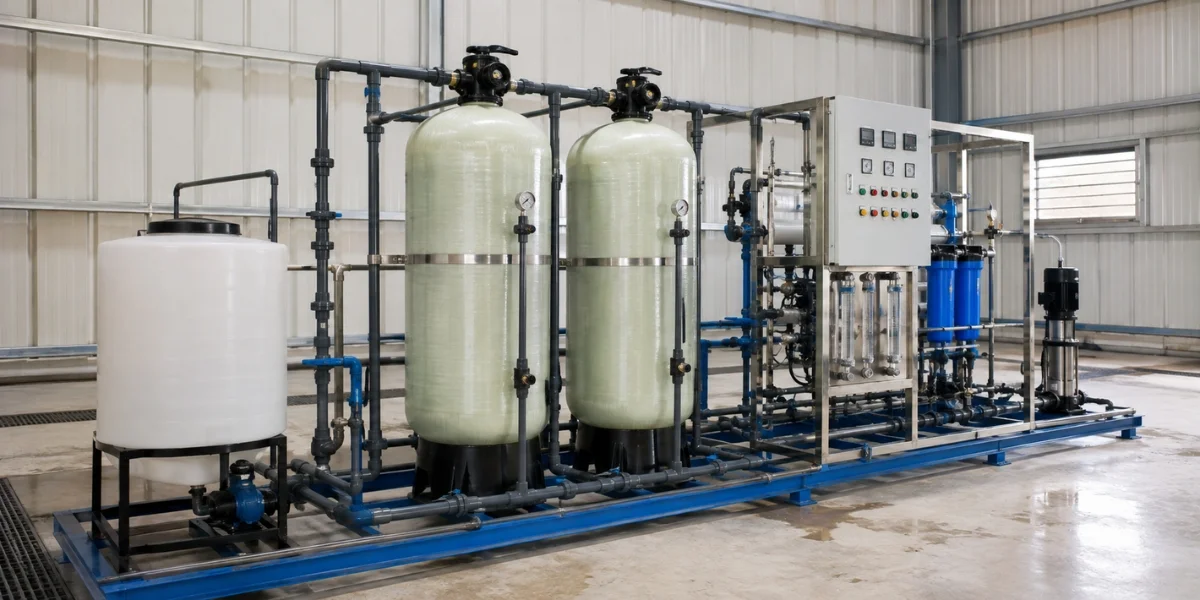
RO & Water Recycling Plant Manufacturer in India
Trity Environ Solutions manufactures RO and water recycling systems for industries and commercial facilities, engineered for reliable purity and reuse.
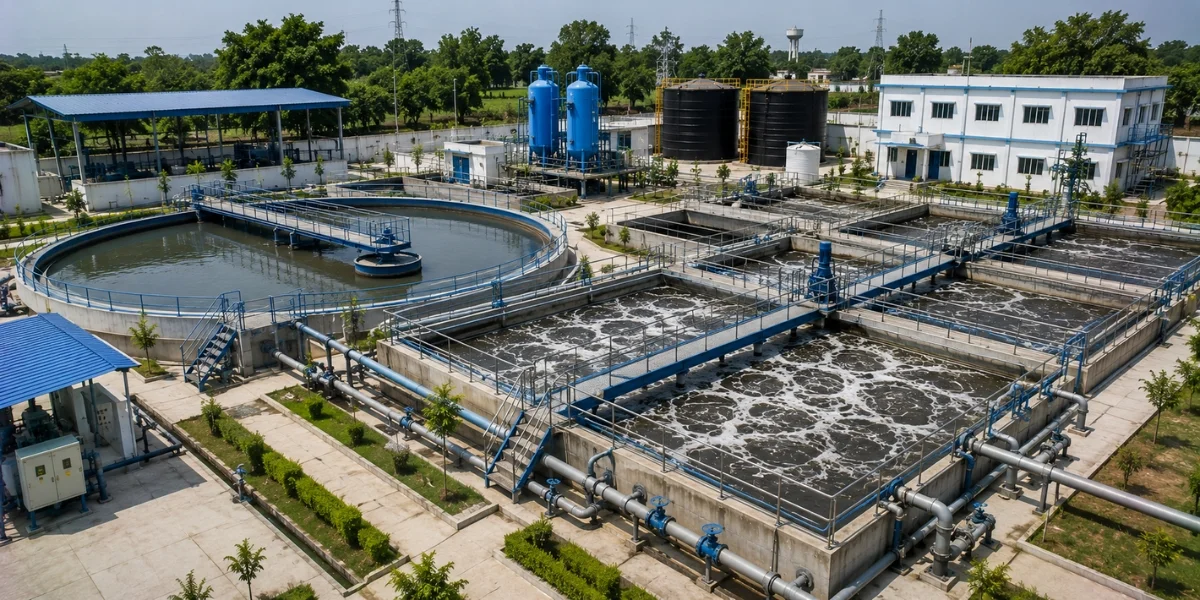
Tertiary Treatment Plant Manufacturer in India
Trity Environ Solutions manufactures tertiary treatment plants that polish treated water beyond secondary treatment, enabling genuine reuse and stricter discharge compliance.
Wastewater Recycling System Manufacturer in India
Trity Environ Solutions manufactures wastewater recycling systems using UF and RO technology, turning treated wastewater into reuse-grade water for cooling, flushing, and gardening.
PAN-INDIA CAPABILITIES
Regional Solutions & State Coverage
TECHNICAL KNOWLEDGE
Related Insights & Engineering Guides
PROVEN EXCELLENCE
Featured Turnkey Installations











Need a Custom Water or Wastewater Treatment Solution?
Our engineering team can help design the right system for your capacity, industry, and compliance requirements.

