
 ISO 9001:2015 & QCI Approved
STP and ETP Plant Manufacturer in Firozabad
Trity Environ Solutions is a trusted STP and ETP plant manufacturer in Firozabad, engineering wastewater systems for India's glass bangle capital, a city supplying the majority of bangles sold nationally through over 500 glass units. Groundwater here is drawn at 117 percent of recharge capacity, leaving effectively no reserve, which makes correctly treating and reusing water a genuine necessity, not a compliance formality, and we build with pan India installation support behind every system. Whether you need a sewage treatment plant manufacturer in Firozabad or an effluent treatment plant manufacturer in Firozabad, Trity Environ Solutions builds both in-house, from design to commissioning.
CPCB & SPCB Ready
Turnkey Design & Installation
A Water-Stressed City Whose Signature Industry Uses Toxic Dyes
A Water-Stressed City Whose Signature Industry Uses Toxic Dyes
Firozabad, known as Suhag Nagri, is home to more than 500 glass manufacturing units producing the bangles that supply a significant share of national demand, and the colouring processes behind that production typically use dyes containing lead, cadmium, and mercury. Research on the city's groundwater has documented that extraction here runs at 117 percent of recharge capacity, meaning the aquifer has essentially no residual reserve, while studies have also linked elevated chloride levels in local water to untreated discharge from glass industries reaching the Sirsa, Senger, and Arind Nadi tributaries that feed into the Yamuna. Firozabad has been classified under CEPI as a critically polluted industrial area as a result.
Trity Environ Solutions builds effluent treatment plants here with heavy metal precipitation specifically for the lead, cadmium, and mercury this industry's dyeing processes generate, not a generic industrial template that assumes standard organic effluent. Given how little groundwater margin this city has left, we also design for water recovery wherever a project's scale justifies it.
Operating a glass or bangle manufacturing unit in Firozabad? Request a free technical assessment and our engineering team will assess your actual dye chemistry and discharge profile.
For the wider picture across the state, see our STP and ETP plant manufacturer in Uttar Pradesh page.
KEY BENEFITS
Key Benefits of STP and ETP Plant Manufacturer in Firozabad
Engineered for genuine heavy metal removal, groundwater protection, and reliable UPPCB compliance in a critically polluted zone.
Dedicated Lead, Cadmium & Mercury Removal
Built with dedicated heavy metal precipitation for lead, cadmium, and mercury, the specific toxic metals documented in the dyes Firozabad bangle colouring units actually use.
Addresses a Critically Water-Stressed Aquifer
Addresses a groundwater system extracted at 117 percent of recharge capacity, where every litre of discharge or reuse genuinely matters for this water stressed city.
Protects Yamuna-Bound Tributaries
Reduces chloride and heavy metal load reaching the Sirsa, Senger, and Arind Nadi tributaries that carry Firozabad discharge toward the Yamuna.
Built for a CEPI-Flagged Critically Polluted Zone
Sized for a city classified under CEPI as critically polluted, where UPPCB and CPCB scrutiny runs considerably higher than standard industrial towns.
Faster Response Across Firozabad's Glass Belt
Faster response across Firozabad glass city, since our team already understands the dye chemistry and heavy metal profile this specific industry generates.
Heavy Metal Removal Isn't Optional Here, the Chemistry Demands It
Lead, cadmium, and mercury based dyes used in bangle colouring don't break down through standard biological treatment, and discharging them untreated is both an environmental and a direct human health risk given how close residential areas sit to manufacturing units in this city. We design chemical precipitation specifically around the dye formulations your unit actually uses, rather than a generic heavy metal removal stage calibrated for a different industry's metal profile.
With No Groundwater Reserve Left, Reuse Stops Being Optional
A city extracting groundwater at 117 percent of recharge capacity has no real margin for treating water once and discharging it without a second thought. Wherever production scale justifies it, we design treatment trains with water recovery built in, reducing dependency on an aquifer that researchers have already documented as critically overexploited. Trity Environ Solutions backs every installation with an Annual Maintenance Contract. Talk to our team about AMC coverage for your unit.
CEPI Classification Means Inspection Frequency Here Is Genuinely Higher
Firozabad's critically polluted classification under the Comprehensive Environmental Pollution Index means units here face closer and more frequent regulatory attention than a standard industrial town would. A plant that performs adequately on paper but struggles under real inspection scrutiny creates a bigger problem here than elsewhere, which is why we design with margin above bare minimum compliance for every Firozabad project.
SYSTEM CONFIGURATIONS
Types of STP and ETP Plant Manufacturer in Firozabad Configurations
Technologies selected to match your dye chemistry, water reuse needs, and UPPCB consent category.
Heavy Metal Precipitation ETP
Dedicated chemical precipitation stage for lead, cadmium, and mercury removal from bangle dyeing and glass colouring discharge.
General Glass Manufacturing ETP
General wastewater treatment for glass melting, cutting, and finishing processes generating moderate chemical and particulate load.
Water Recovery & Reuse System
Treated water reuse system for a city drawing groundwater at 117 percent of recharge capacity, where every recovered litre counts.
Residential & Commercial STP
Standard biological treatment for residential colonies, offices, and commercial establishments across Firozabad outside the glass industry.
TURNKEY WORKFLOW
How the STP and ETP Plant Manufacturer in Firozabad Process Works
A turnkey process engineered for consistent heavy metal and chloride removal across Firozabad's glass industry.
01
Site Assessment & Dye Chemistry Analysis
Sampling and analysis establish your actual dye formulation and heavy metal profile before design begins.
02
Design & Engineering
Chemical precipitation and treatment sequencing are engineered around UPPCB norms and this city's critically polluted classification.
03
Manufacturing & Installation
Components are manufactured under ISO 9001:2015 quality controls, then installed by our team experienced with glass industry effluent.
04
Commissioning & AMC Support
The plant is tested against consent conditions, operators are trained, and ongoing AMC support keeps performance consistent through production cycles.
COMMON INQUIRIES
Frequently Asked Questions
Clear answers regarding regulatory consent, installation timelines, and plant capacities for Firozabad.
Q1. Why is heavy metal removal so important for Firozabad's glass industry?
Bangle colouring dyes commonly contain lead, cadmium, and mercury, which standard biological treatment cannot break down, making dedicated chemical precipitation essential to prevent these toxic metals from reaching local water sources.
Q2. How critical is the groundwater situation in Firozabad?
Research has documented groundwater extraction here at 117 percent of recharge capacity, meaning the aquifer has essentially no residual reserve, making water treatment and reuse genuinely important rather than optional.
Q3. Why is Firozabad classified as a critically polluted area?
Firozabad falls under CEPI's critically polluted industrial area classification, reflecting the cumulative environmental impact of its concentrated glass manufacturing sector, which brings closer regulatory scrutiny than standard industrial towns.
Q4. What capacity ETP does a typical Firozabad glass unit need?
Capacity depends on your specific production scale and dye chemistry, ranging from smaller units for workshop-scale operations to larger systems for major manufacturing plants, confirmed through site assessment.
Q5. How long does installation take for a Firozabad project?
Prefabricated modular plants typically commission within 45 to 90 days, while larger systems with heavy metal precipitation stages take 3 to 6 months from design approval.
Q6. Can an existing Firozabad unit upgrade its ETP for better heavy metal removal?
Yes, we undertake chemical precipitation retrofits on existing plants, starting with a technical audit against your current dye chemistry and discharge performance.
Q7. How do I choose a reliable STP and ETP plant manufacturer in Firozabad?
Look for in-house manufacturing, experience with UPPCB consent requirements, a design based on your own effluent analysis, and a clear maintenance offering after commissioning. Trity Environ Solutions builds its plants under ISO 9001:2015 quality controls and supports every installation with operator training and an annual maintenance contract.
CATALOGUE
Related Engineering Products
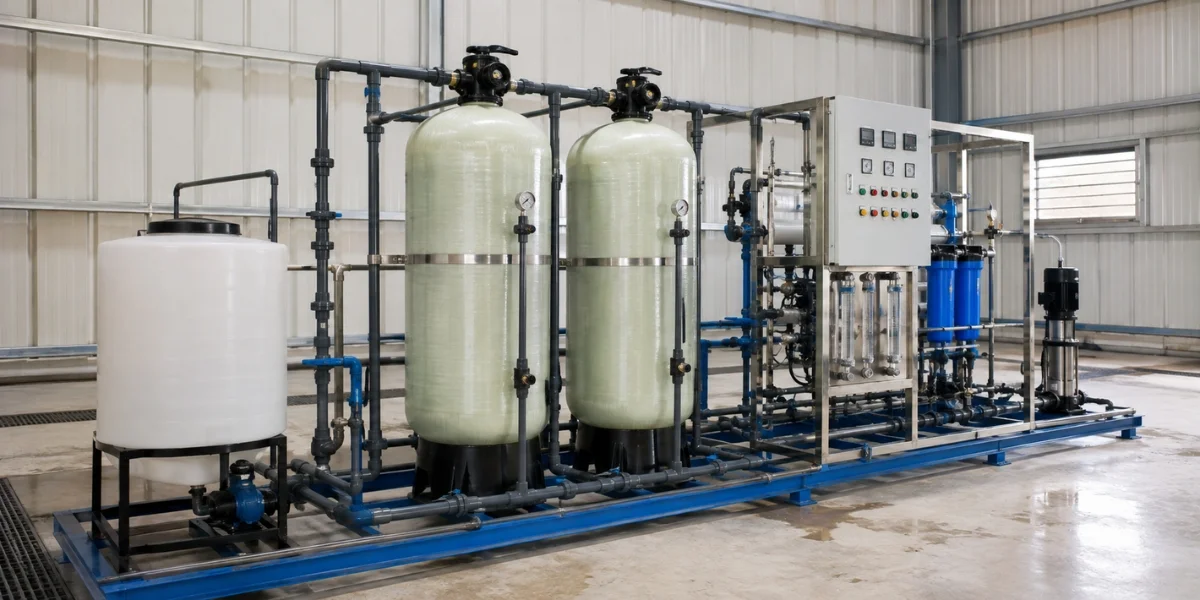
RO & Water Recycling Plant Manufacturer in India
Trity Environ Solutions manufactures RO and water recycling systems for industries and commercial facilities, engineered for reliable purity and reuse.
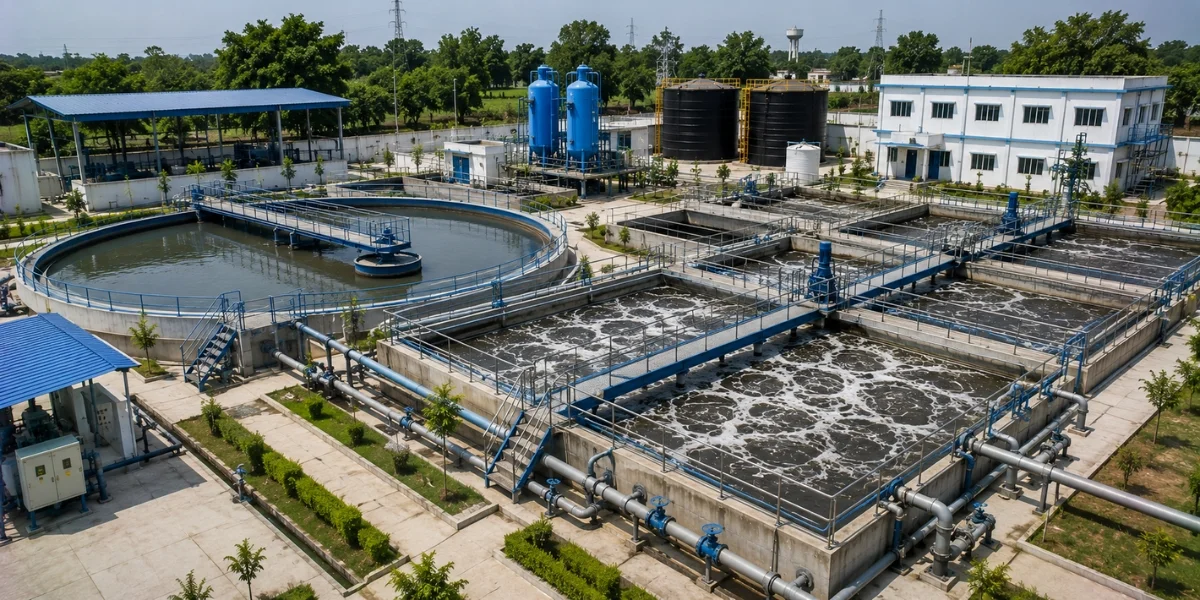
Tertiary Treatment Plant Manufacturer in India
Trity Environ Solutions manufactures tertiary treatment plants that polish treated water beyond secondary treatment, enabling genuine reuse and stricter discharge compliance.
Wastewater Recycling System Manufacturer in India
Trity Environ Solutions manufactures wastewater recycling systems using UF and RO technology, turning treated wastewater into reuse-grade water for cooling, flushing, and gardening.
PAN-INDIA CAPABILITIES
Regional Solutions & State Coverage
TECHNICAL KNOWLEDGE
Related Insights & Engineering Guides
PROVEN EXCELLENCE
Featured Turnkey Installations











Need a Custom Water or Wastewater Treatment Solution?
Our engineering team can help design the right system for your capacity, industry, and compliance requirements.

