
 ISO 9001:2015 & QCI Approved
Effluent Treatment Plant Manufacturer in Rajasthan
Trity Environ Solutions is a trusted effluent treatment plant manufacturer in Rajasthan, building industrial wastewater systems for textile printing and dyeing units in Pali, Balotra, Jodhpur, and Sanganer, steel and engineering plants, marble processors, and the mixed manufacturing belt of Bhiwadi and Alwar. In a state with very little fresh water to spare, it designs plants that handle colour, TDS, and oil and return water for reuse, with pan India installation support behind every project. Trity Environ Solutions designs, manufactures, and commissions each plant in-house, from effluent analysis to handover.
SPCB / CPCB Norm Compliant
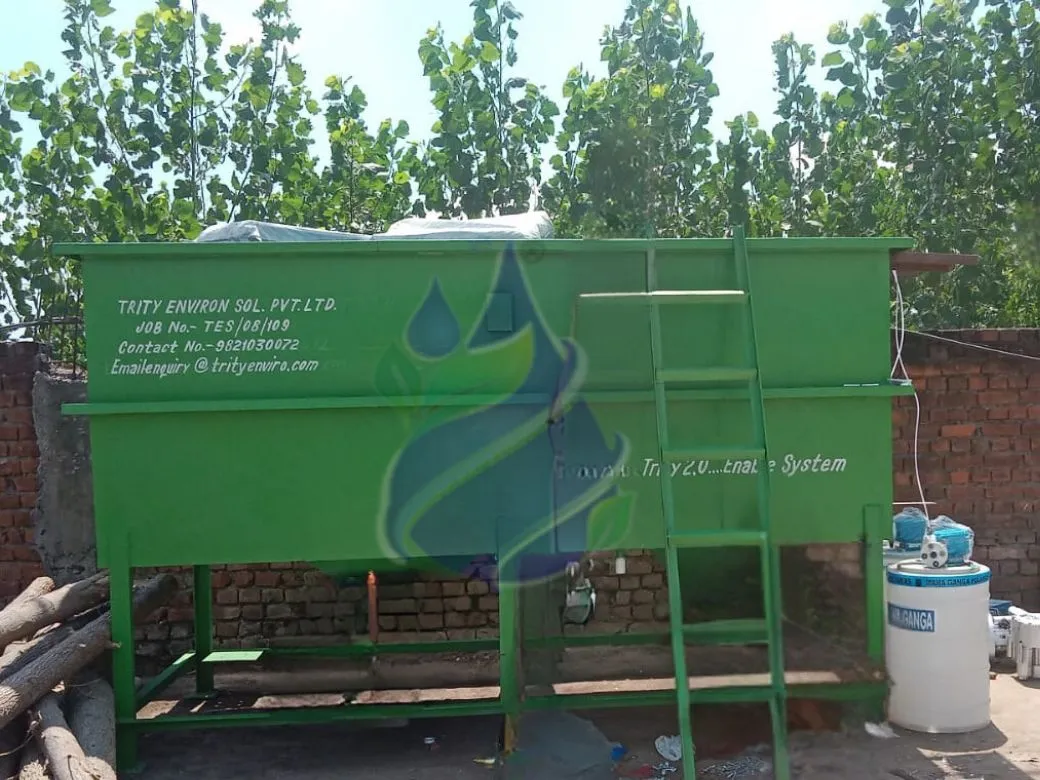
Heavy Fabrication
Rajasthan's Industrial Clusters Have Long Outgrown Their Shared Plants
Shared effluent capacity in Rajasthan has repeatedly been stretched by industry. In Pali, a Down To Earth report from 2012 found four common effluent treatment plants serving more than 800 textile dyeing and printing units, with partly treated effluent contaminating the seasonal Bandi river and groundwater up to 55 km downstream. In Jodhpur, the National Green Tribunal's 2014 order recorded about 17 industrial clusters and a 20 MLD common plant facing roughly 37.2 MLD of effluent. In Sanganer near Jaipur, a 2015 estimate put chemical wastewater from small printing units at 17 to 18 MLD, while a public interest petition was filed in 1994 and a common plant was directed in 2003, yet reports in 2014 noted that construction had still not started.
Bhiwadi and Alwar show a different problem, a wide mix of processes on neighbouring plots. Bhiwadi hosts over 6,500 registered units, and its common plant has a documented history of capacity and reliability issues. Alwar's Matsya Industrial Area has more than 500 industries, and groundwater sampling has recorded average TDS above 1,000 mg/L. For a unit in any of these belts, the practical route to consent from the Rajasthan State Pollution Control Board (RSPCB) is a well designed plant of its own. Trity Environ Solutions builds effluent treatment plants around your own wastewater analysis, whether the load is colour, metals, oil, or organic matter.
Running a unit anywhere in Rajasthan? Request a free site assessment and the engineering team will confirm a suitable configuration for your process.
WHY THIS SYSTEM?
Key Benefits of Effluent Treatment Plant Manufacturer in Rajasthan
Engineered for high biological efficiency, full environmental compliance, and low lifecycle operational costs.
Textile Printing and Dyeing Expertise
Colour, COD, and dissolved solids removal for the printing and dyeing units of Pali, Balotra, Jodhpur, and Sanganer, where effluent changes with every dye lot.
Built for Water Recovery
Treated effluent polished for process washing and cooling, with RO or evaporation where needed, since recovery cuts fresh water demand in a state that has very little to spare.
Steel and Engineering Effluent
Oil, scale, and suspended solids treatment for re-rolling mills and engineering units, with cooling water recirculation where possible.
Marble and Stone Slurry Handling
Settling and filtration stages for marble and stone processing wastewater, with sludge dewatering to keep disposal volumes down.
Support Across the State
Installation, operator training, and AMC response across Rajasthan's industrial belts, backed by Trity's engineering team.
Shared Plants Have Been Stretched Across the State
From Pali's four common plants to Jodhpur's 20 MLD facility, Rajasthan's shared treatment capacity has repeatedly been tested by industrial growth. A unit that relies on shared capacity depends on something it cannot control. A properly sized plant of its own, with a log of treated water quality, is the safest position when RSPCB inspects. Where a unit also wants to cut fresh water use, a wastewater recycling system can be added after the main treatment train.
Dyeing and Printing Effluent Is Not Ordinary Wastewater
Pigment, reactive, and azo dye batches change colour load and pH from day to day, which breaks fixed designs. Trity Environ Solutions builds equalisation, colour removal, and polishing stages that absorb that variation, supported by an Annual Maintenance Contract so the plant keeps up as production changes. Talk to our team about AMC coverage for your facility.
City and Cluster Pages for Industry
Each cluster has its own effluent, and city pages cover them in detail: Jaipur with the Sanganer printing cluster, Jodhpur for textile and steel, Bhiwadi and Alwar for the NCR border belt, and Udaipur for marble processing. Metal bearing and chemical sludge can be cut in volume with a filter press for sludge dewatering, and units that must send nothing out can use a zero liquid discharge system.
Related Wastewater Services in Rajasthan
This page covers industrial effluent only. For domestic sewage from hotels, hospitals, and housing, see the sewage treatment plant manufacturer in Rajasthan page. The combined overview of both services is on the STP and ETP plant manufacturer in Rajasthan page.
SYSTEM CONFIGURATIONS
Types of Effluent Treatment Plant Manufacturer in Rajasthan Configurations
Tailored industrial configurations matched to specific effluent composition, flow rates, and space constraints.
Textile Printing and Dyeing ETP
Our textile dyeing effluent treatment plant removes colour, COD, and suspended solids from printing and dyeing units.
Explore Configuration
Steel, Marble and General Industrial ETP
Our physico-chemical effluent treatment plant treats re-rolling, marble, and engineering effluent through coagulation, flocculation, and clarification.
Explore Configuration
Oil and Grease Removal
Our oil water separator takes free oil off workshop, rolling, and wash water before it reaches the main treatment train.
Explore Configuration
Water Recycling
Our wastewater recycling system polishes treated effluent through ultrafiltration and RO so it can return to the process.
Explore Configuration
Zero Liquid Discharge
Our zero liquid discharge system recovers water from high TDS effluent for units that must stop discharging altogether.
Explore Configuration
STEP-BY-STEP WORKFLOW
How the Effluent Treatment Plant Manufacturer in Rajasthan Process Works
A sequential, multi-stage treatment methodology engineered for maximum contaminant removal and water recovery.
01
Site Assessment & Effluent Characterisation
Flow measurement and sampling establish your actual load, including colour, COD, TDS, oil, and suspended solids, before design begins.
02
Design & Engineering
Technology and layout are fixed against your RSPCB consent conditions, available space, and reuse targets.
03
Manufacturing & Installation
Components are manufactured under ISO 9001:2015 quality controls, then installed and commissioned by Trity's site team.
04
Commissioning & AMC Support
The plant is tested against consent limits, operators are trained, and ongoing AMC support keeps performance consistent afterward.
COMMON INQUIRIES
Frequently Asked Questions
Q1. Which pollution control board governs effluent discharge in Rajasthan?
The Rajasthan State Pollution Control Board (RSPCB) issues consent to establish and consent to operate, alongside CPCB guidelines and any directions from the National Green Tribunal.
Q2. Can you build an ETP for textile printing and dyeing units in Pali or Jodhpur?
Yes. These units need colour removal, equalisation, and often TDS reduction, so each plant is designed from your own effluent analysis and dye chemistry.
Q3. Does a unit connected to a common effluent plant still need its own ETP?
Often yes. Units usually need pre-treatment to meet the common plant's inlet norms, and where shared capacity is stretched, a plant of your own is the safer position.
Q4. Can industrial effluent be reused in Rajasthan?
Yes. Treated effluent can go to cooling, process washing, and gardening, and with RO or evaporation it can meet stricter process quality, up to zero liquid discharge where required.
Q5. How long does installation take in Rajasthan?
Prefabricated modular plants typically commission within 45 to 90 days, while civil-based plants for larger capacities take 3 to 6 months from design approval to handover.
Q6. Can an existing Rajasthan ETP be upgraded or maintained?
Yes. We audit existing plants, retrofit capacity or technology, and take them under an annual maintenance contract so they stay within consent limits.
Q7. How do I choose a reliable effluent treatment plant manufacturer in Rajasthan?
Look for in-house manufacturing, experience with RSPCB consent requirements, a design based on your own effluent analysis, and a clear maintenance offering after commissioning. Trity Environ Solutions builds its plants under ISO 9001:2015 quality controls and supports every installation with operator training and an annual maintenance contract.
CATALOGUE
Related Engineering Products
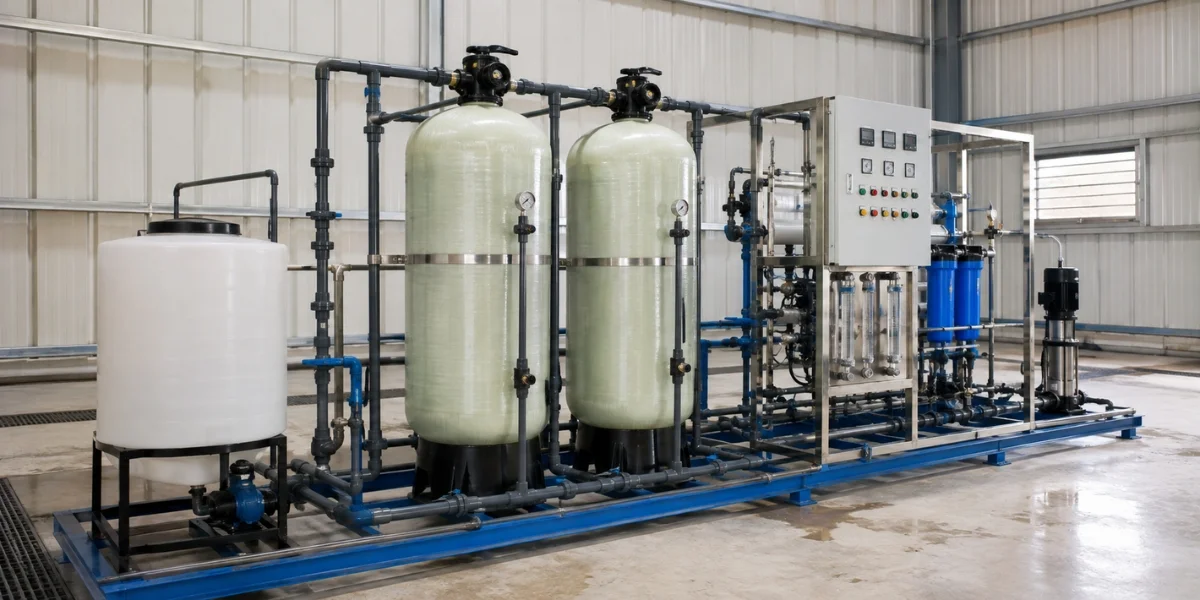
RO & Water Recycling Plant Manufacturer in India
Trity Environ Solutions manufactures RO and water recycling systems for industries and commercial facilities, engineered for reliable purity and reuse.
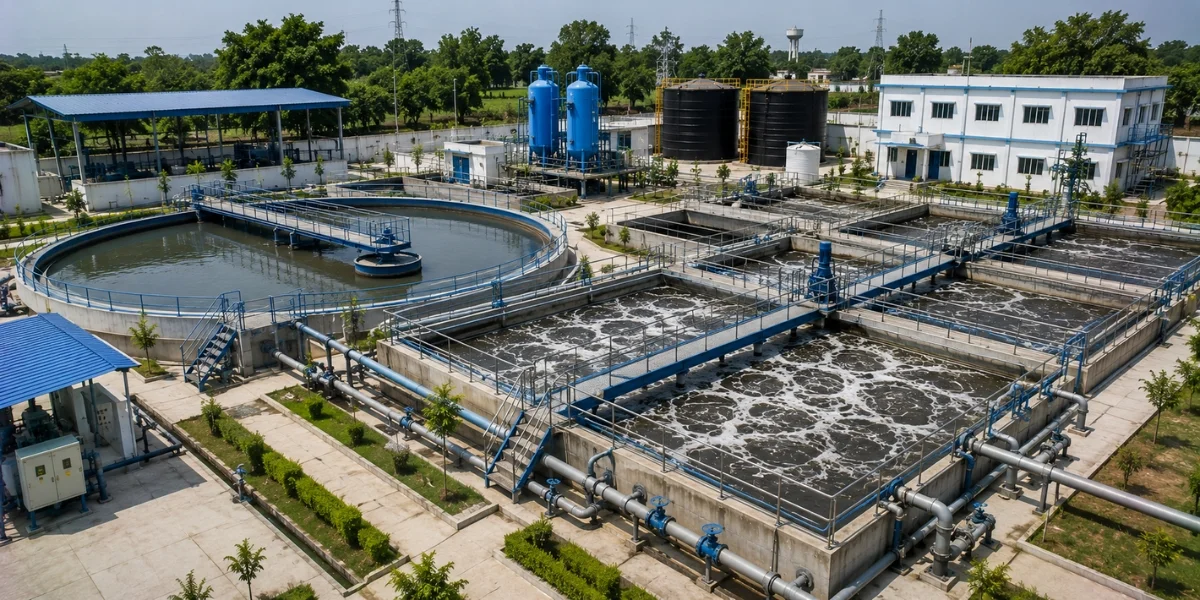
Tertiary Treatment Plant Manufacturer in India
Trity Environ Solutions manufactures tertiary treatment plants that polish treated water beyond secondary treatment, enabling genuine reuse and stricter discharge compliance.
Wastewater Recycling System Manufacturer in India
Trity Environ Solutions manufactures wastewater recycling systems using UF and RO technology, turning treated wastewater into reuse-grade water for cooling, flushing, and gardening.
PAN-INDIA CAPABILITIES
Regional Solutions & State Coverage
TECHNICAL KNOWLEDGE
Related Insights & Engineering Guides
PROVEN EXCELLENCE
Featured Turnkey Installations











Need a Custom Water or Wastewater Treatment Solution?
Our engineering team can help design the right system for your capacity, industry, and compliance requirements.

