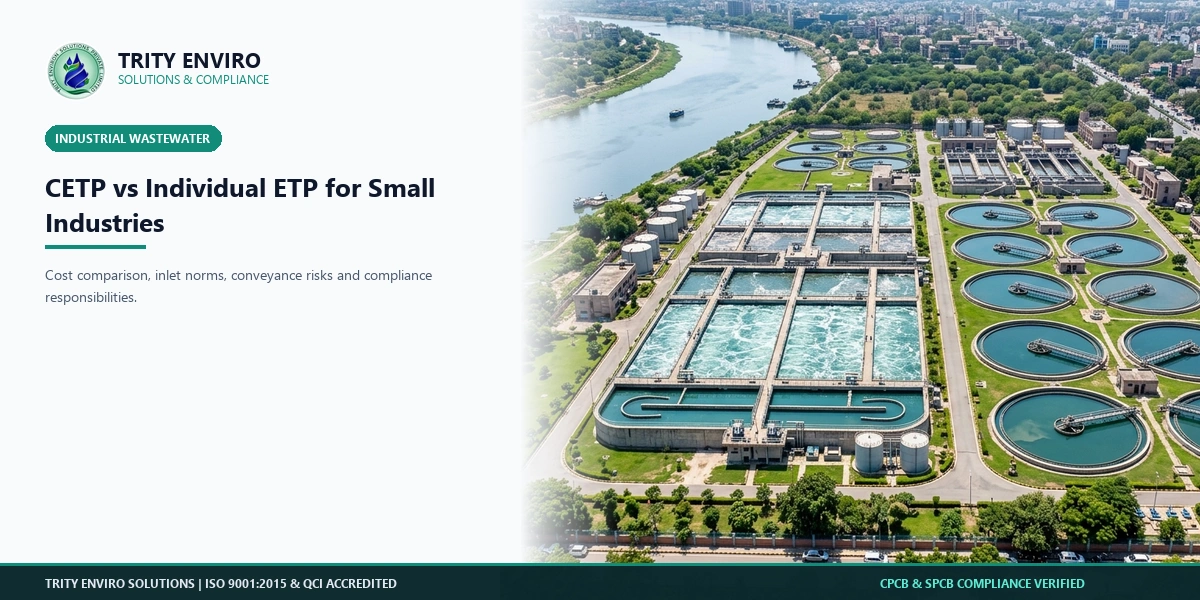

 ISO 9001:2015 & QCI Approved
STP and ETP Plant Manufacturer in Mathura
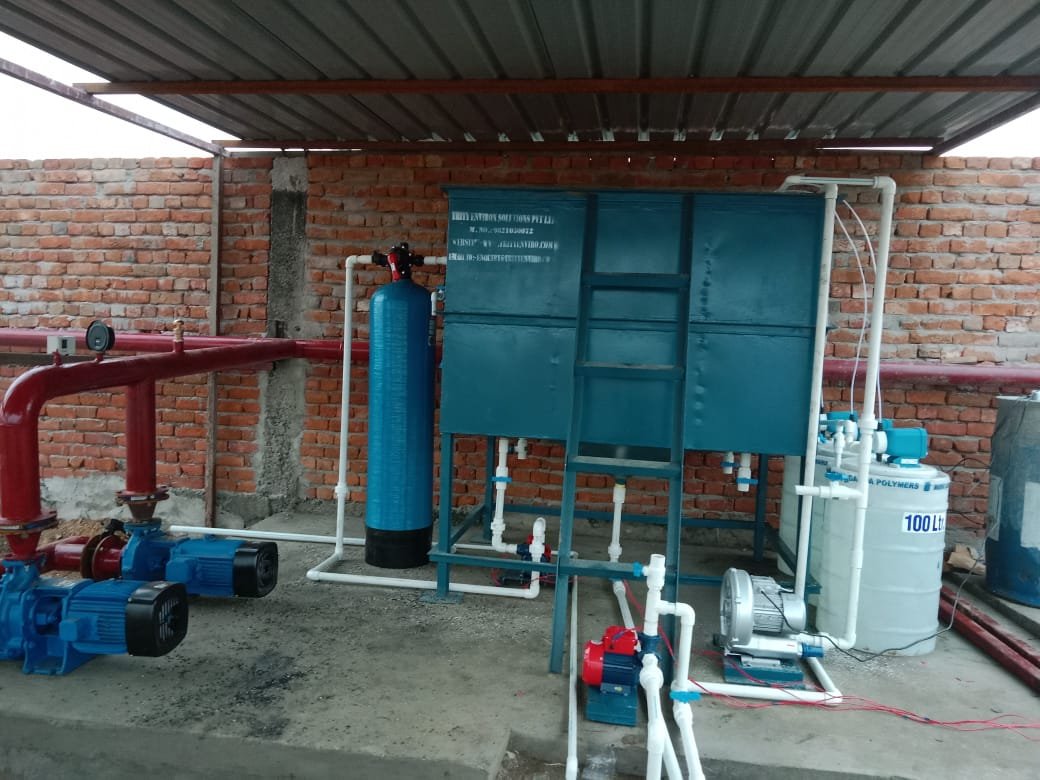
Trity Environ Solutions is a trusted STP and ETP plant manufacturer in Mathura, building wastewater systems for the pilgrim town's hotels, ashrams, dharamshalas, hospitals, housing projects, and small industrial units. With the Yamuna at Mathura repeatedly classed as fit only for aquatic life and a National Green Tribunal order already on record, the company designs on-site plants that treat and reuse water before it reaches a drain, with pan India installation support behind every project. Whether you need a sewage treatment plant manufacturer in Mathura or an effluent treatment plant manufacturer in Mathura, Trity Environ Solutions builds both in-house, from design to commissioning.
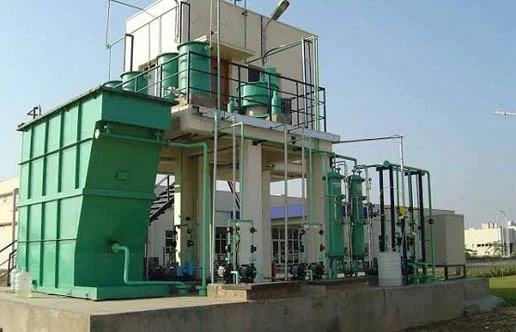
CPCB & SPCB Ready
Turnkey Design & Installation
A Pilgrim City on a River Under Legal Watch
Mathura and Vrindavan receive large numbers of pilgrims through the year, and every visitor adds to the wastewater that eventually reaches the Yamuna. In April 2024 the National Green Tribunal ruled on Yamuna pollution at Agra and Mathura-Vrindavan, recorded a gap between installed STP capacity and the sewage carried by Mathura's 23 drains, and imposed environmental compensation of about Rs 7.2 crore on the Mathura-Vrindavan Nagar Nigam. In 2018 the Tribunal had also directed that industrial units in Mathura operating without consent from the Uttar Pradesh Pollution Control Board (UPPCB) should not be allowed to continue.
The pressure has not gone away. A PTI report in May 2026 cited State Pollution Control Board data showing the river at Kesi Ghat, Vishram Ghat, and Gokul Barrage in Category D, suitable only for aquatic life, in December 2025 and January and February 2026, with very high coliform levels pointing to sewage contamination. Local officials say 19 of Mathura's 23 drains and 11 of Vrindavan's 13 have been tapped under Namami Gange, with work still continuing. Trity Environ Solutions builds sewage treatment plants for hotels, guest houses, ashrams, and housing projects, and effluent treatment plants for metal polishing and other industrial units, so wastewater is treated at source instead of being left to the public network.
Running a property or unit in Mathura or Vrindavan? Request a free site assessment and the engineering team will confirm the right configuration for your site.
KEY BENEFITS
Key Benefits of STP and ETP Plant Manufacturer in Mathura
Engineered for reliable UPPCB compliance, treated water reuse, and seasonal pilgrim loads that vary sharply through the year.
Built for UPPCB Consent Conditions
Systems engineered to consistently meet the BOD, COD, and TSS limits attached to consent to establish and consent to operate, with records ready for inspection.
Designed for Fluctuating Pilgrim Loads
Treatment trains that hold performance when occupancy swings between quiet weeks and festival peaks, which matters for hotels, ashrams, and guest houses in Mathura and Vrindavan.
Compact and Low Odour Layouts
Modular plants that fit tight plots in dense, heritage-adjacent neighbourhoods where odour and noise cannot be tolerated.
Metal Polishing and Small Industry Effluent
Physico-chemical treatment for metal finishing and polishing effluent, which public STPs are not built to handle and which has drawn regulatory attention in Mathura.
Local Support Across the Braj Region
Installation, operator training, and AMC response for Mathura, Vrindavan, and nearby towns, with Delhi NCR and Agra reachable from Trity's Ghaziabad base.
The Yamuna Has Been Classed Category D
Board data cited in May 2026 placed the river at three Mathura ghats in Category D during the winter of 2025 to 2026, and the April 2024 Tribunal order put a price on discharge by fining the Nagar Nigam. When a regulator and a court are both watching, a property that treats its own wastewater and keeps treated water records is in a far safer position than one that relies on the drain outside.
Plants Fail Slowly Without Operation and Maintenance
Activists quoted in the same 2026 report called for strict enforcement, including no overflow from STPs fed by drains, which underlines that performance depends on daily operation as much as on design. Trity Environ Solutions supports every Mathura installation with operator training, performance monitoring, and an Annual Maintenance Contract, so blowers, diffusers, and dosing systems keep the plant within consent limits. Talk to our team about AMC coverage for your facility.
Metal Polishing Units Are Under Enforcement Scrutiny
As reported in May 2026, activists allege that brass polishing units discharge chemical-laden water into the river, and the Pollution Control Board has run a special drive against such units. Whatever the status of individual cases, a unit that wants to keep operating needs its own effluent treatment, since municipal STPs are not designed for metal-bearing wastewater.
---
SYSTEM CONFIGURATIONS
Types of STP and ETP Plant Manufacturer in Mathura Configurations
Technologies selected to match your site type, seasonal load, and UPPCB consent requirements.
Hotels, Guest Houses and Housing Projects
Our MBBR sewage treatment plant is a compact, low maintenance option that copes well with the peaks and troughs of hospitality and residential use.
Ashrams, Dharamshalas and Pilgrim Facilities
Our packaged containerized sewage treatment plant installs quickly on constrained plots and can be relocated or expanded as capacity needs grow.
Metal Polishing and Light Industry
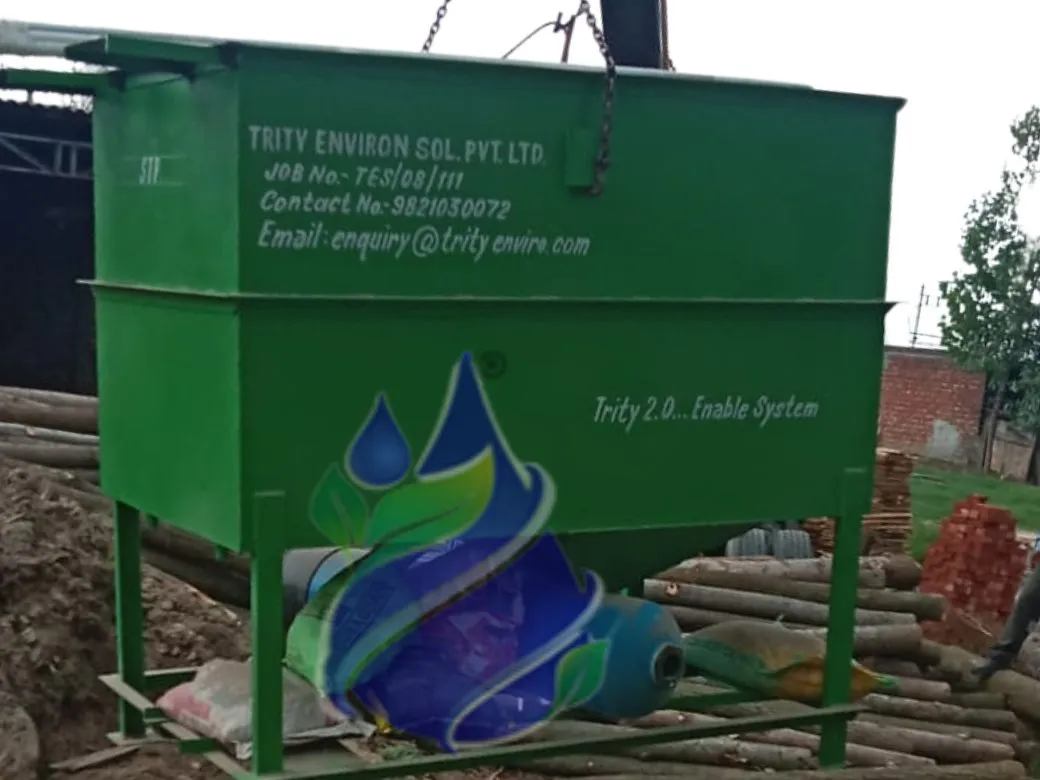
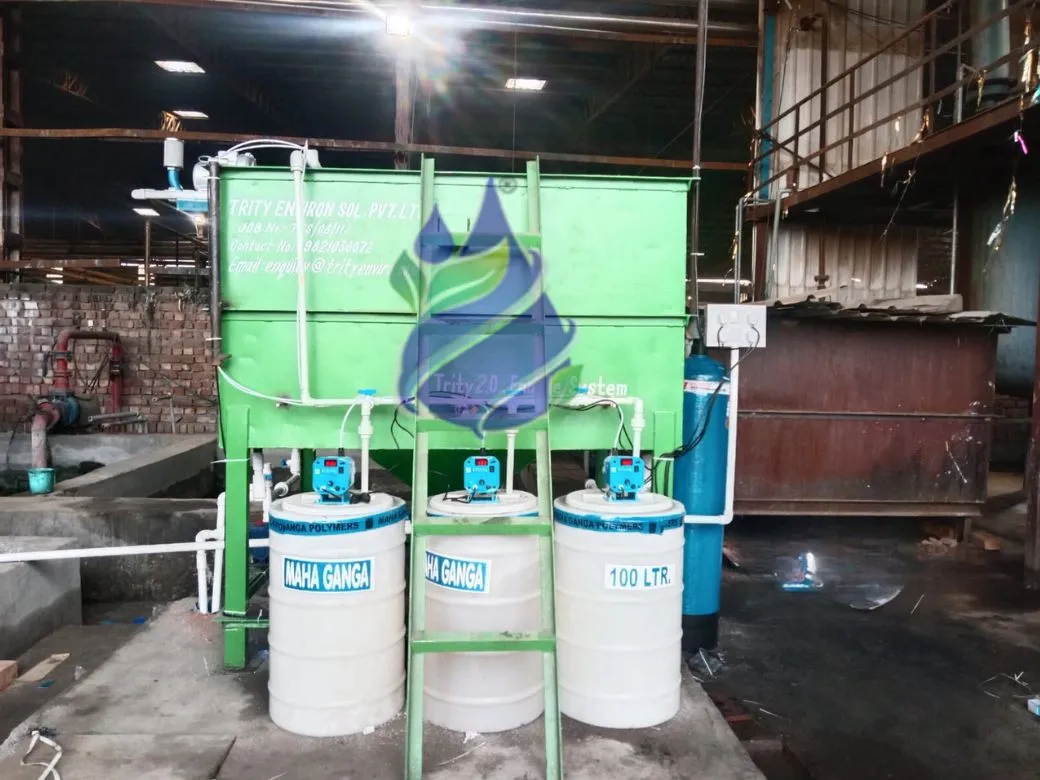
Our physico-chemical effluent treatment plant removes metals and suspended solids through coagulation, flocculation, and clarification.
Zero Discharge for Sensitive Locations
Our zero liquid discharge system recovers water from industrial effluent so units close to the river can avoid discharging altogether.
Water Reuse and Recycling
Our wastewater recycling system polishes treated effluent through ultrafiltration and RO for gardens, flushing, and cooling.
TURNKEY WORKFLOW
How the STP and ETP Plant Manufacturer in Mathura Process Works
A turnkey process engineered for consistent UPPCB compliant performance across seasonal and industrial loads.
01
Site Assessment & Influent Characterisation
Flow measurement and sampling establish your actual load, whether hotel sewage, ashram wastewater, or industrial effluent, before design begins.
02
Design & Engineering
Technology and tank layout are fixed against your UPPCB consent category, available footprint, and reuse targets.
03
Manufacturing & Installation
Components are manufactured under ISO 9001:2015 quality controls, then installed and commissioned by Trity's site team.
04
Commissioning & AMC Support
The plant is tested against consent limits, operators are trained, and ongoing AMC support keeps performance consistent afterward.
---
COMMON INQUIRIES
Frequently Asked Questions
Clear answers regarding regulatory consent, installation timelines, and plant capabilities in Mathura.
Q1. Which pollution control board governs STP and ETP discharge in Mathura?
The Uttar Pradesh Pollution Control Board (UPPCB) issues consent to establish and consent to operate, alongside CPCB guidelines and any directions from the National Green Tribunal.
Q2. Do hotels and guest houses in Mathura and Vrindavan need an STP?
Larger hospitality and residential projects generally need an STP under consent conditions, and many are expected to reuse treated water for gardens and flushing. Requirements vary by size and project category.
Q3. Can an STP handle large seasonal changes in pilgrim occupancy?
Yes, when it is designed for it. Modular or multi-stream layouts, equalisation, and properly sized aeration let a plant stay stable between low occupancy and festival peaks.
Q4. Do metal polishing units need an ETP?
Yes. Polishing and finishing effluent can carry metals, acids, and suspended solids that a municipal STP cannot treat, so units are expected to treat it on site under UPPCB consent.
Q5. How long does installation take in Mathura?
Prefabricated modular plants typically commission within 45 to 90 days, while civil-based plants for larger capacities take 3 to 6 months from design approval to handover.
Q6. Can an existing Mathura plant be upgraded or put under maintenance?
Yes. Trity Environ Solutions audits existing plants, retrofits capacity or technology, and takes them under an annual maintenance contract so they stay within consent limits.
Q7. How do I choose a reliable STP and ETP plant manufacturer in Mathura?
Look for in-house manufacturing, experience with UPPCB consent requirements, a design based on your own effluent analysis, and a clear maintenance offering after commissioning. Trity Environ Solutions builds its plants under ISO 9001:2015 quality controls and supports every installation with operator training and an annual maintenance contract. --- ---
CATALOGUE
Related Engineering Products
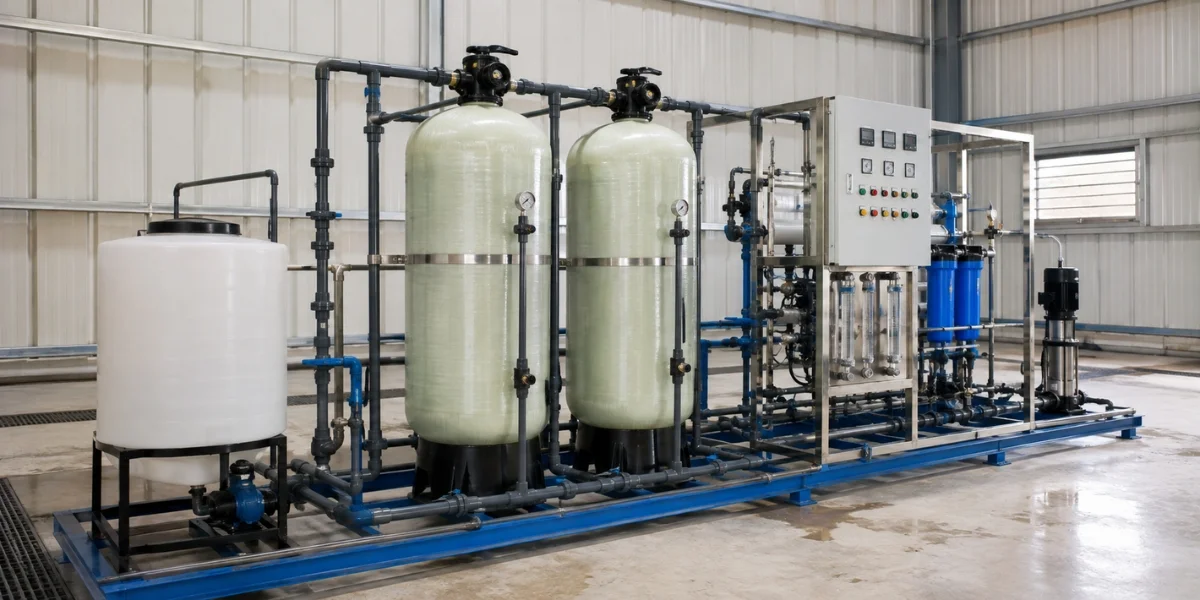
RO & Water Recycling Plant Manufacturer in India
Trity Environ Solutions manufactures RO and water recycling systems for industries and commercial facilities, engineered for reliable purity and reuse.
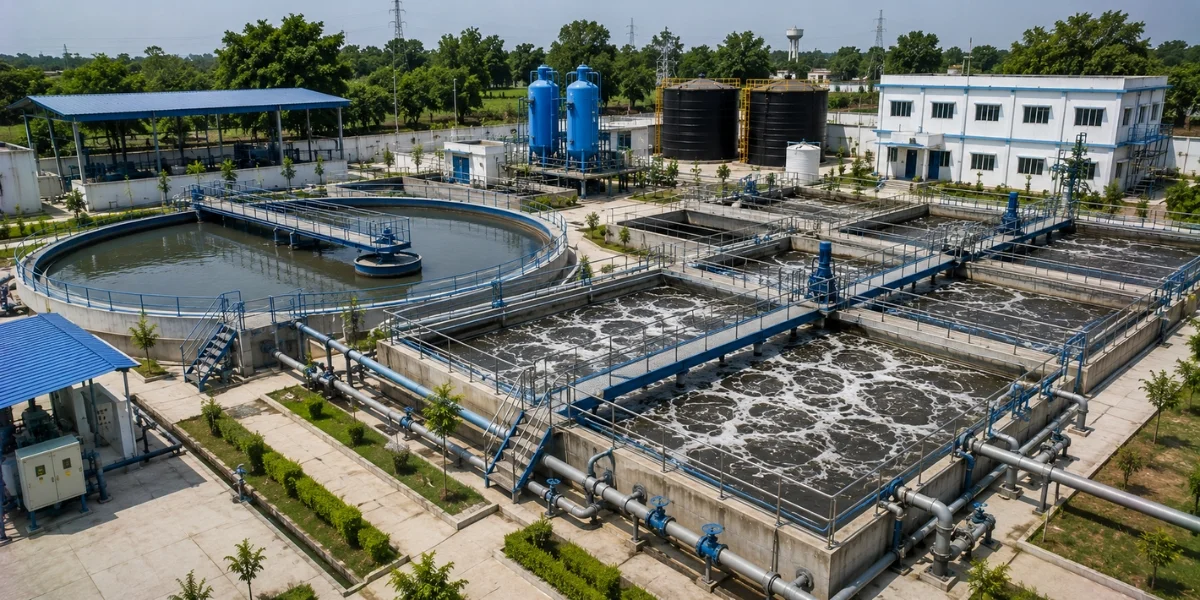
Tertiary Treatment Plant Manufacturer in India
Trity Environ Solutions manufactures tertiary treatment plants that polish treated water beyond secondary treatment, enabling genuine reuse and stricter discharge compliance.
Wastewater Recycling System Manufacturer in India
Trity Environ Solutions manufactures wastewater recycling systems using UF and RO technology, turning treated wastewater into reuse-grade water for cooling, flushing, and gardening.
PAN-INDIA CAPABILITIES
Regional Solutions & State Coverage
TECHNICAL KNOWLEDGE
Related Insights & Engineering Guides
PROVEN EXCELLENCE
Featured Turnkey Installations




Need a Custom Water or Wastewater Treatment Solution?
Our engineering team can help design the right system for your capacity, industry, and compliance requirements.