
 ISO 9001:2015 & QCI Approved
Sewage Treatment Plant Manufacturer in Odisha
Trity Environ Solutions is a trusted sewage treatment plant manufacturer in Odisha, building compact and dependable systems for apartment complexes, hospitals, hotels, hostels, and township projects in Bhubaneswar, Cuttack, Puri, Rourkela, Berhampur, and Sambalpur. With drains still carrying household sewage into the Mahanadi system and the coast, it engineers on-site treatment that keeps a property within consent limits and returns usable water for flushing and gardens, with pan India installation support behind every plant. From MBBR and MBR to packaged and hospital systems, Trity Environ Solutions designs, manufactures, and commissions each plant in-house.
SPCB / CPCB Norm Compliant
Heavy Fabrication
River Cities and a Pilgrim Coast Where Sewage Outpaces Treatment
Odisha's sewage problem is easy to see on a map of its rivers. A 2018 report based on a 2017 study by the National Institute of Urban Affairs put the state's sewage at about 1,500 MLD, of which only 375 MLD, around a quarter, was being treated. The same report found Cuttack generating about 92 MLD with its only plant, the 33 MLD unit at Madgajpur, out of operation for a long time, and Sambalpur with no working plant at all. Bhubaneswar tells the story in another way. A 2020 report noted that the capital was planned for 50,000 residents and now houses over 11 lakh, with sewage moving through natural drains into the Gangua rivulet and then into the Daya river about 10 km downstream.
The pressure shows in the river data. In an April 2022 order, the Orissa High Court recorded the State Pollution Control Board's finding that water quality worsens downstream of Cuttack, Bhubaneswar, and Rourkela because partly treated or untreated domestic wastewater enters the rivers. Of 129 monitoring stations across 11 river systems, 19 failed the Class C standard on BOD or coliform. The same order recorded effluent reaching the Kathajodi through a drain that could not be completed because of a railway crossing.
Puri adds a different load. The Supreme Court, in a 2020 order on the Rath Yatra, referred to a gathering of 100,000 to 120,000 devotees over 10 to 12 days, and the town's hotels and hostels serve that kind of demand throughout the year. For any owner of a housing project, hotel, hospital, or hostel across these cities, relying on a stretched public network is a risk. Trity Environ Solutions builds sewage treatment plants that treat wastewater where it is produced and return it for reuse. Process wastewater from factories is a separate subject, and the effluent treatment plant manufacturer in Odisha page covers it.
Starting a new project or fixing a plant that no longer performs? Request a free site assessment and the engineering team will confirm the right configuration for your site.
WHY THIS SYSTEM?
Key Benefits of Sewage Treatment Plant Manufacturer in Odisha
Engineered for high biological efficiency, full environmental compliance, and low lifecycle operational costs.
Consistent Treated Water Quality
Biological stages sized to the BOD, COD, and suspended solids limits in your consent, so treated water stays within norms on peak days as well as average ones.
Built for Tourism and Festival Peaks
Equalisation and aeration planned for the sharp flow swings of Puri's hotels and guest houses, where occupancy can jump within days.
Flushing and Garden Water on Site
Polished sewage suitable for toilet flushing, landscaping, and cooling towers, which trims the borewell and tanker water a property has to draw.
Low Odour and Quiet Operation
Aeration, sludge handling, and blower enclosures arranged to keep smell and noise away from flats, wards, hostel rooms, and guest suites.
Support Across the State
Site assessment, commissioning, and AMC response for Odisha's main cities, with operator training and operating records handed over at each installation.
Apartments and Hotels Have Been Cited Before
OSPCB action on sewage is not new. In August 2014 the board flagged 72 apartments in Bhubaneswar for discharging untreated wastewater, none of them with a plant, and served closure notices on nine Puri hotels. In January 2015 it was reported that 287 hotels had been asked to apply for consent and that reopened hotels had to install an STP or lose their bank guarantee. These records are old, but they show the board's approach: a property that cannot show a working plant is the one that attracts notices.
A Plant That Is Not Run Properly Is Not a Plant
Odisha's own history shows how easily capacity exists on paper and not in practice, as the idle Madgajpur plant in Cuttack showed. Trity Environ Solutions supports each Odisha installation with operator training, performance monitoring, and an Annual Maintenance Contract covering blowers, diffusers, and dosing, so the plant keeps meeting consent limits long after commissioning. Talk to our team about AMC coverage for your property.
Choosing the Process That Suits the Site
Technology follows the load pattern. A sequencing batch reactor sewage treatment plant suits sites with uneven flow and room for batch tanks, while a FAB sewage treatment plant or a SAFF sewage treatment plant gives smaller campuses a simple, low operator design. The right choice depends on flow, footprint, and reuse target, and it is settled during the site assessment.
Related Wastewater Services in Odisha
This page covers domestic sewage only. Factory process wastewater is handled on the effluent treatment plant manufacturer in Odisha page, and the combined overview of both services is on the STP and ETP plant manufacturer in Odisha page.
SYSTEM CONFIGURATIONS
Types of Sewage Treatment Plant Manufacturer in Odisha Configurations
Tailored industrial configurations matched to specific effluent composition, flow rates, and space constraints.
Apartments, Townships and Hostels
The MBBR sewage treatment plant holds a dense biological film on floating media, which copes with the morning and evening peaks of residential blocks and student hostels in a modest footprint.
Explore Configuration
Hotels and Commercial Towers
The MBR sewage treatment plant adds a membrane stage that delivers clear, low odour water in very little space, a fit for hotels in Bhubaneswar and Puri that reuse water for flushing and cooling.
Explore Configuration
Hospitals and Medical Colleges
A sewage treatment plant for hospital pairs biological treatment with disinfection, designed for the continuous and variable flow of wards, kitchens, and laundries.
Explore Configuration
Compact and Fast Installations
The packaged containerized sewage treatment plant arrives as a factory built unit, which shortens site work for resorts, guest houses, and construction camps.
Explore Configuration
Grey Water Reuse
A grey water treatment plant treats bathing and laundry water on its own, giving a lighter load and a quick route to flushing and garden reuse.
Not sure which configuration fits your Odisha site? Get a free consultation and the team will recommend a setup based on flow, footprint, and consent conditions.
Explore Configuration
STEP-BY-STEP WORKFLOW
How the Sewage Treatment Plant Manufacturer in Odisha Process Works
A sequential, multi-stage treatment methodology engineered for maximum contaminant removal and water recovery.
01
Site Assessment & Influent Characterisation
Occupancy, water use, and sewage sampling establish the real daily flow and peak pattern before any design decision is made.
02
Design & Engineering
Process, tank layout, and reuse stages are fixed against the OSPCB consent category, available space, and the demand for treated water.
03
Manufacturing & Installation
Components are manufactured under ISO 9001:2015 quality controls, then installed and commissioned by Trity's site team.
04
Commissioning & AMC Support
The plant is tested against consent limits, operators are trained, and ongoing AMC support keeps performance steady afterward.
COMMON INQUIRIES
Frequently Asked Questions
Q1. Which authority regulates sewage treatment plant discharge in Odisha?
The State Pollution Control Board, Odisha (OSPCB) grants consent to establish and consent to operate, working with CPCB guidelines and any directions from the National Green Tribunal or the courts.
Q2. Is an STP required for an apartment, hotel, or hospital in Odisha?
Larger residential, hospitality, and healthcare projects are generally expected to treat sewage on site as part of their consent conditions, and to reuse the output where possible. The exact requirement depends on built-up area and the conditions attached to your approvals.
Q3. What size of plant does an apartment complex need?
Capacity depends on the number of flats, occupancy, and the flushing and landscaping demand. Apartment plants commonly range from about 50 KLD to several hundred KLD, and the figure is confirmed after a site assessment.
Q4. Can treated sewage be reused, and for what?
Yes. After filtration and disinfection, treated water is commonly used for toilet flushing, gardening, cooling tower makeup, and washing of common areas. Drinking use is not intended.
Q5. Which technology suits a hotel in Puri or a hospital in Cuttack?
Hospitals usually need a biological plant with strong disinfection, while hotels with tight space often choose MBR, and seasonal properties may prefer a packaged unit. The final selection is made from flow data and discharge or reuse targets.
Q6. Can an existing plant in Bhubaneswar, Rourkela, or Berhampur be audited or upgraded?
Yes. Trity Environ Solutions audits underperforming plants, replaces worn blowers and diffusers, retrofits capacity or technology, and brings them under an annual maintenance contract.
Q7. How do I choose a reliable sewage treatment plant manufacturer in Odisha?
Look for in-house manufacturing, familiarity with OSPCB consent requirements, a design based on your own flow measurements, and a clear maintenance offering after commissioning. Trity Environ Solutions builds its plants under ISO 9001:2015 quality controls and supports every installation with operator training and an annual maintenance contract.
CATALOGUE
Related Engineering Products
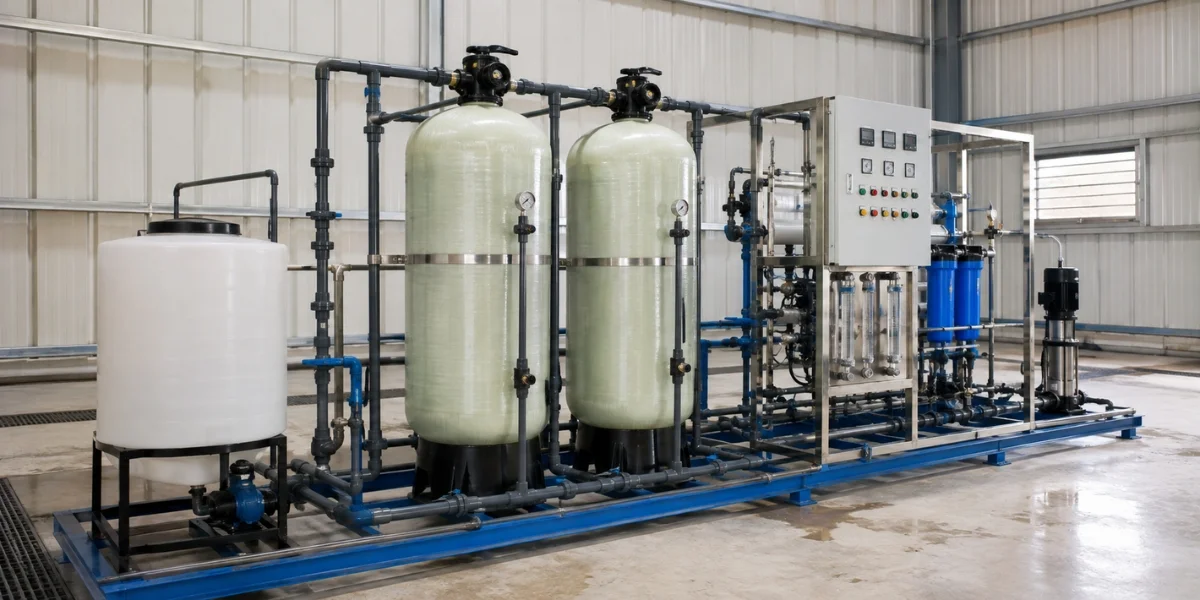
RO & Water Recycling Plant Manufacturer in India
Trity Environ Solutions manufactures RO and water recycling systems for industries and commercial facilities, engineered for reliable purity and reuse.
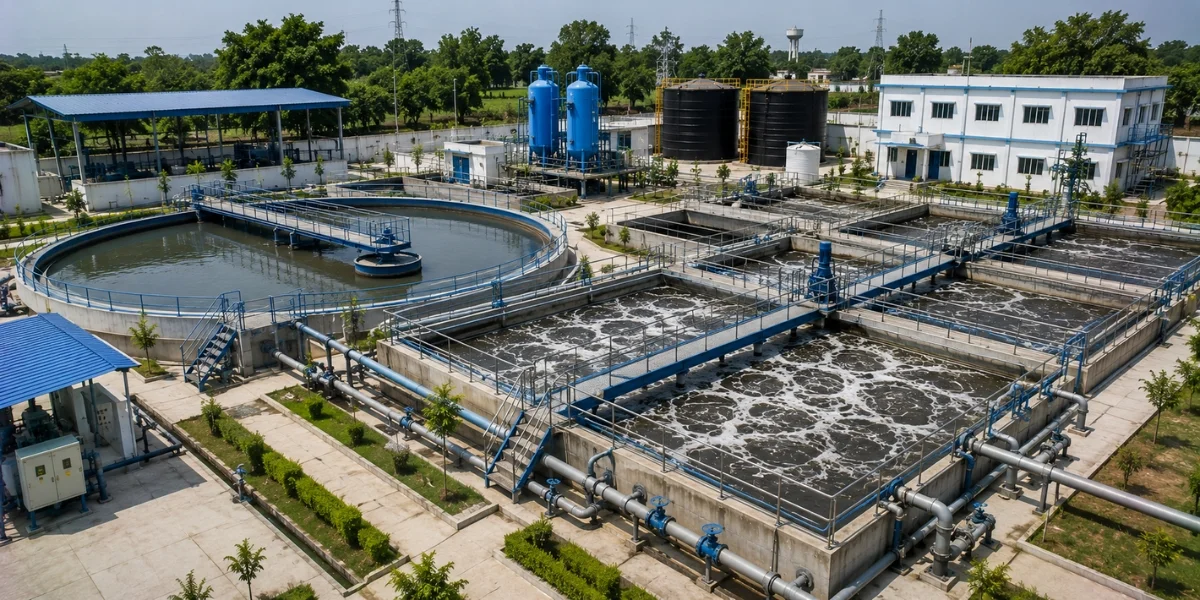
Tertiary Treatment Plant Manufacturer in India
Trity Environ Solutions manufactures tertiary treatment plants that polish treated water beyond secondary treatment, enabling genuine reuse and stricter discharge compliance.
Wastewater Recycling System Manufacturer in India
Trity Environ Solutions manufactures wastewater recycling systems using UF and RO technology, turning treated wastewater into reuse-grade water for cooling, flushing, and gardening.
PAN-INDIA CAPABILITIES
Regional Solutions & State Coverage
TECHNICAL KNOWLEDGE
Related Insights & Engineering Guides
PROVEN EXCELLENCE
Featured Turnkey Installations











Need a Custom Water or Wastewater Treatment Solution?
Our engineering team can help design the right system for your capacity, industry, and compliance requirements.

