
 ISO 9001:2015 & QCI Approved
STP and ETP Plant Manufacturer in Patna
Trity Environ Solutions is a trusted STP and ETP plant manufacturer in Patna, building wastewater systems for the capital's hospitals, hotels, apartment complexes, institutions, and the food processing and manufacturing units around Bihta, Fatuha, and Digha. With the Ganga at Patna carrying a heavy sewage load, we engineer on-site treatment that keeps your premises inside Bihar State Pollution Control Board norms, with pan India installation support behind every plant. Whether you need a sewage treatment plant manufacturer in Patna or an effluent treatment plant manufacturer in Patna, Trity Environ Solutions builds both in-house, from design to commissioning.
CPCB & SPCB Ready
Turnkey Design & Installation
Patna Generates More Sewage Than Its Plants Can Treat
Patna sits on one of the most heavily loaded stretches of the Ganga. The Bihar State Pollution Control Board's 2023-24 annual report found the river's water at Gandhi Ghat carrying faecal coliform at 36 times the prescribed criteria, and reported that the six sewage treatment plants set up under Namami Gange in the city have a combined capacity of 350 MLD while daily discharge exceeds 700 MLD, with about 20 major drains still releasing untreated sewage to the river. Earlier reporting from January 2020 had already noted that Patna and Bhagalpur together contribute more than half of the sewage reaching the Ganga from Bihar, and that the older plants had outlived their usefulness and the old sewer lines were choked.
For a hospital, hotel, housing society, or factory in Patna, that gap is a direct reason to treat water at source instead of waiting for the municipal network to catch up. Trity Environ Solutions builds sewage treatment plants for the apartment towers along Boring Road, Kankarbagh, and Danapur and for the hospitals and hotels of the city centre, and effluent treatment plants for the dairy, food, and manufacturing units on the Patna outskirts.
Planning a new building or fixing a plant that no longer performs in Patna? Request a free site assessment and our engineering team will confirm the right configuration for your site.
KEY BENEFITS
Key Benefits of STP and ETP Plant Manufacturer in Patna
Engineered for reliable BSPCB compliance, hospital grade disinfection, and treated water reuse across Patna's campuses and industrial units.
Built Around Ganga-Side Discharge Expectations
Biological treatment sized to hold BOD, COD, and suspended solids inside consent limits, which matters in a city whose river stretch has been recorded at 36 times the faecal coliform criteria.
Hospital and Institutional Ready
Biological treatment with disinfection stages for hospitals, nursing homes, medical colleges, and hotels, where untreated discharge would add directly to an already stressed river.
Less Dependence on Groundwater
Polished effluent suitable for flushing, gardening, and cooling makeup, reducing draw on the groundwater and Ganga supply that Patna depends on for drinking water.
Food and Dairy Effluent Experience
Oil, grease, and high-BOD effluent handled with screening, equalisation, and biological stages for the food processing and dairy units around the city.
Local Response Across Bihar
Installation, operator training, and AMC response for Patna and nearby districts, supported from Trity's Uttar Pradesh engineering base.
A 350 MLD Gap Is Too Large to Ignore
When city plants provide 350 MLD against more than 700 MLD of daily discharge, as the BSPCB report records, a private campus cannot treat the public network as a safety net. Pollution regulators expect a consent holder to demonstrate its own treated water quality, and an on-site plant gives you repeatable, documented results that do not depend on a drain you do not control.
Older Plants Fail Quietly Without Operation and Maintenance
The 2020 reporting on Patna's sewerage noted plants that had outlived their usefulness and choked lines, which is what neglected equipment looks like at city scale. Trity Environ Solutions supports every Patna installation with operator training, performance monitoring, and an Annual Maintenance Contract, so blowers, diffusers, and dosing systems keep the plant within consent limits. Talk to our team about AMC coverage for your facility.
A City That Drinks From the Ganga and Its Own Aquifer
A CSE study of Patna published in 2012 found that the city relied on the Ganga and groundwater for drinking, with under 10 percent of the population connected to a sewage network and most waste going to open drains that reach the river and seep into the ground. Those figures are over a decade old, but the pattern still explains why a hospital or housing society that treats and reuses its own water protects both its own supply and the neighbourhood around it.
New Sewer Lines Will Not Reach Every Building Soon
Patna's sewer programme under Namami Gange planned about 1,140 km of new lines as of 2020, and large parts of the city will take years to connect. Apartment complexes, hotels, and hospitals that cannot wait for a connection are expected to run their own STP, and Trity Environ Solutions designs these to handle morning and evening peak flows and to fit the limited plot areas typical of Patna's built-up neighbourhoods.
---
SYSTEM CONFIGURATIONS
Types of STP and ETP Plant Manufacturer in Patna Configurations
Technologies selected to match your site type, daily flow, and BSPCB consent requirements.
Apartment and Housing Society STP
Our MBBR sewage treatment plant copes with the uneven morning and evening loads of Patna's residential towers while staying compact enough for a basement or yard.
Hospitals and Nursing Homes
Our sewage treatment plant for hospital adds biological treatment and disinfection suited to the wastewater of Patna's clinics and hospitals.
Hotels, Schools and Small Campuses
Our packaged containerized sewage treatment plant arrives pre-assembled, which shortens site work for hotels, schools, and institutions with limited space.
Food and Dairy ETP
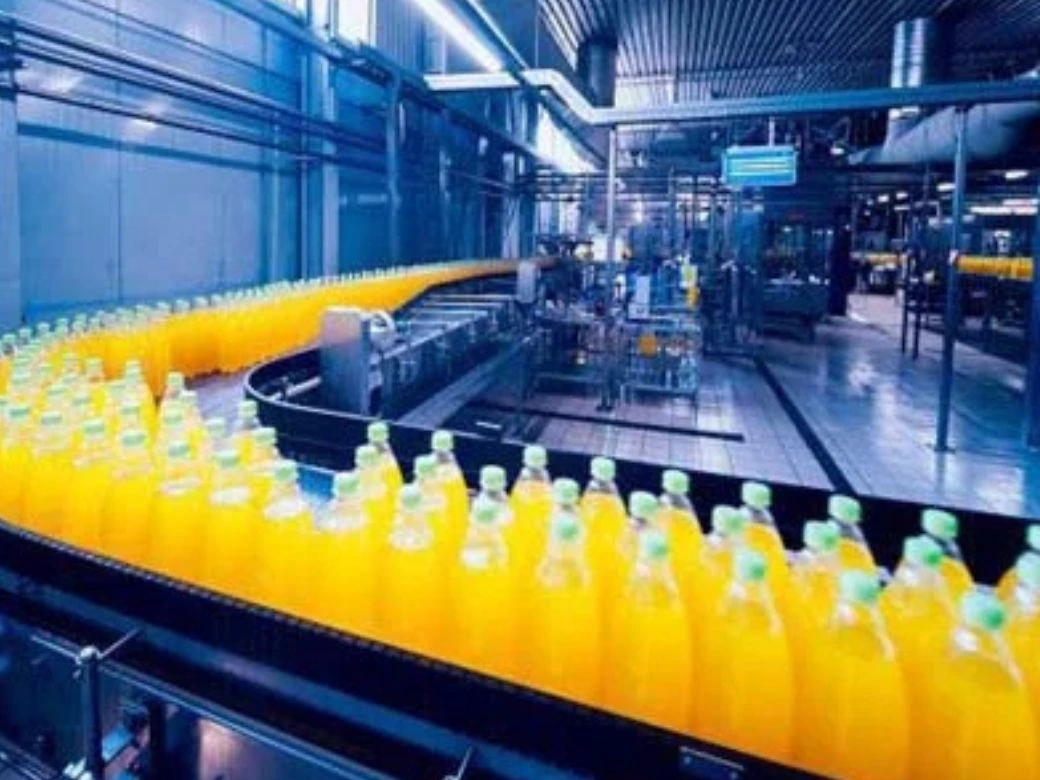
Our food and beverage effluent treatment plant removes oil, grease, and organic load from processing units before discharge.
Water Reuse and Recycling
Our wastewater recycling system polishes treated water so it can return to flushing, landscaping, or cooling, easing demand on groundwater.
TURNKEY WORKFLOW
How the STP and ETP Plant Manufacturer in Patna Process Works
A turnkey process engineered for consistent BSPCB compliant performance across hospitals, residential projects, and industrial units.
01
Site Assessment & Influent Characterisation
Flow measurement and sampling establish your real load, whether hospital sewage, residential wastewater, or food processing effluent, before design begins.
02
Design & Engineering
Technology and tank layout are fixed against your BSPCB consent conditions, available plot area, and reuse targets.
03
Manufacturing & Installation
Components are manufactured under ISO 9001:2015 quality controls, then installed and commissioned by Trity's site team.
04
Commissioning & AMC Support
The plant is tested against consent limits, operators are trained, and ongoing AMC support keeps performance consistent afterward.
---
COMMON INQUIRIES
Frequently Asked Questions
Clear answers regarding regulatory consent, installation timelines, and plant capabilities in Patna.
Q1. Which pollution control board governs STP and ETP discharge in Patna?
The Bihar State Pollution Control Board (BSPCB) issues consent to establish and consent to operate, alongside CPCB guidelines and National Green Tribunal directions on the Ganga.
Q2. Does a Patna hospital or hotel need its own STP?
Large hospitals, hotels, and housing projects generally need on-site treatment as part of their consent and clearance conditions, particularly where no connected sewer is available. Requirements vary by size and category.
Q3. Can treated water from an STP be reused in Patna?
Yes. Polished effluent is commonly reused for flushing, gardening, and cooling makeup, which also reduces groundwater use.
Q4. What ETP is suitable for food and dairy units near Patna?
Food and dairy effluent usually needs screening, oil and grease removal, equalisation, and biological treatment. The design is set after analysing your actual effluent.
Q5. How long does installation take in Patna?
Prefabricated modular plants typically commission within 45 to 90 days, while civil-based plants for larger capacities take 3 to 6 months from design approval to handover.
Q6. Can an existing Patna STP be upgraded or maintained?
Yes. We audit existing plants, retrofit capacity or technology, and take them under an annual maintenance contract so they stay within consent limits.
Q7. How do I choose a reliable STP and ETP plant manufacturer in Patna?
Look for in-house manufacturing, experience with BSPCB consent requirements, a design based on your own effluent analysis, and a clear maintenance offering after commissioning. Trity Environ Solutions builds its plants under ISO 9001:2015 quality controls and supports every installation with operator training and an annual maintenance contract. --- ---
CATALOGUE
Related Engineering Products
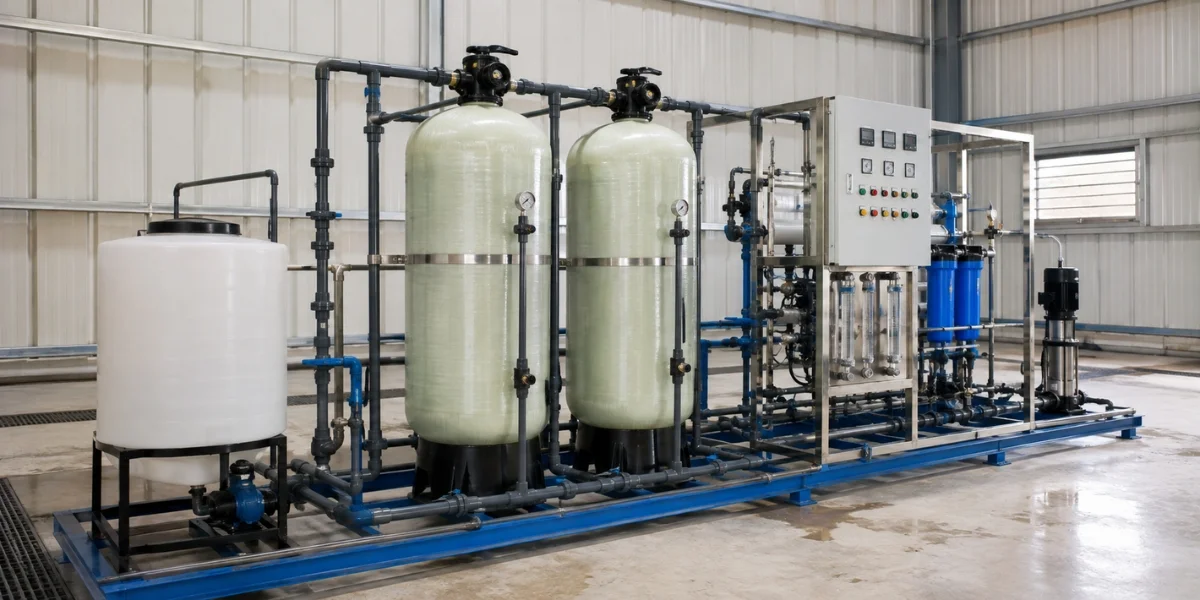
RO & Water Recycling Plant Manufacturer in India
Trity Environ Solutions manufactures RO and water recycling systems for industries and commercial facilities, engineered for reliable purity and reuse.
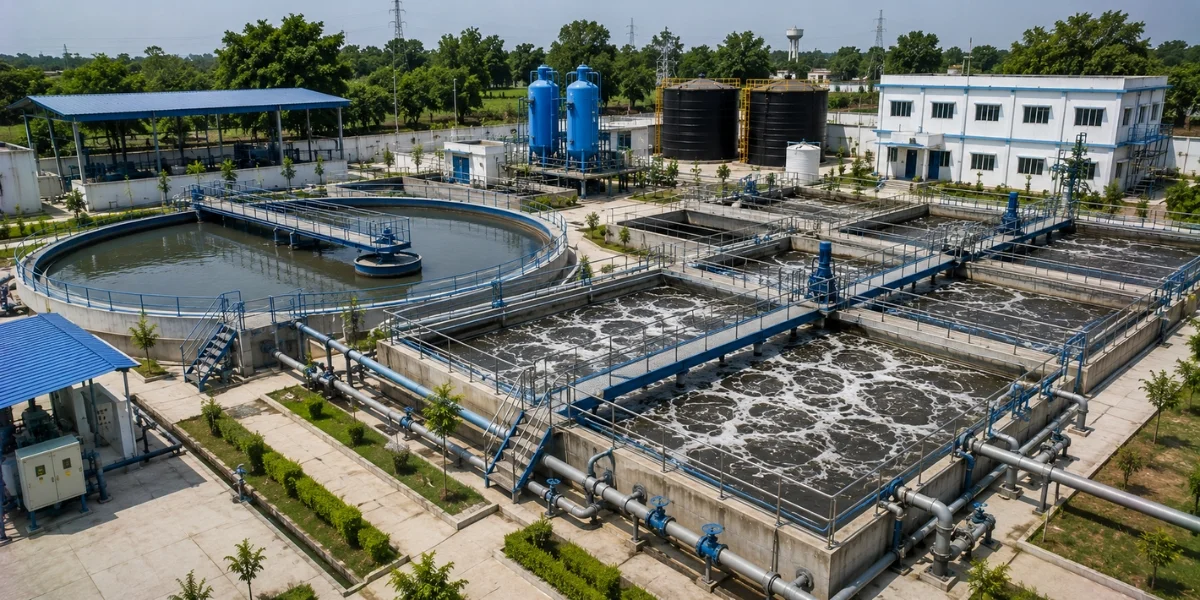
Tertiary Treatment Plant Manufacturer in India
Trity Environ Solutions manufactures tertiary treatment plants that polish treated water beyond secondary treatment, enabling genuine reuse and stricter discharge compliance.
Wastewater Recycling System Manufacturer in India
Trity Environ Solutions manufactures wastewater recycling systems using UF and RO technology, turning treated wastewater into reuse-grade water for cooling, flushing, and gardening.
PAN-INDIA CAPABILITIES
Regional Solutions & State Coverage
TECHNICAL KNOWLEDGE
Related Insights & Engineering Guides
PROVEN EXCELLENCE
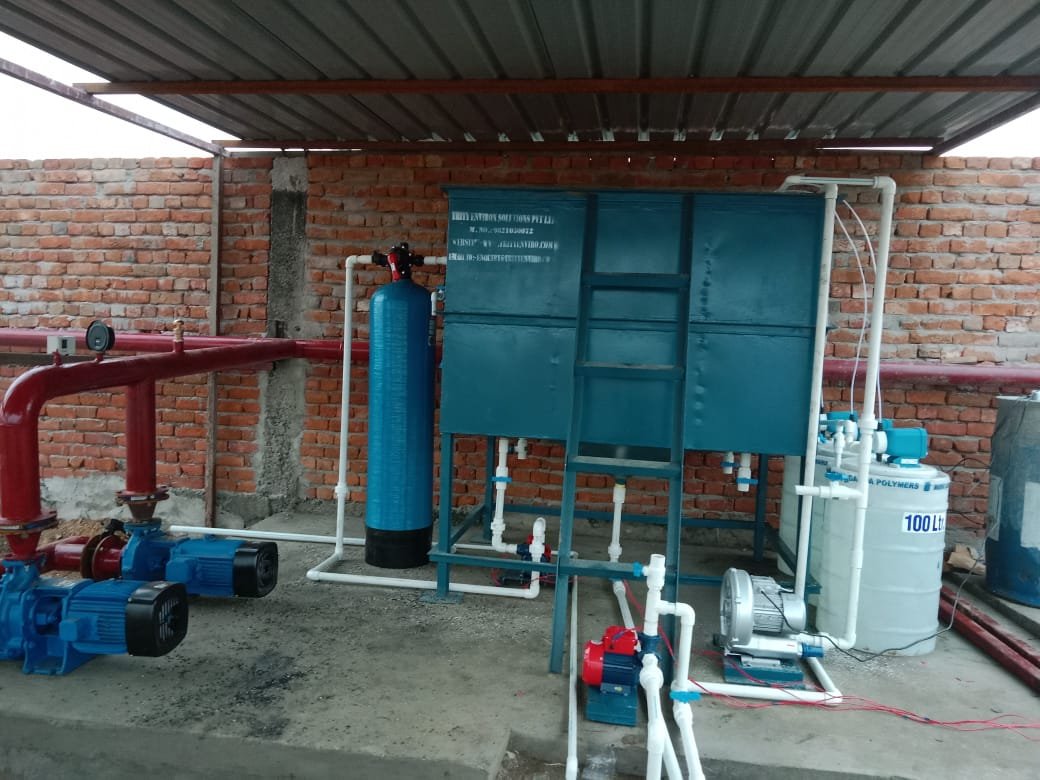
Featured Turnkey Installations




Need a Custom Water or Wastewater Treatment Solution?
Our engineering team can help design the right system for your capacity, industry, and compliance requirements.