
 ISO 9001:2015 & QCI Approved
STP and ETP Plant Manufacturer in Allahabad (Prayagraj)
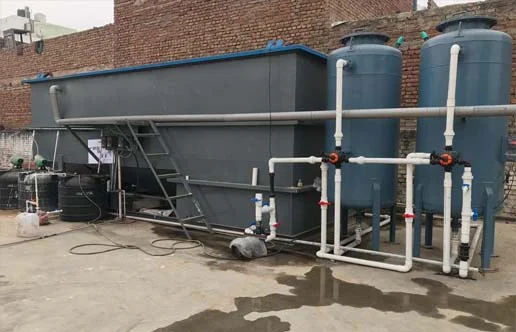
Trity Environ Solutions is a trusted STP and ETP plant manufacturer in Allahabad (Prayagraj), engineering wastewater systems for a city that periodically hosts the largest human gathering on Earth. From hotels and ashrams near Sangam to government offices and residential colonies across the city, we design with genuine reserve capacity, not a bare-minimum design flow, with pan India installation support. Whether you need a sewage treatment plant manufacturer in Allahabad (Prayagraj) or an effluent treatment plant manufacturer in Allahabad (Prayagraj), Trity Environ Solutions builds both in-house, from design to commissioning.
CPCB & SPCB Ready
Turnkey Design & Installation
A City Where Sewage Capacity Gets Tested at a Scale Few Places Ever Face
A City Where Sewage Capacity Gets Tested at a Scale Few Places Ever Face
Prayagraj's permanent wastewater infrastructure doesn't just serve a stable urban population, it periodically absorbs one of the largest temporary population surges anywhere in the world during Maha Kumbh and other Mela periods, when daily greywater and faecal sludge generation multiplies dramatically within weeks. CPCB has publicly flagged existing city STPs here for treating less sewage than they actually receive, and the National Green Tribunal has directly reprimanded UPPCB over water quality lapses during recent gatherings, a level of documented scrutiny that shapes how seriously wastewater infrastructure needs to perform in this specific city.
Trity Environ Solutions designs around that reality rather than a standard capacity chart. Whether it's a hotel or ashram near Sangam handling pilgrim traffic that spikes on auspicious dates, a government office or educational institution generating steady year-round load, or a civic body needing genuine surge capacity ahead of the next major gathering, we build in margin the minimum design flow doesn't account for.
Planning wastewater infrastructure in Prayagraj, whether permanent or Mela-period capacity? Request a free technical assessment and our engineering team will size the right system for your actual flow pattern.
KEY BENEFITS
Key Benefits of STP and ETP Plant Manufacturer in Allahabad (Prayagraj)
Engineered for genuine surge capacity, Namami Gange aligned compliance, and reliable pilgrim-season performance.
Genuine Reserve Capacity, Not Bare Minimum
Engineered with genuine reserve capacity above stated design flow, since CPCB has publicly flagged permanent city STPs here for failing to treat the full sewage volume they actually receive, particularly during peak religious gatherings.
Sized for Kumbh-Scale Population Surges
Sized for the sharp population surge that Maha Kumbh and other Mela periods bring, when daily greywater and faecal sludge generation can multiply many times over within a matter of weeks.
Built for Sangam-Area Hospitality
Built for hotels, ashrams, and dharamshalas near Sangam handling year-round pilgrim traffic that spikes dramatically during major bathing festivals and auspicious dates.
Supports Namami Gange Objectives
Supports Namami Gange compliance objectives directly, since discharge quality here connects to a national river cleaning programme under continued judicial and public scrutiny.
Faster Response During High-Scrutiny Periods
Faster local response across Prayagraj given how closely this city is tracked by NGT, CPCB, and UPPCB during religious gathering periods, when compliance visibility runs unusually high.
Existing Infrastructure Here Has a Documented Capacity Problem
CPCB's own reporting to the National Green Tribunal has detailed permanent STPs in Prayagraj that were unable to treat the complete sewage volume flowing to them, with untreated discharge reaching the Ganga and Yamuna directly during periods of peak demand. This isn't a hypothetical risk we're describing to sell a bigger plant, it's a documented, publicly reported gap between design and actual performance that shapes how we approach every sizing decision here.
Temporary Mela-Period Capacity Needs Different Engineering Than Permanent Infrastructure
During major gatherings, the city has needed to redirect untapped drains to temporary treatment arrangements and deploy portable sanitation at massive scale, a genuinely different engineering problem than sizing a permanent municipal or commercial plant. Trity Environ Solutions offers both permanent installations and rapidly deployable capacity for civic bodies and event organisers who need to bridge a temporary surge, backed by an Annual Maintenance Contract. Talk to our team about AMC coverage for your facility.
Administrative and Institutional Load Doesn't Pause for Mela Season
Prayagraj carries significant year-round institutional weight as a major administrative centre and university city, hosting the Allahabad High Court and numerous government offices alongside educational institutions generating steady, predictable sewage load quite different from the pilgrim-driven surges at Sangam. These facilities need dependable, low-maintenance effluent treatment systems and sewage treatment plants sized for consistent daily operation, not the extreme peaks that define the city's religious tourism sector.
SYSTEM CONFIGURATIONS
Types of STP and ETP Plant Manufacturer in Allahabad (Prayagraj) Configurations
Technologies selected to match your flow pattern, gathering-season demand, and institutional load.
Sangam-Area Hospitality STP
Batch-cycle biological treatment engineered for hotels, ashrams, and dharamshalas near Sangam absorbing sharp pilgrim traffic swings tied to religious calendar dates.
Mela-Period Rapid Deployment System
Compact, factory-built units deployable quickly for temporary Mela infrastructure or emergency capacity addition during peak religious gathering periods.
Institutional & Government STP
Standard biological treatment for government offices, educational institutions, and residential colonies across this major administrative and university city.
Civic Capacity Upgrade Assessment
Capacity assessment and upgrade design for civic bodies operating STPs already flagged for treating less sewage than they actually receive.
TURNKEY WORKFLOW
How the STP and ETP Plant Manufacturer in Allahabad (Prayagraj) Process Works
A turnkey process engineered for consistent performance across both steady institutional load and gathering-season surges.
01
Flow Pattern & Demand Assessment
We assess whether your site needs steady-state institutional sizing, Sangam-area hospitality surge capacity, or Mela-period temporary deployment.
02
Design & Engineering
Capacity is built with genuine reserve margin, informed by documented gaps between design and actual performance in this specific city.
03
Manufacturing & Installation
Components are manufactured under ISO 9001:2015 quality controls, then installed by our team with pan India deployment experience.
04
Commissioning & AMC Support
The plant is tested against consent conditions, operators are trained, and ongoing AMC support keeps performance consistent through seasonal demand spikes.
COMMON INQUIRIES
Frequently Asked Questions
Clear answers regarding regulatory consent, installation timelines, and plant capacities for Allahabad (Prayagraj).
Q1. Why has Prayagraj's wastewater infrastructure faced public scrutiny recently?
CPCB reported to the National Green Tribunal that existing permanent STPs in the city were unable to treat the full sewage volume they receive, particularly during Maha Kumbh, resulting in untreated discharge reaching the Ganga and Yamuna and direct NGT criticism of UPPCB.
Q2. Do hotels near Sangam need different STP sizing than standard commercial buildings?
Yes, pilgrim traffic near Sangam spikes sharply around religious festivals and auspicious bathing dates, so equalisation and biological treatment capacity need sizing against realistic peak periods, not a flat annual average.
Q3. Can you supply temporary or rapidly deployable treatment capacity for Mela periods?
Yes, we offer factory-built, quickly deployable units suited to temporary infrastructure needs during major religious gatherings, alongside our standard permanent installations.
Q4. What capacity STP does a typical Prayagraj institutional project need?
Capacity depends on your specific flow, ranging from smaller systems for individual institutions to larger civic-scale plants, confirmed through proper site and demand assessment rather than a generic chart.
Q5. How long does installation take for a Prayagraj project?
Prefabricated modular plants typically commission within 45 to 90 days, while larger civil-based systems for institutional or civic projects take 3 to 6 months from design approval.
Q6. Can an existing Prayagraj STP be upgraded to handle documented capacity shortfalls?
Yes, we undertake capacity expansion and technology upgrades on existing plants, starting with a technical audit to identify exactly where current performance falls short of actual demand.
Q7. How do I choose a reliable STP and ETP plant manufacturer in Allahabad (Prayagraj)?
Look for in-house manufacturing, experience with UPPCB consent requirements, a design based on your own effluent analysis, and a clear maintenance offering after commissioning. Trity Environ Solutions builds its plants under ISO 9001:2015 quality controls and supports every installation with operator training and an annual maintenance contract.
CATALOGUE
Related Engineering Products
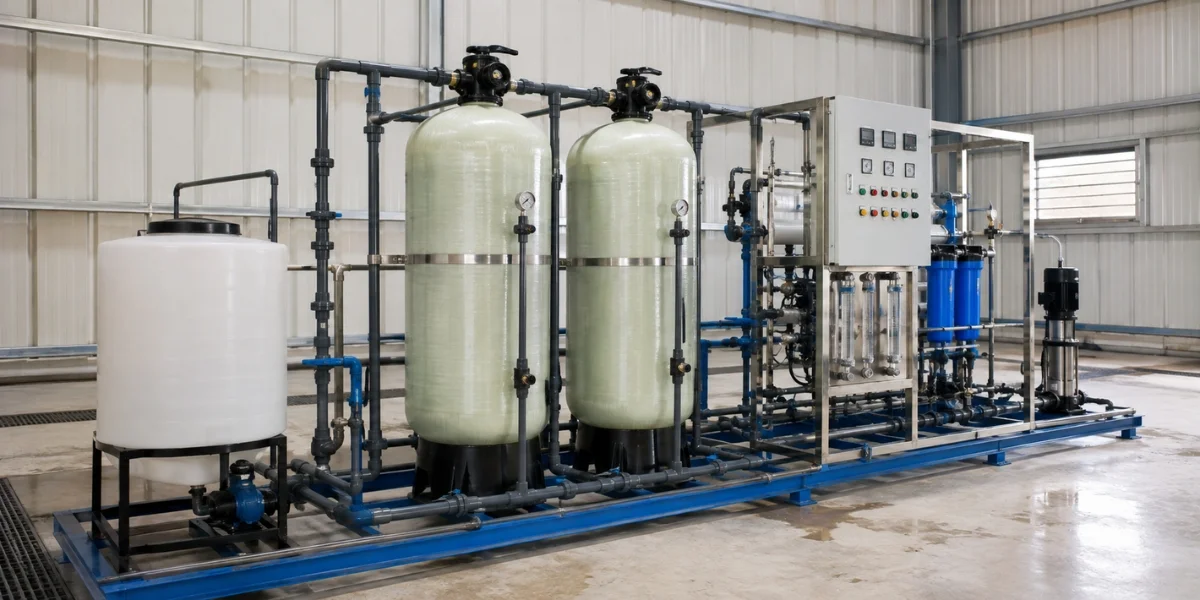
RO & Water Recycling Plant Manufacturer in India
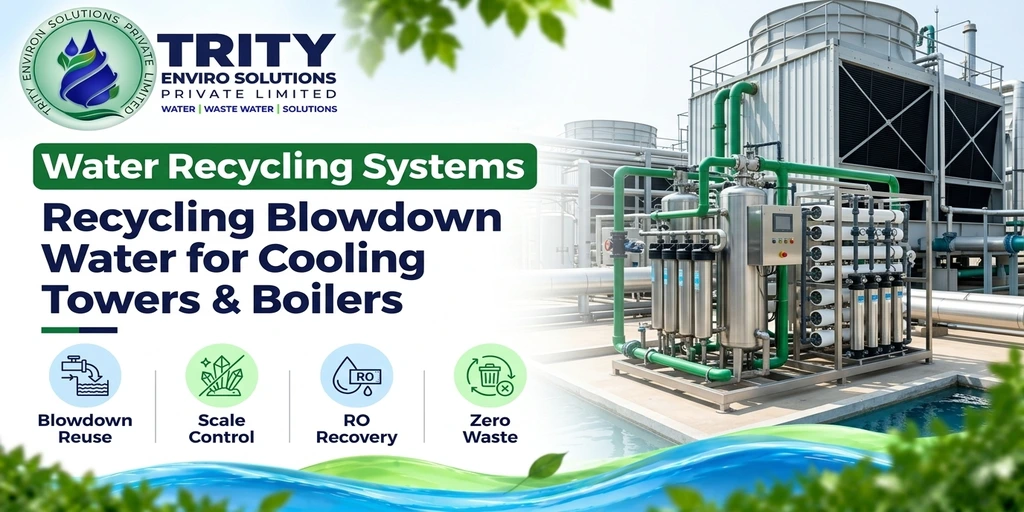
Trity Environ Solutions manufactures RO and water recycling systems for industries and commercial facilities, engineered for reliable purity and reuse.
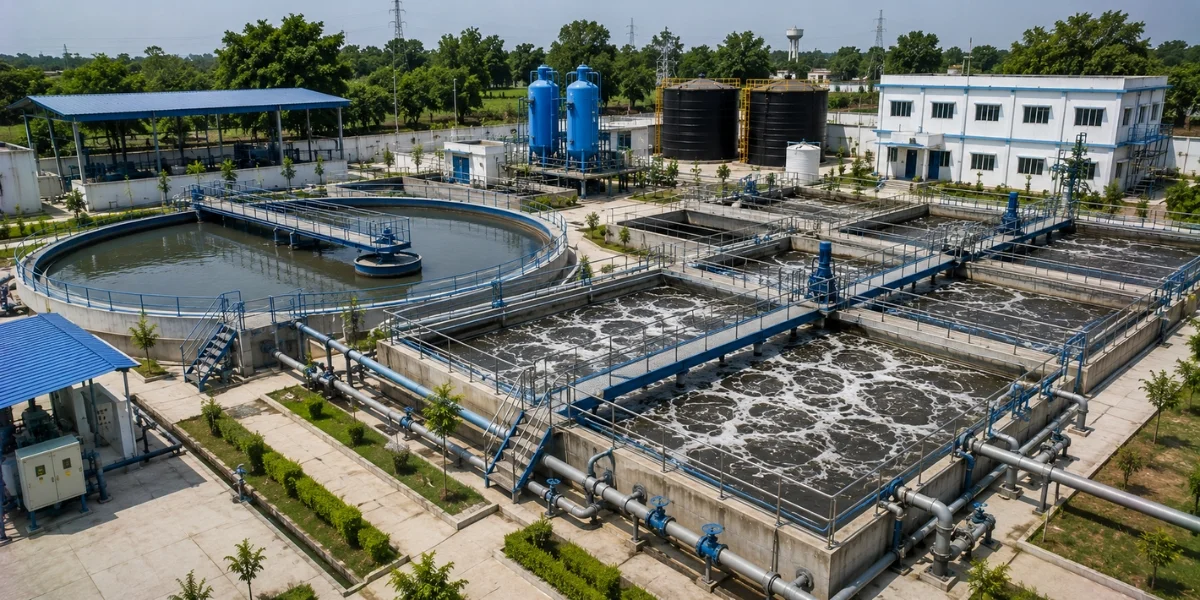
Tertiary Treatment Plant Manufacturer in India
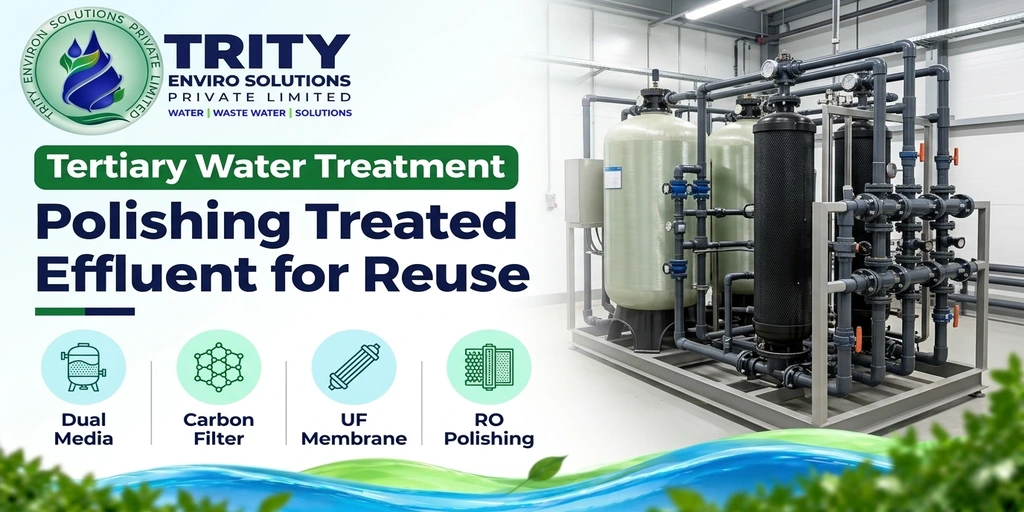
Trity Environ Solutions manufactures tertiary treatment plants that polish treated water beyond secondary treatment, enabling genuine reuse and stricter discharge compliance.
Wastewater Recycling System Manufacturer in India
Trity Environ Solutions manufactures wastewater recycling systems using UF and RO technology, turning treated wastewater into reuse-grade water for cooling, flushing, and gardening.
PAN-INDIA CAPABILITIES
Regional Solutions & State Coverage
TECHNICAL KNOWLEDGE
Related Insights & Engineering Guides
PROVEN EXCELLENCE
Featured Turnkey Installations











Need a Custom Water or Wastewater Treatment Solution?
Our engineering team can help design the right system for your capacity, industry, and compliance requirements.

