
 ISO 9001:2015 & QCI Approved
STP and ETP Plant Manufacturer in Odisha
CPCB & SPCB Ready
Turnkey Design & Installation
KEY BENEFITS
Key Benefits of STP and ETP Plant Manufacturer in Odisha
Engineered for high biological efficiency, full environmental compliance, and low lifecycle operational costs.
Built for Industrial Belt Compliance
Treatment trains designed to meet the discharge limits set in your consent, which matters in districts where the Tribunal has already examined industrial pollution.
Heavy Metal and Chemical Effluent Handling
Physico-chemical stages for metal, chemical, and process effluent, relevant to a state with many documented contaminated sites linked to chemical and aluminium operations.
Plants for Cities With Treatment Gaps
On-site sewage treatment for housing, hotels, and hospitals in cities where installed public capacity has not translated into full treatment.
Treated Water You Can Reuse
Polished effluent suitable for cooling, dust suppression, gardening, and flushing, reducing the load on borewells and surface sources.
Support Across Odisha
Installation, operator training, and AMC response for sites across the state, backed by Trity's engineering team from its Ghaziabad base.
Industrial Clusters Face Closer Scrutiny
Kalinganagar, Angul, and Talcher have all appeared in Tribunal and regulatory proceedings, and CPCB's 2021 list of contaminated sites placed Odisha first among states. Those records are several years old, but they show where attention concentrates. A unit with its own ETP and a log of treated water quality is better placed than one relying on shared drains or channels it cannot control.
Plants Fail Slowly Without Operation and Maintenance
The state's own report shows that installed capacity and actual treatment are two different numbers, and the same is true at plant level. Trity Environ Solutions supports every Odisha installation with operator training, performance monitoring, and an Annual Maintenance Contract, so blowers, diffusers, and dosing systems keep the plant within consent limits. Talk to our team about AMC coverage for your facility.
Cities Still Depend on Partial Sewage Treatment
Odisha's 2024 compliance report put treated sewage in its five sewered cities at roughly half of the 333.40 MLD generated, and listed household connectivity as a goal for June 2028. Until then, campuses, hotels, hospitals, and large housing projects in Bhubaneswar, Cuttack, Rourkela, and Sambalpur are better served by a dedicated STP that reuses its output.
---
SYSTEM CONFIGURATIONS
Types of STP and ETP Plant Manufacturer in Odisha Configurations
Tailored industrial configurations matched to specific effluent composition, flow rates, and space constraints.
Chemical and Process Industry ETP
Our chemical industry effluent treatment plant is designed around the specific pollutants in your process, from organics to dissolved metals.
Metal and General Industrial Effluent
Our physico-chemical effluent treatment plant treats metal, mining-support, and manufacturing effluent through coagulation, flocculation, and clarification.
Zero Liquid Discharge
Our zero liquid discharge system recovers water from high TDS effluent so units can stop discharging altogether.
Townships, Hotels and Housing STP
Our MBBR sewage treatment plant is a compact, low maintenance option for townships, hotels, and apartment projects in Odisha's cities.
Hospitals and Institutions
Our sewage treatment plant for hospital installations add disinfection and odour control to biological treatment for hospitals and medical colleges.
TURNKEY WORKFLOW
How the STP and ETP Plant Manufacturer in Odisha Process Works
A sequential, multi-stage treatment methodology engineered for maximum contaminant removal and water recovery.
01
Site Assessment & Influent Characterisation
Flow measurement and sampling establish your actual load, whether industrial effluent, hospital wastewater, or domestic sewage, before design begins.
02
Design & Engineering
Technology and layout are fixed against your consent conditions, available space, and reuse targets.
03
Manufacturing & Installation
Components are manufactured under ISO 9001:2015 quality controls, then installed and commissioned by Trity's site team.
04
Commissioning & AMC Support
The plant is tested against consent limits, operators are trained, and ongoing AMC support keeps performance consistent afterward.
---
COMMON INQUIRIES
Frequently Asked Questions
Clear answers regarding regulatory consent, installation timelines, and plant capabilities in Odisha.
Q1. Which pollution control board governs STP and ETP discharge in Odisha?
The State Pollution Control Board, Odisha (OSPCB) issues consent to establish and consent to operate, alongside CPCB guidelines and any National Green Tribunal directions.
Q2. Which parts of Odisha do you serve?
Trity Environ Solutions supplies plants across the state, including Bhubaneswar, Cuttack, Rourkela, Sambalpur, Angul, Talcher, Jajpur, and Balasore, with pan India installation support.
Q3. Can you build an ETP for chemical and metal industries?
Yes. These units need treatment designed around their own pollutants, so each plant is based on your effluent analysis and, where required, includes dewatering for the sludge it produces.
Q4. Do hospitals and hotels in Odisha need an STP?
Large hospitals, hotels, and housing projects generally need an STP as part of consent conditions, and treated water is expected to be reused where possible. Requirements vary by project category.
Q5. How long does installation take in Odisha?
Prefabricated modular plants typically commission within 45 to 90 days, while civil-based plants for larger capacities take 3 to 6 months from design approval to handover.
Q6. Can an existing Odisha plant be upgraded or maintained?
Yes. We audit existing plants, retrofit capacity or technology, and take them under an annual maintenance contract.
Q7. How do I choose a reliable STP and ETP plant manufacturer in Odisha?
Look for in-house manufacturing, experience with OSPCB consent requirements, a design based on your own effluent analysis, and a clear maintenance offering after commissioning. Trity Environ Solutions builds its plants under ISO 9001:2015 quality controls and supports every installation with operator training and an annual maintenance contract. --- ---
CATALOGUE
Related Engineering Products
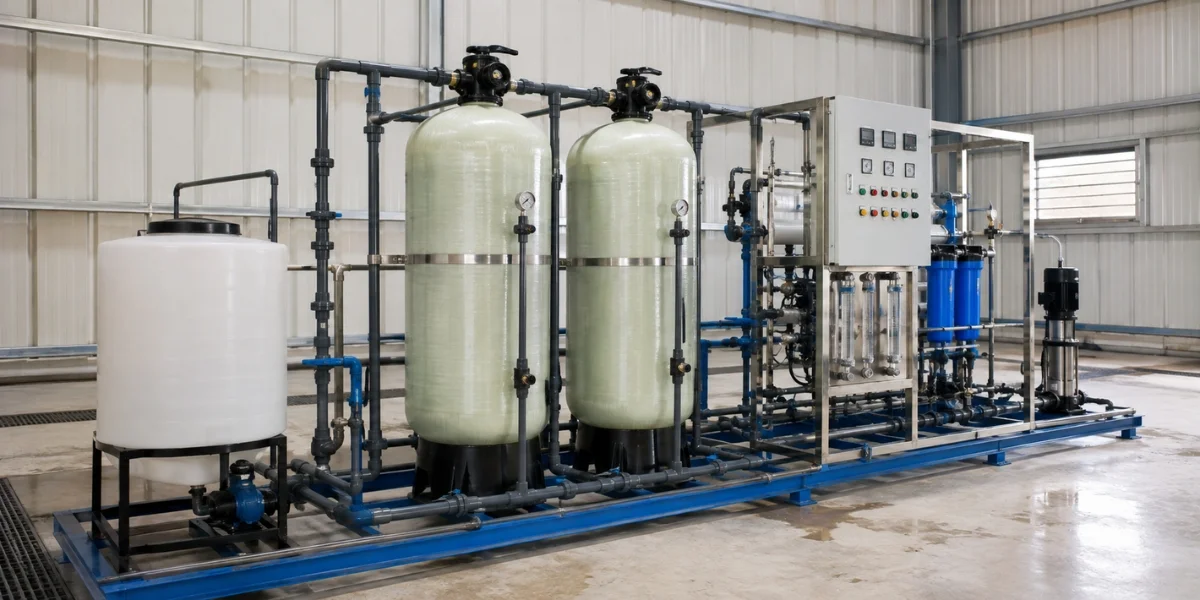
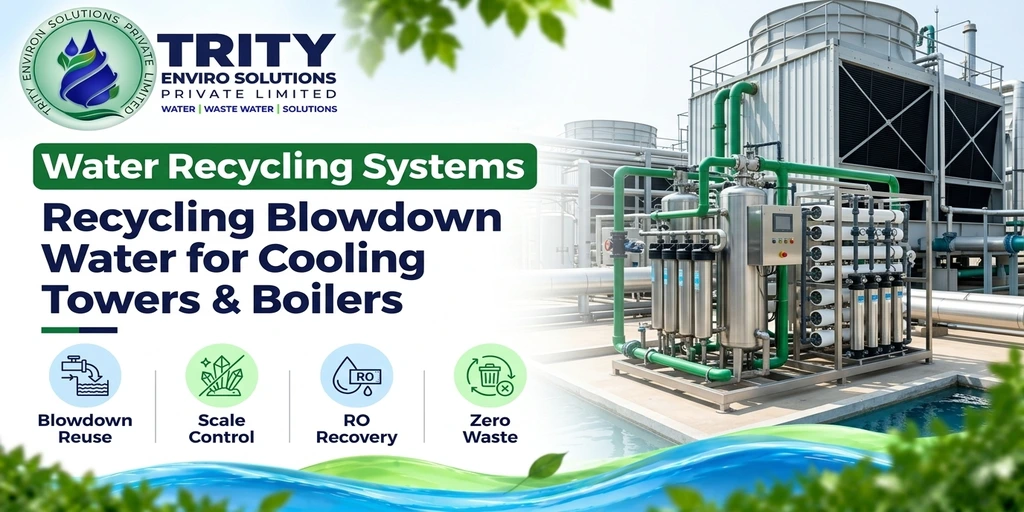
RO & Water Recycling Plant Manufacturer in India
Trity Environ Solutions manufactures RO and water recycling systems for industries and commercial facilities, engineered for reliable purity and reuse.
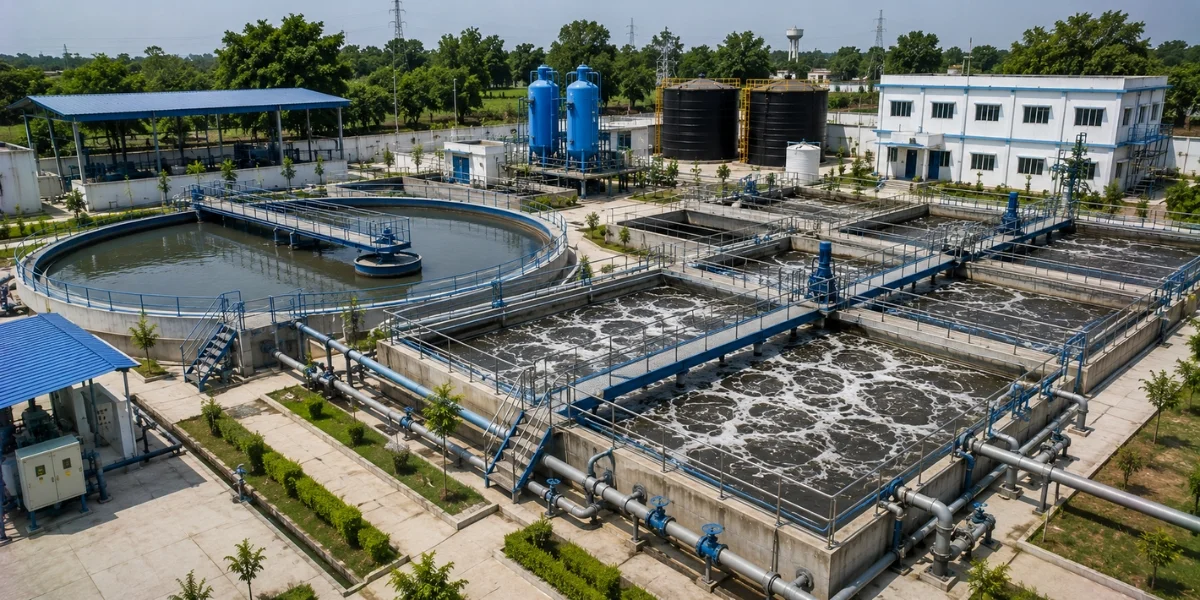
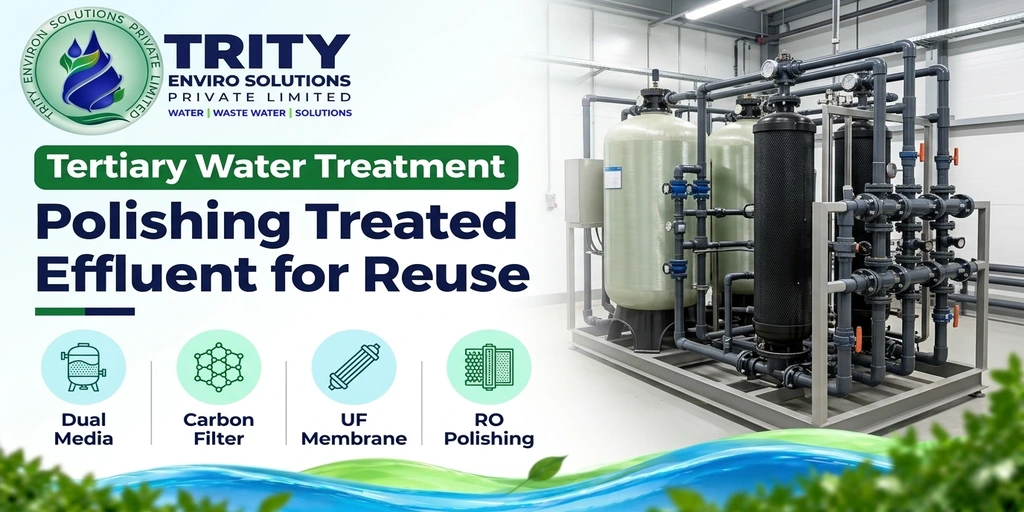
Tertiary Treatment Plant Manufacturer in India
Trity Environ Solutions manufactures tertiary treatment plants that polish treated water beyond secondary treatment, enabling genuine reuse and stricter discharge compliance.
Wastewater Recycling System Manufacturer in India
Trity Environ Solutions manufactures wastewater recycling systems using UF and RO technology, turning treated wastewater into reuse-grade water for cooling, flushing, and gardening.
PAN-INDIA CAPABILITIES
Regional Solutions & State Coverage
TECHNICAL KNOWLEDGE
Related Insights & Engineering Guides
PROVEN EXCELLENCE
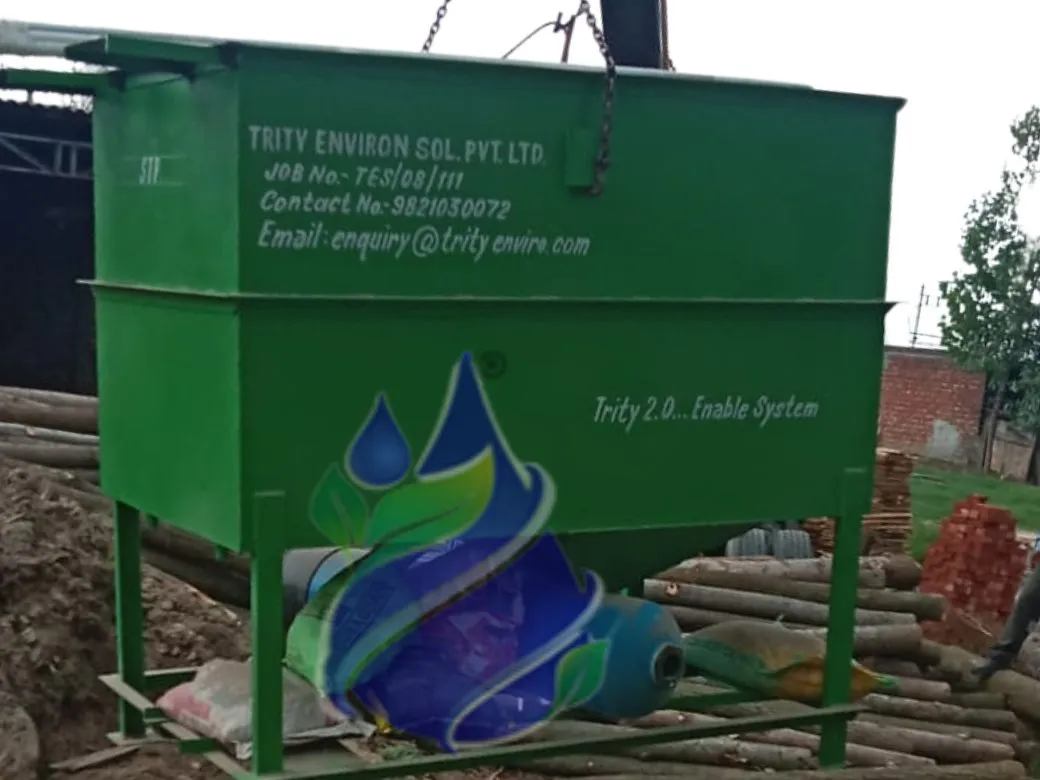
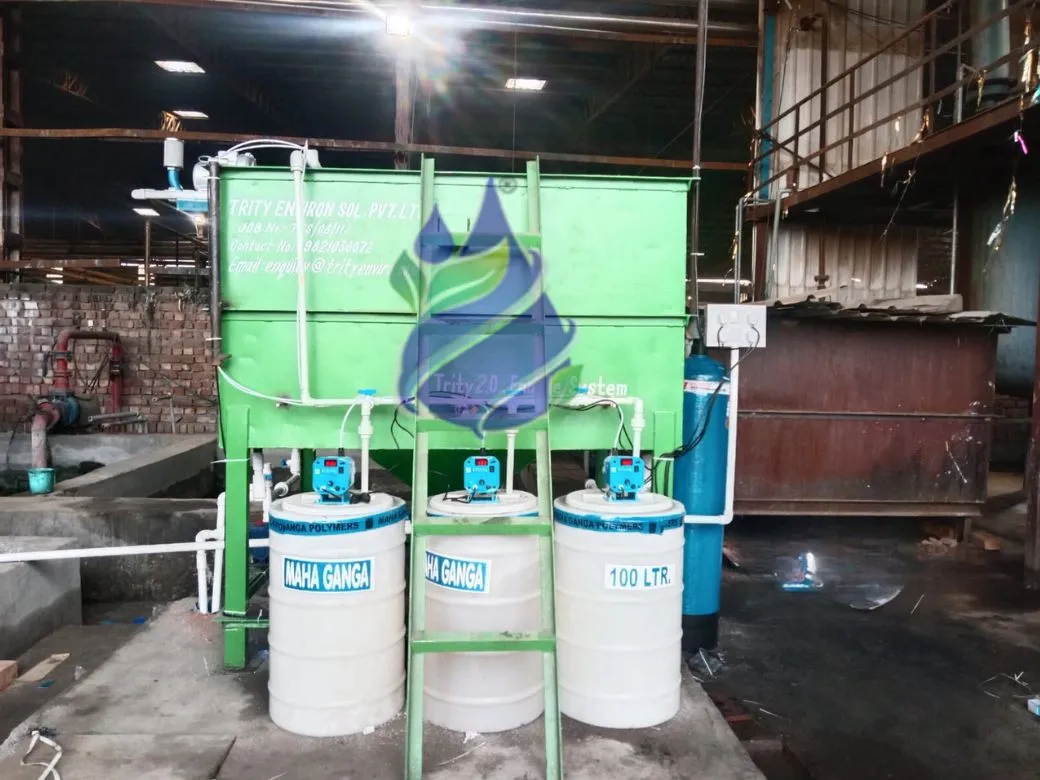
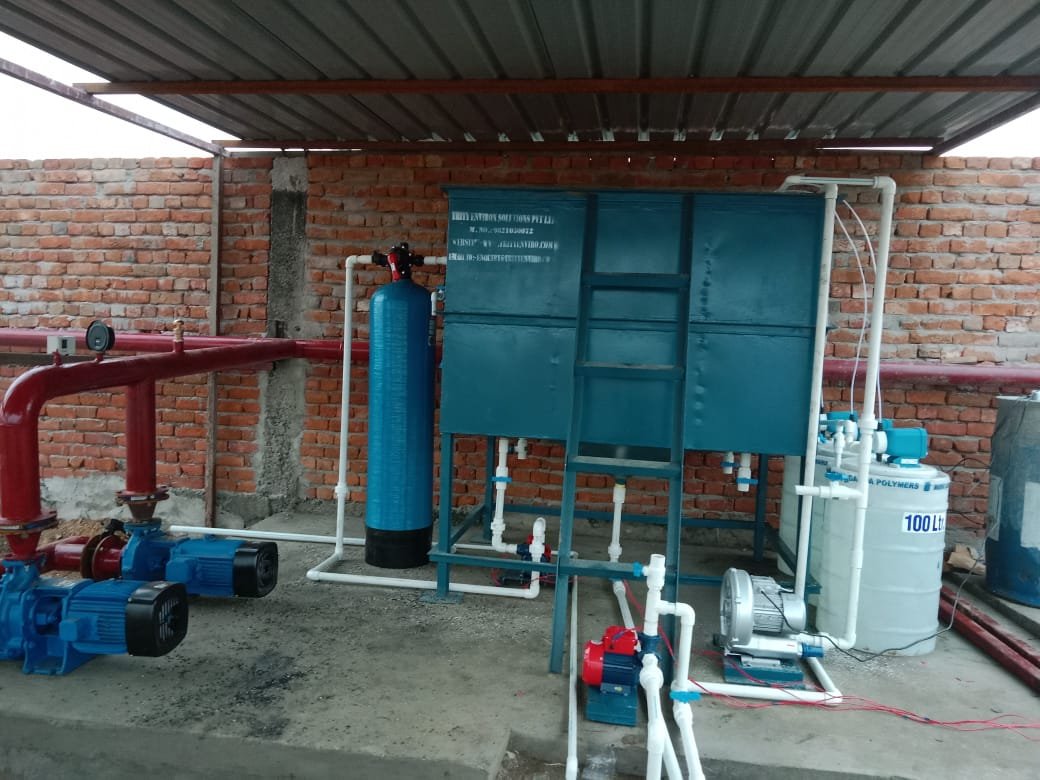
Featured Turnkey Installations




Need a Custom Water or Wastewater Treatment Solution?
Our engineering team can help design the right system for your capacity, industry, and compliance requirements.