
 ISO 9001:2015 & QCI Approved
Effluent Treatment Plant Manufacturer in Uttar Pradesh
Trity Environ Solutions is a trusted effluent treatment plant manufacturer in Uttar Pradesh, headquartered in Ghaziabad and building industrial wastewater systems for tanneries, carpet and textile dyeing, paper and sugar mills, distilleries, glass, and engineering units across the state. With the Ganga, Yamuna, and Hindon basins under close regulatory watch, it designs plants that handle chromium, colour, and high organic load and keep discharge measurably inside limits, with pan India installation support behind every project. Trity Environ Solutions designs, manufactures, and commissions each plant in-house, from effluent analysis to handover.
SPCB / CPCB Norm Compliant
Heavy Fabrication
Every Industrial Cluster in Uttar Pradesh Sits on a River Under Watch
Industrial effluent in Uttar Pradesh is a river-basin issue, and the numbers from individual clusters show why. In Kanpur, a 20 MLD common effluent plant at Jajmau began operating in August 2025, yet in September 2025 the Central Pollution Control Board flagged non-compliance across the tannery clusters of Jajmau, Unnao, and Banthar, noting that the Jajmau plant was not meeting BOD and TDS standards, with TDS about five times above the norm. On the Hindon, a Down To Earth analysis of CPCB 2023 data reported effluent from 357 industries, and in March 2023 the National Green Tribunal, noting a joint committee finding of 310 grossly polluting industries, directed environmental compensation of 10 percent of turnover and closure of units that continue to pollute. The Tribunal's 2014 order had earlier led the Uttar Pradesh Pollution Control Board (UPPCB) to issue notices to 956 grossly polluting industries, among them distilleries, dyeing and textile units, paper mills, and tanneries.
Other clusters carry their own risk. Firozabad's glass and bangle units use dyes containing heavy metals and the city has been classified as a critically polluted industrial area, while Bhadohi's carpet industry produces wastewater heavy in dye colour and fibre residue along the Ganga. For a unit in any of these belts, the practical route to consent is a well designed plant of its own. Trity Environ Solutions builds effluent treatment plants around your own wastewater analysis, whether the load is chromium, colour, oil, or organic matter.
Running a unit anywhere in Uttar Pradesh? Request a free site assessment and the engineering team will confirm a suitable configuration for your process.
WHY THIS SYSTEM?
Key Benefits of Effluent Treatment Plant Manufacturer in Uttar Pradesh
Engineered for high biological efficiency, full environmental compliance, and low lifecycle operational costs.
Matched to Each Industrial Cluster
Chromium and TDS handling for tanning, dye removal for carpets and textiles, heavy metal control for glass and metal units, and organic load treatment for sugar, dairy, and distillery effluent.
TDS and BOD You Can Measure
Treatment stages and sampling points aimed at the parameters regulators check at the outlet, including BOD, COD, TDS, and metals, so results can be recorded rather than assumed.
Online Monitoring Ready
Provision for flow metering and continuous effluent monitoring at the outlet, which large industries in the Ganga basin are expected to feed to CPCB and UPPCB.
Water Reuse and Lower Discharge
Treated effluent returned to cooling, washing, and process use, which reduces fresh water demand and the volume that leaves the site.
Local Base and Faster Response
A Ghaziabad manufacturing base inside the state shortens site access, commissioning, and AMC response compared with suppliers based outside UP.
Shared Plants Do Not Guarantee Your Compliance
The Jajmau common plant was flagged within weeks of starting up, and the Hindon order placed responsibility on individual units. Regulators work from numbers and site inspections, so an industrial plant needs a design that starts from effluent analysis and keeps a dated record of treated water quality. Where a unit also wants to cut fresh water use, a wastewater recycling system can be added after the main treatment train.
Industrial Plants Fail Slowly Without Operation Support
Dosing pumps drift, sludge pipelines choke, and clarifiers overflow when nobody watches them, which is how a plant that passed commissioning ends up in a notice. Trity Environ Solutions supports every Uttar Pradesh installation with operator training, performance checks, and an Annual Maintenance Contract, so chemical dosing, blowers, and sludge handling stay within consent limits. Talk to our team about AMC coverage for your facility.
City and Cluster Pages for Industry
Each cluster has its own effluent, and city pages cover them in detail: Kanpur for tanneries, Saharanpur for paper, sugar, and distilleries on the Hindon, Bhadohi for carpets, Firozabad for glass, Meerut, Bulandshahr, Noida, and Ghaziabad for engineering and processing units. Fine solids and emulsified oil from some processes can be lifted by a dissolved air flotation stage before the main treatment train.
Related Wastewater Services in Uttar Pradesh
This page covers industrial effluent only. For domestic sewage from housing, hospitals, and hotels, see the sewage treatment plant manufacturer in Uttar Pradesh page. The combined overview of both services is on the STP and ETP plant manufacturer in Uttar Pradesh page.
SYSTEM CONFIGURATIONS
Types of Effluent Treatment Plant Manufacturer in Uttar Pradesh Configurations
Tailored industrial configurations matched to specific effluent composition, flow rates, and space constraints.
Tannery and Chemical Effluent
Our chemical industry effluent treatment plant handles chromium, sulphide, acidic, and alkaline process water from tanneries and chemical units.
Explore Configuration
Dyeing and Carpet Units
Our textile dyeing effluent treatment plant removes colour, COD, and dissolved solids from carpet, textile, and processing units.
Explore Configuration
Sugar, Dairy and Food Units
Our food and beverage effluent treatment plant treats the high organic load from sugar, dairy, and processing units across the state.
Explore Configuration
Glass, Metal and Engineering Units
Our physico-chemical effluent treatment plant removes metals and suspended solids through pH correction, coagulation, flocculation, and clarification.
Explore Configuration
Zero Liquid Discharge
Our zero liquid discharge system recovers water through filtration, membranes, and evaporation, for units that are required or choose to send no effluent out of the site.
Explore Configuration
STEP-BY-STEP WORKFLOW
How the Effluent Treatment Plant Manufacturer in Uttar Pradesh Process Works
A sequential, multi-stage treatment methodology engineered for maximum contaminant removal and water recovery.
01
Site Assessment & Effluent Characterisation
Flow measurement and sampling establish your actual load, including chromium, colour, COD, and suspended solids, before design begins.
02
Design & Engineering
Technology and layout are fixed against your UPPCB consent conditions, available space, and reuse targets.
03
Manufacturing & Installation
Components are manufactured under ISO 9001:2015 quality controls at Trity's Ghaziabad facility, then installed and commissioned by its site team.
04
Commissioning & AMC Support
The plant is tested against consent limits, operators are trained, and ongoing AMC support keeps performance consistent afterward.
COMMON INQUIRIES
Frequently Asked Questions
Q1. Which pollution control board governs effluent discharge in Uttar Pradesh?
The Uttar Pradesh Pollution Control Board (UPPCB) issues consent to establish and consent to operate, alongside CPCB guidelines and National Green Tribunal directions, especially for units on the Ganga basin.
Q2. Do industries in Uttar Pradesh need online effluent monitoring?
Grossly polluting industries are required to have continuous effluent monitoring at the treatment plant outlet, with data reaching CPCB and UPPCB. Whether your unit falls in this category depends on its sector and size.
Q3. Can you build an ETP for a tannery or leather unit in Kanpur?
Yes. These units need chromium handling and TDS control beyond a standard biological plant, so the system is designed from your own effluent analysis and discharge conditions rather than a template.
Q4. Can industrial effluent be reused in Uttar Pradesh?
Yes. Treated effluent can go to cooling, washing, and gardening, and with filtration or membranes it can meet stricter process quality, up to zero liquid discharge where required.
Q5. How long does installation take in Uttar Pradesh?
Prefabricated modular plants typically commission within 45 to 90 days, while civil-based plants for larger capacities take 3 to 6 months from design approval to handover.
Q6. Can an existing Uttar Pradesh ETP be upgraded or maintained?
Yes. We audit existing plants, retrofit capacity or technology, and take them under an annual maintenance contract so they stay within consent limits.
Q7. How do I choose a reliable effluent treatment plant manufacturer in Uttar Pradesh?
Look for in-house manufacturing, experience with UPPCB consent requirements, a design based on your own effluent analysis, and a clear maintenance offering after commissioning. Trity Environ Solutions builds its plants under ISO 9001:2015 quality controls at its Ghaziabad facility and supports every installation with operator training and an annual maintenance contract.
CATALOGUE
Related Engineering Products
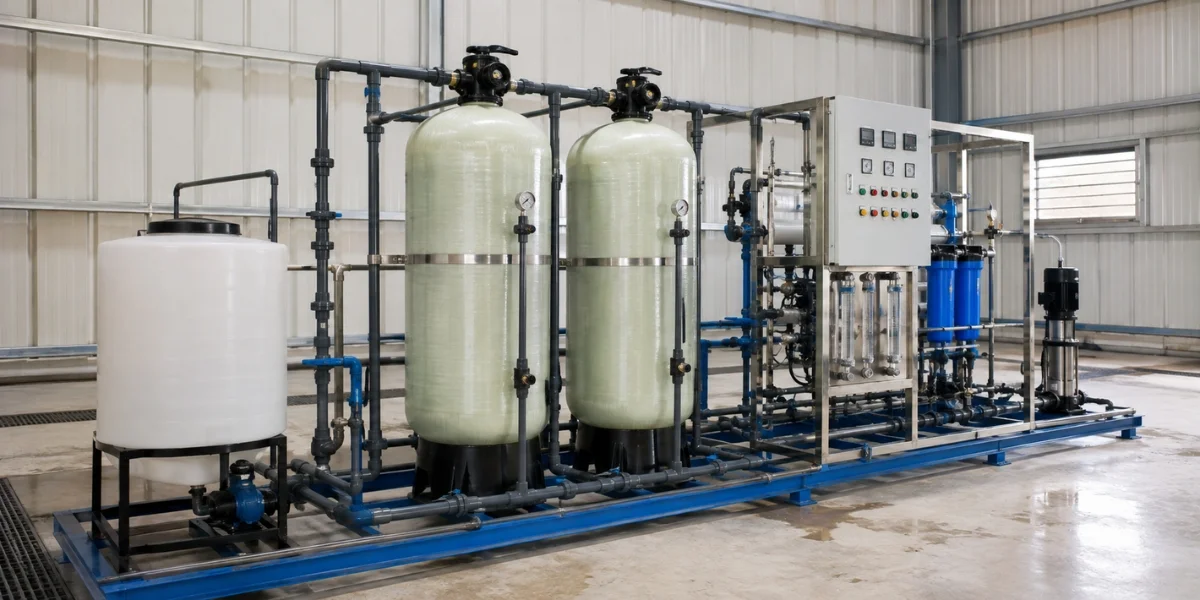
RO & Water Recycling Plant Manufacturer in India
Trity Environ Solutions manufactures RO and water recycling systems for industries and commercial facilities, engineered for reliable purity and reuse.
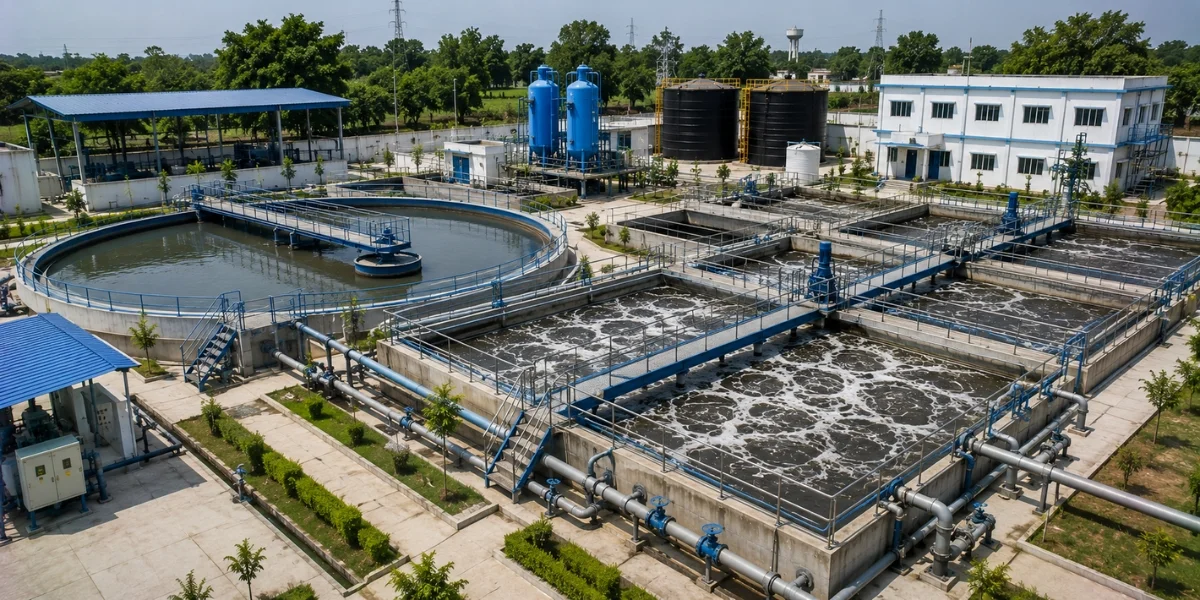
Tertiary Treatment Plant Manufacturer in India
Trity Environ Solutions manufactures tertiary treatment plants that polish treated water beyond secondary treatment, enabling genuine reuse and stricter discharge compliance.
Wastewater Recycling System Manufacturer in India
Trity Environ Solutions manufactures wastewater recycling systems using UF and RO technology, turning treated wastewater into reuse-grade water for cooling, flushing, and gardening.
PAN-INDIA CAPABILITIES
Regional Solutions & State Coverage
TECHNICAL KNOWLEDGE
Related Insights & Engineering Guides
PROVEN EXCELLENCE
Featured Turnkey Installations











Need a Custom Water or Wastewater Treatment Solution?
Our engineering team can help design the right system for your capacity, industry, and compliance requirements.

