
 ISO 9001:2015 & QCI Approved
STP and ETP Plant Manufacturer in Lucknow
Trity Environ Solutions is a trusted STP and ETP plant manufacturer in Lucknow, building wastewater systems for the capital's hospitals, hotels, housing societies, institutional campuses, and industrial units in areas such as Amausi and Chinhat. With 33 of the city's 34 drains opening into the Gomti, we engineer on-site treatment that keeps your premises compliant, with pan India installation support behind every plant. Whether you need a sewage treatment plant manufacturer in Lucknow or an effluent treatment plant manufacturer in Lucknow, Trity Environ Solutions builds both in-house, from design to commissioning.
CPCB & SPCB Ready
Turnkey Design & Installation
The Gomti Carries the Load That Lucknow's Treatment Capacity Cannot Yet Handle
Lucknow's own municipal filing before the National Green Tribunal gives a clear picture of the gap. In its reply of 13 September 2025 in OA No. 403 of 2024, the Jal Kal Vibhag of Lucknow Nagar Nigam reported 34 drains in the city, 33 of them flowing into the Gomti, and listed 445 MLD of existing STP capacity in operation against a stated requirement of 786.80 MLD. Most of the treated flow goes through the 345 MLD Bharwara plant and the 56 MLD Daulatganj plant, and the same reply noted that eight drains were still waiting to be treated. The Gomti is also the raw water source for the Aishbagh and Balaganj water treatment plants, which makes its quality a daily concern for the whole city.
For a hospital, hotel, residential society, or factory in Lucknow, the practical conclusion is simple: a plant on your own premises is the only treatment you fully control. Trity Environ Solutions builds sewage treatment plants for the hospitals, hotels, and townships of Gomti Nagar, Sultanpur Road, and Raebareli Road, and effluent treatment plants for the food, beverage, and engineering units of the city's industrial areas.
Planning a new project or fixing an underperforming plant in Lucknow? Request a free site assessment and our engineering team will confirm the right configuration for your site.
KEY BENEFITS
Key Benefits of STP and ETP Plant Manufacturer in Lucknow
Engineered for reliable UPPCB compliance, hospital grade disinfection, and treated water reuse across the Gomti basin.
Built for UPPCB Consent Limits
Systems engineered to hold the BOD, COD, and TSS limits set in your consent, so your discharge never depends on how a shared drain or a municipal plant is performing that day.
Hospital and Institutional Ready
Biological treatment followed by disinfection for the hospitals, medical colleges, and hotels that a state capital supports, with stable output through changing daily loads.
Protecting a Drinking Water Source
Cleaner discharge matters in a city where the Gomti also supplies the Aishbagh and Balaganj water treatment plants, which is why regulators watch every outfall closely.
Food and Allied Industry Know-How
Oil, grease, and high organic load handled by plants designed for dairies, bakeries, beverage units, and similar processors operating around Lucknow.
Local Response Across Central UP
Quicker site access and AMC response across Lucknow, Barabanki, and Unnao from Trity's Uttar Pradesh engineering base, with operator training on every installation.
Eight Drains Waiting for Treatment Is Not a Compliance Plan
The Nagar Nigam's September 2025 reply to the Tribunal still listed eight drains yet to be treated, and shows existing capacity of 445 MLD against a requirement of 786.80 MLD. Until new capacity is commissioned, any property that sends untreated wastewater into a shared drain is adding to a load the city is struggling to carry. An on-site plant gives you measured, repeatable water quality at your own gate.
A Plant on Paper Is Not a Plant That Performs
In April 2016, UPPCB's own laboratory readings placed dissolved oxygen in the Gomti downstream of the barrage at only 1 to 3.5 mg/L, against a healthy level of about 6 mg/L, even though officials said most drains had been diverted to Bharwara. The lesson applies to every private plant too: performance depends on operation. Trity Environ Solutions supports each Lucknow installation with operator training, monitoring, and an Annual Maintenance Contract, so blowers, diffusers, and dosing pumps keep the plant within consent limits. Talk to our team about AMC coverage for your facility.
Hospitals and Hotels Cannot Wait for New Public Plants
The same filing shows four STPs under construction and three more proposed, including a 100 MLD plant at Bijnor for which the letter of award was issued on 2 June 2025. Those plants will take time, while hospitals and hotels generate wastewater every hour. Trity Environ Solutions designs sewage plants for healthcare and hospitality sites with odour control, disinfection, and reuse of treated water for gardens and flushing.
Industrial Units Need Their Own ETP
Municipal drains and STPs are built for domestic sewage, not for oily, high-COD, or chemical-laden process water. Food, beverage, engineering, and allied units in Lucknow's industrial areas need pre-treatment at source, and pairing the ETP with a recycling stage cuts fresh water demand and the volume sent to any drain.
---
SYSTEM CONFIGURATIONS
Types of STP and ETP Plant Manufacturer in Lucknow Configurations
Technologies selected to match your site type, effluent load, and UPPCB consent requirements.
Hospitals and Medical Colleges
Our sewage treatment plant for hospital combines biological treatment with disinfection for the clinical and campus wastewater of Lucknow's healthcare institutions.
Housing Societies, Hotels and Townships
Our MBBR based sewage treatment plant handles the morning and evening peaks of residential and hospitality sites in a compact footprint.
Food, Dairy and Beverage ETP
Our food and beverage effluent treatment plant removes oil, grease, and organic load from processing units before discharge.
General Industrial ETP
Our physico-chemical effluent treatment plant treats engineering and allied process effluent through coagulation, flocculation, and clarification.
Water Reuse and Recycling
Our wastewater recycling system polishes treated water so it can return to flushing, landscaping, or cooling instead of leaving the premises.
TURNKEY WORKFLOW
How the STP and ETP Plant Manufacturer in Lucknow Process Works
A turnkey process engineered for consistent UPPCB compliant performance across healthcare, hospitality, and industrial sites.
01
Site Assessment & Influent Characterisation
Flow measurement and sampling establish your actual load, whether hospital sewage, hotel wastewater, or food processing effluent, before design begins.
02
Design & Engineering
Technology and tank layout are fixed against your UPPCB consent category, available space, and reuse targets.
03
Manufacturing & Installation
Components are manufactured under ISO 9001:2015 quality controls, then installed and commissioned by Trity's site team.
04
Commissioning & AMC Support
The plant is tested against consent limits, operators are trained, and ongoing AMC support keeps performance consistent afterward.
---
COMMON INQUIRIES
Frequently Asked Questions
Clear answers regarding regulatory consent, installation timelines, and plant capabilities in Lucknow.
Q1. Which pollution control board governs STP and ETP discharge in Lucknow?
The Uttar Pradesh Pollution Control Board (UPPCB) issues consent to establish and consent to operate, alongside CPCB guidelines and National Green Tribunal directions on the Gomti.
Q2. Does a hospital in Lucknow need its own STP?
Hospitals generate wastewater continuously and are expected to treat it on site to consent standards, usually with disinfection. Requirements depend on bed count and the conditions in your consent.
Q3. Can treated water be reused instead of going to a Lucknow drain?
Yes. Polished effluent can serve flushing, gardening, and cooling makeup, which reduces both discharge and the demand on groundwater and tanker supply.
Q4. Can you build an ETP for a food or beverage unit near Lucknow?
Yes. These effluents carry oil, grease, and a high organic load, so the plant is designed around your product mix and daily volumes, with biological treatment after primary separation.
Q5. How long does installation take in Lucknow?
Prefabricated modular plants typically commission within 45 to 90 days, while civil-based plants for larger capacities take 3 to 6 months from design approval to handover.
Q6. Can an existing Lucknow STP be upgraded or put under maintenance?
Yes. We audit existing plants, retrofit capacity or technology, and take them under an annual maintenance contract so they stay within consent limits.
Q7. How do I choose a reliable STP and ETP plant manufacturer in Lucknow?
Look for in-house manufacturing, experience with UPPCB consent requirements, a design based on your own effluent analysis, and a clear maintenance offering after commissioning. Trity Environ Solutions builds its plants under ISO 9001:2015 quality controls and supports every installation with operator training and an annual maintenance contract. --- ---
CATALOGUE
Related Engineering Products
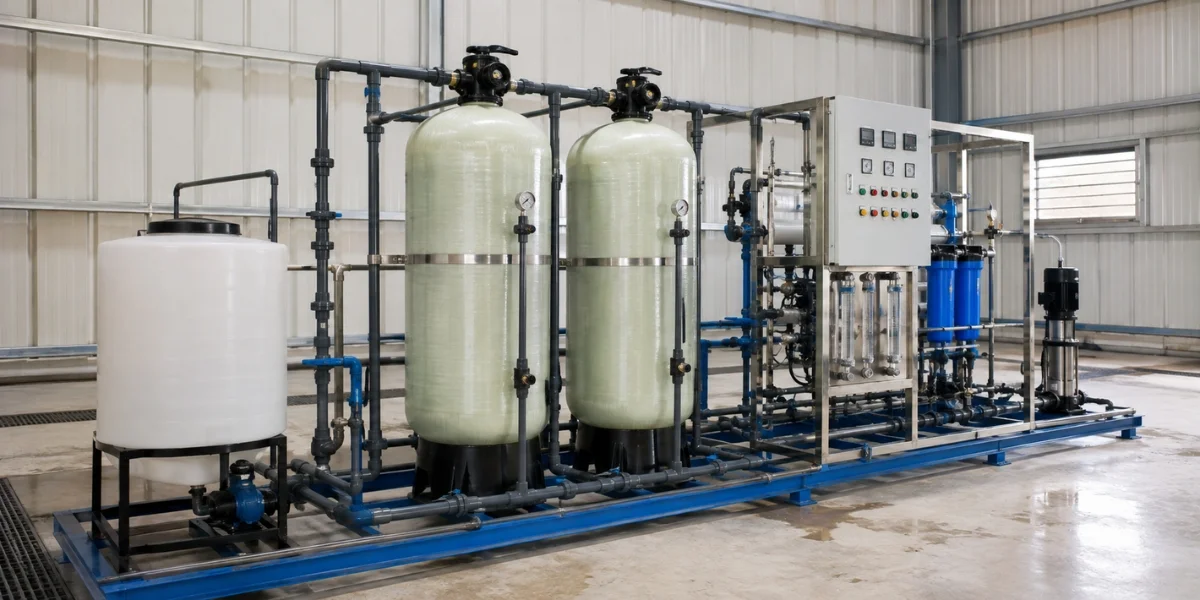
RO & Water Recycling Plant Manufacturer in India
Trity Environ Solutions manufactures RO and water recycling systems for industries and commercial facilities, engineered for reliable purity and reuse.
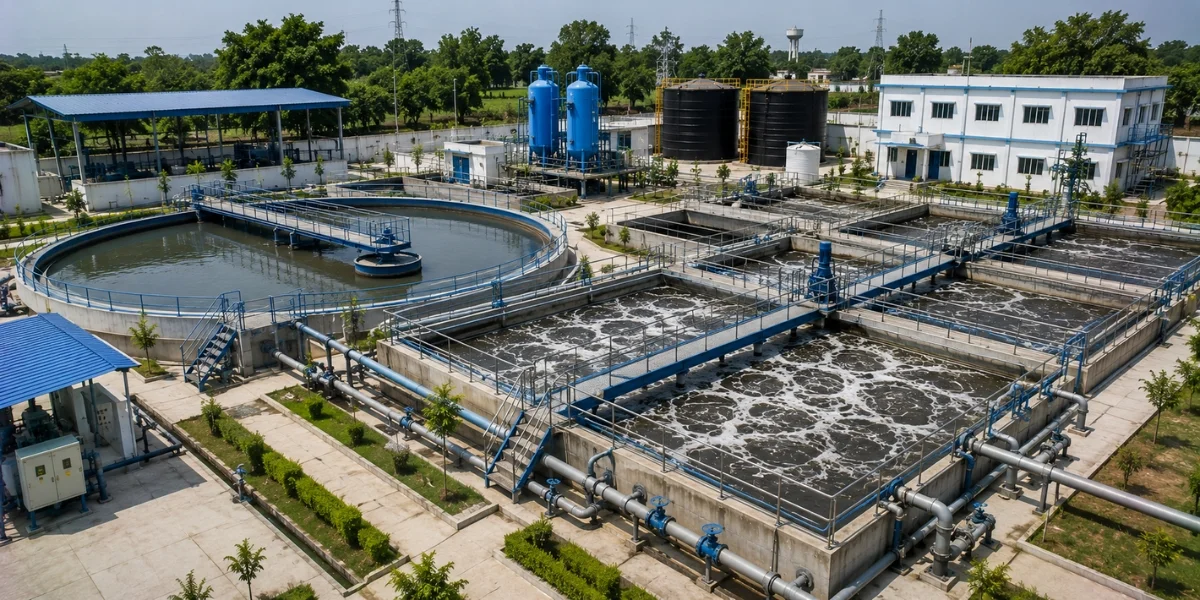
Tertiary Treatment Plant Manufacturer in India
Trity Environ Solutions manufactures tertiary treatment plants that polish treated water beyond secondary treatment, enabling genuine reuse and stricter discharge compliance.
Wastewater Recycling System Manufacturer in India
Trity Environ Solutions manufactures wastewater recycling systems using UF and RO technology, turning treated wastewater into reuse-grade water for cooling, flushing, and gardening.
PAN-INDIA CAPABILITIES
Regional Solutions & State Coverage
TECHNICAL KNOWLEDGE
Related Insights & Engineering Guides
PROVEN EXCELLENCE
Featured Turnkey Installations











Need a Custom Water or Wastewater Treatment Solution?
Our engineering team can help design the right system for your capacity, industry, and compliance requirements.

