
 ISO 9001:2015 & QCI Approved
Textile & Dyeing Effluent Treatment Plant Manufacturer in India
Trity Environ Solutions is a trusted textile and dyeing effluent treatment plant manufacturer in India, engineering systems built for colour removal, COD reduction, and TDS management from dyeing, printing, and finishing processes. Our plants are designed around the specific dye chemistry and salt load of your unit, with pan India installation support.
SPCB / CPCB Norm Compliant
Heavy Fabrication
Why Textile Effluent Needs a Different Approach
Textile and dyeing effluent is one of the most difficult industrial streams to treat, carrying intense colour, high COD, fluctuating pH, and heavy TDS from salt intensive reactive dyeing. A standard industrial effluent treatment plant system design rarely holds up under these conditions. Trity Environ Solutions builds textile ETP systems around the specific process stages generating the load, whether from desizing, scouring, bleaching, or dyeing, combining physico-chemical dosing for colour and solids with biological oxidation treatment for organic load reduction.
Dealing with high colour or TDS in your dyeing effluent? Request a free technical assessment and our engineering team will recommend the right treatment sequence for your process.
KEY BENEFITS
Key Benefits of Textile & Dyeing Effluent Treatment Plant Manufacturer in India
Engineered for reliable *colour removal, TDS reduction, and consistent CPCB compliant* discharge from dyeing and processing units.
Effective Colour Removal
Removes intense dye colour and organic load from textile effluent, helping units meet strict CPCB colour and COD discharge norms consistently.
TDS Reduction for Reuse
Reduces high TDS levels caused by salt heavy reactive dyeing, using RO and advanced filtration to bring salinity within permissible limits.
Stable Under Process pH Swings
Handles variable pH swings across desizing, scouring, bleaching, and dyeing stages, protecting downstream equipment and biological treatment processes from damage.
Supports Water Reuse in Dyeing
Supports treated water reuse within the dyeing process itself, reducing freshwater dependency and lowering overall water procurement costs for the unit.
Handles High and Variable COD
Designed to handle high COD and fluctuating organic load typical of textile processing, ensuring stable treatment performance across production cycles.
Treating Colour and Salt Together, Not as an Afterthought
Many textile units treat colour and TDS as separate problems, adding filtration only after compliance issues appear. Trity Environ Solutions designs the colour removal and salt reduction stages together from the start, sequencing physico-chemical treatment, biological oxidation, and reverse osmosis based on your actual dye chemistry, so the system is built for your effluent rather than retrofitted around it.
Built for Continuous Production, Not Just Peak Load
Textile processing runs in continuous batches, and effluent characteristics can shift significantly between dyeing cycles, making consistent performance as important as peak capacity. Trity Environ Solutions backs every textile ETP with operator training, dosing calibration, and an Annual Maintenance Contract, so treatment stays consistent through daily production variation. Talk to our team about AMC coverage for your unit.
TYPES / CONFIGURATIONS
Types of Textile & Dyeing Effluent Treatment Plant Manufacturer in India Configurations
Treatment configurations selected to match your *dye chemistry, TDS load*, and water reuse requirements.
Physico-Chemical & Biological Combined System
Combines chemical dosing with biological treatment using MBBR or MBR media, effectively reducing COD and organic load from dyeing effluent streams.
Colour Removal System
Removes intense dye colour through advanced coagulation, ozonation, or advanced oxidation, helping textile units consistently meet CPCB colour discharge standards.
RO Based TDS Reduction System
Uses reverse osmosis to reduce high TDS caused by salt heavy reactive dyeing, enabling treated water reuse within the dyeing process.
Zero Liquid Discharge (ZLD) System
A zero liquid discharge configuration for textile units seeking complete water recovery and zero freshwater discharge under strict state regulations.
HOW THE PROCESS WORKS
How the Textile & Dyeing Effluent Treatment Plant Manufacturer in India Process Works
A multi-stage treatment process engineered for consistent *colour, COD, and TDS reduction* across production cycles.
01
Equalization & pH Correction
Effluent from different process stages is blended and pH corrected to stabilize the stream before further treatment begins.
02
Colour & Solids Removal
Coagulation, flocculation, and clarification remove dye colour and suspended solids from the effluent stream.
03
Biological Oxidation
MBBR or MBR based biological treatment reduces remaining COD and organic load from the effluent before further polishing.
04
RO / TDS Reduction
Reverse osmosis or advanced filtration reduces dissolved salts, enabling treated water reuse within the dyeing process where required.
COMMON INQUIRIES
Frequently Asked Questions
Q1. Why is textile effluent difficult to treat compared to other industries?
Textile effluent carries intense dye colour, high COD, fluctuating pH, and heavy TDS from salt intensive reactive dyeing, requiring a combination of physico-chemical, biological, and membrane based treatment stages.
Q2. Can a textile ETP remove dye colour completely?
Advanced colour removal systems using coagulation, ozonation, or oxidation can bring colour levels within CPCB discharge limits, though complete decolourisation depends on the dye type used.
Q3. Why does textile effluent need TDS reduction?
Reactive dyeing uses large quantities of salt, which raises TDS significantly, and reducing it through RO is necessary for both compliance and water reuse.
Q4. Can treated textile effluent be reused in the dyeing process?
Yes, with proper TDS reduction and filtration, treated water can often be reused within the dyeing process itself, reducing freshwater dependency.
Q5. Is Zero Liquid Discharge mandatory for textile units?
ZLD requirements vary by state and unit size, with several state pollution control boards mandating it for larger dyeing and processing units.
Q6. How much space does a textile ETP require?
Space requirements depend on effluent volume and the treatment stages required, with combined physico-chemical and biological systems generally needing more space than simpler configurations. ---
CATALOGUE
Related Engineering Products
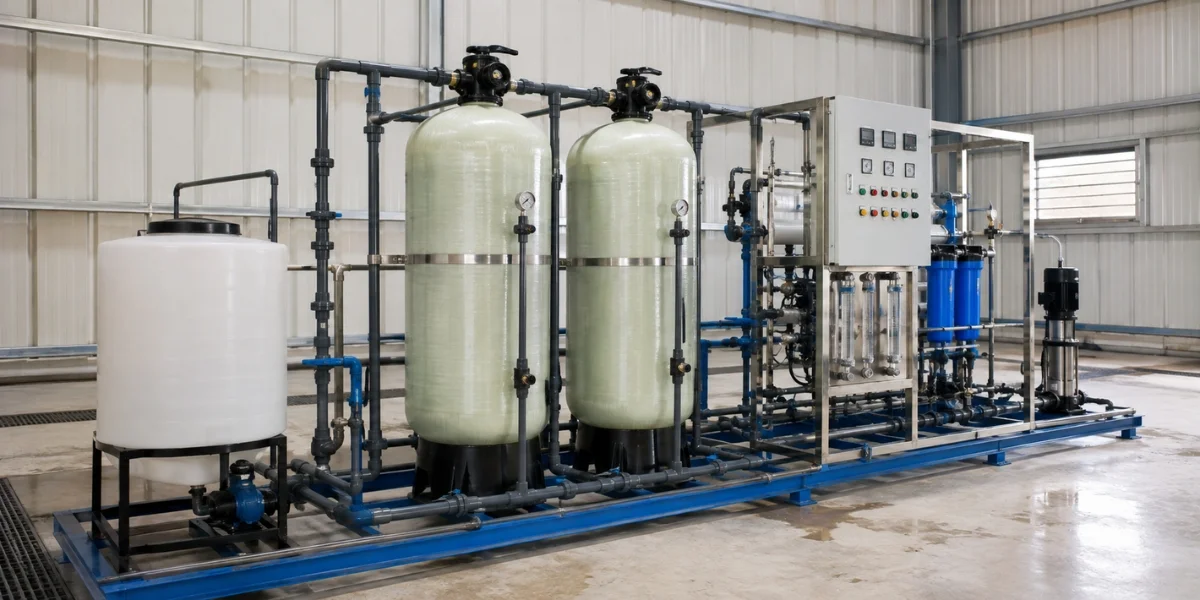
RO & Water Recycling Plant Manufacturer in India
Trity Environ Solutions manufactures RO and water recycling systems for industries and commercial facilities, engineered for reliable purity and reuse.
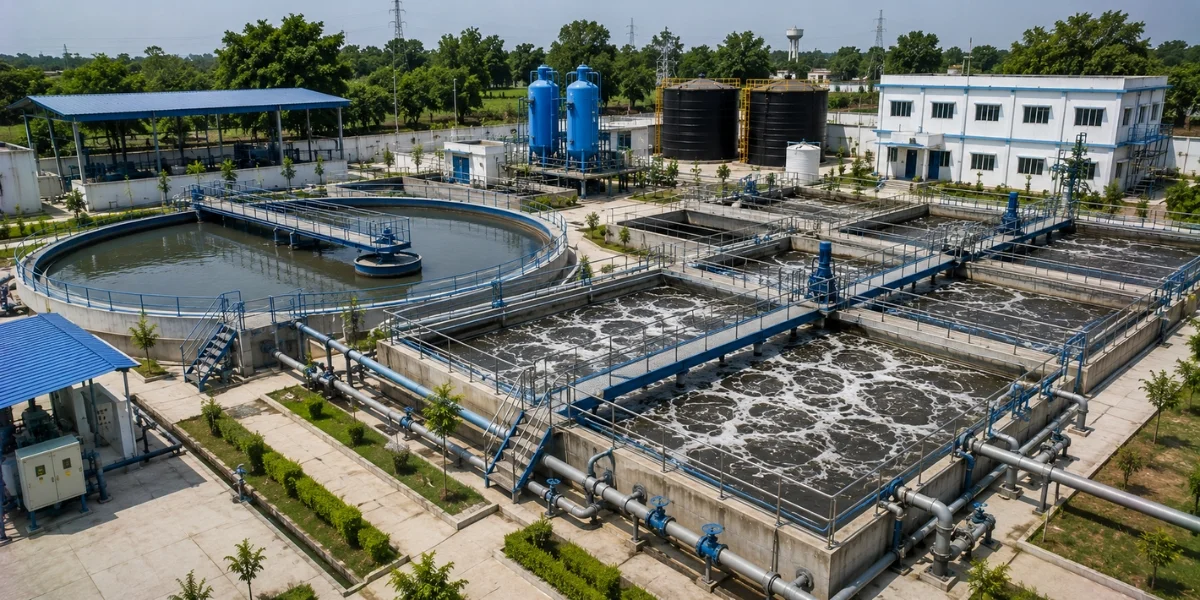
Tertiary Treatment Plant Manufacturer in India
Trity Environ Solutions manufactures tertiary treatment plants that polish treated water beyond secondary treatment, enabling genuine reuse and stricter discharge compliance.
Wastewater Recycling System Manufacturer in India
Trity Environ Solutions manufactures wastewater recycling systems using UF and RO technology, turning treated wastewater into reuse-grade water for cooling, flushing, and gardening.
PAN-INDIA CAPABILITIES
Regional Solutions & State Coverage
TECHNICAL KNOWLEDGE
Related Insights & Engineering Guides
PROVEN EXCELLENCE
Featured Turnkey Installations




Need a Custom Water or Wastewater Treatment Solution?
Our engineering team can help design the right system for your capacity, industry, and compliance requirements.