
 ISO 9001:2015 & QCI Approved
Effluent Treatment Plant Manufacturer in Maharashtra
Trity Environ Solutions is a trusted effluent treatment plant manufacturer in Maharashtra, building industrial wastewater systems for chemical, pharmaceutical, dyeing, food processing, and engineering units across MIDC estates such as Tarapur, Taloja, Ranjangaon, Chakan, and the Ambernath, Dombivli, and Badlapur belt. With MPCB enforcement tied to measured discharge and common treatment plants stretched by heavy member loads, it designs unit-level plants that hold consent limits, with pan India installation support behind every project. Trity Environ Solutions designs, manufactures, and commissions each plant in-house, from effluent analysis to handover.
SPCB / CPCB Norm Compliant
Heavy Fabrication
Industrial Estates Where a Common Plant Is Only Part of the Answer
Maharashtra relies heavily on common effluent treatment plants, and the scale is visible in MPCB's own status report, current as of 31 March 2007. It listed 22 CETPs with 224.55 MLD of combined capacity and 7,714 member units. Tarapur alone appeared twice at 25 MLD each, with 976 and 915 member units, Khairane in Navi Mumbai ran 27 MLD plus a 15 MLD addition for 2,580 members, and the Dombivli textile plant was rated at 14 MLD. Those are 2007 figures, but they show why a single member unit's discharge matters: when hundreds of units feed one plant, a poorly pre-treated stream affects everyone.
Recent enforcement shows the same pressure. In January 2022 the National Green Tribunal directed around 100 units in Tarapur MIDC to pay about Rs 186 crore in compensation, with a further Rs 91.79 crore on the Tarapur CETP and Rs 2 crore on MIDC, for releasing untreated effluent into creeks and the sea off Navapur. A June 2020 report submitted to the Supreme Court recorded untreated MIDC effluent turning stretches of the Ulhas and its tributary Waldhuni discoloured near Dombivli and Ambernath, and MPCB fined a private CETP Rs 5 lakh in May 2020.
For a factory in these belts, the lesson is practical. Trity Environ Solutions builds effluent treatment plants that bring your own stream within consent limits first, whether it then goes to a common plant or leaves the site.
Planning a new unit or correcting a plant that struggles at inspection? Request a free site assessment and the engineering team will confirm a suitable configuration for your process.
WHY THIS SYSTEM?
Key Benefits of Effluent Treatment Plant Manufacturer in Maharashtra
Engineered for high biological efficiency, full environmental compliance, and low lifecycle operational costs.
Pre-Treatment That Meets Inlet Norms
Treatment stages that bring COD, oil, and solids within the limits a common plant accepts, so your membership and consent are not put at risk by one bad batch.
Built Around Your Own Process Stream
Chemical, pharma, dye, and food effluents differ widely, so each train is fixed after sampling your discharge instead of copying a template.
Shock Load Tolerance
Equalisation and dosing sized for the batch variation typical of chemical and formulation units, which is where many plants fail in practice.
Reuse and Lower Discharge
Treated effluent returned to cooling, boiler makeup, washing, and gardening, reducing the volume that leaves the plant and the fresh water you buy.
Support Across the State
Installation, operator training, and AMC response across Maharashtra's main industrial belts, with documentation handed over at every commissioning.
A CETP Does Not Replace Your Own Treatment
Member units are generally expected to treat to the inlet norms of the common plant, and units outside any CETP must treat to discharge standards. Food, dairy, and edible oil units add fats and suspended solids that a dissolved air flotation stage can remove before biological treatment. A dedicated plant keeps your consent in your own hands, instead of leaving it to the weakest member of the estate.
Industrial Plants Need Operators, Not Just Tanks
Chemical dosing drifts, sludge handling backs up, and aeration wears down quietly, which is how a plant that passed commissioning ends up in an inspection report. Trity Environ Solutions supports every Maharashtra installation with operator training, performance monitoring, and an Annual Maintenance Contract, so dosing, blowers, and sludge systems stay within consent limits. Talk to our team about AMC coverage for your facility.
Enforcement Is Escalating and Reuse Is Expected
MPCB's enforcement policy, effective March 2016 after a 2014 tribunal order, redefined zero liquid discharge as effluent fully used within the process and set escalating action from warning to closure, with 17 highly polluting categories under surprise inspection. Units that want to move in that direction can add a zero liquid discharge stage after the main plant, since the policy rewards reuse over disposal.
Related Wastewater Services in Maharashtra
This page covers industrial effluent only. For domestic sewage from housing societies, hospitals, and hotels, see the sewage treatment plant manufacturer in Maharashtra page. The combined overview of both services is on the ETP and STP plant manufacturers in Maharashtra page.
SYSTEM CONFIGURATIONS
Types of Effluent Treatment Plant Manufacturer in Maharashtra Configurations
Tailored industrial configurations matched to specific effluent composition, flow rates, and space constraints.
Chemical Industry ETP
Our chemical industry effluent treatment plant is designed around the variable, high COD process wastewater of the chemical and allied units in Tarapur, Taloja, and Mahad.
Explore Configuration
Pharmaceutical ETP
Our pharmaceutical effluent treatment plant handles solvent bearing, high COD streams from bulk drug and formulation units, with stages for the stubborn fraction.
Explore Configuration
Textile and Dyeing ETP
Our textile dyeing effluent treatment plant removes colour, COD, and dissolved solids for processing units such as those in the Dombivli and Ambernath belts.
Explore Configuration
Food and Beverage ETP
Our food and beverage effluent treatment plant treats organic load, fats, and seasonal flow swings from dairy, bakery, and processing units.
Explore Configuration
Engineering and General Manufacturing ETP
Our physico-chemical effluent treatment plant treats metal finishing and engineering effluent through coagulation, flocculation, and clarification at estates such as Ranjangaon and Chakan.
Not sure which configuration fits your Maharashtra unit? Get a free consultation and we will recommend the right setup based on your effluent and consent conditions.
Explore Configuration
STEP-BY-STEP WORKFLOW
How the Effluent Treatment Plant Manufacturer in Maharashtra Process Works
A sequential, multi-stage treatment methodology engineered for maximum contaminant removal and water recovery.
01
Site Assessment & Effluent Characterisation
Flow measurement and sampling establish your actual load, including COD, oil, colour, and solids, before design begins.
02
Design & Engineering
Technology and layout are fixed against your MPCB consent category, CETP inlet norms where relevant, and reuse targets.
03
Manufacturing & Installation
Components are manufactured under ISO 9001:2015 quality controls, then installed and commissioned by Trity's site team.
04
Commissioning & AMC Support
The plant is tested against consent limits, operators are trained, and ongoing AMC support keeps performance consistent afterward.
COMMON INQUIRIES
Frequently Asked Questions
Q1. Which pollution control board governs effluent discharge in Maharashtra?
The Maharashtra Pollution Control Board (MPCB) issues consent to establish and consent to operate, alongside CPCB guidelines and any directions from the National Green Tribunal.
Q2. Does a unit in an MIDC estate need its own ETP if a CETP exists?
Usually yes. Member units are generally expected to pre-treat to the CETP's inlet norms, and the exact requirement is set in your consent and membership terms.
Q3. Can you build an ETP for chemical or pharma units in Tarapur, Taloja, or Mahad?
Yes. The treatment train is designed around your own effluent analysis, with physico-chemical, biological, and recycling stages chosen for the load and your reuse targets.
Q4. Can a food or dairy unit reduce fats and oil before biological treatment?
Yes. A flotation or skimming stage ahead of the biological plant removes fats and suspended solids, which protects aeration and keeps treated water consistent.
Q5. How long does installation take in Maharashtra?
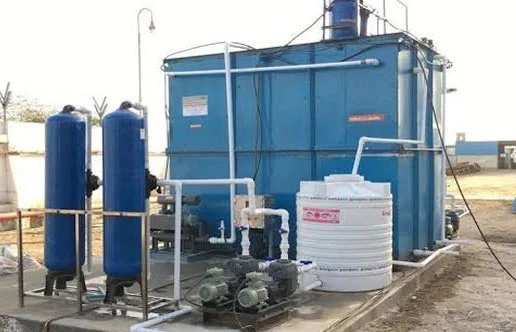
Prefabricated modular plants typically commission within 45 to 90 days, while civil-based plants for larger capacities take 3 to 6 months from design approval to handover.
Q6. Can an existing Maharashtra ETP be upgraded or maintained?
Yes. We audit existing plants, retrofit capacity or technology, and take them under an annual maintenance contract so they stay within consent limits.
Q7. How do I choose a reliable effluent treatment plant manufacturer in Maharashtra?
Look for in-house manufacturing, experience with MPCB consent requirements, a design based on your own effluent analysis, and a clear maintenance offering after commissioning. Trity Environ Solutions builds its plants under ISO 9001:2015 quality controls and supports every installation with operator training and an annual maintenance contract.
CATALOGUE
Related Engineering Products
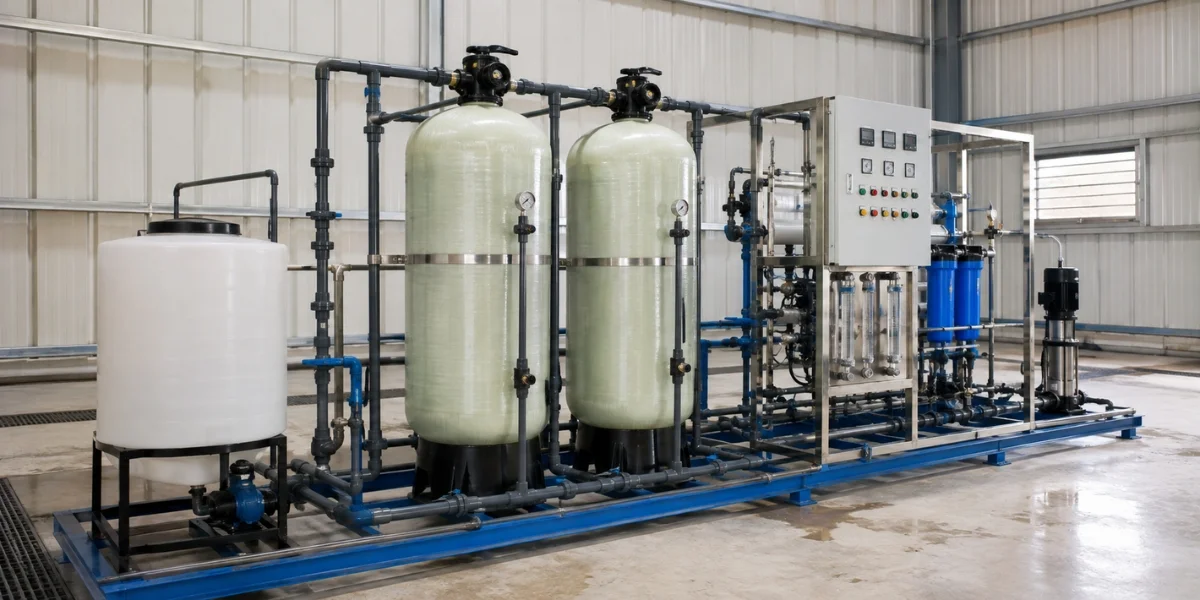
RO & Water Recycling Plant Manufacturer in India
Trity Environ Solutions manufactures RO and water recycling systems for industries and commercial facilities, engineered for reliable purity and reuse.
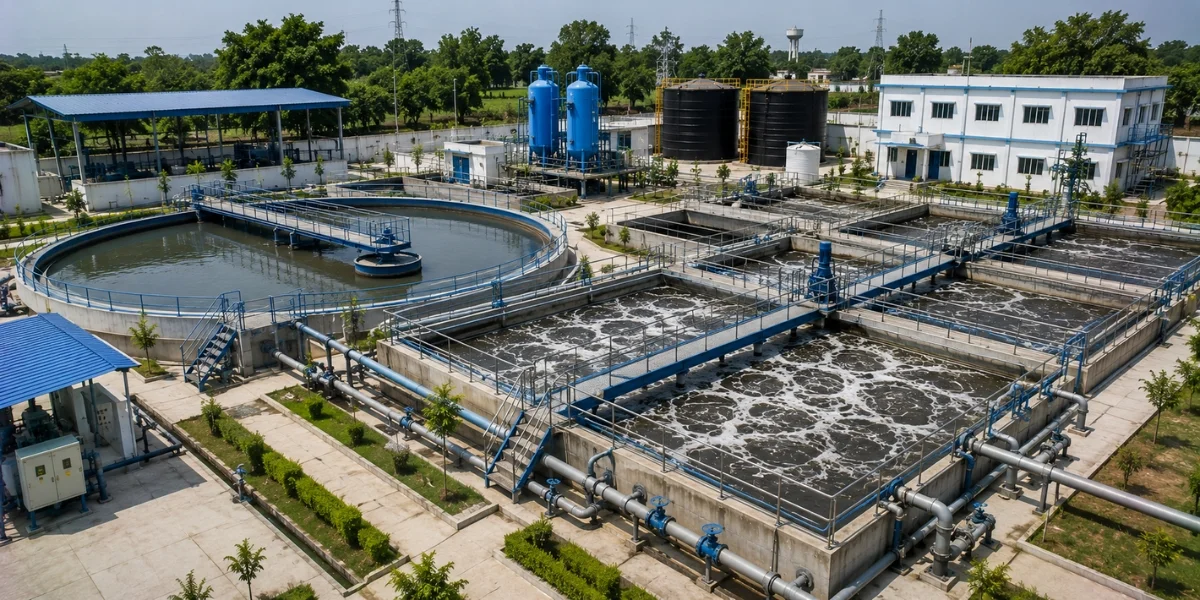
Tertiary Treatment Plant Manufacturer in India
Trity Environ Solutions manufactures tertiary treatment plants that polish treated water beyond secondary treatment, enabling genuine reuse and stricter discharge compliance.
Wastewater Recycling System Manufacturer in India
Trity Environ Solutions manufactures wastewater recycling systems using UF and RO technology, turning treated wastewater into reuse-grade water for cooling, flushing, and gardening.
PAN-INDIA CAPABILITIES
Regional Solutions & State Coverage
TECHNICAL KNOWLEDGE
Related Insights & Engineering Guides
PROVEN EXCELLENCE
Featured Turnkey Installations











Need a Custom Water or Wastewater Treatment Solution?
Our engineering team can help design the right system for your capacity, industry, and compliance requirements.

