
 ISO 9001:2015 & QCI Approved
Anaerobic Digester Manufacturer in India
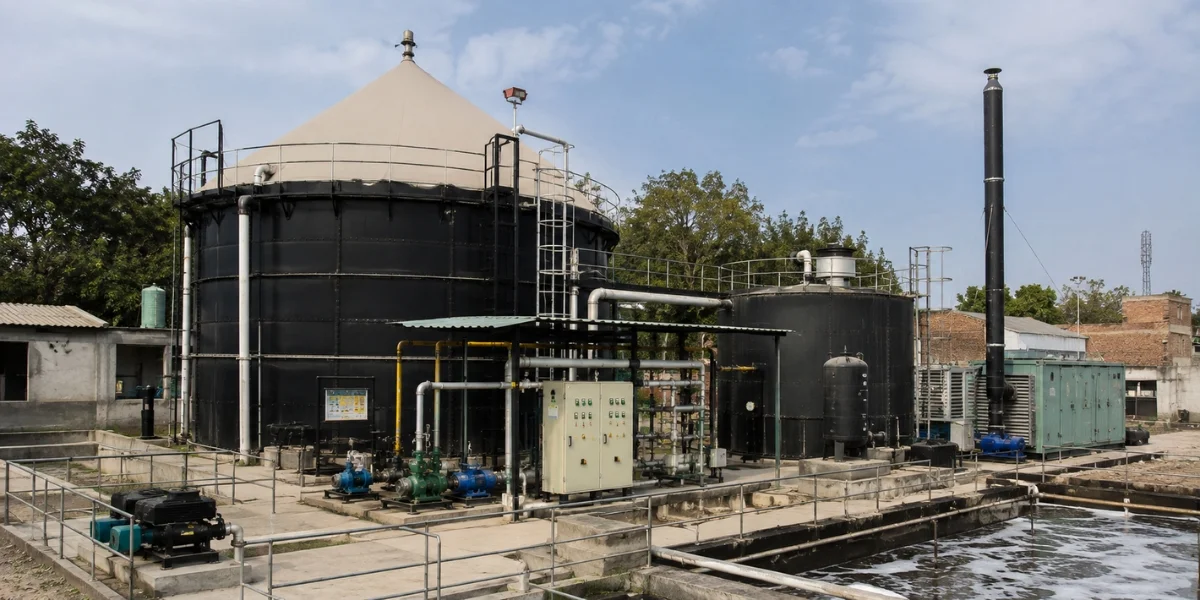
Trity Environ Solutions is a trusted anaerobic digester manufacturer in India, engineering UASB reactors, CSTR digesters, and biogas systems that reduce organic sludge volume while recovering methane-rich biogas as usable energy. Our digesters are built for industrial and municipal applications, with pan India installation support.
SPCB / CPCB Norm Compliant
Heavy Fabrication
Turning a Sludge Disposal Cost Into a Partial Energy Asset
Rising TSDF disposal charges and tightening CPCB sludge management norms mean untreated organic sludge is an increasingly expensive liability, not just an operational nuisance. An anaerobic digester addresses this directly, using oxygen-free microbial digestion to reduce sludge volume by 40 to 60 percent while generating 0.3 to 0.5 cubic meters of biogas per kg of COD removed, methane-rich gas that can fuel boilers or generators. Trity Environ Solutions sequences digestion ahead of your existing ETP treatment stage or sewage treatment plant, reducing the organic load your aerobic stages need to handle.
Dealing with rising sludge disposal costs or organic waste management pressure? Request a free technical assessment and our engineering team will recommend the right digester technology for your feedstock.
WHY THIS SYSTEM?
Key Benefits of Anaerobic Digester Manufacturer in India
Engineered for sludge volume reduction, reliable biogas recovery, and lower downstream aeration costs.
40 to 60% Sludge Volume Reduction
Reduces sludge volume by 40 to 60 percent before dewatering, directly cutting TSDF disposal and transport costs that scale with wet sludge weight and volume.
Recoverable Biogas Energy
Generates 0.3 to 0.5 cubic meters of biogas per kg of COD removed, containing 55 to 70 percent methane, usable for boiler fuel or power generation.
Lower Downstream Aeration Costs
Reduces aeration energy demand in downstream aerobic stages by 50 to 80 percent, since anaerobic pretreatment removes the bulk of organic load beforehand.
Reduced Pathogen Load
Significantly reduces pathogen load in stabilised sludge, improving TSDF acceptance rates and reducing rejection risk at disposal facilities.
Long Operational Life
Delivers 15 to 20 years of operational life with correct design and maintenance, converting an ongoing sludge disposal liability into a partial energy asset.
Reactor Selection Depends on Your Feedstock, Not Your Budget Alone
A UASB reactor handles soluble, high-strength wastewater efficiently in a compact footprint but is sensitive to shock loading, while a CSTR digester suits thickened sludge with mechanical mixing but requires heating and more space. Trity Environ Solutions characterises your actual feedstock, COD, BOD, TSS, and solids concentration, before recommending a reactor type, rather than defaulting to whichever configuration is easiest to fabricate.
Biological Startup Takes Weeks, Not Days, and Rushing It Fails
A mesophilic CSTR typically stabilises in 3 to 6 weeks with active seed sludge inoculation, while a UASB reactor with granular sludge reaches stable output in 4 to 8 weeks under controlled loading, and pushing organic loading too fast during this window is the most common cause of early digester souring. Trity Environ Solutions manages seed sourcing and startup loading directly, backed by an Annual Maintenance Contract for ongoing process support. Talk to our team about AMC coverage for your digester.
Anaerobic Pretreatment Reduces the Load on Everything Downstream
Once organic load is reduced anaerobically, stabilised sludge still needs final dewatering, and Trity Environ Solutions manufactures plate filter press equipment to handle that stage. Anaerobic pretreatment also lightens the burden on downstream belt oil skimmers and aerobic biological stages, lowering overall plant power consumption across the full treatment train.
SYSTEM CONFIGURATIONS
Types of Anaerobic Digester Manufacturer in India Configurations
Reactor configurations selected to match your feedstock strength, retention time, and biogas recovery goals.
UASB Reactor (Upflow Anaerobic Sludge Blanket)
Wastewater flows upward through a dense sludge blanket, delivering high organic removal in a compact footprint for soluble, high-strength streams from distilleries and dairies.
CSTR Digester (Continuously Stirred Tank Reactor)
Continuously mixed, temperature-controlled reactor suited to thickened sludge from municipal STP and industrial ETP plants, delivering excellent biogas yields with mechanical agitation.
Fixed Dome Digester
Sealed underground chamber with a fixed gas collection dome, offering low capital cost and no moving parts for smaller industrial applications.
Plug Flow Digester
Horizontal, unmixed reactor with progressive plug flow from feed to discharge, ideal for fibrous, high-solids agro-processing and cattle waste feedstocks.
STEP-BY-STEP WORKFLOW
How the Anaerobic Digester Manufacturer in India Process Works
A sealed, oxygen-free biological process engineered for consistent sludge reduction and biogas recovery.
01
Feed Collection & Equalization
Sludge or high-strength organic wastewater is fed into an equalization tank to stabilise flow and composition before entering the reactor.
02
Anaerobic Breakdown
Anaerobic microorganisms break down complex organics through hydrolysis, acidogenesis, and acetogenesis into acetic acid and hydrogen.
03
Methane Generation
Methanogenic bacteria convert these intermediates into methane and carbon dioxide, with pH and temperature control determining biogas quality.
04
Biogas Collection & Sludge Discharge
Biogas is collected and routed to utilisation points, while stabilised sludge is drawn off for final dewatering and disposal.
COMMON INQUIRIES
Frequently Asked Questions
Q1. What industries benefit most from an anaerobic digester in India?
Distilleries, breweries, dairy plants, food processing units, sugar mills, pharmaceutical manufacturers, and municipal STP operators generate organic effluent or sludge well-suited to anaerobic digestion with meaningful biogas recovery.
Q2. How much biogas can an anaerobic digester generate?
Typical output is 0.3 to 0.5 cubic meters of biogas per kg of COD removed, with actual yield depending on feedstock biodegradability and operating conditions, best estimated through feedstock characterisation.
Q3. What is the difference between a UASB reactor and a CSTR digester?
A UASB reactor suits soluble, low-solids, high-strength wastewater at short retention times, while a CSTR digester handles thickened sludge and high-solids feedstocks with mechanical mixing and temperature control.
Q4. How long before a new anaerobic digester produces stable biogas?
With active seed sludge inoculation, a mesophilic CSTR typically stabilises in 3 to 6 weeks, while a UASB reactor with granular sludge reaches stable output in 4 to 8 weeks under controlled loading.
Q5. Can an existing ETP be retrofitted with an anaerobic digester?
Yes, anaerobic pretreatment can be added upstream of an existing aerobic ETP to reduce organic load, lower aeration costs, and recover biogas, with retrofit projects completed within operating plants.
Q6. What is the typical payback period for an industrial anaerobic digester?
For industries with high organic loading and significant fuel or power costs, payback periods of 2 to 4 years are achievable through combined savings in aeration energy, sludge disposal cost, and biogas recovery.
CATALOGUE
Related Engineering Products
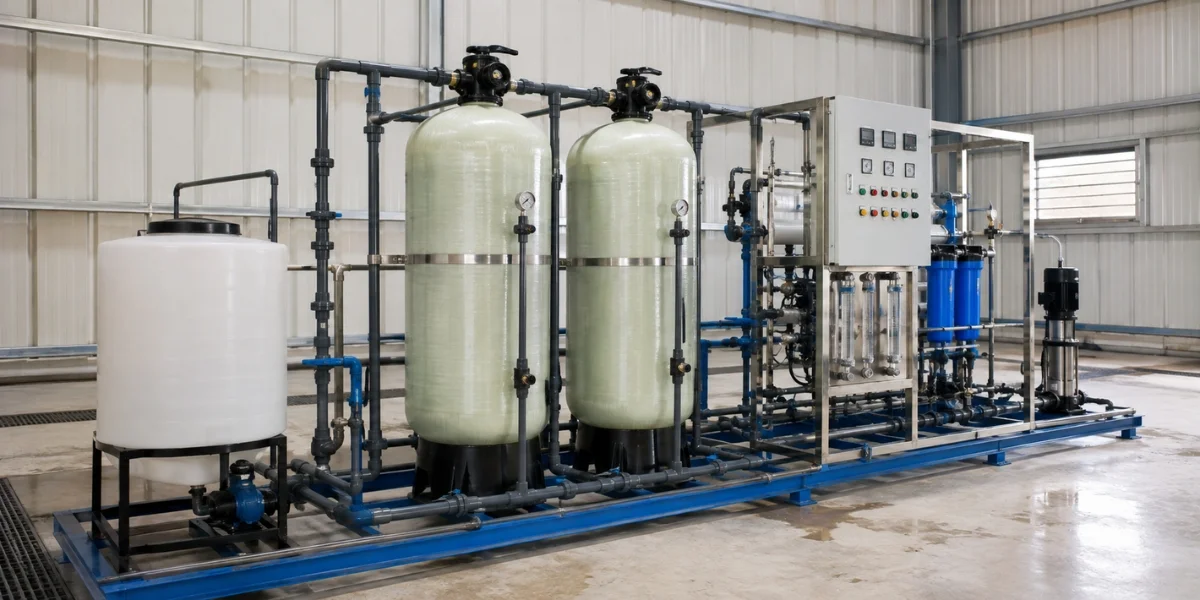
RO & Water Recycling Plant Manufacturer in India
Trity Environ Solutions manufactures RO and water recycling systems for industries and commercial facilities, engineered for reliable purity and reuse.
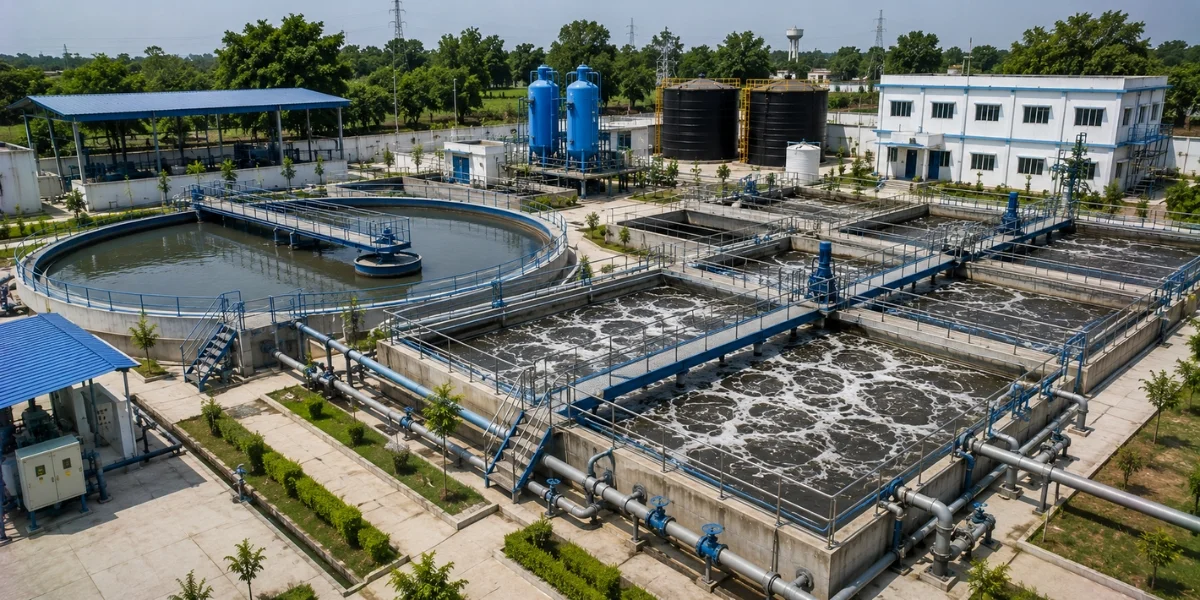
Tertiary Treatment Plant Manufacturer in India
Trity Environ Solutions manufactures tertiary treatment plants that polish treated water beyond secondary treatment, enabling genuine reuse and stricter discharge compliance.
Wastewater Recycling System Manufacturer in India
Trity Environ Solutions manufactures wastewater recycling systems using UF and RO technology, turning treated wastewater into reuse-grade water for cooling, flushing, and gardening.
PAN-INDIA CAPABILITIES
Regional Solutions & State Coverage
TECHNICAL KNOWLEDGE
Related Insights & Engineering Guides
PROVEN EXCELLENCE
Featured Turnkey Installations




Need a Custom Water or Wastewater Treatment Solution?
Our engineering team can help design the right system for your capacity, industry, and compliance requirements.