STP and ETP Plant Manufacturer in Jodhpur

Jodhpur-based STP and ETP plants engineered for the city's textile, denim and stone processing industries, with a strong focus on water reuse given the region's water scarcity. We handle design, manufacturing, installation, commissioning and AMC end-to-end for industries, hospitals, hotels and housing societies across Jodhpur and the Marwar region.
Get a Free QuoteWastewater Treatment Plants Built for Jodhpur's Water-Scarce Industrial Belt
Trity Environ Solutions designs, manufactures, and installs STP and ETP plants in Jodhpur for textile and denim units, stone processing industries, commercial buildings, hotels, hospitals, and housing societies. As an STP Plant Manufacturer and ETP Plant Manufacturer, our scope covers site assessment, engineering, fabrication, installation, commissioning, operator training, and ongoing operation and maintenance, backed by AMC and retrofit support once the plant is live.
Water availability in Jodhpur and the wider Marwar region is tighter than in most parts of the country, which makes treated water reuse less of an add-on and more of a necessity for many businesses here. If you need a sewage treatment plant or effluent treatment plant vendor in Jodhpur, contact us for a site visit and quotation, or read on for how we approach plant design and delivery.
STP & ETP Solutions in Jodhpur
Jodhpur runs on a mix of industries that each put different demands on wastewater treatment. The city is one of India's largest denim and textile manufacturing centers, with dyeing and processing units concentrated around Boranada and Basni. Alongside that sits a well-established sandstone and marble cutting and polishing industry, generating high-TSS wastewater loaded with stone slurry. Add hotels, hospitals, and residential complexes across the city, and the range of influent types a plant here has to handle is wide.
We supply STP plants for domestic and residential wastewater and ETP plants for industrial process effluent, sized to the pollutant load and flow at your specific site. Given how water-stressed the region is, our designs typically build in treated water reuse from the start rather than treating it as an optional upgrade.
Our STP Plant Manufacturing Services
Under Commercial STP Plant manufacturing, we build for:
- Residential societies and group housing projects
- Commercial complexes and office spaces
- Hotels and hospitality projects
- Hospitals and healthcare facilities
- Educational institutions
Our sewage treatment plant systems, including configurations built for hospital wastewater, rely on established biological treatment processes sized for both average and peak flow, meeting CPCB and Rajasthan State Pollution Control Board norms. We fabricate in MS, RCC, or FRP depending on your site conditions, footprint, and budget.
Our ETP Plant Manufacturing Services
Our Industrial ETP Plant division works with units generating textile, chemical, or process-heavy effluent. We manufacture effluent treatment plants across sectors, including effluent treatment plants for chemical industries suited to the dye and chemical loads typical of Jodhpur's textile processing units, and configurations designed to handle high suspended solids from stone cutting and polishing operations.
Treatment trains here often combine physico-chemical stages, biological treatment, and filtration to bring effluent within discharge limits, or to a standard suitable for wastewater recycling and water reuse, a priority given how limited freshwater access is across the region.
Turnkey Design, Engineering & Installation
Our turnkey STP and turnkey ETP projects run end to end under one contract. Project execution covers:
- Site survey and influent characterization
- Process design and equipment selection
- Civil and structural coordination
- Manufacturing and factory testing
- On-site installation and piping
- Commissioning and performance validation
- Operator training and handover documentation
You deal with one vendor from the first site visit through to handover.
Plant Capacity Options
Our plants span a wide capacity range:
- Small: up to 50 KLD, individual buildings and small offices
- Medium: 50 to 500 KLD, mid-size societies and commercial complexes
- Large: 500 to 2000 KLD, industrial units and processing clusters
- Custom: above 2000 KLD, large campuses or multi-unit industrial sites
We confirm capacity only after reviewing actual or projected flow data. Guesswork at this stage tends to show up later as either poor performance during peak load or wasted capital on unused capacity.
Treatment Technologies
Technology selection is driven by influent load, effluent target, land available, and operating budget. For a region where water reuse matters as much as compliance, the technology choice also determines how much of the treated output is actually usable afterward. Our systems combine biological treatment, physico-chemical stages, filtration, and disinfection, configured to hold your target consistently despite Jodhpur's dry-season flow drops and monsoon spikes.
| Factor | Lower-Cost Conventional Approach | Optimized Custom-Engineered Approach |
|---|---|---|
| Footprint | Larger civil footprint required | Compact design, suited to constrained sites |
| Energy Use | Higher blower and pump load | Energy-efficient equipment selection |
| Effluent Consistency | Sensitive to load fluctuation | Stable performance across flow variation |
| Sludge Handling | Manual, higher disposal cost | Mechanized dewatering, reduced volume |
| Long-Term O&M Cost | Higher due to inefficiency | Lower through right-sized automation |
Customized Plant Design
A denim dyeing unit in Boranada and a sandstone polishing unit nearby generate almost nothing in common in their wastewater. We design around your actual influent BOD, COD, TSS, oil and grease, pH, and flow pattern, and for stone processing units that includes handling the fine slurry solids that conventional filtration struggles with. Plot size, room for future expansion, and whether treated water is reused on-site, discharged, or used for gardening and flushing, all factor into the final layout.
Industries We Serve
Sectors we build treatment systems for across Jodhpur:
- Textile and denim manufacturing and dyeing units
- Stone, sandstone, and marble cutting and polishing industries
- Handicraft and leather processing units
- Pharmaceutical manufacturing
- Hospitals and healthcare facilities
- Hotels, commercial complexes, and housing societies
Different sectors mean different pollutant profiles, so treatment stages get built around what your process actually generates rather than a fixed formula applied everywhere.
Engineering Process
We begin with data: a site visit, influent sampling wherever possible, an assessment of space and utilities, and a clear understanding of whether the goal is discharge compliance, reuse, or both. From there, our design team builds process flow diagrams, hydraulic calculations, and equipment specifications before any fabrication starts. This groundwork is what determines whether the plant works reliably from commissioning day or needs corrections afterward.
Manufacturing Process
Tank fabrication, panel wiring, piping pre-assembly, and equipment mounting happen under controlled factory conditions, built to the specifications finalized during engineering. This shortens your on-site construction timeline considerably compared to a fully field-assembled system, and gives more consistent build quality.
Quality Inspection
Before any component leaves the factory, we check fabrication quality, weld integrity on tanks, panel wiring, and equipment function. Fixing a defect at this stage is far cheaper and faster than fixing it after the plant is already on site.
Installation & Commissioning
Our site team manages complete STP and ETP installation, covering civil interface coordination, mechanical and electrical work, piping, and instrumentation. Commissioning follows, including seeding biological systems where applicable, calibrating dosing, and validating treated water quality against target parameters before formal handover.
Operator Training
The plant only performs as well as the people running it. We train client-side operators on daily monitoring, dosing adjustment, routine maintenance, and troubleshooting, supported by documentation covering standard operating procedures for the specific system supplied.
Operation & Maintenance
For clients who don't want to manage operations in-house, our operation and maintenance service handles routine monitoring, preventive maintenance, consumable management, and performance reporting, particularly useful where compliance reporting has to stay consistent.
AMC Services
Our annual maintenance contract plans build in preventive maintenance scheduling, priority breakdown response, and spare part support. AMC services are also available for plants we did not originally supply, following a technical assessment.
Plant Upgradation & Retrofit
Several industrial units in Jodhpur are running STP or ETP systems sized years before current production volumes or tightened discharge norms came into play. We assess existing plants and design retrofits covering capacity augmentation, technology upgrades, and automation, usually without requiring a full replacement.
Automation & Monitoring
Where useful, we integrate automation and remote monitoring for flow, dosing rates, and key water quality indicators. This reduces manual intervention, keeps dosing accurate, and gives plant owners visibility into performance trends instead of relying only on periodic manual checks.
Energy Efficient Solutions
Blowers and pumps typically account for the largest share of a plant's running cost. We size equipment to actual demand rather than building in excess capacity, and use options such as fine bubble diffusers to improve aeration efficiency without raising power draw. Control logic is set to match load rather than run continuously at fixed output.
Why Choose Trity Environ Solutions
- Engineering-led design, not off-the-shelf packages
- Turnkey execution from design through commissioning
- Manufacturing matched to your actual influent data
- Operator training and documented handover
- AMC and retrofit support after commissioning
- Technical consultation on compliance and process optimization
Have a project to discuss? Request a site assessment and quotation and our team will follow up with next steps.
Benefits of Our Plants
- Consistent effluent quality despite seasonal flow variation
- Lower operating cost through right-sized equipment
- Reduced footprint through optimized process selection
- Longer service life from quality-inspected components
- Support for wastewater recycling and water reuse, critical in a water-stressed region
- Faster commissioning through factory-controlled manufacturing
Factors Affecting Plant Selection
Plant selection comes down to several site-specific factors: influent characteristics (BOD, COD, TSS, oil and grease, pH, and slurry solids for stone processing units), flow pattern and peak load, available land and headroom, discharge or reuse objective, budget for both capital and running cost, and Rajasthan State Pollution Control Board requirements. We work through each of these before finalizing a design, since skipping this step is the most common reason a plant underperforms once it's running.
Environmental Compliance
We design plants to help clients meet environmental compliance obligations under applicable pollution control board discharge norms, and where relevant, zero liquid discharge requirements for water-intensive industries such as textile dyeing. Our team can also support documentation during the consent and approval process, including guidance related to Consent to Establishment, Consent to Operate, and where applicable, NOC from CGWA.
Areas We Serve Around Jodhpur
Beyond Jodhpur city, we serve clients across the Boranada and Basni industrial areas, and the wider Marwar region, along with nearby Jaipur and Udaipur. Our project and service teams support both new installations and ongoing AMC or retrofit work across these locations.
FAQs
1. How long does it take to install an STP or ETP plant in Jodhpur?
Timelines depend on plant capacity, technology, and site readiness. Smaller plants move faster, while large industrial systems need more time for civil coordination and commissioning. We share a specific timeline after the site assessment.
2. Can you retrofit an existing STP or ETP plant instead of replacing it?
In most cases, yes. We assess the existing plant's condition and design a retrofit around capacity, technology, or automation upgrades where the structure and equipment allow it.
3. Do you provide AMC for plants supplied by other vendors?
Yes, after a technical assessment to confirm the equipment's condition and compatibility with our maintenance protocols.
4. What industries do you supply ETP plants for in Jodhpur?
Textile and denim manufacturing, stone and sandstone processing, handicraft and leather units, pharmaceutical, and hospitality, with process design adjusted to each sector's effluent characteristics.
5. Do your plants support water reuse and zero liquid discharge?
Yes. Given Jodhpur's water scarcity, we design many treatment trains specifically for reuse, and for zero liquid discharge where the regulatory category requires it.
6. What is included in your turnkey project scope?
Engineering, manufacturing, installation, commissioning, operator training, and handover documentation, managed under a single point of accountability.
Get a Quotation
If you're evaluating an STP Plant Manufacturer or ETP Plant Manufacturer for a project in Jodhpur, contact our team for a site assessment and project-specific quotation. Our engineers will review your influent load, space constraints, and compliance objective, and propose a plant configuration built around them.
Related Products
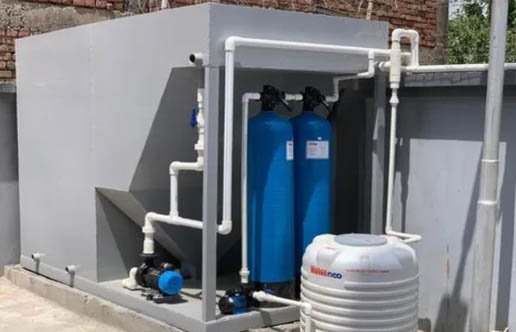
STP and ETP Plant Manufacturer in Kanpur
STP and ETP plant manufacturing, installation, AMC and retrofit services for leather, textile and industrial units in Kanpur, engineered for chromium removal and Namami Gange discharge compliance under UPPCB norms.

Premium Dissolved Air Flotation (DAF) Systems for Wastewater Treatment
Looking for a reliable DAF system in India? We manufacture high-performance dissolved air flotation systems for efficient oil, grease, and suspended solids removal in wastewater treatment. Get a quote today.
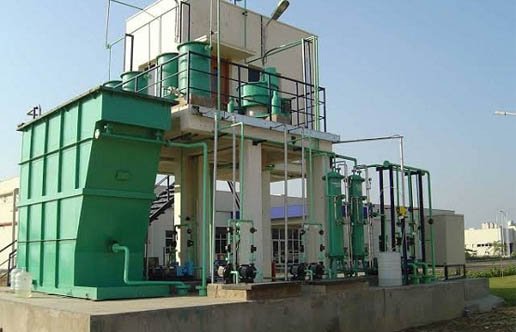
STP and ETP Plant Manufacturer in Mathura
STP and ETP plant manufacturing, installation, AMC and retrofit services for refinery, dairy, hospitality and religious institutions in Mathura, engineered for Taj Trapezium Zone (TTZ) and UPPCB compliance.
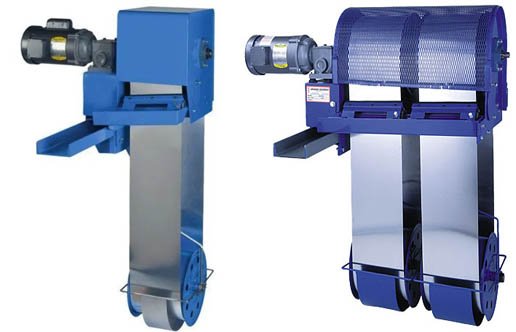
Oil Skimmer for ETP and STP – Efficient Wastewater Oil Removal
Trity Enviro Solutions is a leading manufacturer of oil skimmers. We provide innovative oil skimming...

STP and ETP Plant Manufacturer in Lucknow
STP and ETP plant manufacturing, installation, AMC and retrofit services for hospitals, hotels, government institutions and pharmaceutical/engineering units in Lucknow, backed by UPPCB-compliant engineering.

Sewage Treatment Plant in Dubai
Trity Environ Solutions supplies Sewage Treatment Plants to Dubai, built around Dubai Municipality's compliance requirements and the UAE's push toward treated water reuse. Turnkey design, manufacturing, installation, and after-sales support.

STP and ETP Plant Manufacturer in Delhi/NCR
Trity Environ Solutions is a leading STP and ETP plant manufacturer in Delhi/NCR, providing customized wastewater treatment solutions for industries, commercial buildings, residential societies, hospitals, hotels, educational institutions, and government projects. We offer complete turnkey services, including design, manufacturing, installation, commissioning, AMC, and CPCB/DPCC-compliant treatment systems that ensure efficient water reuse, environmental compliance, and long-term operational performance.

STP and ETP Plant Manufacturer in Solan
Trity Environ Solutions manufactures STP and ETP plants for Solan town, built for the city's brewery, mushroom processing, and institutional demand. Turnkey design, manufacturing, installation, and AMC support across Solan and the surrounding hill terrain.
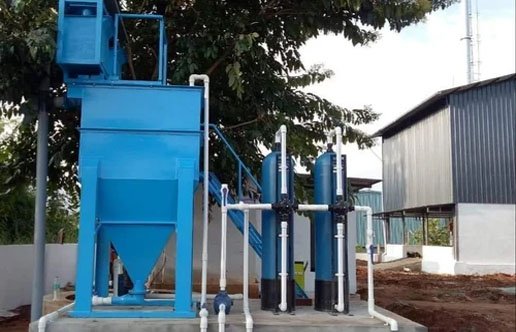
ETP and STP Plant Manufacturers in Bangalore
Trity Environ Solutions manufactures STP and ETP plants for Bangalore, built to clear the Karnataka State Pollution Control Board's stricter-than-national discharge norms and the dual-plumbing reuse rules the city enforces. Turnkey design, manufacturing, installation, and AMC support.
Sewage Treatment Plant for Hospital
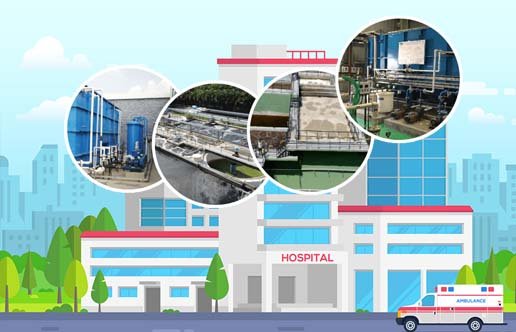
Trity Environ Solutions manufactures Sewage Treatment Plants for hospitals, built around the pharmaceutical residues, disinfectant shock loads, and pathogen content that make hospital sewage genuinely different from standard wastewater. Turnkey design, manufacturing, installation, and AMC support.