
 ISO 9001:2015 & QCI Approved
STP and ETP Plant Manufacturer in Dehradun
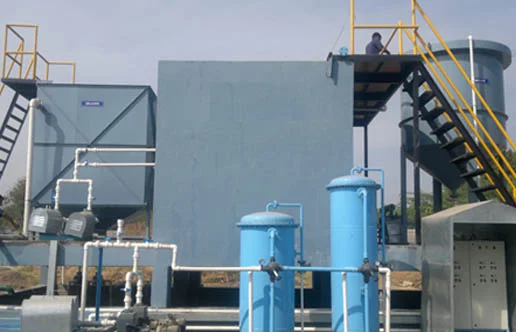
Trity Environ Solutions is a trusted STP and ETP plant manufacturer in Dehradun, engineering wastewater systems for a valley where over 80 percent of drinking water comes from groundwater. From the pharmaceutical units at Selaqui's IIE Pharma City to hotels, schools, and residential societies across Doon Valley, we build systems where discharge quality is a public health matter, with pan India installation support behind every plant. Whether you need a sewage treatment plant manufacturer in Dehradun or an effluent treatment plant manufacturer in Dehradun, Trity Environ Solutions builds both in-house, from design to commissioning.
CPCB & SPCB Ready
Turnkey Design & Installation
When Most of a Valley's Drinking Water Comes From Underground, Discharge Quality Isn't Abstract
When Most of a Valley's Drinking Water Comes From Underground, Discharge Quality Isn't Abstract
Doon Valley draws more than 80 percent of its drinking water supply from groundwater, which is precisely why published research on the Selaqui industrial area has drawn attention, with multiple peer-reviewed studies examining heavy metal, nitrate, and fluoride levels in groundwater near the estate. Selaqui's IIE Pharma City alone hosts over 30 pharmaceutical units alongside textile and rubber industries, and a 2017 joint inspection of the pharma units there acknowledged that treatment systems were largely effective while also noting concern about potential heavy metal accumulation over time.
That balanced picture is exactly why treatment here needs to be engineered carefully rather than minimally. Trity Environ Solutions builds effluent treatment plants and sewage treatment plants for Dehradun's actual mix of pharmaceutical manufacturing, hospitality, and institutional load, with heavy metal handling and long-term accumulation risk built into the design, not treated as an afterthought.
Operating a pharma unit at Selaqui or a hotel or institution elsewhere in Dehradun? Request a free technical assessment and our engineering team will assess what your specific site actually needs.
KEY BENEFITS
Key Benefits of STP and ETP Plant Manufacturer in Dehradun
Engineered for genuine heavy metal handling, groundwater protection, and reliable UKPCB compliance across Doon Valley.
Built for Selaqui's Pharma and Chemical Load
Engineered with heavy metal and chemical removal specifically for pharmaceutical and chemical units at Selaqui, where published groundwater studies have flagged this exact concern.
Protects a Groundwater-Dependent Valley
Protects a groundwater system supplying over 80 percent of Doon Valley drinking water, making discharge quality here a public health issue, not just a regulatory checkbox.
Sized for IIE Pharma City's Industry Mix
Sized for the pharma, textile, and rubber industry mix concentrated at IIE Pharma City, where over 30 pharmaceutical units alone operate within one industrial estate.
Designed for Valley Terrain & Monsoon Variation
Built for the hills-adjacent terrain and monsoon-driven seasonal variation Doon Valley experiences, factoring hydrology this specific valley behaves differently under.
Faster Response Across Dehradun & Selaqui
Faster response across Dehradun and Selaqui, since our engineering team already understands the compliance pressure this groundwater-dependent valley operates under.
Long-Term Accumulation Is the Risk Compliance Snapshots Miss
A 2017 joint inspection of pharma units at Selaqui found treatment systems were largely effective at the time, while also flagging concern about heavy metals potentially accumulating in the environment over long periods. A plant that passes a routine inspection today can still contribute to a slow cumulative problem if heavy metal removal isn't engineered for the long term, which is why we design for sustained performance in this valley, not just for a single compliance visit.
Groundwater Dependence Changes How Conservatively We Size Here
When over 80 percent of a valley's drinking water comes from underground sources, the margin for error in wastewater treatment narrows considerably compared to areas with alternative surface water supply. We size treatment capacity and monitoring provision for Doon Valley projects with that dependency in mind, backed by an Annual Maintenance Contract for ongoing performance verification. Talk to our team about AMC coverage for your facility.
Hospitality and Institutional Load Here Is a Different Problem Entirely
Beyond Selaqui's industrial estate, Dehradun carries substantial hotel, school, and institutional load as a major hill-region gateway city, generating wastewater with seasonal tourism patterns and steady institutional volume quite different from pharmaceutical process discharge. These sites need dependable biological treatment sized for realistic occupancy swings, not the heavy metal and solvent handling industrial units require.
SYSTEM CONFIGURATIONS
Types of STP and ETP Plant Manufacturer in Dehradun Configurations
Technologies selected to match your industry sector, groundwater sensitivity, and UKPCB consent category.
Pharmaceutical ETP for Selaqui
Our layered pharmaceutical treatment system addresses heavy metals, solvents, and organic load typical of the 30-plus pharma units operating at Selaqui.
Explore Configuration
Textile & Rubber Processing ETP
Colour and chemical treatment engineered for the textile and rubber processing units sharing IIE Pharma City alongside pharmaceutical manufacturing.
Hotel, School & Residential STP
Standard biological treatment for hotels, schools, and residential societies across Dehradun outside the Selaqui industrial estate.
Groundwater-Sensitive Enhanced Monitoring
Enhanced monitoring and heavy metal removal for facilities near groundwater sources supplying the majority of Doon Valley drinking water.
TURNKEY WORKFLOW
How the STP and ETP Plant Manufacturer in Dehradun Process Works
A turnkey process engineered for consistent UKPCB compliant performance across Doon Valley's mixed industry base.
01
Site Assessment & Influent Characterisation
Sampling and analysis establish your actual effluent profile, whether pharmaceutical, textile, hospitality, or standard institutional sewage.
02
Design & Engineering
Technology selection accounts for UKPCB norms and the heightened groundwater sensitivity of this valley.
03
Manufacturing & Installation
Components are manufactured under ISO 9001:2015 quality controls, then installed by our team experienced with hills-region site conditions.
04
Commissioning & AMC Support
The plant is tested against consent conditions, operators are trained, and ongoing AMC support keeps performance consistent through monsoon and tourism cycles.
COMMON INQUIRIES
Frequently Asked Questions
Clear answers regarding regulatory consent, installation timelines, and plant capacities for Dehradun.
Q1. Why is wastewater treatment quality especially important in Dehradun?
Over 80 percent of Doon Valley's drinking water comes from groundwater, so discharge quality directly affects a public drinking water source, making treatment standards here carry weight beyond routine regulatory compliance.
Q2. What industries operate at Selaqui IIE Pharma City?
Selaqui hosts over 30 pharmaceutical units alongside textile and rubber industries within the same integrated industrial estate, each generating different effluent profiles requiring tailored treatment.
Q3. Which pollution control board governs discharge norms in Dehradun?
The Uttarakhand Pollution Control Board (UKPCB) governs consent and discharge norms, alongside overarching CPCB requirements.
Q4. Do hotels and schools in Dehradun need a different STP design than industrial units?
Yes, hotels and institutions generate organic sewage with seasonal occupancy swings, needing biological treatment sized for realistic peaks rather than the heavy metal and solvent handling pharmaceutical units require.
Q5. How long does installation take for a Dehradun project?
Prefabricated modular plants typically commission within 45 to 90 days, while larger systems for pharma units take 3 to 6 months from design approval.
Q6. Can an existing Dehradun plant be upgraded for better heavy metal removal?
Yes, we undertake retrofits adding heavy metal removal and enhanced monitoring to existing plants, starting with a technical audit against current consent conditions.
Q7. How do I choose a reliable STP and ETP plant manufacturer in Dehradun?
Look for in-house manufacturing, experience with UKPCB consent requirements, a design based on your own effluent analysis, and a clear maintenance offering after commissioning. Trity Environ Solutions builds its plants under ISO 9001:2015 quality controls and supports every installation with operator training and an annual maintenance contract.
CATALOGUE
Related Engineering Products
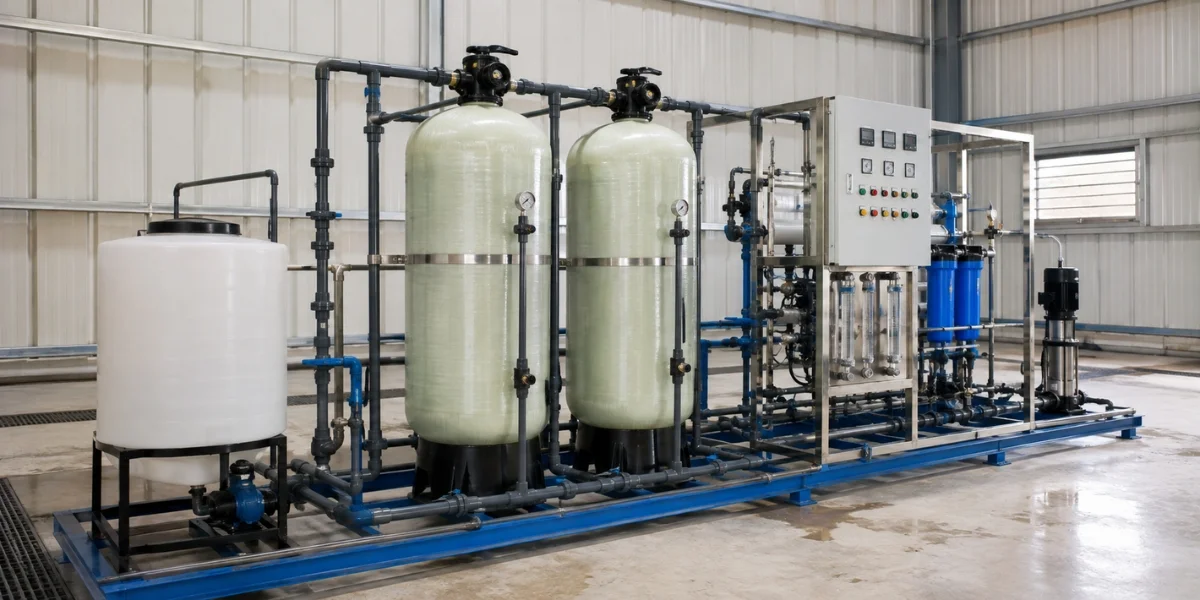
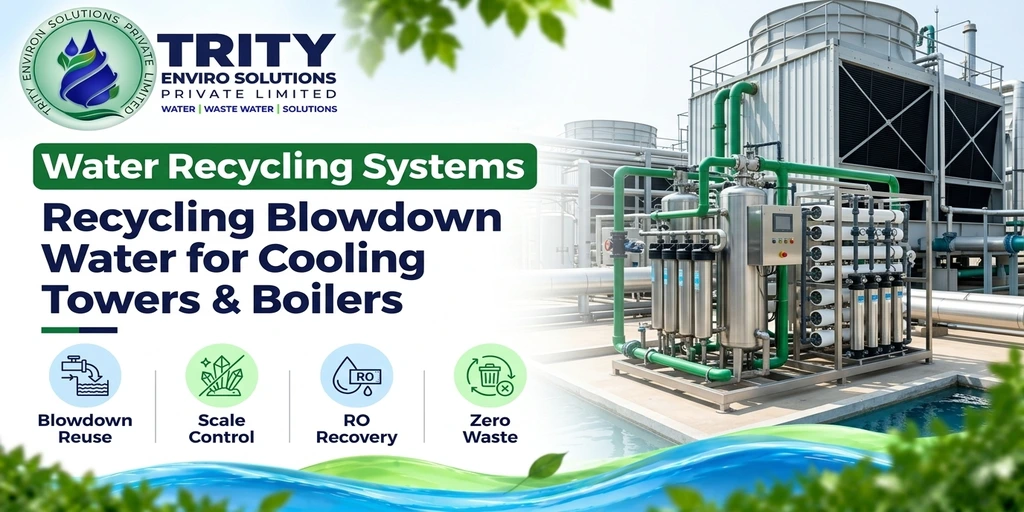
RO & Water Recycling Plant Manufacturer in India
Trity Environ Solutions manufactures RO and water recycling systems for industries and commercial facilities, engineered for reliable purity and reuse.
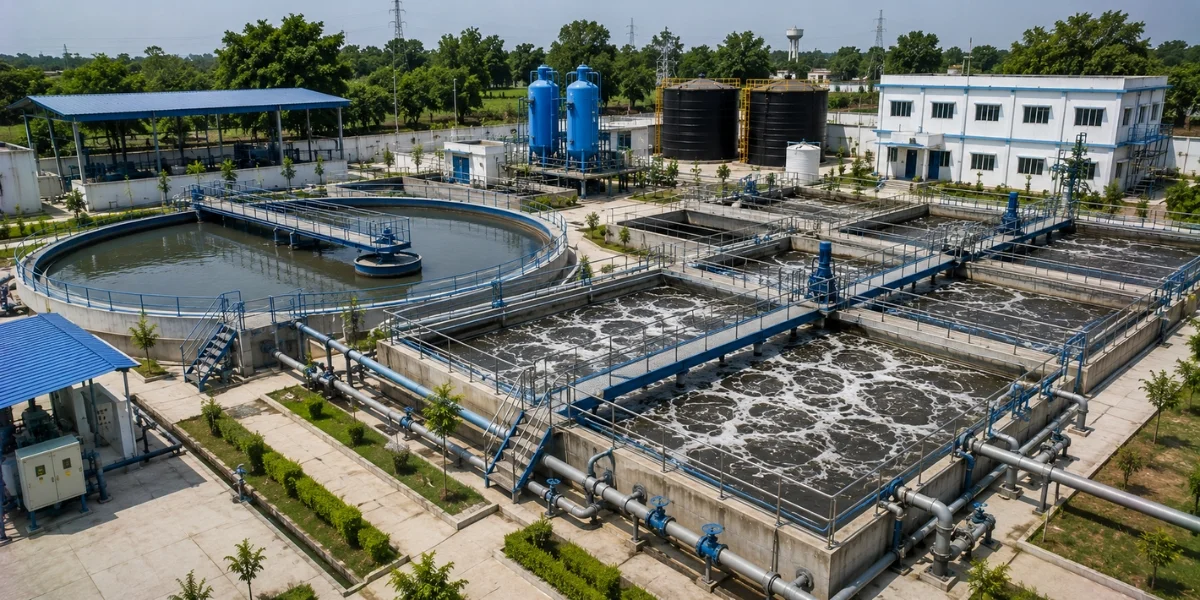
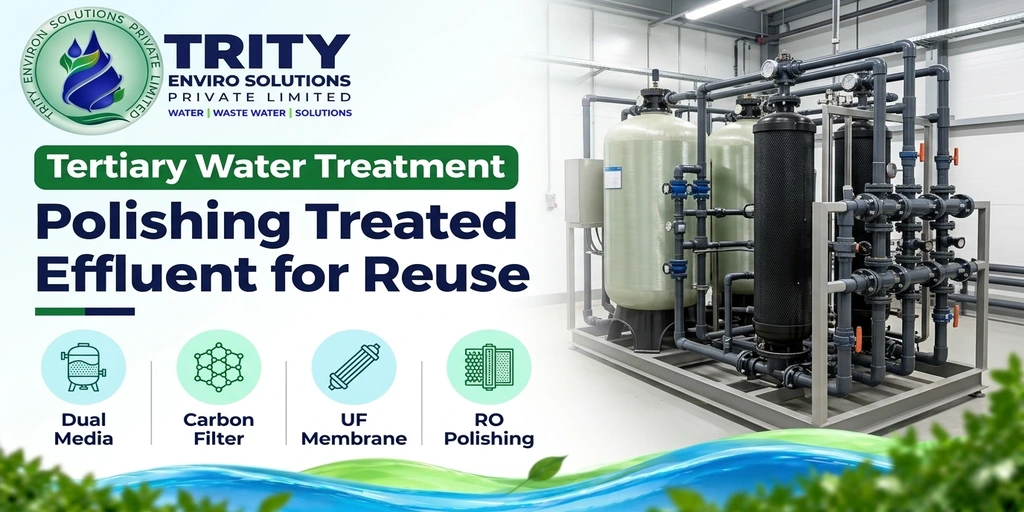
Tertiary Treatment Plant Manufacturer in India
Trity Environ Solutions manufactures tertiary treatment plants that polish treated water beyond secondary treatment, enabling genuine reuse and stricter discharge compliance.
Wastewater Recycling System Manufacturer in India
Trity Environ Solutions manufactures wastewater recycling systems using UF and RO technology, turning treated wastewater into reuse-grade water for cooling, flushing, and gardening.
PAN-INDIA CAPABILITIES
Regional Solutions & State Coverage
TECHNICAL KNOWLEDGE
Related Insights & Engineering Guides
PROVEN EXCELLENCE
Featured Turnkey Installations











Need a Custom Water or Wastewater Treatment Solution?
Our engineering team can help design the right system for your capacity, industry, and compliance requirements.

