
 ISO 9001:2015 & QCI Approved
ETP and STP Plant Manufacturers in Bangalore
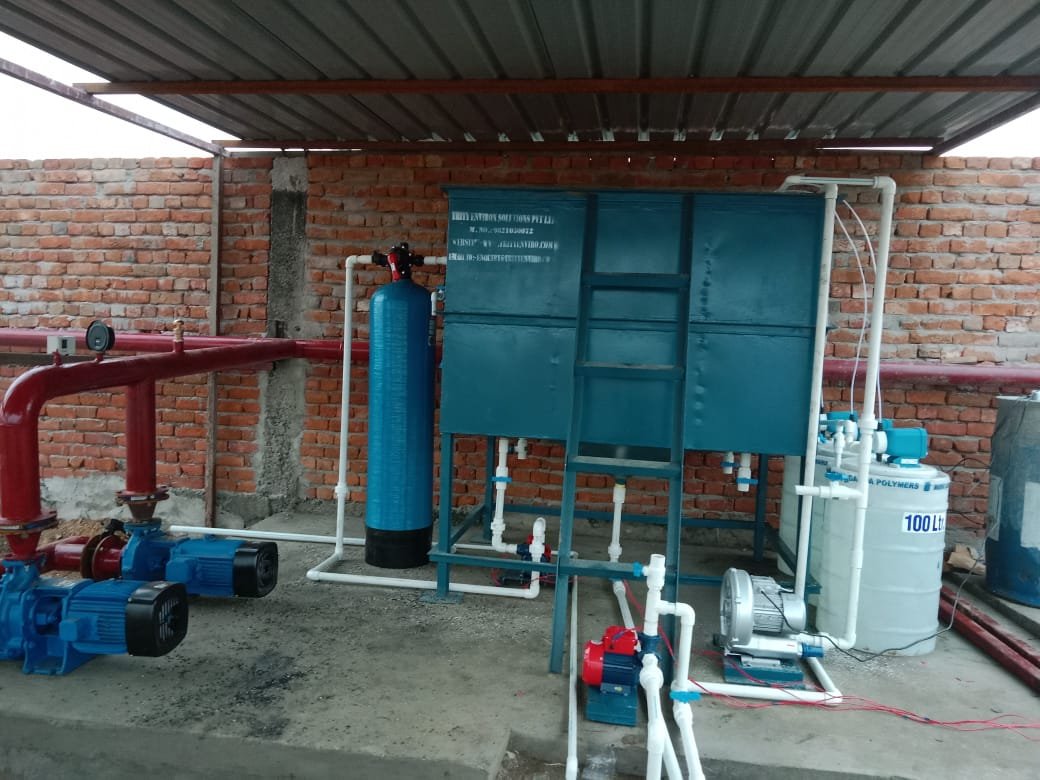
Trity Environ Solutions manufactures STP and ETP plants for Bangalore's apartments, IT parks, and garment units. Engineered to KSPCB's strict 2025 norms. Get a free quote.
SPCB / CPCB Norm Compliant
Heavy Fabrication
STP and ETP Plant Manufacturer for Bangalore's Apartments and Tech Corridor
Bangalore's Bellandur Lake caught fire in 2015. That single event reshaped how the Karnataka State Pollution Control Board (KSPCB) regulates sewage in this city, and the numbers since have been significant: a ₹271.5 crore fine issued against Bellandur polluters, 91 industries identified operating without an STP, show-cause notices sent to ten Sobha-built apartment complexes in 2024, and a KSPCB October 2025 circular that set some of the strictest STP outlet standards in India, BOD at or below 10 mg/L, COD at or below 50 mg/L, and TSS at or below 10 mg/L, tighter than the national CPCB averages most other states still work to. KSPCB has also shown it will act on non-compliance with real consequences, flat fines of around ₹5 lakh to apartments with faulty STPs, closure notices in the Bellandur-Varthur catchment, and the power to direct BESCOM to cut electricity to non-compliant buildings.
Trity Environ Solutions manufactures Sewage Treatment Plant (STP) and Effluent Treatment Plant (ETP) systems for Bangalore built around this exact regulatory intensity. As a trusted Sewage Treatment Plant Manufacturer in Bangalore and Effluent Treatment Plant Manufacturer in Bangalore, we also serve as a reliable Wastewater Treatment Plant Manufacturer in Bangalore for apartment associations, IT campuses, and industrial clients who need a system engineered to clear KSPCB's current standard, not the older, looser norms some legacy plants were built to.
STP Plant Manufacturing for Bangalore's Apartments and RWAs
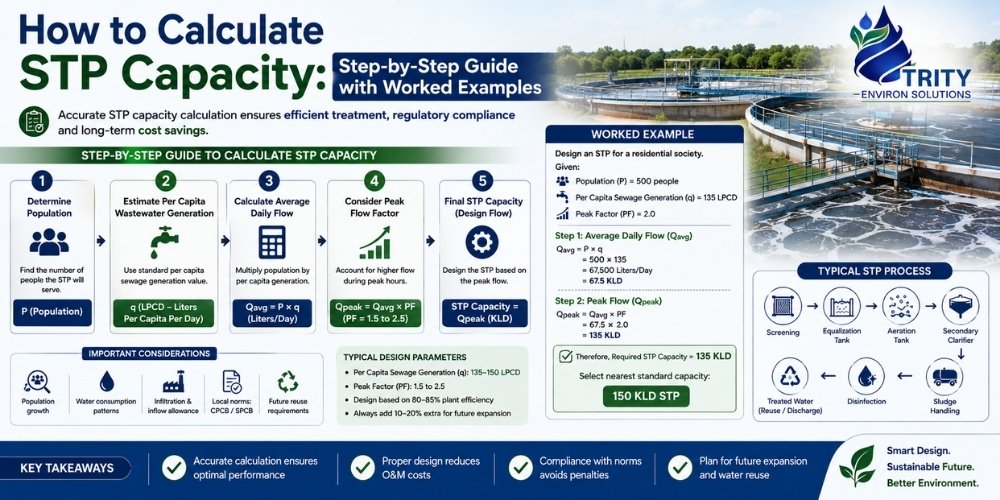
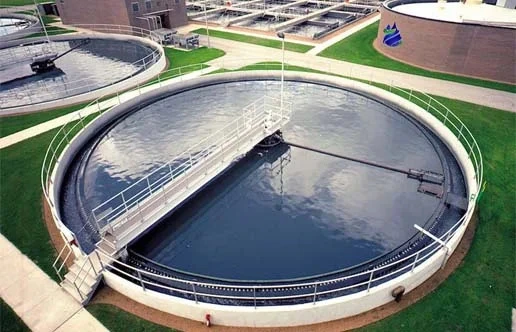
As a leading STP Plant Manufacturer in Bangalore, we build systems specifically for the compliance reality Bangalore's apartment associations face. BWSSB has mandated STPs for apartments with 50 or more flats since 2016, with escalating fines for non-compliance, and Karnataka's building byelaws go a step further than most states by requiring dual plumbing in new developments, a separate pipe network so treated water gets reused for flushing and gardening rather than mixed back with fresh supply. A properly designed STP runs through three stages: preliminary treatment to remove physical solids, secondary treatment using biological processes such as MBBR or SBR to break down organic load, and tertiary treatment for disinfection, engineered to consistently clear KSPCB's tightened BOD, COD, and TSS limits rather than just scraping past them.
For plants above 50 KLD, we also build in the Online Continuous Effluent Monitoring System (OCEMS) integration KSPCB now mandates, with data feeding directly to the board's central server, since a plant lacking this connection is non-compliant regardless of how well it actually treats sewage.
ETP Plant Solutions for Bangalore's IT Parks and Industrial Base
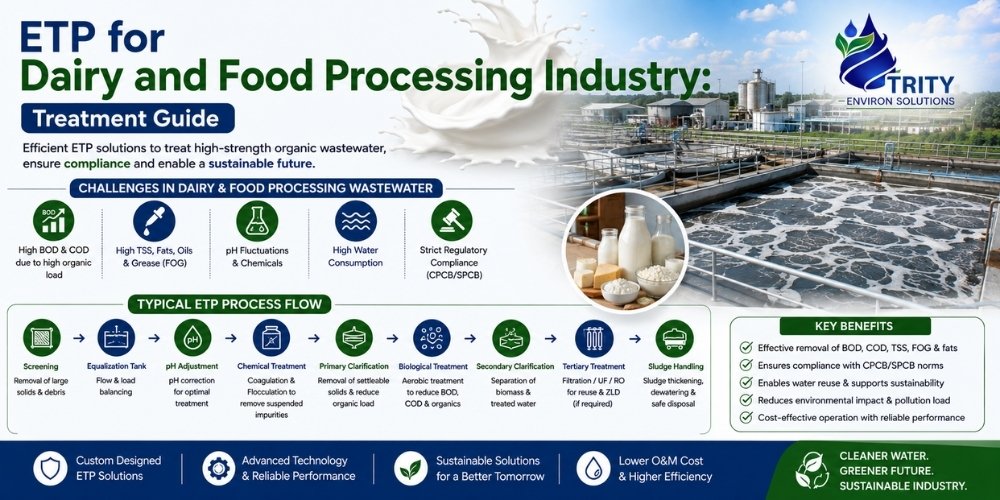
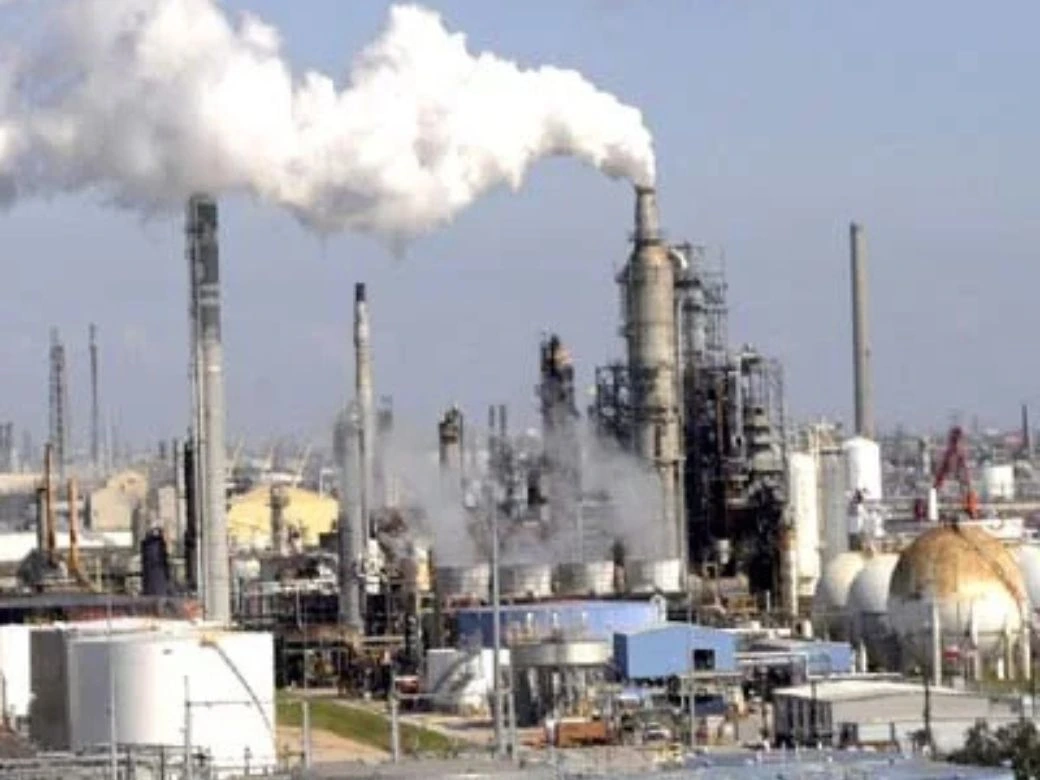
Bangalore's economy runs on more than software. Alongside its IT campuses at Electronic City, Whitefield, and along the Outer Ring Road, the city remains one of India's largest garment export hubs, has a long-established brewery and beverage industry, and hosts significant electronics manufacturing. As a trusted ETP Plant Manufacturer in Bangalore, our Effluent Treatment Plant (ETP) systems run through physical treatment to remove suspended solids, chemical treatment using coagulation and flocculation for dye, chemical, or process contaminants, and biological treatment to reduce organic load before discharge or reuse.
Large IT campuses generate sewage volumes closer to a small township than a typical office building, and we size STPs and any attached ETP components against actual campus headcount and occupancy patterns rather than a generic commercial-building estimate.
Turnkey Execution: Design to Commissioning
Our scope on Bangalore projects typically covers:
- Site assessment and effluent or sewage characterisation
- Process design built to clear KSPCB's October 2025 discharge standards with margin, not just the minimum
- Civil and structural coordination, including dual-plumbing integration for new developments
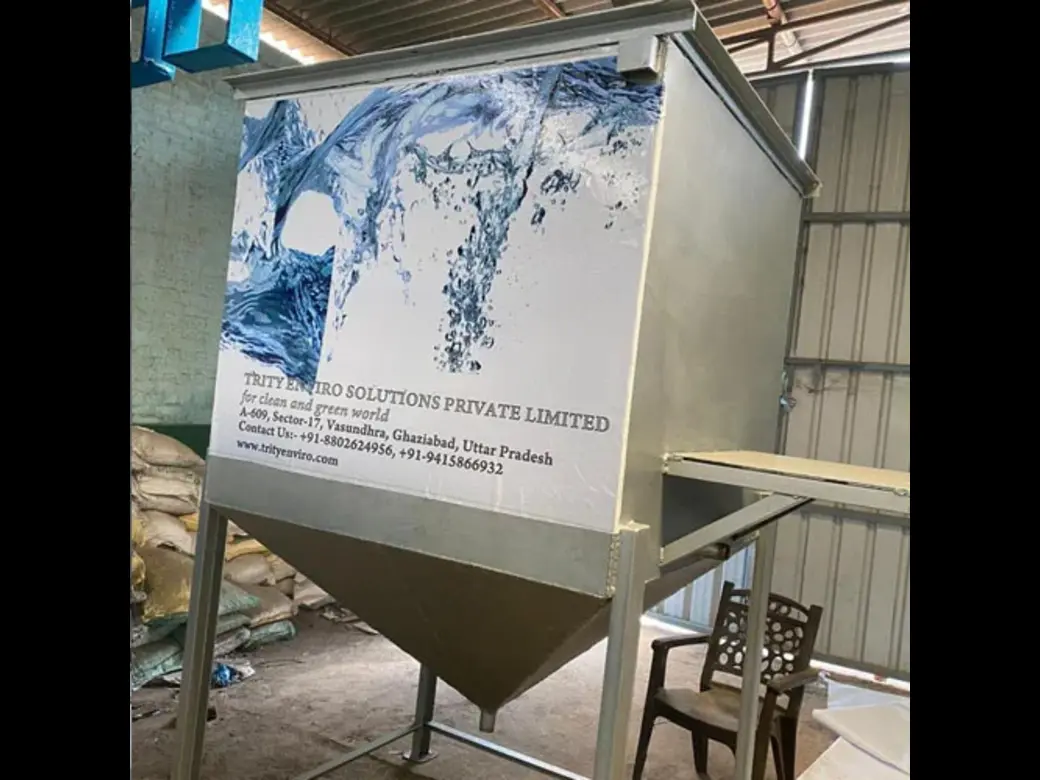
- Equipment manufacturing at our own facility
- Installation, piping, and electrical integration, including OCEMS connectivity for plants above 50 KLD
- Trial runs, commissioning, and KSPCB documentation support
- Annual Maintenance Contracts (AMC) after commissioning
Given how many KSPCB notices trace back to plants that passed initial commissioning and then deteriorated over the following year or two, often from being handed over without proper operator training, we build ongoing operator guidance and AMC support into every project rather than treating handover as the end of our involvement.
Capacity Options We Manufacture
| Plant Type | Capacity Range | Typical Application in Bangalore |
|---|---|---|
| STP | 1 KLD to 500 KLD, modular for larger campuses | Apartment complexes, IT parks, institutions |
| ETP | 5 KLD to 2 MLD+ | Garment processing, electronics manufacturing, breweries |
| OCEMS-integrated STP/ETP | 50 KLD and above | Any plant where KSPCB's online monitoring mandate applies |
Treatment Technologies We Deploy
KSPCB and CPCB recognise several treatment technologies, and we manufacture across the ones best suited to consistently clearing Bangalore's tightened discharge standards:
- MBBR (Moving Bed Biofilm Reactor): compact footprint, reliable performance against KSPCB's BOD and COD limits, a strong fit for apartments and mid-sized institutions
- SBR (Sequencing Batch Reactor): effective for larger apartment complexes and IT campuses with substantial daily sewage volume
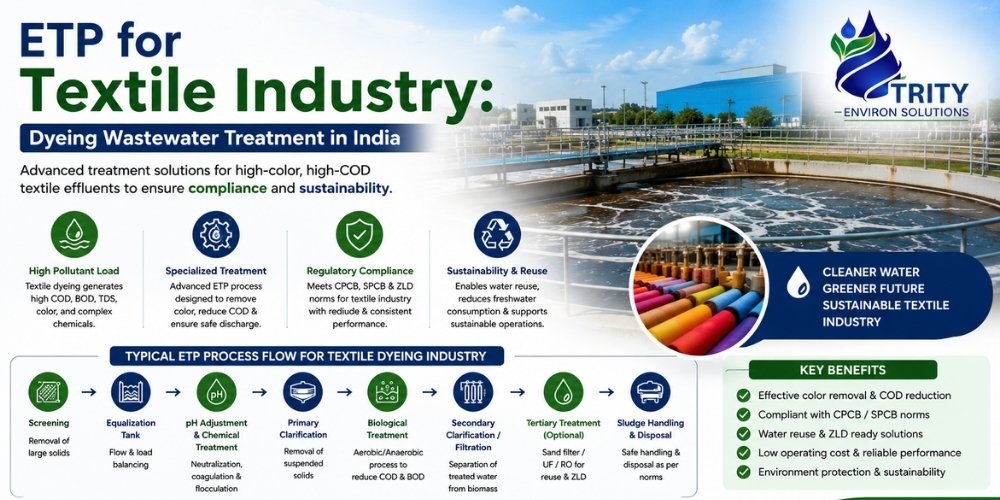
- Chemical coagulation and decolourisation: necessary for garment and textile dyeing effluent
- Extended Aeration: cost-effective for smaller residential setups, though sizing accuracy matters more here given how strictly KSPCB now enforces outlet standards
Technology choice affects more than running cost in Bangalore specifically, since a plant that only just meets national CPCB averages will fail KSPCB's tighter 2025 standard outright.
Industries and Institutions We Serve in Bangalore
- Apartment complexes and RWAs: the largest source of KSPCB enforcement activity given the BWSSB's 50-flat mandate and dual-plumbing requirement
- IT parks and tech campuses: Electronic City, Whitefield, and Outer Ring Road corridor developments with township-scale sewage volumes
- Garment and textile export units: dyeing and processing effluent requiring dedicated colour and COD treatment
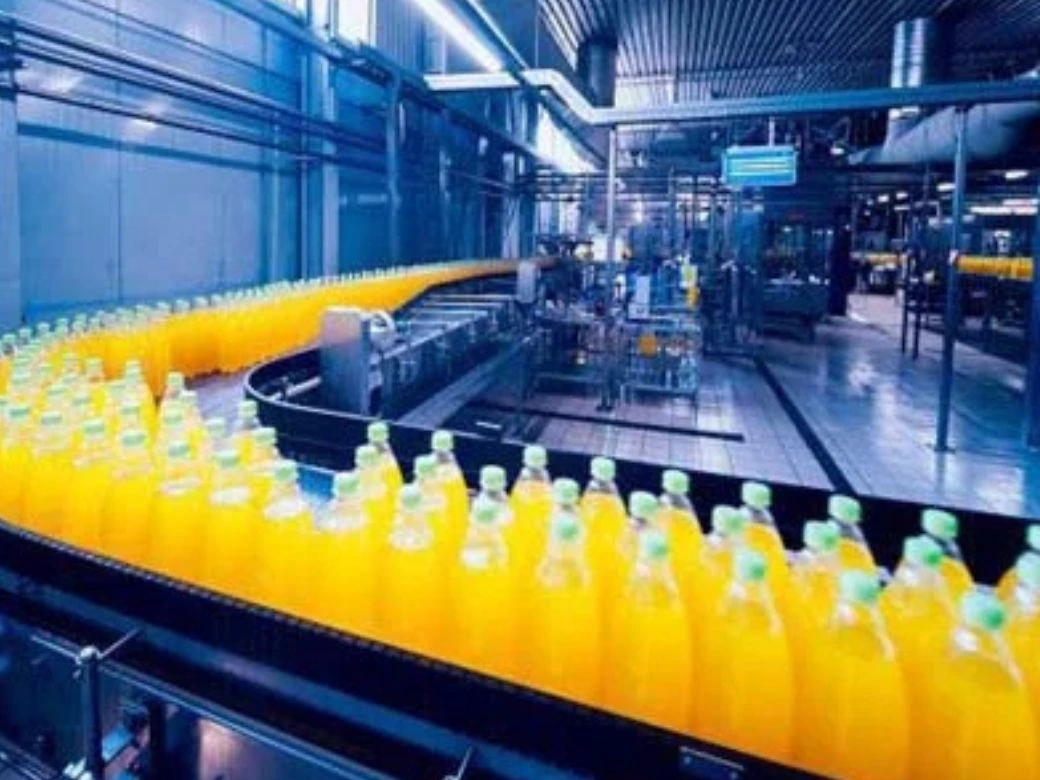
- Breweries and beverage manufacturing: high-BOD effluent from fermentation and cleaning cycles
- Electronics manufacturing: process effluent requiring physical-chemical treatment stages
- Hospitals and educational institutions: centralised STP systems with dedicated disinfection stages
KSPCB Compliance and Discharge Norms
Every plant we design for Bangalore is built to clear these requirements, based on KSPCB's October 2025 circular:
- BOD: at or below 10 mg/L
- COD: at or below 50 mg/L
- TSS: at or below 10 mg/L
- OCEMS integration: mandatory for any plant above 50 KLD, with data linked to KSPCB's central server
- Dual plumbing: mandatory in new buildings to enable treated water reuse for flushing and gardening
- Consent to Establish (CTE) and Consent to Operate (CTO) through KSPCB, alongside BWSSB's own STP and treated-water rules for apartments
Given the scale of enforcement activity in the Bellandur-Varthur catchment specifically, and KSPCB's stated intent to extend inspection beyond apartments to individual homes, we design every system with margin above these limits rather than treating them as a ceiling to just scrape under.
Engineering Considerations Specific to Bangalore
A few conditions shape how we design differently for Bangalore compared to a city without the same combination of scarcity and enforcement pressure.
Water scarcity makes reuse a design requirement, not a bonus feature. Bangalore's piped water supply consistently falls short of demand, and many apartments depend on tankered water to cover the gap. Treated wastewater reused for flushing and gardening through dual plumbing directly reduces that dependency, which is part of why Karnataka mandates it rather than leaving it optional.
Enforcement is genuinely proactive, not just reactive to complaints. KSPCB has moved beyond checking only apartments and industries near Bellandur and Varthur to surveying individual homes in the catchment, and has shown willingness to involve BESCOM to cut power to non-compliant sites. A plant designed to just barely pass an initial inspection carries real ongoing risk here.
Large IT campuses need STP sizing closer to municipal-scale than commercial-building-scale. A major tech park can generate sewage volumes comparable to a small town, and undersizing based on a standard commercial-building estimate is a common source of later non-compliance.
Post-commissioning deterioration is the most common compliance failure KSPCB traces. Industry data on Karnataka STP compliance consistently shows that plants which pass initial inspection often fail 12 to 18 months later due to lack of operator training and ongoing maintenance, not a flawed initial design. We treat AMC and operator training as core to the project, not an optional add-on.
Areas We Cover Across Bangalore
We supply, install, and service STP and ETP systems across Bangalore, including the Bellandur-Varthur catchment, Electronic City, Whitefield, the Outer Ring Road corridor, and the wider Bengaluru metropolitan area.
Why Bangalore Projects Choose Trity Environ Solutions
Search results for STP and ETP manufacturers in Bangalore are dominated by generic pages that mention KSPCB in passing without engaging with the specifics that actually matter here, the October 2025 tightened discharge norms, the OCEMS mandate above 50 KLD, or the mandatory dual-plumbing requirement that Karnataka enforces more strictly than almost any other state.
We design to KSPCB's current standard by default, not the looser CPCB averages that plants built even two or three years ago were sized against, and we build in the operator training and ongoing AMC support that KSPCB's own enforcement data shows is where most compliance failures actually originate. For a city with this much regulatory attention on sewage, that distinction matters more than a generic manufacturer claim.
Quality, Certification, and After-Sales Support
Trity Environ Solutions is ISO 9001:2015 certified, and every plant we manufacture goes through in-house quality inspection before dispatch. After installation, we provide AMC support, spare parts availability, operator training, and remote troubleshooting, addressing the exact gap KSPCB's own notices most often trace non-compliance back to. You can review our project history on our Achievement page, or read more about our full Services.
Frequently Asked Questions
1. What is the cost of an STP or ETP plant in Bangalore?
Cost depends on capacity, technology, and whether OCEMS integration is required. A 50-flat apartment STP and a garment unit's dyeing-effluent ETP will differ significantly, since treatment stages required are genuinely different. We provide a site-specific quote after reviewing your effluent profile and flat or headcount data.
2. Is an STP mandatory for all apartment complexes in Bangalore?
Yes, BWSSB has mandated STPs for apartments with 50 or more flats since 2016, with escalating fines for non-compliance and the possibility of KSPCB directing BESCOM to cut power supply to persistently non-compliant buildings.
3. What does the KSPCB's October 2025 circular actually change?
It tightened outlet standards to BOD at or below 10 mg/L, COD at or below 50 mg/L, and TSS at or below 10 mg/L, stricter than the national CPCB averages many older plants were designed against, and made OCEMS mandatory for any plant above 50 KLD.
4. Why do apartments near Bellandur and Varthur lakes face more scrutiny than elsewhere in the city?
The Bellandur-Varthur catchment has seen the most visible pollution incidents, including the 2015 lake fire, and has been the focus of NGT orders and KSPCB enforcement drives, including show-cause notices to ten apartment complexes in 2024 alone.
5. What is dual plumbing, and is it really mandatory?
Dual plumbing is a separate pipe network within a building that carries treated wastewater for reuse in flushing and gardening rather than mixing it with fresh water supply. Karnataka's building byelaws require it in new developments, which is a stricter reuse mandate than most other states apply.
6. Can an older STP that was compliant a few years ago still pass inspection today?
Not necessarily. KSPCB's October 2025 standards are tighter than what many existing plants were designed to meet, so a system that passed commissioning under older norms may need an upgrade to clear current outlet limits. We assess this during site evaluation.
7. How long does the KSPCB Consent to Establish and Consent to Operate process take?
Timelines vary by project scale, but generally run 60 to 90 days once your site plan and treatment design are submitted. We assist RWAs and industrial clients with documentation to avoid delays.
Ready to discuss your Bangalore project? Get a free quote or explore our full product range for STP, ETP, and related water treatment systems.
WHY THIS SYSTEM?
Key Benefits of ETP and STP Plant Manufacturers in Bangalore
Engineered for high biological efficiency, full environmental compliance, and low lifecycle operational costs.
100% CPCB / SPCB Compliance
Strict adherence to national and state pollution control board parameters for BOD, COD, TSS, and heavy metals discharge.
Low Power & Operational Cost
Optimized hydraulic design and energy-efficient aeration reduce kilowatt consumption per cubic meter of treated water.
Compact & Modular Footprint
Skid-mounted and modular civil layouts save valuable industrial floor space and allow seamless capacity expansion.
Automated PLC / SCADA Control
Real-time water quality monitoring, automated dosing systems, and remote telemetry for hassle-free plant operation.
Zero Liquid Discharge (ZLD) Ready
Seamless integration with downstream RO and evaporator systems for maximum water recycling and recovery.
Robust Engineering & Longevity
Heavy-gauge anti-corrosive construction ensures 15+ years of reliable, uninterrupted service life.
SYSTEM CONFIGURATIONS
Types of ETP and STP Plant Manufacturers in Bangalore Configurations
Tailored industrial configurations matched to specific effluent composition, flow rates, and space constraints.
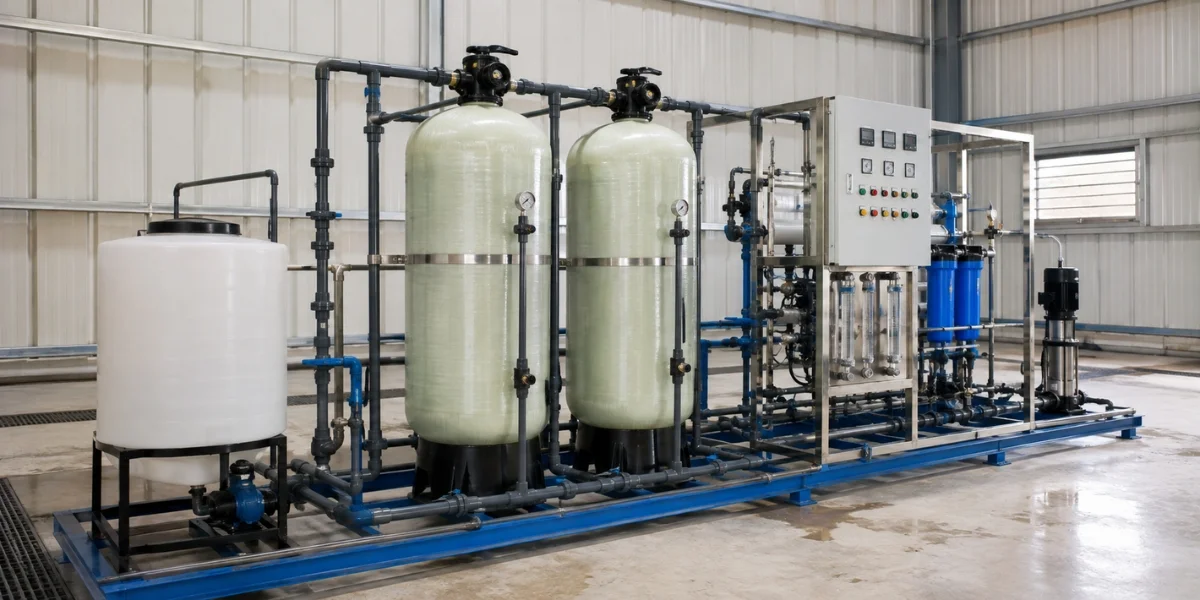
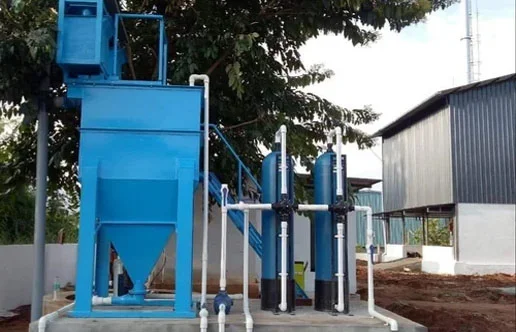
RO & Water Recycling Plant Manufacturer in India
Trity Environ Solutions manufactures RO and water recycling systems for industries and commercial facilities, engineered for reliable purity and reuse.
Explore Configuration
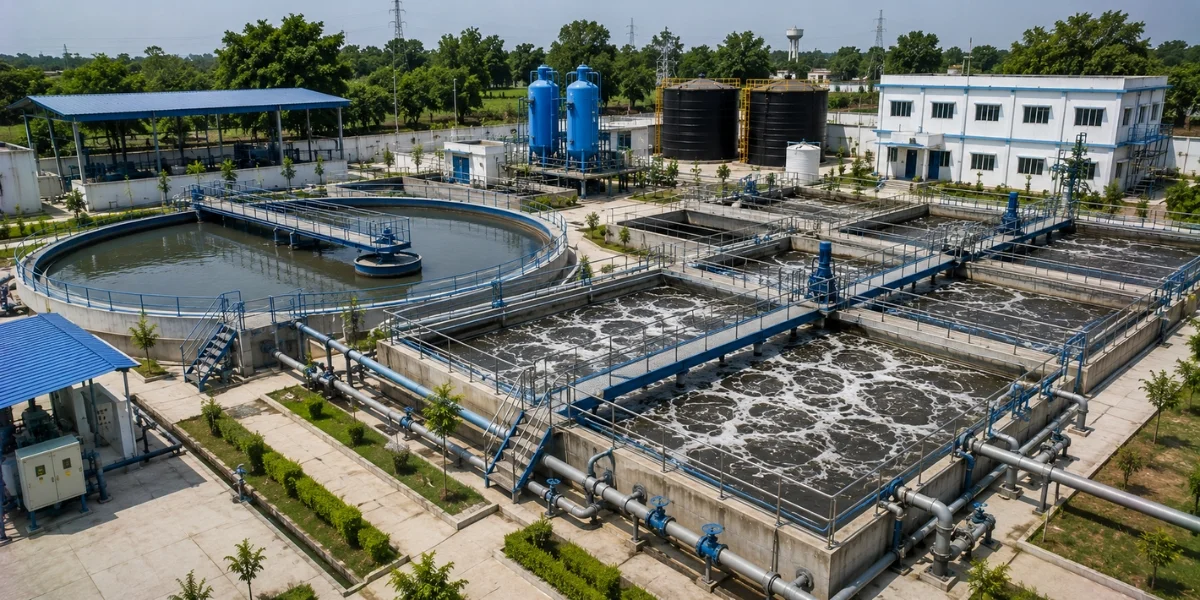
Tertiary Treatment Plant Manufacturer in India
Trity Environ Solutions manufactures tertiary treatment plants that polish treated water beyond secondary treatment, enabling genuine reuse and stricter discharge compliance.
Explore Configuration
Wastewater Recycling System Manufacturer in India
Trity Environ Solutions manufactures wastewater recycling systems using UF and RO technology, turning treated wastewater into reuse-grade water for cooling, flushing, and gardening.
Explore Configuration
STEP-BY-STEP WORKFLOW
How the ETP and STP Plant Manufacturers in Bangalore Process Works
A sequential, multi-stage treatment methodology engineered for maximum contaminant removal and water recovery.
01
Primary Collection & Screening
Raw effluent equalization, coarse bar screening, and pH neutralization to stabilize influent parameters.
02
Physico-Chemical Coagulation
Flash mixing of coagulants and flocculants followed by primary clarifier separation for heavy suspended solids.
03
Advanced Biological Digestion
Aerobic/anaerobic microbial digestion (MBBR / SBR / ASP) for drastic reduction of dissolved BOD & COD.
04
Tertiary Polishing & Disinfection
Dual media sand and activated carbon filtration with UV/ozonation for clean, reusable output water.
CATALOGUE
Related Engineering Products
RO & Water Recycling Plant Manufacturer in India
Trity Environ Solutions manufactures RO and water recycling systems for industries and commercial facilities, engineered for reliable purity and reuse.
Tertiary Treatment Plant Manufacturer in India
Trity Environ Solutions manufactures tertiary treatment plants that polish treated water beyond secondary treatment, enabling genuine reuse and stricter discharge compliance.
Wastewater Recycling System Manufacturer in India
Trity Environ Solutions manufactures wastewater recycling systems using UF and RO technology, turning treated wastewater into reuse-grade water for cooling, flushing, and gardening.
PAN-INDIA CAPABILITIES
Regional Solutions & State Coverage
TECHNICAL KNOWLEDGE
Related Insights & Engineering Guides
PROVEN EXCELLENCE
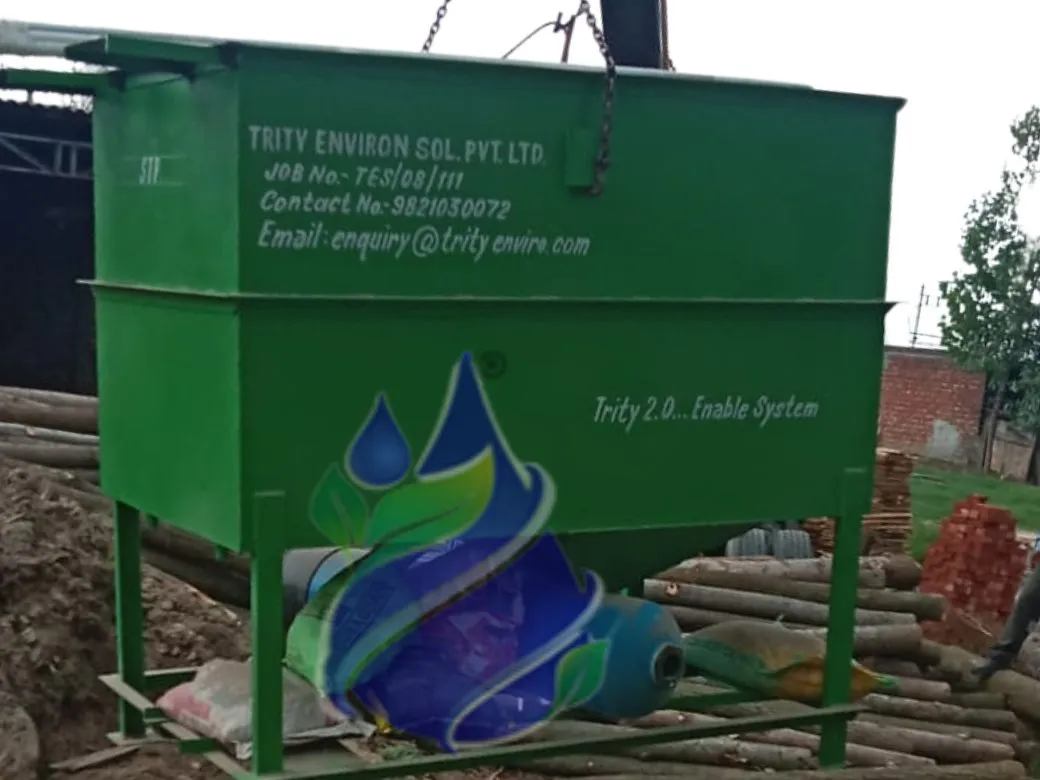
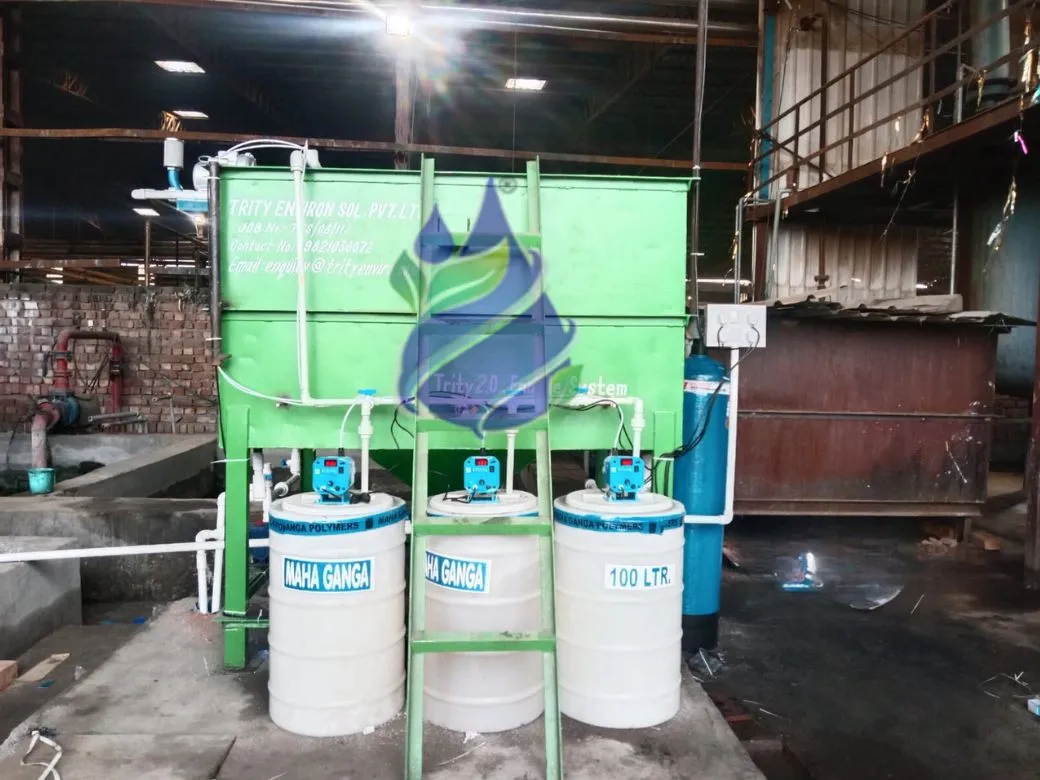
Featured Turnkey Installations




Need a Custom Water or Wastewater Treatment Solution?
Our engineering team can help design the right system for your capacity, industry, and compliance requirements.