

 ISO 9001:2015 & QCI Approved
STP and ETP Plant Manufacturer in Bhagalpur
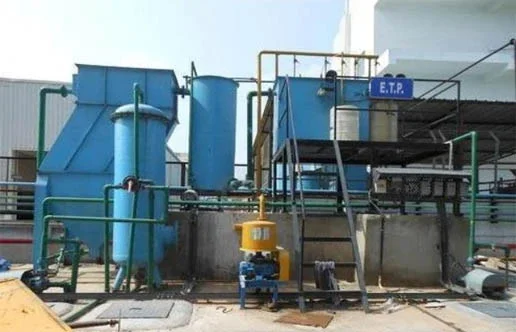
Trity Environ Solutions is a leading STP and ETP plant manufacturer in Bhagalpur, engineering turnkey wastewater systems for Tussar silk dyeing, textile processing, and agro units across Barari Industrial Area. We build heavy-duty effluent treatment plants and sewage treatment plants engineered for strict BSPCB compliance along the sacred Ganga river basin, backed by pan India installation support.
Tussar Silk & Textile Dyeing Solutions
Ganga & Dolphin Sanctuary Protection
Engineered Industrial Wastewater Treatment for India's Historic Silk City
Bhagalpur is globally renowned as the 'Silk City' of India, celebrated for centuries of traditional Tussar silk weaving, reeling, dyeing, and fabric export. Located along the sacred Ganges in eastern Bihar, the city also hosts the Vikramshila Gangetic Dolphin Sanctuary, agro-processing complexes, light engineering, and educational institutions in the Barari Industrial Area.
Textile silk processing operations generate demanding wastewater streams. Silk boiling, degumming (sericin removal), bleaching, and synthetic chemical dyeing discharge wastewater characterized by dark coloration, elevated caustic pH, high chemical oxygen demand (COD exceeding 4,000 mg/L), and toxic dye auxiliaries.
As a leading STP and ETP plant manufacturer in Bhagalpur, Trity Enviro delivers advanced wastewater treatment systems engineered to protect the holy Ganges and its endangered aquatic biodiversity. The Bihar State Pollution Control Board (BSPCB) and National Green Tribunal (NGT) enforce strict zero-discharge and Namami Gange standards under BSPCB compliance.
For silk dyeing and textile weaving units, our specialized chemical effluent treatment plants incorporate automated chemical decolorization, flash coagulation, high-rate primary clarifiers, and extended biological aeration. High-molecular decolorizing polymers break down synthetic dye complexes while neutralizing caustic alkalinity.
Concurrently, expanding residential townships, hotels, and educational campuses across Bhagpur generate substantial domestic sewage loads. We engineer compact sewage treatment plants based on MBBR and MBR technology, delivering crystal-clear recycled water for toilet flushing, green belts, and HVAC cooling towers.
Key Advantages
Why Bhagalpur Silk and Industrial Enterprises Choose Trity Enviro
Built for persistent reactive dye colors, caustic alkalinity, and strict BSPCB dolphin sanctuary protection mandates.
Ganga and Dolphin Sanctuary Environmental Safeguards
Engineered to deliver treated effluent consistently meeting BSPCB surface discharge standards, eliminating river contamination risks.
Complete Silk Dye Decolorization
Specialized chemical coagulation and catalytic oxidation skids engineered to achieve complete color removal from reactive dye wastewater.
High Recovery Process Water Recycling
Integrated reverse osmosis systems recovering up to 85 percent of treated wastewater for direct reuse in fabric washing tanks.
Strict BSPCB and Namami Gange Compliance
Guarantees treated discharge parameters well within BSPCB limits, eliminating regulatory shutdown notices and environmental penalties.
Pre-Engineered Packaged Skids
Skid-mounted modular configurations designed for fast installation within congested workshop utility spaces across Champanagar and Barari.
Treating Tussar Silk Degumming and Dyeing Effluents in Champanagar and Barari
Bhagalpur's silk industry is centered in Champanagar, Nathnagar, and Barari Industrial Estate. Processing raw cocoon silk involves boiling with soda ash and soap to dissolve natural sericin gum, followed by acid or reactive dyeing. The resulting wastewater carries intense synthetic color, dissolved proteins, alkaline pH, and elevated COD.
Discharging these colored, organic streams into local nullahs entering the Ganges threatens the Vikramshila Gangetic Dolphin Sanctuary and violates strict Namami Gange environmental mandates. The BSPCB strictly mandates captive primary-secondary treatment with continuous monitoring.
Trity Enviro builds specialized textile chemical effluent treatment plants equipped with rotary screens, automated acid neutralization, and specialized decolorizing polymer dosing. Coagulated dye pigments settle rapidly inside high-rate lamella clarifiers, removing over 95 percent of visible coloration.
Clarified wastewater then enters extended biological aeration or Moving Bed Biofilm Reactors (MBBR) where specialized microbial cultures digest residual sericin proteins. Dewatered sludge is converted into dry cake using recessed plate filter presses for authorized disposal.
Decentralized Sewage Treatment for University Campuses and Townships
Alongside its silk manufacturing base, Bhagalpur supports major academic institutions like Tilka Manjhi Bhagalpur University (TMBU), medical colleges, residential townships, and commercial centers. These facilities generate substantial domestic wastewater volumes daily.
With water conservation priorities intensifying along the holy Ganges, treating and recycling sewage water in-situ provides vital operational security. Reusing treated water for institutional farm irrigation, campus green belts, and toilet flushing conserves critical freshwater aquifers.
Our prefabricated sewage treatment plants utilize modern MBBR and MBR biological technology. Submerged fine bubble aeration maintains active biological cultures that rapidly digest organic matter without offensive septic odors, while ultrafiltration membranes produce crystal-clear, pathogen-free permeate.
For educational facilities, student hostels, and commercial complexes requiring dependable drinking water, we install high-efficiency commercial RO plants. Treated effluent is recirculated for green belts, toilet flushing, and cooling towers, delivering long-term utility savings.
Turnkey Installation, ZLD Engineering, and Local AMC Services
Operating adjacent to an ecologically sensitive Gangetic dolphin reserve requires continuous technical diligence. Many modern silk processing houses in Bhagalpur are adopting zero liquid discharge architectures to insulate their operations against future regulatory restrictions. Trity Enviro delivers turnkey zero liquid discharge plants integrating ultrafiltration, industrial RO plants, and thermal evaporators.
This closed-loop design recovers over 95 percent of industrial wastewater as high-purity water for fabric washing baths while converting separated salts into dry solids for TSDF disposal. Our engineering network coordinates with regional service centers in neighboring Patna to provide fast technical response.
We provide full-scope annual maintenance contract programs across Bhagalpur and Barari industrial sectors. Our field engineers handle bio-culture maintenance, chemical dosing pump calibration, membrane clean-in-place cycles, and BSPCB compliance testing. Reach out today via our contact us page for an engineering evaluation.
Proven Configurations
Wastewater Treatment Systems Engineered for Bhagalpur
Selecting the most dependable configuration based on Tussar silk dye color, sericin proteins, and campus domestic sewage.
Textile Dye Decolorization and Chemical ETPs
Specialized chemical coagulation and extended aeration plants designed to decolorize and treat high-COD wastewater from Tussar silk dyeing units.
Explore Configuration
Sericin Protein Recovery and Clarifier ETPs
Heavy-duty reaction and clarification assemblies designed specifically to isolate natural silk gums and starches from silk degumming washings.
Explore Configuration
Membrane Bioreactor (MBR) Packaged STPs
Ultrafiltration submerged membrane plants delivering pathogen-free, odorless treated water for worker colonies and commercial complexes.
Explore Configuration
High Recovery RO and ZLD Systems
Multi-stage reverse osmosis and thermal evaporation plants engineered for manufacturing units requiring complete zero liquid discharge.
Explore Configuration
Execution Discipline
Our Project Delivery Methodology in Bhagalpur
Structured engineering discipline from initial chemical profiling to skid fabrication, commissioning, and BSPCB sign-off.
01
Wastewater Sampling and Color Profiling
Detailed laboratory testing of raw wastewater for reactive dye color units, COD, sericin proteins, and pH at your Bhagalpur facility.
02
Process Engineering and Decolorization Sizing
Stoichiometric calculation of decolorizing polymer dosing, biological aeration retention times, diffuser layouts, and sludge production.
03
Factory Skid Fabrication and Assembly
Precision manufacturing of modular skids using chemical-resistant alloys, FRP, and epoxy-coated vessels with full hydrostatic inspection.
04
On-Site Installation and Commissioning
Turnkey civil integration, mechanical erection, internal piping, and automated control panel wiring executed by experienced engineers.
05
Chemical Optimization and Staff Training
Chemical dosing stabilization, sludge cake dryness validation, treated water parameter verification, and operator training.
Helpful FAQs
Frequently Asked Questions About Bhagalpur Wastewater Plants
Clear answers regarding BSPCB regulations, Tussar silk dyeing wastewater treatment, and maintenance in Bhagalpur.
Q1. How does Trity Enviro decolorize Tussar silk dyeing wastewater in Bhagalpur?
We implement a specialized two-stage process: specialized decolorizing cationic polymers combined with PAC coagulant to precipitate reactive dye molecules, followed by extended aeration to degrade residual organic carriers.
Q2. What are the BSPCB discharge limits for textile units in Bhagalpur?
BSPCB mandates that treated industrial effluent must achieve pH between 6.5 and 8.5, TSS below 100 mg/L, BOD below 30 mg/L, COD below 250 mg/L, and oil and grease below 10 mg/L for surface water disposal.
Q3. Can treated silk dye wastewater be recycled back into fabric washing tanks?
Yes. Following primary chemical clarification and sand-carbon filtration, routing water through our high-recovery RO skids yields demineralized water suitable for fabric washing and rinsing.
Q4. What type of STP is ideal for a university campus like TMBU?
A Sequential Batch Reactor (SBR) or Moving Bed Biofilm Reactor (MBBR) plant is ideal for large institutional campuses, providing automated operation and treated water suitable for green belts.
Q5. Does Trity Enviro provide regular AMC support in Bhagalpur and Barari?
Yes. We offer complete annual maintenance contracts across Bhagalpur, providing regular site visits, chemical dosing checks, filter press servicing, and compliance documentation.
Q6. How long does it take to deploy a packaged ETP in Bhagalpur?
Standard packaged units of 10 KLD to 100 KLD are fabricated within 3 to 4 weeks and installed on site within 7 to 10 days once civil foundations are completed.
CATALOGUE
Related Engineering Products
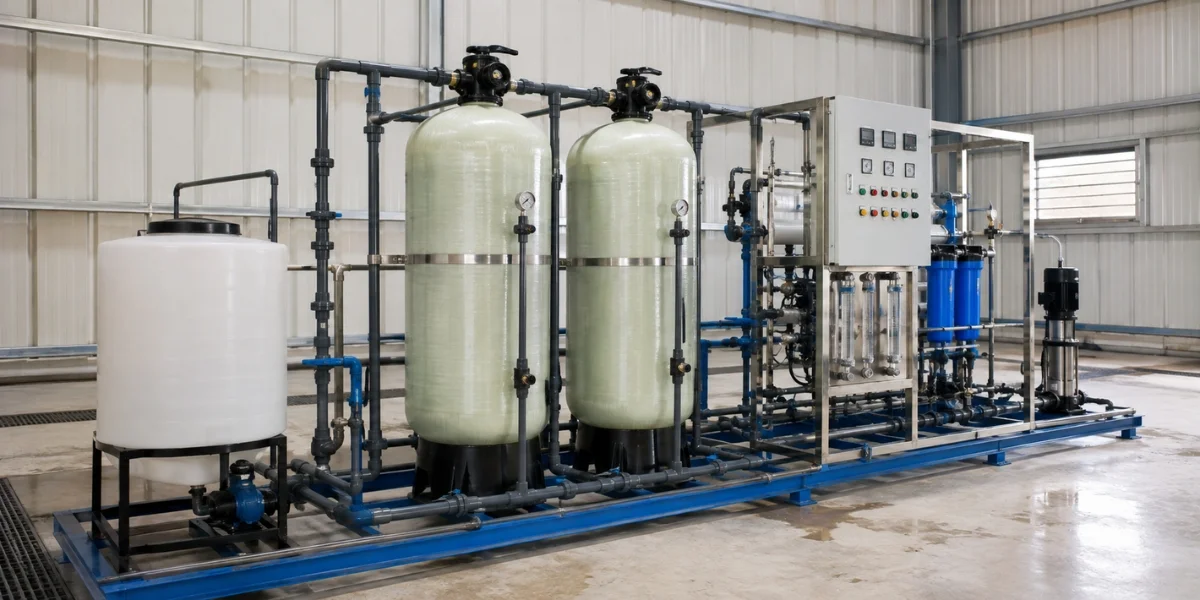
RO & Water Recycling Plant Manufacturer in India
Trity Environ Solutions manufactures RO and water recycling systems for industries and commercial facilities, engineered for reliable purity and reuse.
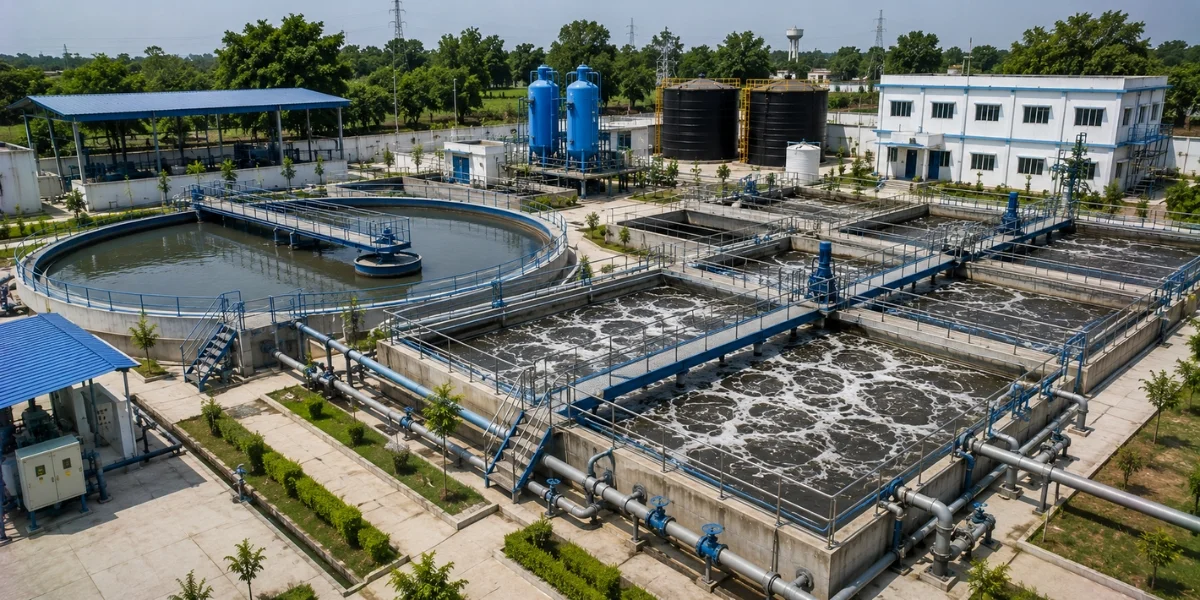
Tertiary Treatment Plant Manufacturer in India
Trity Environ Solutions manufactures tertiary treatment plants that polish treated water beyond secondary treatment, enabling genuine reuse and stricter discharge compliance.
Wastewater Recycling System Manufacturer in India
Trity Environ Solutions manufactures wastewater recycling systems using UF and RO technology, turning treated wastewater into reuse-grade water for cooling, flushing, and gardening.
PAN-INDIA CAPABILITIES
Regional Solutions & State Coverage
TECHNICAL KNOWLEDGE
Related Insights & Engineering Guides
PROVEN EXCELLENCE
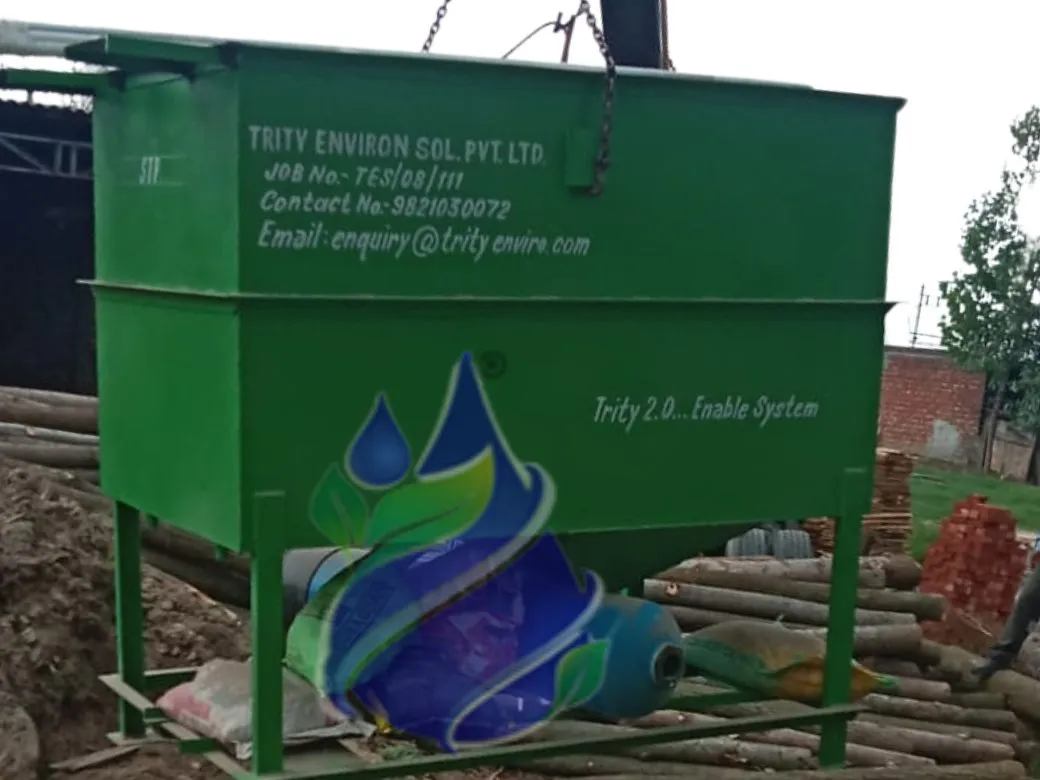
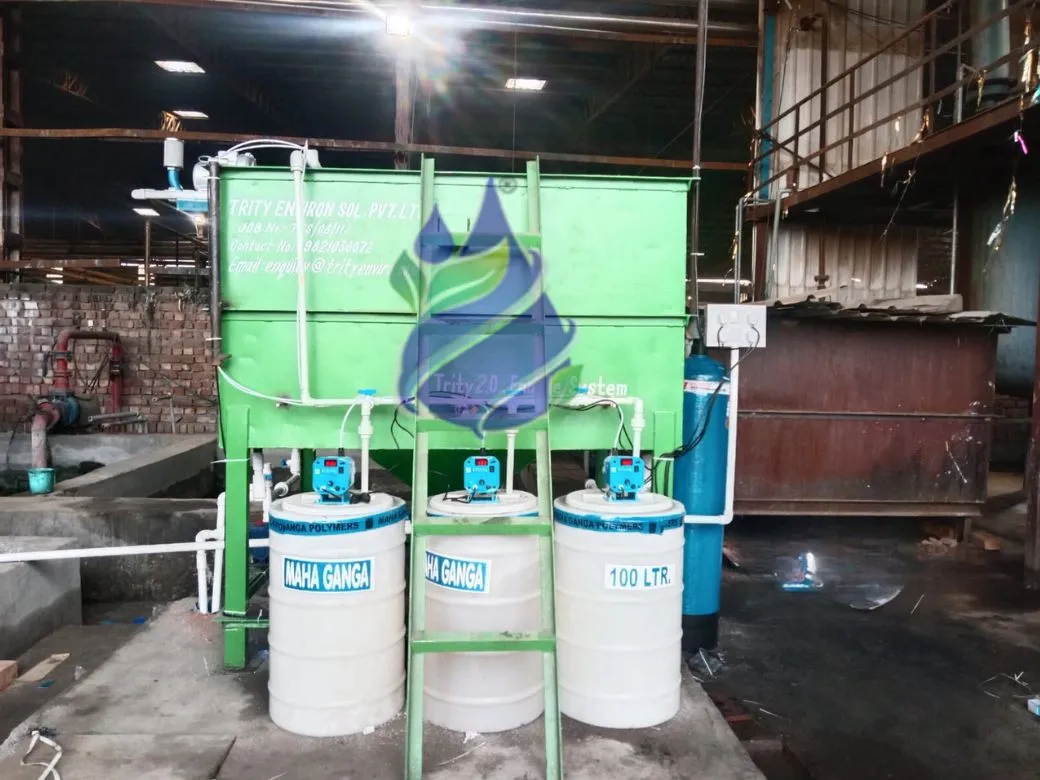
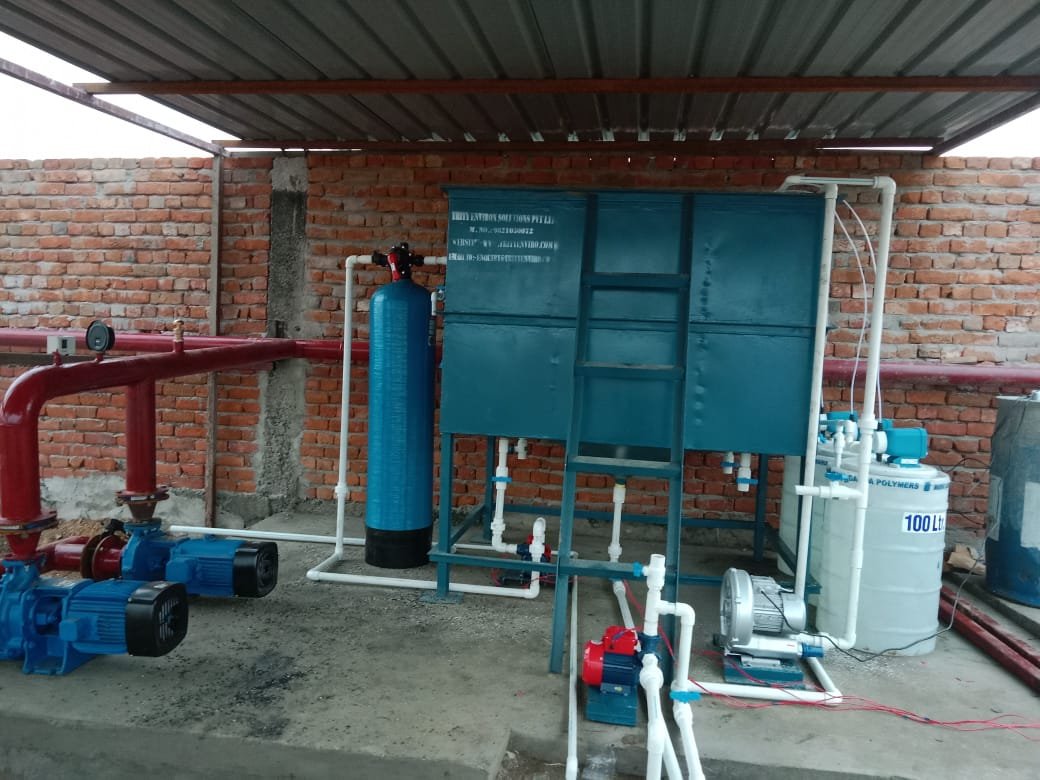
Featured Turnkey Installations





Need a Custom Water or Wastewater Treatment Solution?
Our engineering team can help design the right system for your capacity, industry, and compliance requirements.