
 ISO 9001:2015 & QCI Approved
STP and ETP Plant Manufacturer in Haridwar
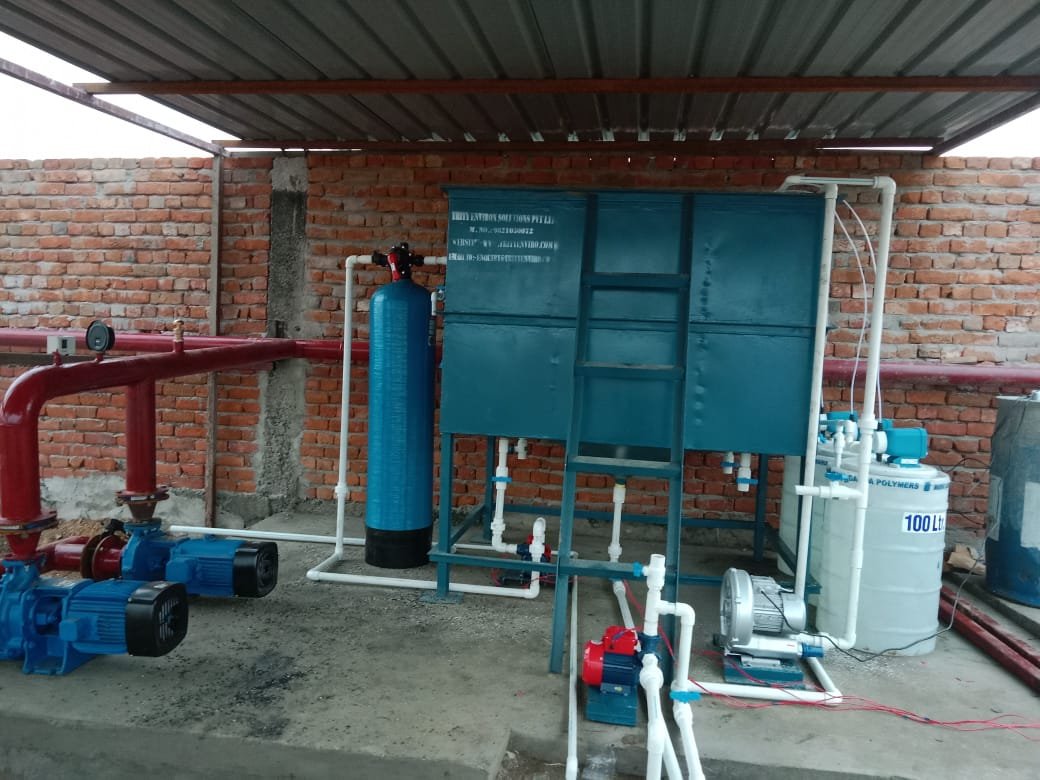
Trity Environ Solutions manufactures STP and ETP plants for Haridwar's hotels, dharamshalas, SIDCUL industries, and BHEL township. UKPCB-compliant engineering. Get a free quote.
SPCB / CPCB Norm Compliant
Heavy Fabrication
STP and ETP Plant Manufacturer for Haridwar's Ganga Ghats and Industrial Belt
Haridwar now has 145 MLD of municipal sewage treatment capacity under the Namami Gange Mission, anchored by the 68 MLD Jagjeetpur plant, Uttarakhand's largest STP, India's first STP built under the Hybrid Annuity Model, and India's first Pink STP with half its workforce made up of women. On paper, that's a genuinely strong infrastructure story. On the ground, an NGT-appointed local commissioner inspecting Har Ki Pauri still found the ghats in shoddy sanitary condition, and each year's Kanwar Yatra leaves garbage, plastic, and waste flowing directly into the Ganga near Brahmakund, sometimes within meters of the site pilgrims consider most sacred. The gap between installed capacity and what actually happens during Haridwar's biggest pilgrimage events, Kumbh Mela, Ardh Kumbh, Kanwar Yatra, and Char Dham Yatra season, is exactly where private wastewater infrastructure matters most.
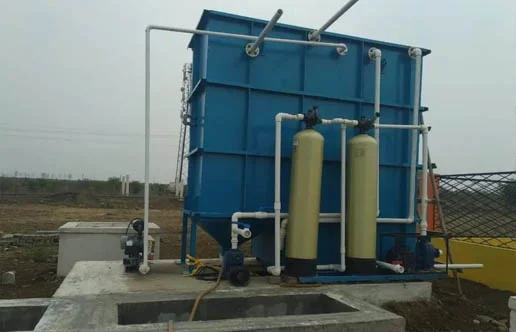
Trity Environ Solutions manufactures Sewage Treatment Plant Manufacturer in Haridwar and Effluent Treatment Plant Manufacturer in Haridwar systems built around this reality. As a trusted STP Plant Manufacturer in Haridwar and ETP Plant Supplier in Haridwar, we also serve as a reliable Wastewater Treatment Plant Manufacturer in Haridwar for hotels, dharamshalas, SIDCUL industries, and the BHEL township.
STP Plant Manufacturing for Haridwar's Hotels and Dharamshalas
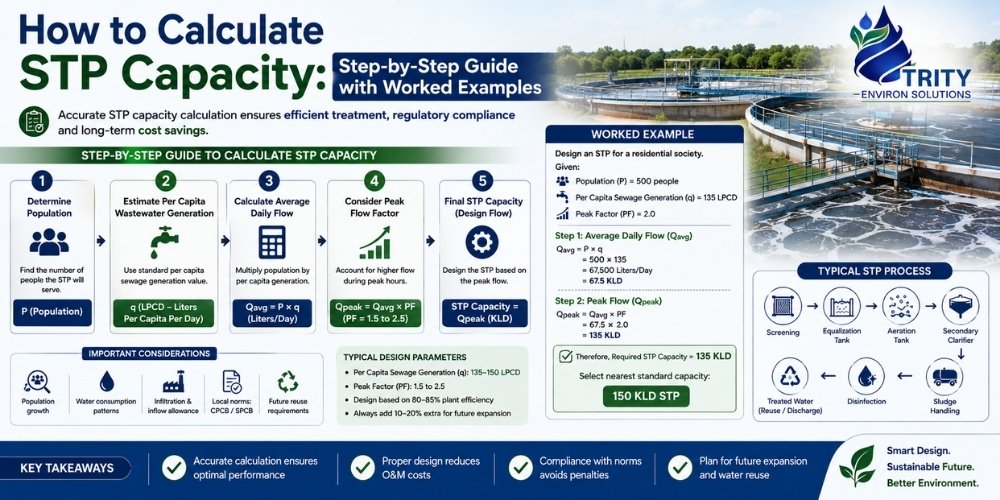
Haridwar's hospitality sector runs on genuinely extreme seasonal variation. A property that sits at modest occupancy most of the year can face a total population surge during Kanwar Yatra, when millions of kanwariyas pass through the city over just a few weeks, or during Kumbh and Ardh Kumbh years, when the entire city's effective population multiplies many times over for a matter of weeks. Our Sewage Treatment Plant systems are sized against these genuine peak scenarios, not average annual occupancy, since municipal infrastructure alone has repeatedly struggled to keep pace with festival-season load even with 145 MLD of installed capacity. A properly designed STP runs through three stages: preliminary treatment to remove physical solids and debris, secondary treatment using biological processes such as MBBR or SBR to break down organic load, and tertiary treatment for disinfection before the water is reused or discharged.
For hotels and dharamshalas near Har Ki Pauri and the core ghat area specifically, we design for a stricter discharge standard than the baseline, given how directly any failure here becomes visible at one of the most watched religious sites in India.
ETP Plant Solutions for Haridwar's SIDCUL and BHEL Industrial Base
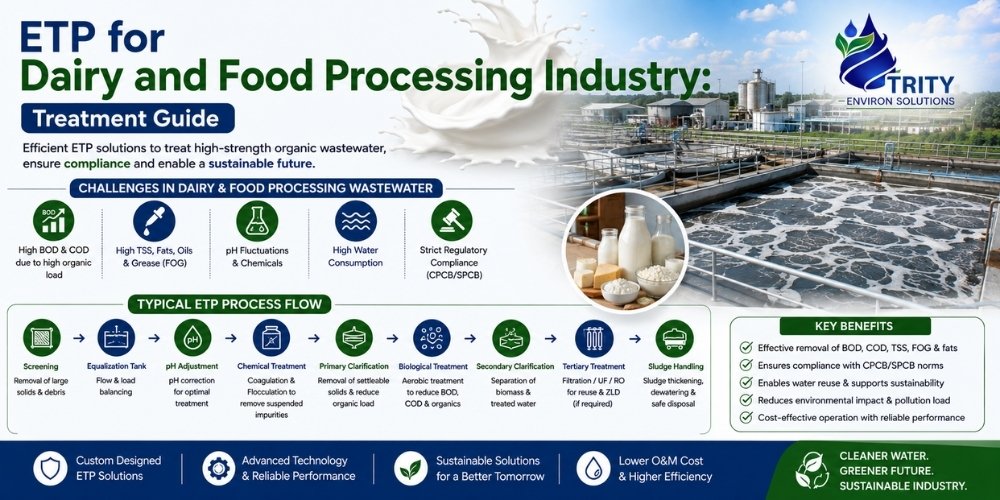
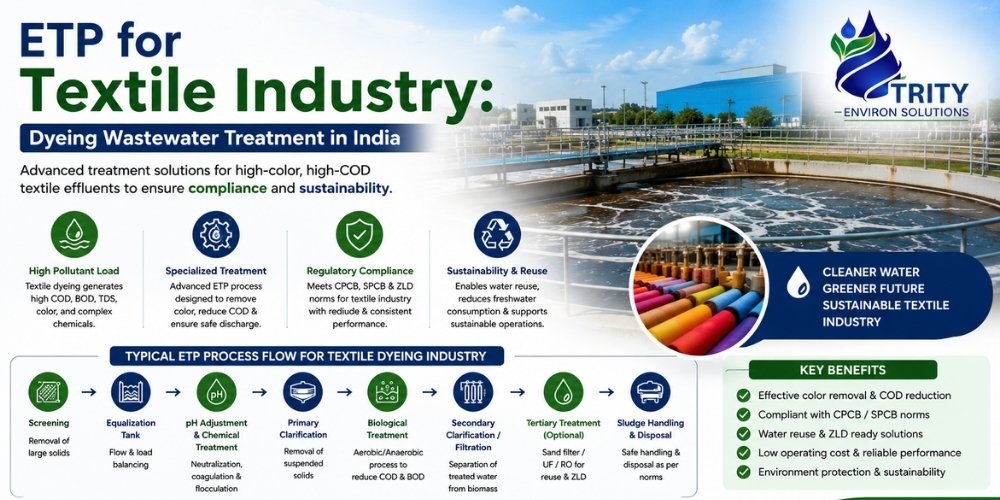
Beyond pilgrimage tourism, Haridwar is a genuine industrial city. The State Industrial Development Corporation of Uttarakhand (SIDCUL) estate hosts pharmaceutical, FMCG, and electronics manufacturing, while Bharat Heavy Electricals Limited (BHEL) runs a major heavy electrical manufacturing township on the city's edge. Our Effluent Treatment Plant systems for SIDCUL-based units are built around three stages, physical treatment to remove suspended solids, chemical treatment using coagulation and flocculation for dissolved contaminants, and biological treatment to reduce organic load, with the exact configuration adjusted to whether a client's effluent comes from pharmaceutical formulation, FMCG processing, or electronics manufacturing.
Agriculture and animal husbandry are also significant in the wider district, and effluent and biomass from these activities increasingly feed into biogas-oriented reuse projects under the Arth Ganga initiative, an angle we factor into system design where relevant.
Turnkey Execution: Design to Commissioning
Our scope on Haridwar projects typically covers:
- Site assessment and effluent or sewage characterisation
- Process design suited to hospitality, SIDCUL industrial, or BHEL-adjacent institutional load
- Civil and structural coordination with your contractor
- Equipment manufacturing at our own facility
- Installation, piping, and electrical integration
- Trial runs, commissioning, and UKPCB documentation support
- Annual Maintenance Contracts (AMC) after commissioning, with capacity planning for known festival-season surges built into the maintenance schedule
Given how predictable Haridwar's major surge events actually are, Kumbh and Ardh Kumbh dates are fixed years in advance, and Kanwar Yatra falls at the same time annually, we build seasonal capacity planning directly into AMC scheduling rather than treating each surge as an unplanned event.
Capacity Options We Manufacture
| Plant Type | Capacity Range | Typical Application in Haridwar |
|---|---|---|
| STP | 1 KLD to 300 KLD, modular for larger sites | Hotels, dharamshalas, residential developments |
| ETP | 5 KLD to 1 MLD+ | SIDCUL pharma, FMCG, and electronics units |
| Surge-capacity STP | Custom-engineered | Properties needing reliable performance during Kumbh, Ardh Kumbh, or Kanwar Yatra |
Treatment Technologies We Deploy
UKPCB and CPCB recognise several treatment technologies, and we manufacture across the ones best suited to Haridwar's mix of pilgrimage-driven and industrial demand:
- MBBR (Moving Bed Biofilm Reactor): compact footprint, well suited to hotels and dharamshalas with limited plot space
- SBR (Sequencing Batch Reactor): the same technology used in Haridwar's own flagship Jagjeetpur plant, effective for larger institutional and residential loads
- Chemical precipitation and coagulation: essential for SIDCUL pharmaceutical and electronics effluent
- Extended Aeration: cost-effective for smaller residential or institutional setups
Industries and Institutions We Serve in Haridwar
- Hotels and dharamshalas: serving Haridwar's pilgrimage tourism, from routine footfall to major festival surges
- SIDCUL industrial units: pharmaceutical, FMCG, and electronics manufacturing
- BHEL township and adjacent institutions: heavy electrical manufacturing and associated residential and institutional demand
- Educational institutions: centralised STP systems for campus sewage
- Residential developments: growing demand as Haridwar's urban footprint expands beyond its religious core
- Agriculture and animal husbandry-linked units: biomass and effluent management tied to the district's agricultural base
UKPCB Compliance and Discharge Norms
Every plant we design for Haridwar is built to clear these baseline requirements:
- BOD: at or below 30 mg/L for standard discharge, tighter where proximity to the Ganga or the core ghat area warrants it
- pH: maintained within the standard 6.5 to 8.5 range
- Compliance with the Water (Prevention and Control of Pollution) Act, 1974
- Consent to Establish (CTE) and Consent to Operate (CTO) documentation support through UKPCB
- Alignment with ongoing Namami Gange and NGT scrutiny of Ganga water quality in the Haridwar stretch
Given how closely watched Haridwar's Ganga water quality is, from NGT-appointed commissioner inspections to national media coverage during Kumbh years, we design every system with margin above the minimum rather than treating UKPCB limits as a ceiling to just scrape under.
Engineering Considerations Specific to Haridwar
Festival-season surges are predictable, so sizing for them isn't optional. Kumbh and Ardh Kumbh dates are set years ahead, and Kanwar Yatra falls at a fixed time every year. A property that only sizes for average daily occupancy will fail during exactly the weeks when scrutiny, and pilgrim volume, are both at their highest.
Municipal infrastructure capacity doesn't guarantee ground-level performance. Haridwar's 145 MLD of installed treatment capacity is genuinely substantial, yet documented inspections have still found sanitation problems at Har Ki Pauri during and after major events. Private properties near the ghats shouldn't assume municipal capacity alone covers their compliance needs.
SIDCUL's mixed industrial base needs sector-specific treatment, not a single template. Pharmaceutical, FMCG, and electronics effluent from the same industrial estate can carry very different contaminant profiles, and we design accordingly rather than applying one configuration across every SIDCUL client.
Proximity to the Ganga and core pilgrimage sites raises the practical compliance bar. A plant serving a property near Har Ki Pauri operates under more visible scrutiny than one in an outlying residential area, and we factor that into design margin.
Areas We Cover Across Haridwar
We supply, install, and service STP and ETP systems across Haridwar, including the Har Ki Pauri and core ghat area, the SIDCUL industrial estate, the BHEL township, and the wider Haridwar district.
Why Haridwar Projects Choose Trity Environ Solutions
Most manufacturers covering Haridwar run a generic Uttarakhand-wide template that treats the city like any other pilgrimage town, without engaging with what actually makes it distinct, a documented infrastructure-versus-reality gap even after major Namami Gange investment, and a genuine industrial base at SIDCUL and BHEL alongside the religious tourism economy.
We size hospitality systems against real festival-season peaks rather than average occupancy, and we design SIDCUL industrial ETPs around each client's actual sector rather than a single generic configuration. For a city under this much national attention during Kumbh years, that specificity matters.
Quality, Certification, and After-Sales Support
Trity Environ Solutions is ISO 9001:2015 certified, and every plant we manufacture goes through in-house quality inspection before dispatch. After installation, we provide AMC support, spare parts availability, and remote troubleshooting, with festival-season capacity planning built into our maintenance scheduling. You can review our project history on our Achievement page, or explore our full product range.
Frequently Asked Questions
1. What is the cost of an STP or ETP plant in Haridwar?
Cost depends on capacity, technology, and whether your property needs surge-capacity sizing for festival seasons. A routine dharamshala STP and a SIDCUL pharmaceutical unit's ETP will differ significantly. We provide a site-specific quote after reviewing your effluent profile and peak-season requirements.
2. Does Haridwar's 145 MLD of municipal STP capacity mean my hotel doesn't need its own system?
Not necessarily. Despite substantial municipal investment under Namami Gange, documented inspections have still found sanitation issues at the ghats during and after major events, and individual properties are still required to maintain their own UKPCB-consented treatment system.
3. How should I size an STP if my property sees a massive surge during Kanwar Yatra or Kumbh?
Size against your realistic peak scenario, not average annual occupancy. Since Kumbh, Ardh Kumbh, and Kanwar Yatra dates are known well in advance, we can design and plan capacity specifically around these predictable surges rather than treating them as emergencies.
4. Do SIDCUL industrial units all need the same type of ETP?
No. Pharmaceutical, FMCG, and electronics manufacturing units within SIDCUL generate genuinely different effluent profiles, and treatment design should reflect your specific sector rather than a one-size-fits-all configuration.
5. How long does the UKPCB Consent to Establish and Consent to Operate process take?
Timelines vary by project scale, but generally run 60 to 90 days once your site plan and treatment design are submitted. We assist with documentation to avoid delays.
6. Can an existing STP near Har Ki Pauri be upgraded to handle festival-season loads better?
In many cases, yes. Adding surge-capacity modules or upgrading aeration and disinfection stages can bring an existing plant closer to reliable festival-season performance without a full rebuild. We assess this during site evaluation.
7. Do you service the BHEL township and its surrounding institutions as well as SIDCUL?
Yes. Our coverage extends across Haridwar's SIDCUL industrial estate, the BHEL township, and the wider district, not just the core pilgrimage and ghat area.
Ready to discuss your Haridwar project? Get a free quote or explore our full product range for STP, ETP, and related water treatment systems.
WHY THIS SYSTEM?
Key Benefits of STP and ETP Plant Manufacturer in Haridwar
Engineered for high biological efficiency, full environmental compliance, and low lifecycle operational costs.
100% CPCB / SPCB Compliance
Strict adherence to national and state pollution control board parameters for BOD, COD, TSS, and heavy metals discharge.
Low Power & Operational Cost
Optimized hydraulic design and energy-efficient aeration reduce kilowatt consumption per cubic meter of treated water.
Compact & Modular Footprint
Skid-mounted and modular civil layouts save valuable industrial floor space and allow seamless capacity expansion.
Automated PLC / SCADA Control
Real-time water quality monitoring, automated dosing systems, and remote telemetry for hassle-free plant operation.
Zero Liquid Discharge (ZLD) Ready
Seamless integration with downstream RO and evaporator systems for maximum water recycling and recovery.
Robust Engineering & Longevity
Heavy-gauge anti-corrosive construction ensures 15+ years of reliable, uninterrupted service life.
SYSTEM CONFIGURATIONS
Types of STP and ETP Plant Manufacturer in Haridwar Configurations
Tailored industrial configurations matched to specific effluent composition, flow rates, and space constraints.
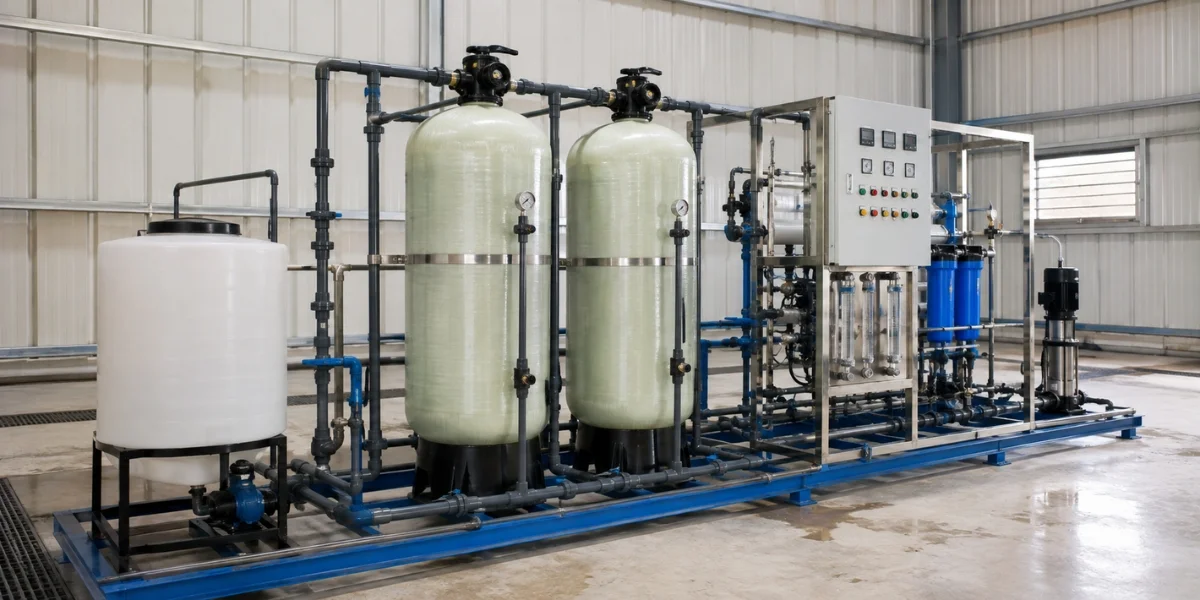
RO & Water Recycling Plant Manufacturer in India
Trity Environ Solutions manufactures RO and water recycling systems for industries and commercial facilities, engineered for reliable purity and reuse.
Explore Configuration
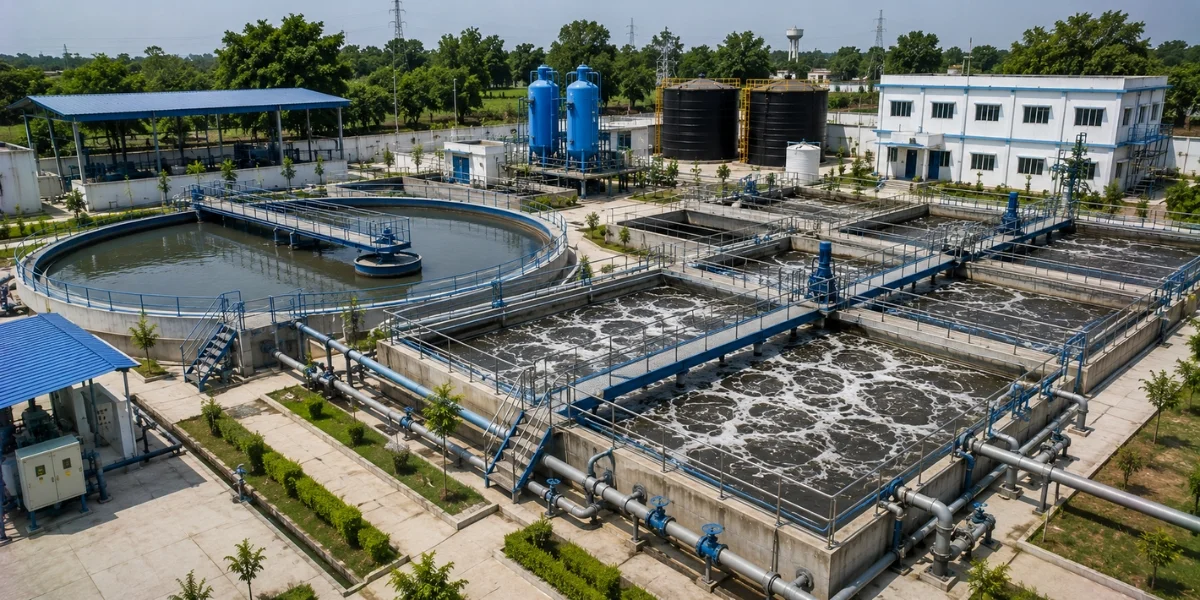
Tertiary Treatment Plant Manufacturer in India
Trity Environ Solutions manufactures tertiary treatment plants that polish treated water beyond secondary treatment, enabling genuine reuse and stricter discharge compliance.
Explore Configuration
Wastewater Recycling System Manufacturer in India
Trity Environ Solutions manufactures wastewater recycling systems using UF and RO technology, turning treated wastewater into reuse-grade water for cooling, flushing, and gardening.
Explore Configuration
STEP-BY-STEP WORKFLOW
How the STP and ETP Plant Manufacturer in Haridwar Process Works
A sequential, multi-stage treatment methodology engineered for maximum contaminant removal and water recovery.
01
Primary Collection & Screening
Raw effluent equalization, coarse bar screening, and pH neutralization to stabilize influent parameters.
02
Physico-Chemical Coagulation
Flash mixing of coagulants and flocculants followed by primary clarifier separation for heavy suspended solids.
03
Advanced Biological Digestion
Aerobic/anaerobic microbial digestion (MBBR / SBR / ASP) for drastic reduction of dissolved BOD & COD.
04
Tertiary Polishing & Disinfection
Dual media sand and activated carbon filtration with UV/ozonation for clean, reusable output water.
CATALOGUE
Related Engineering Products
RO & Water Recycling Plant Manufacturer in India
Trity Environ Solutions manufactures RO and water recycling systems for industries and commercial facilities, engineered for reliable purity and reuse.
Tertiary Treatment Plant Manufacturer in India
Trity Environ Solutions manufactures tertiary treatment plants that polish treated water beyond secondary treatment, enabling genuine reuse and stricter discharge compliance.
Wastewater Recycling System Manufacturer in India
Trity Environ Solutions manufactures wastewater recycling systems using UF and RO technology, turning treated wastewater into reuse-grade water for cooling, flushing, and gardening.
PAN-INDIA CAPABILITIES
Regional Solutions & State Coverage
TECHNICAL KNOWLEDGE
Related Insights & Engineering Guides
PROVEN EXCELLENCE
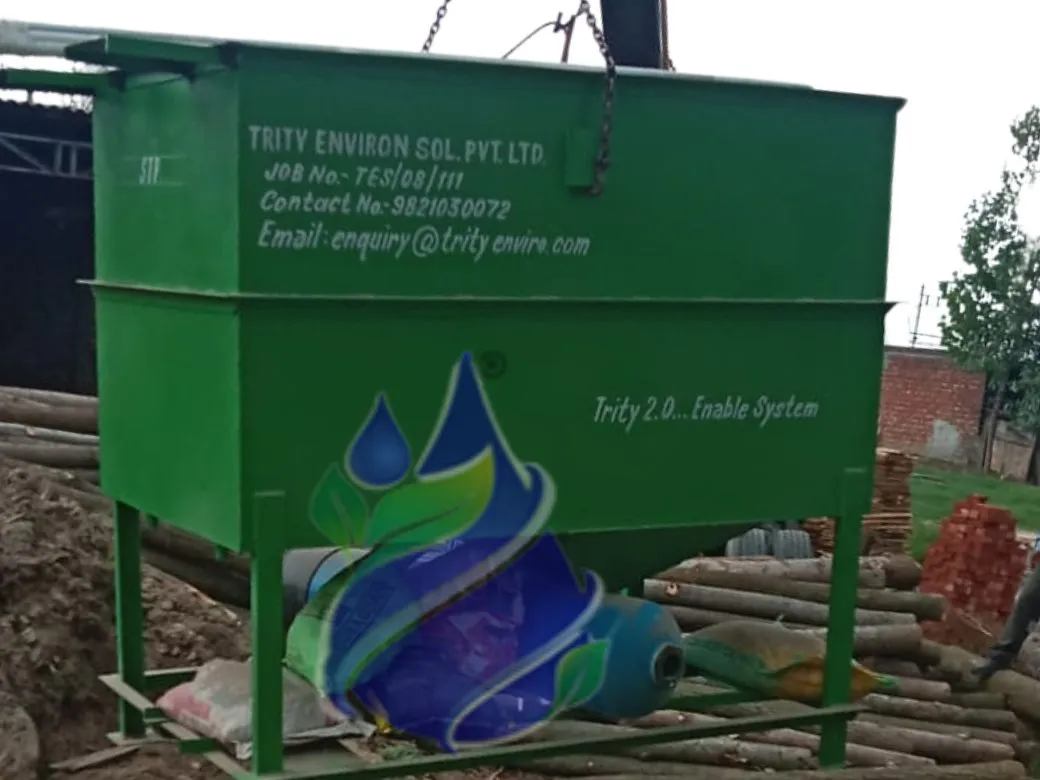
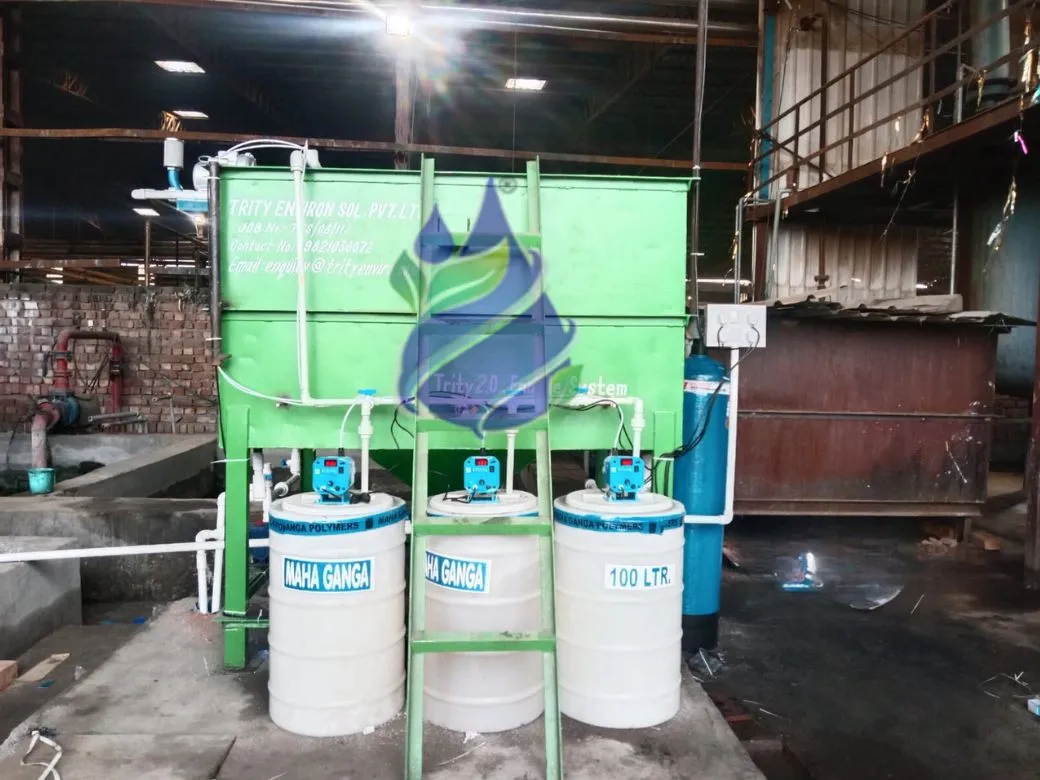
Featured Turnkey Installations



Need a Custom Water or Wastewater Treatment Solution?
Our engineering team can help design the right system for your capacity, industry, and compliance requirements.