
 ISO 9001:2015 & QCI Approved
STP and ETP Plant Manufacturer in Bhilwara
Trity Environ Solutions is a leading STP and ETP plant manufacturer in Bhilwara, engineering turnkey wastewater systems and mandatory ZLD for textile dyeing, denim processing, and synthetic weaving across the Textile City. We build heavy-duty effluent treatment plants and sewage treatment plants engineered for strict RSPCB compliance, backed by pan India installation support.
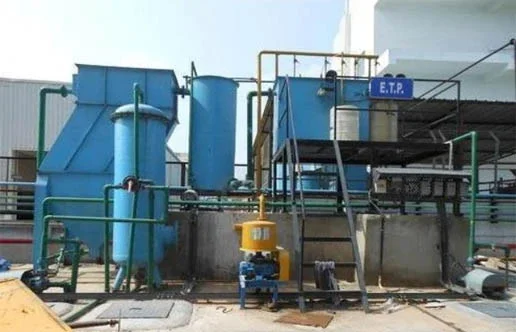
Textile Dyeing & Denim Solutions
100% Zero Liquid Discharge (ZLD)
Advanced Industrial Wastewater and Mandatory ZLD Engineering for India's Textile and Denim Capital
Bhilwara is celebrated nationwide as the 'Textile City' and 'Denim Capital' of India, producing over a billion meters of synthetic fabric and denim cloth annually. Centered around massive industrial clusters in Mandpam, RIICO Industrial Area Growth Centre, Pur Road, and Hamirgarh, the city hosts hundreds of textile composite mills, synthetic weaving units, jet dyeing houses, denim washing plants, and yarn spinning facilities.
Textile wet processing steps involve desizing, scouring, bleaching, jet dyeing, and softening. These operations generate massive hydraulic volumes of wastewater characterized by intense synthetic coloration, elevated caustic pH, high chemical oxygen demand (COD exceeding 4,500 mg/L), refractory dye chemicals, and extreme total dissolved solids (TDS exceeding 10,000 mg/L).
As a leading STP and ETP plant manufacturer in Bhilwara, Trity Enviro delivers advanced wastewater treatment and mandatory zero liquid discharge (ZLD) systems. Because the Banas River basin and local groundwater have been heavily degraded by past dye discharges, the Rajasthan State Pollution Control Board (RSPCB) and National Green Tribunal (NGT) enforce mandatory 100 percent Zero Liquid Discharge under RSPCB compliance.
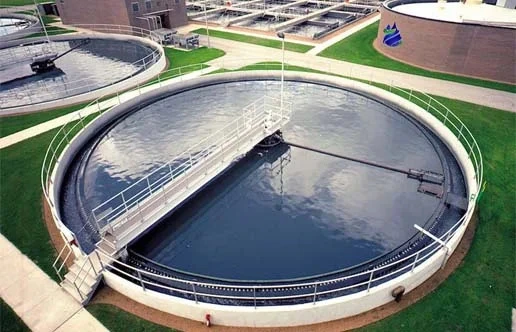
For textile dyeing and denim processing units, our specialized effluent treatment plants incorporate automated chemical decolorization, flash coagulation, high-rate primary clarifiers, extended diffused aeration, and secondary clarifiers. For denim washing plants generating high lint fibers and starch flocs, our specialized Dissolved Air Flotation (DAF) systems remove suspended solids efficiently.
To satisfy mandatory zero-discharge regulations, we integrate ultrafiltration, multi-stage industrial RO plants, and thermal Multi-Effect Evaporators (MEE). Over 95 percent of treated wastewater is recovered as demineralized permeate for fabric washing, while separated mixed salts are recovered for safe disposal.
Key Advantages
Why Bhilwara Textile and Denim Mills Choose Trity Enviro
Built for persistent reactive dyes, extreme TDS, caustic alkalinity, and mandatory RSPCB Zero Liquid Discharge standards.
Complete Color and Dye Molecule Removal
Specialized chemical decolorizing polymers and extended biological oxidation engineered to achieve complete color removal from reactive dye wastewater.
Denim Lint and Starch DAF Separation
High-efficiency micro-bubble flotation units designed specifically to remove denim cotton lint, enzyme washings, and suspended starches.
100% Zero Liquid Discharge (ZLD) Compliance
High-pressure RO membranes coupled with multi-effect thermal evaporators enabling 95 percent plus water recovery for process washing baths.
Banas River Basin Protection
Guarantees zero untreated discharge into the Banas river basin and Meja dam catchment, eliminating regulatory shutdown notices.
Continuous OCEMS Telemetry Integration
Automated transmitters for real-time monitoring of pH, TSS, COD, and flow rates with direct cloud connection to RSPCB and CPCB central servers.
Overcoming Severe Color, COD, and TDS in Bhilwara Textile Dyeing Mills
Textile dyeing in Bhilwara utilizes diverse reactive dyes, disperse colors, sodium sulfate, caustic soda, and synthetic auxiliaries. Spent dye baths and wash water carry complex aromatic dye rings, high chemical oxygen demand (COD), and extreme dissolved salts with TDS exceeding 10,000 mg/L.
Direct discharge of these colored, saline effluents into the Banas river basin has historically contaminated agricultural soils and drinking water aquifers across Bhilwara district. Following landmark NGT judgments, every textile wet processing unit in Bhilwara is legally mandated to operate captive Zero Liquid Discharge (ZLD) systems with zero surface discharge.
Trity Enviro builds specialized industrial chemical effluent treatment plants combining rotary wedge-wire screens, equalization tanks, and advanced Dissolved Air Flotation (DAF) systems. Micro-fine bubbles float denim lint and coagulated starch flocs to the surface, protecting downstream biological reactors from fiber clogging.
Wastewater then undergoes flash coagulation with specialty decolorizing polymers and extended biological aeration inside Moving Bed Biofilm Reactors (MBBR). Biological biomass rapidly oxidizes biodegradable organics, preparing clarified water for downstream tertiary membrane desalination.
Turnkey Membrane Desalination and ZLD Evaporation in Bhilwara
Achieving zero liquid discharge in high-TDS textile wastewater requires robust membrane engineering. Following biological secondary clarification, treated wastewater contains residual colloidal organics and high dissolved salts that would rapidly foul conventional reverse osmosis membranes.
Trity Enviro integrates advanced pre-treatment featuring ultrafiltration (UF) skids with 0.04-micron hollow fiber membranes, followed by two-stage brackish water and high-pressure seawater reverse osmosis skids. The RO permeate is crystal clear and salt-free, directly recycled back into fabric dyeing and scouring baths.
High-salinity RO reject is routed to our thermal Multi-Effect Evaporators (MEE) or Mechanical Vapor Recompression (MVR) evaporators with agitated thin film dryers (ATFD). Distillate water is condensed and returned to the plant boiler, while separated dry mixed salts are bagged for authorized TSDF disposal, fulfilling complete 100 percent ZLD compliance.
For textile townships, worker colonies, and administrative facilities, our compact sewage treatment plants convert domestic wastewater into crystal-clear recycled water for factory green belts and toilet flushing, conserving critical municipal water reserves.
Proactive AMC Maintenance and Local Engineering Support
Operating a complex Zero Liquid Discharge plant in the textile capital requires round-the-clock technical vigilance. Scaling on RO membranes or fouling in thermal evaporator tubes can disrupt textile production lines. Trity Enviro eliminates operational vulnerabilities by providing turnkey design, fabrication, civil engineering guidance, on-site commissioning, and proactive annual maintenance contract services across Bhilwara.
Our dedicated regional engineers conduct regular membrane clean-in-place (CIP) protocols, antiscalant dosing optimization, MEE tube descaling, and OCEMS telemetry calibration with RSPCB servers. Our engineering network coordinates with regional service centers in neighboring Udaipur, Jodhpur, and Jaipur to provide fast technical response.
Contact our specialized textile environmental engineering team through our contact us portal for a comprehensive site assessment and customized techno-commercial proposal.
Proven Technologies
Wastewater Treatment Systems Engineered for Bhilwara
Selecting the most dependable configuration based on reactive dye color, extreme TDS, and mandatory Zero Liquid Discharge standards.
Textile Dye Decolorization and DAF ETPs
Specialized chemical coagulation, DAF flotation, and extended aeration plants designed to remove reactive dyes and denim lint from textile wet processing.
Explore Configuration
Complete Zero Liquid Discharge (ZLD) Systems
Integrated ultrafiltration, high-recovery RO skids, and multi-effect evaporators (MEE) achieving 100 percent water recycling and dry salt separation.
Explore Configuration
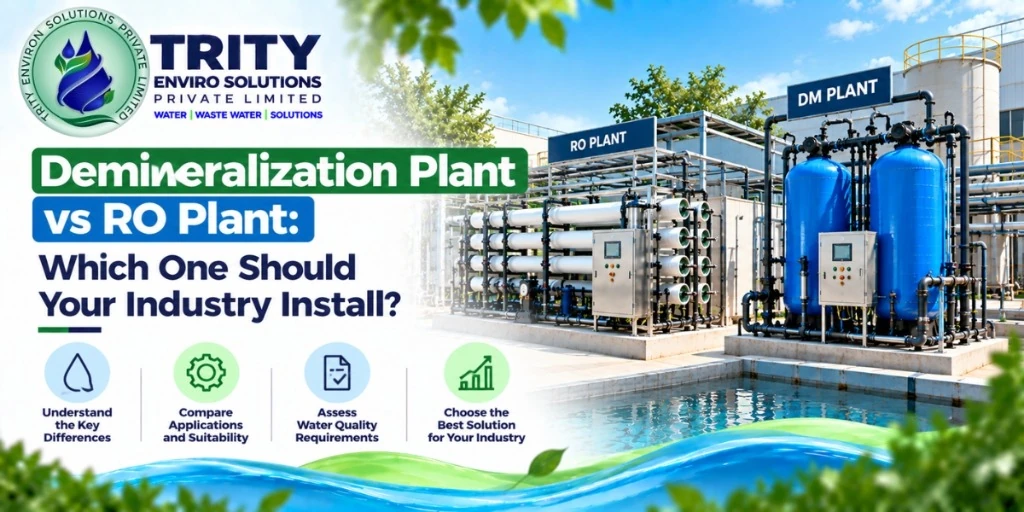
High Recovery Industrial RO Plants
Multi-stage reverse osmosis systems engineered to recover high-purity demineralized water from treated textile effluent for process reuse.
Explore Configuration
Membrane Bioreactor (MBR) Packaged STPs
Ultrafiltration submerged membrane plants delivering pathogen-free, odorless treated water for worker colonies and commercial complexes.
Explore Configuration
Execution Discipline
Our Project Delivery Methodology in Bhilwara
Structured engineering discipline from initial chemical profiling to skid fabrication, commissioning, and RSPCB sign-off.
01
Wastewater Sampling and Color Profiling
Detailed laboratory testing of raw wastewater for reactive dye color units, COD, TDS, sulfates, and denim lint at your Bhilwara mill.
02
Process Engineering and ZLD Sizing
Detailed calculation of decolorizing chemical kinetics, biological aeration retention times, RO recovery flux, and evaporator heat transfer.
03
Factory Skid Fabrication and Assembly
Precision manufacturing of modular skids using chemical-resistant alloys, FRP, and epoxy-coated vessels with full hydrostatic inspection.
04
On-Site Installation and Commissioning
Turnkey civil integration, mechanical erection, internal piping, and automated control panel wiring executed by experienced engineers.
05
Chemical Optimization and Staff Training
Chemical dosing stabilization, sludge cake dryness validation, treated water parameter verification, and operator training.
Helpful FAQs
Frequently Asked Questions About Bhilwara Wastewater Plants
Clear answers regarding RSPCB regulations, textile dyeing ZLD, and maintenance in Bhilwara.
Q1. Why is Zero Liquid Discharge (ZLD) mandatory for textile dyeing units in Bhilwara?
Following landmark National Green Tribunal (NGT) and RSPCB directives to protect the Banas River basin and local groundwater from toxic dye chemicals and high TDS, all textile wet processing units in Bhilwara are legally required to operate 100 percent ZLD systems.
Q2. How does Trity Enviro decolorize reactive dye wastewater in Bhilwara?
We implement a specialized two-stage process: specialized decolorizing cationic polymers combined with PAC coagulant to precipitate dye molecules, followed by extended aeration to degrade residual organic carriers.
Q3. What water recovery rate is achieved by your textile ZLD systems?
Our integrated ultrafiltration and high-pressure reverse osmosis systems recover up to 85 to 90 percent of treated water, while thermal evaporators recover an additional 5 to 8 percent as pure condensate, achieving over 95 percent total water recovery.
Q4. How do you handle denim lint and enzyme washings before biological treatment?
We utilize rotary wedge-wire screens followed by high-rate Dissolved Air Flotation (DAF). Micro-bubbles float fine cotton lint and enzyme flocs to the surface, preventing fouling of downstream biological diffusers and membranes.
Q5. Does Trity Enviro provide regular AMC support in Bhilwara?
Yes. We offer complete annual maintenance contracts across Bhilwara, providing regular site inspections, membrane clean-in-place (CIP) protocols, evaporator descaling, and RSPCB compliance documentation.
Q6. How long does it take to deploy a complete ZLD plant in Bhilwara?
Complete turnkey ZLD systems incorporating biological ETP, RO skids, and thermal evaporators typically require 6 to 8 weeks for fabrication and 3 to 4 weeks for on-site mechanical erection, piping, electrical integration, and commissioning.
CATALOGUE
Related Engineering Products
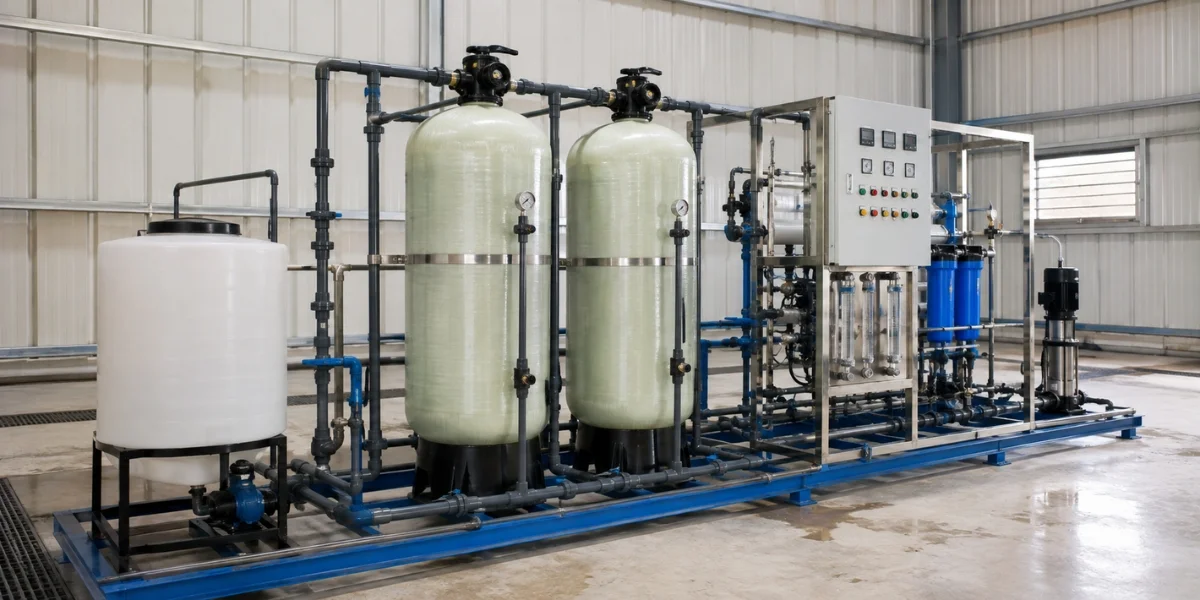
RO & Water Recycling Plant Manufacturer in India
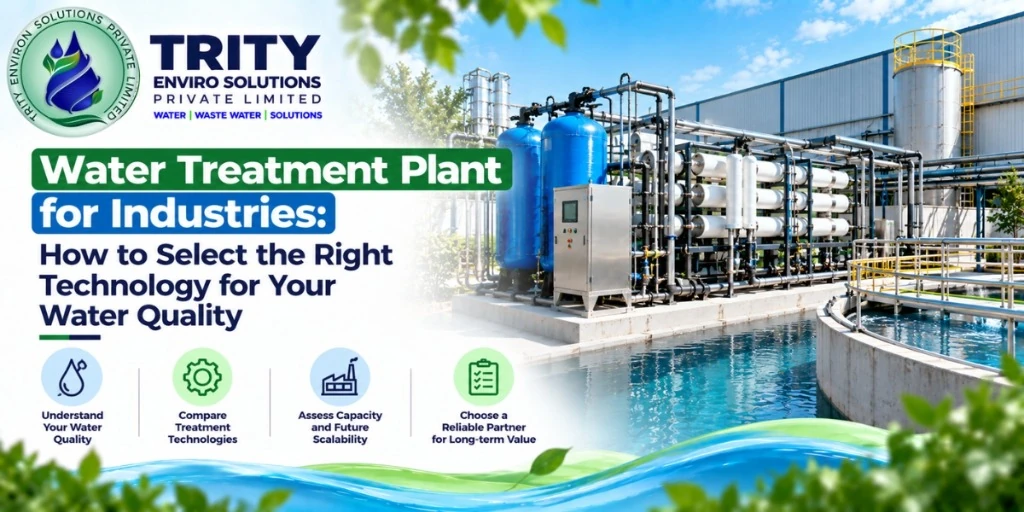
Trity Environ Solutions manufactures RO and water recycling systems for industries and commercial facilities, engineered for reliable purity and reuse.
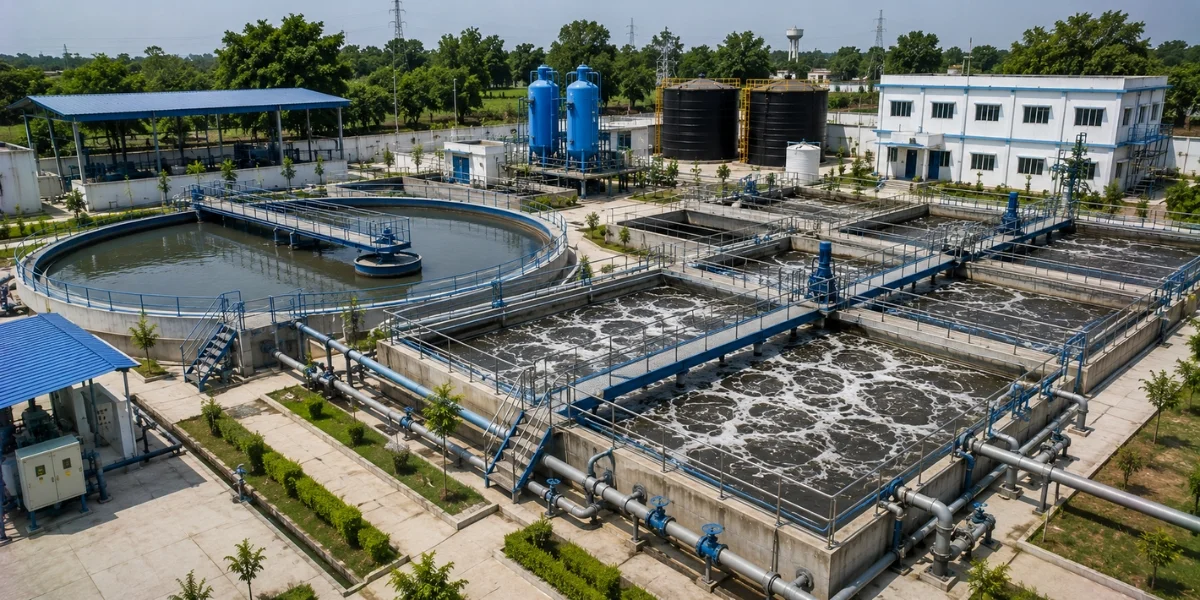
Tertiary Treatment Plant Manufacturer in India
Trity Environ Solutions manufactures tertiary treatment plants that polish treated water beyond secondary treatment, enabling genuine reuse and stricter discharge compliance.
Wastewater Recycling System Manufacturer in India
Trity Environ Solutions manufactures wastewater recycling systems using UF and RO technology, turning treated wastewater into reuse-grade water for cooling, flushing, and gardening.
PAN-INDIA CAPABILITIES
Regional Solutions & State Coverage
TECHNICAL KNOWLEDGE
Related Insights & Engineering Guides
PROVEN EXCELLENCE
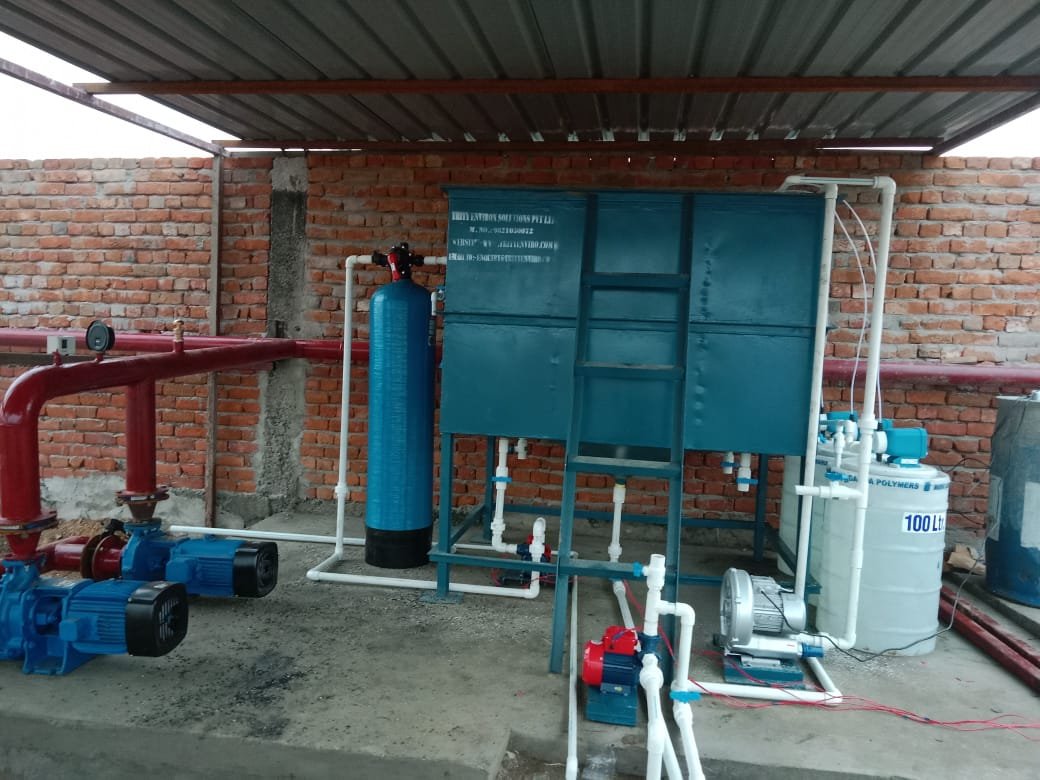
Featured Turnkey Installations



Need a Custom Water or Wastewater Treatment Solution?
Our engineering team can help design the right system for your capacity, industry, and compliance requirements.