
 ISO 9001:2015 & QCI Approved
STP and ETP Plant Manufacturer in Kashipur
Trity Environ Solutions is a trusted STP and ETP plant manufacturer in Kashipur, building effluent systems for the pulp and paper, waste paper, sugar, and SIDCUL units of Kashipur, and sewage plants for housing and hospitals. With the Dhela and Kosi rivers in the discharge path, it designs plants that keep discharge measurably inside limits, with pan India installation support behind every project. Whether you need a sewage treatment plant manufacturer in Kashipur or an effluent treatment plant manufacturer in Kashipur, Trity Environ Solutions builds both in-house, from design to commissioning.
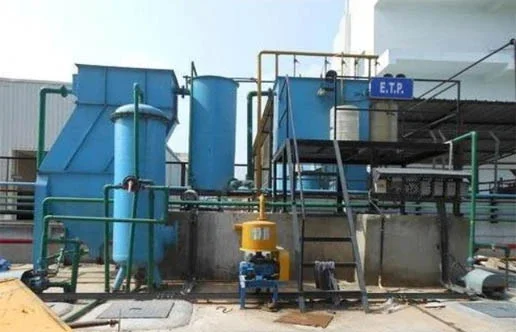
Paper & Chemical Industry Solutions
Dhela & Kosi River Protection
Heavy-Duty Industrial Wastewater Engineering for Uttarakhand's Paper and Chemical Heartland
Kashipur's Dhela River Is Rated a Priority Polluted Stretch
A 2019 river action plan, using 2016 to 2017 data, listed the roughly 14 km Kashipur to Gheruwala Thakurdwara stretch of the Dhela as a polluted stretch rated Priority I, with BOD above 30 mg/L. Average BOD in 2018 was 7.4 mg/L upstream at Manpur bridge and 21.77 mg/L downstream at Bhojpur, with downstream dissolved oxygen of 2.6 mg/L. The plan listed no existing sewage plant and partial sewerage covering about 11 per cent of households, with six drains carrying sewage to the river, and an 18 MLD plant at Laxmipur under construction. That plan is from 2019, so confirm what has been commissioned since.
On industry, the plan counted 14 grossly polluting units, mostly pulp and paper, using about 56,514 KLD of water and discharging about 29,490 KLD, all reported to have working captive ETPs in 2018 to 2019, though four industrial drains showed BOD of 45 to 56 mg/L in July 2019. A separate Kosi plan rated two Kashipur waste paper mills as complying. Figures in the Dhela plan differ between tables, so we have quoted only those that agree. Trity Environ Solutions builds effluent treatment plants for pulp, paper, waste paper, and sugar units and sewage treatment plants for Kashipur's housing and hospitals, designed against your real load and UEPPCB consent conditions.
Request a free site assessment for your Kashipur site and the engineering team will confirm the right configuration.
For the wider picture across the state, see our STP and ETP plant manufacturer in Uttarakhand page.
Key Advantages
Key Benefits of STP and ETP Plant Manufacturer in Kashipur
Built for extreme organic concentrations, high fibrous solids, and strict Dhela river basin environmental mandates.
Pulp and Paper Expertise
Fibre recovery, solids handling, and biological stages for the high BOD and COD of paper effluent.
Water Recovery to Cut Intake
Treated water recycled in the process, which cuts intake and discharge.
Treated Water for Reuse
Polished water for cooling, flushing, and gardens, which cuts fresh water demand and tanker use.
Compact for City Projects
Modular MBBR and MBR layouts for hospitals, hotels, and housing in Kashipur where land is limited.
Support Across Kashipur
Installation, operator training, and AMC response across Kashipur and nearby industrial areas.
Drain Readings Are Public
Plans publish drain BOD readings, so a unit can be compared against its drain. A plant with a flow meter and a dated log is the strongest position. A wastewater recycling system can return treated water to the process.
Plants Fail Through Operation, Not Drawings
Dosing pumps drift, blowers wear, and sludge handling slips when nobody watches them. Trity Environ Solutions supports every Kashipur installation with operator training, performance checks, and an Annual Maintenance Contract, so treated water stays within limits through peak load and seasonal swings. Talk to our team about AMC coverage for your facility.
Related Wastewater Services in Kashipur
Trity Environ Solutions also has state level pages for a sewage treatment plant manufacturer in Uttarakhand covering housing, hospitals, and hotels, and an effluent treatment plant manufacturer in Uttarakhand covering industrial effluent.
Proven Configurations
Types of STP and ETP Plant Manufacturer in Kashipur Configurations
Selecting the most dependable treatment architecture based on organic load, fibrous solids, and regulatory recycling standards.
Paper and Pulp ETP
Our physico-chemical effluent treatment plant removes suspended solids and COD through coagulation and clarification, with biological treatment as needed.
Food and Sugar ETP
Our food and beverage effluent treatment plant handles the very high organic load from sugar, distillery, and food units.
Water Recycling
Our wastewater recycling system polishes treated effluent through ultrafiltration and RO so it can return to the process.
Sludge Handling
Our filter press for sludge dewatering cuts the volume of sludge before disposal.
Housing and Hospitals
Our MBBR sewage treatment plant is a compact, low maintenance option for housing and hospital projects.
Execution Discipline
How the STP and ETP Plant Manufacturer in Kashipur Process Works
Structured engineering discipline from initial wastewater analysis to skid assembly, commissioning, and UKPCB compliance verification.
01
Site Assessment & Influent Characterisation
Flow measurement and sampling establish your actual load, including BOD, COD, suspended solids, and domestic load.
02
Design & Engineering
Technology and layout are fixed against UEPPCB consent conditions, available footprint, and reuse targets.
03
Manufacturing & Installation
Components are manufactured under ISO 9001:2015 quality controls, then installed and commissioned by Trity's site team.
04
Commissioning & AMC Support
The plant is tested against consent limits, operators are trained, and ongoing AMC support keeps performance consistent afterward.
Helpful FAQs
Frequently Asked Questions About Kashipur Wastewater Plants
Clear answers regarding UKPCB regulations, paper and chemical mill wastewater treatment, and maintenance in Kashipur.
Q1. Which pollution control board governs STP and ETP discharge in Kashipur?
The Uttarakhand Environment Protection and Pollution Control Board (UEUEPPCB) issues consent to establish and consent to operate, alongside CPCB guidelines and National Green Tribunal directions.
Q2. Can you build an ETP for a paper or pulp unit in Kashipur?
Yes. Paper effluent is high in BOD, COD, and suspended solids, so each plant is designed from your own effluent analysis.
Q3. Is there a public sewage treatment plant in Kashipur?
A 2019 plan listed none, with an 18 MLD plant under construction, so confirm the current position with the local authority.
Q4. Is an STP mandatory for hospitals and housing projects in Kashipur?
Large residential, commercial, and healthcare projects generally need an STP as part of building approval and UEPPCB consent conditions. Thresholds vary by project size and category, so confirm yours with the local authority.
Q5. How long does installation take in Kashipur?
Prefabricated modular plants typically commission within 45 to 90 days, while civil-based plants for larger capacities take 3 to 6 months from design approval to handover.
Q6. Can an existing Kashipur plant be upgraded or maintained?
Yes. We audit existing plants, retrofit capacity or technology, and take them under an annual maintenance contract.
Q7. How do I choose a reliable STP and ETP plant manufacturer in Kashipur?
Look for in-house manufacturing, experience with UEPPCB consent requirements, a design based on your own wastewater analysis, and a clear maintenance offering after commissioning. Trity Environ Solutions builds its plants under ISO 9001:2015 quality controls and supports every installation with operator training and an annual maintenance contract.
CATALOGUE
Related Engineering Products
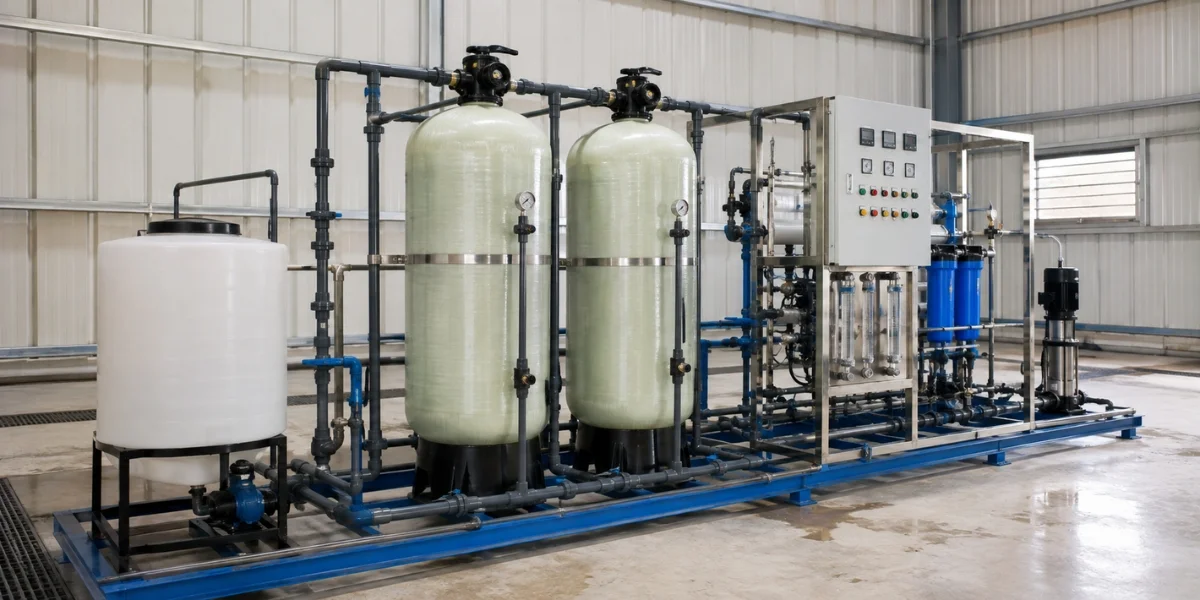
RO & Water Recycling Plant Manufacturer in India
Trity Environ Solutions manufactures RO and water recycling systems for industries and commercial facilities, engineered for reliable purity and reuse.
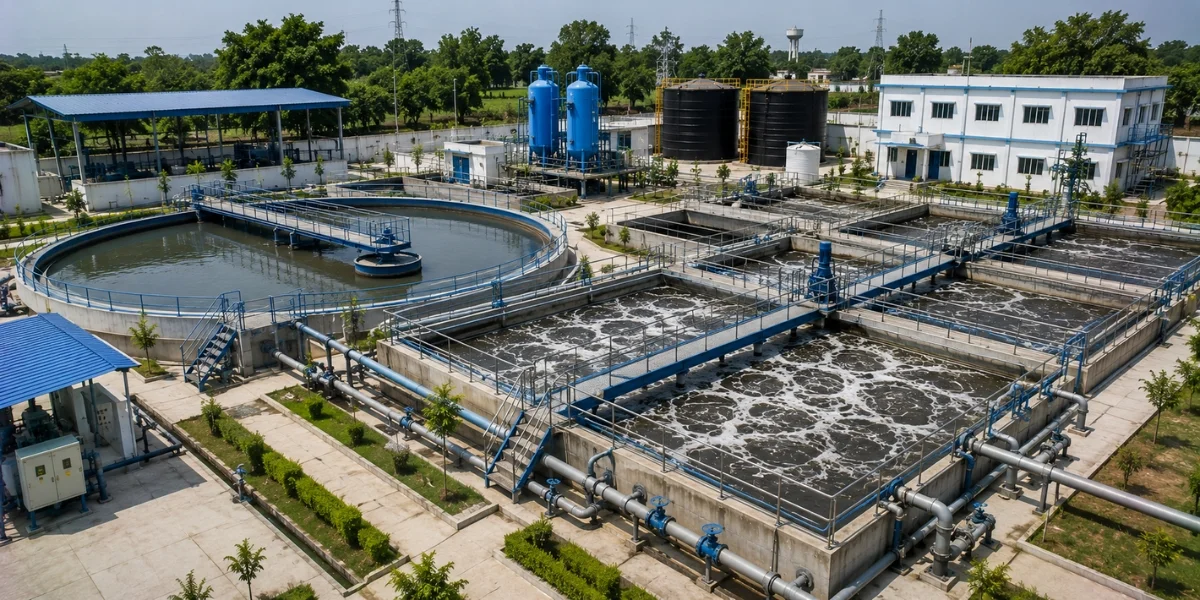
Tertiary Treatment Plant Manufacturer in India
Trity Environ Solutions manufactures tertiary treatment plants that polish treated water beyond secondary treatment, enabling genuine reuse and stricter discharge compliance.
Wastewater Recycling System Manufacturer in India
Trity Environ Solutions manufactures wastewater recycling systems using UF and RO technology, turning treated wastewater into reuse-grade water for cooling, flushing, and gardening.
PAN-INDIA CAPABILITIES
Regional Solutions & State Coverage
TECHNICAL KNOWLEDGE
Related Insights & Engineering Guides
PROVEN EXCELLENCE
Featured Turnkey Installations











Need a Custom Water or Wastewater Treatment Solution?
Our engineering team can help design the right system for your capacity, industry, and compliance requirements.

