
 ISO 9001:2015 & QCI Approved
STP and ETP Plant Manufacturer in Panipat
Trity Environ Solutions is a leading STP and ETP plant manufacturer in Panipat, engineering turnkey wastewater treatment systems for textile dyeing clusters, chemical processors, and IOCL refinery zone. We build heavy-duty effluent treatment plants and sewage treatment plants engineered for strict HSPCB compliance across the Yamuna River basin and Drain No. 6/8, backed by pan India installation support.
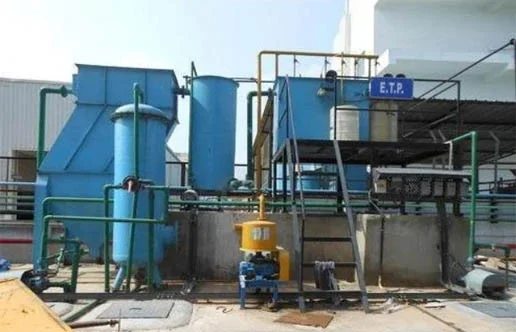
HSPCB / CPCB Norm Compliant
Heavy Fabrication
Engineering Water Security and Regulatory Compliance in Panipat's Manufacturing Belt
Panipat is a critical economic engine in Haryana, housing extensive industrial manufacturing across Sector 25 & Sector 29 Industrial Areas, Old Industrial Area, Panipat Refinery Zone, and Samalkha. These complexes feature intensive textile dyeing and printing, carpet manufacturing, woollen spinning mills, petrochemical processing, and food packaging, generating high-volume wastewater streams characterized by reactive azo dyes, high total dissolved solids, sodium sulfate, caustic wash liquor, synthetic surfactants, and spent dye baths.
Discharging non-compliant wastewater into local channels or municipal sewers that feed the Drain No. 1, Drain No. 2, and Yamuna River creates grave ecological harm and attracts immediate enforcement action under HSPCB guidelines and strict NGT orders and HSPCB enforcement targeting textile dyeing units discharging untreated effluent into municipal drains.
Groundwater tables across Panipat are classified as critically over-exploited and saline with high chemical infiltration. Under tightening Central Ground Water Authority (CGWA) and state directives, industrial units must transition from continuous groundwater extraction to closed-loop wastewater recovery.
Trity Environ Solutions provides custom-built effluent treatment plants combining chemical precipitation, dissolved air flotation, high-rate lamella settling, and advanced oxidation to eliminate toxic chemical pollutants, reduce biological loads, and enable up to 90 percent treated water recycling.
In addition to heavy manufacturing, Panipat has seen extensive urban and commercial expansion across Panipat city center, Model Town, HUDA Sectors, and GT Road commercial corridor. Healthcare facilities, luxury hotels, commercial shopping arcades, and large residential colonies generate substantial blackwater and greywater volumes.
Meeting National Green Tribunal directives requires zero untreated sewage discharge. We manufacture packaged, low-noise, and odorless sewage treatment systems utilizing Moving Bed Biofilm Reactor (MBBR) and Membrane Bioreactor (MBR) processes.
These plants produce clear, pathogen-free water ideal for toilet flushing, green belt watering, and HVAC cooling towers, cutting overhead costs while ensuring complete compliance.
Operating a manufacturing facility in Sector 25 & Sector 29 Industrial Areas or developing a commercial campus in Panipat city center? Request a free technical assessment from our environmental engineering team to review your effluent parameters and design a customized treatment layout.
WHY THIS SYSTEM?
Key Benefits of STP and ETP Plant Manufacturer in Panipat
Engineered for heavy industrial resilience, groundwater preservation, and reliable HSPCB compliance across Panipat.
Engineered for Panipat's Specific Chemical Load
Custom-designed to neutralize the complex discharge from textile dyeing and printing, carpet manufacturing, woollen spinning mills, petrochemical processing, and food packaging across Sector 25 & Sector 29 Industrial Areas, ensuring complete removal of color, heavy metals, suspended solids, and chemical residues.
Reliable HSPCB and CPCB Compliance
Engineered to satisfy stringent Haryana State Pollution Control Board discharge parameters (BOD under 10 mg/L, COD under 50 mg/L, TSS under 10 mg/L), insulating your business against show-cause notices and operational shutdowns.
High-Efficiency Water Recycling
Integrated membrane ultrafiltration and reverse osmosis stages reclaim 85 to 95 percent of wastewater for reuse, mitigating critical groundwater depletion across Panipat.
Compact Footprints for Dense Industrial Plots
Space-saving modular designs and packaged containerized layouts enable established factories and tight commercial plots in Panipat to install modern treatment facilities without civil land acquisition.
Local Engineering Support and AMC Coverage in Haryana
Supported by prompt field maintenance engineers, ready availability of dosing reagents, and comprehensive Annual Maintenance Contracts across Panipat and the National Capital Region.
Complex Industrial Effluent Treatment Built for Panipat's Core Sectors
Industrial wastewater from textile dyeing and printing, carpet manufacturing, woollen spinning mills, petrochemical processing, and food packaging in Sector 25 & Sector 29 Industrial Areas, Old Industrial Area, Panipat Refinery Zone, and Samalkha features severe chemical resistance that cannot be broken down by standard biological units alone. This effluent carries reactive azo dyes, high total dissolved solids, sodium sulfate, caustic wash liquor, synthetic surfactants, and spent dye baths, which blinds conventional filters and causes rapid system failure if improperly treated. Handling this discharge requires advanced physico-chemical treatment coupled with specialized chemical dosing.
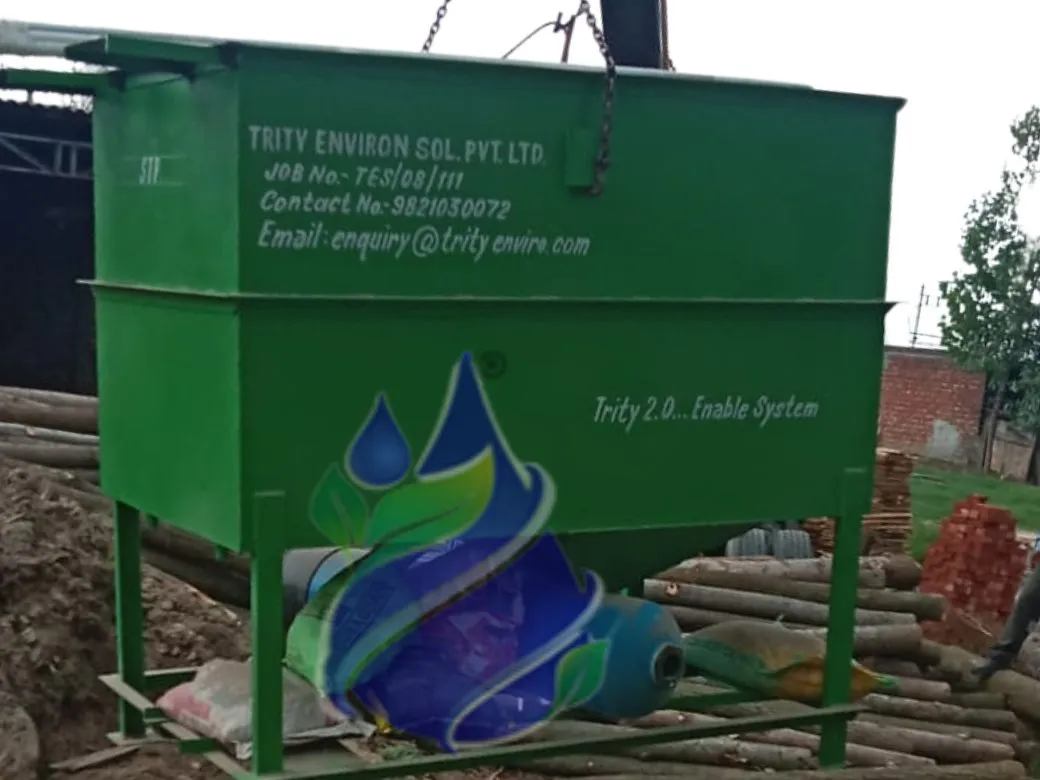
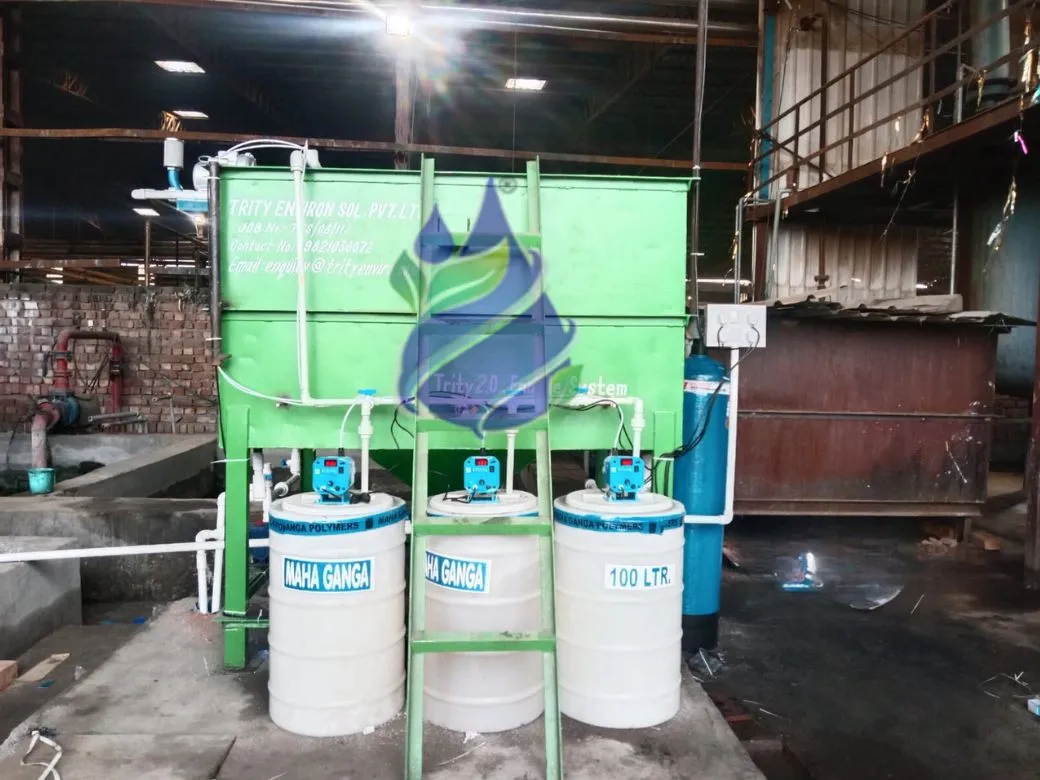
Trity Environ Solutions designs primary treatment trains featuring high-rate screening, automated grit removal, and mechanical oil skimmers to remove free and emulsified oils. The stream flows into flash mixing tanks where automated dosing systems introduce coagulants, polyelectrolytes, and color-removal chemicals. Our lamella clarifiers and vertical tube settlers ensure rapid separation of chemical flocs within a compact footprint.
Dewatering is accomplished via membrane filter presses, yielding dry cake suitable for authorized hazardous waste management. For facilities dealing with non-biodegradable COD or toxic solvents, we incorporate advanced oxidation processes (AOP), Fenton reactors, and activated carbon adsorption to ensure thorough purification prior to discharge or recycling.
Decentralized Commercial Sewage Treatment for Panipat's Urban Infrastructure
Rapid growth in residential colonies, hospitals, educational campuses, and commercial malls across Panipat city center, Model Town, HUDA Sectors, and GT Road commercial corridor requires robust decentralized wastewater treatment. Regulatory agencies mandate that commercial infrastructure must treat and reuse all sewage on-site without discharging into stormwater drains or the Drain No. 1, Drain No. 2, and Yamuna River.
Traditional sewage treatment plants suffer from bulky concrete footprints, high energy consumption, and frequent odor emissions. Trity Environ Solutions designs prefabricated packaged sewage treatment plants based on Moving Bed Biofilm Reactor (MBBR) and Membrane Bioreactor (MBR) technologies.
In our MBBR plants, virgin polypropylene media remain in suspension via fine bubble diffusers, creating resilient biomass capable of handling sharp load fluctuations.
For facilities requiring the highest effluent clarity and minimal footprint, our MBR plants combine biological digestion with submerged 0.04-micron membrane filtration. The permeate is crystal clear, odorless, and pathogen-free, immediately reusable in central HVAC cooling towers, toilet flushing, and greenbelt irrigation. Every plant is supported by an Annual Maintenance Contract. Consult our engineering team to evaluate your project needs.
Zero Liquid Discharge (ZLD) to Safeguard the Drain No. 1, Drain No. 2, and Yamuna River and Ensure Water Continuity
The Drain No. 1, Drain No. 2, and Yamuna River is an essential water source under intensive ecological scrutiny in Haryana. Due to extensive industrial discharge, strict NGT orders and HSPCB enforcement targeting textile dyeing units discharging untreated effluent into municipal drains. Regulatory agencies are increasingly making Zero Liquid Discharge (ZLD) systems mandatory for water-intensive industries across the region.
Operating a ZLD plant requires thermal and electrical optimization to keep running costs manageable. Trity Environ Solutions engineers energy-efficient closed-loop ZLD systems. Following primary physico-chemical and secondary biological treatment, effluent passes through chemical softening and silica removal before entering multi-stage brackish water reverse osmosis (RO) systems. This membrane phase recovers 85 to 90 percent of clear water for direct return to factory processes.
The concentrated brine stream is processed through high-pressure disc-tube reverse osmosis (DTRO) and thermal Multi-Effect Evaporators (MEE) or Mechanical Vapor Recompression (MVR) systems paired with Agitated Thin Film Dryers (ATFD). Solid salts crystallize into dry cake for safe disposal, leaving zero liquid outflow. This closed loop protects your unit against groundwater extraction limits and ensures uninterrupted manufacturing.
SYSTEM CONFIGURATIONS
Types of STP and ETP Configurations for Panipat
Tailored wastewater treatment technology selected for your effluent chemistry, water reuse needs, and HSPCB consent.
Physico-Chemical Industrial ETP for Panipat
Engineered for textile dyeing and printing, carpet manufacturing, woollen spinning mills, petrochemical processing, and food packaging in Sector 25 & Sector 29 Industrial Areas. Incorporates mechanical oil skimmers, flash mixing, chemical precipitation, lamella tube settlers, and automated filter presses to remove heavy metals, suspended solids, and chemical residues.
Chemical Oxidation & Heavy Metal Precipitation ETP
Specialized chemical treatment for electroplating, chemical, and dyeing facilities. Integrates Fenton reaction vessels, pH correction tanks, and chemical precipitation to eliminate refractory COD, toxic solvents, and dissolved metals.
Packaged MBBR & MBR Sewage Treatment Plants (STP)
Engineered for commercial complexes, healthcare facilities, and residential colonies in Panipat city center. Delivers compact, odorless biological treatment producing high-purity water safe for toilet flushing and cooling towers.
Zero Liquid Discharge (ZLD) & Membrane Recycling Train
Comprehensive closed-loop water recovery combining dual-media filters, ultrafiltration, high-recovery reverse osmosis, and thermal evaporators (MEE/ATFD). Recovers up to 98 percent of wastewater as pure process water.
Not certain which setup fits your Panipat plant? Schedule a technical consultation with our engineering specialists.
STEP-BY-STEP WORKFLOW
How the STP and ETP Execution Process Works in Panipat
Turnkey engineering from influent lab analysis to fabrication, site erection, and HSPCB consent validation in Panipat.
01
On-Site Effluent Characterization & Panipat Regulatory Review
Our environmental specialists visit your plant in Panipat to collect raw wastewater samples, testing parameters including BOD, COD, TSS, TDS, oil content, and heavy metals while reviewing HSPCB consent conditions.
02
Custom Process Design and Hydraulic Sizing
We develop detailed P&ID schematics, mass balances, footprint layouts, and electrical automation drawings aligned with your plot constraints and recycling goals.
03
Heavy-Duty Fabrication and In-House Quality Assurance
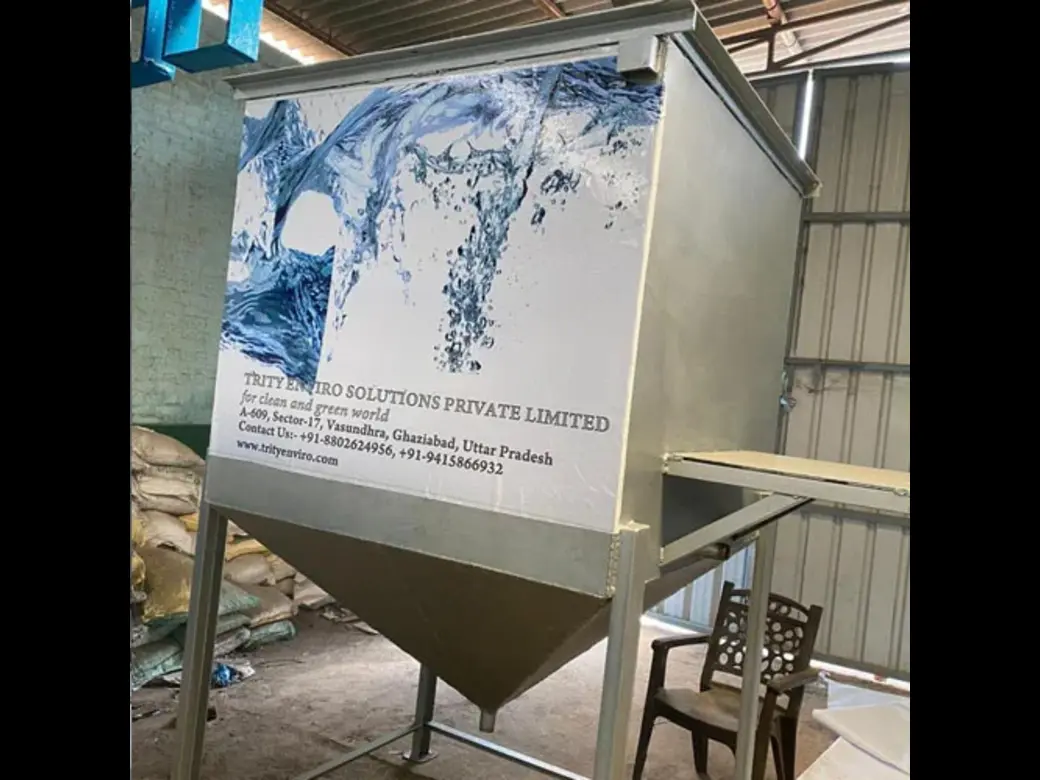
Pressure vessels, settling tanks, skids, and clarifiers are fabricated using high-grade stainless steel or epoxy/FRP-lined mild steel, followed by rigorous pressure and weld leak testing.
04
Site Installation, Piping Routing & Electrical Automation
Our engineering crew manages site positioning, civil coordination, mechanical pump installations, valve networks, and PLC control panel wiring with minimal interruption to factory operations.
05
Commissioning, HSPCB Sampling Verification & AMC Handover
We seed microbial biomass, optimize chemical dosing recipes, conduct performance test runs to verify treated water against HSPCB standards, train operating staff, and transition the plant into regular operation under an Annual Maintenance Contract.
COMMON INQUIRIES
Frequently Asked Questions in Panipat
Common questions regarding STP and ETP manufacturing, industrial compliance, water recovery, and HSPCB norms in Panipat.
Q1. What are the mandatory HSPCB discharge standards for industrial units in Panipat?
The Haryana State Pollution Control Board (HSPCB) enforces standards aligned with CPCB regulations. For discharge into inland surface waters or drains, treated effluent must generally maintain a pH between 5.5 and 9.0, BOD under 30 mg/L (stricter projects under NGT surveillance require BOD under 10 mg/L), COD under 250 mg/L (or under 50 mg/L for sensitive zones), TSS under 100 mg/L, and Oil & Grease under 10 mg/L. Units located near the Drain No. 1, Drain No. 2, and Yamuna River basin are increasingly directed to install Zero Liquid Discharge systems with no liquid bypass.
Q2. Can your ETP systems handle complex chemical effluents generated in Panipat's factories?
Yes. We install specialized multi-stage primary treatment systems comprising automated mechanical oil skimmers, flash mixers, and lamella clarifiers. These units extract floating mineral oils and accelerate the settling of abrasive iron and coal dust before water reaches secondary biological or membrane stages, preventing filter fouling and pump wear.
Q3. How much space is needed for a packaged sewage treatment plant in Panipat?
While older activated sludge systems require over 1,200 square feet for a 100 KLD capacity, our compact Moving Bed Biofilm Reactor (MBBR) systems require only 500 to 700 square feet. For tight commercial premises in Panipat city center, our submerged Membrane Bioreactor (MBR) plants occupy under 400 square feet and can be sited in basements or covered parking podiums without odor issues.
Q4. Is treated wastewater from your Panipat plants safe for boiler and cooling tower reuse?
Yes. With our tertiary filtration, ultrafiltration, and reverse osmosis polishing trains, treated wastewater achieves turbidity below 1 NTU, total dissolved solids below 100 ppm, and zero detectable pathogen load. This water is completely safe for cooling tower makeup, flushing, landscaping, and boiler feedwater pre-treatment.
Q5. What is the expected project execution timeline for an STP or ETP in Panipat?
Pre-engineered modular skids (10 KLD to 100 KLD) are delivered, installed, and commissioned within 3 to 5 weeks. Larger site-erected civil and mechanical plants (200 KLD to 2 MLD) typically require 8 to 12 weeks, depending on civil tank availability and piping layout readiness at your Sector 25 & Sector 29 Industrial Areas facility.
Q6. Does Trity Environ provide ongoing maintenance and AMC support across Haryana?
Yes. We support all installations with dedicated Annual Maintenance Contracts (AMC) and Operations & Maintenance (O&M) programs across Panipat and throughout Haryana. Our services encompass periodic water testing, dosing chemical replenishment, preventive pump servicing, membrane chemical washes, and 24/7 technical breakdown support.
CATALOGUE
Related Engineering Products
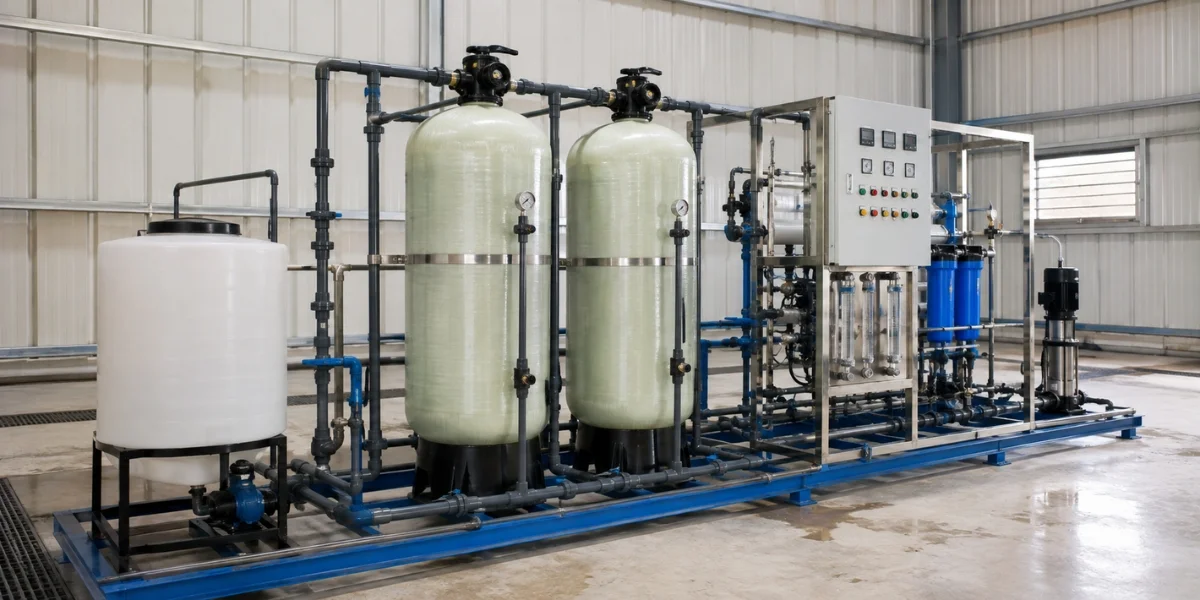
RO & Water Recycling Plant Manufacturer in India
Trity Environ Solutions manufactures RO and water recycling systems for industries and commercial facilities, engineered for reliable purity and reuse.
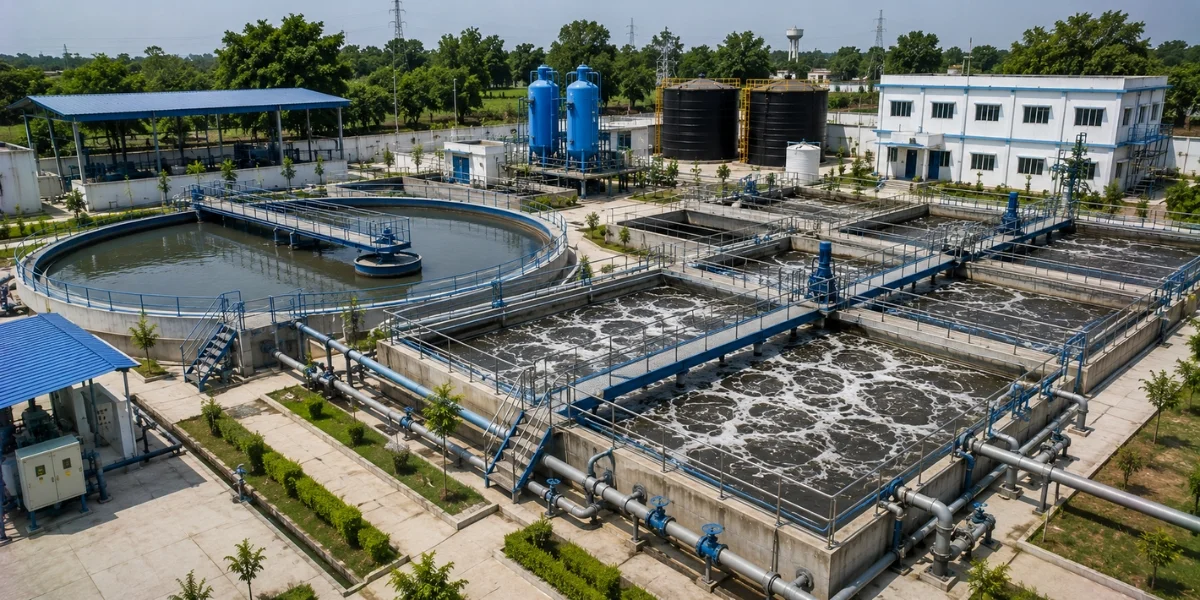
Tertiary Treatment Plant Manufacturer in India
Trity Environ Solutions manufactures tertiary treatment plants that polish treated water beyond secondary treatment, enabling genuine reuse and stricter discharge compliance.
Wastewater Recycling System Manufacturer in India
Trity Environ Solutions manufactures wastewater recycling systems using UF and RO technology, turning treated wastewater into reuse-grade water for cooling, flushing, and gardening.
PAN-INDIA CAPABILITIES
Regional Solutions & State Coverage
TECHNICAL KNOWLEDGE
Related Insights & Engineering Guides
PROVEN EXCELLENCE
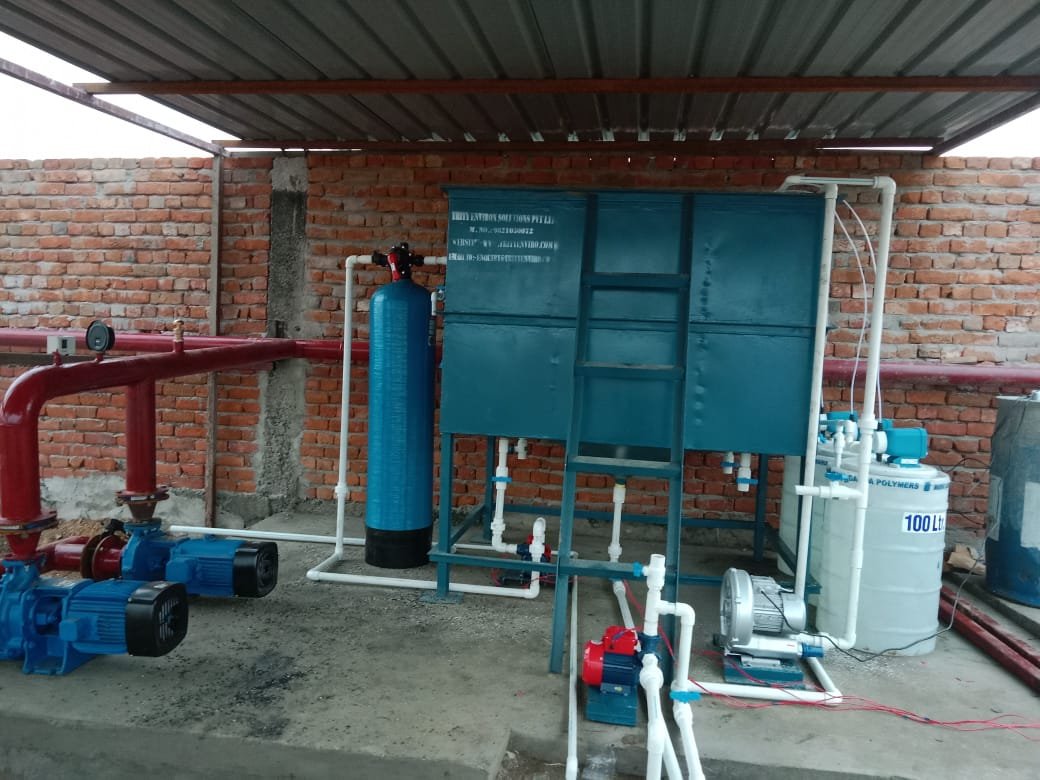
Featured Turnkey Installations




Need a Custom Water or Wastewater Treatment Solution?
Our engineering team can help design the right system for your capacity, industry, and compliance requirements.