
 ISO 9001:2015 & QCI Approved
Biological Effluent Treatment Plant Manufacturer in India
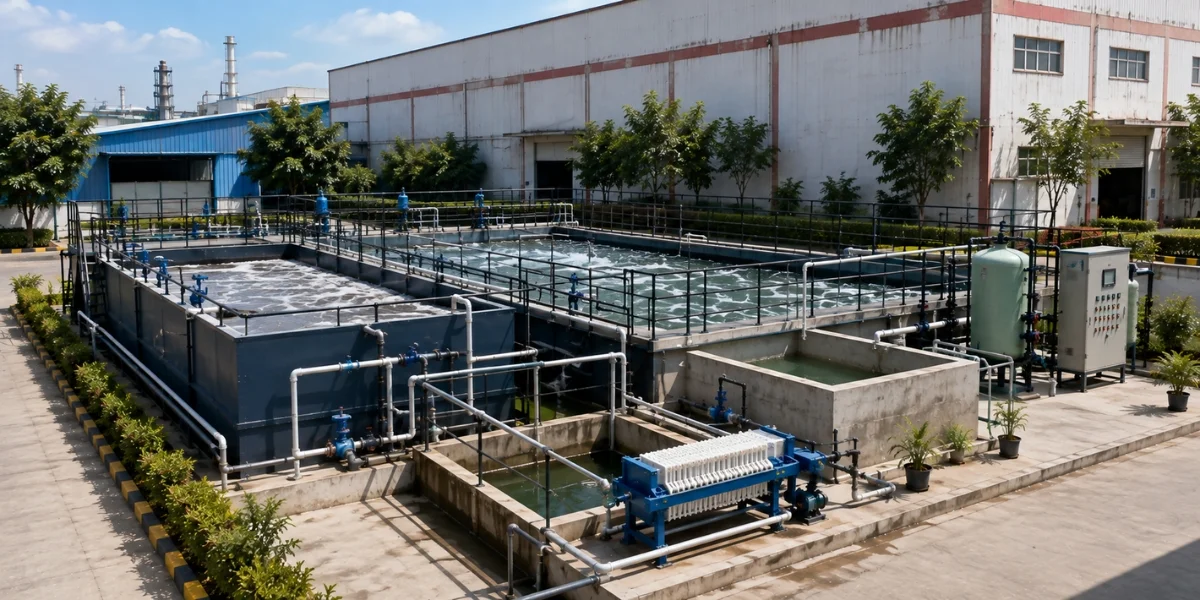
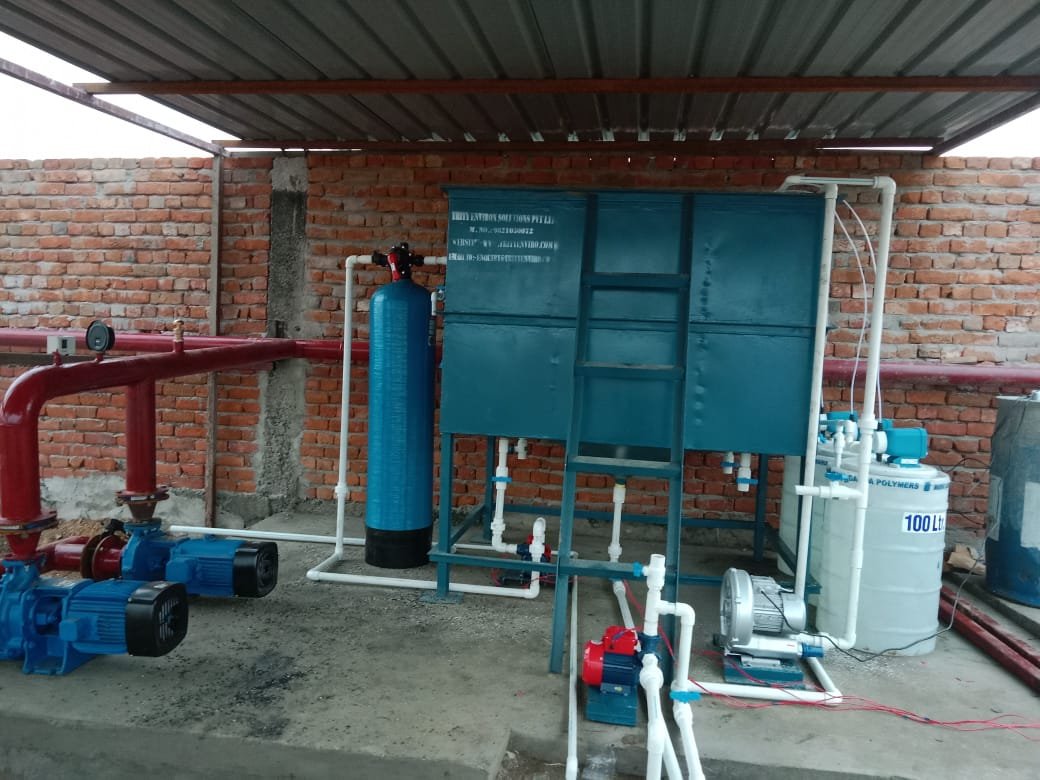
Trity Environ Solutions is a trusted biological effluent treatment plant manufacturer in India, engineering MBBR, SBR, and MBR based systems that use natural microbial action to break down organic pollutants and reduce BOD and COD levels. Our plants are designed for stable performance under variable load, backed by pan India installation support.
SPCB / CPCB Norm Compliant
Heavy Fabrication
How Biological Treatment Breaks Down Organic Pollutants
Biological treatment uses naturally occurring microorganisms to consume and break down organic matter present in industrial and commercial wastewater, converting it into stable, harmless byproducts. Trity Environ Solutions builds this stage using MBBR, SBR, or MBR technology depending on your effluent characteristics and site constraints, following any physico-chemical treatment stage that removes non-biodegradable pollutants first. As an established effluent treatment plant manufacturer in India, we size and configure the biological stage around your actual organic load, not a generic template.
Not sure whether MBBR, SBR, or MBR fits your effluent profile? Request a free technical assessment and our engineering team will recommend the right system for your site.
KEY BENEFITS
Key Benefits of Biological Effluent Treatment Plant Manufacturer in India
Engineered for stable *BOD and COD reduction, lower sludge generation, and reliable performance for every biological effluent treatment plant*.
Significant BOD and COD Reduction
Biological treatment reduces BOD and COD levels significantly, converting dissolved organic pollutants into stable byproducts before final discharge or reuse.
Compact, High Surface Area Design
Attached growth media such as MBBR carriers provide a large surface area for microorganisms, improving treatment efficiency without expanding tank footprint.
Handles Variable Load Reliably
Handles fluctuating organic and hydraulic loads reliably, making it suitable for industries and institutions where flow patterns vary throughout the day.
Lower Sludge Generation
Generates lower excess sludge compared to conventional activated sludge systems, reducing sludge handling, disposal frequency, and overall operating costs.
Supports Nitrification
Supports nitrification and ammonia reduction where required, helping industries meet stricter nitrogen discharge norms set by pollution control boards.
The Stage Where Most of the Pollutant Load Is Actually Removed
In most industrial wastewater streams, biological treatment is responsible for removing the largest share of organic load, making it the core of the entire treatment system rather than just one stage among many. Trity Environ Solutions designs the biological reactor size, aeration capacity, and media type specifically around your effluent's BOD and COD levels, so the system is neither undersized nor unnecessarily oversized.
Why Biological System Performance Depends on Consistent Operation
A biological effluent treatment plant depends on a healthy, stable microbial culture, which means inconsistent operation or poor aeration control can quickly affect treatment quality. Trity Environ Solutions supports every biological ETP with operator training, aeration monitoring, and an Annual Maintenance Contract, so biological performance stays consistent through seasonal and load variations. Talk to our team about AMC coverage for your plant.
TYPES / CONFIGURATIONS
Types of Biological Effluent Treatment Plant Manufacturer in India Configurations
*MBBR, SBR, and MBR* treatment technologies selected to match your organic load, space availability, and water reuse requirements.
MBBR (Moving Bed Biofilm Reactor)
Uses free floating plastic biofilm carriers within the aeration tank, offering a compact, low maintenance system suitable for variable industrial loads.
SBR (Sequencing Batch Reactor)
A fill and draw batch process combining equalization, aeration, and clarification in a single tank, ideal for sites with limited space.
MBR (Membrane Bioreactor)
Combines biological treatment with membrane filtration for superior effluent quality, well suited for facilities requiring treated water reuse on site.
Activated Sludge Process (ASP)
Uses suspended microbial flocs and mechanical aeration for organic removal, a proven, well understood process for consistent municipal and industrial use.
HOW THE PROCESS WORKS
How the Biological Effluent Treatment Plant Manufacturer in India Process Works
A microbial *wastewater treatment process engineered for consistent BOD and COD reduction* under varying load conditions.
01
Equalization
Incoming wastewater flow and organic load are balanced before entering the biological reactor, preventing shock loading of the microbial culture.
02
Aeration & Biological Oxidation
Oxygen is supplied to the reactor, allowing microorganisms to consume and break down dissolved organic pollutants present in the wastewater.
03
Clarification / Settling
Treated water and biological solids are separated, either through gravity settling or membrane filtration depending on the configuration used.
04
Sludge Handling
Excess biological sludge is removed from the system periodically and directed for further dewatering or disposal in a compliant manner.
COMMON INQUIRIES
Frequently Asked Questions
Q1. What is a biological effluent treatment plant?
A biological ETP uses microorganisms to break down organic pollutants in wastewater, reducing BOD and COD levels through processes such as MBBR, SBR, or MBR.
Q2. What is the difference between MBBR, SBR, and MBR?
MBBR uses floating biofilm carriers for treatment, SBR treats wastewater in timed batches within a single tank, and MBR combines biological treatment with membrane filtration for higher effluent quality.
Q3. Does biological treatment require a pretreatment stage?
Yes, effluent with high suspended solids, oil, or heavy metals typically requires physico-chemical pretreatment before biological treatment to protect the microbial culture.
Q4. How much space does a biological ETP require?
Space requirements depend on the technology selected and organic load, with MBBR and SBR systems generally more compact than conventional activated sludge systems.
Q5. Can biological ETPs handle fluctuating wastewater flow?
Yes, biological systems such as MBBR and SBR are specifically suited to handle variable organic and hydraulic loads without major performance loss.
Q6. Is treated water from a biological ETP suitable for reuse?
With appropriate tertiary treatment, water from a biological ETP can often be reused for non-potable applications such as flushing or gardening. ---
CATALOGUE
Related Engineering Products
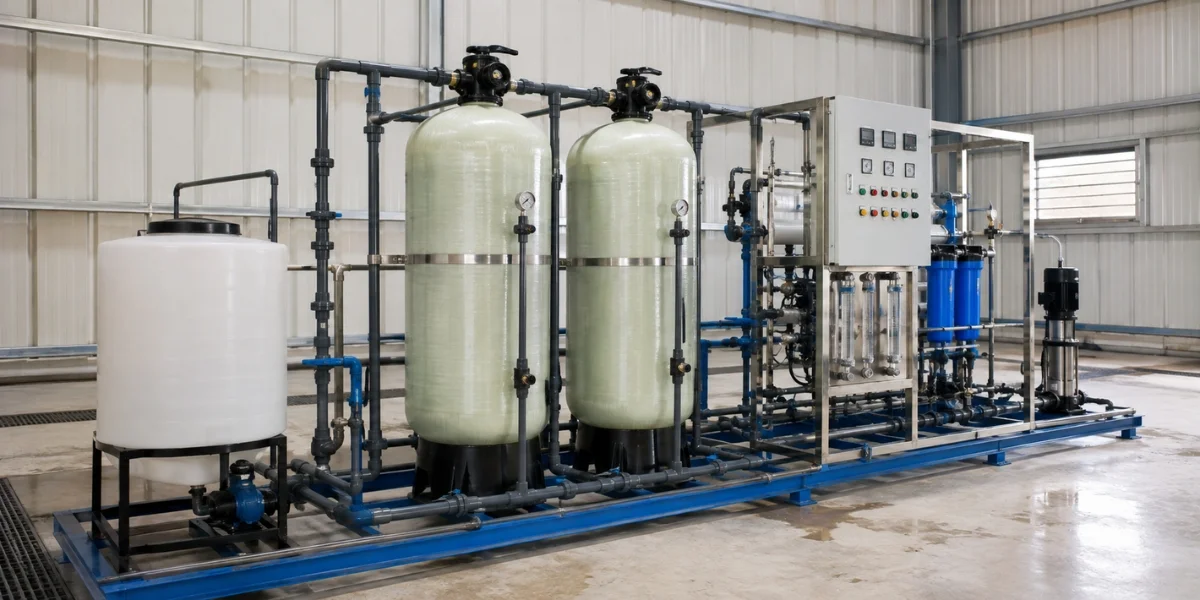
RO & Water Recycling Plant Manufacturer in India
Trity Environ Solutions manufactures RO and water recycling systems for industries and commercial facilities, engineered for reliable purity and reuse.
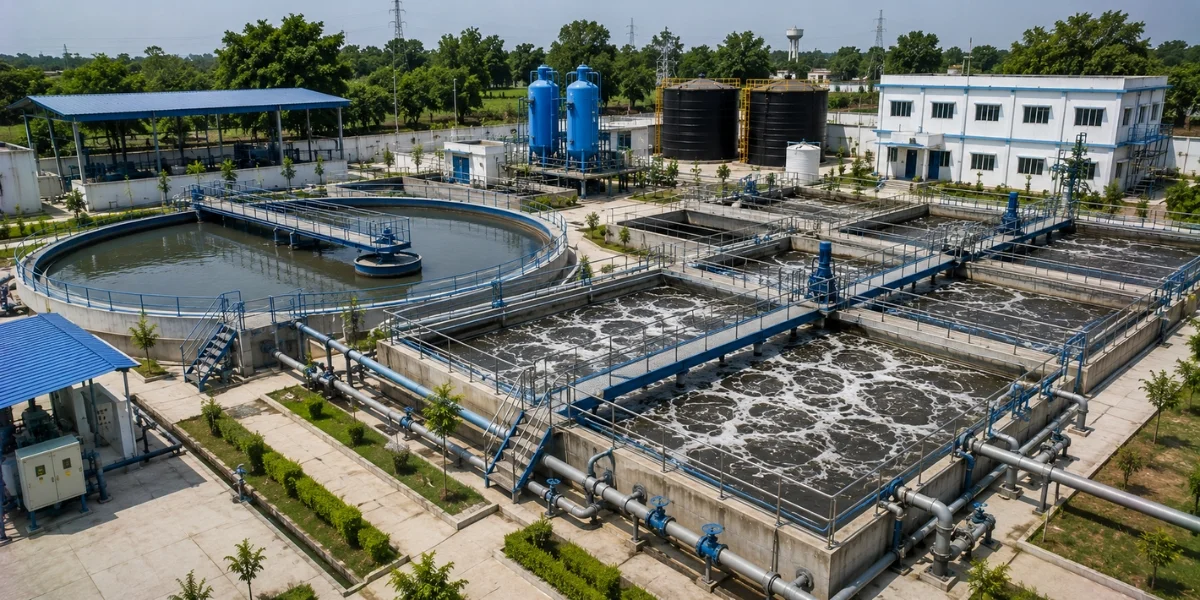
Tertiary Treatment Plant Manufacturer in India
Trity Environ Solutions manufactures tertiary treatment plants that polish treated water beyond secondary treatment, enabling genuine reuse and stricter discharge compliance.
Wastewater Recycling System Manufacturer in India
Trity Environ Solutions manufactures wastewater recycling systems using UF and RO technology, turning treated wastewater into reuse-grade water for cooling, flushing, and gardening.
PAN-INDIA CAPABILITIES
Regional Solutions & State Coverage
TECHNICAL KNOWLEDGE
Related Insights & Engineering Guides
PROVEN EXCELLENCE
Featured Turnkey Installations




Need a Custom Water or Wastewater Treatment Solution?
Our engineering team can help design the right system for your capacity, industry, and compliance requirements.