
 ISO 9001:2015 & QCI Approved
STP and ETP Plant Manufacturer in Kanpur
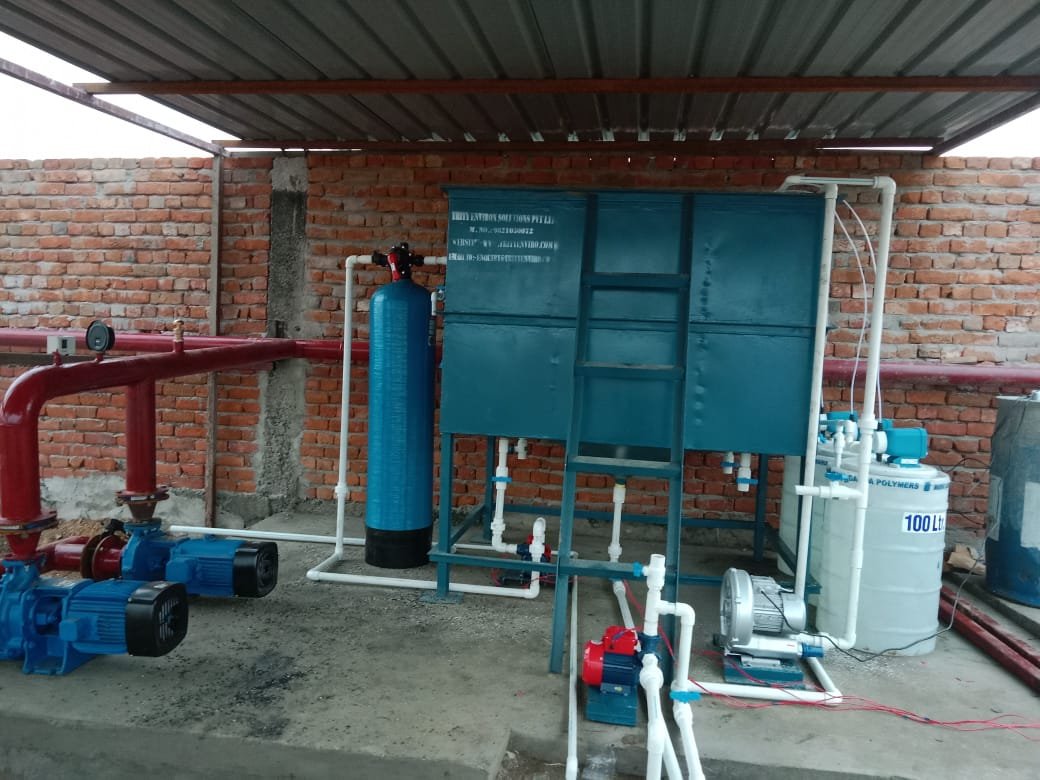
Trity Environ Solutions is a trusted STP and ETP plant manufacturer in Kanpur, building wastewater systems for the leather and tannery units of Jajmau, allied industries, hospitals, institutions, and residential projects on the banks of the Ganga. With chromium and dissolved solids at the centre of the city's compliance debate, we design plants for real performance, with pan India installation support behind every project. Whether you need a sewage treatment plant manufacturer in Kanpur or an effluent treatment plant manufacturer in Kanpur, Trity Environ Solutions builds both in-house, from design to commissioning.
CPCB & SPCB Ready
Turnkey Design & Installation
Kanpur's Tannery Compliance Is Still Being Measured Against the Numbers
Kanpur's Tannery Compliance Is Still Being Measured Against the Numbers
Kanpur is described in recent reporting as one of the larger contributors of pollution to the Ganga, with domestic sewage of about 450 MLD a day and roughly 20 percent of households connected to a sewer. For the tanneries, a 20 MLD common effluent treatment plant at Jajmau began operating in August 2025, yet in September 2025 the Central Pollution Control Board (CPCB) flagged non-compliance across tannery clusters in Jajmau, Unnao, and Banthar, noting that the Jajmau plant was not meeting standards for BOD and TDS, with TDS about five times above the norm, and that the 900 KLD common chrome recovery unit was not operating. Officials have also discussed running tanneries on a roster, working limited days, and shutting them around the Mahakumbh as happened during the Ardh Kumbh.
For a tannery, a leather finishing unit, or a hospital or housing project in Kanpur, the practical takeaway is that shared infrastructure alone does not guarantee compliance. Trity Environ Solutions builds effluent treatment plants with dedicated chromium and TDS handling for leather and allied industries, and sewage treatment plants for the hospitals, hotels, and societies of Kanpur, engineered against UPPCB consent conditions.
Running a tannery, leather unit, or institution in Kanpur? Request a free site assessment and our engineering team will confirm the right configuration for your site.
KEY BENEFITS
Key Benefits of STP and ETP Plant Manufacturer in Kanpur
Engineered for reliable UPPCB compliance, chromium removal, and serious TDS reduction for leather and allied units.
Chromium Handling for Tanneries
Chromium precipitation and chrome recovery provisions engineered for tanning effluent, since chromium was among the parameters the CPCB flagged at the Jajmau common plant.
TDS Reduction Beyond Standard Treatment
Membrane and evaporation options for high dissolved solids, the parameter reported at about five times the norm at the shared plant in 2025.
Unit-Level Compliance
Treatment that holds consent limits at the unit, so a shared plant's shortfall or a scheduled shutdown does not decide your compliance position.
Hospital and Institutional Ready
Biological treatment with disinfection for the hospitals, medical colleges, hotels, and housing societies of a large city.
Local Support Across the Kanpur Belt
Installation, operator training, and AMC response across Kanpur, Unnao, and nearby districts, backed by Trity's Uttar Pradesh engineering team.
Shared Plants Can Miss the Parameters That Matter Most
The 2025 findings showed a new 20 MLD plant failing on TDS and BOD within weeks of commissioning, and a chrome recovery unit idle for lack of exhaust liquor. That does not mean shared treatment cannot work, but it does mean a tannery should not assume its own effluent will be cleaned downstream. A unit-level plant gives you measured control of chromium, sulphide, and TDS before anything leaves your gate.
Roster Systems and Shutdowns Make Water Reuse Valuable
When tanneries may work only a limited number of days, every working day must count, and recovering process water reduces both discharge and cost. Trity Environ Solutions designs recovery and reuse into leather plants and backs them with an Annual Maintenance Contract, so the plant is ready whenever production resumes. Talk to our team about AMC coverage for your facility.
Drains, Ghats and Sewer Gaps Put Pressure on Private Campuses Too
With only a fraction of households connected to sewers, a large number of buildings in Kanpur depend on on-site arrangements. Hospitals, hotels, and housing societies that run their own sewage treatment plants reduce load on the city's drains and keep their own consent position clean.
SYSTEM CONFIGURATIONS
Types of STP and ETP Plant Manufacturer in Kanpur Configurations
Technologies selected to match your industry, chromium and TDS load, and UPPCB consent category.
Tannery and Leather ETP
Our chemical treatment stage for tanning effluent handles chromium removal, sulphide oxidation, and sludge conditioning before biological treatment.
Explore Configuration
General Industrial ETP
Our physico-chemical effluent treatment plant treats allied industrial effluent through coagulation, flocculation, and clarification.
Explore Configuration
TDS Reduction and Reuse
Our wastewater recycling system uses membranes to cut dissolved solids and return water to the process.
Explore Configuration
Zero Liquid Discharge
Our zero liquid discharge system recovers water from tannery effluent for units that must stop discharging altogether.
Explore Configuration
Hospital and Residential STP
Our sewage treatment plant for hospital and MBBR sewage treatment plant serve hospitals, hotels, and apartment societies across Kanpur.
Explore Configuration
TURNKEY WORKFLOW
How the STP and ETP Plant Manufacturer in Kanpur Process Works
A turnkey process engineered for consistent UPPCB compliant performance across leather, industrial, and institutional sites.
01
Site Assessment & Influent Characterisation
Flow measurement and sampling establish your actual load, including chromium, sulphide, and TDS for leather units.
02
Design & Engineering
Technology and layout are fixed against UPPCB consent conditions, available space, and reuse goals.
03
Manufacturing & Installation
Components are manufactured under ISO 9001:2015 quality controls, then installed and commissioned by Trity's site team.
04
Commissioning & AMC Support
The plant is tested against consent limits, operators are trained, and ongoing AMC support keeps performance consistent afterward.
COMMON INQUIRIES
Frequently Asked Questions
Clear answers regarding regulatory consent, installation timelines, and plant capacities for Kanpur.
Q1. Which pollution control board governs STP and ETP discharge in Kanpur?
The Uttar Pradesh Pollution Control Board (UPPCB) issues consent to establish and consent to operate, alongside CPCB guidelines and National Green Tribunal directions on the Ganga.
Q2. Does a Jajmau tannery still need its own ETP if a common plant exists?
Yes. Consent conditions apply to the unit, and a shared plant's shortfall can still leave you out of compliance, so unit-level pre-treatment for chromium and sulphide is usually needed.
Q3. How is chromium removed from tannery effluent?
Chromium is precipitated by pH adjustment and chemical dosing, then separated as sludge, and recovery systems can return part of it to the tanning process.
Q4. Can TDS be reduced in tannery effluent?
Yes, through membrane treatment or evaporation, depending on volume and reuse targets, and these stages are the usual route to zero liquid discharge.
Q5. How long does installation take in Kanpur?
Prefabricated modular plants typically commission within 45 to 90 days, while civil-based plants for larger capacities take 3 to 6 months from design approval to handover.
Q6. Can an existing Kanpur plant be upgraded or maintained?
Yes. We audit existing plants, retrofit capacity or technology, and take them under an annual maintenance contract.
Q7. How do I choose a reliable STP and ETP plant manufacturer in Kanpur?
Look for in-house manufacturing, experience with UPPCB consent requirements, a design based on your own effluent analysis, and a clear maintenance offering after commissioning. Trity Environ Solutions builds its plants under ISO 9001:2015 quality controls and supports every installation with operator training and an annual maintenance contract.
CATALOGUE
Related Engineering Products
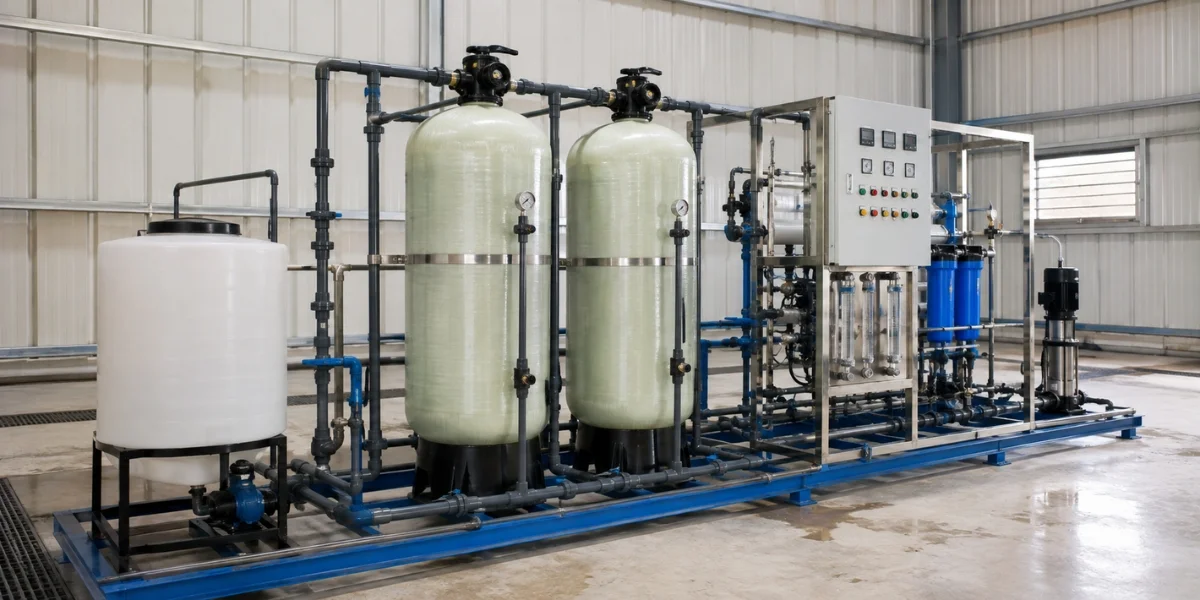
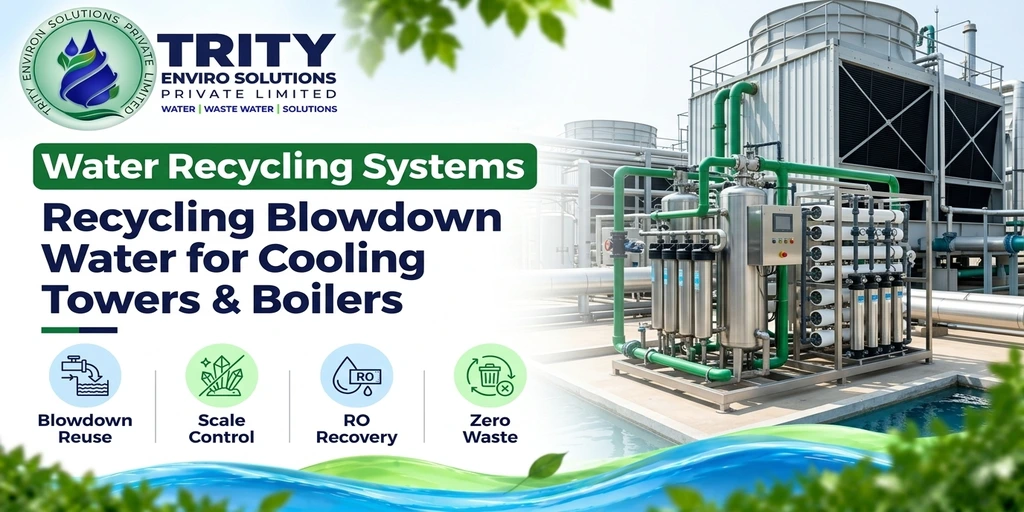
RO & Water Recycling Plant Manufacturer in India
Trity Environ Solutions manufactures RO and water recycling systems for industries and commercial facilities, engineered for reliable purity and reuse.
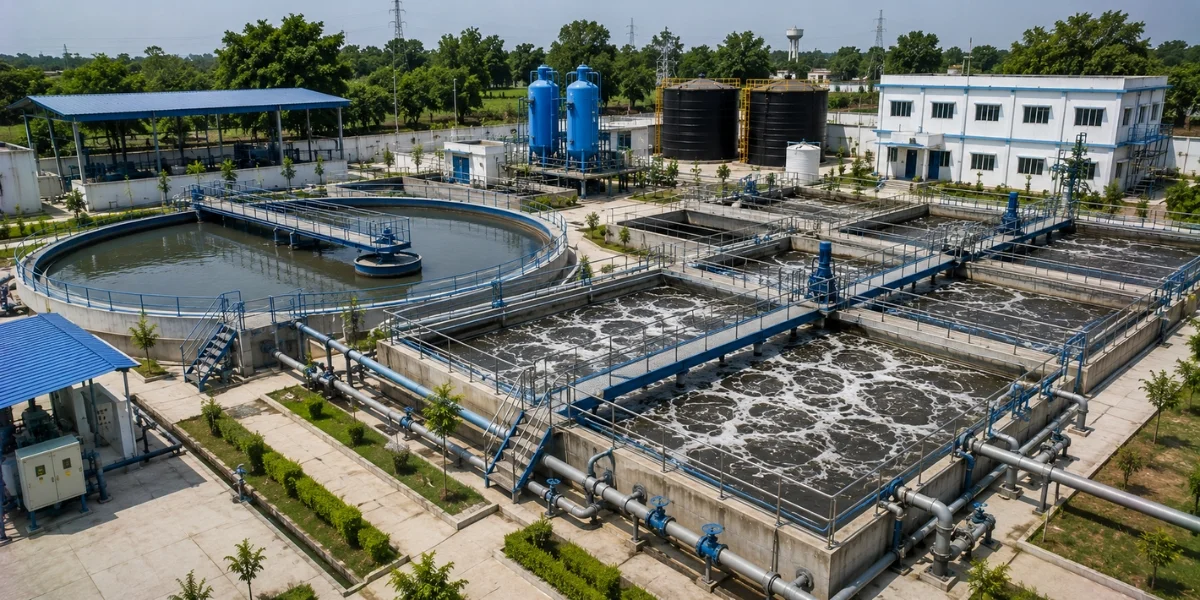
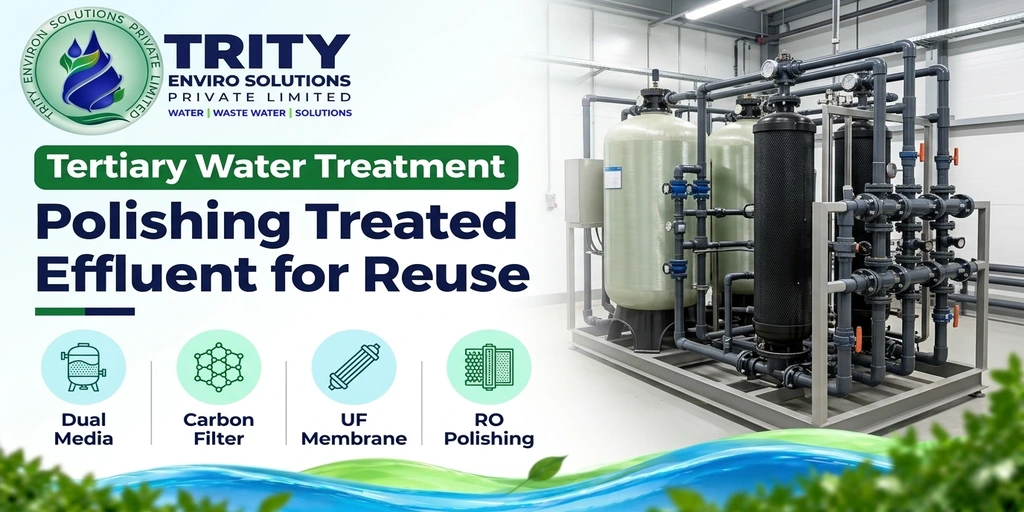
Tertiary Treatment Plant Manufacturer in India
Trity Environ Solutions manufactures tertiary treatment plants that polish treated water beyond secondary treatment, enabling genuine reuse and stricter discharge compliance.
Wastewater Recycling System Manufacturer in India
Trity Environ Solutions manufactures wastewater recycling systems using UF and RO technology, turning treated wastewater into reuse-grade water for cooling, flushing, and gardening.
PAN-INDIA CAPABILITIES
Regional Solutions & State Coverage
TECHNICAL KNOWLEDGE
Related Insights & Engineering Guides
PROVEN EXCELLENCE
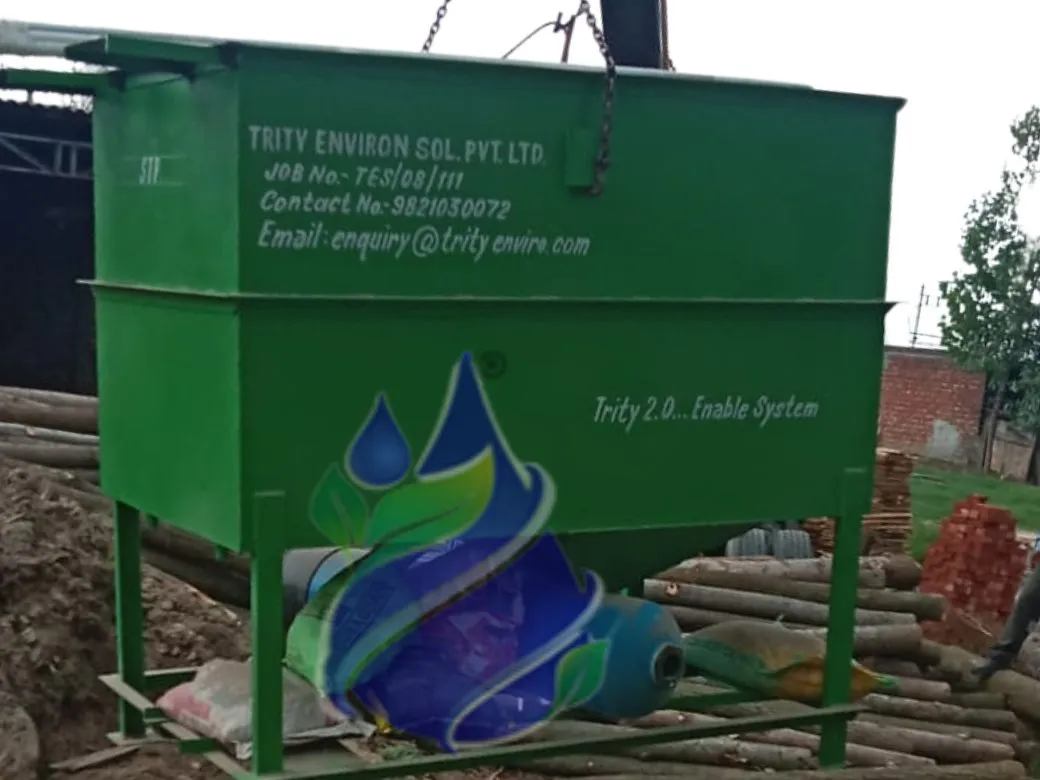
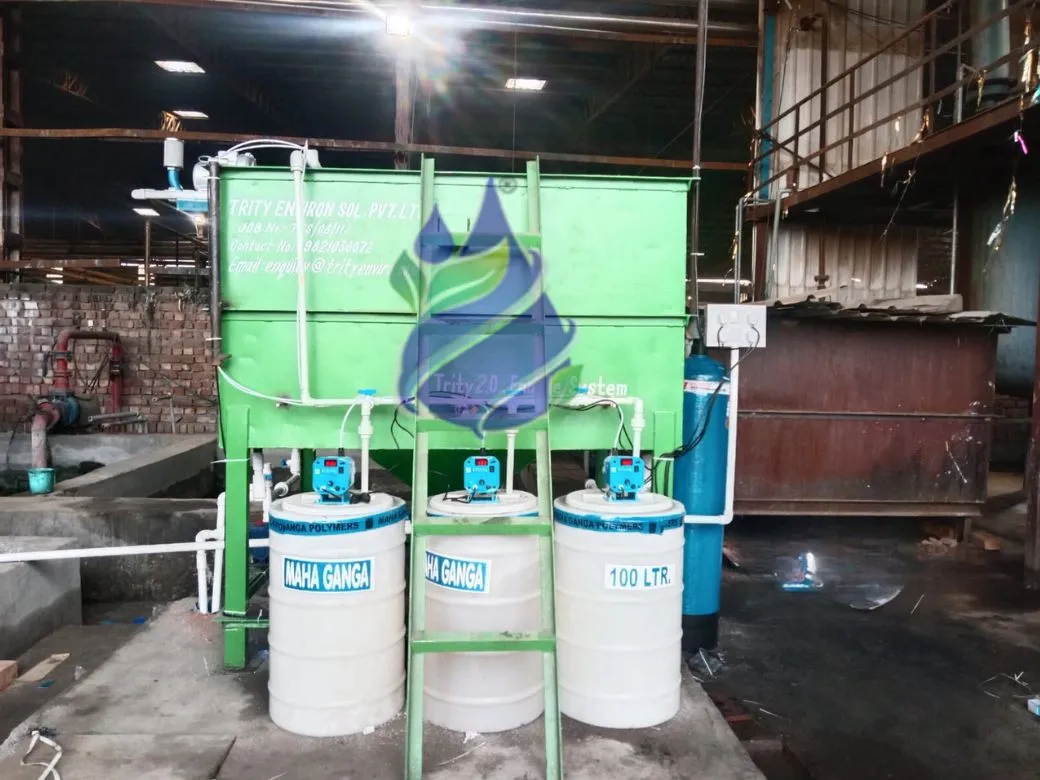
Featured Turnkey Installations




Need a Custom Water or Wastewater Treatment Solution?
Our engineering team can help design the right system for your capacity, industry, and compliance requirements.