
 ISO 9001:2015 & QCI Approved
Sewage Treatment Plant Manufacturer in Maharashtra
Trity Environ Solutions is a trusted sewage treatment plant manufacturer in Maharashtra, building compact and reliable systems for the state's housing societies, high-rises, hospitals, hotels, malls, IT parks, and township projects in Mumbai, Thane, Navi Mumbai, Pune, Nagpur, and Nashik. With city sewers and public plants still catching up with population growth, it engineers on-site sewage treatment that keeps a property compliant and turns used water into a reusable resource, with pan India installation support behind every plant. From MBBR and MBR to packaged and hospital systems, Trity Environ Solutions designs, manufactures, and commissions each plant in-house.
SPCB / CPCB Norm Compliant
Heavy Fabrication
Cities That Are Still Building the Pipes and Plants to Match Their Growth
Maharashtra's big cities show the same pattern: sewage is produced faster than it can be collected and treated. Mumbai's Mithi river is the clearest example. A 2021 report citing BMC's own submission to the Supreme Court put the dry-weather flow into the Mithi at about 285 million litres per day, and noted that fecal coliform in the river measured about 15 times the standard limit in 2019. In July 2019 the Bombay High Court heard that the corporation had commissioned sewage treatment plants at eight locations, yet none ran at full capacity because sewer lines had not been laid to carry enough flow to them.
Pune tells a similar story with a different cause. An April 2026 report said the municipal corporation operates 10 plants with a combined capacity of 537 MLD, while MPCB, in a notice dated 27 March 2026, pointed to untreated sewage entering the Mula and Mutha rivers through 10 major nullahs and asked for full sewer network coverage within four months. A January 2026 report added that once the 11 plants under the river pollution control project are running, the city's capacity will reach about 895 MLD. Nagpur's figures are older, from 2014, when a report put sewage generation above 450 MLD with only about 80 MLD being treated, although the city also pioneered selling treated sewage to thermal power plants.
For the owner of a society, hospital, hotel, or campus, these numbers lead to one practical conclusion. Waiting for the municipal network to arrive is not a compliance plan. Trity Environ Solutions builds sewage treatment plants that treat sewage at the point where it is produced, so flushing, gardening, and cooling water can come back from the same building. Industrial units in MIDC estates need a different design basis, and the effluent treatment plant manufacturer in Maharashtra page covers that work.
Starting a new project or dealing with a plant that no longer performs? Request a free site assessment and the engineering team will confirm the right configuration for your site.
WHY THIS SYSTEM?
Key Benefits of Sewage Treatment Plant Manufacturer in Maharashtra
Engineered for high biological efficiency, full environmental compliance, and low lifecycle operational costs.
Consistent Treated Water Quality
Biological stages sized for the BOD, COD, and suspended solids limits in your consent, so treated water stays within norms on peak days and not only on average ones.
Fits Basements and Podiums
Modular tank layouts planned around the constrained plots, basements, and podium levels typical of Mumbai, Thane, and Pune developments.
Flushing and Garden Water on Site
Polished sewage that can serve toilet flushing, landscaping, and cooling towers, which cuts the tanker and municipal water a property has to buy.
Low Odour and Quiet Operation
Aeration, equalisation, and sludge handling arranged to keep smell and blower noise away from flats, wards, and guest rooms.
Support Across the State
Site assessment, commissioning, and maintenance response across Maharashtra's main cities, with operator training and operating records handed over at each installation.
Mumbai Sites Cannot Count on the Outfall
The 2019 High Court hearing showed how a plant can exist and still treat little when the sewer network does not reach it, and the Mithi figures above show the load that ends up in open channels. A property in Mumbai or Thane that connects only to a stretched municipal line depends on a system it does not manage. An on-site plant converts that dependence into a measured, documented treated water quality at your own gate.
Pune's Pashan Plant Is a Lesson in Operation
The April 2026 report described a new 1 MLD plant at Pashan that was reportedly out of service for nearly three months because of technical and maintenance failures, with untreated flow reaching the lake in the meantime. Even a well designed plant fails without attention. Trity Environ Solutions backs each Maharashtra installation with operator training, performance monitoring, and an Annual Maintenance Contract covering blowers, diffusers, and dosing. Talk to our team about AMC coverage for your property.
Choosing the Process That Suits the Site
Technology follows the load pattern. A sequencing batch reactor sewage treatment plant suits sites with variable flow and enough room for batch tanks, while a FAB sewage treatment plant or a SAFF sewage treatment plant offers a simple, low-operator design for smaller campuses. The right choice depends on flow, footprint, and the reuse target, and it is settled during the site assessment.
Related Wastewater Services in Maharashtra
Sewage and industrial effluent need different designs. For process wastewater from MIDC units, see the effluent treatment plant manufacturer in Maharashtra page. For the combined overview of both services across the state, see ETP and STP plant manufacturers in Maharashtra.
SYSTEM CONFIGURATIONS
Types of Sewage Treatment Plant Manufacturer in Maharashtra Configurations
Tailored industrial configurations matched to specific effluent composition, flow rates, and space constraints.
Housing Societies and Townships
The MBBR sewage treatment plant uses floating media to hold a dense biological film, which copes with the sharp morning and evening peaks of residential complexes in a modest footprint.
Explore Configuration
Hotels, Malls and IT Parks
The MBR sewage treatment plant adds a membrane stage that delivers clear, low odour water in very little space, a good match for commercial towers that reuse water for cooling and flushing.
Explore Configuration
Hospitals and Medical Campuses
A sewage treatment plant for hospital pairs biological treatment with disinfection, designed for the continuous and variable flow of wards, kitchens, and laundries.
Explore Configuration
Compact and Fast Installations
The packaged containerized sewage treatment plant arrives as a factory built unit, which shortens site work for construction camps, resorts, and small institutions.
Explore Configuration
Grey Water Reuse
A grey water treatment plant handles bathing and laundry water separately, giving a lighter load and a quick route to flushing and garden reuse.
Not sure which configuration fits your Maharashtra site? Get a free consultation and the team will recommend a setup based on flow, footprint, and consent conditions.
Explore Configuration
STEP-BY-STEP WORKFLOW
How the Sewage Treatment Plant Manufacturer in Maharashtra Process Works
A sequential, multi-stage treatment methodology engineered for maximum contaminant removal and water recovery.
01
Site Assessment & Influent Characterisation
Occupancy, water use, and sewage sampling establish the real daily flow and peak pattern before any design decision is made.
02
Design & Engineering
Process, tank layout, and reuse stages are fixed against the MPCB consent category, available space, and the demand for treated water.
03
Manufacturing & Installation
Components are manufactured under ISO 9001:2015 quality controls, then installed and commissioned by Trity's site team.
04
Commissioning & AMC Support
The plant is tested against consent limits, operators are trained, and ongoing AMC support keeps performance steady afterward.
COMMON INQUIRIES
Frequently Asked Questions
Q1. Which authority regulates sewage treatment plant discharge in Maharashtra?
The Maharashtra Pollution Control Board (MPCB) grants consent to establish and consent to operate, working with CPCB guidelines and any directions from the National Green Tribunal or the courts.
Q2. Is an STP required for a residential building or hotel in Maharashtra?
Larger residential, hospitality, and commercial projects are generally expected to treat sewage on site as part of environmental and consent conditions, and often to reuse the output. The exact requirement depends on built-up area and the conditions attached to your approvals.
Q3. What size of plant does a housing society need?
Capacity depends on the number of flats, occupancy, and the flushing and landscaping demand. Society plants commonly range from about 50 KLD to several hundred KLD, and the figure is confirmed after a site assessment.
Q4. Can treated sewage be reused, and for what?
Yes. After filtration and disinfection, treated water is commonly used for toilet flushing, gardening, cooling tower makeup, and washing of common areas. Drinking use is not intended.
Q5. Which technology is best for a hospital or a hotel?
Hospitals usually need a biological plant with strong disinfection, while hotels and malls with tight space often choose MBR. The final selection is made from flow data and discharge or reuse targets.
Q6. Can an existing plant in Mumbai, Pune, or Nagpur be audited or upgraded?
Yes. Trity Environ Solutions audits underperforming plants, replaces worn blowers and diffusers, retrofits capacity or technology, and brings them under an annual maintenance contract.
Q7. How do I choose a reliable sewage treatment plant manufacturer in Maharashtra?
Look for in-house manufacturing, familiarity with MPCB consent requirements, a design based on your own flow measurements, and a clear maintenance offering after commissioning. Trity Environ Solutions builds its plants under ISO 9001:2015 quality controls and supports every installation with operator training and an annual maintenance contract.
CATALOGUE
Related Engineering Products
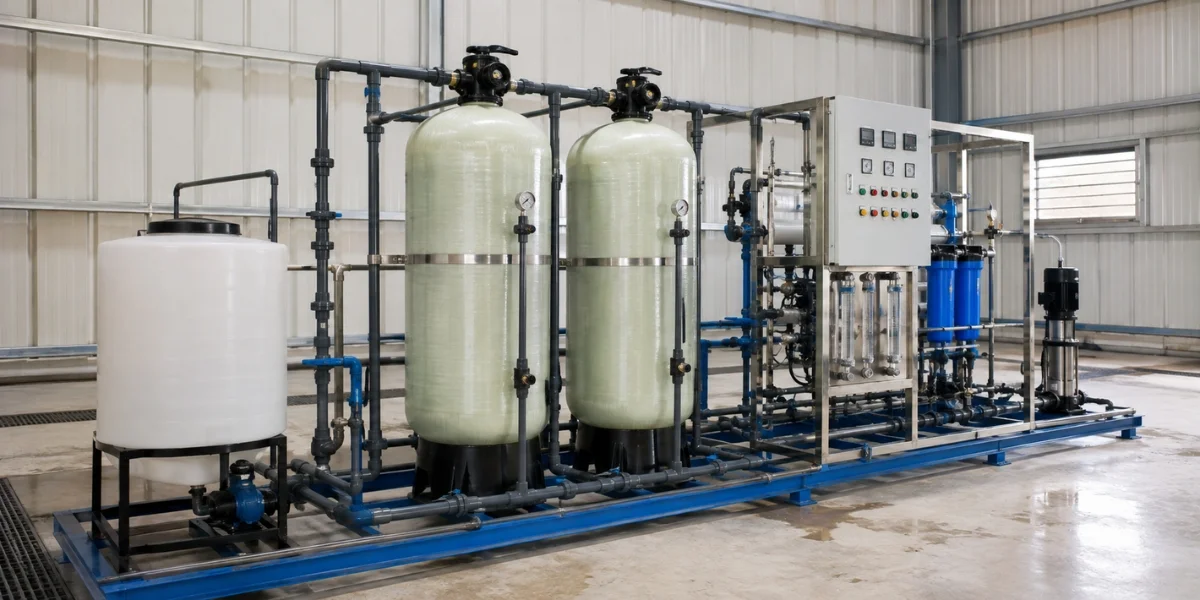
RO & Water Recycling Plant Manufacturer in India
Trity Environ Solutions manufactures RO and water recycling systems for industries and commercial facilities, engineered for reliable purity and reuse.
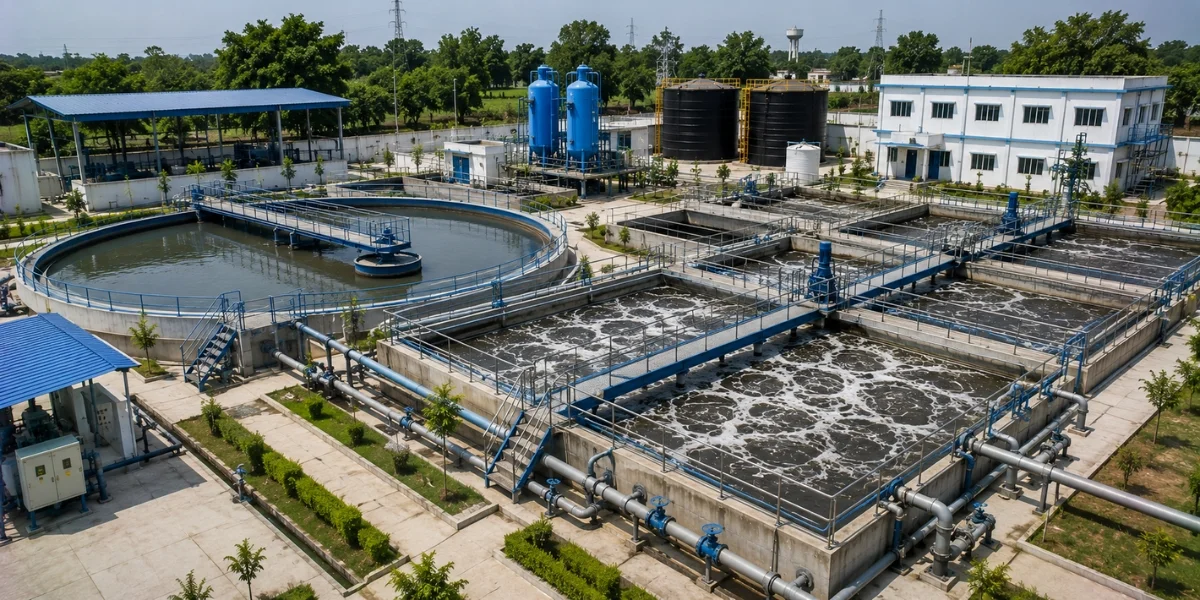
Tertiary Treatment Plant Manufacturer in India
Trity Environ Solutions manufactures tertiary treatment plants that polish treated water beyond secondary treatment, enabling genuine reuse and stricter discharge compliance.
Wastewater Recycling System Manufacturer in India
Trity Environ Solutions manufactures wastewater recycling systems using UF and RO technology, turning treated wastewater into reuse-grade water for cooling, flushing, and gardening.
PAN-INDIA CAPABILITIES
Regional Solutions & State Coverage
TECHNICAL KNOWLEDGE
Related Insights & Engineering Guides
PROVEN EXCELLENCE
Featured Turnkey Installations











Need a Custom Water or Wastewater Treatment Solution?
Our engineering team can help design the right system for your capacity, industry, and compliance requirements.

