
 ISO 9001:2015 & QCI Approved
Effluent Treatment Plant Manufacturer in Uttarakhand
Trity Environ Solutions is a trusted effluent treatment plant manufacturer in Uttarakhand, building industrial wastewater systems for the engineering, food, and chemical units of SIDCUL Haridwar and the pharma, textile, and rubber units of Selaqui in Dehradun. With the Ganga entering the plains and the Doon Valley depending on groundwater, it designs plants that handle COD, solvents, and metals and keep discharge measurably inside limits, with pan India installation support behind every project. Trity Environ Solutions designs, manufactures, and commissions each plant in-house, from effluent analysis to handover.
SPCB / CPCB Norm Compliant
Heavy Fabrication
Two Industrial Belts, Both Watched Closely
Uttarakhand's industrial effluent is concentrated in two belts. In Haridwar, a 2018 enforcement drive by CPCB and the state board examined 2,700 units, including about 700 in SIDCUL, after higher BOD was detected downstream, and the National Green Tribunal had earlier ordered Haridwar's industrial units to connect to common effluent treatment plants or face closure. The drive verified each unit's consent to operate and its treatment system, with the stated principle that consent is granted only with a proper system for treating waste.
In Dehradun, the Selaqui industrial area is the concern. The Doon Valley draws more than 80 percent of its drinking water from groundwater, and published studies have examined heavy metals, nitrate, and fluoride in groundwater near the estate. A 2017 joint inspection of the pharma units at IIE Pharma City, which hosts over 30 pharmaceutical units alongside textile and rubber industries, acknowledged that treatment systems were largely effective while noting concern about potential heavy metal accumulation over time. For a unit in either belt, a well designed plant of its own is the practical route to consent from the Uttarakhand Pollution Control Board (UKPCB). Trity Environ Solutions builds effluent treatment plants around your own wastewater analysis.
Running a unit in SIDCUL or Selaqui? Request a free site assessment and the engineering team will confirm a suitable configuration for your process.
WHY THIS SYSTEM?
Key Benefits of Effluent Treatment Plant Manufacturer in Uttarakhand
Engineered for high biological efficiency, full environmental compliance, and low lifecycle operational costs.
Pharma Effluent Expertise
Solvent bearing, high COD, and variable process wastewater from pharma units handled through equalisation, chemical, and biological stages.
Heavy Metal Control
Precipitation and filtration stages that address the long-term metal accumulation concern raised at Selaqui, with sampling points at your outlet.
Industrial Compliance for SIDCUL Units
Unit-level ETPs engineered around consent conditions, since enforcement drives here have checked every unit's treatment arrangement.
Water Reuse and Lower Discharge
Treated effluent returned to cooling, washing, and process use, which reduces fresh water demand and the volume that leaves the site.
Local Support Across the State
Installation, operator training, and AMC response across Haridwar, Dehradun, and Uttarakhand's industrial estates, backed by Trity's engineering team.
Consent Checks Look at Treatment, Not Intentions
Industrial Plants Fail Slowly Without Operation Support
Each Estate Has a Different Mix of Effluent
Related Wastewater Services in Uttarakhand
SYSTEM CONFIGURATIONS
Types of Effluent Treatment Plant Manufacturer in Uttarakhand Configurations
Tailored industrial configurations matched to specific effluent composition, flow rates, and space constraints.
Pharma and Chemical ETP
Our chemical industry effluent treatment plant deals with acidic, alkaline, and solvent bearing process water from pharma and allied units.
Explore Configuration
General Industrial ETP
Our physico-chemical effluent treatment plant treats engineering and general manufacturing effluent through coagulation, flocculation, and clarification.
Explore Configuration
Food and Beverage ETP
Our food and beverage effluent treatment plant handles the high organic load from processing and packaged food units.
Explore Configuration
Textile and Rubber Units
Our textile dyeing effluent treatment plant removes colour, COD, and dissolved solids from processing units.
Explore Configuration
Zero Liquid Discharge
Our zero liquid discharge system recovers water through filtration, membranes, and evaporation, for units that are required or choose to send no effluent out of the site.
Explore Configuration
STEP-BY-STEP WORKFLOW
How the Effluent Treatment Plant Manufacturer in Uttarakhand Process Works
A sequential, multi-stage treatment methodology engineered for maximum contaminant removal and water recovery.
01
Site Assessment & Effluent Characterisation
Flow measurement and sampling establish your actual load, including COD, solvents, metals, and suspended solids, before design begins.
02
Design & Engineering
Technology and layout are fixed against your UKPCB consent conditions, available space, and reuse targets.
03
Manufacturing & Installation
Components are manufactured under ISO 9001:2015 quality controls, then installed and commissioned by Trity's site team.
04
Commissioning & AMC Support
The plant is tested against consent limits, operators are trained, and ongoing AMC support keeps performance consistent afterward.
COMMON INQUIRIES
Frequently Asked Questions
Q1. Which pollution control board governs effluent discharge in Uttarakhand?
The Uttarakhand Pollution Control Board (UKPCB) issues consent to establish and consent to operate, alongside CPCB guidelines and any directions from the National Green Tribunal.
Q2. Do SIDCUL units need their own ETP?
Yes. Consent to operate depends on a proper treatment system for your waste, and units are expected to meet norms whether or not shared facilities exist.
Q3. Can you build an ETP for a pharma unit in Selaqui or Dehradun?
Yes. Pharma effluent needs solvent, COD, and metal handling beyond a standard biological plant, so the system is designed from your own effluent analysis and discharge conditions.
Q4. Can industrial effluent be reused in Uttarakhand?
Yes. Treated effluent can go to cooling, washing, and gardening, and with filtration or membranes it can meet stricter process quality, up to zero liquid discharge where required.
Q5. How long does installation take in Uttarakhand?
Prefabricated modular plants typically commission within 45 to 90 days, while civil-based plants for larger capacities take 3 to 6 months from design approval to handover.
Q6. Can an existing Uttarakhand ETP be upgraded or maintained?
Yes. We audit existing plants, retrofit capacity or technology, and take them under an annual maintenance contract so they stay within consent limits.
Q7. How do I choose a reliable effluent treatment plant manufacturer in Uttarakhand?
Look for in-house manufacturing, experience with UKPCB consent requirements, a design based on your own effluent analysis, and a clear maintenance offering after commissioning. Trity Environ Solutions builds its plants under ISO 9001:2015 quality controls and supports every installation with operator training and an annual maintenance contract.
CATALOGUE
Related Engineering Products
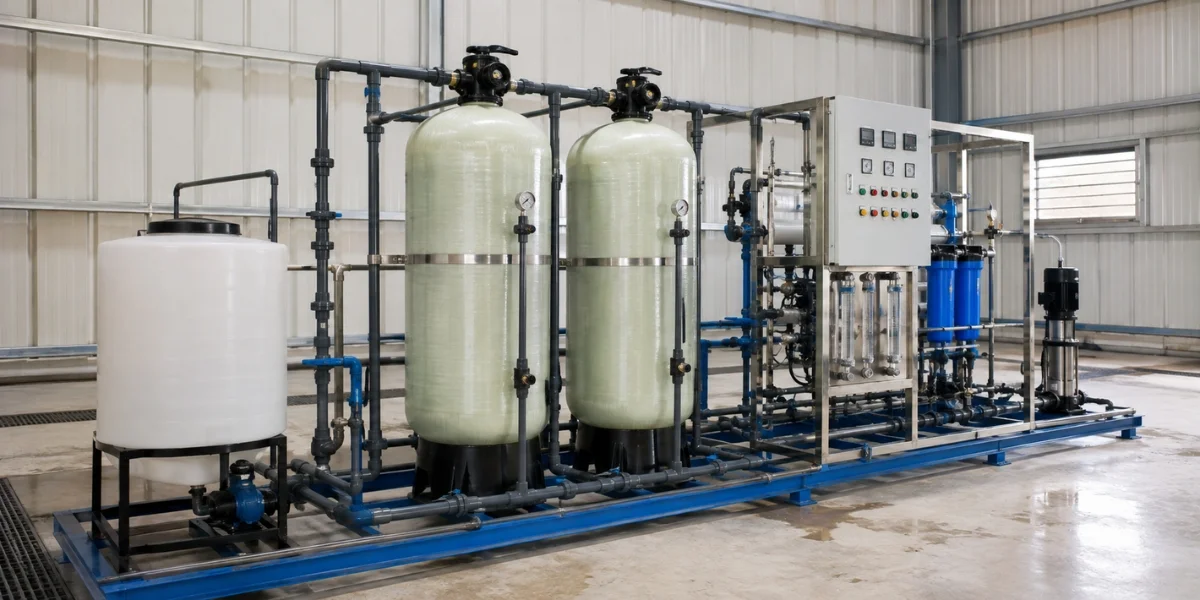
RO & Water Recycling Plant Manufacturer in India
Trity Environ Solutions manufactures RO and water recycling systems for industries and commercial facilities, engineered for reliable purity and reuse.
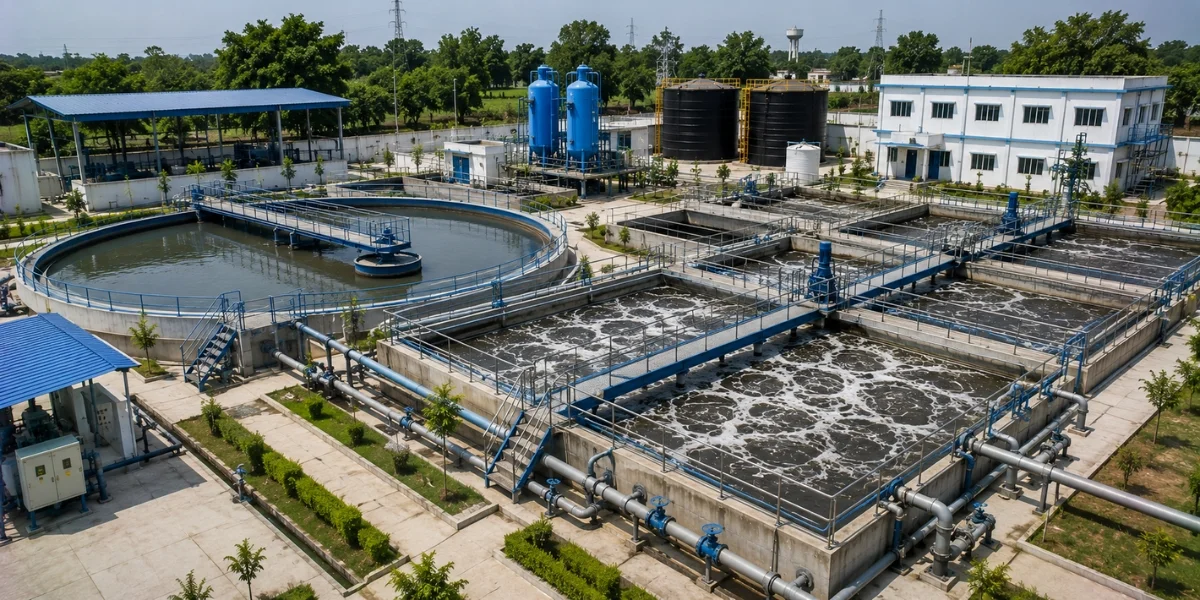
Tertiary Treatment Plant Manufacturer in India
Trity Environ Solutions manufactures tertiary treatment plants that polish treated water beyond secondary treatment, enabling genuine reuse and stricter discharge compliance.
Wastewater Recycling System Manufacturer in India
Trity Environ Solutions manufactures wastewater recycling systems using UF and RO technology, turning treated wastewater into reuse-grade water for cooling, flushing, and gardening.
PAN-INDIA CAPABILITIES
Regional Solutions & State Coverage
TECHNICAL KNOWLEDGE
Related Insights & Engineering Guides
PROVEN EXCELLENCE
Featured Turnkey Installations











Need a Custom Water or Wastewater Treatment Solution?
Our engineering team can help design the right system for your capacity, industry, and compliance requirements.

