Fate of Pharmaceuticals in ETPs: Degradation vs. Persistence
Explore pharmaceutical degradation in ETPs. Learn how persistent drugs, treatment tech, and microbial activity impact wastewater treatment efficiency.

 ISO 9001:2015 & QCI Approved
Instead of paying for air, let bacteria make gas. See where a UASB reactor makes sense, what it delivers and what it cannot do.
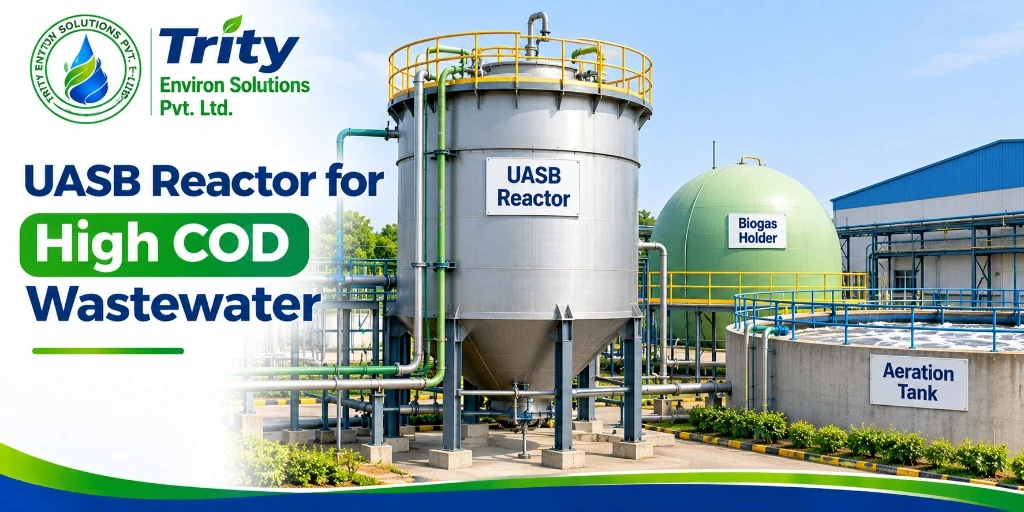
Aerobic treatment, the method behind most STPs and ETPs, has an expensive habit: it burns electricity to push air into water. For ordinary sewage, with BOD of a couple of hundred milligrams per litre, that cost is acceptable. For wastewater with COD of several thousand mg/L or more, such as effluent from dairies, sugar mills, breweries, distilleries, starch units, food processing and paper mills, the air demand becomes enormous. Aerating a COD of 5,000 mg/L can use ten or twenty times more power per cubic metre than aerating sewage, and the plant makes large quantities of excess sludge besides.
There is another way. Anaerobic bacteria break down organic matter without oxygen, producing biogas, which is mostly methane, instead of new biomass and heat. The most widely used high-rate anaerobic reactor is the UASB, the Upflow Anaerobic Sludge Blanket reactor, developed at Wageningen University in the Netherlands in the late 1970s. In a UASB, wastewater flows slowly upward through a dense bed of granular sludge, and the bacteria in the granules convert the organic matter into gas.
The benefits are attractive: low energy use, little sludge, high loading in a compact tank and a gas that can replace fuel. The limits are real too: UASB reactors are slow to start, sensitive to toxins, shock loads and low temperature, and their effluent still needs aerobic polishing.
This guide explains how a UASB works, where it suits and where it does not, the design numbers with a worked example for a 500 KLD plant, and how to run and buy one. It is written for plant heads, EHS officers and project engineers in food, dairy, beverage, sugar, distillery and paper industries. Trity Enviro designs ETPs with anaerobic stages, and the guide draws on that practice.
The heart of a UASB is a bed of granular sludge: small pellets, a millimetre or two across, made of millions of anaerobic bacteria clumped together. The granules are dense and settle well, so they stay in the reactor even as wastewater flows upward through them. Wastewater is fed evenly across the bottom of the tank through distribution pipes, passes through the sludge bed and, in the zone above, through a thinner sludge blanket.
At the top sits the three-phase separator, usually a set of inverted cones or gas collection hoods. It separates three things: biogas, which rises into the collection hood, solids, which slide back down into the bed, and treated water, which leaves over effluent weirs. Without a good separator, sludge washes out and the reactor loses its biomass.
Anaerobic digestion happens in stages. Bacteria hydrolyse complex organic matter into simpler compounds, other bacteria convert them to volatile fatty acids and hydrogen, and finally methane-forming organisms turn those into methane and carbon dioxide. Most of the COD removed ends up as methane gas, and only a small share becomes new bacterial mass, which is why anaerobic plants produce little sludge. As a rule of thumb, about 0.35 m3 of methane is produced per kg of COD removed, and the biogas typically contains about 55 to 70 percent methane.
Conditions matter. The bacteria prefer a temperature of around 30 to 38 °C, pH near neutral (about 6.8 to 7.4), enough alkalinity to buffer the volatile acids and a balanced supply of nutrients, with nitrogen and phosphorus at roughly 5 and 1 parts for every 300 to 500 parts of COD. Industries that discharge hot effluent, such as distilleries, are well placed.
UASB reactors suit wastewater that is high in soluble, biodegradable COD:
A general guide is that wastewater with COD above about 2,000 to 3,000 mg/L and a high share of soluble, biodegradable organics is worth considering for anaerobic treatment. Granular UASB reactors are reported to handle loading rates of about 10 to 30 kg COD per m3 of reactor per day under favourable conditions, much higher than conventional designs. Our guide to ETP for dairy and food processing shows how anaerobic stages fit into food industry plants.
Three numbers define a UASB design:
Reactor height is usually 4 to 6 metres or more, which together with upflow velocity sets the surface area. Effluent recycling is sometimes used to raise upflow velocity or dilute the feed.
Consider a food processing plant with 500 m3/day of wastewater at COD 4,000 mg/L and a reactor design OLR of 8 kg COD/m3/day.
These are design estimates. A bench or pilot test on your own wastewater is the best way to confirm loading and gas yield. The effluent COD of about 800 mg/L is far above discharge limits, so an aerobic stage, such as an MBBR or activated sludge unit, follows the UASB, and a physico-chemical stage may be added for colour or residual solids. For very strict or zero discharge requirements, see our guide to ZLD plant cost, technology and mandates.
Seed the reactor with granular sludge from a similar working plant if you can, or with digested cow dung or sewage sludge, and ramp up the load slowly over weeks while watching pH, volatile fatty acids, gas production and COD removal. Keep pH and alkalinity in range, and dose nutrients if needed. Monitor gas quantity and composition, and make sure the gas line has flame arrestors, a gas holder, a flare for surplus gas and an H2S removal step if the gas will be burnt in equipment.
Daily checks include feed flow and pH, reactor temperature, gas flow, effluent COD and volatile fatty acid to alkalinity ratio, which is an early warning of souring. Take care with safety: biogas is flammable and H2S is toxic, so follow gas safety practice. Our guide to biogas plants for organic waste covers gas use and safety points.
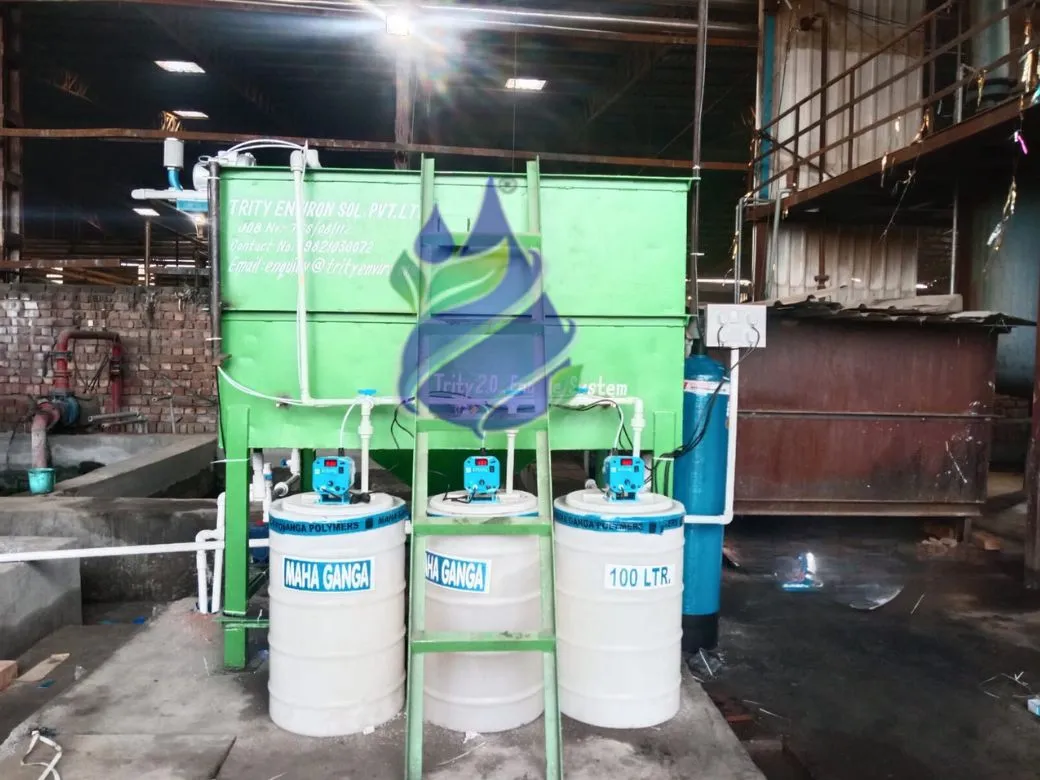
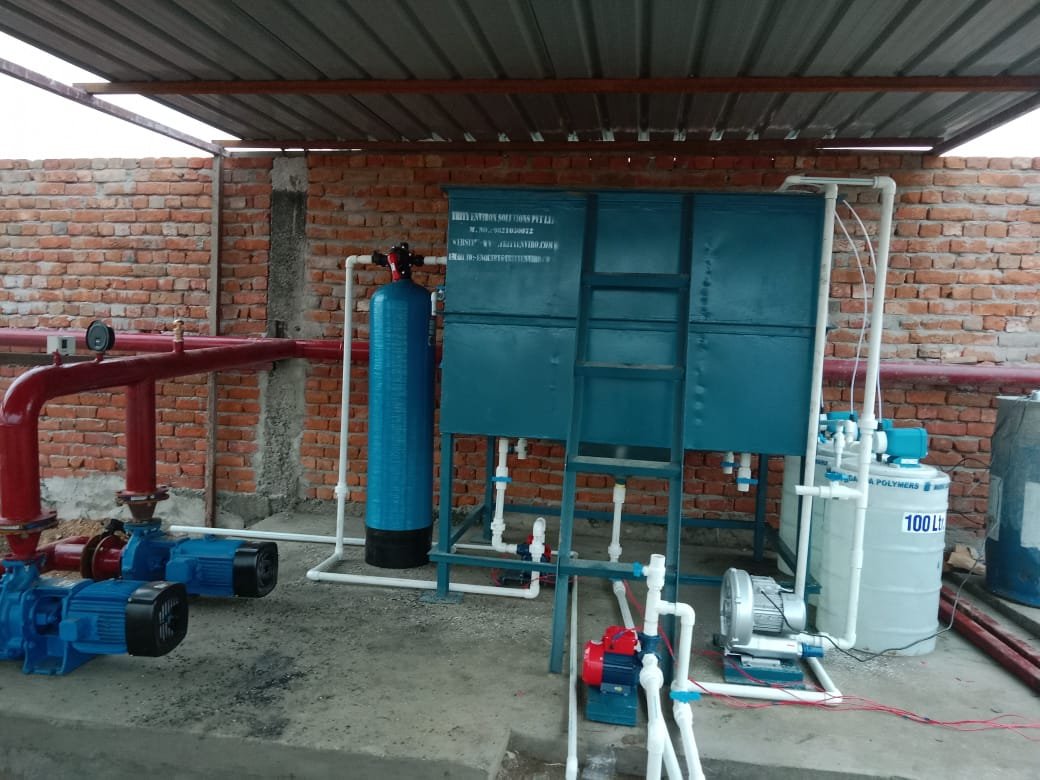
Trity Enviro's anaerobic digester and effluent treatment plant designs combine anaerobic, aerobic and tertiary stages, and an annual maintenance contract keeps the system stable.
| Parameter / Stage | Target Optimal Range | Failure Impact / Risk | Corrective Engineering Action |
|---|---|---|---|
| Organic loading rate | Typically about 4 to 16 kg COD/m3/day for granular UASB, set by wastewater and pilot data | Overload, souring, washout if too high | Reduce feed, add equalization, recycle effluent, check VFA |
| Reactor temperature and pH | About 30 to 38 °C, pH about 6.8 to 7.4 | Low gas and COD removal, process failure | Heat or insulate, add alkalinity, control pH at the feed |
| Upflow velocity | About 0.5 to 1.0 m/h | Dead zones if low, granule washout if high | Adjust recycle, size surface area correctly |
| Sulphate and toxicity | COD to sulphate ratio high enough, no toxic inputs | H2S, inhibition, poor granulation | Pre-treat, segregate toxic streams, add sulphide control |
Trity Environ Solutions is an ISO 9001:2015 certified and QCI-approved effluent treatment plant and anaerobic digester manufacturer and supplier in India, delivering robust, high-efficiency systems engineered for CPCB and SPCB regulatory compliance.
Every installation is supported by pan-India Annual Maintenance Contract and Operation and Maintenance services.
Speak directly with our senior environmental engineers for technical guidance, sizing calculations, or a tailored project proposal.
Call +91-9821030072 or email enquiry@trityenviro.com
Explore pharmaceutical degradation in ETPs. Learn how persistent drugs, treatment tech, and microbial activity impact wastewater treatment efficiency.
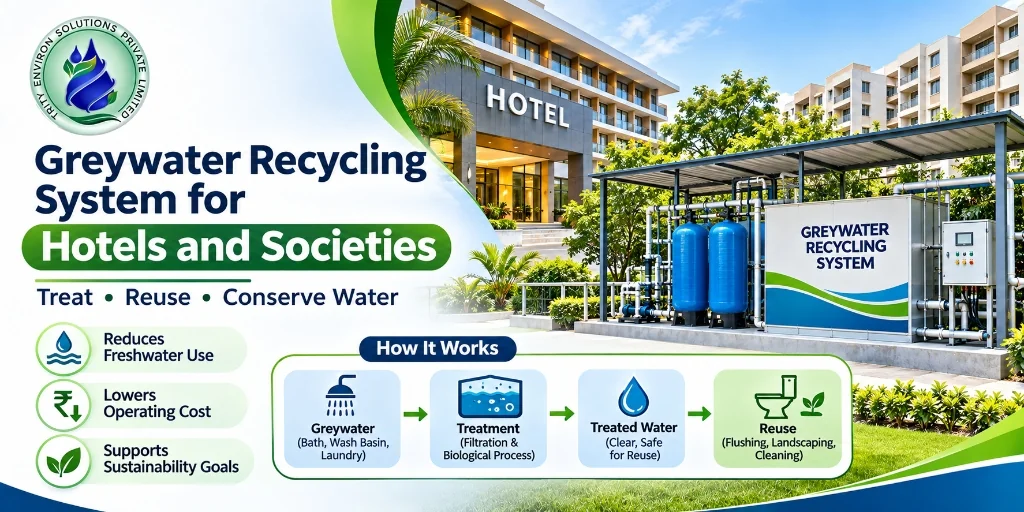
Trity Enviro explains greywater recycling for hotels and societies: sources, treatment train, dual plumbing, reuse quality and a worked 200 flat example.
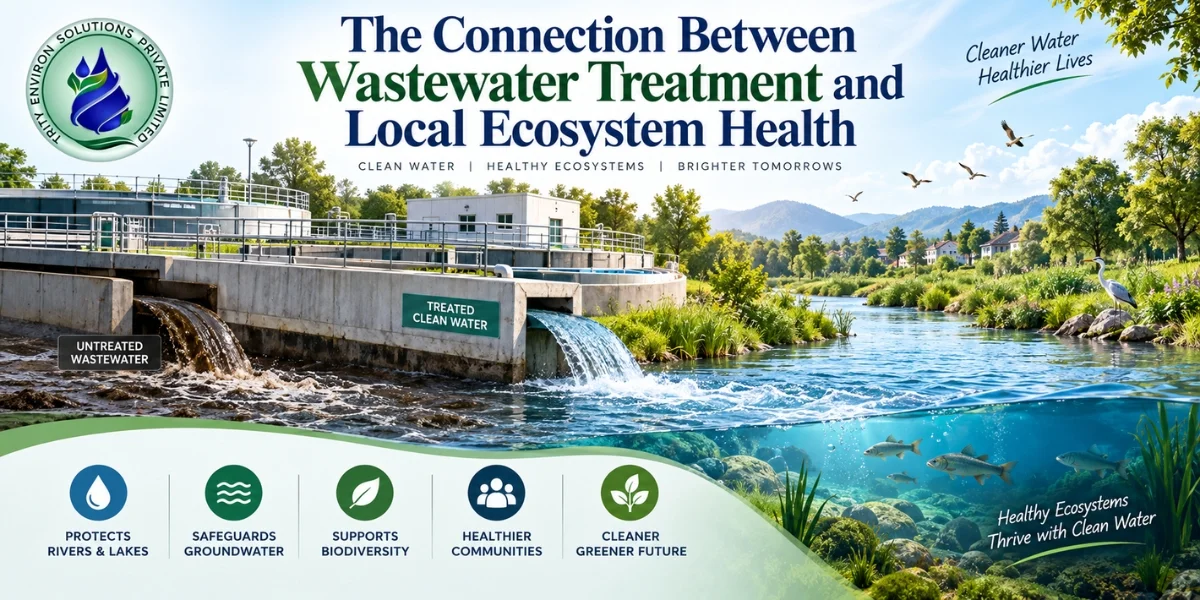
How untreated wastewater damages local ecosystems through eutrophication, and how proper treatment from a trusted STP manufacturer restores water quality.

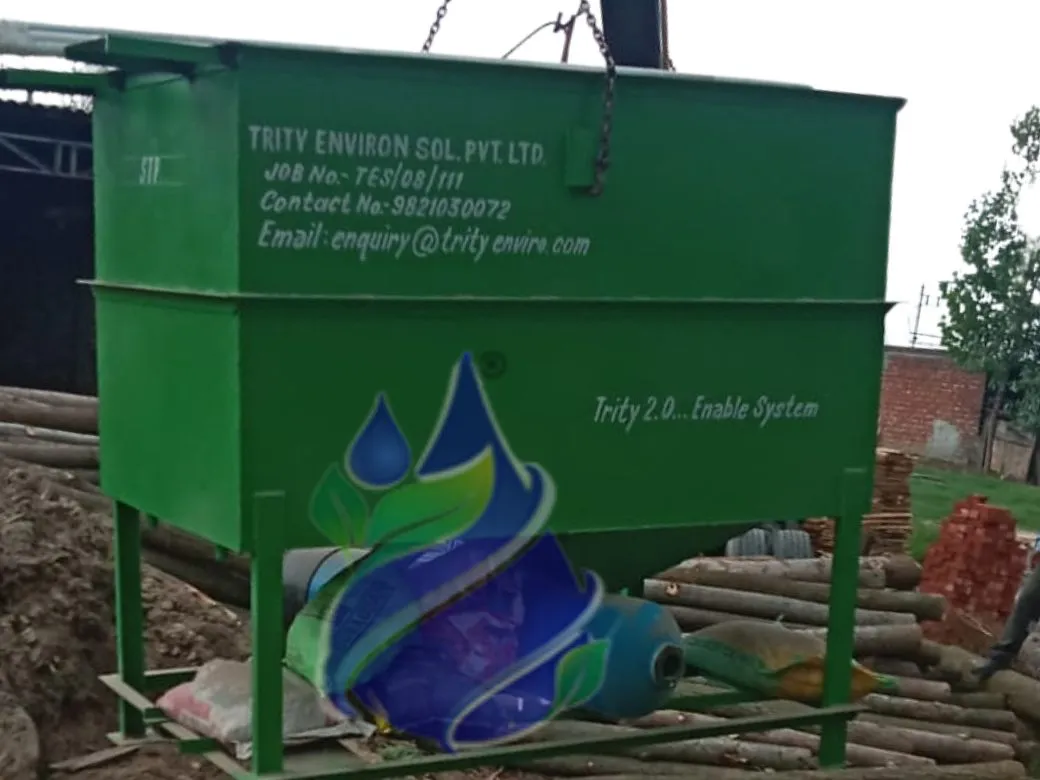



Discuss your requirements with our engineering team and get practical guidance for your project.