
 ISO 9001:2015 & QCI Approved
Filter Press for Sludge Dewatering Manufacturer in India
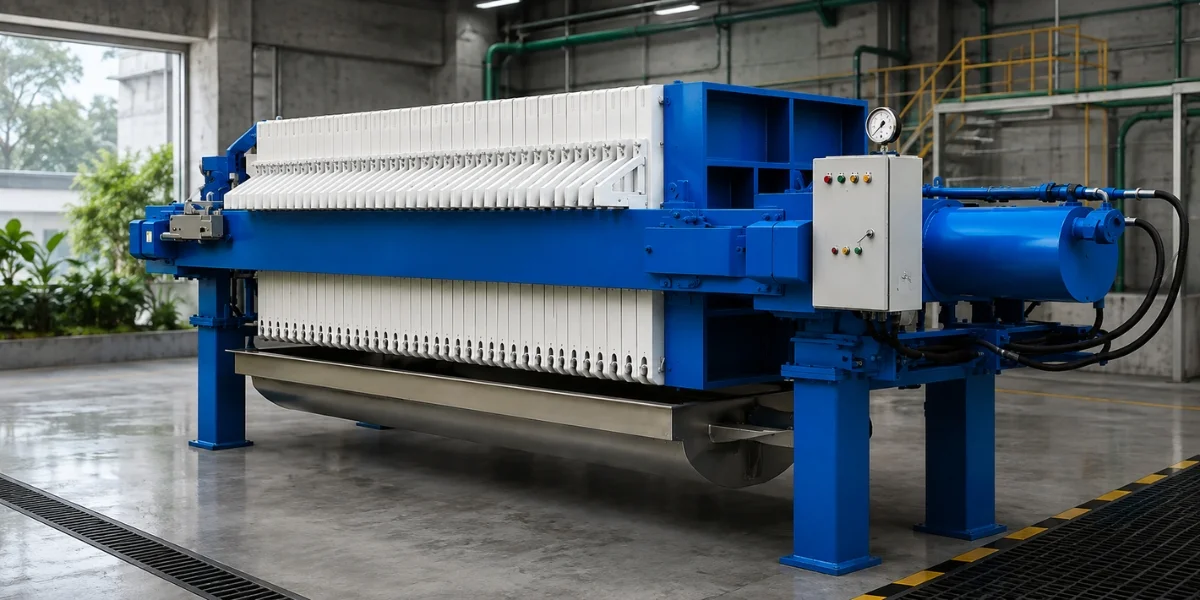
Trity Environ Solutions is a trusted filter press manufacturer in India, engineering sludge dewatering systems that use high pressure filtration to transform wet sludge into compact, dry cake. Our filter presses reduce disposal volume and cost for ETP, STP, and industrial facilities, with pan India installation support.
SPCB / CPCB Norm Compliant
Heavy Fabrication
Turning Wet Sludge Into a Manageable, Disposable Cake
Turning Wet Sludge Into a Manageable, Disposable Cake
Sludge disposal often represents 40 to 60 percent of a treatment plant's operating budget, which is exactly the cost a filter press for sludge dewatering is built to cut down. By forcing sludge through filter plates under high pressure, typically 16 to 25 bar, the system separates liquid from solids, leaving behind a compressed cake that's dramatically smaller in volume than the wet sludge it came from. Trity Environ Solutions sizes plate area, pressure capacity, and automation level around your actual sludge type and daily volume from an effluent treatment plant setup or municipal sewage treatment plant, not a generic capacity chart.
For very high-throughput sites, a decanter centrifuge is sometimes a better fit than a filter press, and Trity Environ Solutions manufactures both, so we recommend based on your actual flow rather than what happens to be in stock.
Looking to cut sludge disposal costs and volume? Request a free technical assessment and our engineering team will recommend the right filter press configuration.
WHY THIS SYSTEM?
Key Benefits of Filter Press for Sludge Dewatering Manufacturer in India
Engineered for high *cake dryness, lower sludge disposal costs*, and durable, low maintenance operation.
High Cake Dryness
Achieves 75 to 85 percent cake dryness for municipal sludge and up to 90 percent for industrial sludge, reducing disposal volume and transportation costs significantly.
Lower Sludge Disposal Costs
Reduces sludge disposal costs meaningfully, since sludge disposal typically represents 40 to 60 percent of a treatment plant operational budget before dewatering.
Heavy-Duty Industrial Construction
Heavy-gauge cast iron, polypropylene, or stainless steel construction withstands continuous industrial operation, protecting your investment against corrosion and unplanned downtime.
Flexible Automation Levels
Available in manual, semi-automatic, and fully automatic configurations with PLC control, pressure monitoring, and automated cake discharge for reduced operator dependency.
Lower Energy Than Centrifuges
Consumes significantly less energy than decanter centrifuges, typically three to five times less, while also producing quieter operation and drier cake output.
Filter Cloth Selection Is Where Performance Actually Gets Decided
Two filter presses with identical plate sizes can perform very differently based on filter cloth selection, since cloth weave, material, and porosity determine both cake dryness and filtrate clarity for your specific sludge type. Trity Environ Solutions selects and tests filter cloth against your actual sludge characteristics, rather than shipping a standard cloth specification that assumes every sludge behaves the same way. We also manufacture broader sludge dewatering instruments beyond the filter press itself, for facilities needing a fuller solids handling solution.
A Filter Press Is Only as Reliable as Its Maintenance Routine
Filter cloths wear out, hydraulic seals degrade, and plates need periodic inspection, and neglecting this routine gradually reduces cake dryness and cycle efficiency over time. Trity Environ Solutions backs every filter press installation with a clear maintenance schedule, operator training, and an Annual Maintenance Contract, so performance stays consistent for years. Talk to our team about AMC coverage for your system.
SYSTEM CONFIGURATIONS
Types of Filter Press for Sludge Dewatering Manufacturer in India Configurations
Configurations selected to match your *sludge type, cake dryness target, and automation* requirements.
Recessed Chamber Filter Press
Fixed volume chambers formed by recessed filter plates, producing thick, uniform cake with excellent dryness for standard industrial and municipal sludge.
Membrane / Diaphragm Filter Press
Flexible membranes within the plates apply secondary squeeze pressure after initial filtration, achieving even higher cake dryness for demanding applications.
Fully Automatic PLC Filter Press
PLC controlled system with automated plate shifting, cake discharge, and cycle monitoring, minimizing operator involvement for continuous, high-volume operation.
Manual Filter Press
Manually operated plate shifting and cake discharge, offering a lower cost entry point for smaller facilities with limited daily sludge volume.
STEP-BY-STEP WORKFLOW
How the Filter Press for Sludge Dewatering Manufacturer in India Process Works
A high pressure filtration process engineered for consistent, high *cake dryness* output.
01
Sludge Feeding
Wet sludge, typically 3 to 10 percent solids by weight, is pumped into the filter press chamber at a controlled, monitored rate.
02
High Pressure Filtration
Hydraulic pressure, typically 16 to 25 bar, forces sludge against filter plates and cloths, allowing water to pass through while solids are retained.
03
Cake Formation
Solids accumulate on the filter plates as a compressed cake while clarified filtrate flows out through collection ports.
04
Plate Opening & Cake Discharge
Once chambers are full, hydraulic plates release, allowing the dry sludge cake to be discharged for disposal or reuse.
COMMON INQUIRIES
Frequently Asked Questions
Frequently asked questions about sludge dewatering filter press systems, cake dryness, operation, and maintenance.
Q1. How does a sludge dewatering filter press work?
A filter press forces sludge through filter plates under high pressure, typically 16 to 25 bar, separating liquid filtrate from solids, which form a compressed cake on the plates for easy discharge.
Q2. What cake dryness can a filter press achieve?
Filter presses typically achieve 75 to 85 percent cake dryness for municipal sludge and up to 90 percent for industrial sludge, depending on sludge type and filter cloth selection.
Q3. Is a filter press better than a centrifuge for sludge dewatering?
Filter presses generally achieve drier cake and consume less energy than centrifuges, while centrifuges suit very high-throughput applications, so the right choice depends on your specific flow rate and sludge characteristics.
Q4. What industries use filter press systems?
Filter presses are widely used across textile, chemical, pharmaceutical, food processing, mining, and municipal wastewater treatment sectors wherever sludge or slurry dewatering is required.
Q5. How much maintenance does a filter press require?
Maintenance typically includes periodic filter cloth replacement, hydraulic fluid checks, and routine cleaning, with well-maintained systems running reliably for many years.
Q6. Can a filter press be customized for a specific sludge type?
Yes, filter cloth material, plate size, and pressure settings can be customized based on your sludge composition, and testing a sludge sample helps confirm the right configuration.
CATALOGUE
Related Engineering Products
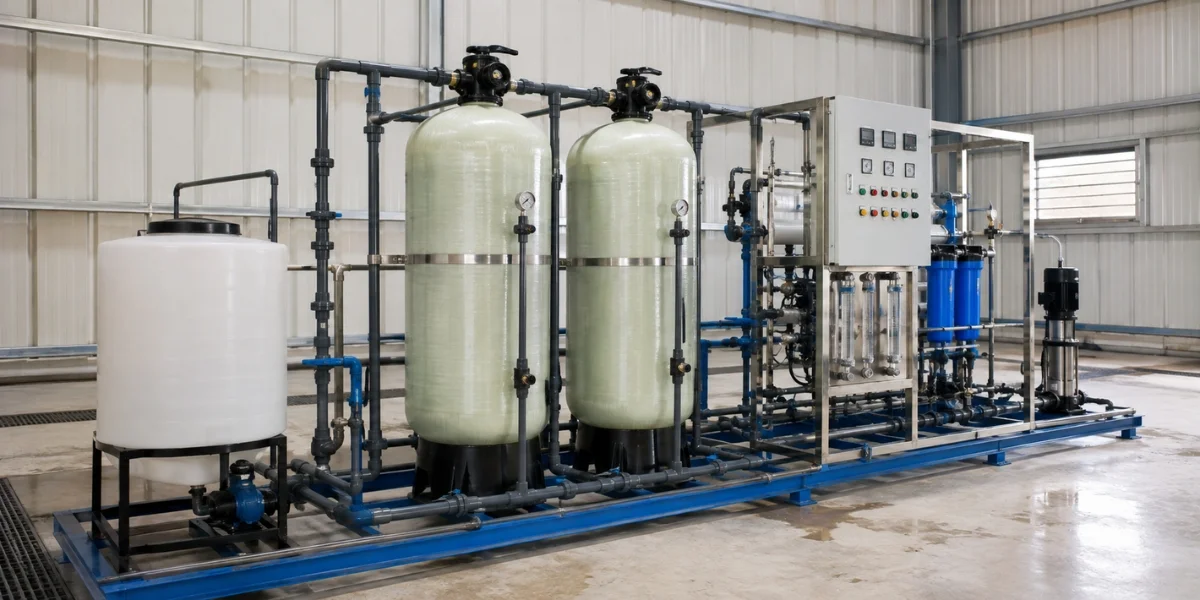
RO & Water Recycling Plant Manufacturer in India
Trity Environ Solutions manufactures RO and water recycling systems for industries and commercial facilities, engineered for reliable purity and reuse.
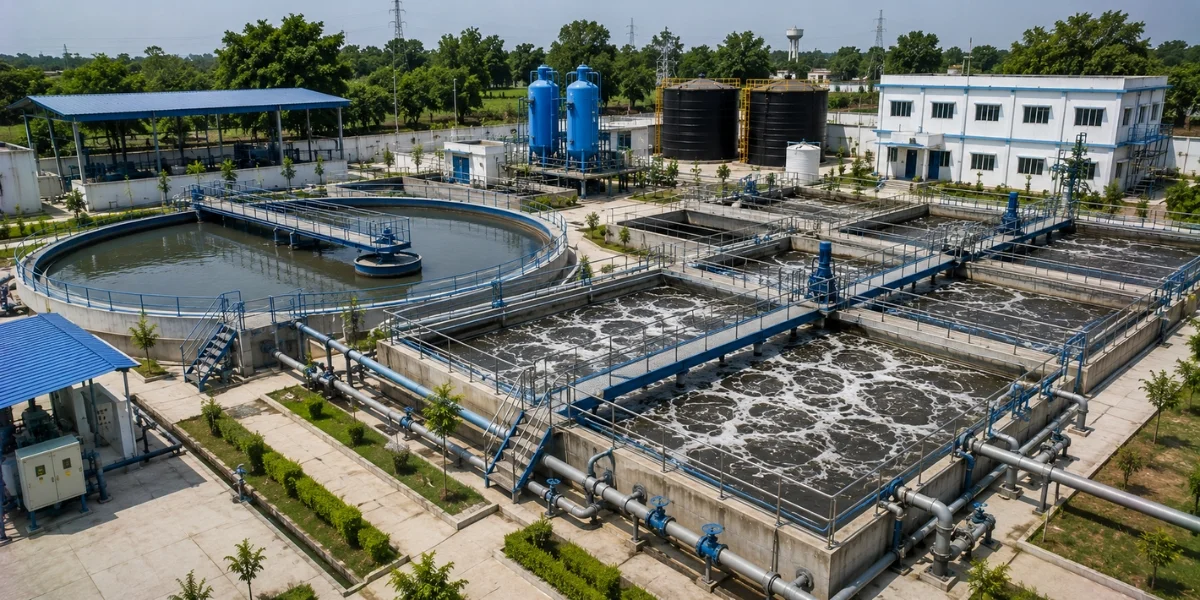
Tertiary Treatment Plant Manufacturer in India
Trity Environ Solutions manufactures tertiary treatment plants that polish treated water beyond secondary treatment, enabling genuine reuse and stricter discharge compliance.
Wastewater Recycling System Manufacturer in India
Trity Environ Solutions manufactures wastewater recycling systems using UF and RO technology, turning treated wastewater into reuse-grade water for cooling, flushing, and gardening.
PAN-INDIA CAPABILITIES
Regional Solutions & State Coverage
TECHNICAL KNOWLEDGE
Related Insights & Engineering Guides
PROVEN EXCELLENCE
Featured Turnkey Installations





Need a Custom Water or Wastewater Treatment Solution?
Our engineering team can help design the right system for your capacity, industry, and compliance requirements.