Industrial Anaerobic Digestion Systems for ETP & STP Plants

Trity Enviro is leading Anaerobic Digester Manufacturers & Suppliers in India, offering industrial anaerobic digestion systems for wastewater treatment, sludge stabilization, and biogas generation across diverse industries.
| Automation Grade | : Manual |
| Plant Design | : Modular |
| Fuel Type | : Bio digester |
| Usage/Application | : Industrial |
| Waste Processing Capacity | : Upto 500 kg/day |
Organic Waste and Sludge Are Costing Industries More Than They Realise. Here Is the Engineering Fix.
Industrial sludge accumulation, untreated organic effluent, and rising energy costs are creating compounding pressure for plant managers across India. As CPCB compliance tightens and TSDF disposal charges increase, industries need a solution that simultaneously reduces sludge volume, cuts disposal cost, and recovers usable energy from waste. Anaerobic digestion delivers all three outcomes in a single engineered system.
Trity Enviro Solutions is an established Anaerobic Digester Manufacturer in India, supplying customised anaerobic digestion plants, UASB reactor systems, and biogas digester systems for industrial and municipal applications across PAN India.
What Is an Anaerobic Digester?
An anaerobic digester is a sealed, oxygen-free biological reactor in which microorganisms break down organic matter present in sludge or high-strength wastewater. The digestion process reduces organic load, stabilises sludge, and generates biogas , a mixture of methane (55-70%) and carbon dioxide , as a recoverable energy by-product.
For industries generating organic-rich effluent or large sludge volumes from effluent treatment plants and sewage treatment plants, an anaerobic digestion plant reduces sludge volume by 40-60%, lowers BOD significantly in the treated effluent stream, and converts waste organic matter into biogas that can power boilers, generators, or flares. This is the core commercial case for every industrial anaerobic digester manufacturer India project.
How an Anaerobic Digester Works
The digestion process follows a defined biological sequence:
-
Feed Collection and Equalization: Sludge or high-strength organic wastewater is fed into an equalization tank to stabilise flow and composition before entering the reactor.
-
Anaerobic Breakdown: Anaerobic microorganisms hydrolyse complex organics through hydrolysis, acidogenesis, and acetogenesis stages, converting them into acetic acid and hydrogen.
-
Methane Generation: Methanogenic bacteria convert intermediates into methane and carbon dioxide. pH and temperature management at this stage determines biogas output quality.
-
Biogas Collection: Generated biogas is collected in the gas holder and routed to utilisation points — boiler, genset, or controlled flare.
-
Stabilised Sludge Discharge: Digested sludge is drawn off for dewatering via a sludge dewatering system before final disposal.
-
Treated Effluent Return: Liquid supernatant is returned to the wastewater treatment plant for further treatment before discharge.
Types of Anaerobic Digesters
As an industrial anaerobic digester manufacturer India, Trity Enviro Solutions designs and supplies multiple digester configurations based on organic loading, retention time, and industry requirements.
UASB Reactor (Upflow Anaerobic Sludge Blanket)
-
Wastewater flows upward through a dense sludge blanket for treatment
-
Best for soluble, high-strength wastewater from distilleries, breweries, and dairy
-
High organic removal in compact footprint; sensitive to shock loading
CSTR Digester (Continuously Stirred Tank Reactor)
-
Continuously mixed, temperature-controlled reactor (mesophilic or thermophilic)
-
Suited to thickened sludge from municipal STP and industrial ETP plants
-
Excellent biogas yields; requires heating and mechanical agitation
Fixed Dome Digester
-
Sealed underground chamber with fixed gas collection dome
-
Low capital cost, no moving parts; suited to smaller industrial applications
-
Biogas pressure varies; requires pressure management system
Floating Drum Digester
-
Rising steel drum provides constant-pressure gas supply above digestion chamber
-
Simple operation; higher capital cost; requires corrosion-resistant material specification
Plug Flow Digester
-
Horizontal, unmixed reactor with progressive plug flow from feed to discharge
-
Ideal for fibrous, high-solids agro-processing and cattle waste feedstocks
-
Minimal mechanical complexity and lower operational cost
Key Components
A complete anaerobic digestion plant includes:
-
Digester tank (RCC, FRP, or mild steel, depending on capacity and sludge type)
-
Mechanical agitator or gas recirculation mixing system
-
Biogas collection dome or gas holder with pressure management
-
Feed pump and sludge transfer system
-
Heating system (for mesophilic and thermophilic operation)
-
Biogas pipeline with condensate traps and flame arrestors
-
Pressure relief and safety vent system
-
Biogas utilisation system (boiler feed, genset, or flare)
-
PLC-based control panel with process monitoring
Why Untreated Sludge and Organic Waste Increase Operational Costs
Industries that defer anaerobic treatment face compounding financial and compliance consequences:
-
High-volume wet sludge generates significant TSDF disposal and haulage costs monthly
-
Unstabilised sludge fails TSDF moisture and stability intake criteria, causing rejection and demurrage
-
Stored organic sludge generates hydrogen sulphide, creating odour complaints and SPCB inspection risk
-
Untreated high-strength effluent increases aeration demand and power consumption in downstream biological stages
-
Loss of recoverable biogas energy represents a direct and recurring financial cost
-
Non-compliance with Hazardous Waste Management Rules carries penalty and consent suspension risk
Concerned about sludge disposal costs or organic waste management? Talk to our biogas process engineers for a no-obligation technical review.
Technical Specifications
| Parameter | Specification / Range |
|---|---|
| Capacity Range | 5 m3/day to 5,000 m3/day (scalable, multi-unit) |
| Organic Loading Rate | 1 to 15 kg COD/m3/day (technology-dependent) |
| Hydraulic Retention Time | 6 hours to 30 days (UASB to CSTR) |
| Biogas Output | 0.3 to 0.5 m3 biogas per kg COD removed |
| Methane Content | 55% to 70% CH4 |
| Operating Temperature | 25 to 55 degrees C (ambient to thermophilic) |
| Material of Construction | RCC, MS epoxy-lined, FRP, SS 304/316 |
| Automation Level | Semi-automatic to fully PLC-controlled |
| Control System | PLC with HMI, gas flow monitoring, temperature control |
| Suitable Industries | Distillery, dairy, food processing, pharma, STP, brewery, agro |
| Sludge Volume Reduction | 40% to 60% |
| Maintenance Requirement | Low; quarterly inspection; annual agitator and pump servicing |
Industrial Applications
Trity Enviro Solutions has designed and commissioned anaerobic digestion plants across the following sectors:
-
Distilleries and Breweries: high-COD spent wash with strong biogas generation
-
Dairy and Food Processing: fat-rich, high-BOD wastewater and ETP sludge
-
Sugar Industries: press mud and effluent with high organic loading
-
Pharmaceutical Manufacturing: complex organic sludge from API plant ETPs
-
Municipal STP Plants: primary and secondary sludge digestion for volume reduction
-
Agro-Processing Industries: organic waste with high methane recovery potential
-
Paper and Pulp Mills: high-strength effluent with significant COD reduction requirement
-
Chemical Industries: mixed organic effluent requiring anaerobic pre-treatment
Anaerobic pre-treatment reduces load on downstream aerobic stages and oil skimmer systems, lowering overall plant power consumption.
Benefits of Anaerobic Digesters
-
Sludge volume reduced by 40-60%, directly cutting TSDF disposal and transport costs
-
Biogas generation of 0.3-0.5 m3 per kg COD removed, usable for boiler fuel or power generation
-
Aeration energy demand in downstream aerobic stages reduced by 50-80%
-
Pathogen load in stabilised sludge significantly reduced, improving TSDF acceptance rates
-
Reduced carbon footprint through fossil fuel displacement via recovered methane
-
Lower chemical dosing requirements in downstream treatment stages
-
Long operational life of 15-20 years with correct design and maintenance
-
Supports CPCB sludge management compliance and Hazardous Waste Manifest documentation
-
Converts an operational liability into a partial energy asset
Want to estimate biogas recovery potential for your plant? Request a Budgetary Proposal with process data from our engineering team.
Common Problems and Troubleshooting
-
Low Methane Output: Caused by low pH, insufficient retention time, or toxic influent. Correct by pH dosing with sodium bicarbonate and checking upstream for inhibitory compounds.
-
pH Imbalance (Souring): Acid accumulation from overloading. Reduce organic loading rate and dose alkalinity. Monitor volatile fatty acid (VFA) to alkalinity ratio.
-
Foaming: High protein or surfactant content in feed. Reduce loading, dose antifoam, review upstream process for detergent ingress.
-
Sludge Accumulation: Inadequate drawdown cycles or high inert solids in feed. Establish regular sludge withdrawal schedule; review feed screening.
-
Temperature Fluctuation: Destabilises methanogenic population. Inspect heating system; insulate digester in cold-climate installations.
-
Scum Formation: Floating fibrous or fatty material blocking gas collection. Increase agitation frequency; install scum breaker.
-
Toxic Shock Loading: Caused by sudden changes in feed composition. Install feed equalization with longer retention; implement online pH monitoring and alarm.
How to Select the Right Anaerobic Digester
-
Characterise feedstock: COD, BOD, TSS, fat-oil-grease content, and solids concentration determine which reactor configuration is appropriate
-
Define daily organic loading rate and volume to size digester capacity correctly
-
Determine target biogas output and end use (boiler, genset, or flare) to specify gas handling system
-
Assess required hydraulic retention time based on feedstock biodegradability
-
Select operating temperature range based on available heat source and climate
-
Evaluate automation requirement based on operational staffing and monitoring capacity
-
Plan for future capacity expansion through modular design to avoid premature plant obsolescence
-
Confirm TSDF and regulatory requirements for digested sludge disposal in your state
Unsure which digester technology suits your process? Talk to a Biogas Process Expert at Trity Enviro Solutions before specifying equipment.
Operational Support After Commissioning
Trity Enviro Solutions provides end-to-end post-commissioning support for every anaerobic digester manufacturer project:
-
On-site installation supervision and pre-commissioning system checks
-
Biological startup support including seed sludge sourcing and inoculation management
-
Operator training covering gas safety, process monitoring, and routine maintenance
-
Spare parts support for pumps, agitators, and gas handling instrumentation
-
Structured preventive maintenance programmes with annual performance audits
-
Remote troubleshooting for gas quality, pH drift, and process parameter deviations
-
AMC contracts for long-term operational reliability across PAN India
Why Choose Trity Enviro Solutions
Trity Enviro Solutions is a trusted Anaerobic Digester Manufacturer with a track record of delivering engineered anaerobic digestion systems for industrial and municipal clients across India.
-
Process design based on actual feedstock characterisation data, not generic assumptions
-
Complete turnkey execution from civil design inputs to PLC commissioning
-
Experience across distillery, dairy, pharma, food processing, and municipal sectors
-
PAN India project execution with regional support teams for commissioning and after-sales
-
AMC services and structured operator training for every commissioned plant
-
Compliance-focused design aligned with CPCB sludge management and biogas safety regulations
-
Integration with complete wastewater treatment plant and sewage treatment plant systems from a single source
Working on a new ETP or STP project that includes sludge digestion? Submit a Project Enquiry and our engineers will respond with a technical proposal within 48 hours.
Get the Right Anaerobic Digestion Solution for Your Plant
If your plant is generating organic sludge or high-strength wastewater that is expensive to dispose of, difficult to manage, or creating compliance risk, an engineered anaerobic digestion system is the proven industrial solution.
Our biogas and wastewater engineering team works with plant heads, EHS managers, EPC contractors, and procurement teams across India to design and deliver systems that perform on the plant floor , not just on paper.
Contact us to discuss your organic waste or sludge challenge, request a site assessment, get a technology recommendation based on your feedstock data, or obtain a project quotation with biogas recovery estimates.
Talk to our anaerobic digestion specialists today
Related Products

STP and ETP Plant Manufacturer in Gurgaon
Trity Environ Solutions manufacturers and suppliers of STP and ETP Plant in Gurgaon. Sewage Treatment...

ETP and STP Plant Manufacturers in Andhra Pradesh
Discover top-rated ETP and STP plant manufacturers in Andhra Pradesh. Our eco-friendly wastewater tre....

STP and ETP Plant Manufacturer in Sikkim
Trity Environ Solutions manufacturers and suppliers of STP and ETP Plant in Sikkim. Sewage Treatment...

Water Softener Plant Manufacturers
Water Softener Plant Manufacturers

Efficient Grey Water Treatment Plants for Water Recycling in India
Are you looking for a greywater treatment plant manufacturer in India? Trity Enviro offers top quali...
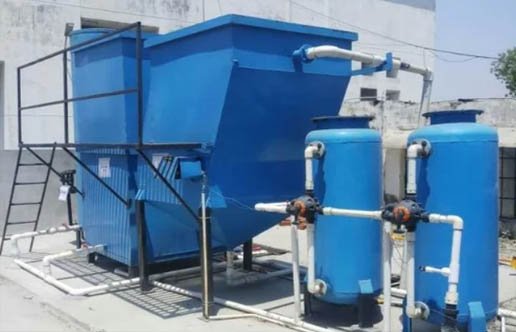
STP and ETP Plant Manufacturer in Bhiwadi
Trity Environ Solutions manufacturers and suppliers of STP and ETP Plants in Bhiwadi. Sewage Treatment...

STP and ETP Plant Manufacturer in Odisha
Trity Environ Solutions manufacturers and suppliers of STP and ETP Plant in Odisha. Sewage Treatment...
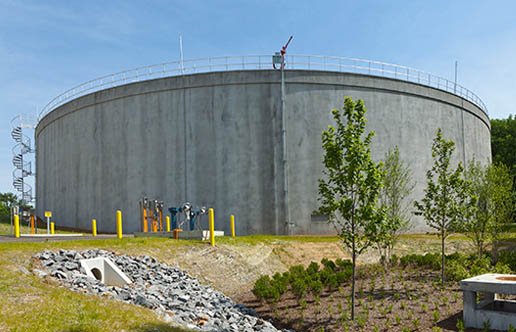
Equalization Tank Manufacturer
Trity Environ Solutions is India's best manufacturer and supplier of Sewage Water Equalization Tanks...

Bubble Air Diffuser Manufacturer in India
We are a leading manufacturer of Fine Bubble Diffusers and Membrane Diffusers in India, offering high-quality air diffuser solutions designed for efficient aeration in wastewater treatment systems.
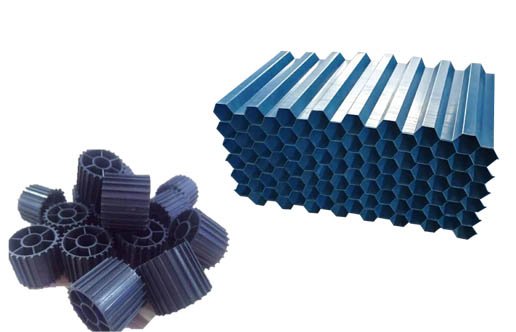
MBBR Media Manufacturer for Wastewater Treatment Systems
We are the best manufacturers and suppliers of MBBR Media in India. Moving bed biofilm reactor manuf...