
 ISO 9001:2015 & QCI Approved
Pharmaceutical Effluent Treatment Plant Manufacturer in India
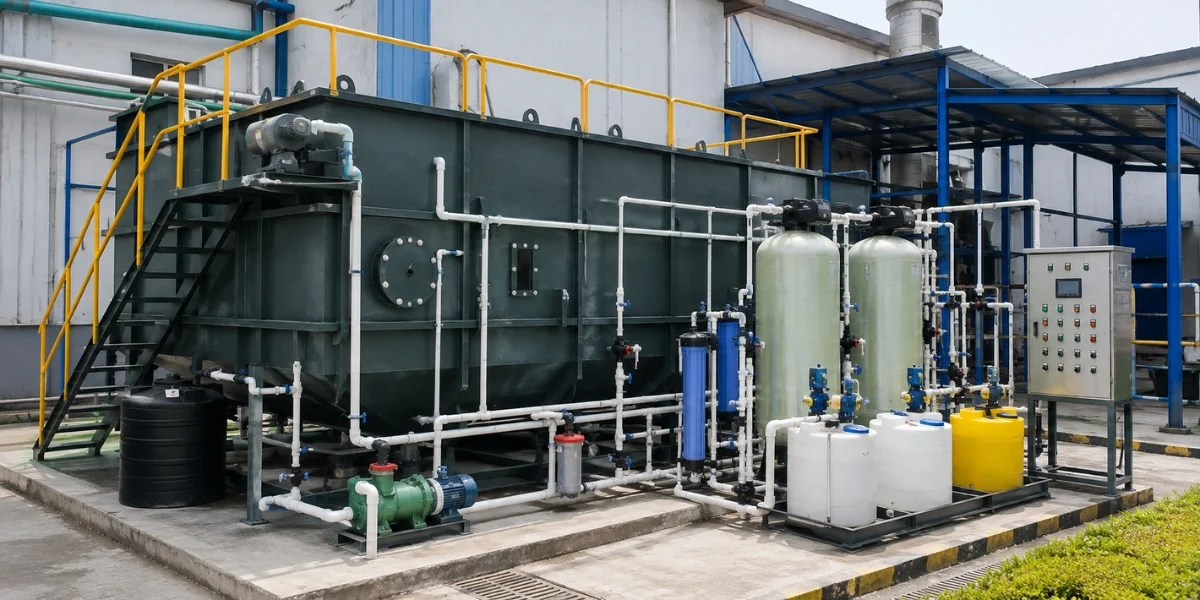
Trity Environ Solutions is a trusted pharmaceutical effluent treatment plant manufacturer in India, engineering systems built to handle API residues, solvents, and high COD loads that a generic ETP design cannot manage safely. Our plants are designed as a layered treatment train around your specific process, with pan India installation support.
SPCB / CPCB Norm Compliant
Heavy Fabrication
Why Pharmaceutical Effluent Needs a Layered Treatment Train
Pharmaceutical effluent carries API residues, solvents, and COD loads that a generic industrial effluent treatment plant design cannot handle safely, often arriving several times stronger than typical industrial wastewater. Trity Environ Solutions builds pharma ETP systems as a layered treatment train, combining solvent stripping, advanced physico-chemical treatment, and biological COD reduction so each stage prepares the effluent for the next, rather than aerating pollution the system can never remove.
Manufacturing APIs or bulk drugs and need a compliant ETP? Request a free technical assessment and our engineering team will design a treatment train around your actual effluent profile.
KEY BENEFITS
Key Benefits of Pharmaceutical Effluent Treatment Plant Manufacturer in India
Engineered for reliable *API removal, high COD treatment, and Zero Liquid Discharge* compliance for pharma units.
Removes API and Solvent Residues
Removes Active Pharmaceutical Ingredient residues and solvent traces from effluent, addressing pollutants that standard biological treatment alone cannot break down.
Built for Very High COD Loads
Engineered to handle very high COD loads typical of API manufacturing, often several times stronger than conventional industrial wastewater streams.
Protects Biological Treatment Stage
Strips volatile solvents before biological treatment begins, preventing disruption of the microbial culture and protecting overall system performance.
Reduces Antibiotic Residue Discharge
Reduces antibiotic residues before discharge, helping limit environmental contribution to antimicrobial resistance, a growing regulatory and public health concern.
Supports ZLD Mandate Compliance
Supports Zero Liquid Discharge compliance mandated for many API and bulk drug units under current CPCB regulations and state directives.
A Treatment Train, Not a Single Treatment Stage
Get the sequencing wrong on a pharma ETP and you build a plant that aerates pollution it can never remove. Trity Environ Solutions designs each stage to prepare the effluent for the next, pooling and balancing batch flows, stripping volatile solvents before biology, and breaking down refractory API residues through advanced oxidation, so the biological stage only handles what it is actually capable of treating.
Compliance Support for a Heavily Regulated Sector
Pharmaceutical manufacturing faces some of the strictest environmental scrutiny in India, with antibiotic residues now a flagged regulatory concern alongside standard CPCB and SPCB norms. Trity Environ Solutions backs every pharmaceutical ETP with operator training, compliance documentation support, and an Annual Maintenance Contract, so your plant stays audit ready. Talk to our team about AMC coverage for your facility.
TYPES / CONFIGURATIONS
Types of Pharmaceutical Effluent Treatment Plant Manufacturer in India Configurations
Treatment configurations selected to match your *API load, solvent content, and Zero Liquid Discharge* requirements.
Solvent Stripping System
Removes volatile organic solvents from pharmaceutical effluent before biological treatment, preventing them from disrupting the downstream microbial treatment process.
Advanced Oxidation System
Ozone, UV, or Fenton reagent based systems break down non-biodegradable API residues and refractory organics into forms biology can treat.
High Rate Biological Treatment (MBR)
High rate biological stage, often membrane bioreactor based, digests biodegradable COD and BOD load under closely controlled aeration conditions.
ZLD with RO & Evaporator
RO and evaporator based configuration for API units under Zero Liquid Discharge mandate, recovering water while crystallising the concentrated reject.
HOW THE PROCESS WORKS
How the Pharmaceutical Effluent Treatment Plant Manufacturer in India Process Works
A layered treatment process engineered for consistent *API and high COD removal* from pharmaceutical effluent.
01
Equalization & Solvent Stripping
Batch flows are pooled and balanced, and volatile solvents are stripped out before they can disrupt downstream treatment stages.
02
Advanced Oxidation
Ozone, UV, or Fenton's reagent breaks down refractory, non-biodegradable organics and API residues into forms biology can process.
03
High Rate Biological Treatment
A high rate biological stage, often membrane bioreactor based, digests the now biodegradable COD and BOD under controlled conditions.
04
RO / ZLD Polishing
Ultrafiltration and reverse osmosis recover clean, low TDS water for reuse, with evaporation and crystallisation where Zero Liquid Discharge applies.
COMMON INQUIRIES
Frequently Asked Questions
Q1. Why can't pharmaceutical effluent be treated with a standard ETP?
Pharmaceutical effluent carries high COD, API residues, and solvents that a generic ETP design cannot break down safely, requiring a specifically engineered, multi-stage treatment train.
Q2. What is the typical COD level in pharmaceutical effluent?
API manufacturing effluent can range from 3,000 to over 10,000 mg/L COD, compared to around 450 to 550 mg/L for domestic sewage, making pretreatment essential before biological treatment.
Q3. Is Zero Liquid Discharge mandatory for pharmaceutical units?
CPCB mandates Zero Liquid Discharge for many API and bulk drug manufacturing units, though specific requirements depend on unit size and state regulations.
Q4. How are API residues removed from pharmaceutical wastewater?
API residues are typically broken down using advanced oxidation processes such as ozone, UV, or Fenton's reagent, converting them into forms that biological treatment can then process.
Q5. Why are antibiotic residues a concern in pharma effluent?
Untreated antibiotic residues in effluent can contribute to antimicrobial resistance in the environment, making their removal an increasing regulatory and public health priority.
Q6. Can treated pharmaceutical effluent be reused?
With reverse osmosis and appropriate polishing, treated pharmaceutical effluent can often be reused on site, reducing freshwater dependency and supporting ZLD compliance. ---
CATALOGUE
Related Engineering Products
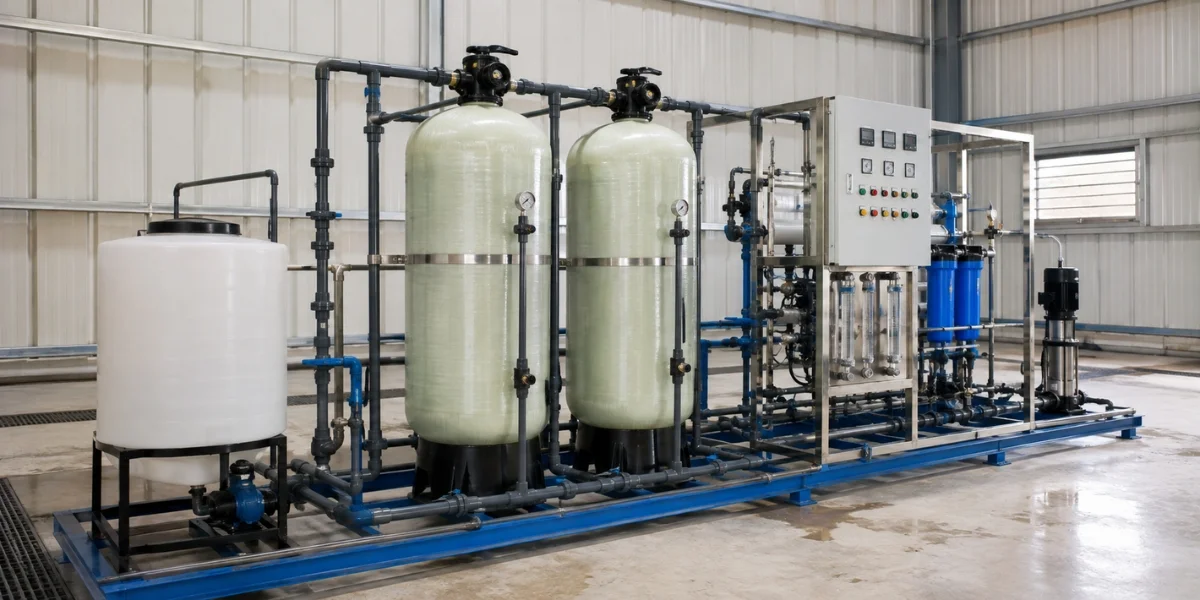
RO & Water Recycling Plant Manufacturer in India
Trity Environ Solutions manufactures RO and water recycling systems for industries and commercial facilities, engineered for reliable purity and reuse.
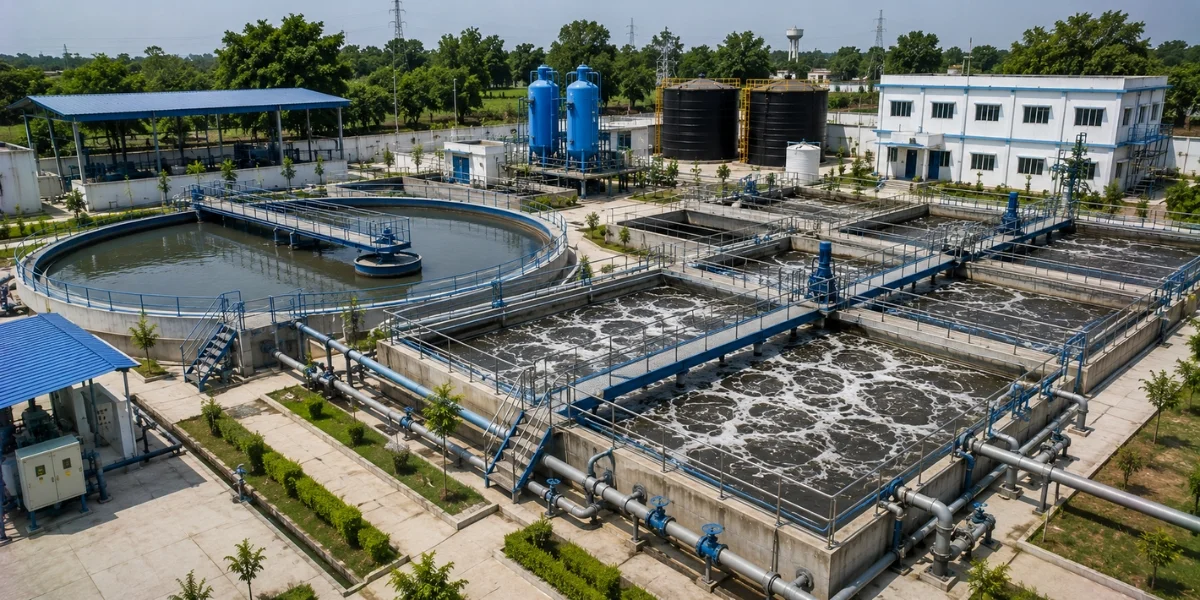
Tertiary Treatment Plant Manufacturer in India
Trity Environ Solutions manufactures tertiary treatment plants that polish treated water beyond secondary treatment, enabling genuine reuse and stricter discharge compliance.
Wastewater Recycling System Manufacturer in India
Trity Environ Solutions manufactures wastewater recycling systems using UF and RO technology, turning treated wastewater into reuse-grade water for cooling, flushing, and gardening.
PAN-INDIA CAPABILITIES
Regional Solutions & State Coverage
TECHNICAL KNOWLEDGE
Related Insights & Engineering Guides
PROVEN EXCELLENCE
Featured Turnkey Installations




Need a Custom Water or Wastewater Treatment Solution?
Our engineering team can help design the right system for your capacity, industry, and compliance requirements.