
 ISO 9001:2015 & QCI Approved
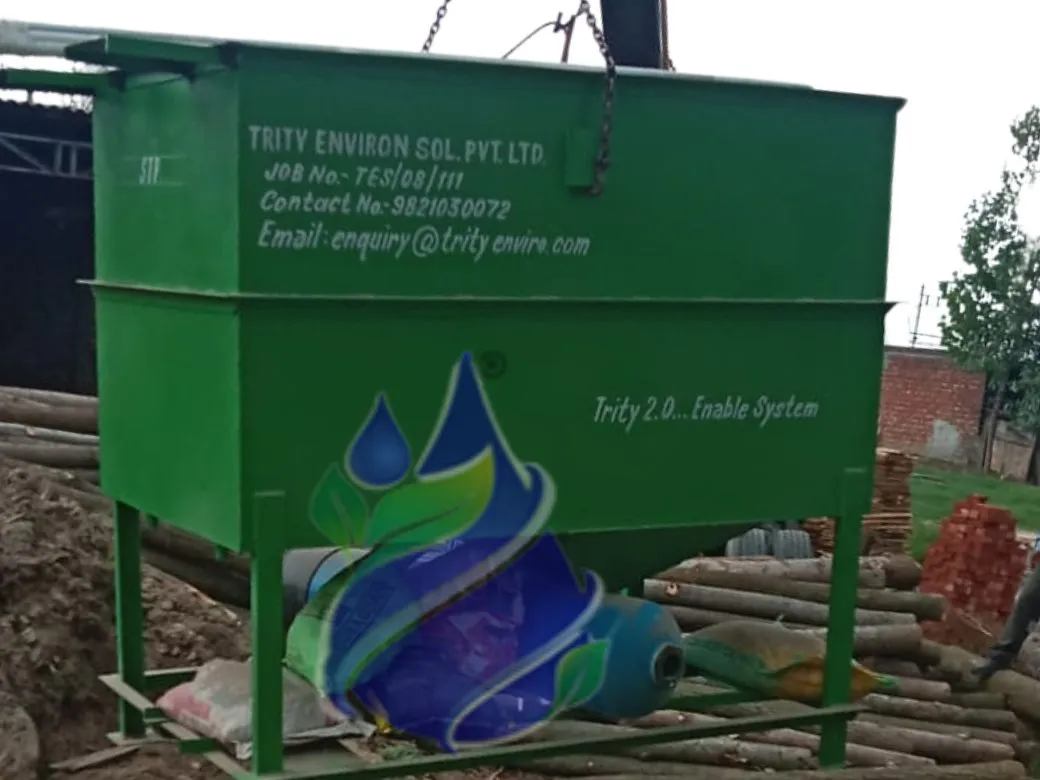
Dissolved Air Flotation (DAF) System Manufacturer in India
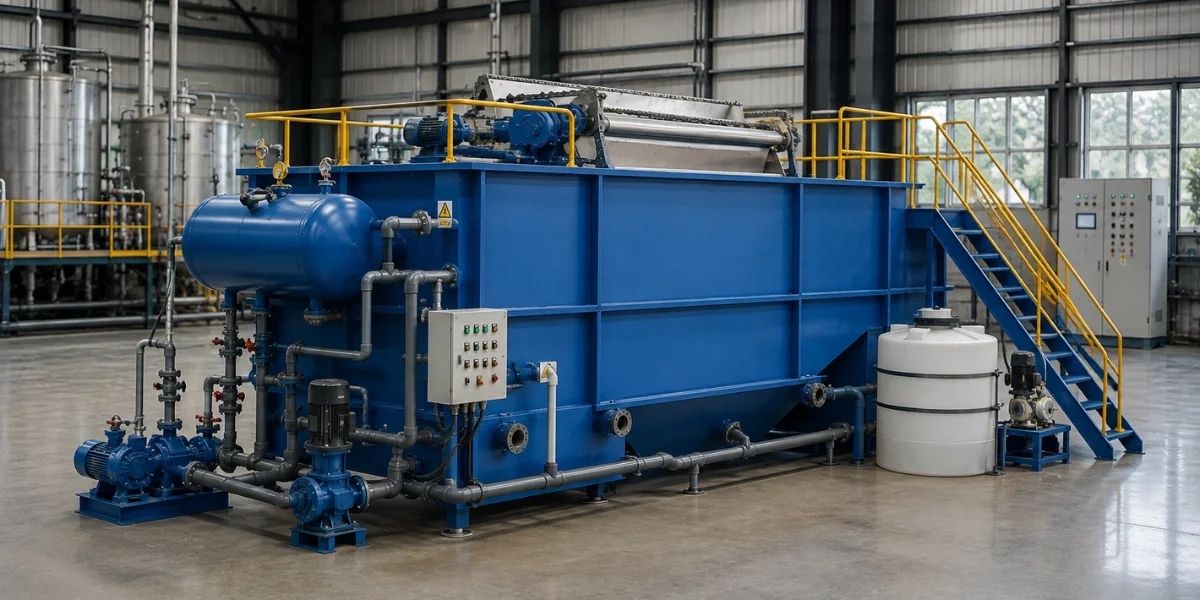
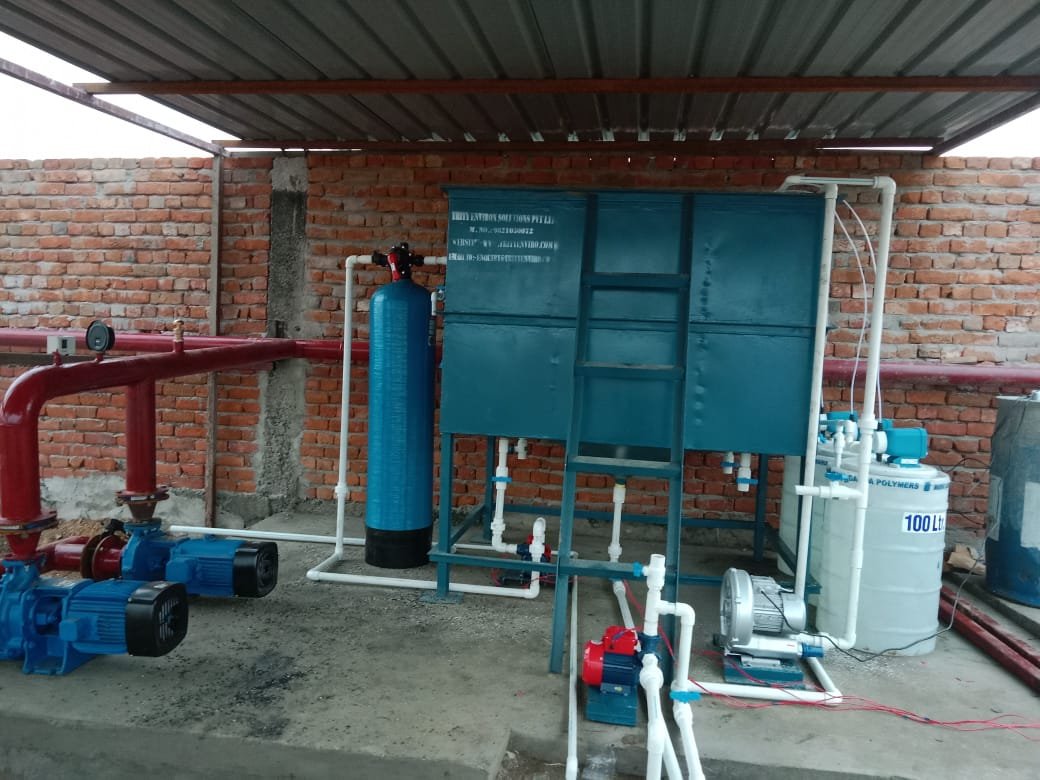
Trity Environ Solutions is a trusted DAF system manufacturer in India, engineering micro-bubble flotation systems that separate oil, grease, and suspended solids from wastewater faster than gravity clarifiers. Our DAF units are built for Indian industrial conditions, ISO 9001:2015 certified, with pan India installation support.
SPCB / CPCB Norm Compliant
Heavy Fabrication
The Primary Stage Most Compliance Failures Trace Back To
High oil and grease levels, rising BOD or TSS in treated effluent, and repeated pollution control board notices usually point to the same root cause: a missing or underperforming primary separation stage. A dissolved air flotation (DAF) system uses microscopic 20 to 80 micron air bubbles that attach to suspended particles and oil droplets, floating them to the surface for continuous skimming, rather than relying on gravity settling alone. This makes DAF significantly faster and more effective than a conventional clarifier at handling emulsified oils and light biological floc before they ever reach your industrial effluent treatment system or downstream systems.
For applications where free floating oil dominates rather than emulsified oil, a mechanical skimming unit can be a simpler, lower cost alternative, and Trity Environ Solutions manufactures both technologies to recommend based on your actual oil profile rather than defaulting to one option.
Dealing with recurring FOG or TSS compliance issues? Request a free technical assessment and our engineering team will recommend the right DAF configuration for your effluent.
WHY THIS SYSTEM?
Key Benefits of Dissolved Air Flotation (DAF) System Manufacturer in India
Engineered for reliable TSS and FOG removal, a compact footprint, and lower downstream sludge handling costs.
90 to 95% TSS and FOG Removal
Achieves 90 to 95 percent removal of TSS, FOG, and suspended solids at the primary treatment stage, reducing organic and oil load reaching biological treatment significantly.
Compact Footprint vs Clarifiers
Compact rectangular or circular tank footprint compared to gravity clarifiers, processing large volumes efficiently within a fraction of the civil area sedimentation tanks require.
Drier Float Sludge
Float sludge is significantly drier than conventional clarifier sludge, since flotation concentrates solids at the surface, reducing downstream dewatering and disposal costs.
Handles Emulsified Oil and Fine Floc
Handles emulsified oils, fine biological floc, and light density contaminants that gravity settling struggles with, using micro-bubble attachment for faster, more reliable separation.
Adjustable Recycle Ratio
Adjustable pressurised recycle ratio lets operators fine-tune separation performance across varying feed loads, adapting to seasonal or batch-to-batch effluent variation.
Chemical Dosing Determines How Well Your DAF Actually Performs
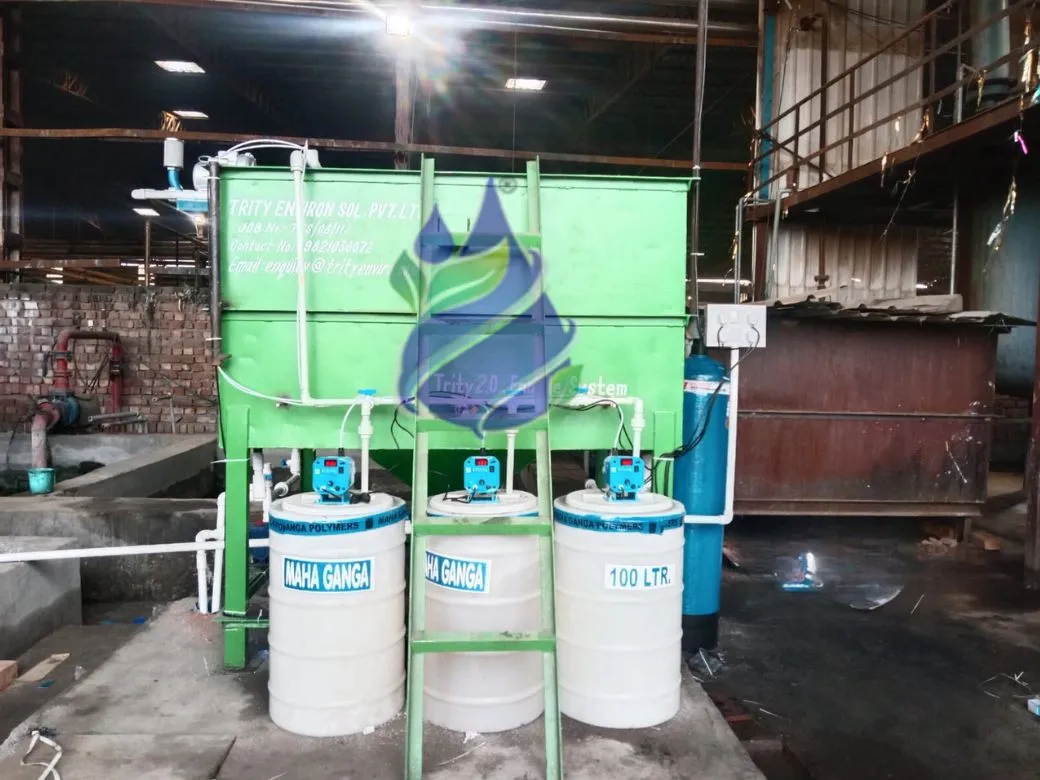
A DAF unit that isn't matched to properly dosed coagulant and polymer upstream will underperform regardless of how well the tank and saturator are built, since destabilizing particles before they reach the flotation zone is what makes bubble attachment effective. Trity Environ Solutions runs jar testing on your actual effluent during the design phase to determine optimal dosing, rather than assuming a generic chemical program will work across every feed.
Most DAF Failures Trace Back to Sizing, Not the Equipment Itself
A DAF unit sized off a generic capacity chart, without accounting for your actual flow rate, TSS, FOG, and temperature, often underperforms even when built to a high standard. Trity Environ Solutions backs every installation with application-specific sizing, operator training, and an Annual Maintenance Contract, so performance holds up under real operating conditions.
Once float sludge is collected, it still needs dewatering, and Trity Environ Solutions manufactures filter press systems and decanter centrifuges to handle that next stage, so your primary and secondary sludge handling come from one accountable supplier.
DAF Serves a Wider Range of Industries Than Most People Expect
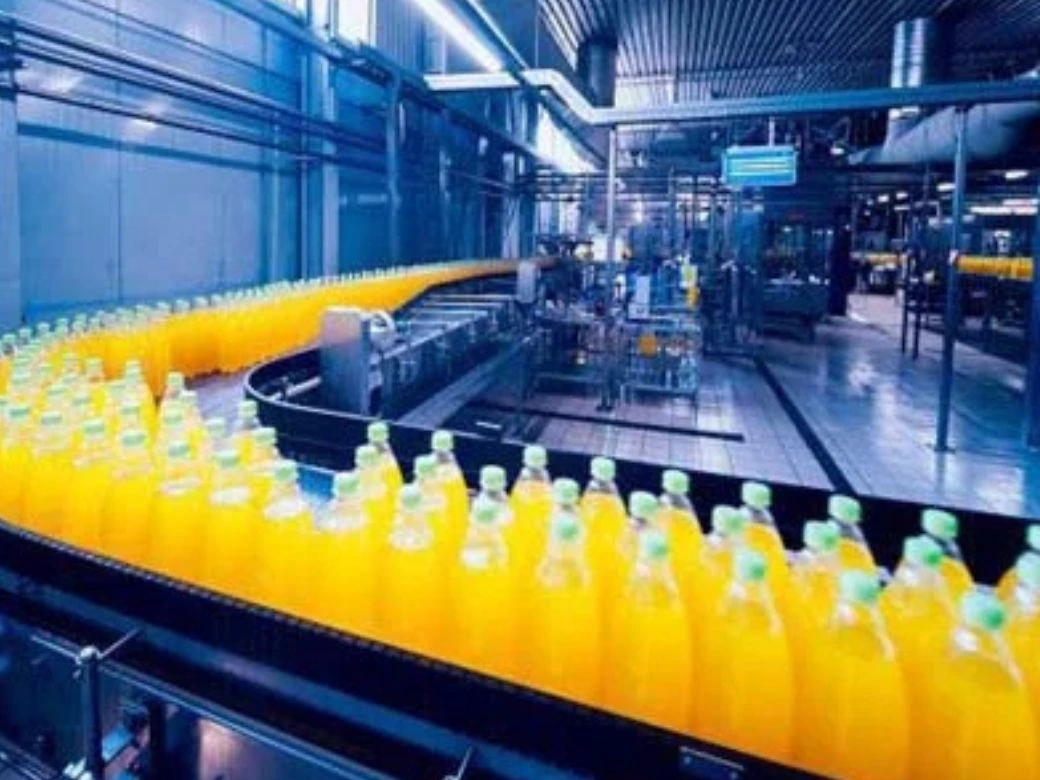
Food and beverage processing, edible oil refining, and dairy plants generate high-FOG effluent where DAF is the industry-standard primary stage, while paper mills and textile dyeing units rely on it for fibre and dye solids recovery. Municipal facilities also use DAF as a primary clarifier replacement in sewage treatment plants handling high-solids inlet streams, and our units integrate seamlessly with downstream systems including our commercial RO plants wherever treated water needs to support further purification or reuse.
SYSTEM CONFIGURATIONS
Types of Dissolved Air Flotation (DAF) System Manufacturer in India Configurations
Configurations selected to match your effluent characteristics, flow rate, and site layout.
Pressurised Saturation DAF
Uses uniform 20 to 80 micron bubbles generated through a pressurised saturator, offering the most precise and consistent flotation control for demanding applications.
Dispersed Air DAF
Generates bubbles by drawing air directly into the flow stream through a mechanical disperser, a simpler configuration suited to less demanding separation needs.
Rectangular Tank DAF
Rectangular tank design fits linear plant layouts efficiently, offering straightforward integration with existing equalization and clarification infrastructure on constrained sites.
Circular Tank DAF
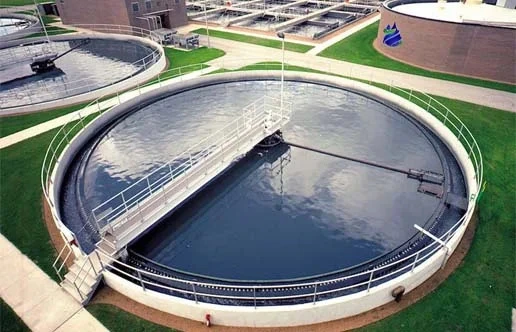
Circular tank design suits sites requiring uniform flow distribution and simplified skimmer mechanics, often preferred for larger capacity installations.
STEP-BY-STEP WORKFLOW
How the Dissolved Air Flotation (DAF) System Manufacturer in India Process Works
A micro-bubble flotation process engineered for consistent TSS and FOG removal.
01
Coagulation & Flocculation
Wastewater is dosed with coagulant and polymer, destabilizing suspended particles and promoting micro-floc formation before entering the DAF tank.
02
Pressurised Recycle Saturation
A portion of clarified effluent is recycled, pressurised to 4 to 6 bar, and saturated with dissolved air in a dedicated saturator vessel.
03
Bubble Release & Attachment
The saturated stream releases into the tank at atmospheric pressure, forming micro-bubbles that attach to floc, solids, and oil droplets.
04
Float Skimming & Clarified Outlet
A motor-driven skimmer continuously removes the floating sludge layer while clarified water exits for further treatment or discharge.
COMMON INQUIRIES
Frequently Asked Questions
Q1. What is the difference between a DAF system and a conventional clarifier?
A conventional clarifier relies on gravity to settle heavier particles, while a DAF system uses pressurised micro-bubbles to float light-density contaminants like emulsified oils and fine floc to the surface, achieving faster, more effective separation.
Q2. Can a DAF system be retrofitted into an existing ETP or STP?
Yes, DAF units can typically be added as a primary treatment stage upstream of biological treatment in an existing plant, after assessing current layout, hydraulics, and inlet characteristics.
Q3. How much chemical dosing does a DAF system require?
Dosing requirements depend on effluent type, but typically involve a coagulant such as alum or ferric chloride along with a polymer flocculant, with optimal dosing confirmed through jar testing.
Q4. What happens to the float sludge produced by a DAF system?
Float sludge is sent to a holding tank for further thickening or dewatering, and since it is significantly drier than gravity sludge, it is generally easier and cheaper to handle.
Q5. What maintenance does a DAF system require?
Routine maintenance includes cleaning skimmer blades, inspecting saturation nozzles for scaling, checking recycle pump performance, and periodic lubrication of drive components.
Q6. How long does DAF installation typically take?
A standard skid-mounted unit typically installs and commissions within 5 to 10 working days, while larger systems with integrated dosing and automation may take 2 to 4 weeks.
CATALOGUE
Related Engineering Products
RO & Water Recycling Plant Manufacturer in India
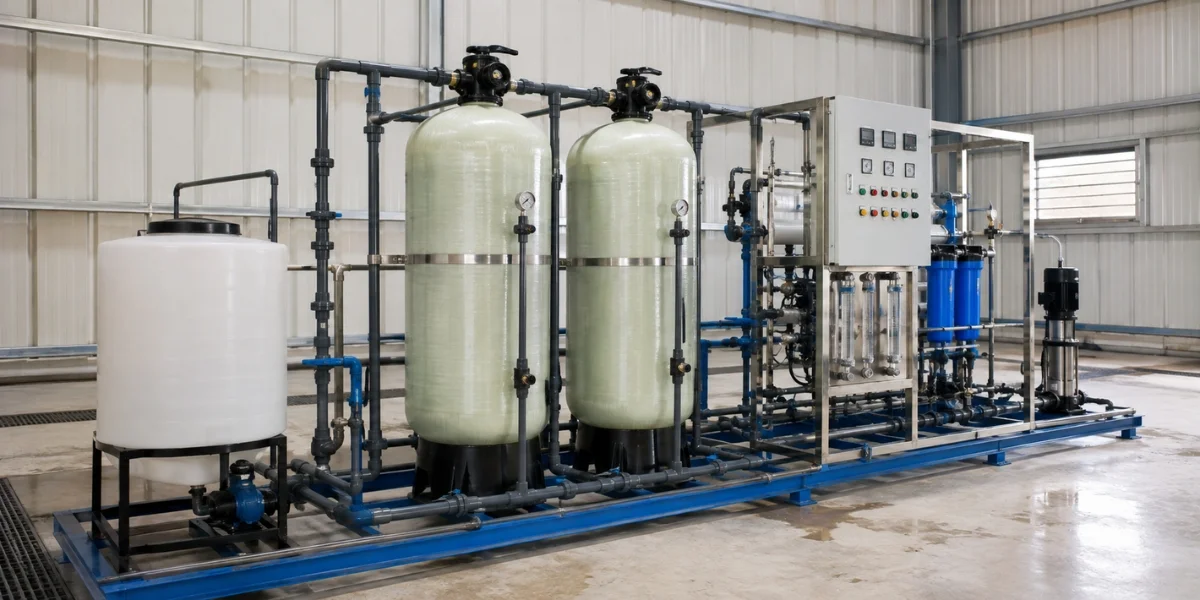
Trity Environ Solutions manufactures RO and water recycling systems for industries and commercial facilities, engineered for reliable purity and reuse.
Tertiary Treatment Plant Manufacturer in India
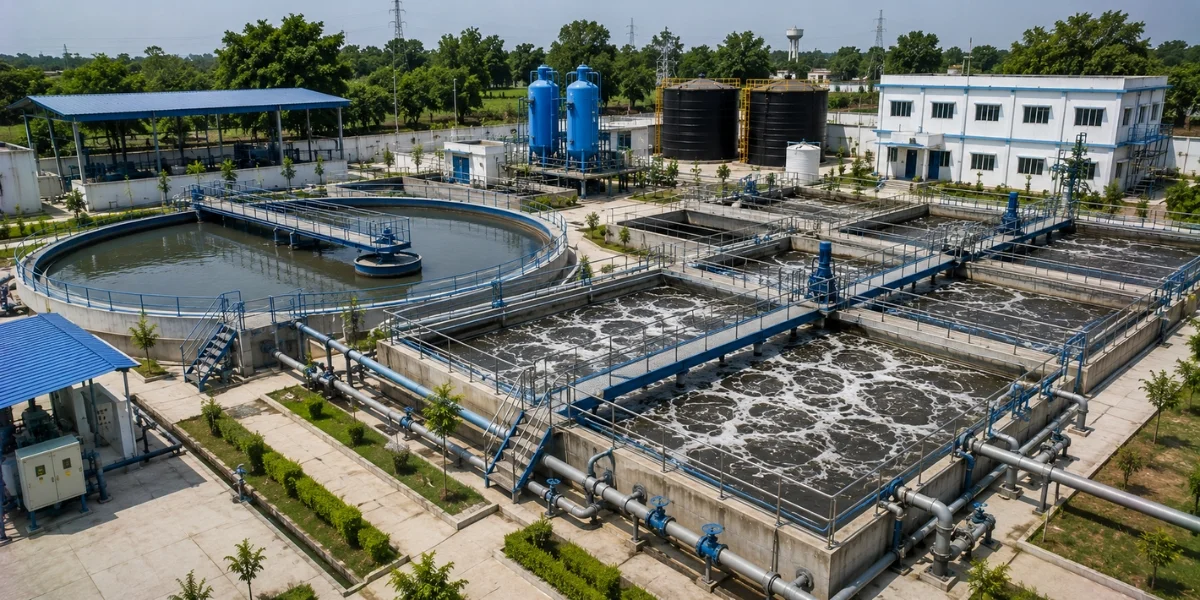
Trity Environ Solutions manufactures tertiary treatment plants that polish treated water beyond secondary treatment, enabling genuine reuse and stricter discharge compliance.
Wastewater Recycling System Manufacturer in India
Trity Environ Solutions manufactures wastewater recycling systems using UF and RO technology, turning treated wastewater into reuse-grade water for cooling, flushing, and gardening.
PAN-INDIA CAPABILITIES
Regional Solutions & State Coverage
TECHNICAL KNOWLEDGE
Related Insights & Engineering Guides
PROVEN EXCELLENCE
Featured Turnkey Installations




Need a Custom Water or Wastewater Treatment Solution?
Our engineering team can help design the right system for your capacity, industry, and compliance requirements.