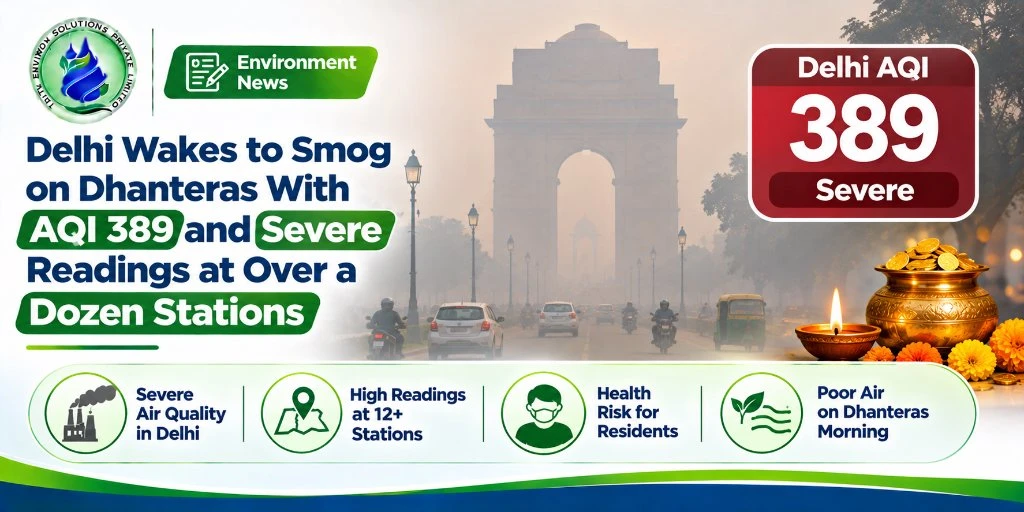
Delhi AQI 389 on Dhanteras: Severe Stations, Diwali Forecast
Delhi's air was "very poor" at AQI 389 on Friday morning, with about 28 stations in the severe range. Forecasters expect severe air through Diwali, with possible hotspots above 450.

 ISO 9001:2015 & QCI Approved
Stay updated with the latest developments in water and wastewater treatment from Trity Environ Solutions. Here we cover pollution control board regulatory changes, water scarcity trends across Indian states, and industry news that affects how businesses and housing societies plan their Sewage Treatment Plant and Effluent Treatment Plant compliance. Our team tracks these developments closely so our clients can stay ahead of changing discharge norms and environmental requirements.
Delhi's air was "very poor" at AQI 389 on Friday morning, with about 28 stations in the severe range. Forecasters expect severe air through Diwali, with possible hotspots above 450.
Read Full Update
Delhi's air was "very poor" at AQI 389 on Friday morning, with about 28 stations in the severe range. Forecasters expect severe air through Diwali, with possible hotspots above 450.
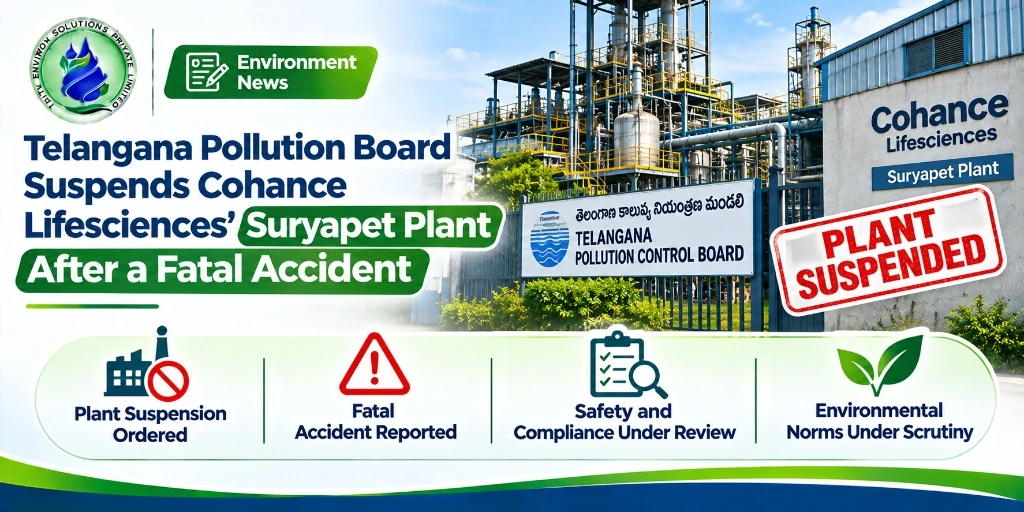
The Telangana State Pollution Control Board ordered Cohance Lifesciences to suspend all manufacturing at Suryapet on November 5 after a worker died. The order cites safety non-compliance under consent conditions, not a pollution violation.

Haryana's pollution board has sent notices to 751 Sonipat units to install pan-tilt-zoom cameras covering stacks, furnaces and fuel points, streaming live to regulators to cross-check emission data.
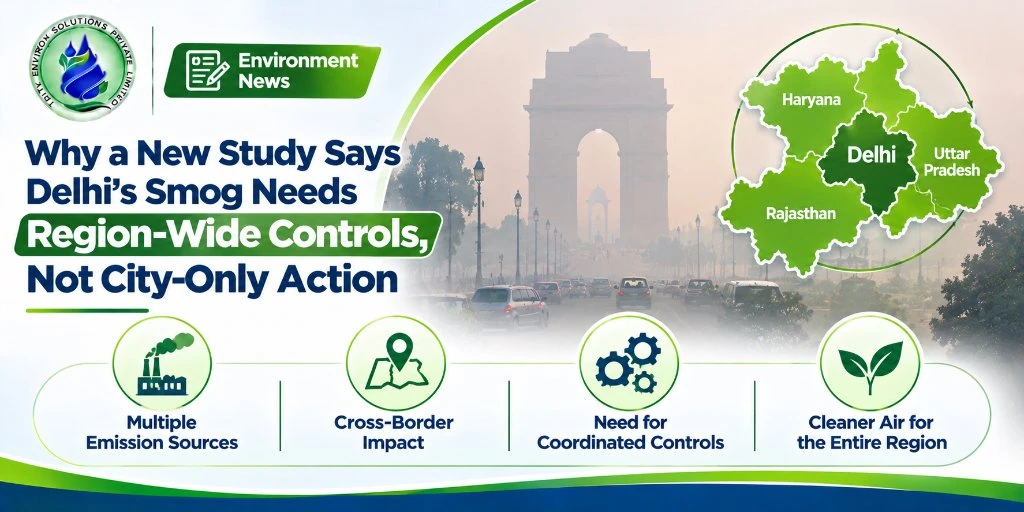
Researchers at NIAS modelled what happens to PM2.5 if human-made emissions in the Delhi airshed were switched off. The result, about a 60% fall, argues for regional coordination rather than city-only action.
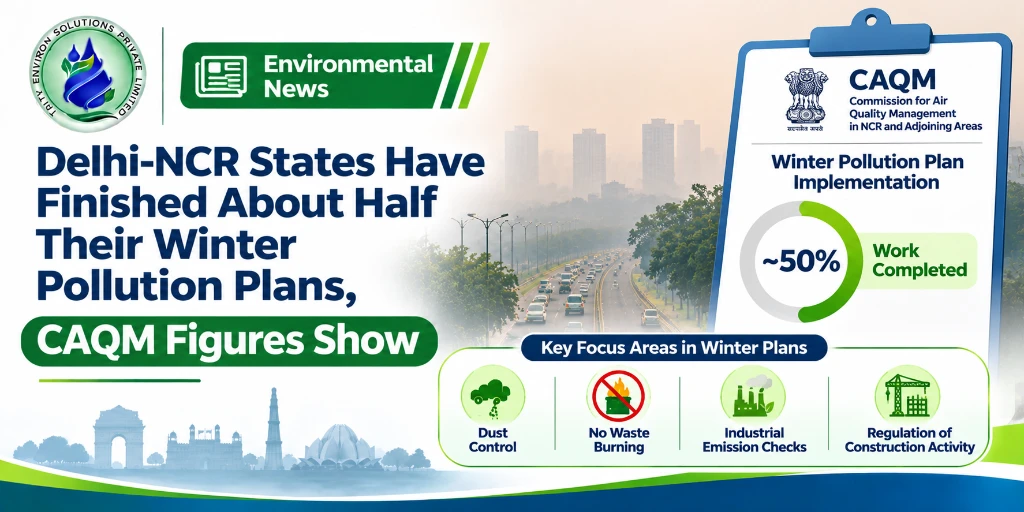
Delhi and its neighbouring states have completed roughly half of their promised anti-pollution actions, according to reports and the commission's own fact sheet. Roads, waste processing, dumpsites and cleaner trucks lag the most.
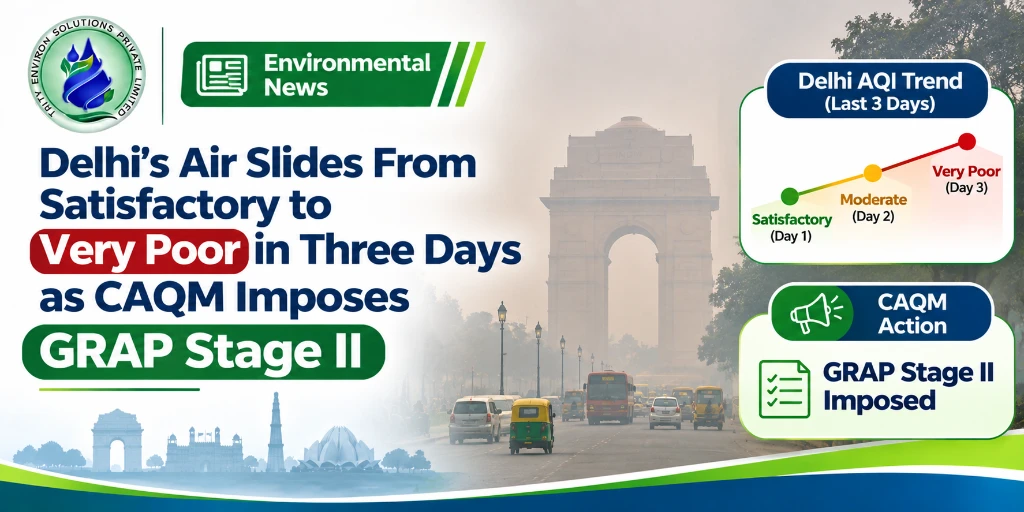
Delhi's AQI rose from 117 on October 31 to 324 on November 2, triggering GRAP Stage II. By November 4 it was 373, with 21 stations in the severe range.
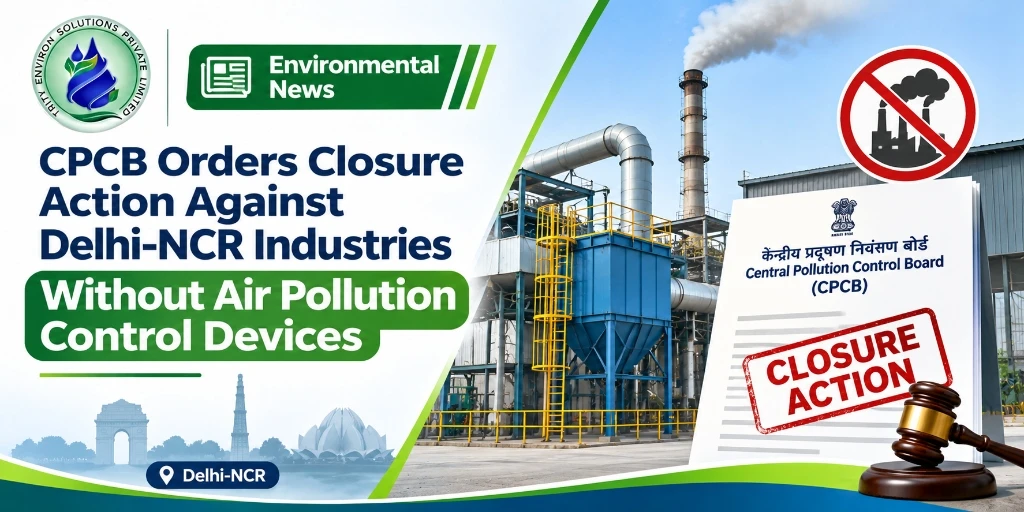
Industries in Delhi-NCR that have neither ordered air pollution control devices nor obtained exemption or adequacy certificates now face closure notices and, within five days, closure orders under a new CPCB direction.
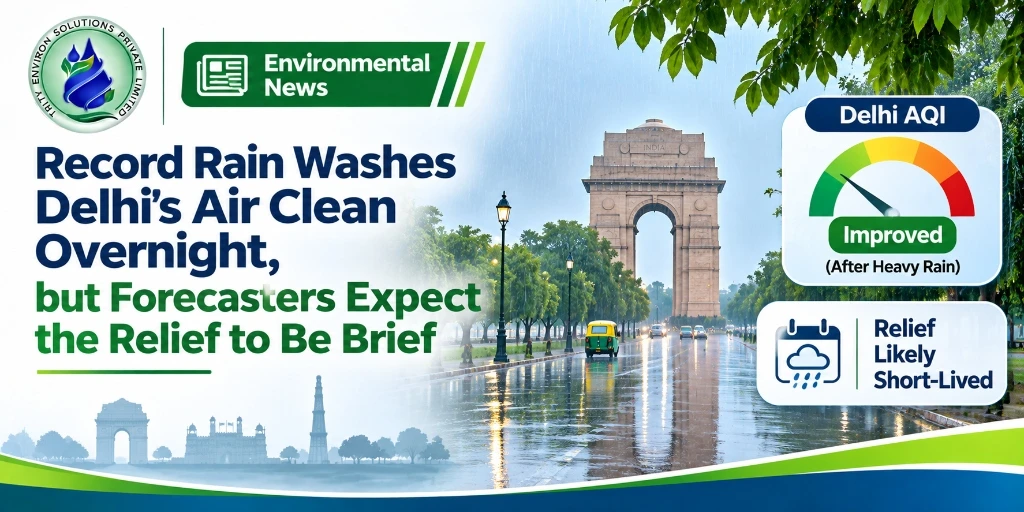
Heavy rain took Delhi's AQI from 363 on Thursday to 78 on Friday, October 30. Skymet warns the air could turn poor again within a day or two as skies clear.
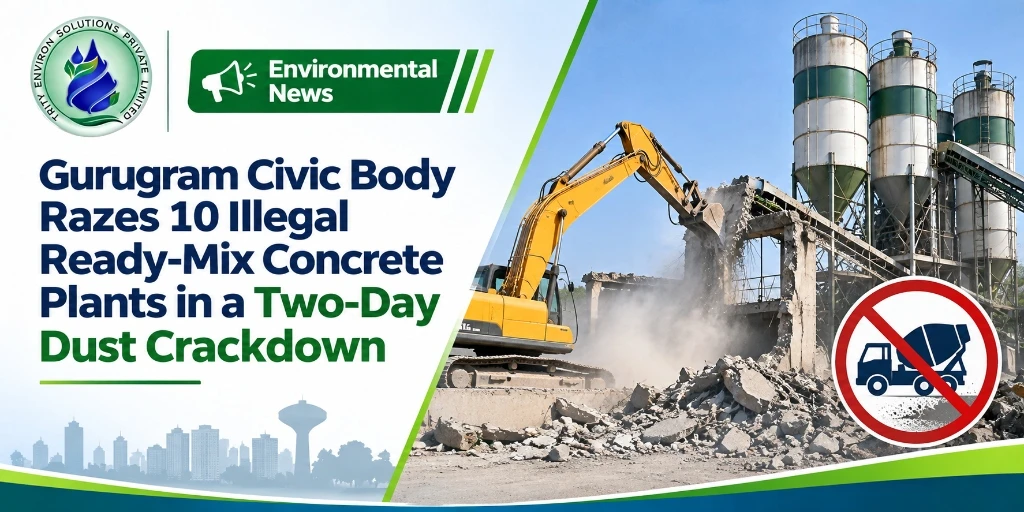
After setting an October 25 deadline for 31 ready-mix concrete plants, the Municipal Corporation of Gurugram demolished eight on October 27 and two more the next day, citing construction dust and air pollution.
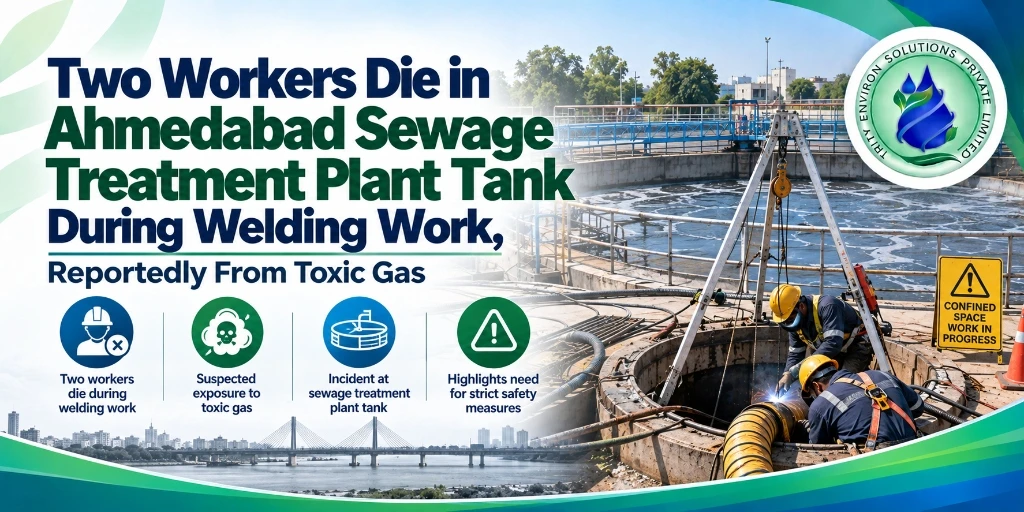
Two workers died and two were hurt at an Ahmedabad sewage treatment plant in Sola on October 26, after a welding worker reportedly lost consciousness from toxic gas and fell into the tank. The cause is still preliminary.
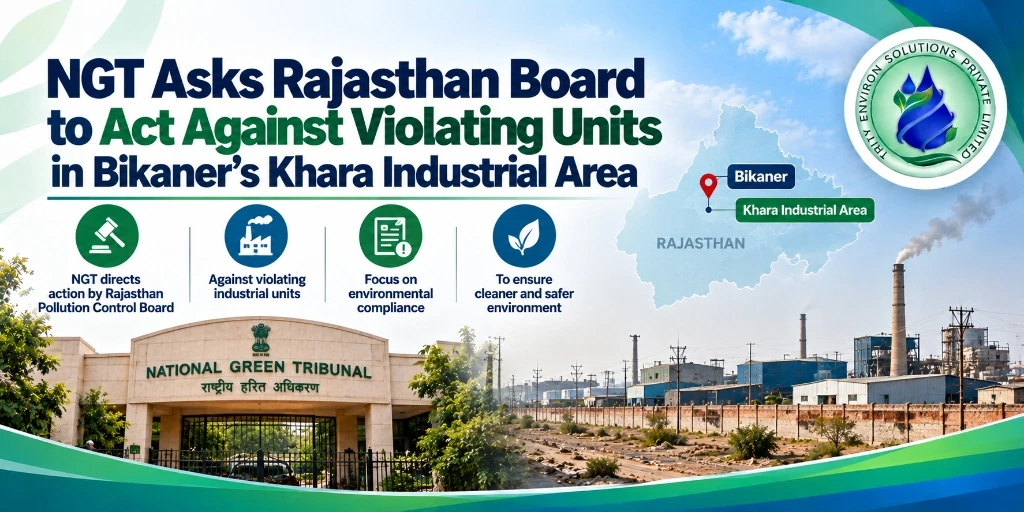
The NGT's central bench has told the Rajasthan pollution board to act against units violating norms in Khara Industrial Area, Bikaner, and to ensure tree plantation. A fresh action-taken report is due within three weeks.
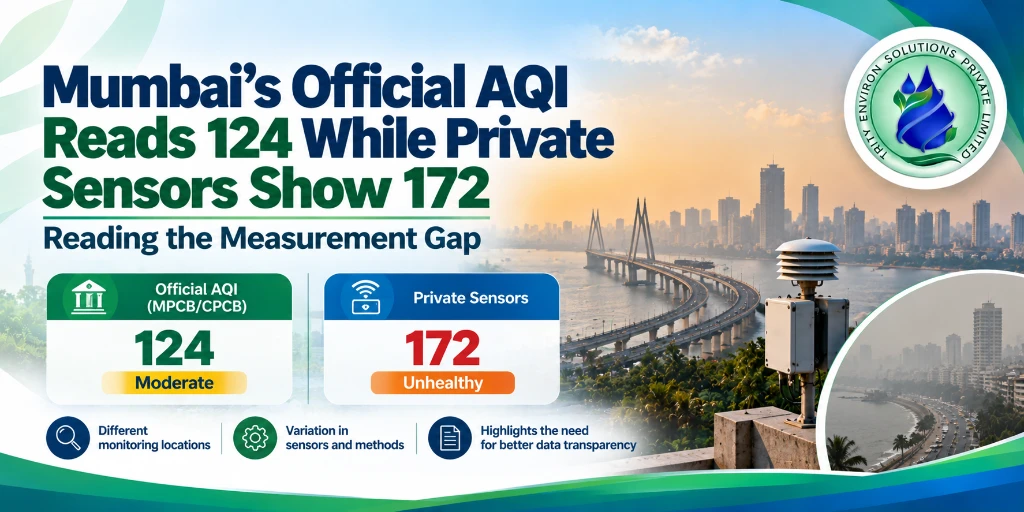
Official monitors put Mumbai's AQI at 124 ("moderate") while private sensors reported 172. The gap comes down to scales, locations and equipment, and it hides large differences between neighbourhoods.
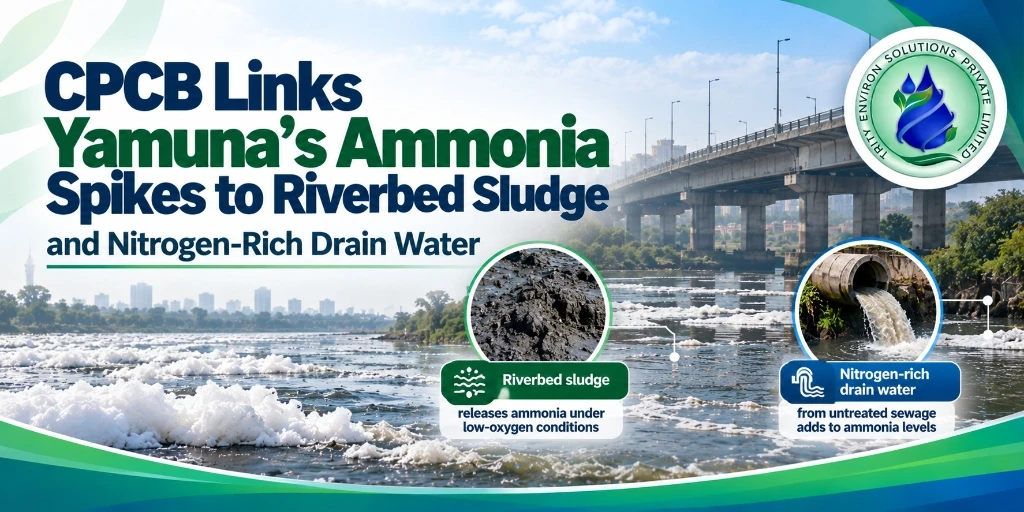
The Central Pollution Control Board says repeated ammonia spikes in the Yamuna trace to riverbed sludge and nitrogen-heavy wastewater from drains. It warns that a one-time dredging effort will not fix the problem.
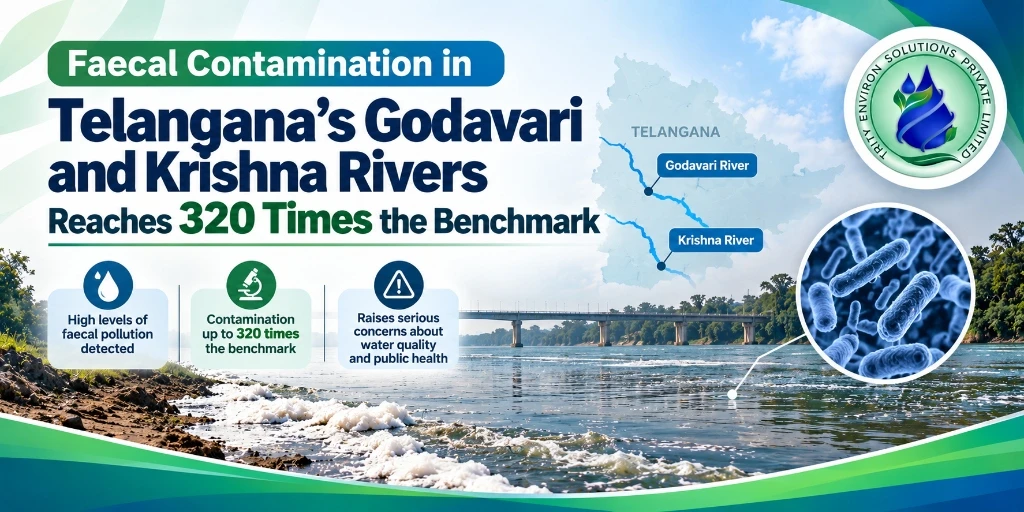
Faecal coliform in Telangana's Godavari and Krishna rose more than 1,600% between June and August, reaching 320 times the reference benchmark at Suryapet, Mulugu and Nizamabad, according to CWC data.
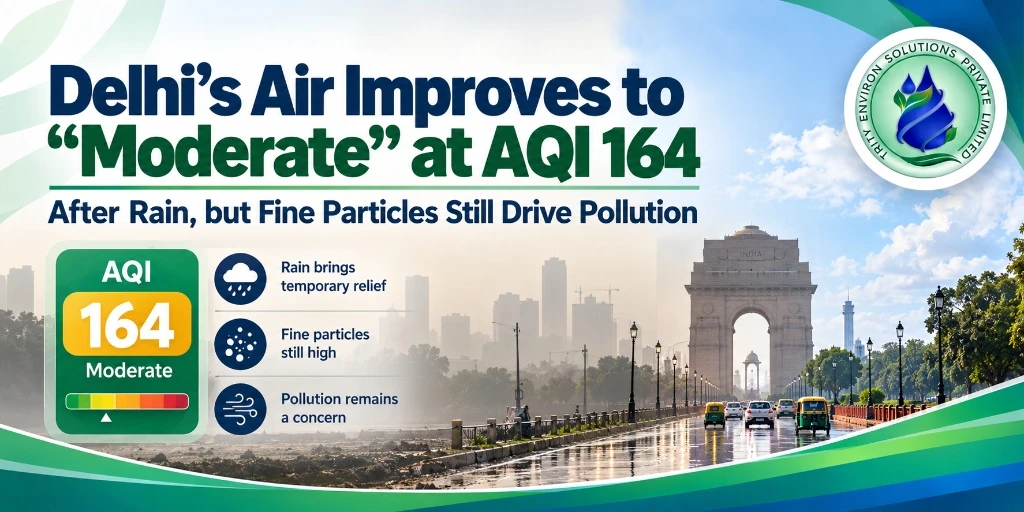
Delhi's air improved from "poor" to "moderate" over four days, helped by rain and a government drive on dust, waste and traffic. PM2.5 and PM10 still dominate, and several stations remain in the poor range.
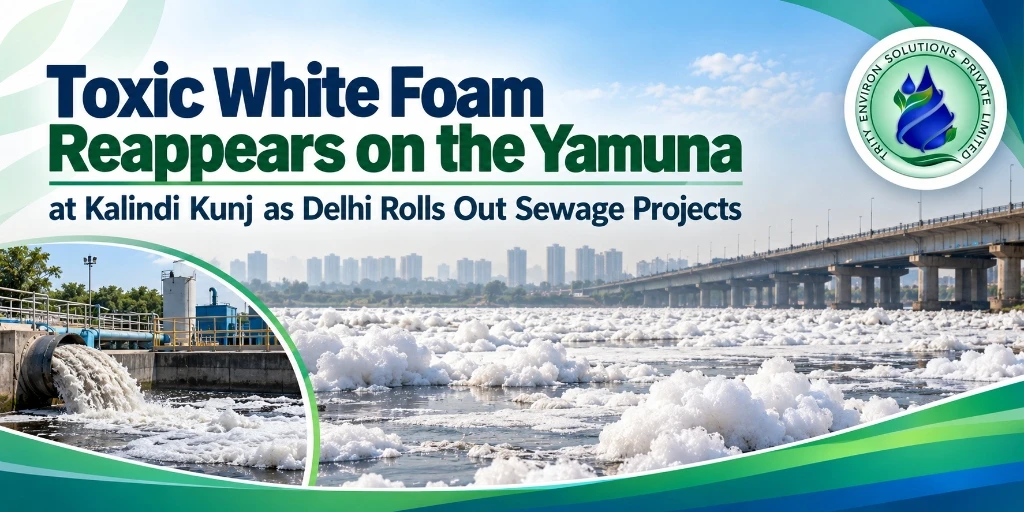
Thick white foam covered stretches of the Yamuna near Kalindi Kunj on October 25, three days after Delhi launched 43 sewage projects. The source of the foam has not been officially identified.

Punjab recorded 542 farm fires between September 15 and October 23. Tarn Taran and Amritsar account for nearly three-quarters of them, and the air quality commission has told officials to act on the ground, not just run awareness drives.
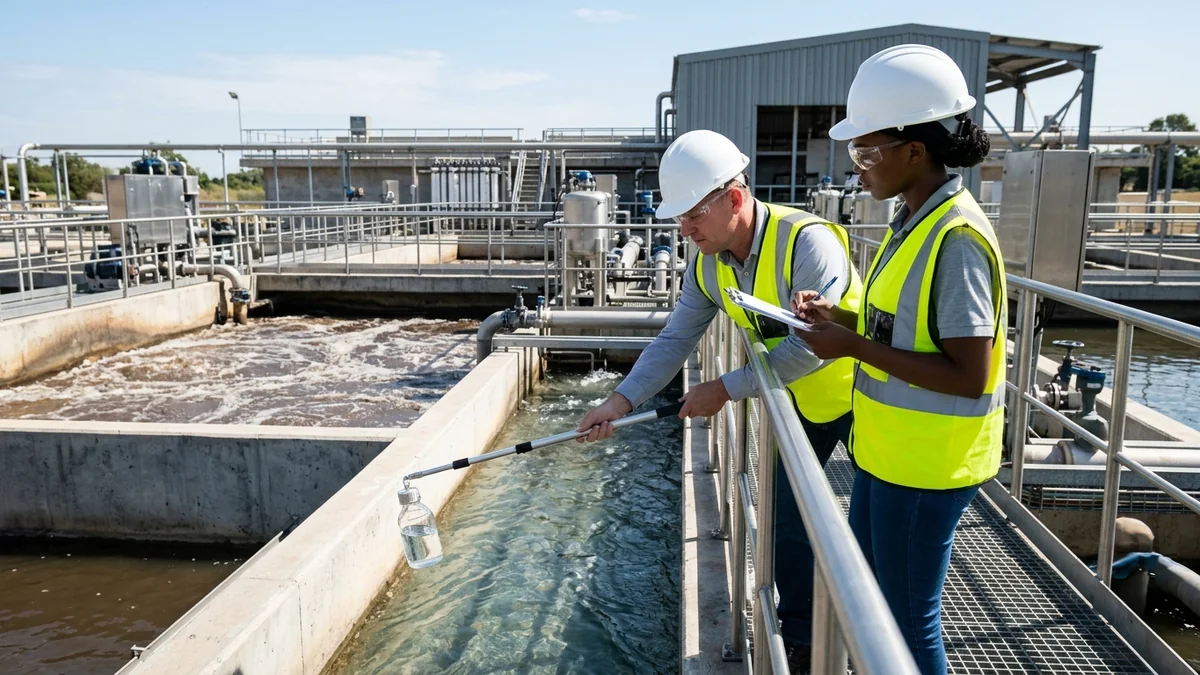
A two-day inspection of nine STPs and CETPs in Yamunanagar by the NGT-appointed Yamuna Monitoring Committee ended with directions on testing, capacity and discharge standards. The detailed findings are yet to be filed.
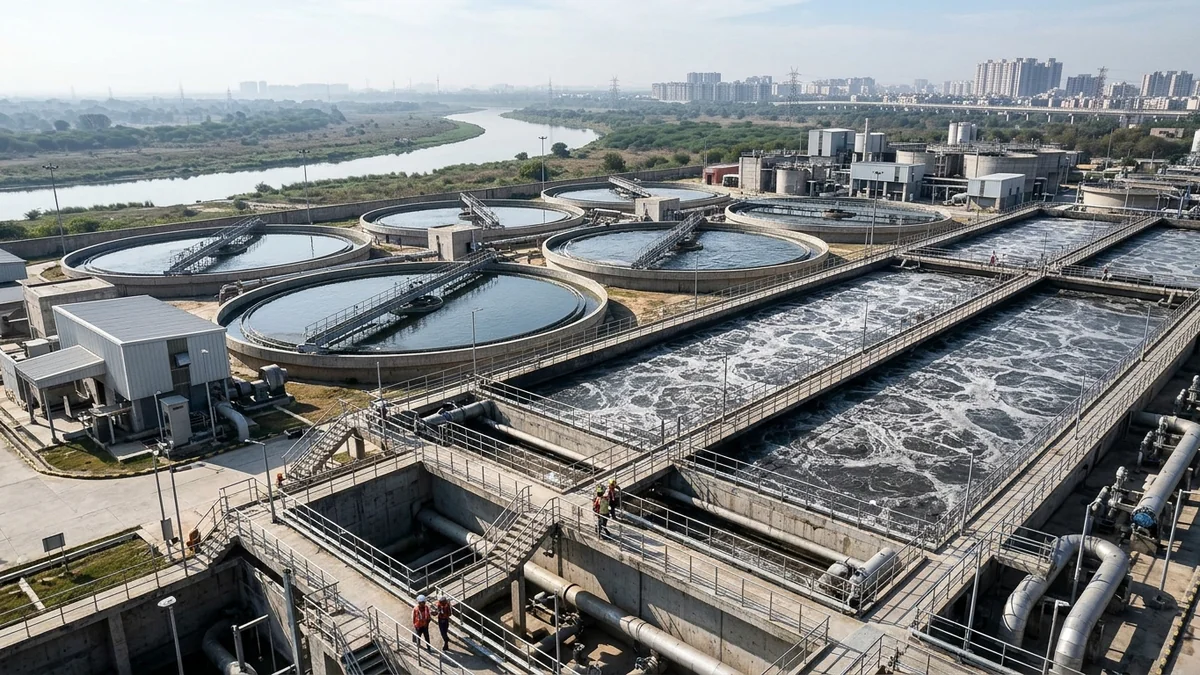
Union Home Minister Amit Shah inaugurated and laid foundation stones for 43 Delhi Jal Board projects on October 22. The package centres on a 124 MGD Okhla STP, 29 decentralised plants and 1,034 km of new sewers.
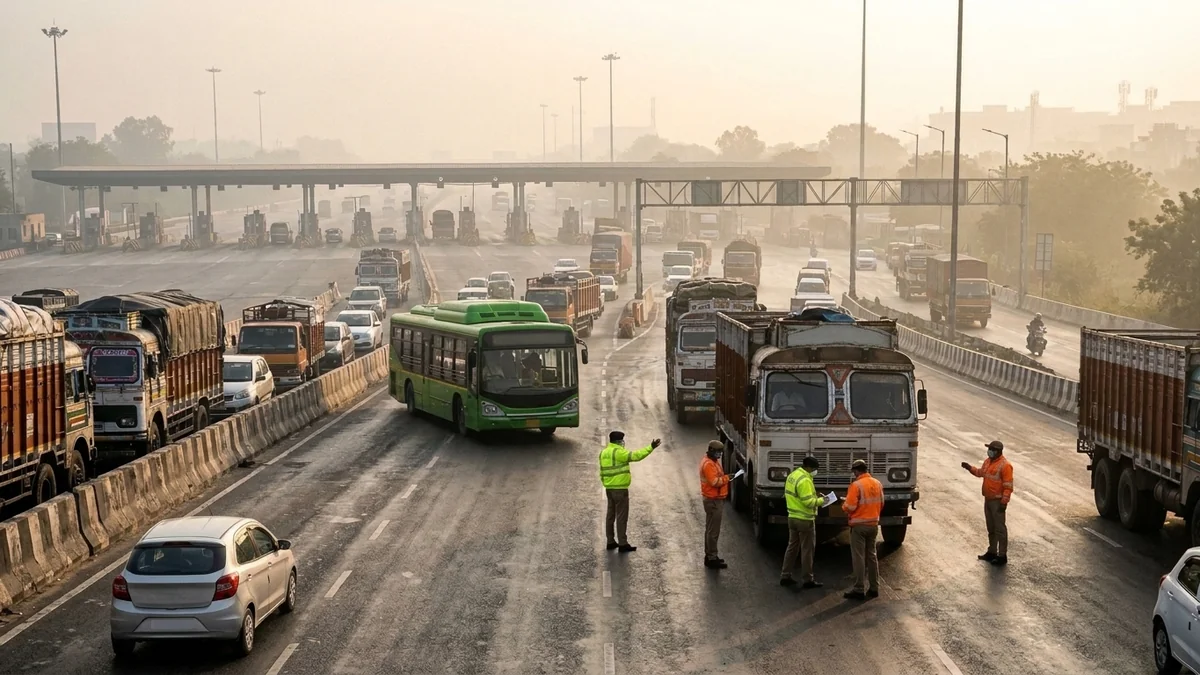
Delhi's air turned "poor" for the first time this season on October 21, and CAQM imposed GRAP Stage I across the NCR. Here is what changes for buses, diesel generators, dust and eateries, and what to expect next.
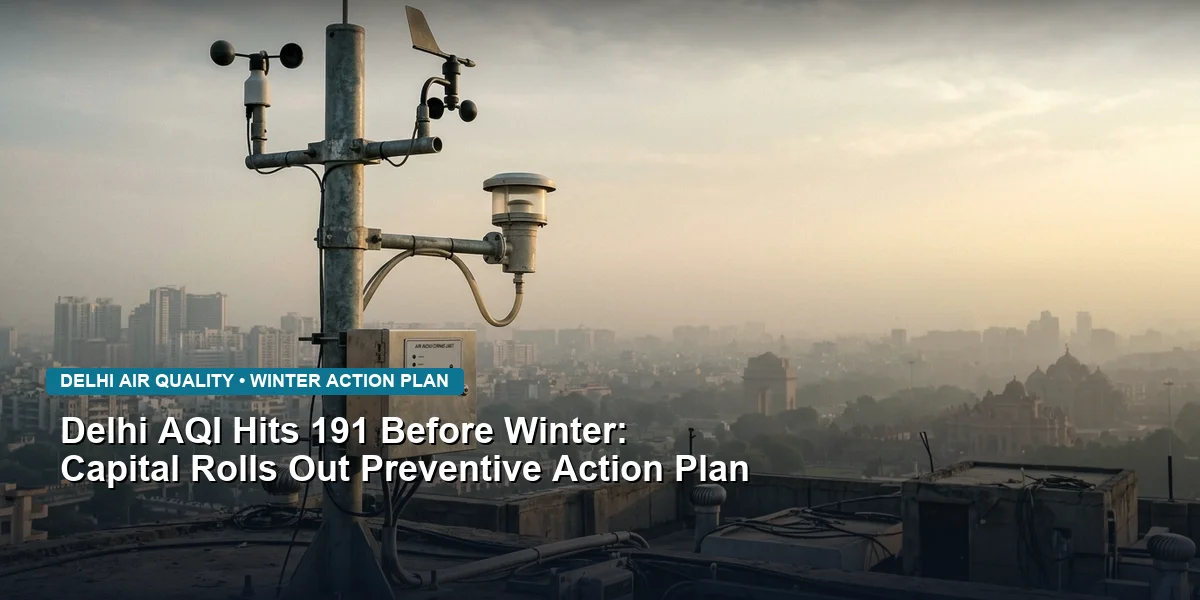
Delhi was missing from a global list of the 20 most polluted cities on October 19, but its air still worsened overnight. The new Winter Action Plan, parking rules and vehicle curbs show how the city is preparing.
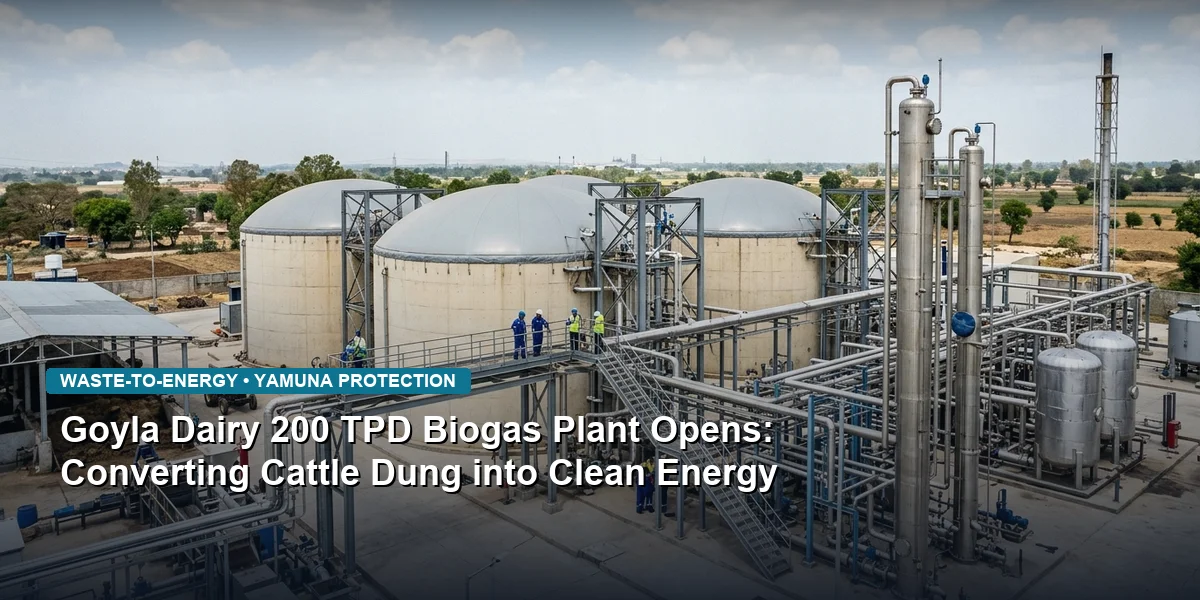
Chief Minister Rekha Gupta inaugurated a Rs 16 crore biogas plant at Goyla Dairy, Najafgarh, built to handle 200 tonnes of cow dung a day and keep it out of drains that lead to the Yamuna.
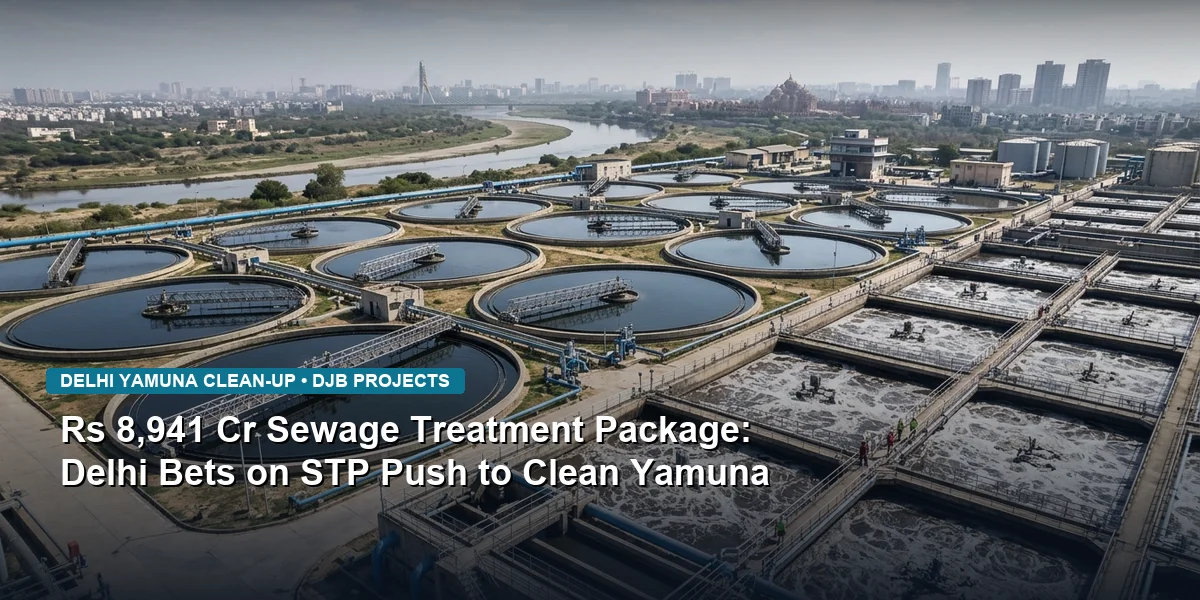
A mass clean-up on the Yamuna ghats and a Rs 8,941 crore sewage package due on October 22 put Delhi's river strategy in focus. The minister says stopping sewage is the lasting fix, and the data backs the point.
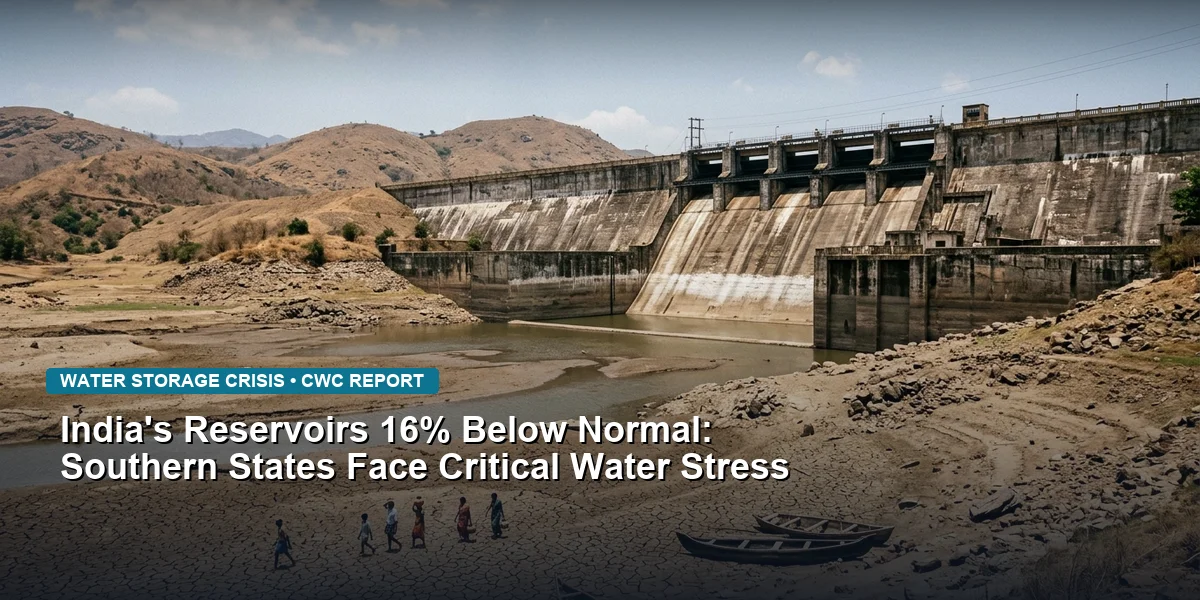
After a weak monsoon, the latest Central Water Commission bulletin shows storage well below last year and the 10-year average, with southern and western states under the most pressure. The numbers make a strong case for treating and reusing wastewater.
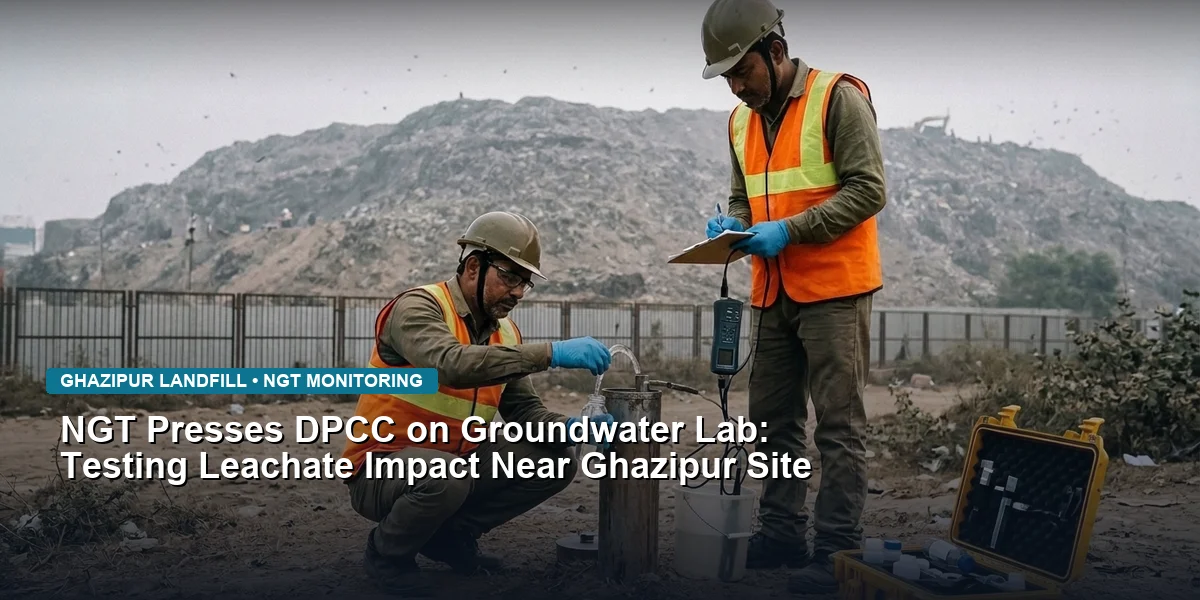
The National Green Tribunal has asked the Delhi Pollution Control Committee to disclose the status of its groundwater testing laboratory, after the board said it lacks the equipment to test samples near the Ghazipur landfill.
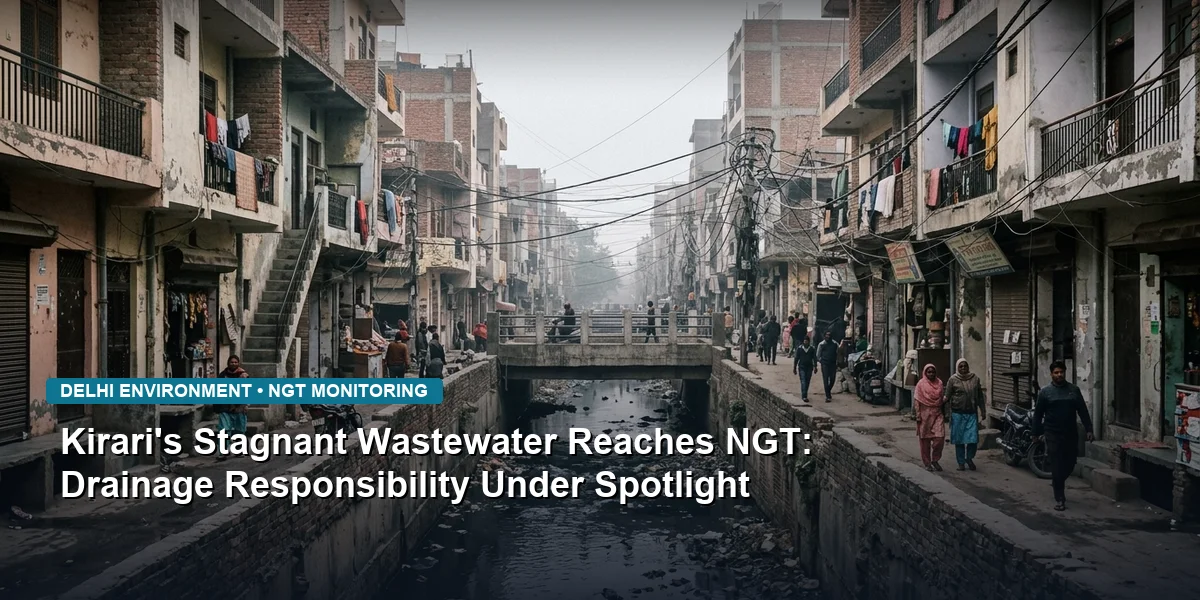
The National Green Tribunal has taken suo motu cognisance of stagnant wastewater and waterlogging in northwest Delhi's Kirari and brought in the Irrigation and Flood Control Department and DSIIDC to explain who is responsible.
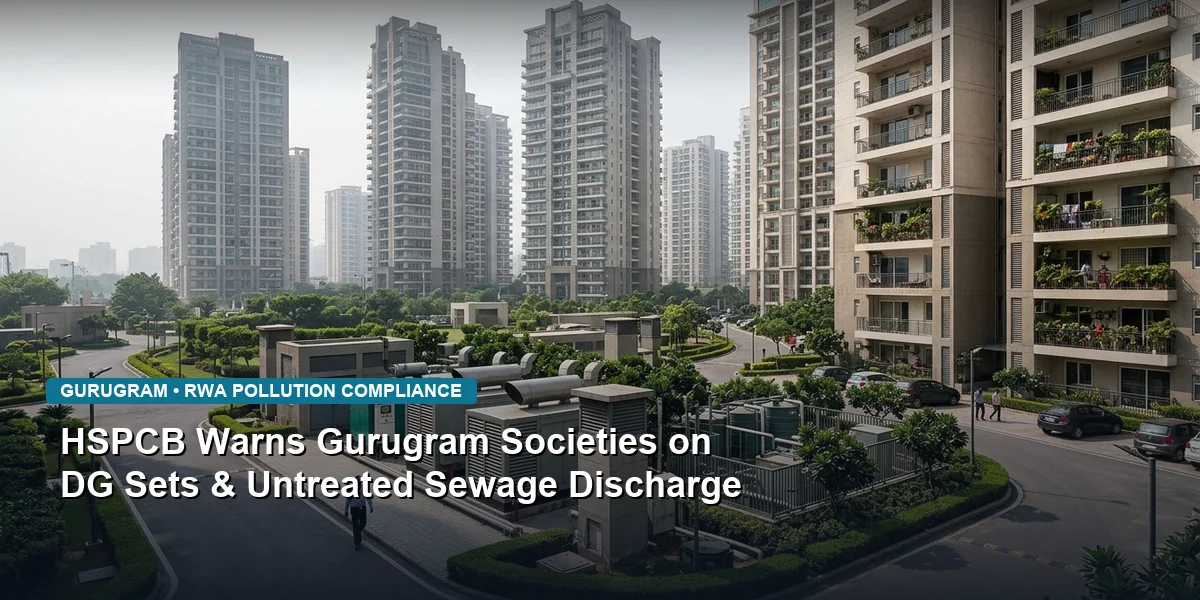
At a compliance meeting with resident welfare associations, the Haryana State Pollution Control Board cautioned Gurugram societies against non-compliant diesel generators and untreated sewage discharge, as the winter pollution season approaches.
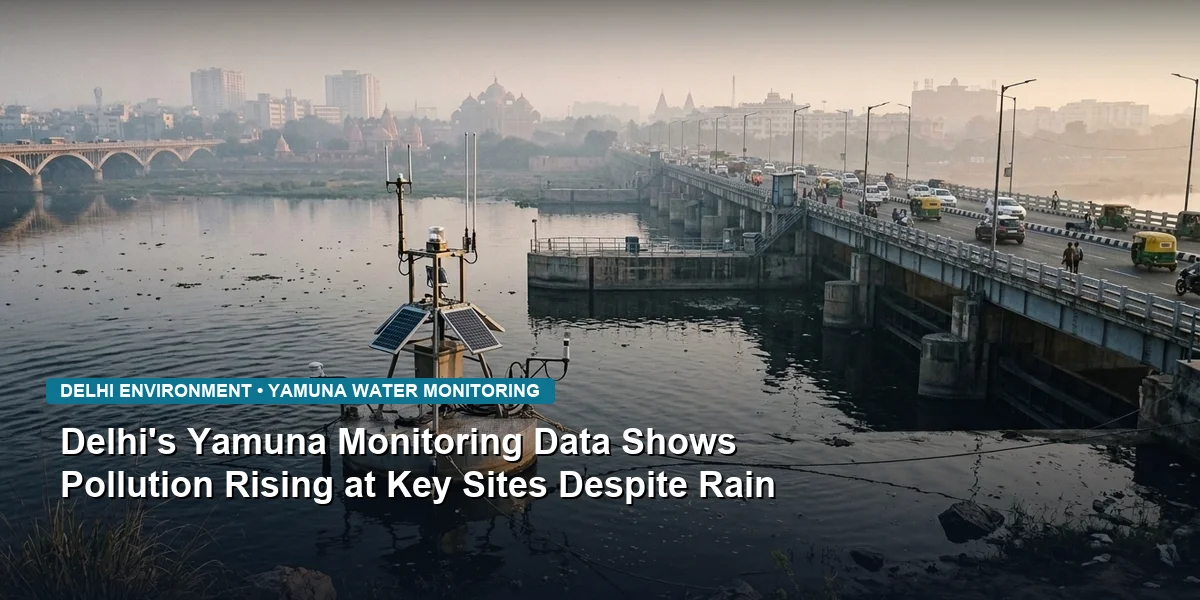
Delhi Pollution Control Committee data shows Yamuna water quality worsened at key stretches in September 2026, with faecal coliform and BOD rising at several monitoring points despite continuing monsoon rainfall.
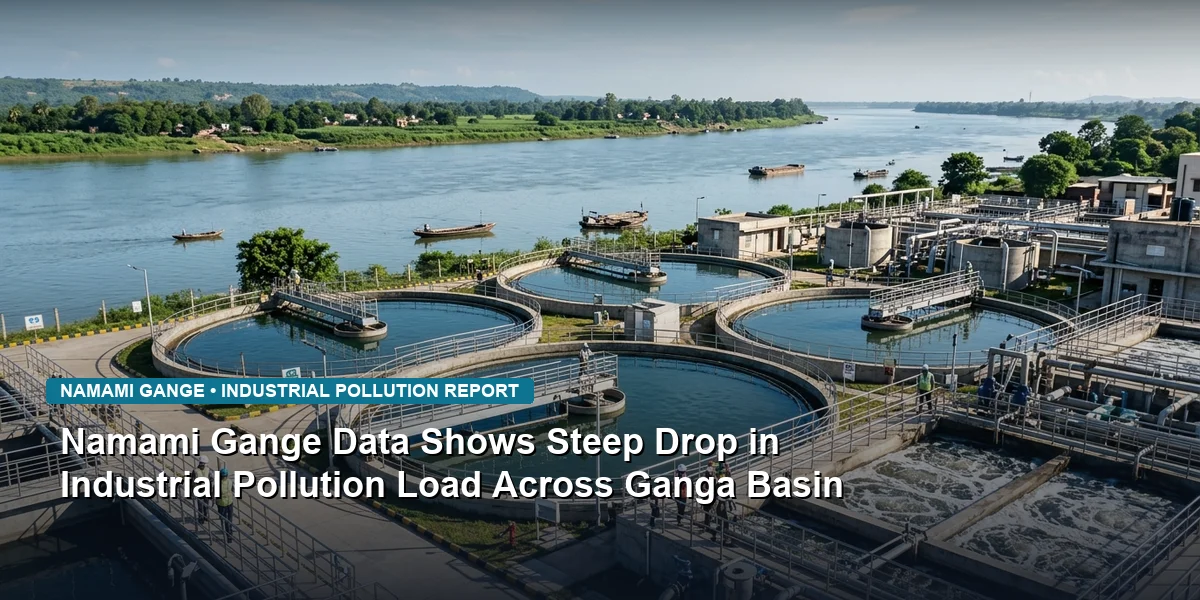
New government data released under Namami Gange shows a sharp, measurable drop in industrial pollution load in the Ganga and Yamuna basins, driven by annual inspections, CETP monitoring and sector-specific compliance charters.
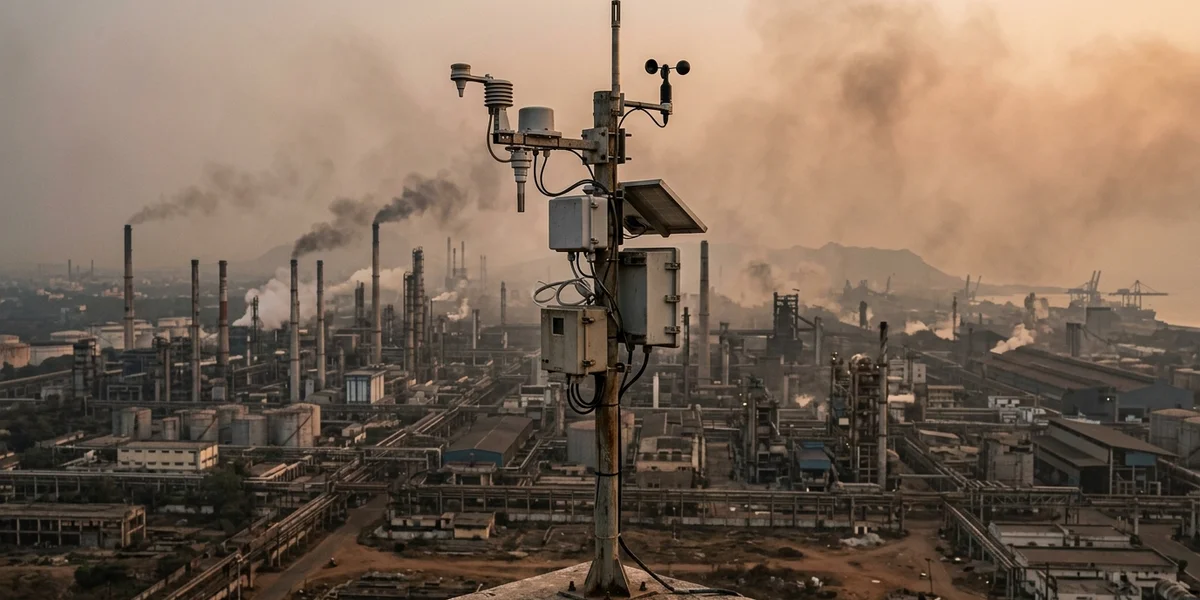
The Andhra Pradesh Pollution Control Board has imposed Rs 16.32 crore in environmental compensation on industries in Visakhapatnam after months of deteriorating air quality and repeated non-compliance with emission norms.
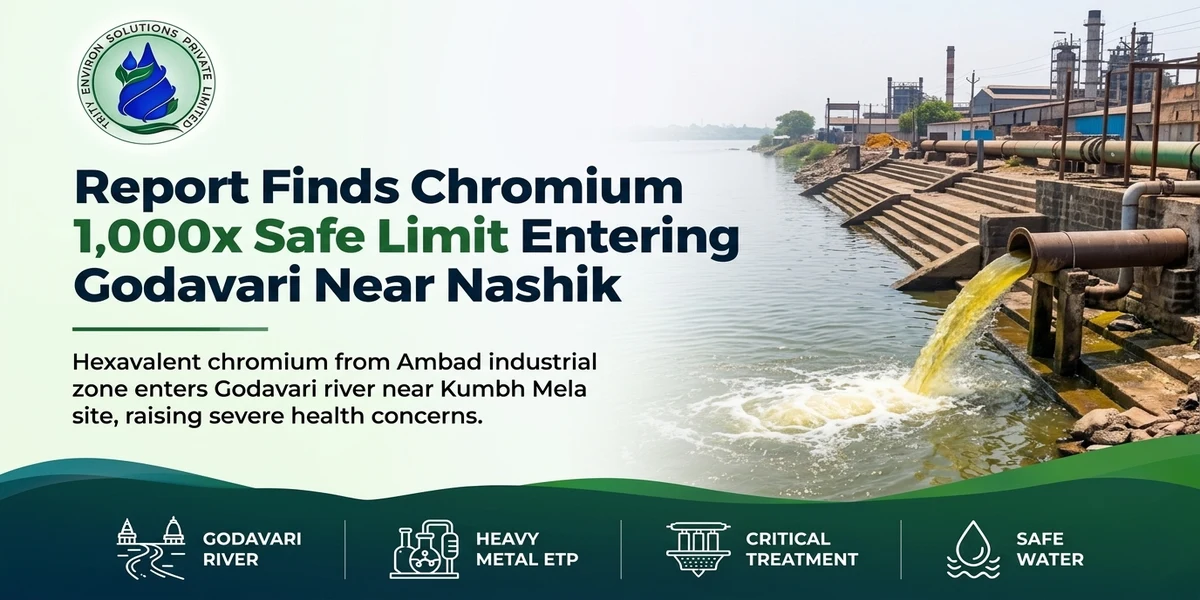
A new report has found chromium levels over 1,000 times the safe limit entering the Godavari near Nashik's industrial zone, close to where Kumbh Mela pilgrims will gather.
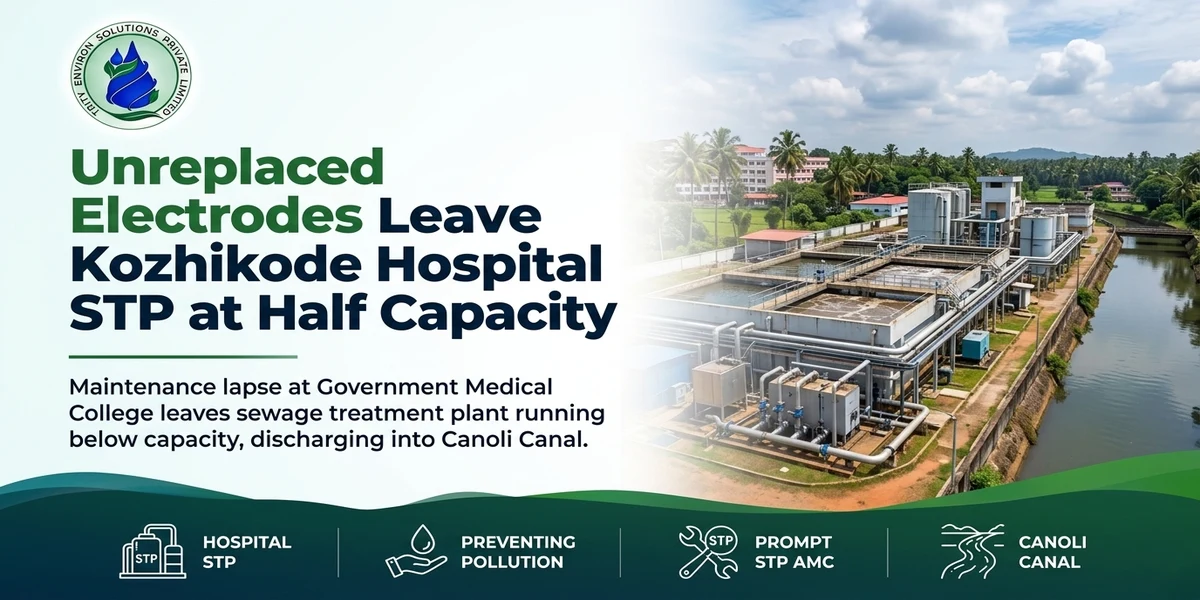
Years of unreplaced electrodes have left a Kozhikode hospital's STP running at half capacity, with inadequately treated wastewater flowing into the Canoli Canal.
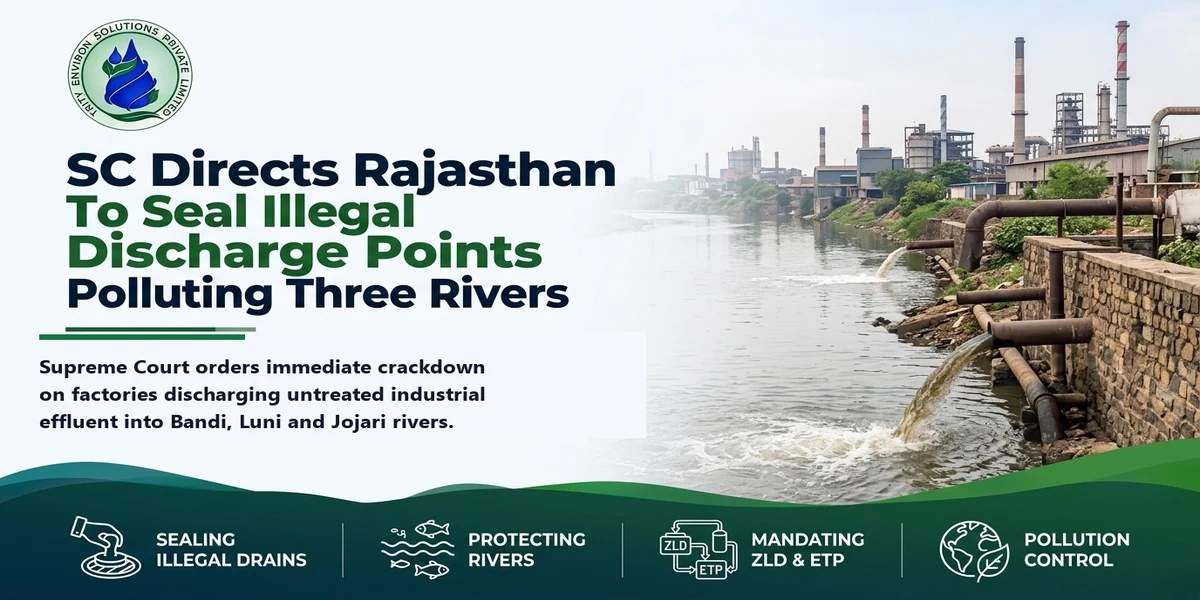
The Supreme Court has directed Rajasthan to seal illegal industrial discharge points and build permanent monitoring to stop the Bandi, Luni and Jojari rivers from being poisoned further.
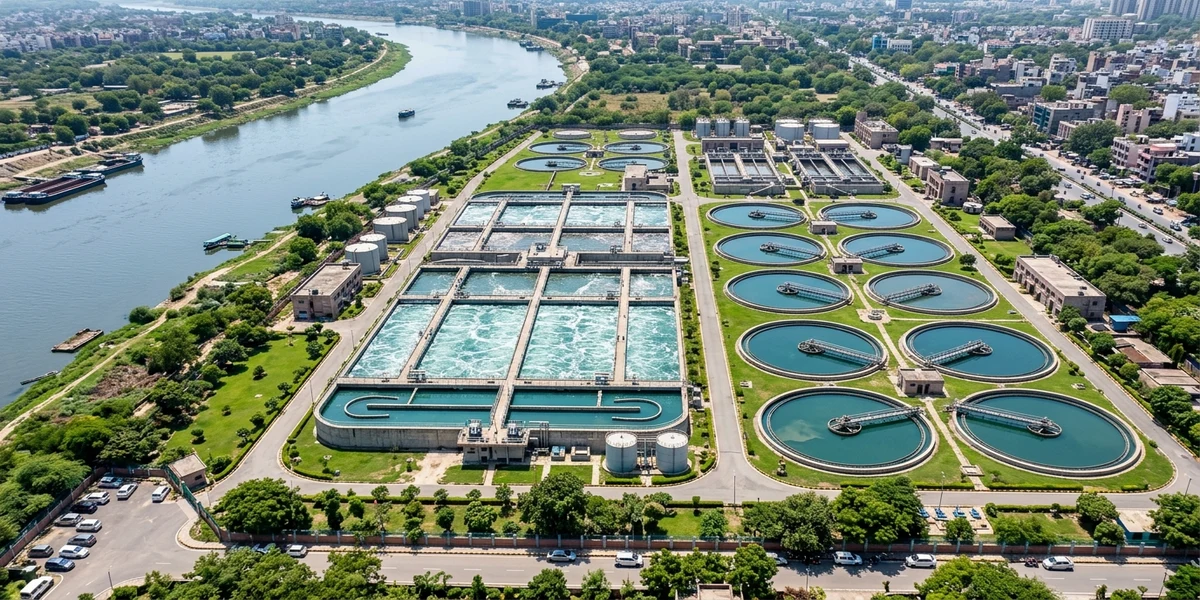
India's latest Ganga rejuvenation review covered over 6,600 MLD of sanctioned sewage treatment capacity and pressed states to finalise safe-reuse policies for treated wastewater.
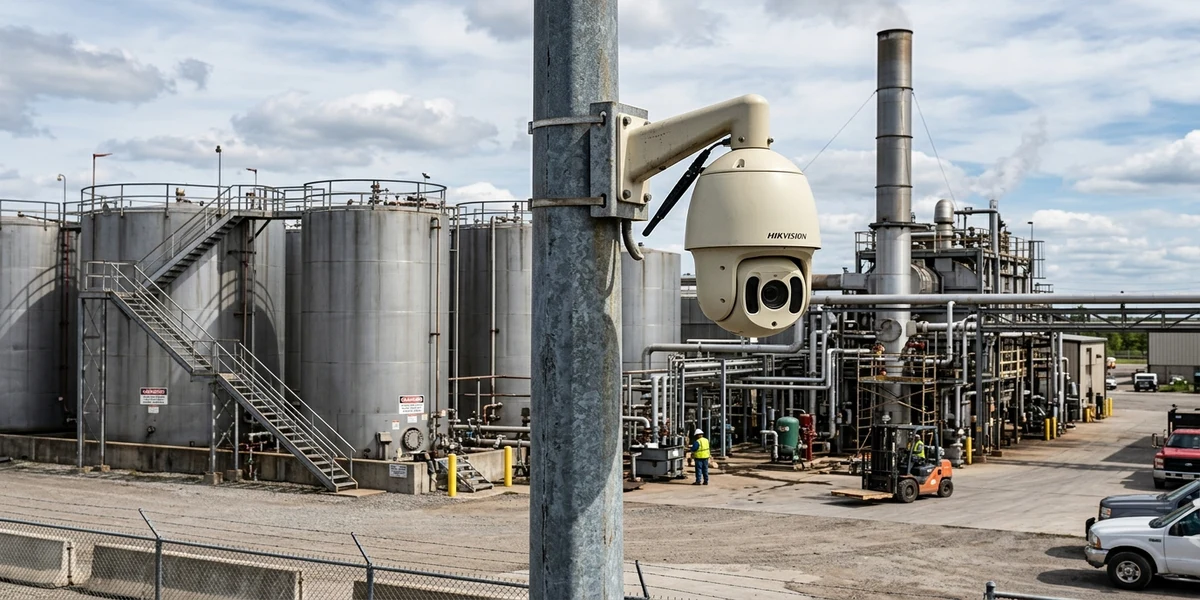
A new CAQM order requires NCR industries to install PTZ cameras over every fuel storage and charging point, streaming live footage to regulators.
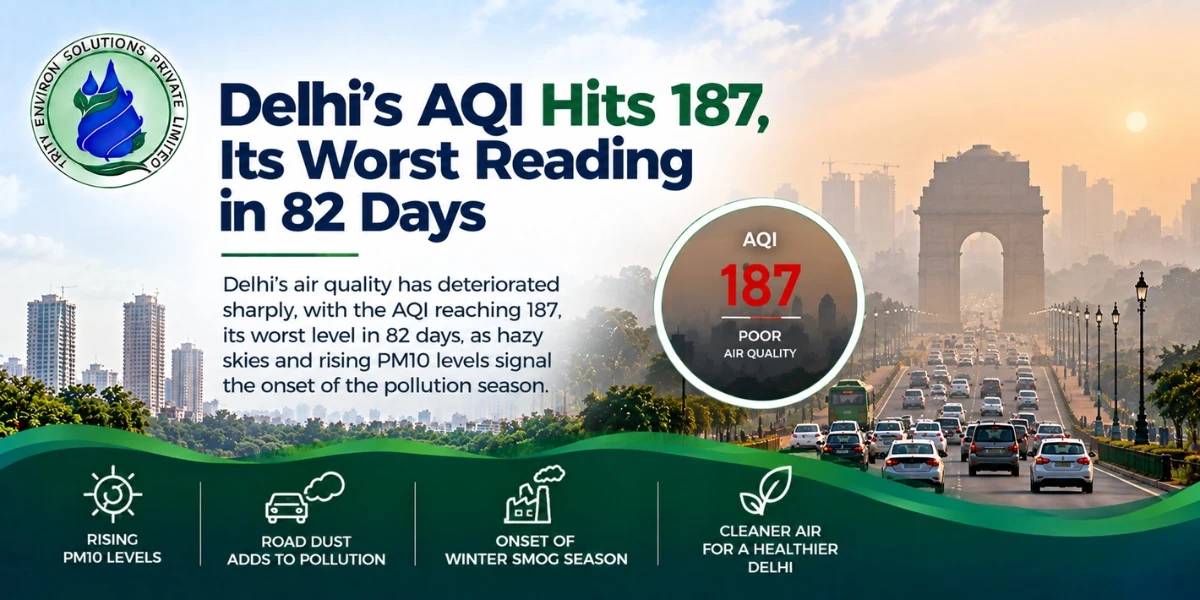
Delhi's air quality has hit its worst early-October level since 2020, with AQI at 187 and dust identified as the leading cause.
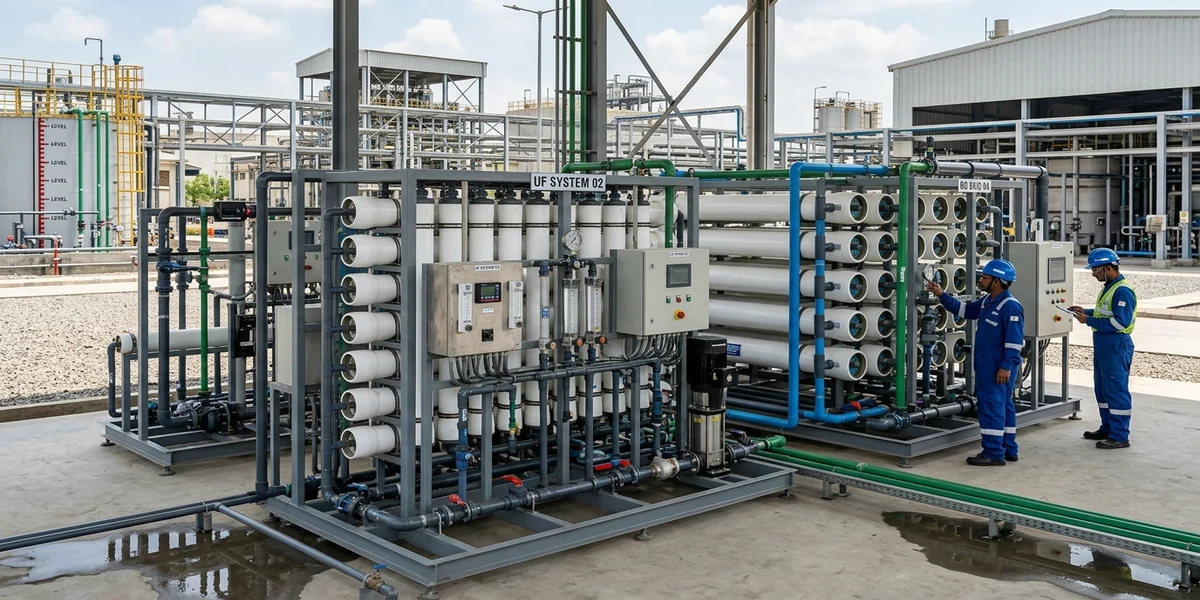
Gurugram's groundwater extraction is running at more than double the safe limit, pushing authorities toward a borewell phase-out and wider industrial use of treated wastewater.
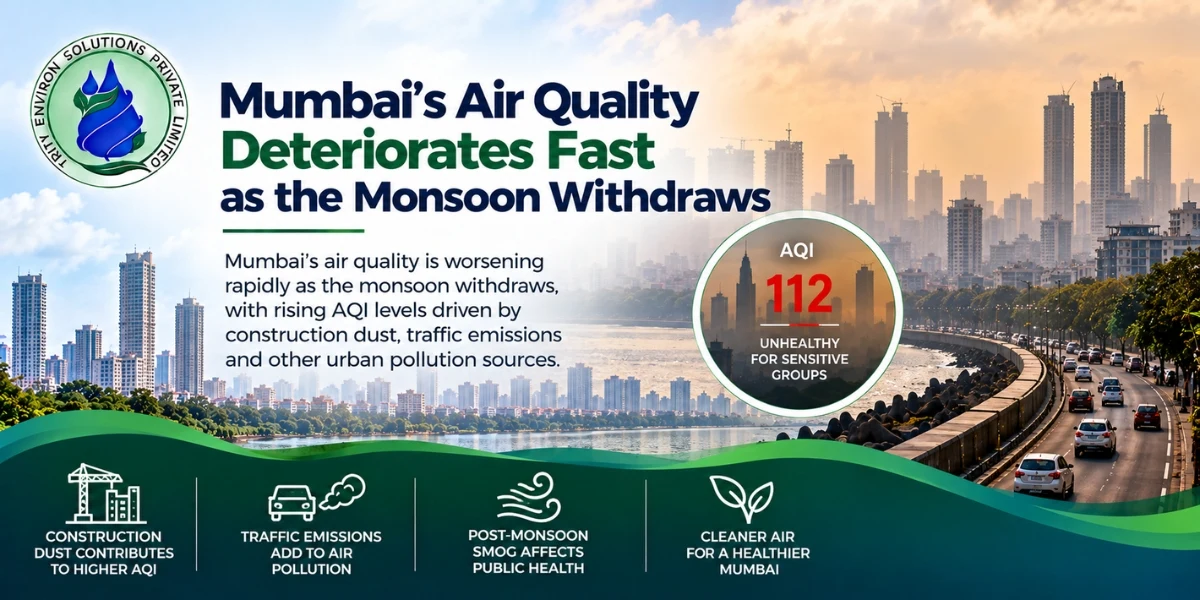
Mumbai's air quality has worsened sharply as the monsoon pulls back, with several areas crossing an AQI of 100 even before winter sets in.
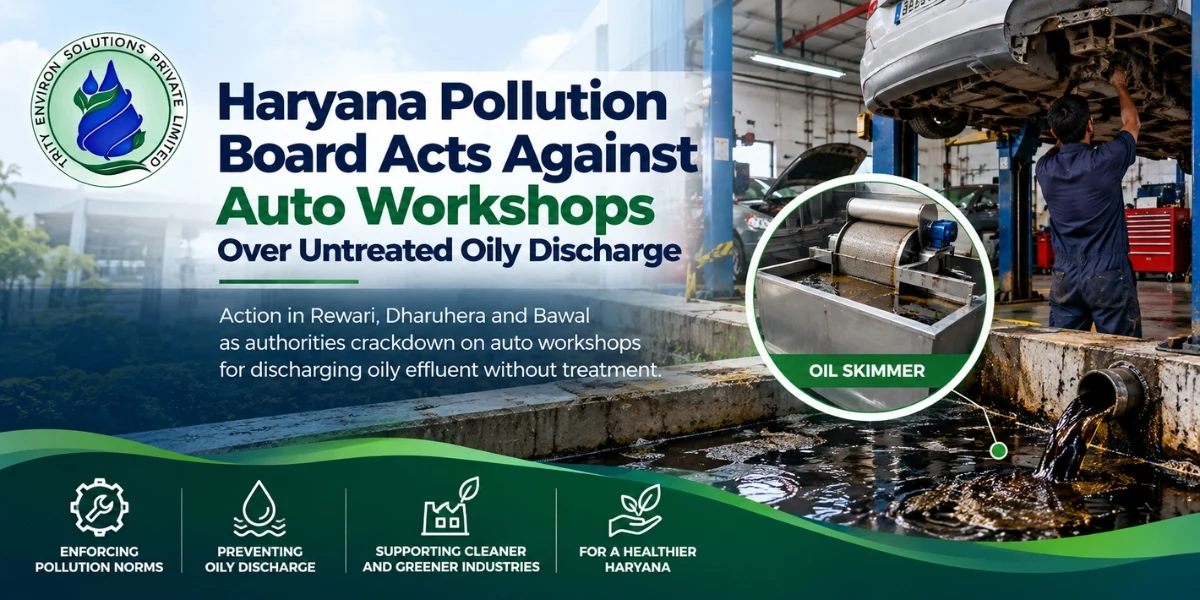
A dozen auto repair workshops across Rewari, Dharuhera and Bawal face regulatory action for letting oily effluent go untreated, as Haryana's pollution board widens its enforcement net.
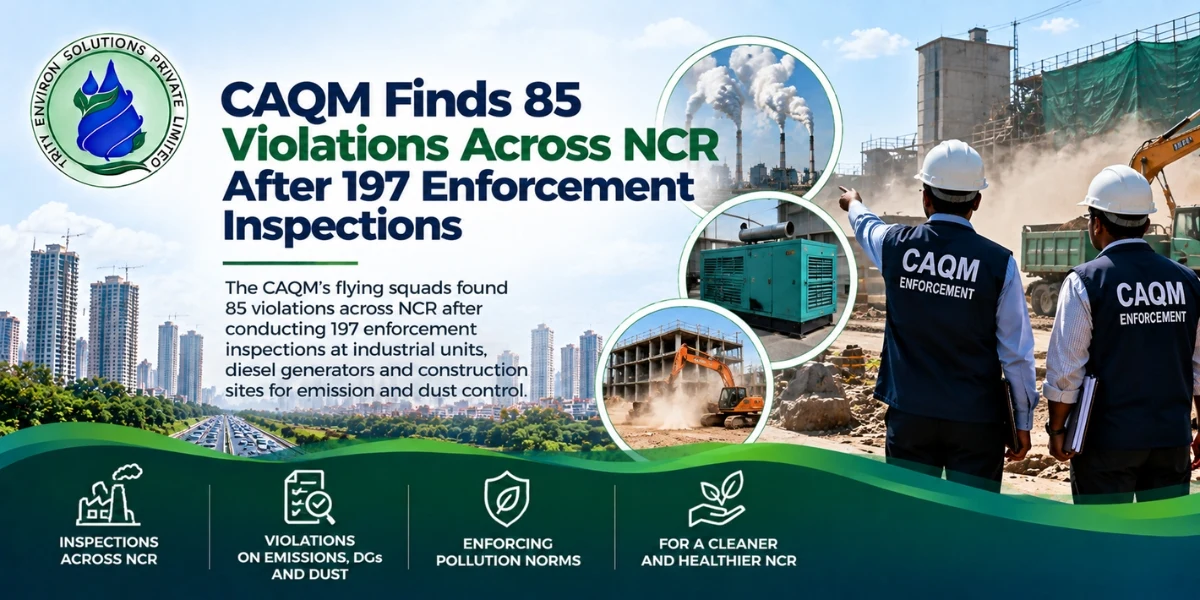
CAQM's latest enforcement sweep covered 197 inspections across NCR in under three weeks, turning up 85 violations across industry, construction and diesel generators.
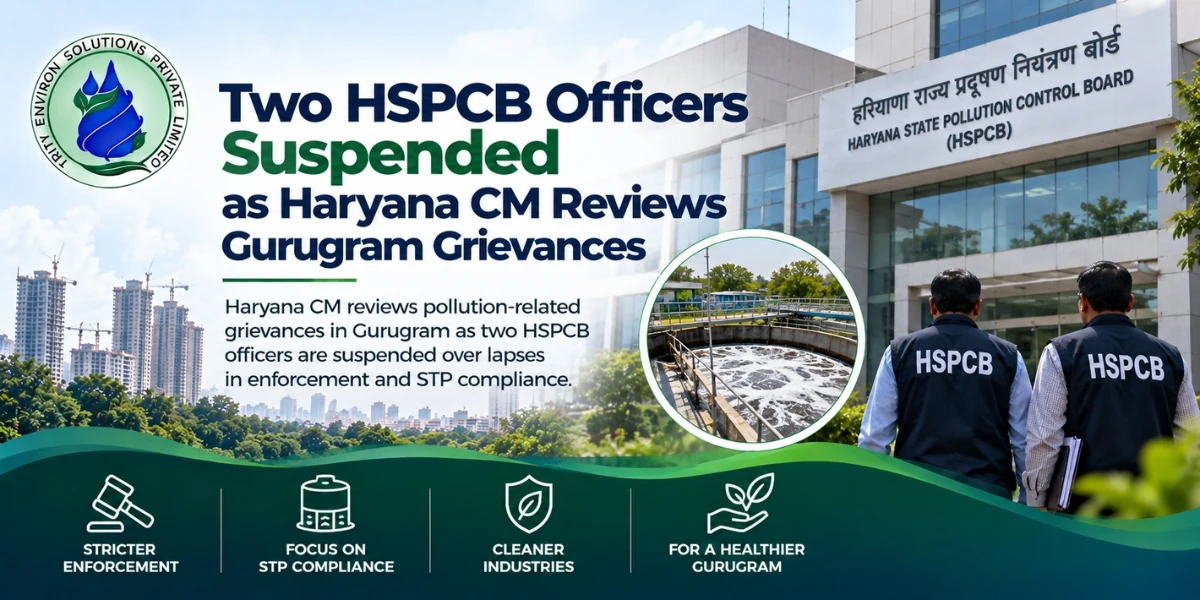
Two HSPCB regional officers in Gurugram have been suspended after Haryana's CM reviewed a string of unresolved resident grievances in the city.
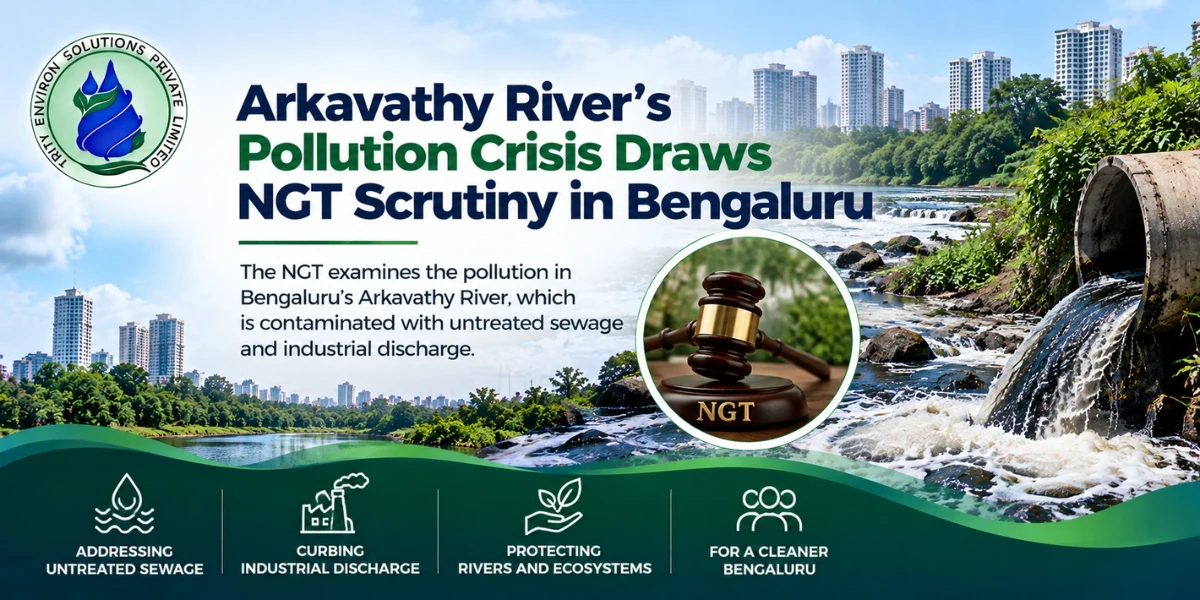
Untreated sewage and industrial discharge are pushing Bengaluru's Arkavathy river deeper into crisis, with the NGT now seeking answers from the state.

RTI records show a Yamunanagar power plant's particulate emissions hit nearly 39 times the legal limit, triggering a ₹31.46 crore penalty from CPCB.
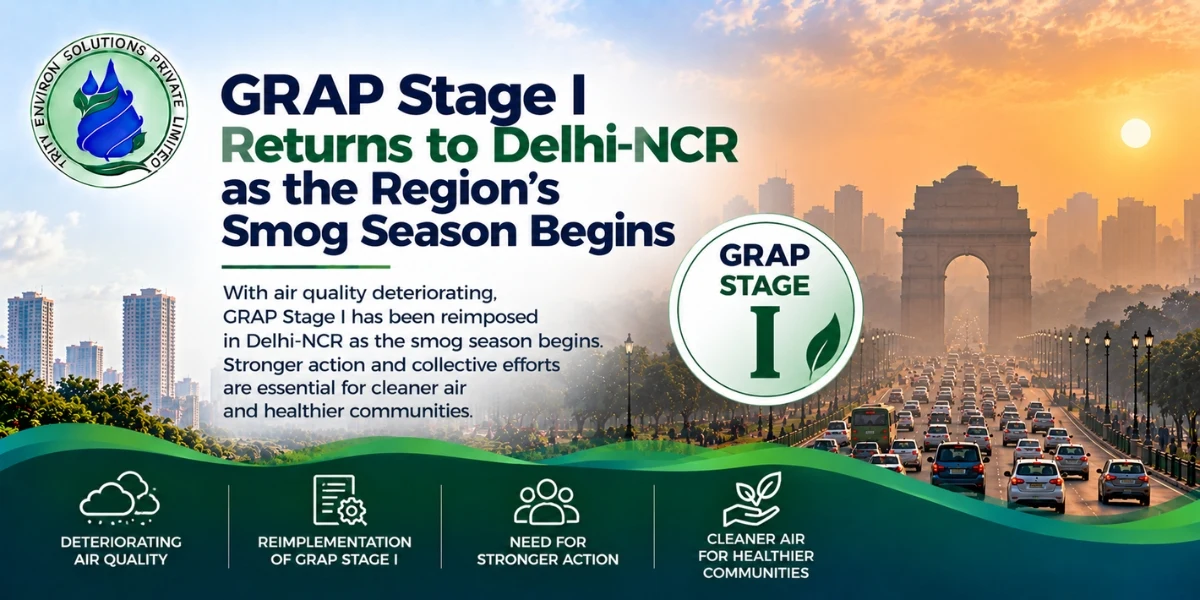
Delhi-NCR's graded pollution response plan is active again from October 1, bringing back vehicle, construction and fuel restrictions for the smog season ahead.
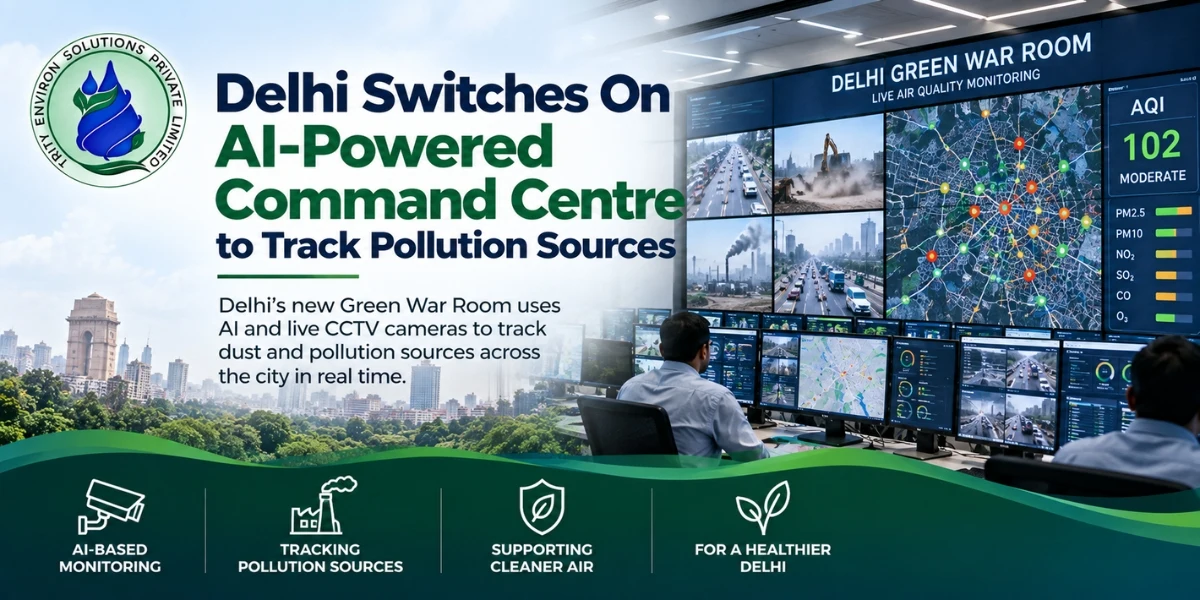
Delhi's new command centre uses AI and live camera feeds to track pollution sources at over 700 sites across the city, around the clock.
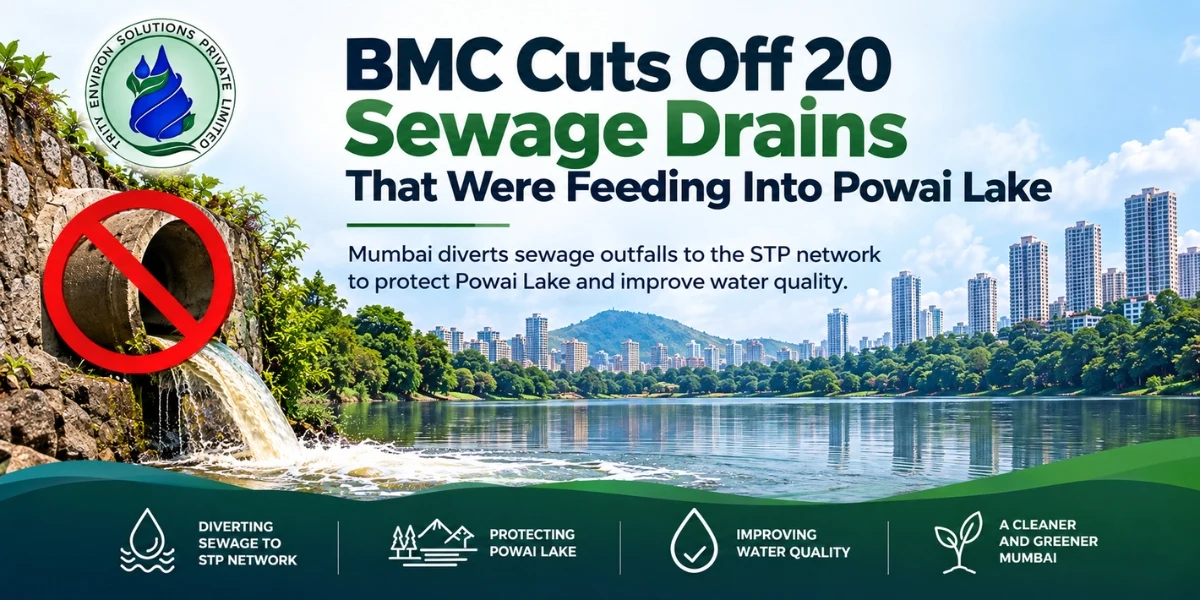
Mumbai's civic body has cut off 20 sewage outfalls that were draining untreated waste into Powai Lake, rerouting the flow to treatment plants instead.
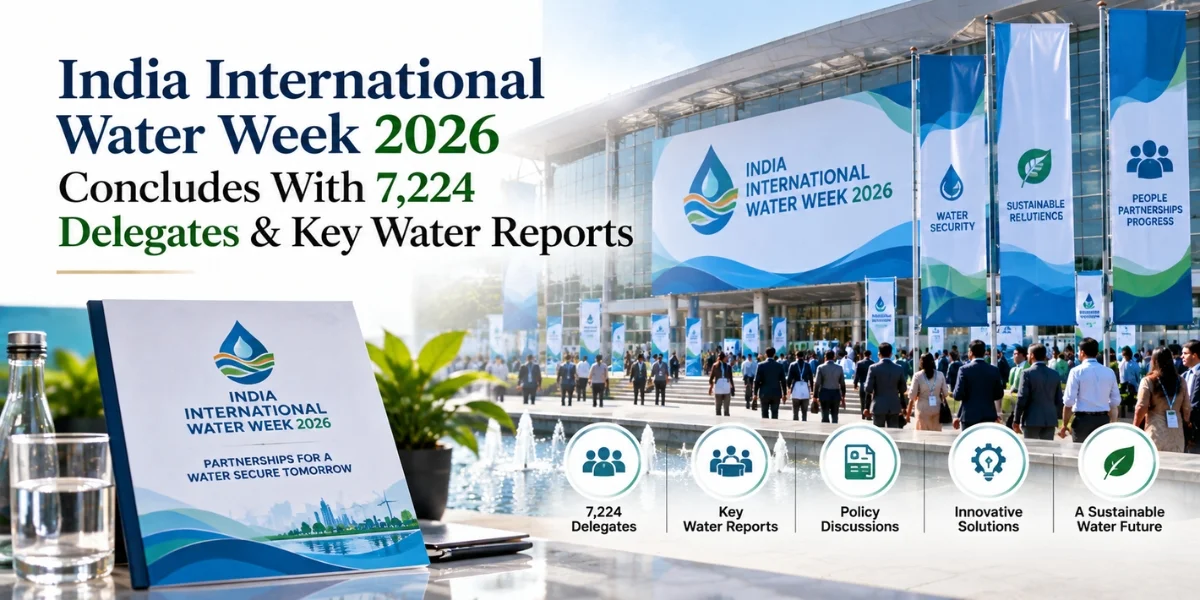
The 9th India International Water Week (IIWW) 2026 wrapped up its main deliberations with a Valedictory Session on September 25 at Bharat Mandapam, New Delhi, closing out a four-day conference that drew 7,224 delegates, 227 exhibitors and 119 research paper presentations under the theme

Here's a sentence you don't get to write often in a wastewater industry publication: scientists have made concrete stronger by mixing in human waste, and the data actually backs it up. A team led by civil engineer Raghuvesh Tiwari at Manipal University Jaipur has shown that biochar made from treated fecal sludge, when used to partially replace cement, can increase concrete's compressive strength by up to 21 percent and its flexural strength by as much as 42 percent. The study, accepted for publication in the journal Scientific Reports, was published September 5, 2026.
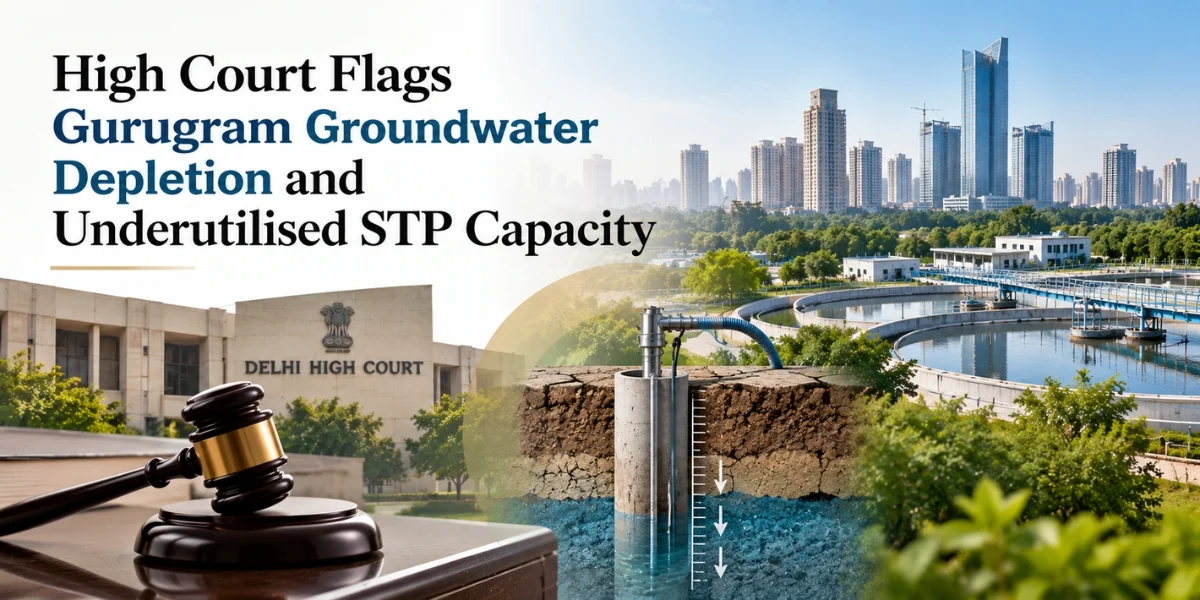
There's a genuinely strange thing happening in Gurugram: the city is running out of groundwater and sitting on sewage-treatment capacity it isn't fully using, at the same time. The Punjab and Haryana High Court put this contradiction on the record on September 26, 2026, in a case over groundwater preservation in Gurugram's municipal limits, and the court's framing is worth taking seriously, because it reframes what looks like two separate problems as one connected failure.
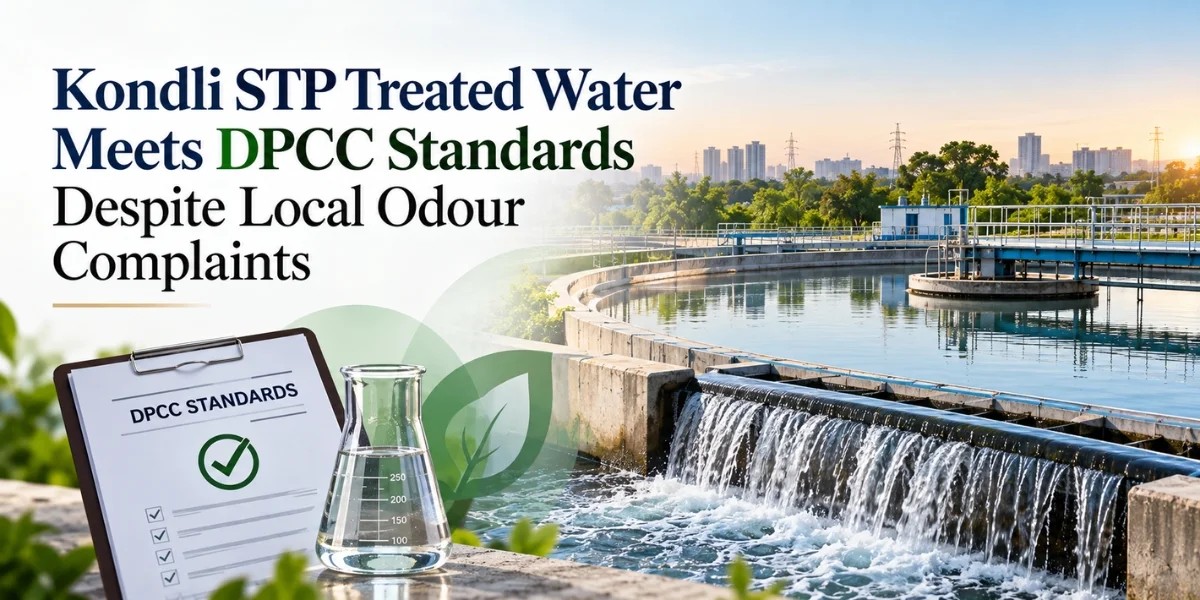
Residents near Kondli have been complaining about a foul smell coming from the area's sewage treatment plant cluster, but according to the Delhi Pollution Control Committee's (DPCC) own laboratory testing, the treated water itself is meeting prescribed standards. The inspection, reported on September 26, 2026, found the odour complaint technically baseless as far as effluent quality is concerned, which is a more nuanced outcome than either
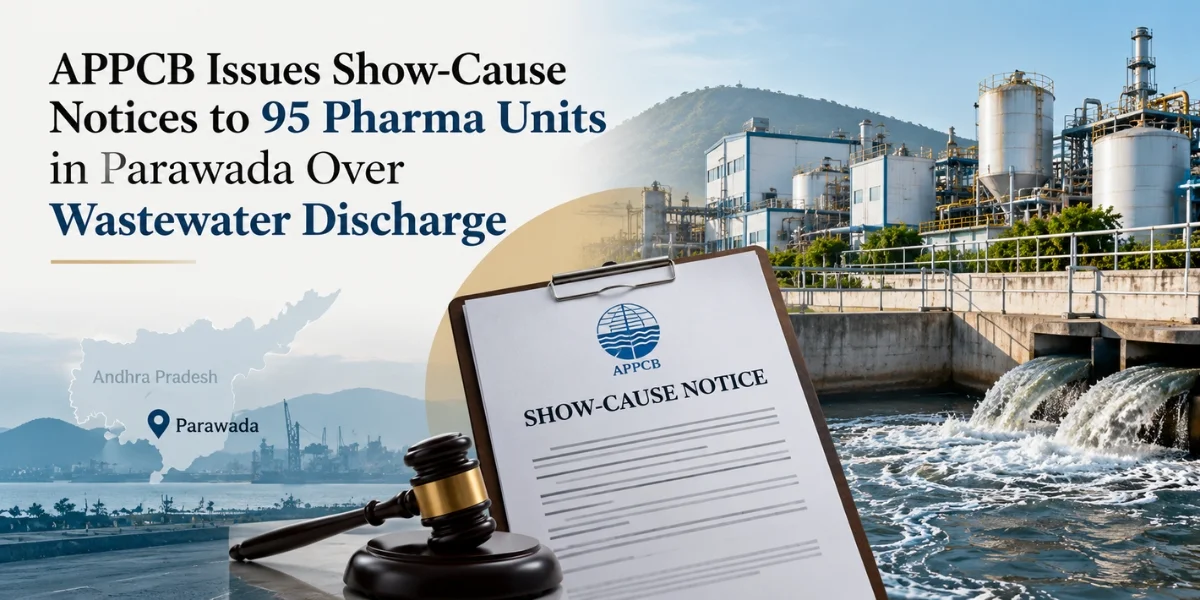
It started, as a lot of pollution stories now do, with a phone video. Someone posted footage of black, foul-smelling water flowing near Parawada JN Pharma City on Instagram last Friday, and within days the Andhra Pradesh Pollution Control Board (APPCB) had served show-cause notices to 95 industries operating in the area, one of the state's largest pharmaceutical manufacturing clusters.
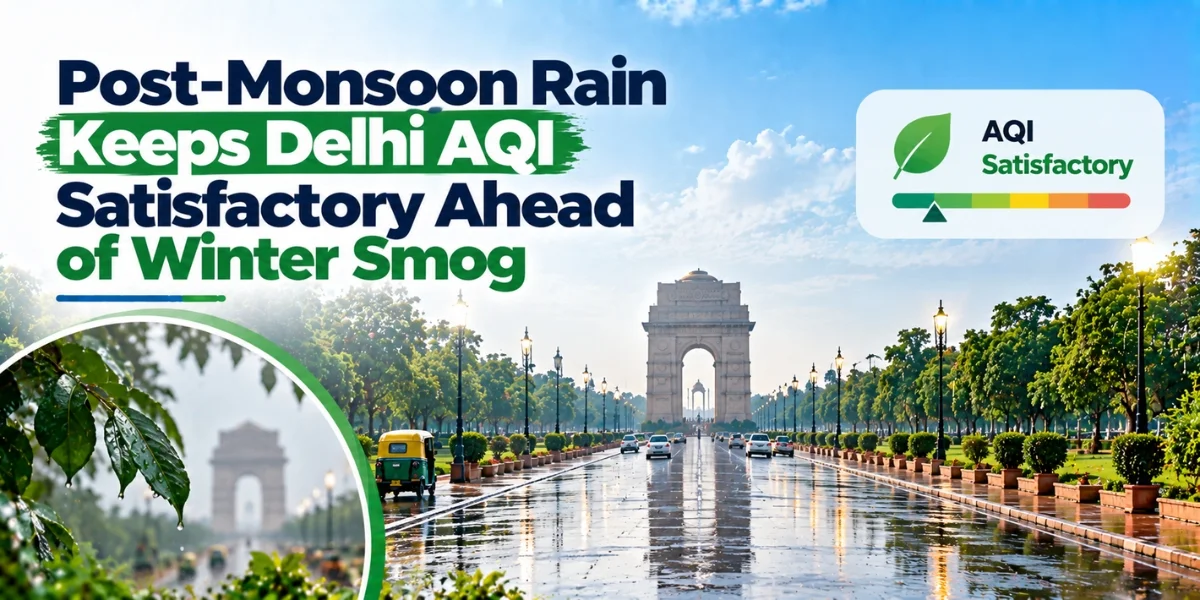
Late September rains keep Delhi-NCR air quality in the satisfactory range, though early monsoon exit shifts focus to winter pollution and GRAP compliance.
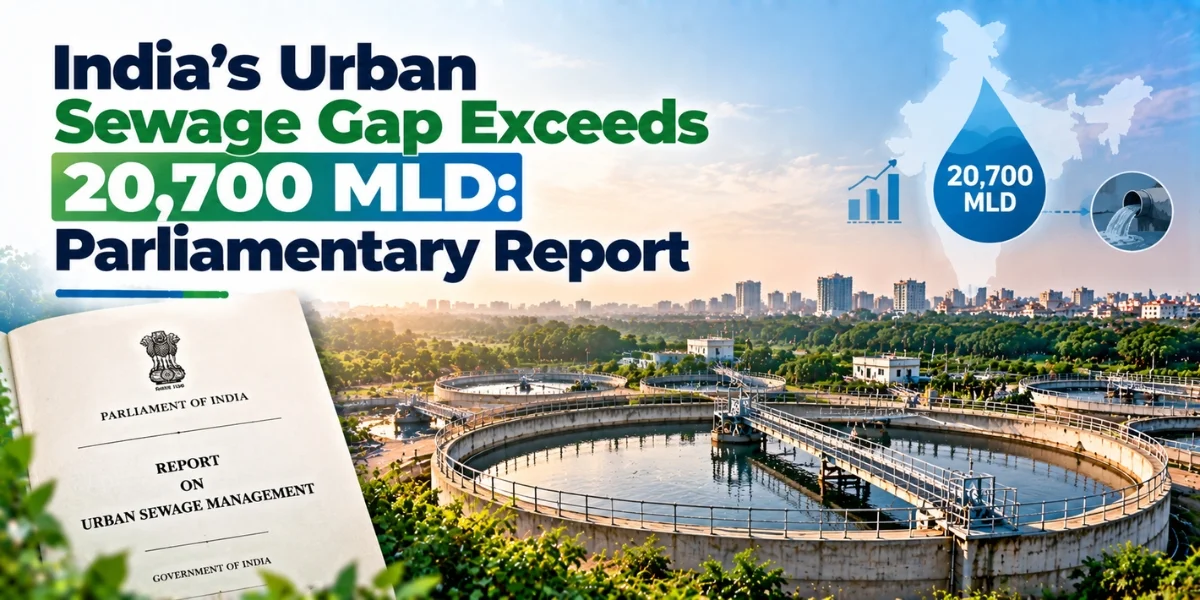
Parliamentary panel reveals India's cities generate 52,644 MLD of sewage against 31,885 MLD capacity, leaving a treatment deficit of over 20,700 MLD.

Ahead of Simhastha Kumbh 2027, Nashik builds 4 new STPs with 486 MLD capacity, a 211 km sewer network, and river interception to clean the Godavari.

An IIT Roorkee study reveals antibiotic resistance genes in Dehradun's Bindal and Rispana rivers surge up to 1,000x during monsoon sewage runoff.
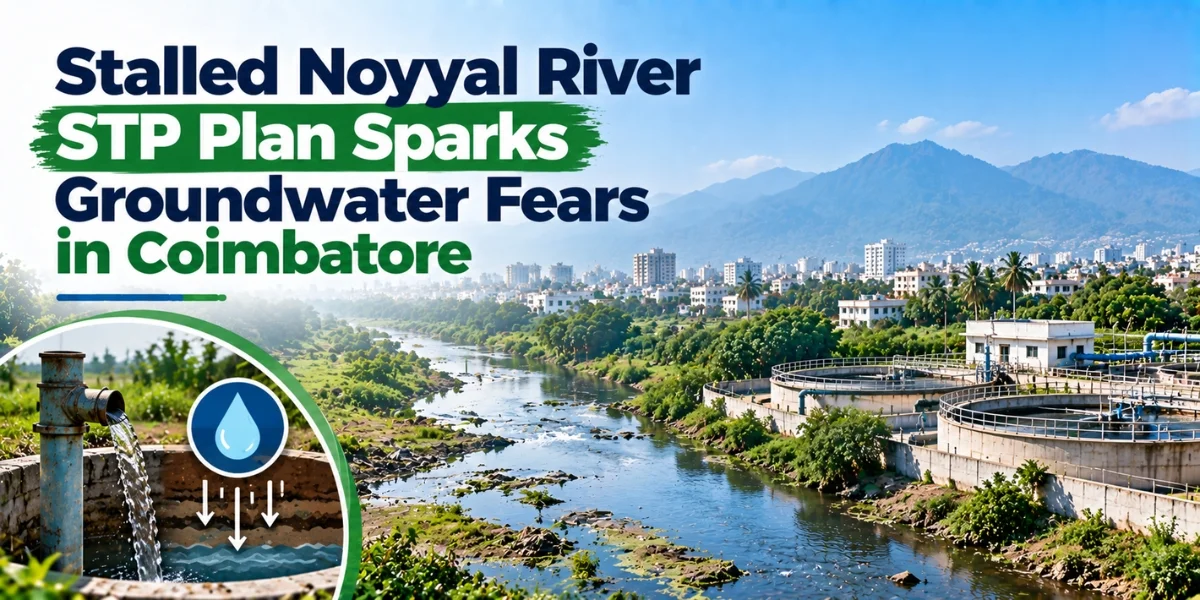
Two years after approval, Coimbatore's Noyyal River STP project remains stalled at DPR stage, raising groundwater pollution concerns among local farmers.

Karnataka expands BWSSB limits across Bengaluru Urban district and approves 9 new STPs adding 475 MLD treatment capacity to tackle urban sewage gaps.
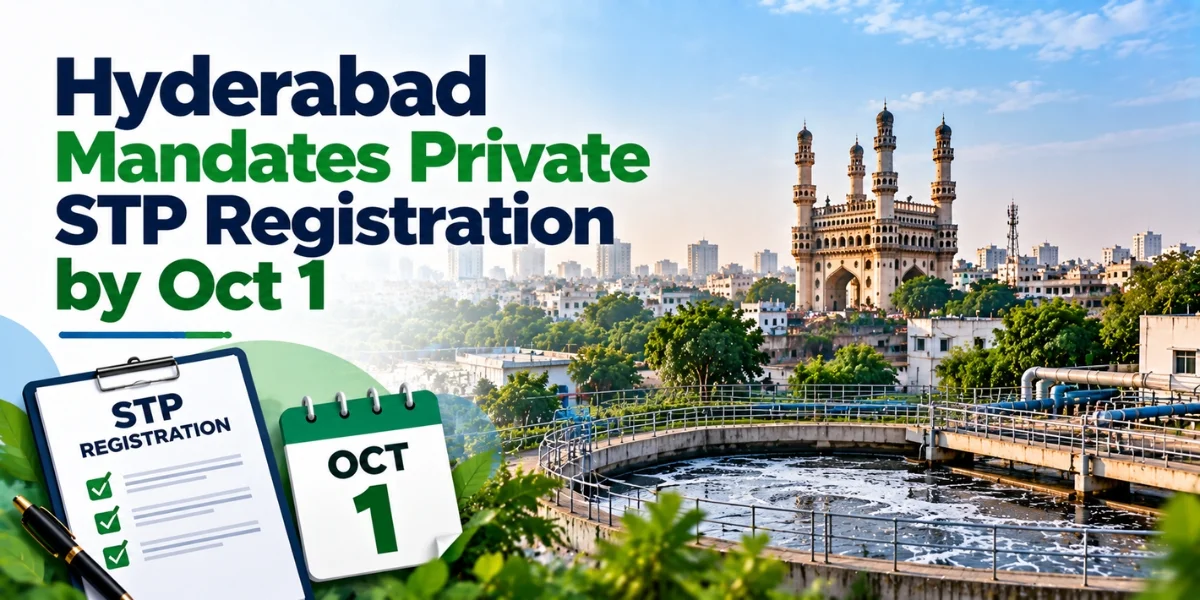
HMWSSB has asked all private STPs in Hyderabad to register by October 1, building a database of certified treated-wastewater suppliers.

Five Idukki establishments, including a tea factory and hotel, were fined ₹1.08 lakh for discharging wastewater and violating waste-management rules.

Nashik Municipal Corporation has proposed a ₹431 crore plan to replace 266 km of ageing sewer lines in CIDCO ahead of the Simhastha Kumbh Mela.

Gautam Budh Nagar and Ghaziabad face major sewage treatment gaps under the Yamuna Action Plan, with UP given until January 2028 to close them.

A DJB report shows 1.65 million Delhi households, 41.3% of the city, still lack sewer connections, mainly in unauthorised colonies and slums.
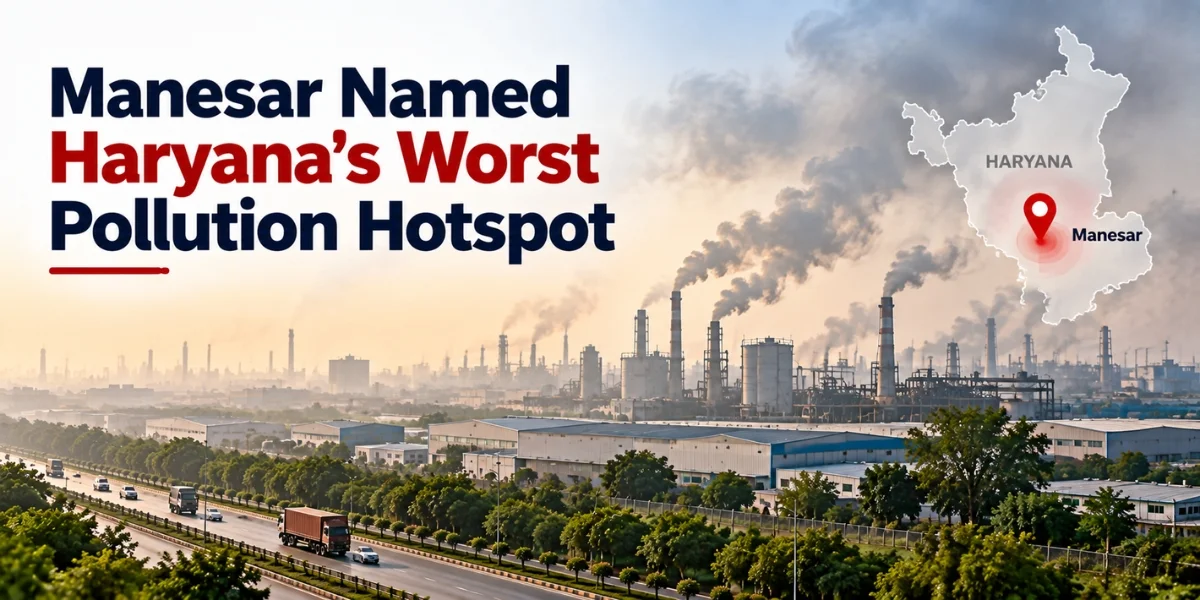
A 2026 HSPCB survey found Manesar to be Haryana's worst air pollution hotspot, with 470 of nearly 2,912 surveyed industrial units non-compliant.

New 2026 research from IIT Roorkee and a Yamuna sediment study link untreated wastewater and monsoon runoff to rising antibiotic resistance genes in Indian rivers.
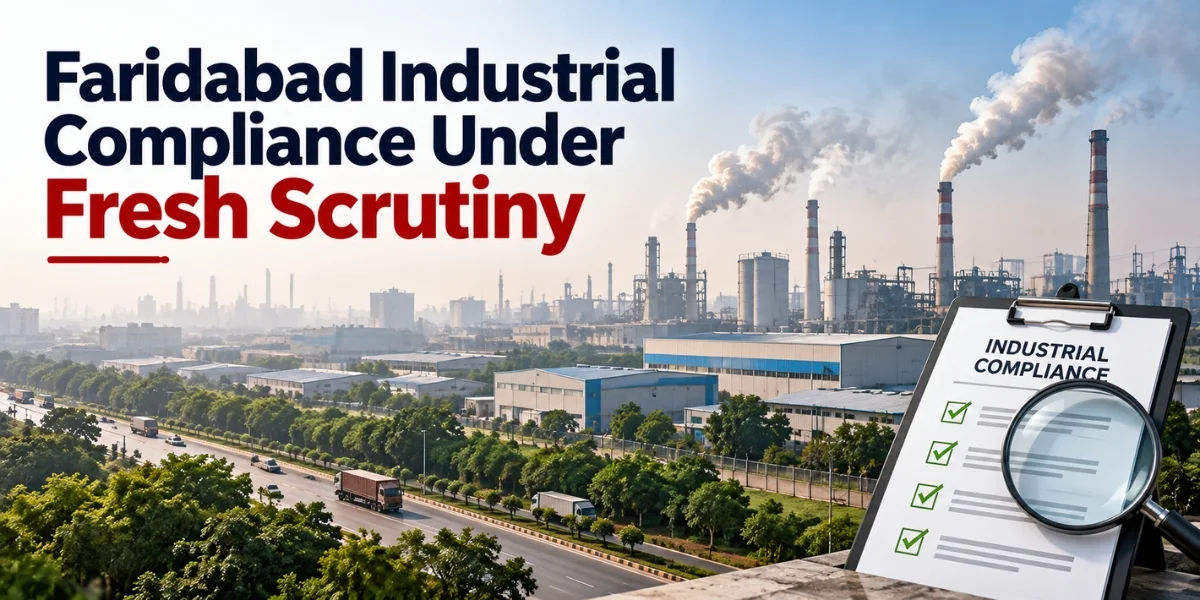
Enforcement drives across NCR, including Faridabad, have inspected tens of thousands of industrial units in 2026, with closures for units lacking ETPs or emission controls.
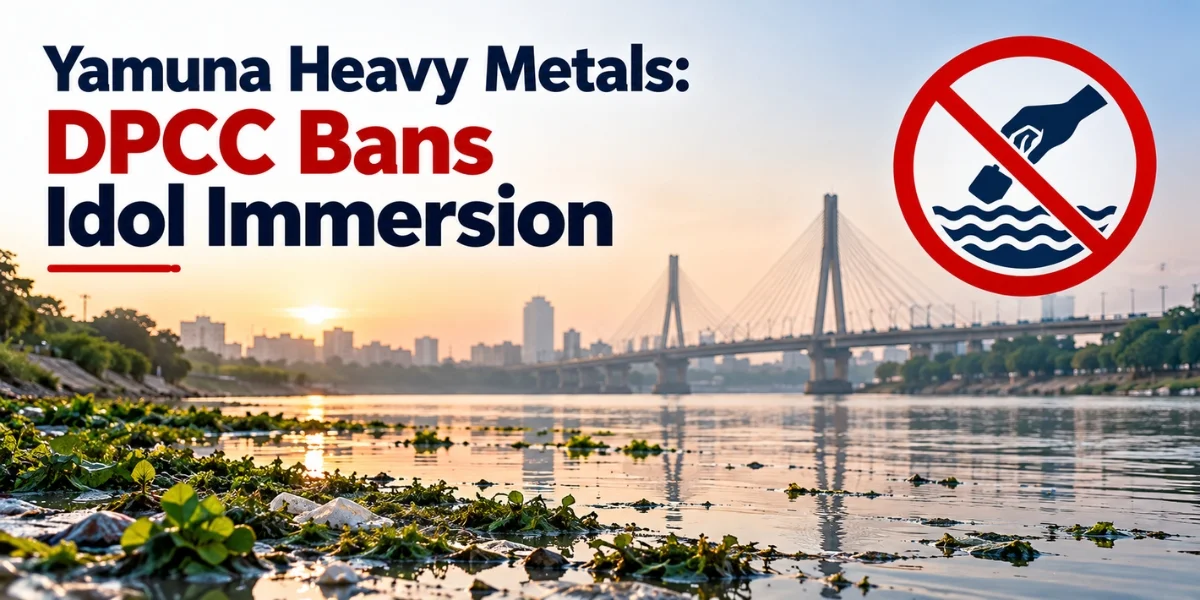
DPCC has banned idol immersion in the Yamuna and other water bodies this festive season, citing mercury, chromium, lead and cadmium contamination risks.

AI-assisted predictive maintenance is being adopted across wastewater plants to cut equipment failures, energy use and unplanned downtime in 2026.

Delhi Jal Board has approved a nearly 989 km sewer network expansion and long-term maintenance reform to connect unsewered colonies and villages.
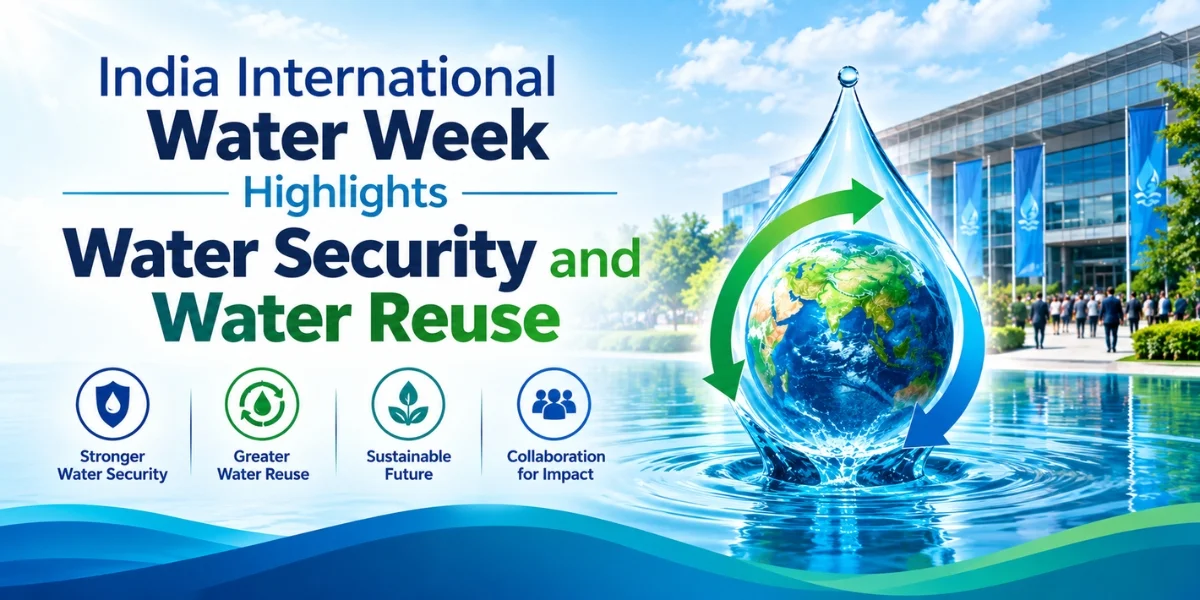
The 9th India International Water Week 2026, inaugurated at Bharat Mandapam, is putting water security, reuse and climate-resilient management centre stage.
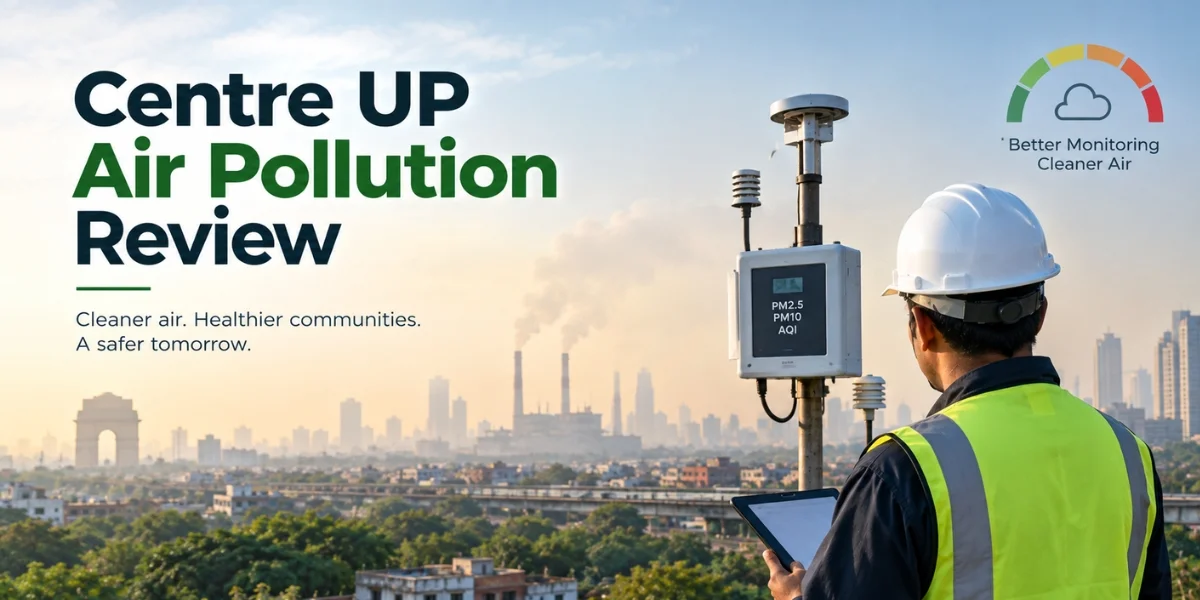
Union Minister Bhupender Yadav and UP CM Yogi Adityanath reviewed air pollution control measures for Delhi-NCR on September 18, 2026, ahead of winter.
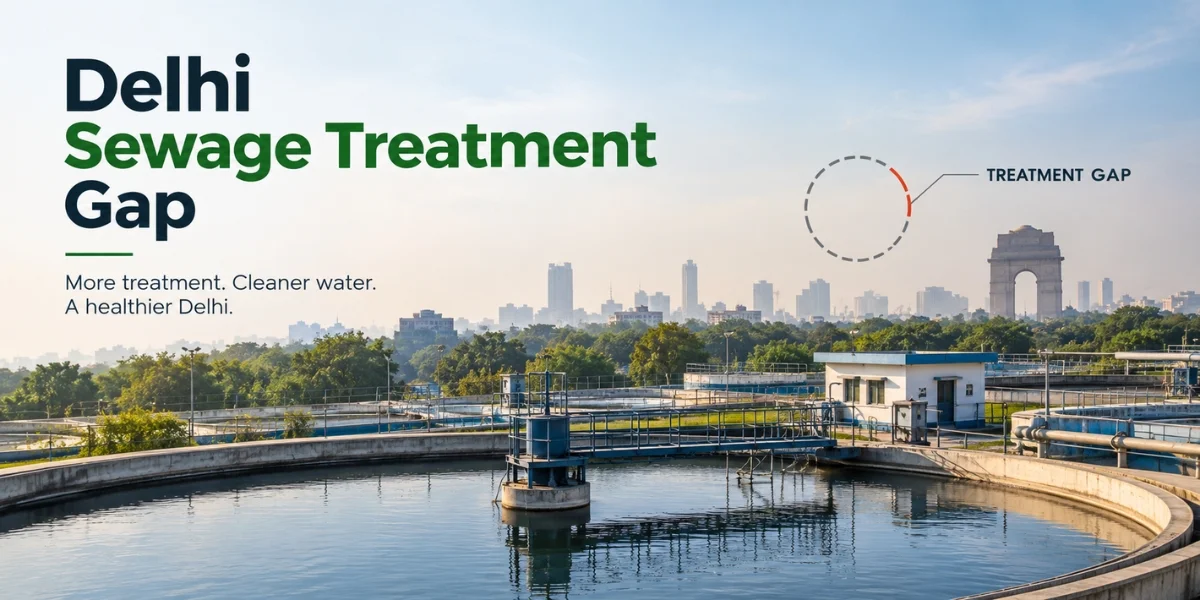
Delhi's sewage treatment capacity has lagged generation by roughly 249 MGD in recent years. Here's the latest on the gap and DJB's plan to close it.
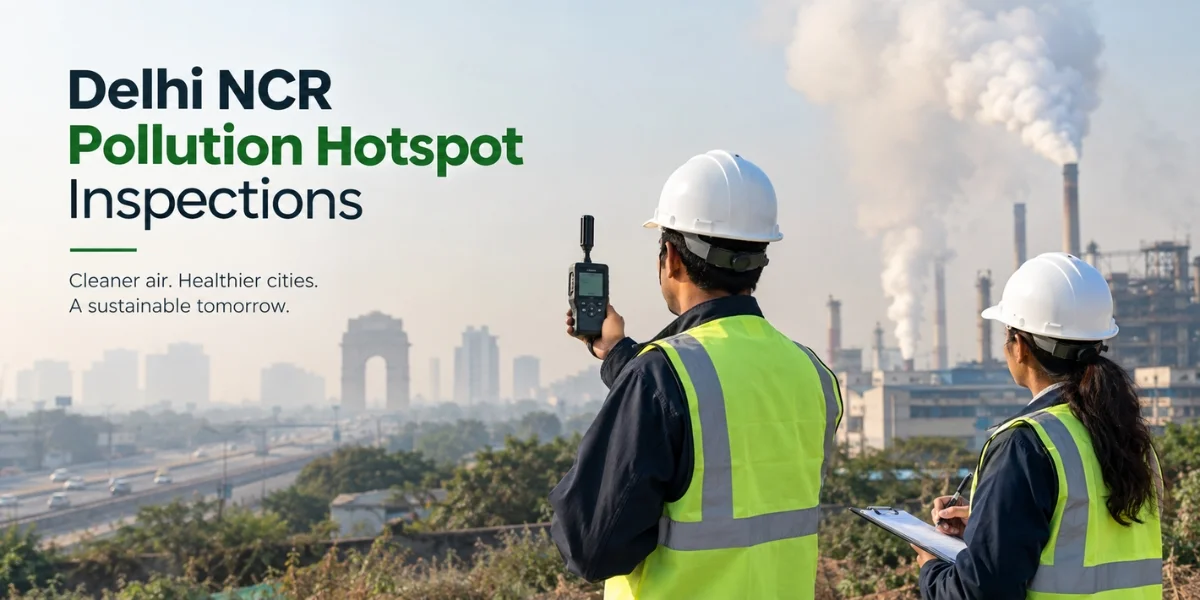
Delhi and neighbouring NCR states have stepped up pollution hotspot inspections ahead of winter 2026-27, with dedicated teams and CAQM enforcement drives.
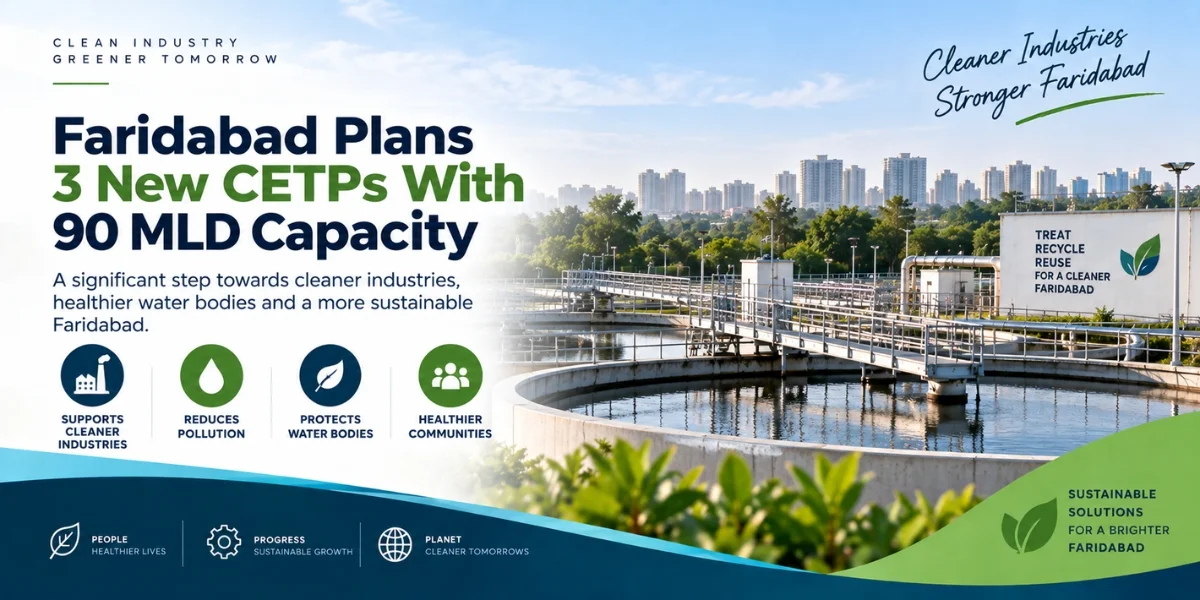
Faridabad is planning three new CETPs at Pratapgarh, Mirzapur and Badshahpur with 90 MLD combined capacity to treat industrial wastewater before it reaches the Yamuna.
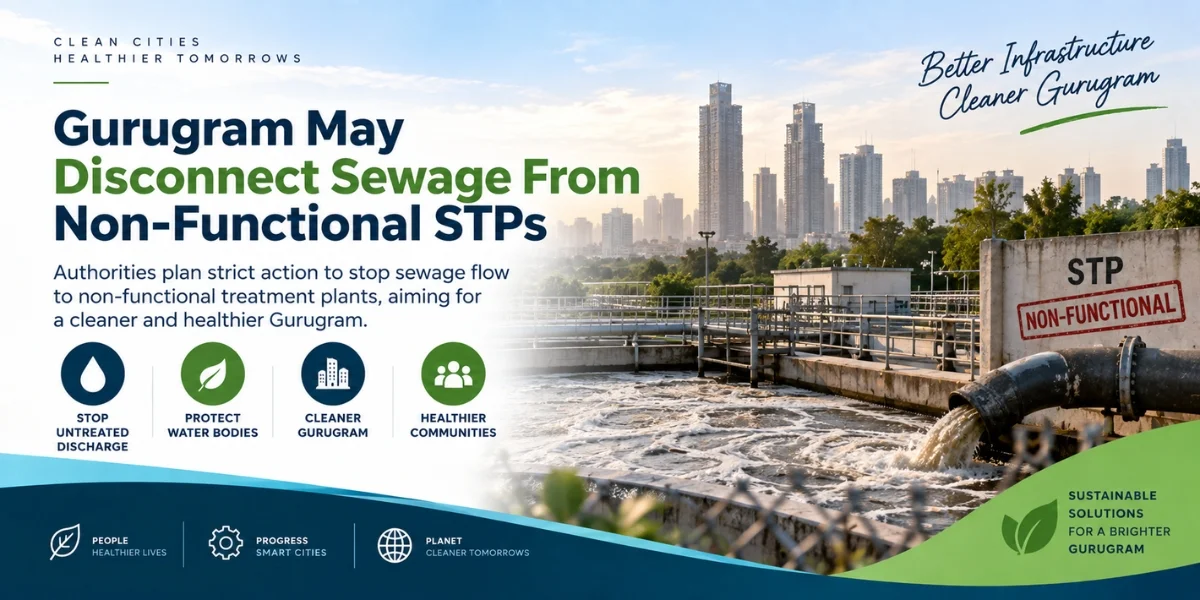
GMDA has directed action against non-functional sewage treatment plants in Gurugram, warning of possible sewer disconnection and HSPCB penalties for non-compliance.
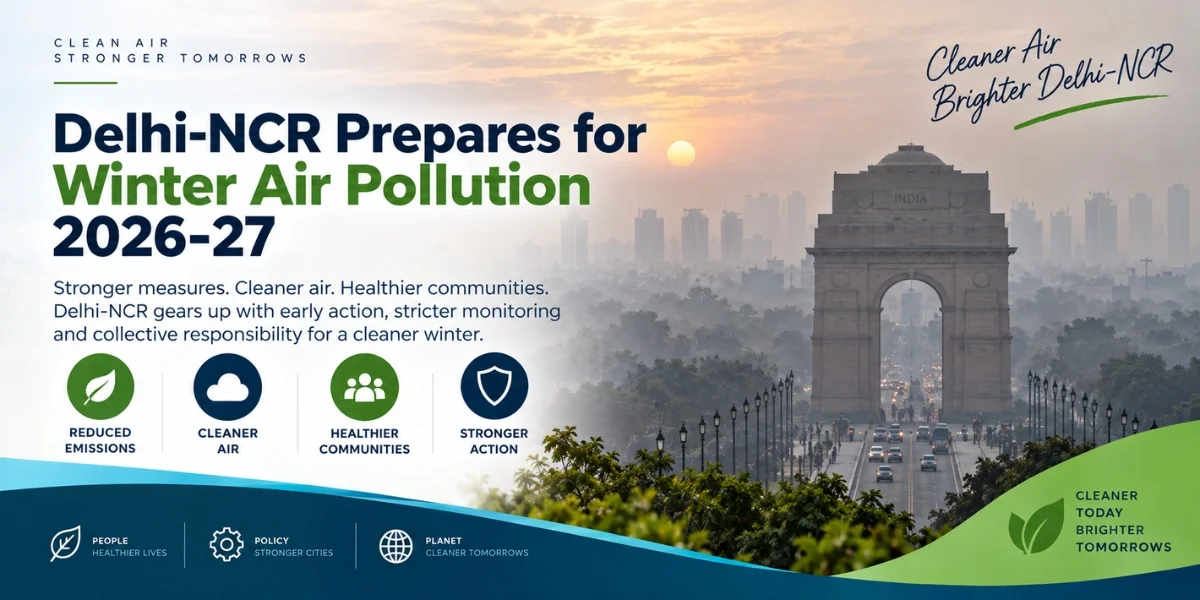
Delhi-NCR authorities have finalised a winter 2026-27 air pollution action plan, with ward-level teams, GRAP enforcement and industrial monitoring underway.
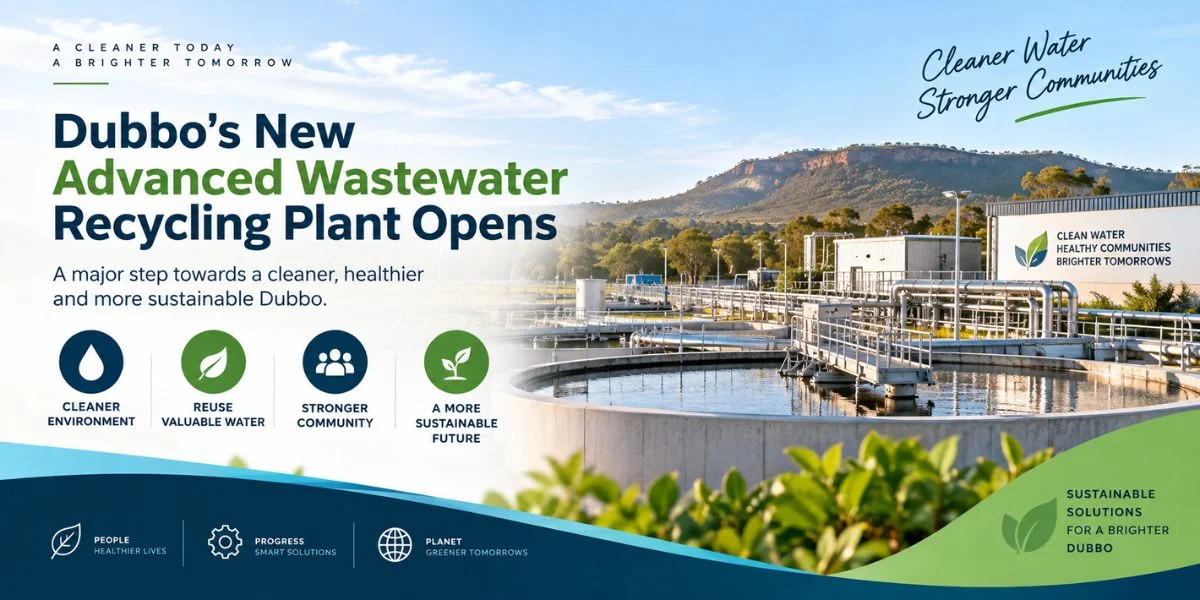
A new $7.8 million advanced wastewater recycling plant has opened in Dubbo, NSW, built to treat up to 700 megalitres of water a year for regional water security.
The National Green Tribunal has directed a five-member committee to examine allegations of unscientific e-waste disposal in Bhopal, with an action-taken report due in four weeks and the next hearing set for October 1, 2026.
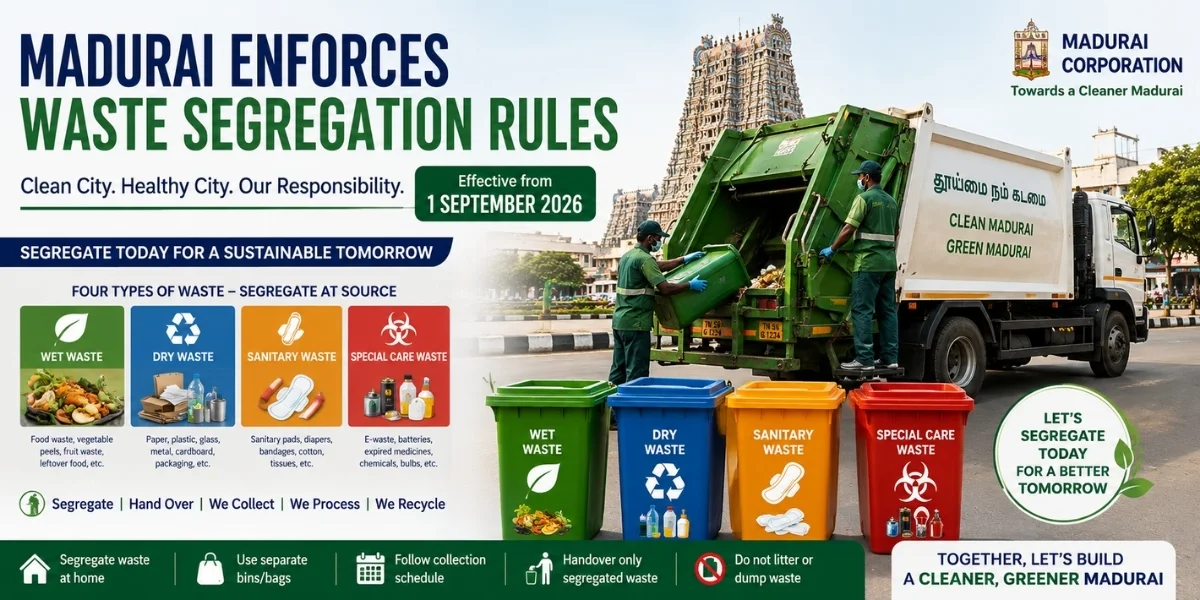
Madurai Corporation is enforcing source segregation of household and commercial waste from September 1, 2026, as part of the city's push under the national Solid Waste Management Rules, 2026.
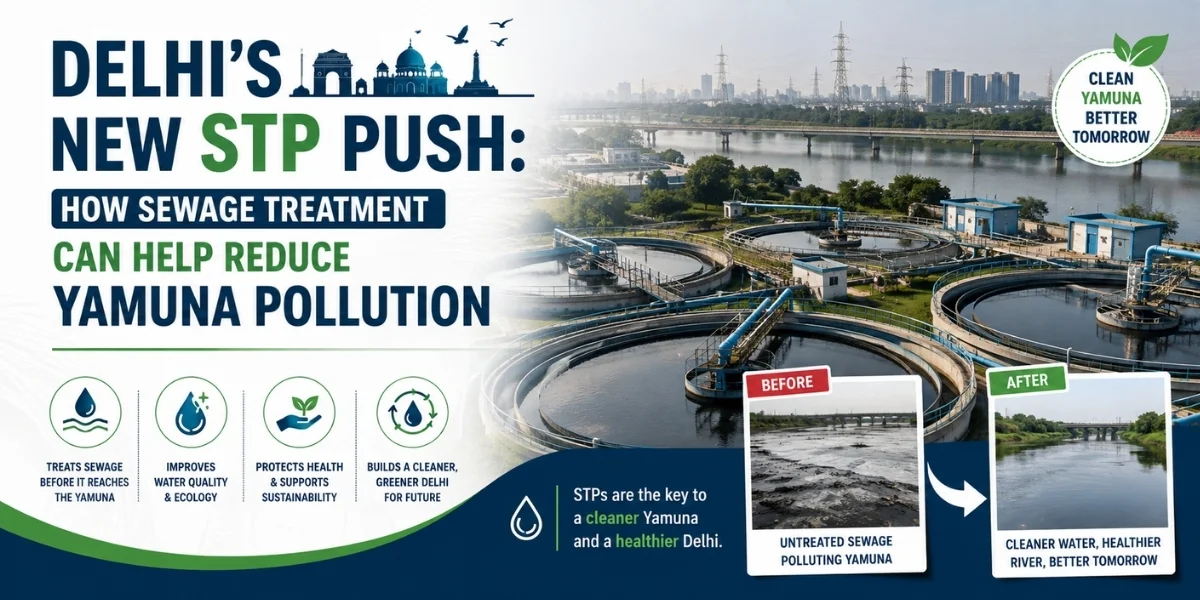
Delhi Jal Board has cleared a Rs 4,500 crore plan for 15 new sewage treatment plants and nearly 989 km of sewer lines, aimed at stopping untreated sewage from reaching the Yamuna.
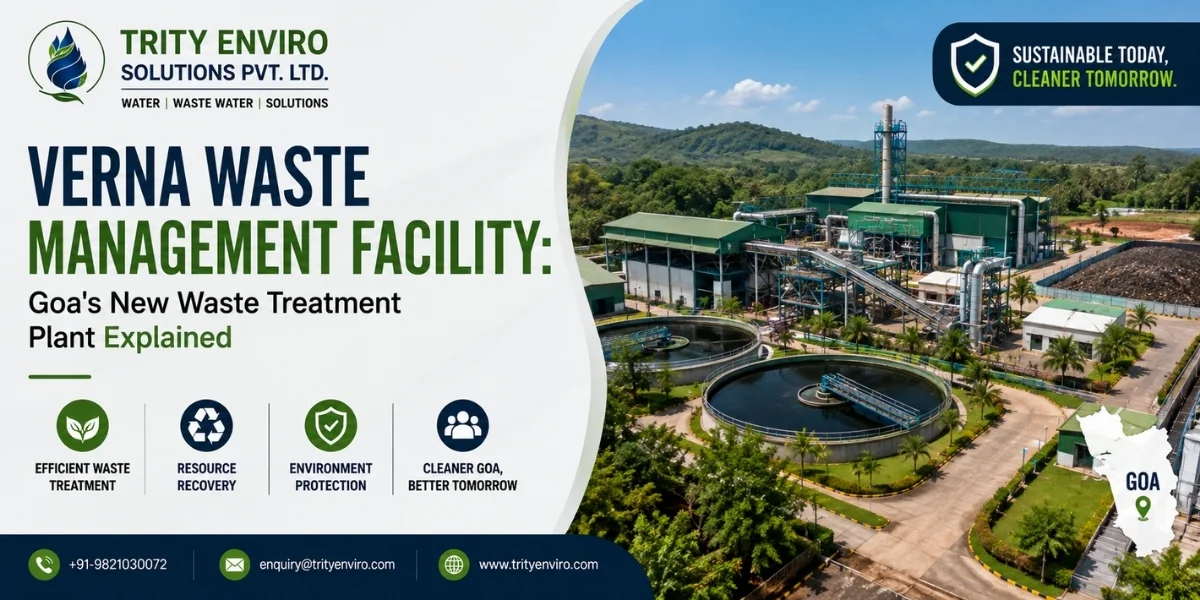
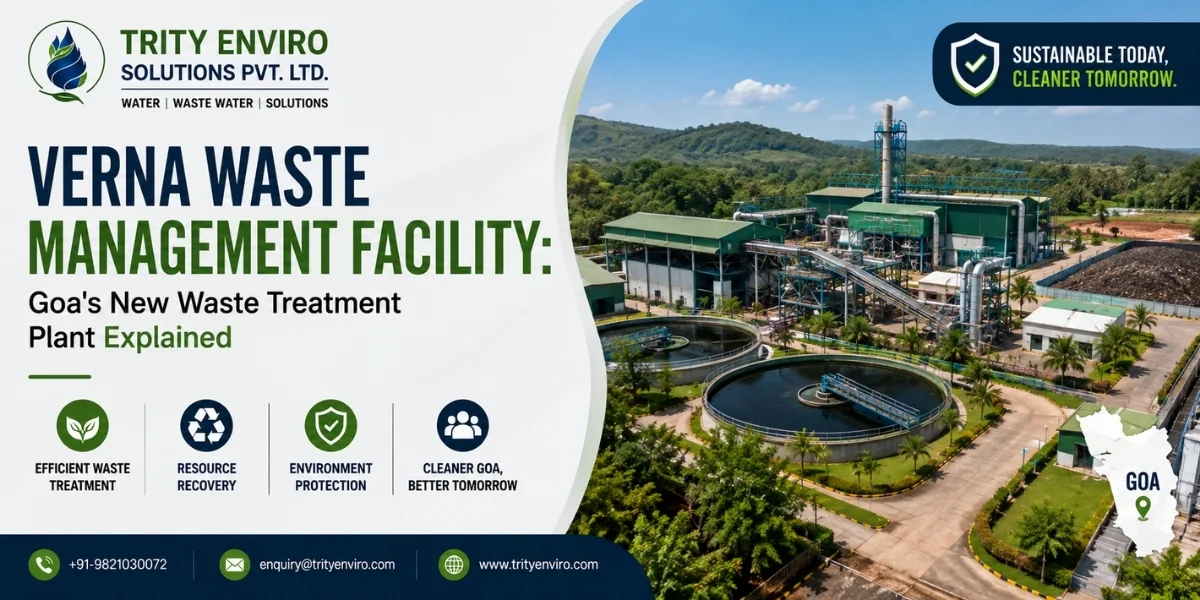
Goa's Verna Industrial Estate now has a new 250-tonne-per-day integrated waste facility, designed to treat wet and dry waste separately and turn it into compost, recyclables, and RDF for the Mormugao and Salcete belt.

Discover the alarming reality behind the rapid depletion of water reserves in Southern India in 2023. Explore the causes, consequences, and urgent need for sustainable solutions to combat this pressing environmental challenge.
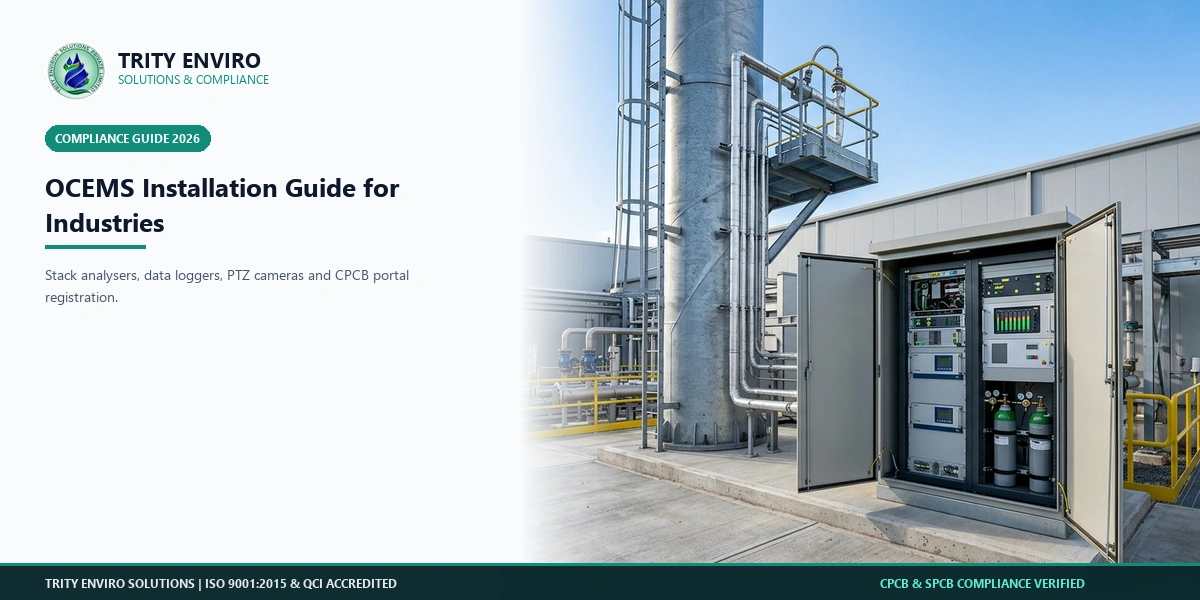
Learn who needs OCEMS, how analysers, data loggers, PTZ cameras and the CPCB portal work together, plus calibration, uptime and vendor selection tips.

Learn how economic valuation of wastewater works in India, from CPCB-driven ZLD mandates to replacement cost and shadow pricing methods for industries.

Explore how modern wastewater treatment plants contribute to urban sustainability, water reuse, pollution reduction, and climate change mitigation for greener cities.
Connect with our technical engineering team for CPCB/SPCB compliant sewage, effluent, and industrial water treatment projects.












