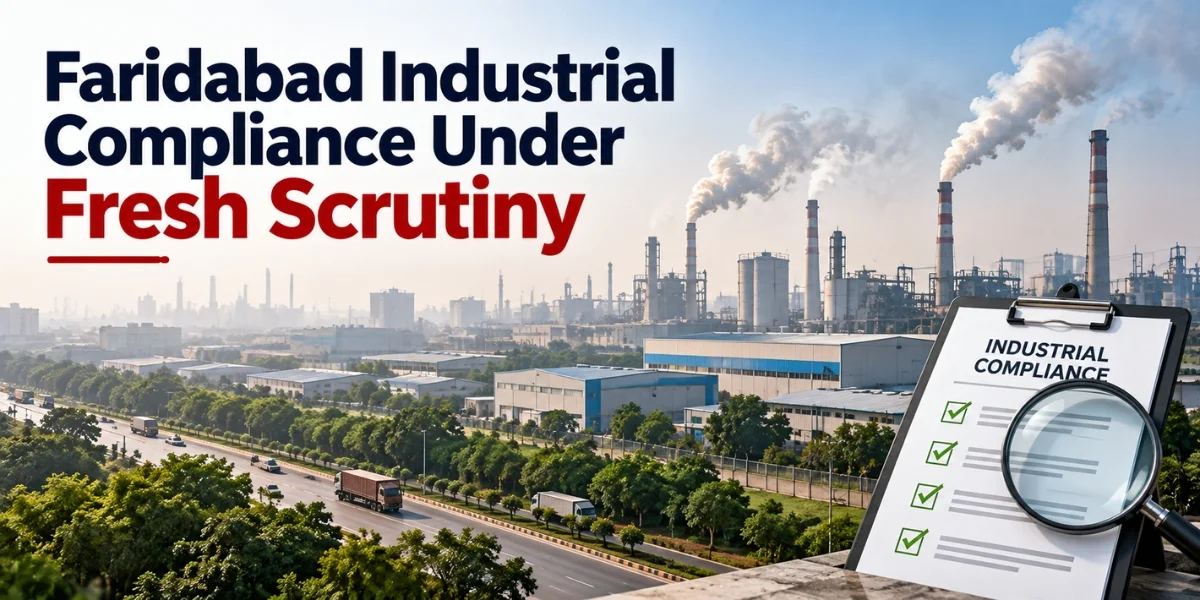
Industrial compliance enforcement across Faridabad remains an active focus for regulators in 2026, with the Haryana State Pollution Control Board (HSPCB) and the Commission for Air Quality Management (CAQM) continuing inspection drives targeting units without functioning effluent treatment or emission-control systems. CAQM's Enforcement Task Force reported 98 industrial-sector inspections across the National Capital Region in just a two-week period between August 24 and September 7, 2026, as part of an ongoing, region-wide compliance push that includes Faridabad.
A Recurring Compliance Gap
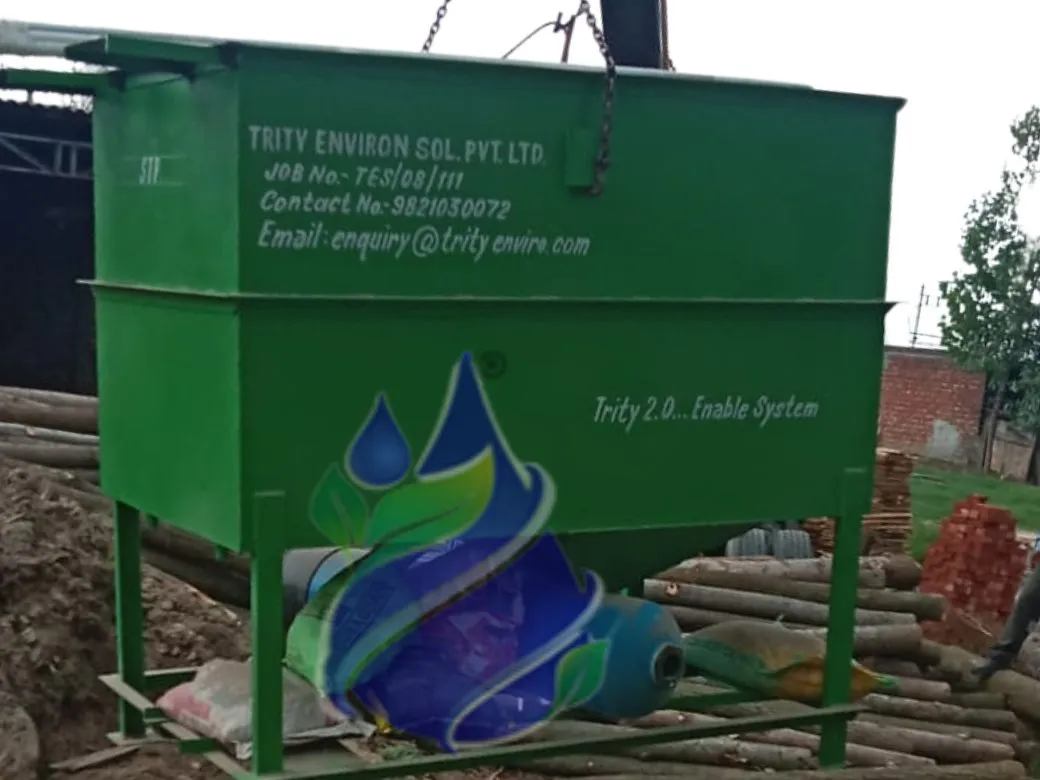
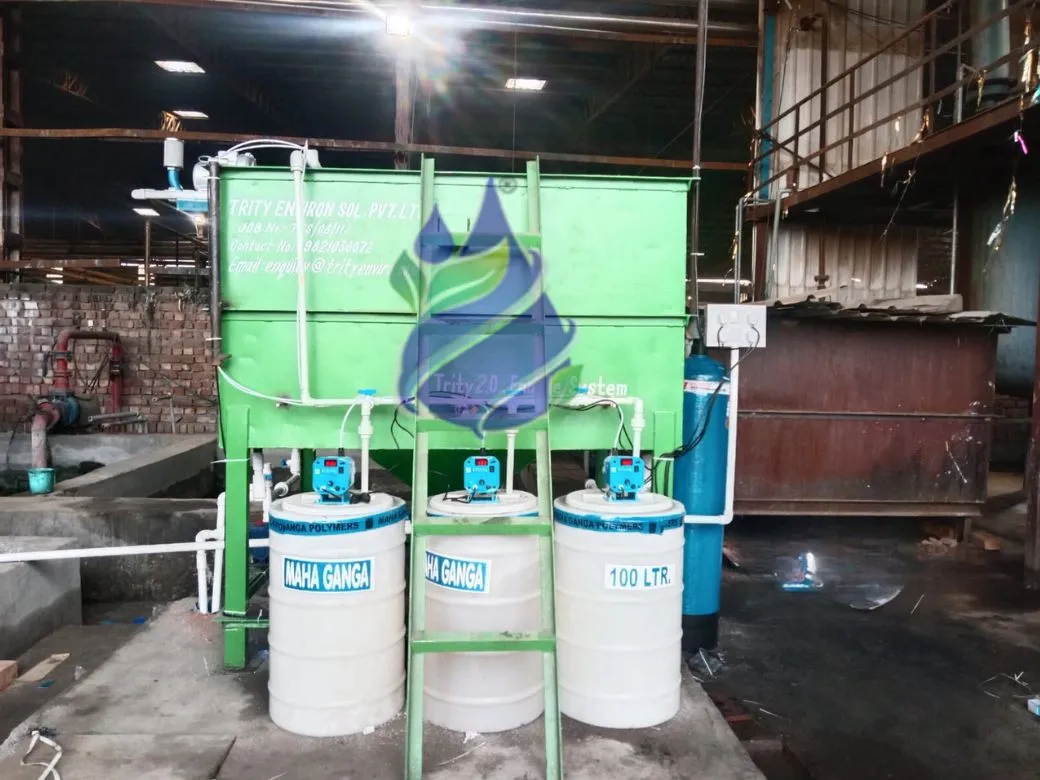
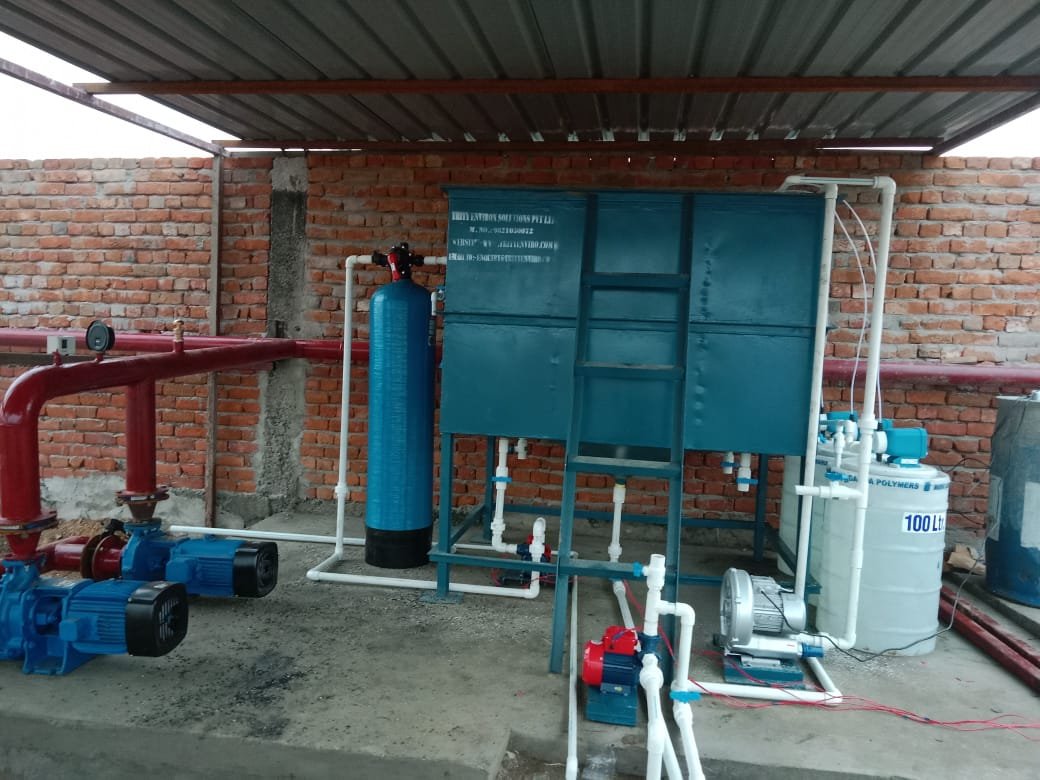
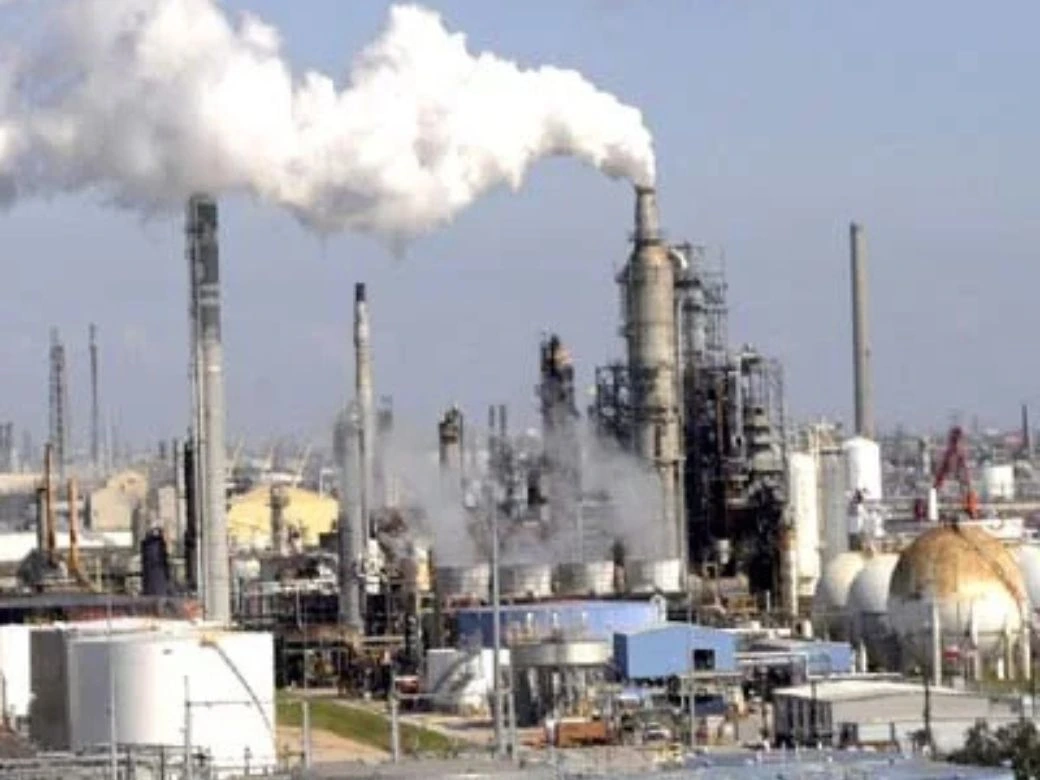
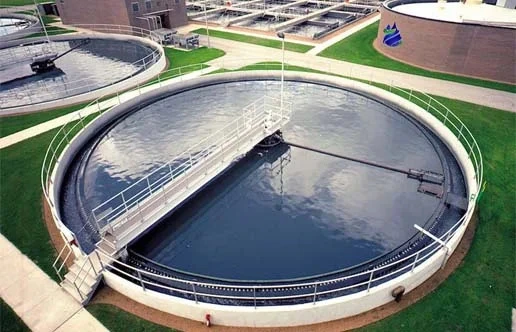
Faridabad's industrial compliance record has shown a persistent pattern over recent years: waves of inspection, notice and closure action, followed by continued reports of units resuming operations without meeting requirements. HSPCB data reviewed in earlier reporting shows that industrial units sealed for pollution violations in the district were commonly found to be operating without a Consent to Establish or Consent to Operate, and in many cases without an effluent treatment plant (ETP) at all, discharging chemical waste directly into drains or open land.
A January 2026 Tribune analysis of pollution monitoring across Gurugram and Faridabad noted that despite repeated directives and awareness efforts, monitoring remained inadequate at more than 200 industrial units across the two NCR cities, with online effluent and emission monitoring systems not consistently installed or maintained even where mandated.
What Enforcement Looks Like on the Ground
Enforcement action in Faridabad typically follows a set sequence: an inspection identifies a violation, a show-cause notice is issued giving the unit one to two weeks to respond, and if corrective measures are not demonstrated, a closure order follows, involving disconnection of electricity and water supply under the Air and Water Acts. Dyeing, electroplating and aluminium-processing units have featured prominently among those closed in past enforcement rounds, reflecting the concentration of chemical-intensive industry in parts of the district.
CAQM's regional Flying Squads, working alongside HSPCB and district administration, have also conducted targeted drives in nearby Haryana districts, such as a September 3, 2026 inspection of 35 premises in Nuh, illustrating the kind of surprise, multi-agency inspection model now being applied across the wider NCR industrial belt that includes Faridabad.
Why Consistent Compliance Matters
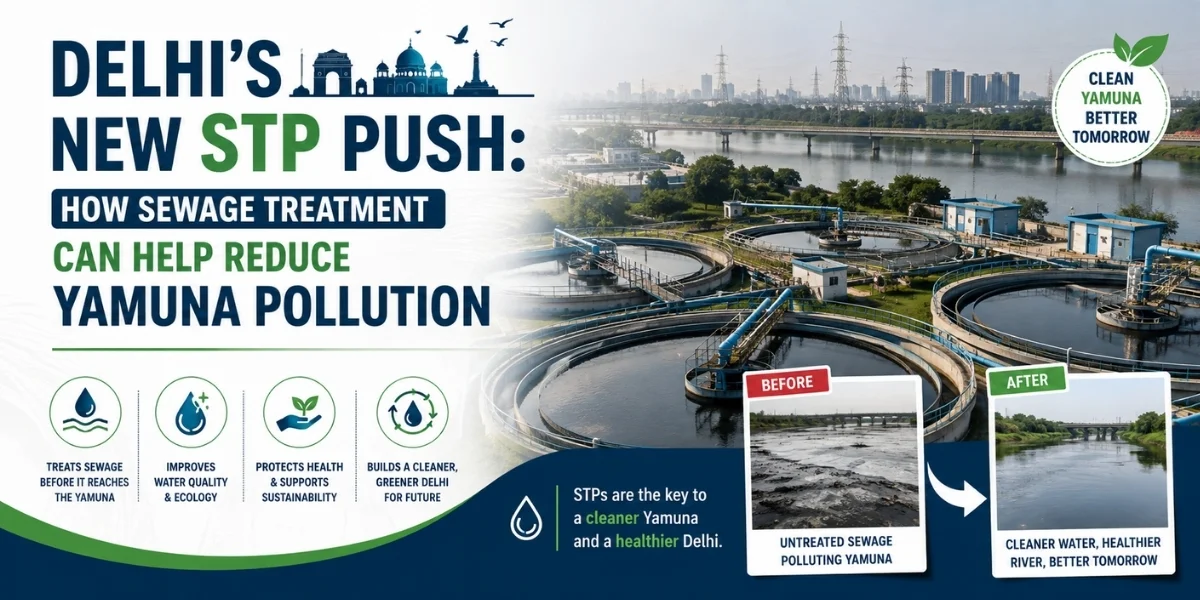
Faridabad's industrial base, estimated at around 30,000 units engaged substantially in chemicals, dyeing and aluminium-related processing, generates a significant volume of effluent that requires proper treatment before discharge. Where individual units lack functioning treatment systems or fail to maintain them, untreated effluent typically reaches municipal drains and, eventually, the Yamuna via the Agra Canal, contributing to the region's broader water-pollution burden.
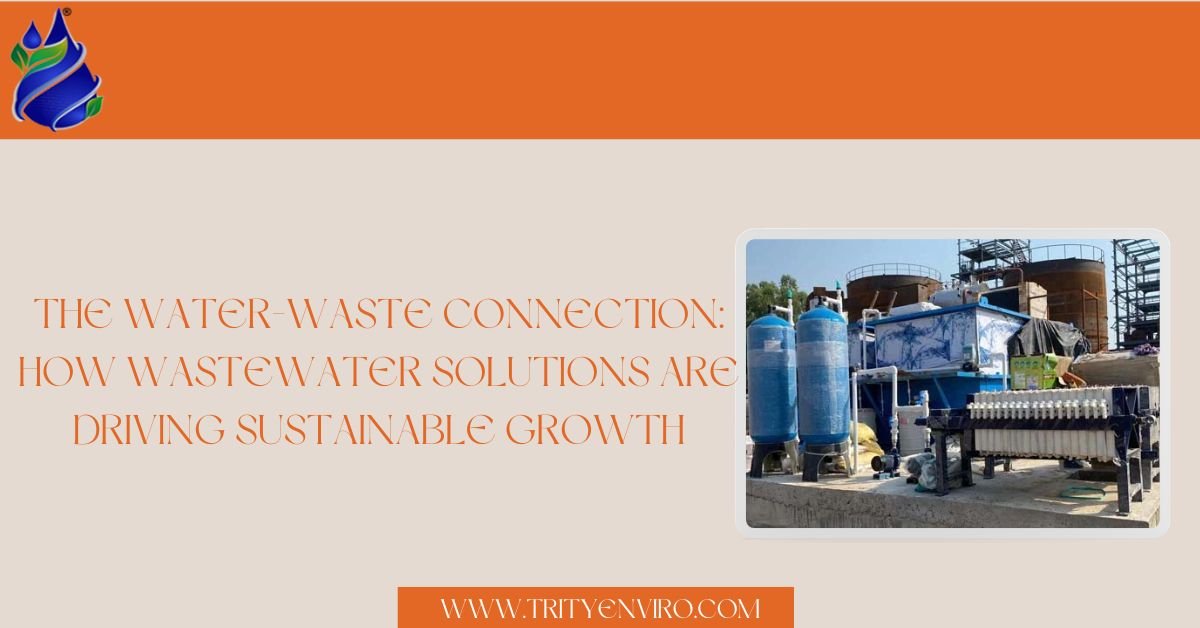
This is also the underlying rationale behind Faridabad's planned network of Common Effluent Treatment Plants at Pratapgarh, Mirzapur and Badshahpur, intended to give smaller units access to centralised, professionally operated treatment capacity rather than relying solely on individual on-site systems that are harder to monitor and maintain consistently.
Key Highlights
- CAQM's Enforcement Task Force recorded 98 industrial-sector inspections across NCR in a two-week period in late August and early September 2026.
- Past HSPCB enforcement in Faridabad has repeatedly found units operating without Consent to Establish, Consent to Operate, or a functioning ETP.
- A January 2026 Tribune review found monitoring inadequate at over 200 industrial units across Gurugram and Faridabad combined.
- Dyeing, electroplating and aluminium-processing units have been prominent among those closed in past enforcement rounds.
- Faridabad's planned CETP network is intended to give smaller units access to centralised treatment, addressing a structural driver of the compliance gap.
Sources & Further Reading
This article draws on reporting from The Tribune's January 2026 explainer on pollution monitoring in Gurugram-Faridabad, past Tribune coverage of HSPCB closure actions in Faridabad, and Asianet Newsable's report on CAQM's 139th Enforcement Task Force meeting, September 2026.