Oily wastewater running off an auto workshop floor looks harmless compared to a factory's chemical effluent. It isn't, and Haryana's pollution regulator is now treating it that way.
What Triggered the Action
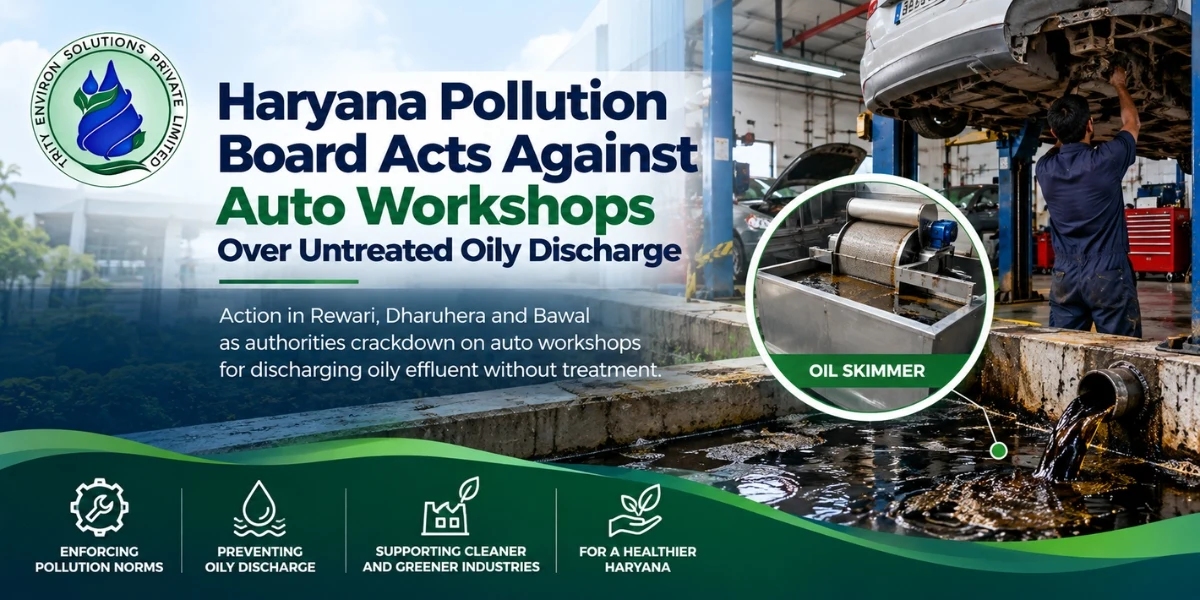
The Haryana State Pollution Control Board (HSPCB) has taken action against a cluster of auto repair and servicing workshops across the Rewari, Dharuhera and Bawal industrial belt for discharging untreated, oil-contaminated wastewater without the required consent or treatment infrastructure. The enforcement push follows a formal complaint, including one filed through the CM Window grievance system by a local resident named Parkash Yadav, flagging a workshop, Neeraj Auto Care in Dharuhera, for running without visible pollution control measures.
This belt sits inside one of Haryana's busiest automotive manufacturing and ancillary corridors, where hundreds of small workshops operate alongside large OEM plants, often with far less regulatory oversight than the bigger units attract.
A Pattern Bigger Than One Complaint
This is not an isolated case. HSPCB and the National Green Tribunal have separately dealt with a larger case involving roughly 128 auto workshops in the wider NCR belt operating without consent to establish or consent to operate, a case that has pushed several workshop clusters toward building shared or individual effluent treatment setups. Compensation demands tied to that broader case have run into several crores of rupees for non-compliant clusters.
Oily wastewater from vehicle servicing carries engine oil, grease, detergents, and heavy metal traces from brake and clutch work. Left untreated, it degrades soil and groundwater quality far more persistently than most people assume, since oil films block natural aeration and microbial breakdown in the ground.
Why Small Workshops Keep Getting Missed
Auto workshops rarely register as "industrial" in the public imagination, which is part of why enforcement against them lags behind factories and dyeing units. A single workshop's discharge looks negligible. A belt with hundreds of them operating the same way does not.
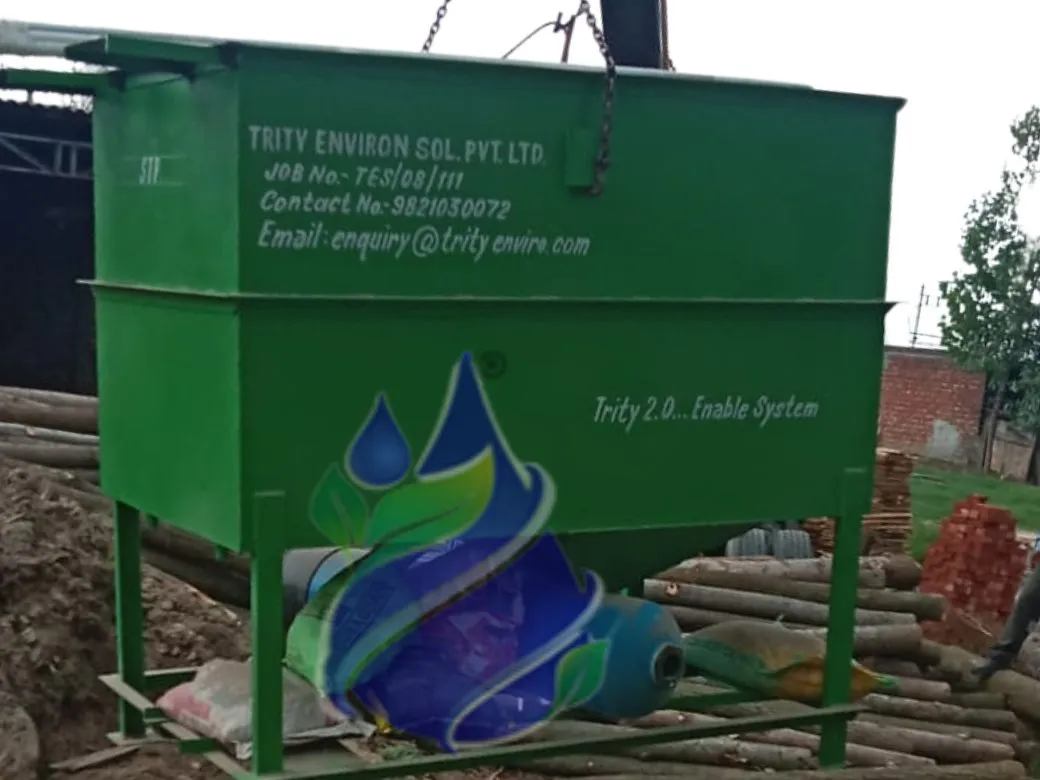
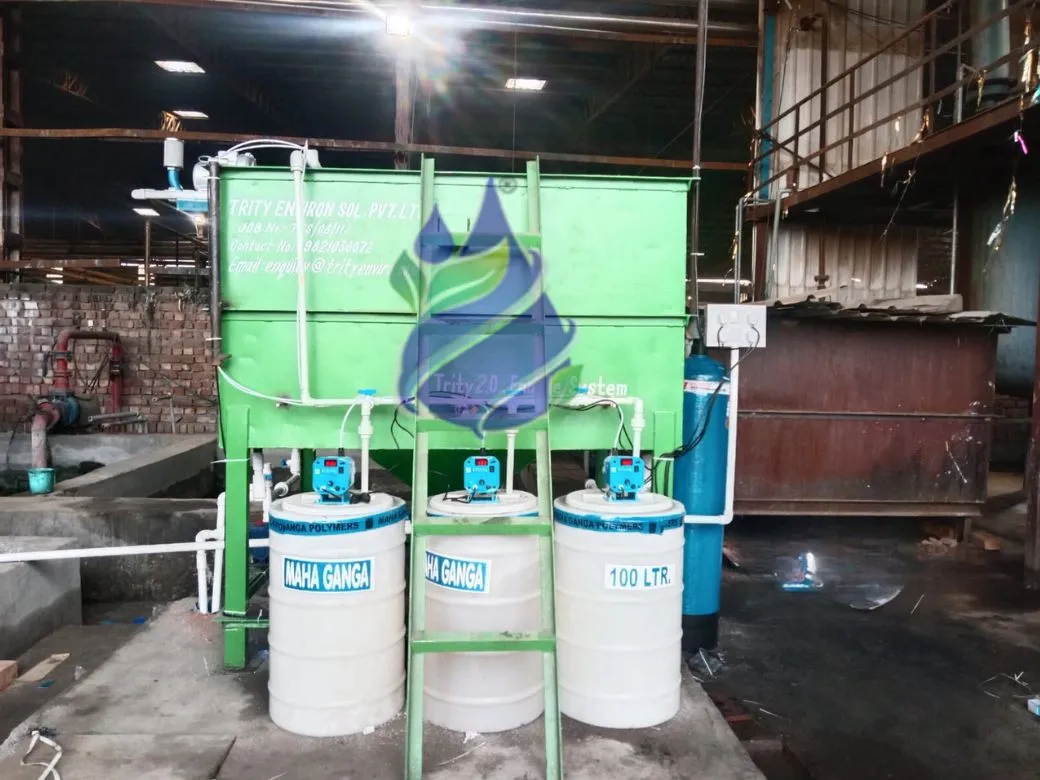
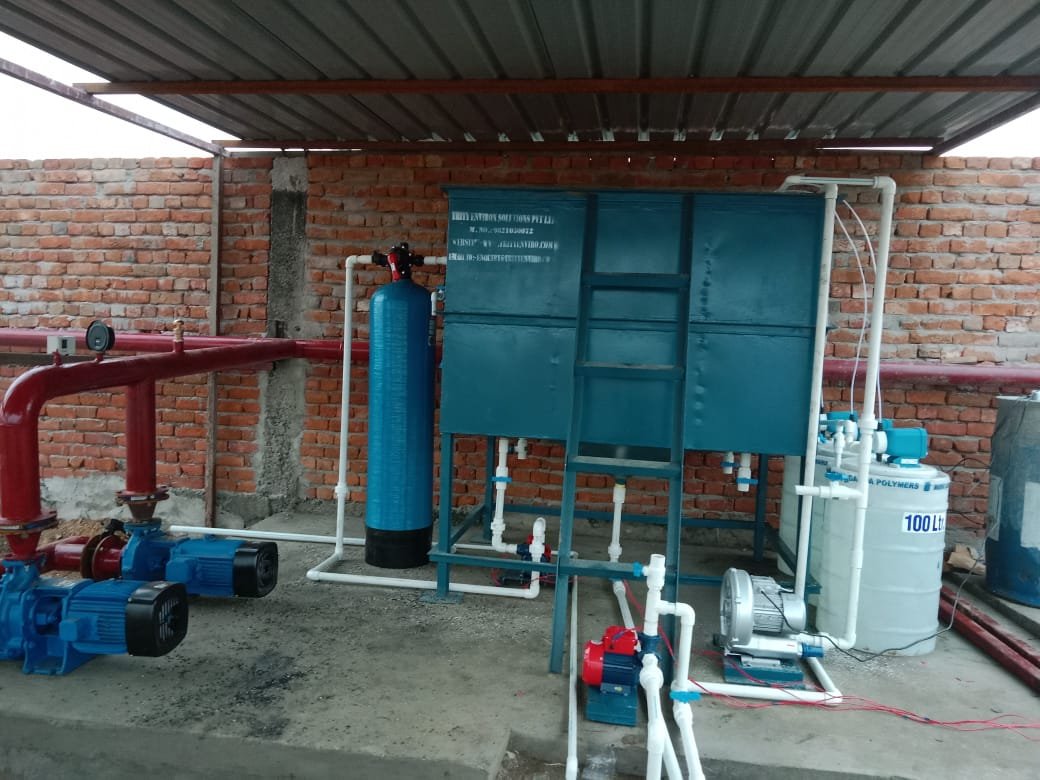
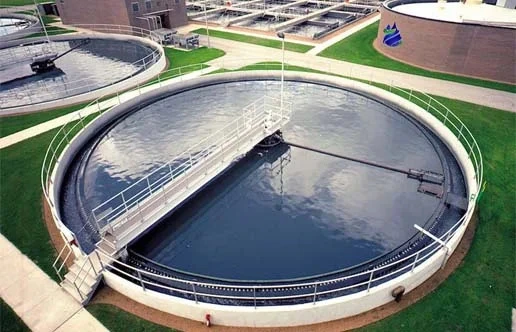
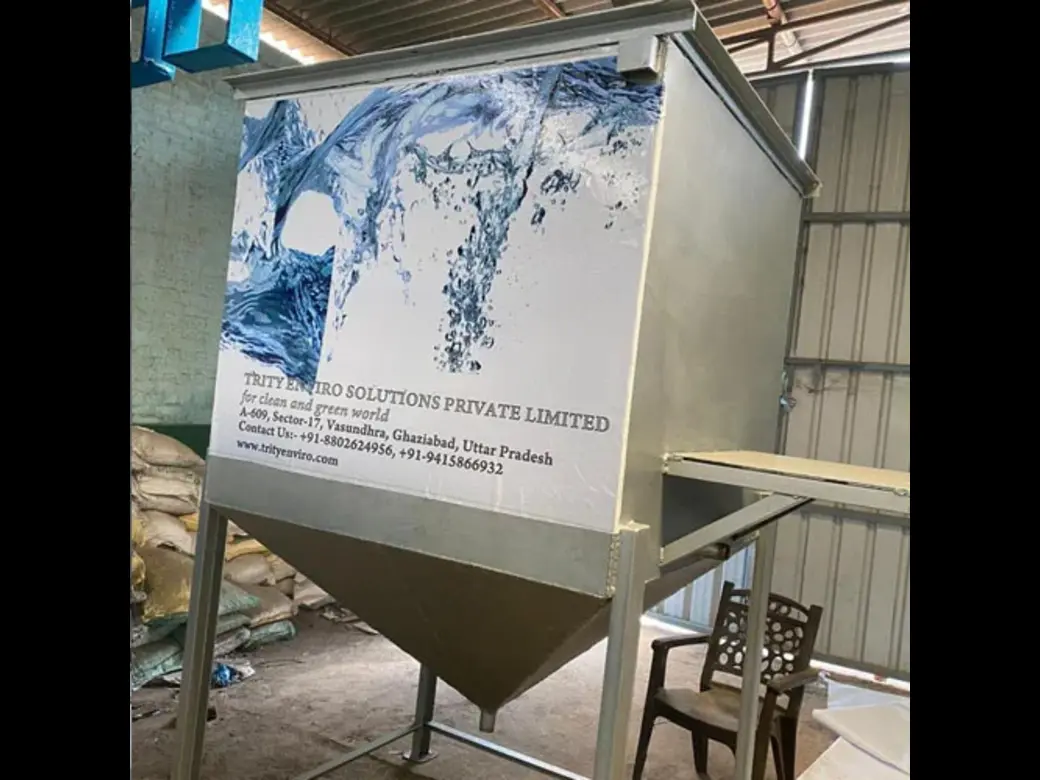
The fix at this scale typically does not require a full industrial-grade treatment plant. An oil skimmer paired with a basic settling and filtration stage, feeding into a small effluent treatment plant, is usually enough to bring a workshop's discharge within board norms, and costs a fraction of what a single closure notice, compensation order, or NGT penalty would.
What Workshops in the Belt Should Expect Next
With HSPCB's enforcement visibly active in this corridor, workshops without any treatment setup are the most exposed to the next round of inspections. Getting ahead of that, rather than waiting for a notice, is usually the cheaper path for a small operator weighing the cost of compliance against the cost of a shutdown.
Key Highlights
- HSPCB has acted against a cluster of auto workshops in Rewari, Dharuhera and Bawal over untreated oily wastewater
- The action follows a CM Window complaint naming Dharuhera's Neeraj Auto Care
- A separate, larger NCR-wide case covers roughly 128 auto workshops without pollution consent
- Basic oil-skimmer-plus-ETP setups are typically sufficient for workshop-scale oily effluent