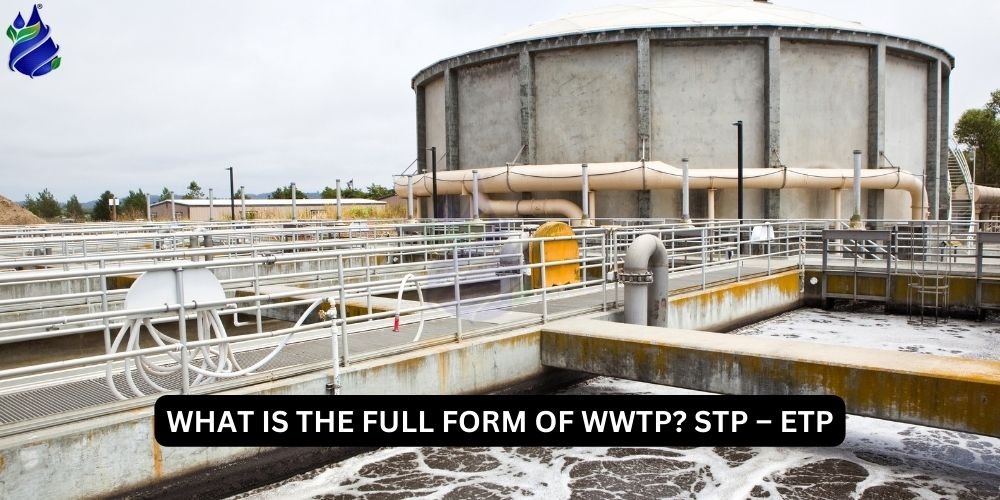
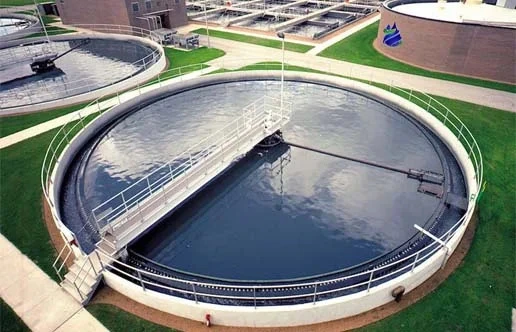
With the Simhastha Kumbh Mela set to bring millions of pilgrims to Nashik between October 2026 and July 2027, the city is in the middle of what its Kumbh Commissioner has called a decade of urban development compressed into three years. On the water and sanitation front specifically, that means four new sewage treatment plants adding 486 MLD of combined capacity, a 211 km sewer network across both banks of the Godavari, and a dedicated push to make sure no untreated sewage reaches the river during the Mela.
The Infrastructure Being Built
Alongside the four new STPs, Nashik is also getting a smaller, 4.5 MLD plant specifically for Trimbakeshwar, plus a new 274 MLD water treatment plant at Vilholi to handle drinking water supply for the expected crowds. According to the office of Kumbh Commissioner Shekhar Singh, these aren't temporary Mela-only structures; they're being built as permanent city assets intended to serve Nashik for the next 20 to 30 years, alongside a 385 km optical fibre network and the city's first 400 KV power substation.
The sanitation piece specifically centres on what's being called the "Godavari Swachhata" push: the new STPs, sewer network and a set of interception and diversion works designed to physically cut off existing points where sewage currently discharges into the river. A mass cleanliness drive covering ghats, riverbanks, markets and public spaces has been running since January 2026 and is scheduled to continue through July 2028, well past the Mela itself.
Not Everyone's Convinced It's Moving Fast Enough
Big infrastructure promises tend to attract skepticism, and Nashik's Godavari cleanup is no exception. In April 2025, Maharashtra Navnirman Sena workers staged a protest at Ramkund, the holiest bathing spot on the river, demanding the Godavari and its tributaries, Darna, Valdevi and Nandini, be made drinkably clean before the 2027 Mela, not just cleaner on paper. That kind of public pressure has been a recurring feature of Nashik's Kumbh preparations, and it's a useful reminder that announced MLD figures only matter once they're actually operational and the sewage they're meant to intercept is genuinely being kept out of the river.
How This Compares to Nashik's Other Sewerage Work
This Kumbh-driven push sits alongside, and is larger than, other recent Nashik sewerage investments, including a separate Rs 431 crore plan to replace 266 km of ageing sewer lines specifically in the CIDCO area. Together, these projects suggest Nashik's sewerage upgrade isn't a single scheme but several parallel ones, tied to different funding sources and timelines, which is worth knowing if you're trying to track the city's overall progress rather than just one headline number.
For context on how this compares nationally, a Parliamentary Standing Committee review published in August 2026 found India's urban sewage treatment gap exceeds 20,700 MLD overall, which is exactly the kind of structural shortfall that makes a pilgrimage-driven capacity push like Nashik's unusually significant: it's rare for a city to get this level of sustained investment in permanent sewage treatment infrastructure all at once, Mela or no Mela.
Key Highlights
- Nashik is building four new STPs with 486 MLD combined capacity, plus a 4.5 MLD Trimbakeshwar plant, ahead of Simhastha 2027.
- A 211 km sewer network is being laid across both banks of the Godavari, alongside a new 274 MLD water treatment plant at Vilholi.
- Interception and diversion works are meant to physically cut off existing sewage discharge points into the river.
- A mass cleanliness drive has run since January 2026 and continues through July 2028.
- This effort is separate from, and larger than, Nashik's Rs 431 crore CIDCO sewer-replacement project, reflecting multiple parallel sewerage investments in the city.
Sources & Further Reading
This article draws on an interview with Kumbh Commissioner Shekhar Singh published by Whispers in the Corridors, and reporting on public concerns from the Deccan Herald.