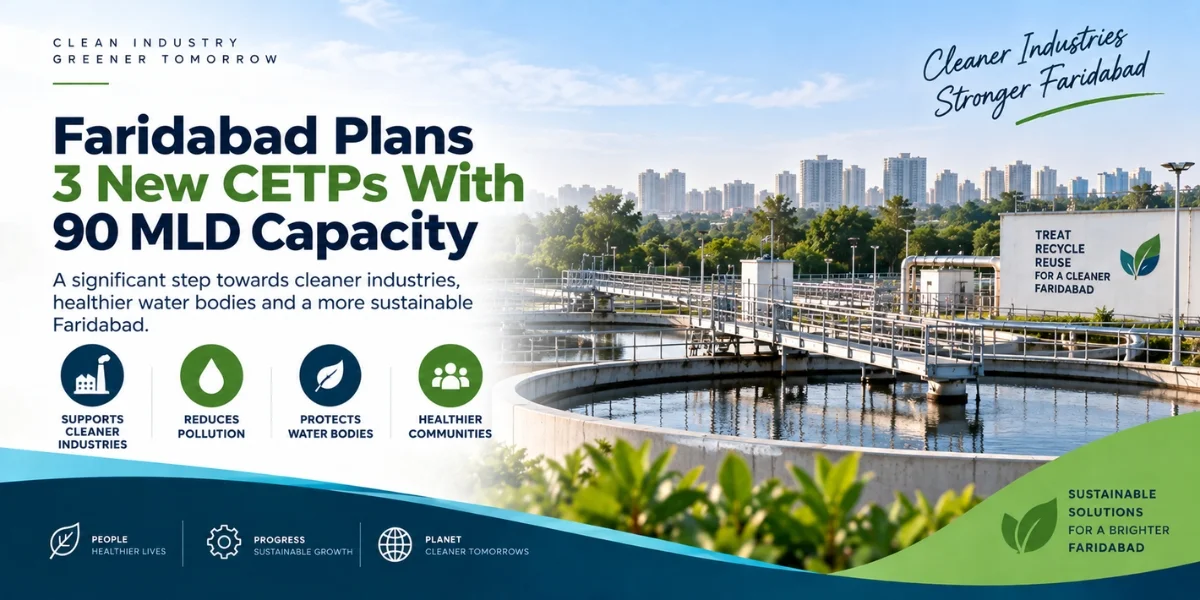
Faridabad's industrial areas are set to get three new Common Effluent Treatment Plants (CETPs) with a combined capacity of 90 MLD, aimed at preventing industrial wastewater from reaching the Yamuna and the connected canal network untreated. According to a Faridabad Municipal Corporation official cited in early September 2026 reporting, preparations are already underway to begin work at the Badshahpur site, while the other two plants remain at earlier stages of implementation.
Where the Three CETPs Are Planned
The three plants are proposed across separate sites in the district, each sized differently based on the industrial catchment area it is intended to serve.
- Pratapgarh CETP: 50 MLD, the largest of the three planned plants.
- Mirzapur CETP: 25 MLD.
- Badshahpur CETP: 15 MLD.
The Badshahpur plant is planned on roughly six acres currently occupied by an old, dilapidated municipal sewage treatment plant. According to officials, the Municipal Corporation of Faridabad will provide the land for this site once the existing structure is removed, while the Haryana State Industrial and Infrastructure Development Corporation (HSIIDC) will bear the construction cost. The overall project has been associated with the broader Yamuna Action Plan, and its capital cost has been reported at approximately ₹400 crore.
Faridabad's Industrial Wastewater Challenge
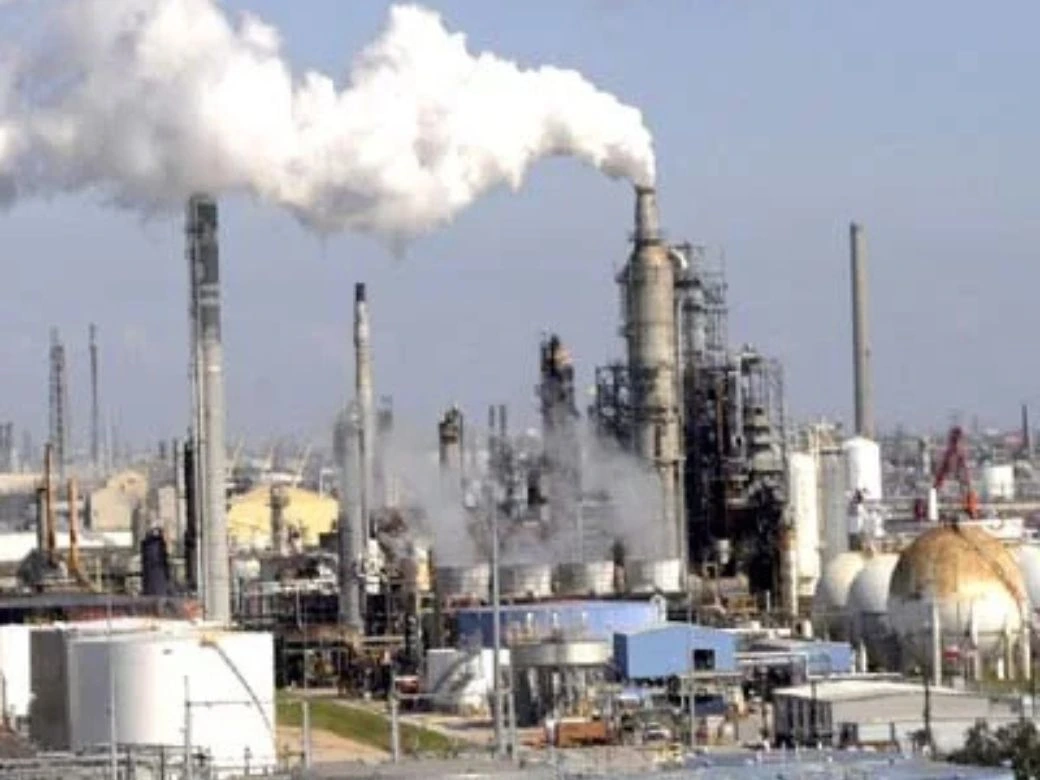
Faridabad is home to around 30,000 industrial units, many of them engaged in chemical processing, dyeing and aluminium-related operations. According to the most recent available reporting, these industries are estimated to discharge more than 60 MLD of effluent daily.
While a number of these units have installed their own treatment systems, officials have noted that many are not being operated properly. Wastewater from these units typically reaches the municipal sewer network and, from there, the STP system, before ultimately flowing into the Yamuna through the Agra Canal, affecting water quality in both the canal and the river. The three new CETPs are intended to provide centralised treatment capacity specifically for eligible industrial effluent from this catchment, distinct from the domestic sewage treatment plants operating in the same area.
How CETPs Can Help Control Industrial Water Pollution
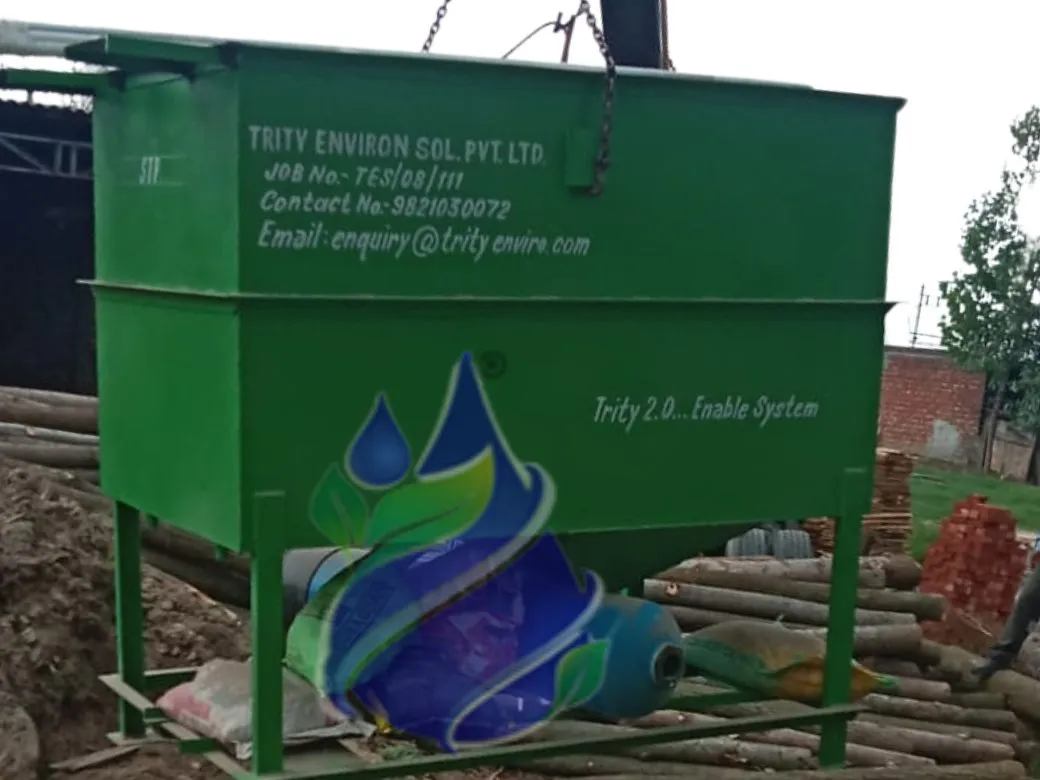
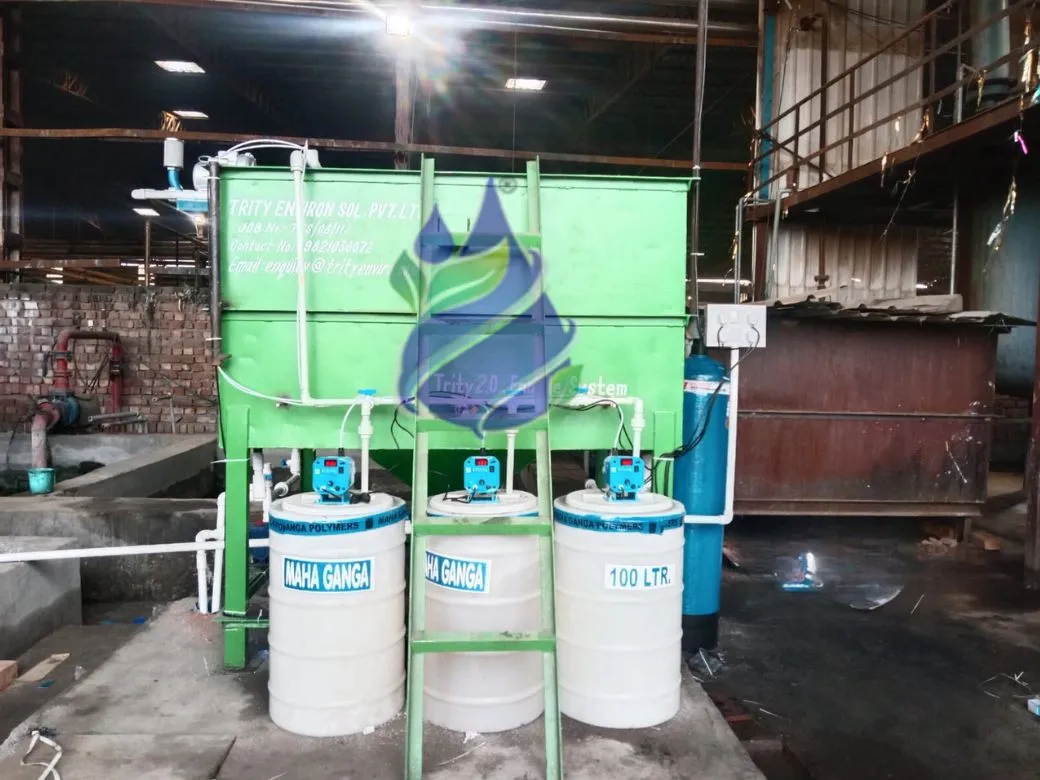
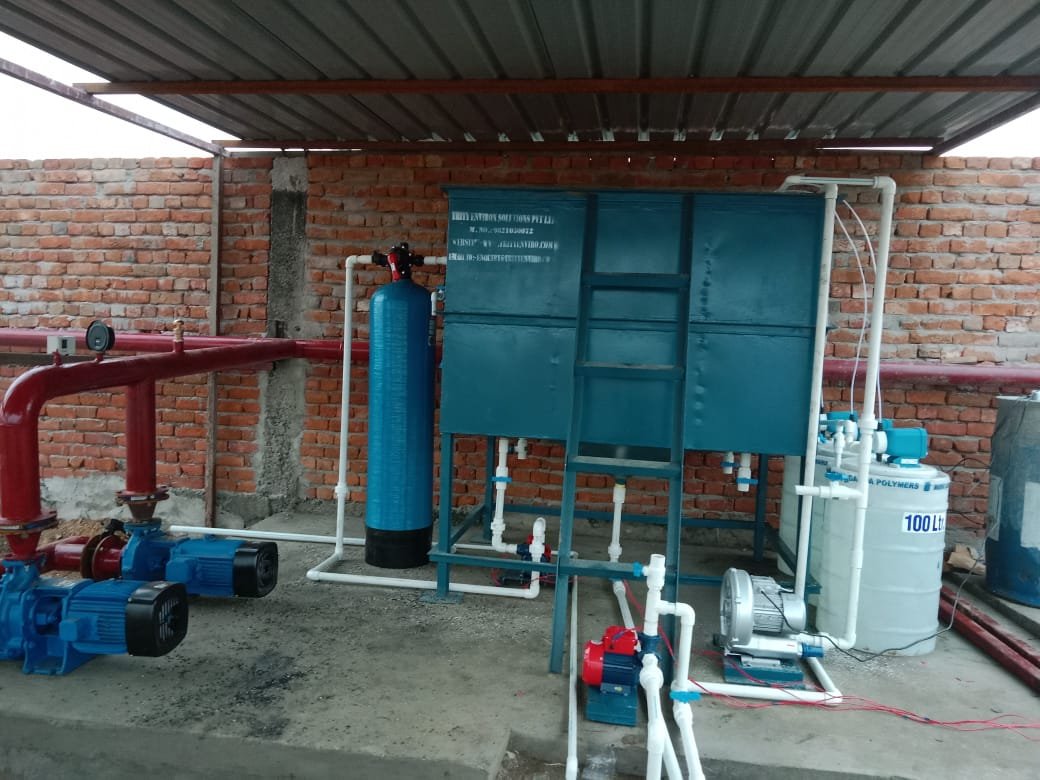
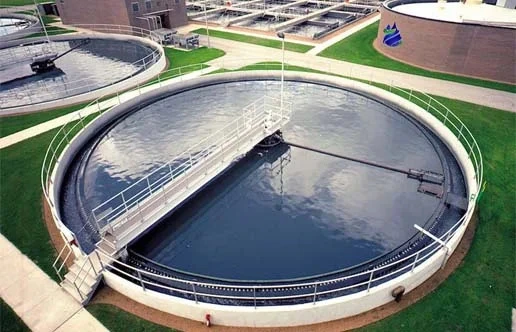
A Common Effluent Treatment Plant is designed to treat wastewater collected from multiple industrial units at a shared, centralised facility, rather than requiring every unit to independently operate and maintain its own full-scale treatment system. This model is particularly useful in industrial clusters where individual units may lack the space, technical capacity or consistent operating discipline needed to run an effective in-house effluent treatment plant.
By consolidating treatment at a professionally operated facility, a CETP can apply consistent process controls, testing and maintenance standards across a large volume of effluent, which is intended to reduce the risk of inadequately treated industrial wastewater reaching canals or the Yamuna. Properly functioning CETPs are also better positioned to support potential future reuse of treated water for non-potable industrial or other approved purposes, where technically and legally appropriate, though this depends on individual project design and applicable approvals.
Why This Differs From Domestic Sewage Treatment
It is worth noting that Pratapgarh, Mirzapur and Badshahpur are also home to separate domestic sewage treatment plants, which have been the subject of their own, unrelated upgrade projects in past reporting. The three CETPs described here are a distinct initiative aimed specifically at industrial effluent, rather than domestic sewage, and should not be conflated with STP capacity-upgrade work at the same village locations.
Project Status and Next Steps
Based on the most recent available reporting, the three CETPs are at different stages of progress:
- Badshahpur CETP (15 MLD): Preparations are underway to begin work at this site, with the Municipal Corporation set to hand over land at the location of the existing, non-functional STP once it is removed. This is the most advanced of the three sites in terms of on-ground readiness, though available reporting does not confirm that construction has actually started.
- Pratapgarh CETP (50 MLD): A tender for this plant had been floated as of a state-level review of Yamuna Action Plan projects in August 2026, according to reported information.
- Mirzapur CETP (25 MLD): Earlier reporting indicates this plant was included in HSIIDC's funding submission to the National Mission for Clean Ganga (NMCG) alongside the other two sites, though the most recent available sources do not specify a separate, current tender or construction status for this plant beyond its planned capacity.
Overall project funding has reportedly been pursued in part through NMCG, under the Union Ministry of Jal Shakti's Namami Gange programme, in addition to state government resources. Given that implementation status can change quickly on infrastructure projects of this kind, readers should verify the current stage of each plant against GMDA, HSIIDC or Faridabad Municipal Corporation's latest official updates before relying on this status for planning purposes.
Key Highlights
- Three new CETPs are planned in Faridabad with a combined capacity of 90 MLD: Pratapgarh (50 MLD), Mirzapur (25 MLD) and Badshahpur (15 MLD).
- The project is linked to the broader Yamuna Action Plan and is intended to reduce industrial wastewater pollution reaching the Yamuna via the Agra Canal.
- Preparations are underway to begin work at the Badshahpur site, where the Municipal Corporation will provide land and HSIIDC will fund construction.
- A tender for the Pratapgarh CETP had been floated as of an August 2026 state review of Yamuna Action Plan projects.
- Faridabad's roughly 30,000 industrial units are estimated to discharge over 60 MLD of effluent daily, much of it inadequately treated at present.
Conclusion
As Faridabad's industrial base continues to expand, centralised treatment infrastructure of this kind aims to reduce the volume of inadequately treated industrial effluent entering shared drains, canals and ultimately the Yamuna, without claiming to resolve every source of pollution on its own. The project's eventual impact will depend on how consistently the three CETPs are funded, constructed and then operated once complete, alongside continued efforts to bring individual industrial units into compliance with their own treatment obligations.
Sources & Further Reading
This article draws on reporting from The Print (PTI), published September 2, 2026, on the current status of the three planned CETPs, along with The Financial World's coverage of Haryana's August 2026 Yamuna Action Plan review, and background reporting from The Tribune on HSIIDC's funding submission to the National Mission for Clean Ganga.