Two studies published in 2026 add fresh evidence that untreated sewage discharged into Indian rivers is a significant driver of antibiotic resistance gene (ARG) spread, with monsoon rainfall acting as an additional trigger that temporarily worsens the problem. A June 2026 study by researchers at IIT Roorkee, published in collaboration with Technische Universität Dresden, documents monsoon-triggered surges in ARGs in urban Indian rivers, while an August 2026 metagenomic study of Yamuna River sediments near Agra maps the diversity of resistance genes present in the riverbed itself.
What the Research Found
The IIT Roorkee-led study, published in the peer-reviewed literature in June 2026, found that intense seasonal rainfall can sharply reshape pollutant dynamics in urban rivers that receive untreated sewage and solid waste, with implications for how antibiotic resistance genes disperse through the water. The researchers describe monsoon rainfall as capable of triggering measurable surges in ARG presence, tied directly to the volume of untreated wastewater entering rivers during heavy rain events.
Separately, the August 2026 sediment study, led by researchers from the ICAR-Central Inland Fisheries Research Institute and Rani Lakshmi Bai Central Agricultural University, used shotgun metagenomic sequencing on Yamuna sediment samples collected near Agra. The study found a complex, spatially structured pattern of antimicrobial resistance genes and virulence factors, with both the diversity of resistance mechanisms and the confidence of gene detection increasing at certain locations, reflecting the river's long-term exposure to city sewage and industrial effluent from Delhi, Agra and surrounding areas.
Why Untreated Wastewater Is Central to the Problem
Antibiotic resistance genes develop and spread more readily in environments where antimicrobial residues, from human waste, hospital effluent and pharmaceutical manufacturing, are present alongside high organic pollution and low water flow. Indian rivers receiving large volumes of untreated or partially treated sewage provide exactly these conditions, effectively functioning, in the words of prior published research, as a natural environment for resistant bacteria to develop and persist.
This is distinct from, but related to, the river's already well-documented heavy-metal and organic pollution burden. Where sewage bypasses treatment entirely, or where treatment plants are not consistently achieving required effluent standards, the same discharge pathways that carry organic pollutants and pathogens into the river also carry antimicrobial residues and resistant bacteria.
What This Means for Wastewater Treatment
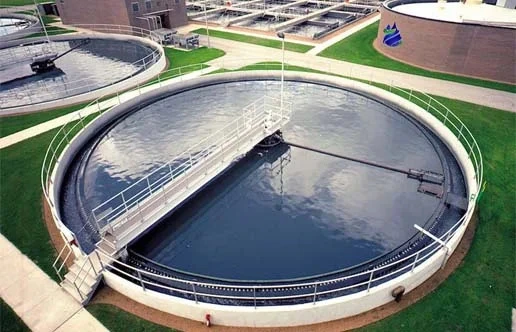
Conventional biological treatment at a sewage treatment plant reduces organic load and pathogen counts, but does not necessarily eliminate all antibiotic resistance genes or antimicrobial residues, particularly where a plant is not achieving full design-level treatment. This is an emerging area of concern for wastewater treatment design and operation, distinct from the standard BOD, COD and suspended-solids parameters typically used to assess compliance.
For plant operators, the research reinforces the broader case for consistent, well-maintained sewage treatment plant operation, since gaps in treatment capacity or performance, whether from unconnected households, ageing infrastructure or under-maintained plants, directly translate into a larger share of untreated sewage, and the resistance genes it carries, reaching the river.
Key Highlights
- A June 2026 IIT Roorkee-led study links monsoon rainfall to measurable surges in antibiotic resistance genes in urban Indian rivers receiving untreated sewage.
- An August 2026 metagenomic study of Yamuna sediments near Agra mapped a complex, spatially varying pattern of resistance genes and virulence factors.
- Untreated sewage and industrial effluent are identified as major contributors to the conditions that allow antibiotic-resistant bacteria to develop and persist in river systems.
- Standard sewage treatment reduces organic pollution and pathogens but does not automatically address antibiotic resistance genes.
- The findings add to a growing body of research connecting India's sewage treatment gaps to broader public-health concerns beyond conventional water-quality parameters.
Sources & Further Reading
This article is based on the peer-reviewed studies "Monsoon-Triggered Surges of Antibiotic Resistance Genes in Urban Indian Rivers Impacted by Untreated Wastewater" (PubMed, June 2026) and "Metagenomic Insights into Antibiotic Resistance Genes and Virulence Factors in Sediments of River Yamuna" (Frontiers in Microbiology, August 2026).